






Blog
Key Advantage Of Battery Cage Systems For Industrializing Latin American Layer Farms
Automated chicken battery cage systems provide commercial layer farms with a standardized approach to production management, space utilization, feed control, egg collection, and operational efficiency.
The advantage of battery cage technology is particularly relevant to Latin America's expanding commercial egg industry, where production scale, labor availability, biosecurity, and land utilization directly influence farm profitability.
Higher production efficiency properly managed layer flocks can achieve peak laying rates of approximately 95%–98% during their peak production period, depending on genetics, age, nutrition, lighting, and health management.
Improved feed management automated feeding equipment helps reduce feed spillage, improve distribution consistency, and support more predictable Feed conversion ratios (FCR).
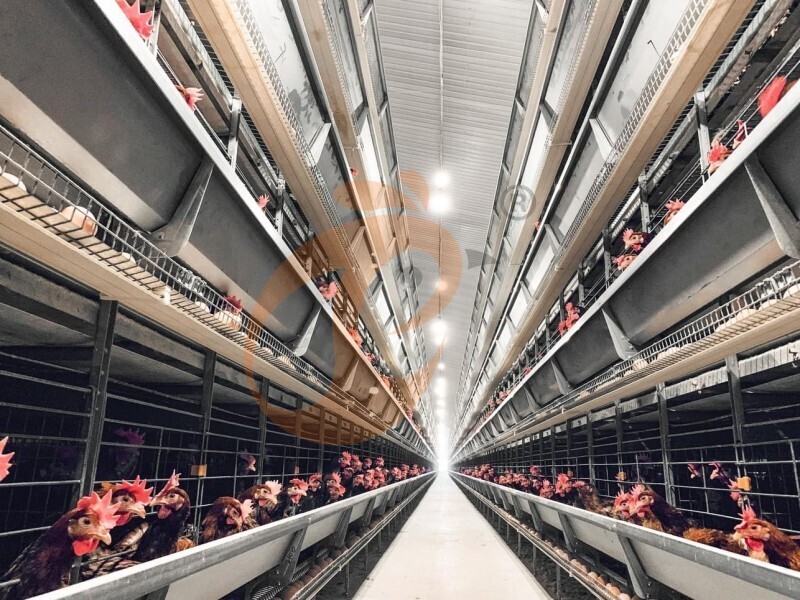
Better space utilization multi-tier H-type cage layouts increase the number of birds accommodated within a poultry house footprint, subject to applicable welfare regulations and engineering requirements.
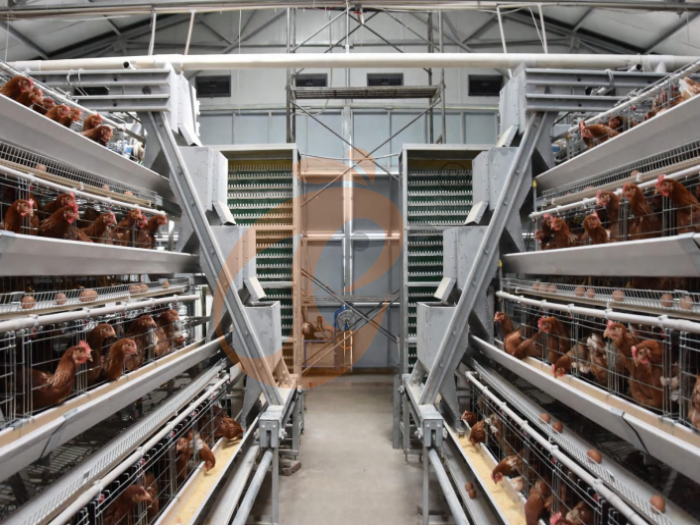
Reduced egg losses sloped collection floors and automated egg conveyor belts reduce unnecessary egg handling and help minimize shell damage.
More efficient labor allocation automatic feeding, manure removal, egg collection, and environmental control reduce repetitive manual work.
Improved biosecurity management physical separation between birds and accumulated manure, combined with regular cleaning, supports better hygiene management.
Regional adaptability galvanized steel structures, ventilation systems, and appropriately designed equipment can accommodate different climatic conditions across Latin America.
Over the past decade, poultry farming across Latin America from major production markets such as Brazil, Mexico, and Colombia to developing agricultural markets such as Peru, Argentina, Chile, Ecuador, and Guatemala has experienced increasing industrialization.
Rising egg consumption, changing food safety requirements, labor expenses, and competition for agricultural land have encouraged producers to evaluate automated housing systems.
According to information published by the food and agriculture organization (FAO) and regional poultry industry organizations, Latin America represents a substantial global egg-production market.
Regional production statistics published using FAO data identify Brazil, Mexico, Colombia, Argentina, and Peru among the important egg-producing countries.
The commercial value of the advantage of battery cage systems therefore needs to be evaluated through measurable production indicators rather than equipment capacity alone.
Comparison Of Different Layer Farming Systems
Data is for reference only. Swipe horizontally to view full table.
Important engineering note
The figures above are indicative commercial planning assumptions, not universal results established by FAO or ALA.
Housing density must be calculated using the applicable usable-area definition, equipment configuration, bird welfare requirements, and local regulations.
Mortality and egg breakage depend on management quality and flock conditions.
Clients:
Rising labor wages in Latin America, especially in countries such as Brazil, Mexico, and Chile, are shrinking my farm profit margins.
What is the real advantage of battery cage automation over manual labor?
Taiyu Group (HK):
The main advantage of battery cage systems is operational predictability and reduced dependence on repetitive manual activities.
Automated feeding, drinking, manure removal, and egg collection help farms manage daily workloads more efficiently.
Have you evaluated how much labor time your farm currently spends on manual feeding, cleaning, and egg collection?
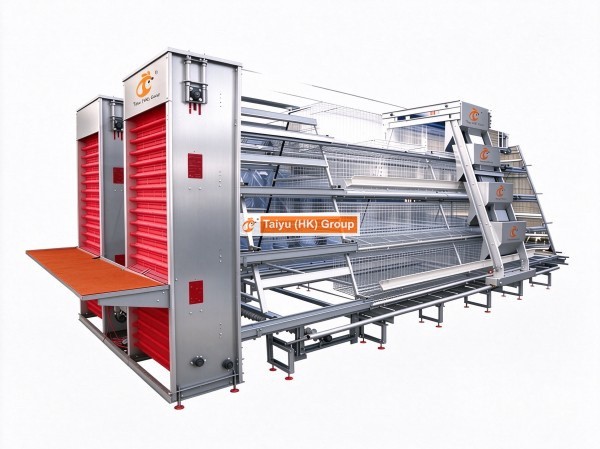
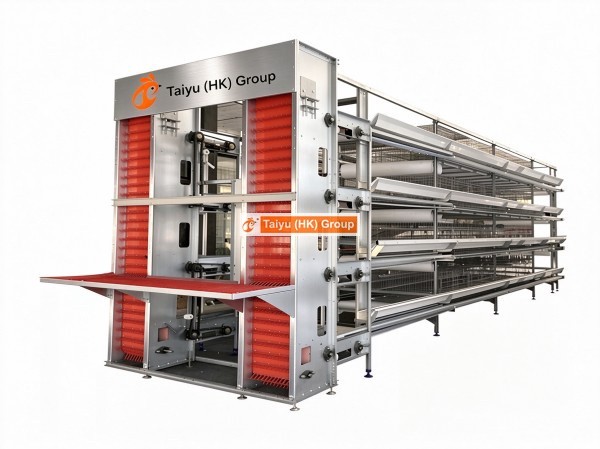
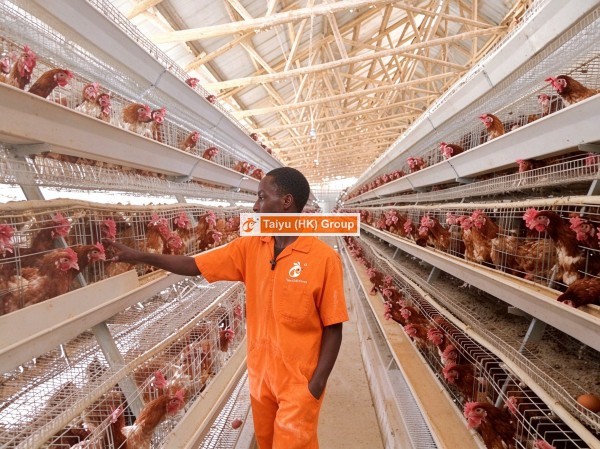
Check the popular types of chicken battery cages for sale
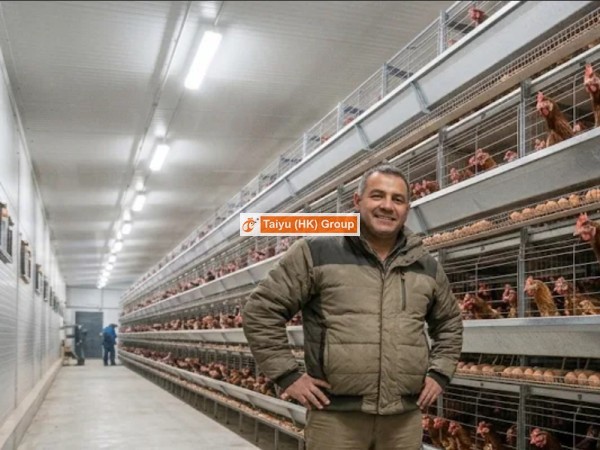
Learn More About Southeast Asia
1. Section 1 Overview: 4 Core Advantages Of Battery Cage Systems For Latin American Producers
Commercial poultry producers who understand the advantage of battery cage technology can establish four foundational operational benefits for layer farms across Brazil, Mexico, Colombia, Peru, Argentina, Chile, Guatemala, and Ecuador.
1. Consistently High Yield
A well-managed commercial layer flock can achieve peak egg production rates between 95% and 98% during its productive peak.
Automated feeding, reliable drinking-water delivery, consistent lighting schedules, and environmental monitoring help maintain the conditions required for stable production.
2. Drastic Loss Reduction
Automatic egg collection systems reduce unnecessary human handling and shorten the time between laying and collection.
Properly adjusted collection belts and clean egg-handling equipment can help farms work toward egg breakage targets below 1.5%, depending on shell quality, equipment maintenance, and collection speed.
3. Maximized Land Efficiency
Vertical cage arrangements allow producers to utilize building volume rather than relying exclusively on floor-level housing.
The advantage of battery cage configurations becomes particularly relevant when agricultural land near major consumption and logistics centers is expensive or limited.
4. Labor Optimization
Integrated feeding, drinking, manure removal, and egg collection equipment reduces repetitive manual activities.
A well-designed automated system allows employees to focus more attention on flock inspection, maintenance, quality control, and production management.
Furthermore, heavy-duty hot-dip galvanized steel structures provide corrosion protection in humid coastal environments across Ecuador, Colombia, and Brazil.
For farms operating in seismic regions of Chile, Peru, and Bolivia, structural calculations, anchoring arrangements, foundation design, and reinforced connections should be adapted to local engineering requirements.
The expected service life of 25+ years can be used as an equipment planning target, subject to coating specifications, installation quality, maintenance, and environmental exposure.
Additional Engineering Parameters For Regional Adaptation
These are preliminary engineering design targets rather than universal regulatory limits.
Final specifications require local climate data, flock size, equipment calculations, and veterinary input.
Clients:
How does the advantage of battery cage design help my farm pass strict government bio-inspections in markets such as Mexico City, Bogota, or Sao Paulo?
Taiyu Group (HK):
Cage housing can support more organized manure removal, controlled feeding, and automated egg transportation.
Separating birds from accumulated manure also helps reduce certain contamination pathways.
However, passing government inspections requires more than cage equipment.
Water sanitation, vaccination records, pest control, visitor management, cleaning procedures, and traceability remain essential.
Have you reviewed the current inspection requirements in your target market?
Data is based on more than 20 years of after-sales follow-up records collected by taiyu group (HK).
2. High-Density & Land CAPEX Efficiency: 300%+ Higher Spatial Density
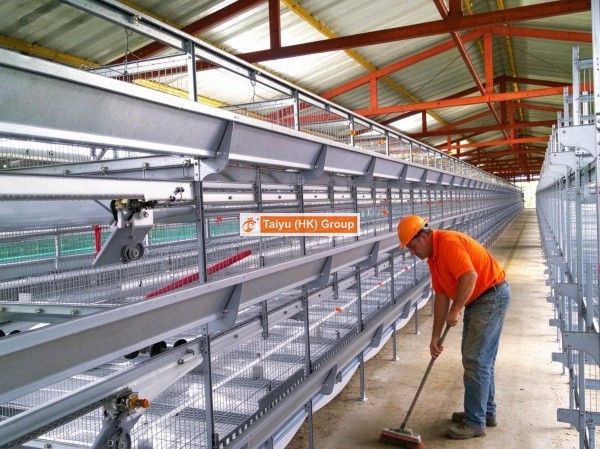
A major spatial advantage of battery cage systems is improved building-footprint utilization.
Land acquisition near logistics hubs and major urban markets, such as Sao Paulo (Brazil), Mexico City (Mexico), Bogota (Colombia), and Lima (Peru), can represent a substantial capital expenditure for commercial poultry producers.
Traditional floor-based housing generally requires more floor area per bird than multi-tier cage arrangements.
For preliminary equipment planning, conventional floor housing may use approximately 5–6 birds per square meter of building footprint, while certain multi-tier H-type layouts can accommodate an illustrative 20–25 birds per square meter of building footprint.
A standard 1,000 m² poultry shed designed around 5,000 floor-housed layers could therefore have a theoretical equipment-layout capacity of 20,000–25,000 birds with a four-tier or five-tier arrangement.
However, the final permitted capacity must account for usable floor area, aisle widths, service access, ventilation, manure handling, bird welfare requirements, and applicable national regulations.
The advantage of battery cage engineering is particularly significant for farms seeking to expand production without proportionally increasing building footprints.
Building Area And Illustrative Housing Capacity Comparison
Data is for reference only. Swipe horizontally to view full table.
The figures represent illustrative building-footprint planning scenarios, not equivalent legally permitted stocking densities.
Actual capacity depends on cage specifications, usable area, service corridors, ventilation, and applicable animal-welfare legislation.
Understanding Different Layer Housing Methods
Latin American poultry producers should evaluate the characteristics of different housing systems before selecting equipment.
A. Battery Cage Housing
Typical equipment and management characteristics
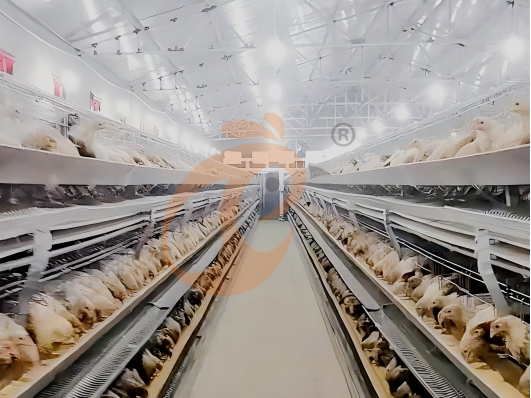
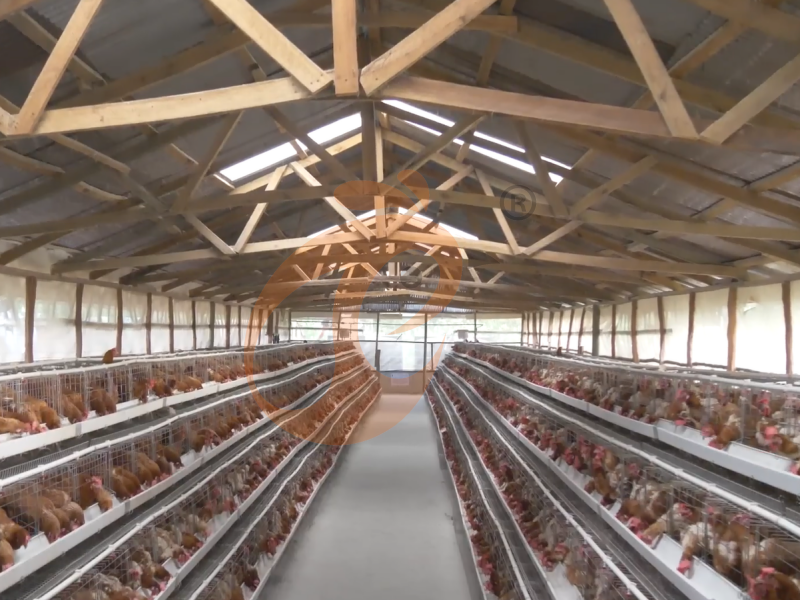
Housing A-type or H-type multi-tier cage structures.
Equipment automatic feeding lines, nipple drinking systems, manure belts, egg conveyors, and environmental control equipment.
Management individual flock monitoring, feed and water monitoring, scheduled maintenance, and manure removal.
Planning consideration confirm stocking-density legality and animal-welfare requirements before construction.
B. Floor And Aviary Housing
Housing open poultry houses with litter areas, nesting facilities, and perches.
Equipment feed chains or pans, nipple drinkers, nest boxes, egg belts, and manure management systems.
Management more intensive litter monitoring, nest training, floor-egg collection, and flock behavior observation.
Planning consideration the European Union's alternative-system framework provides a reference maximum of nine laying hens per square meter of usable area.
C. Free-Range Housing
Housing indoor poultry buildings connected to outdoor runs or pasture areas.
Equipment indoor nests, perches, drinking systems, outdoor shelters, fencing, and predator protection.
Management outdoor access monitoring, parasite management, predator control, and additional biosecurity procedures.
Planning consideration outdoor stocking capacity and access requirements depend on the applicable national standard and certification program.
Reference Housing Requirements
Data is for reference only. Swipe horizontally to view full table.
Planning a poultry farm expansion? Get professional guidance to support your next stage of business growth. WhatsApp to +8618830120193.
European union standard reference only.
Council Directive 1999/74/ec prohibits unenriched cages in European union member states.
Enriched cages and alternative systems have separate requirements.
Local Latin American regulations must be checked independently.
Clients:
Land acquisition near major cities in Mexico, Colombia, and Argentina is extremely costly.
Can you explain how the spatial advantage of battery cage units saves my expansion budget?
Taiyu Group (HK):
Vertical expansion allows producers to utilize available building height instead of depending exclusively on additional floor space.
A properly engineered four-tier or five-tier H-type arrangement can substantially increase the number of birds housed within a building footprint.
However, building structure, ventilation, manure removal, and local stocking regulations must be considered before confirming the final capacity.
Wouldn't a detailed layout comparison help you evaluate the investment more accurately?
Data is based on more than 20 years of after-sales follow-up records collected by Taiyu Group (HK).
3. Biosecurity & Seismic Durability: Dropping Mortality Below 2%
Another decisive advantage of battery cage setups is improved organization of biosecurity and manure management.
Humid tropical regions, including coastal Ecuador, Honduras, and Guatemala, require particularly careful moisture management.
Intensive poultry production areas in Brazil and Argentina also need effective disease prevention procedures.
In floor-based housing, birds may have direct contact with litter containing accumulated droppings.
Poor litter management can increase exposure to certain pathogens and create additional hygiene challenges.
In appropriately managed cage systems, elevated housing structures separate birds from accumulated manure.
Automated polypropylene (pp) manure belts can transport droppings outside the poultry house at scheduled intervals.
The advantage of battery cage manure management therefore lies in more predictable waste removal, improved inspection access, and reduced accumulation beneath the birds.
Nevertheless, manure belts alone cannot guarantee a reduction in flock mortality from 10% to below 2%.
Mortality depends on vaccination, genetics, disease pressure, ventilation, nutrition, stocking density, veterinary supervision, and overall management.
Regional Environmental Challenges And Engineering Solutions
Data is for reference only. Swipe horizontally to view full table.
Structural Durability In Latin American Conditions
1. Hot-Dip Galvanized Steel
Hot-dip galvanized steel provides a protective zinc coating that helps reduce corrosion.
Coating thickness, surface preparation, weld protection, and maintenance schedules should be specified according to the expected operating environment.
Coastal facilities in Colombia, Ecuador, and Brazil may require additional corrosion inspections because salt exposure and high humidity can accelerate deterioration.
2. Reinforced Cross-Beam Engineering
For poultry projects in Chile, Peru, and Bolivia, engineering assessments should include:
Local seismic design acceleration.
Structural connection strength.
Foundation and anchoring requirements.
Equipment vibration and dynamic loading.
Corrosion allowances and long-term inspection access.
A 25+ year equipment service-life target may be used for preliminary project planning, but no universal lifespan can be guaranteed without site-specific engineering and maintenance conditions.
Client Question: Is Structural Stability Another Proven Advantage Of Battery Cage Engineering?
Clients:
Farms in Chile, Peru, and Bolivia face seismic risks, while coastal regions in Colombia and Ecuador have high humidity.
Is structural stability another proven advantage of battery cage engineering?
Taiyu Group (HK):
Structural stability is an important part of poultry equipment engineering.
Our proposed cage configurations can incorporate hot-dip galvanized steel components and reinforced support structures.
For seismic locations, structural connections, anchoring, and foundations must be calculated according to local engineering requirements.
Wouldn't a site-specific structural assessment help protect your long-term investment?
4. FCR Optimization & Egg Quality: Lower Breakage Below 1.5%
Feed represents one of the largest recurring expenses for layer farms in Brazil, Mexico, Chile, and Peru.
The financial advantage of battery cage feeding systems lies in controlled feed distribution, reduced spillage, and more consistent access to feed.
Specialized deep feed troughs with inward anti-flick rims help prevent chickens from throwing feed outside the trough.
For preliminary commercial calculations, a potential feed-saving target of up to 2.5 metric tons per 1,000 layers annually can be evaluated.
Actual savings must be established through a comparison of feed issued, feed consumed, and feed losses before and after equipment installation.
The advantage of battery cage egg collection engineering also contributes to product quality.
Properly designed bottom mesh slopes allow freshly laid eggs to move toward collection belts.
A slope of approximately 7°–8° can be considered for certain equipment configurations, subject to mesh design, egg movement tests, and manufacturer specifications.
Central conveyor belts then transport eggs toward sorting and packing areas, reducing repeated manual handling.
A breakage target below 1.5% may be achievable under suitable conditions, but shell strength, belt speed, transfer points, flock nutrition, and equipment maintenance all influence the final result.
The feed-saving and egg-breakage figures are illustrative engineering targets based on commercial operating assumptions and require validation through farm-level service and production records.
Feed Management And Egg Collection Engineering
Feed And Egg Quality Performance Indicators
Data is for reference only. Swipe horizontally to view full table.
Additional Egg Collection Parameters
These values are equipment planning suggestions rather than universal industry standards.
Final conveyor specifications depend on farm capacity, belt width, collection distance, and egg handling requirements.
Clients:
Feed makes up over 70% of my operational costs in Latin America.
How much money can this design save on feed for a farm in Argentina or Mexico?
Taiyu Group (HK):
Our deep feed trough configurations are designed to reduce feed spillage and improve feeding consistency.
For a 1,000-layer planning scenario, an annual saving target of up to 2.5 metric tons can be evaluated against actual farm consumption records.
The financial benefit depends on local feed prices, flock performance, and the measured reduction in wastage.
Have you calculated your current monthly feed losses?
Data is based on more than 20 years of after-sales follow-up records collected by Taiyu Group (HK).
5. Scalability: 1K → 2K → 5K → 10K → 20K → 50K → 100K+ Labor Optimization In Latin America
The ultimate commercial advantage of battery cage modularity is its ability to support different stages of poultry farm expansion.
Latin American egg producers have different investment capabilities and production objectives.
Smallholders in Guatemala and Honduras may begin with a relatively small layer operation, while established commercial producers in Brazil, Mexico, and Colombia may require integrated equipment for large industrial complexes.
A modular approach allows producers to expand housing, feeding, drinking, manure removal, and egg collection infrastructure according to actual production requirements.
Recommended Equipment Configurations By Farm Scale
Data is for reference only. Swipe horizontally to view full table.
Labor figures are indicative equipment-planning scenarios.
Actual staffing depends on shift arrangements, packing capacity, biosecurity procedures, maintenance responsibilities, and the division of work between production and logistics.
1,000 → 2,000 Birds (Startup Stage)
A-type three-tier cages provide a practical starting configuration for small commercial farms.
One part-time worker may manage routine feeding, water inspection, egg collection, and cleaning in a suitably designed operation.
Recommended equipment
A-type three-tier cages.
Basic anti-flick feed troughs.
Nipple drinking systems.
Manual or semi-automatic manure removal.
Basic ventilation equipment.
5,000 → 10,000 Birds (Standard Commercial Farm)
A semi-automated arrangement helps standardize routine production activities.
Recommended equipment
A-type cage structures with 3–4 tiers.
Semi-automatic feeding trolley.
Automatic nipple drinking lines.
Automatic or mechanized manure scrapers.
Basic egg collection conveyors.
One to two full-time workers may handle routine operations under a suitable management arrangement.
20,000 → 50,000 Birds (Industrial Farm)
At industrial production levels, automated equipment becomes increasingly important.
Recommended equipment
H-type vertical cage systems with 4–16 tiers, subject to the selected project configuration.
Automatic PP manure belts.
Soft egg collection conveyor belts.
Automatic feeding lines.
Industrial ventilation and cooling equipment.
A preliminary staffing target of two to three full-time workers can be evaluated, depending on packing and maintenance arrangements.
100,000+ Birds (Mega Poultry Complex)
Large poultry complexes require integrated equipment and centralized production management.
Recommended equipment
Fully automated H-type cage systems.
Centralized egg collection and sorting.
Automatic feeding and manure removal.
Intelligent environmental monitoring.
Industrial ventilation and cooling.
Centralized production monitoring and alarm systems.
A lean team of four to five operators may be used as an initial equipment-operation planning assumption for a highly automated complex.
Additional personnel may be required for egg packing, maintenance, veterinary supervision, logistics, and biosecurity.
Modular Expansion Planning
Data is for reference only. Swipe horizontally to view full table.
Client Question: How Many Staff Will I Actually Need When Expanding From 10,000 To 100,000+ Birds?
Clients:
I want to experience the full operational advantage of battery cage systems on my farm in Brazil, Mexico, or Colombia by expanding from 10,000 to 100,000+ birds.
How many staff will I actually need?
Taiyu Group (HK):
With a properly configured automated H-type system, four to five operators can serve as an initial planning target for routine equipment operation in a 100,000-bird complex.
However, total staffing must also include egg packing, maintenance, veterinary supervision, quality control, and farm administration.
Our engineering team can prepare a customized cage layout and equipment configuration based on your target capacity.
Contact Taiyu (HK) group today to discuss your project requirements and request an return on investment quotation.
6. Taiyu (HK) Group - One Of China's Largest Battery Cage System Manufacturers
1. Global Service Network
Headquartered in Hong Kong, with branches and factories in China, Vietnam, Thailand, Nigeria, Kenya, Ethiopia, and Tanzania, providing more localized project and after-sales support.
2. International Quality Standards
Strict quality control and double inspections.
Certifications and export documents include CE, SGS, ISO 9001, CCVO, PVOC, SONCAP, COC, ECTN, FORM A/F/M, and more.
3. One-To-One Vip Service
Dedicated account managers provide customized farm designs, equipment configurations, and quotations for projects ranging from 500 to 100,000+ birds per house.
4. Lifetime After-Sales Service
Installation guidance, equipment commissioning, operator training, remote technical support, spare parts supply, and ongoing maintenance.
7. Contact Us To Received Your Customized Poultry Farm Plan
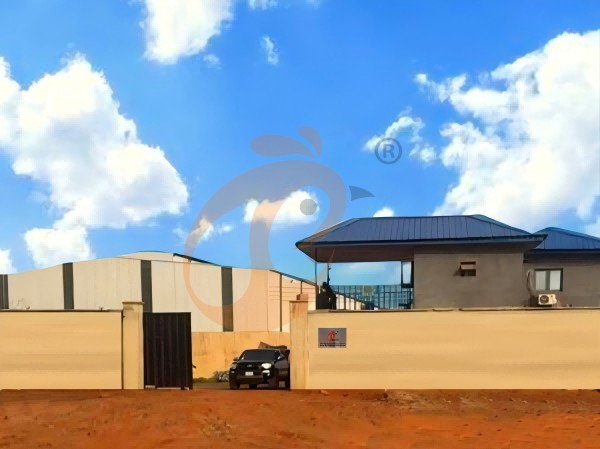
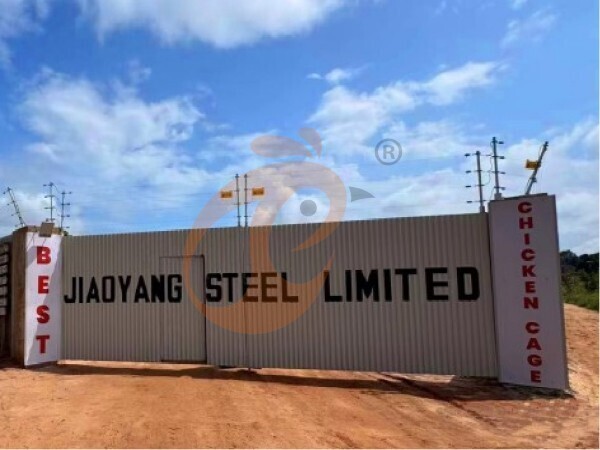
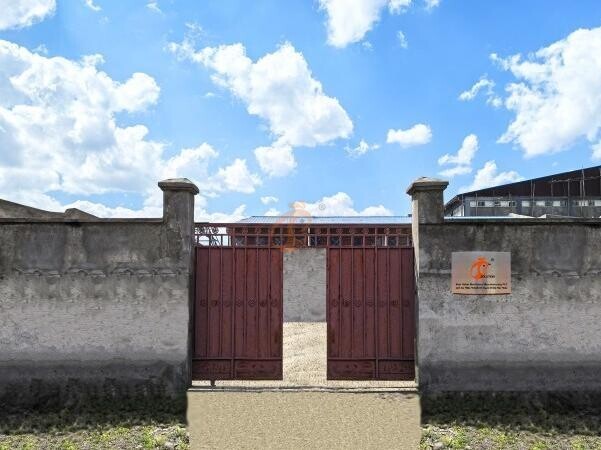
Headquarters And Branchs
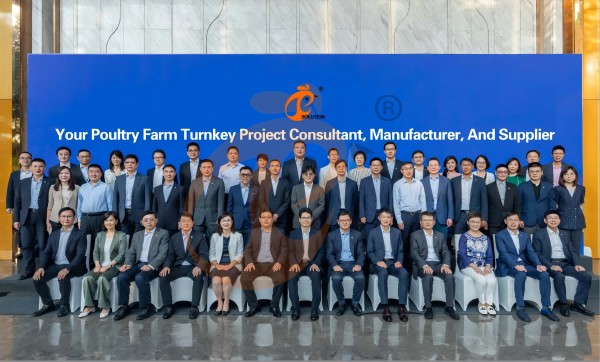
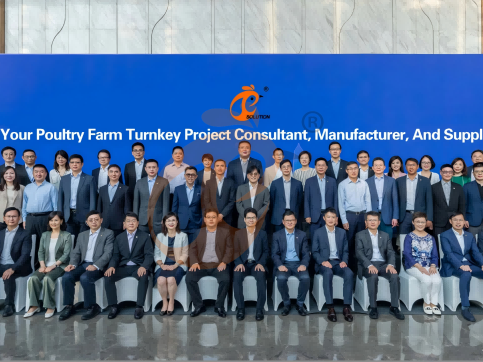
Hong Kong Headquarter Management Team
Hong Kong Headquarter Taiyu Industrial Group CO., LTD
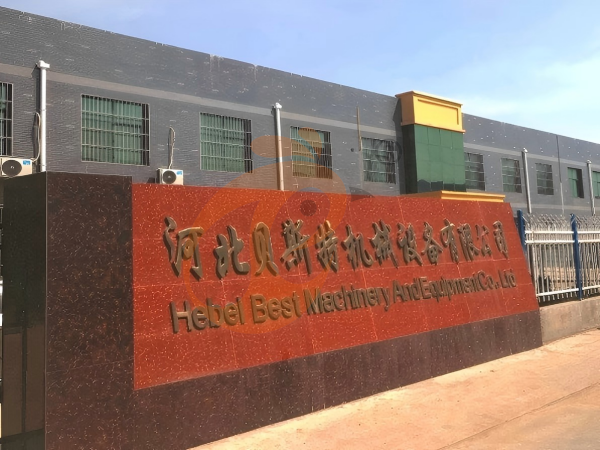
China Hebei Best Machinery And Equipment CO., LTD
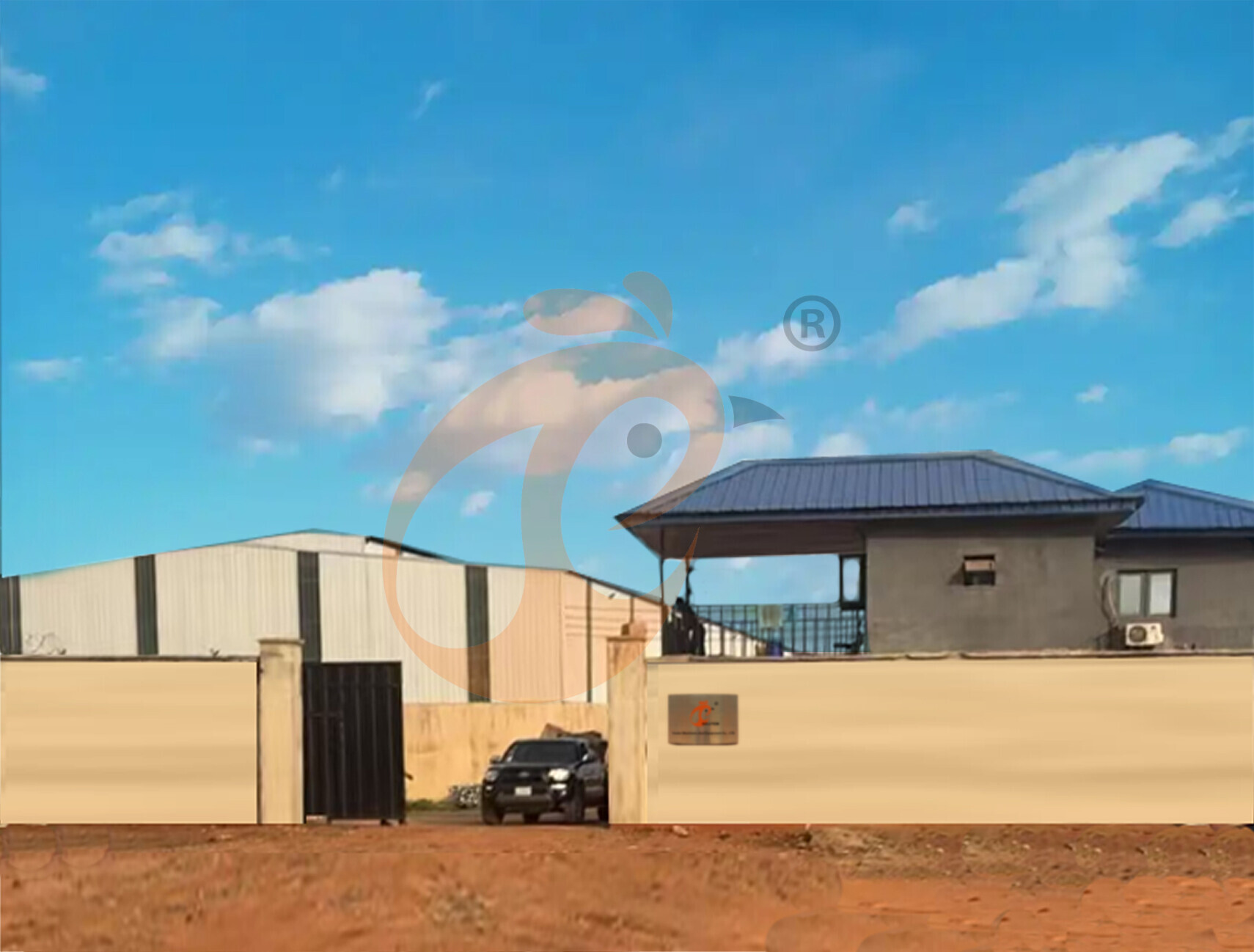
Nigeria Vanke Machinery And Equipment CO., LTD
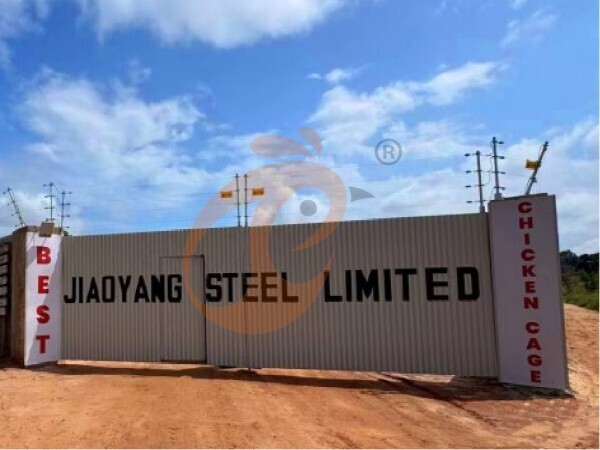
Tanzania Best Machinery And Equipment CO., LTD
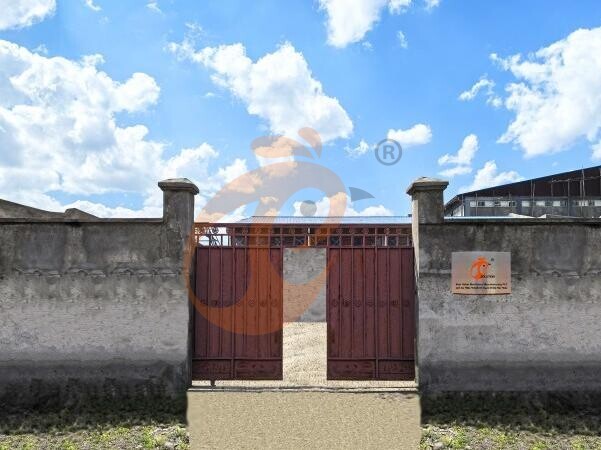
Ethiopia Best Hebei Machinery Manufacturing PLC
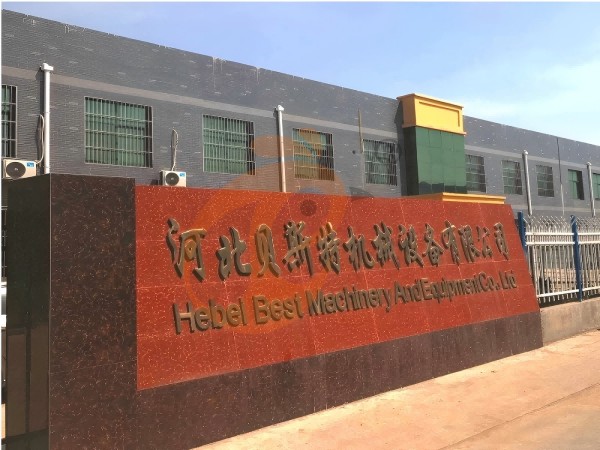
Reception /24 WhatsApp NO. : +8618830120193
FAQ
Message
Products recommended
 HK Headquarter Offers EU-standard Poultry Farm Solutions, Manufacture Poultry Farm Equipment1. Continuous communication with the EU and the US
2. China, Nigeria, Ethiopia, Tanzania branch companies and factories
3. The products’ quality is customized for local poultry farms
4. Poultry cage and poultry farm equipment stock for sale
5. 24 online reception Whatsapp NO. : +8618830120193,contact us to get full informationRead More China Branch Offer Poultry Farm Business Plan, Manufacture Poultry Farm Equipment1. Address: Flat/RM 2416, 24/F, Runxing Building, Youyi Nan Street, Shijiazhuang City, Hebei Province, China
2. Poultry cage and poultry farm equipment factory and stock for sale
3. Customized for local poultry farms
4. Quality and design are based on Euro
5. 24 online reception Whatsapp NO. : +8618830120193Read More Nigeria Branch Offer Poultry Farm Business Plan, Manufacture Poultry Farm Equipment1. Address: After Sinoma Office, 200 Meters Near Danco Filling Station, Lagos/Ibadan Expressway, Lagos State, Nigeria
2. Poultry cage and poultry farm equipment factory and stock for sale
3. Customized for Nigerian poultry farms
4. Quality and design are based on Euro
5. 24 online reception Whatsapp NO. : +8618830120193Read More Ethiopia Branch Offer Poultry Farm Business Plan, Manufacture Poultry Farm Equipment1. Address: Gelan Gura, Akaki-kaliti Sub City, Addis Ababa, Ethiopia
2. Poultry cage and poultry farm equipment stock for sale
3. Customized for Ethiopian poultry farms
4. Quality and design are based on Euro
5. 24 online reception Whatsapp NO. : +8618830120193, contact us to get price listRead More Tanzania Branch Offer Poultry Farm Business Plan, Manufacture Poultry Farm Equipment1. Address: No.8, Sova Road, Msufini, Mlandizi, Kibaha, Pwani, Tanzania
2. Poultry cage and poultry farm equipment factory and stock for sale
3. Customized for Tanzanian poultry farms
4. Quality and design are based on Euro
5. 24 online reception Whatsapp NO. : +8618830120193Read More Fully Automatic H Type Layer Chicken Cage1. 30,000-100,000+ layers/house chooses it, Poultry farmers can achieve an egg production rate of 96-98%
2. A significant improvement over the 85-90% typically seen in manual systems
3. A typical poultry farm can expect a 30-40% reduction in labor costs due to the automation
4. Each feeding line efficiently supplies feed to around 100,000 hens per 30 mins
5. Reception /WhatsApp NO. : +8618830120193Read More Fully Automatic A Type Layer Chicken Cage1. 10,000-50,000 layers/house chooses it
2. Cleaner egg collection reduces breakage by 0.5%
3. Improved hygiene helps reduce mortality rate to <3%
4. 1–2 technicians can handle 15,000–30,000 birds
5. Reception /WhatsApp NO. : +8618830120193Read More Semi Automatic H Type Layer Chicken Cage1. 1,00-20,000 layers/house chooses it
2. Nipple drinkers flow 30–60 ML / min
3. Hot-dip galvanized (typical coating ≥ 275 g/m²)
4. Reduce ammonia by ~ 35–40%
5. Reception /WhatsApp NO. : +8618830120193Read More Semi Automatic A Type Layer Chicken Cage1. 1,00-20,000 layers/house chooses it, no rust for 10 years, no deformation for 15 years
2. Chickens live comfortably, you can raise them with peace of mind
3. Save water, save money—efficiency you can measure
4. Improve environment quality, and increase egg production rate
5. Reception /WhatsApp NO. : +8618830120193Read More
By clicking 'Allow All', you agree to the storage of cookies on your device to enhance site navigation, analyze site usage and assist with our marketing efforts.