






Blog
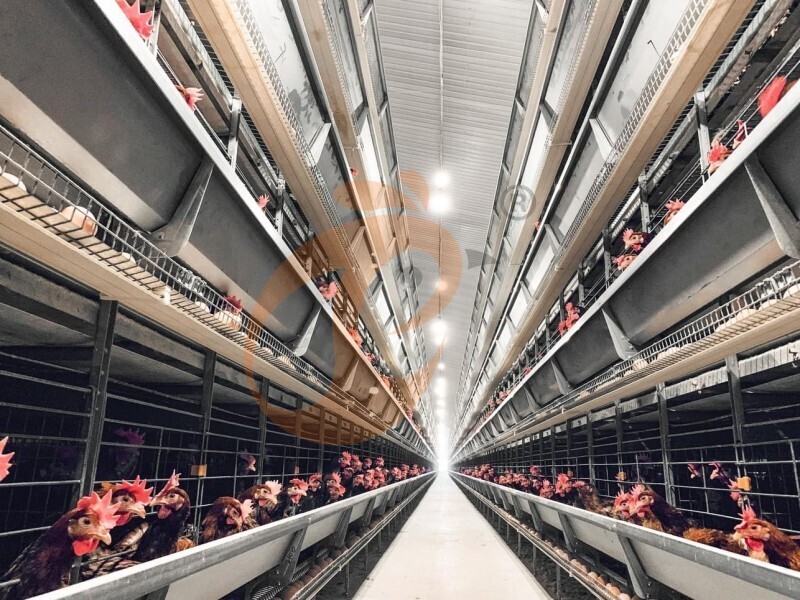
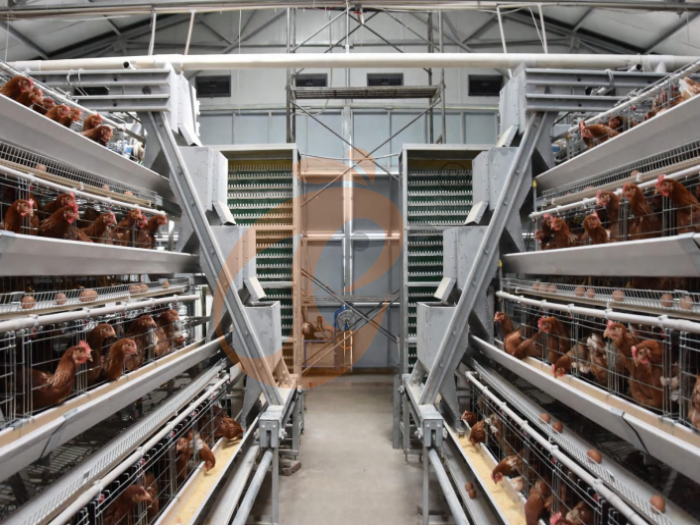
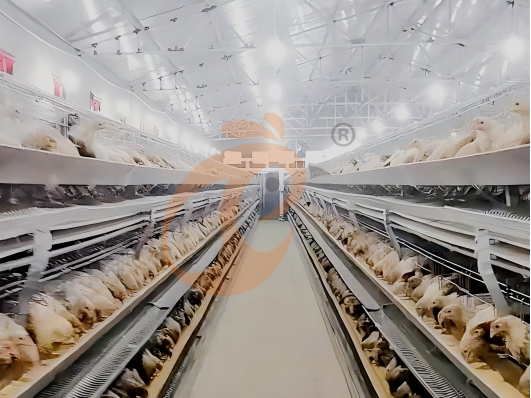
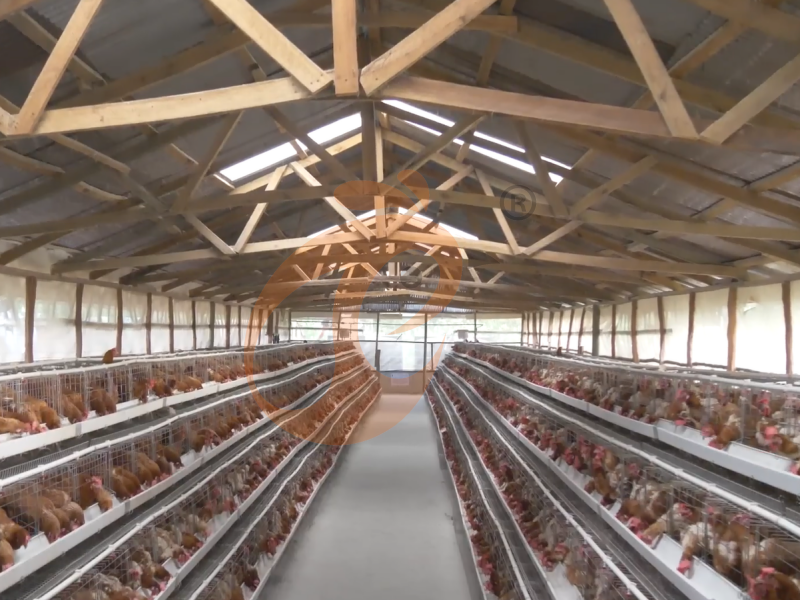
H type chicken battery cages support customized layouts, with 4-tier configurations available for suitable commercial projects.
Automatic poultry feeding systems and nipple drinking systems help coordinate daily operations while supporting consistent resource distribution.
Automatic egg collection systems and manure removal belts reduce repetitive handling and streamline production workflows.
Galvanized steel structures, engineered ventilation layouts, and modular equipment planning help address durability, building compatibility, and future expansion.
Integrated poultry equipment packages combine engineering support, equipment selection, and project-specific quotations to help farms plan investments and improve operational efficiency.
Get professional poultry farm construction guidance, equipment selection solutions, and the latest price lists, whatsApp to +8618830120193, +2348111199996, or click to learn more.
Why Customize H Type Chicken Battery Cages?
H type chicken battery cages provide a practical foundation for commercial poultry equipment projects.
Customization helps farmers coordinate cage structures, feeding systems, drinking lines, egg collection, and manure removal according to production targets.
A well-designed solution can reduce routine labor, improve equipment coordination, and support consistent farm management.
Data is for reference only.Swipe horizontally to view full table.
These figures are illustrative purchasing references, not universal standards.
Our poultry equipment team can develop a configuration based on building drawings, flock requirements, local regulations, and the customer's investment plan.
Engineering Key Points: Building A Reliable Cage System
Engineering checklist
Building survey measure the available installation area, structural obstructions, and service access before selecting the cage arrangement.
Structural design specify galvanized steel frames and verify the supporting structure against calculated equipment loads.
Ventilation coordination position cage rows to work with exhaust fans, air inlets, cooling pads, and environmental monitoring equipment.
Electrical planning coordinate motor circuits, control cabinets, protective devices, and backup power requirements.
Maintenance access reserve practical working space for inspections, cleaning, and replacement of moving components.
For H type chicken battery cages, allow a preliminary 5% floor-area contingency, maintain a target 2% maximum alignment deviation where applicable, schedule 2 commissioning inspections, and prepare 1 consolidated equipment layout for approval.
These proposed project-management targets must be adjusted to engineering requirements.
Our team can review the farm layout before production, helping customers avoid incompatible equipment dimensions and costly installation changes.
Choose Cage Specifications According To Farm Size
Cage specifications should match the poultry type, building conditions, and applicable animal welfare requirements.
Selecting equipment by nominal capacity alone can result in poor access, unsuitable stocking conditions, or ventilation challenges.
Data is for reference only.Swipe horizontally to view full table.
These building dimensions and layout values are illustrative planning scenarios rather than guaranteed capacities.
Final cage counts must be calculated from usable space, bird requirements, emergency access, and the approved engineering drawing.
For farms planning future expansion, a modular H type chicken battery cage arrangement can simplify equipment extensions while preserving access for daily management.
Customization Tips: Get More Value From Every Component
Tip Card 1 — Automate High-Workload Operations.
Prioritize the processes that consume the most labor.
Feeding carts, egg conveyors, and manure belts can be combined according to actual workload instead of purchasing every optional feature immediately.
Tip Card 2 — Select Appropriate Materials.
Compare wire diameter, galvanized coating, welding quality, corrosion resistance, and replacement-part availability before approving the equipment order.
Tip Card 3 — Evaluate Operating Costs.
Compare electricity consumption, routine maintenance, labor savings, and expected equipment service life when evaluating different automation packages.
Tip Card 4 — Check Supplier Completeness.
Request a clearly itemized quotation covering cage frames, feed distribution, drinking lines, conveyors, control systems, and commissioning services.
During H type chicken battery cage supplier evaluation, compare at least 3 equipment quotations, assess 5-year ownership costs, request 2 material-quality records, and identify 1 designated technical contact for the project.
These purchasing targets help customers compare suppliers consistently without relying exclusively on the initial purchase price.
Select Feeding Systems That Match Your Production Goals
Automatic feeding equipment can help distribute feed more consistently and reduce repetitive manual handling.
The appropriate solution depends on the building arrangement, feed storage capacity, and operating requirements.
Data is for reference only.Swipe horizontally to view full table.
The values above are sample equipment-selection parameters and must be verified against the selected manufacturer's specifications.
A suitable system should provide consistent distribution without excessive feed accumulation or unnecessary waste.
Our integrated poultry equipment packages can combine feed storage, conveying, and distribution equipment into a coordinated system designed around the farm's production requirements.
Build An Efficient Drinking System
Water availability is essential to poultry health and productive performance.
A customized drinking system should provide reliable delivery, allow regular cleaning, and accommodate the quality of the farm's water supply.
Data is for reference only.Swipe horizontally to view full table.
These values are illustrative only.
Nipple flow rates, pipe sizing, and pressure settings must follow the selected equipment instructions and the birds' age, breed, and drinking requirements.
A complete H type chicken battery cage package can integrate nipple drinkers, filters, pressure regulators, flushing valves, and water treatment components.
Proper configuration supports routine maintenance and helps operators identify water-delivery problems promptly.
Automate Egg Collection To Improve Workflow
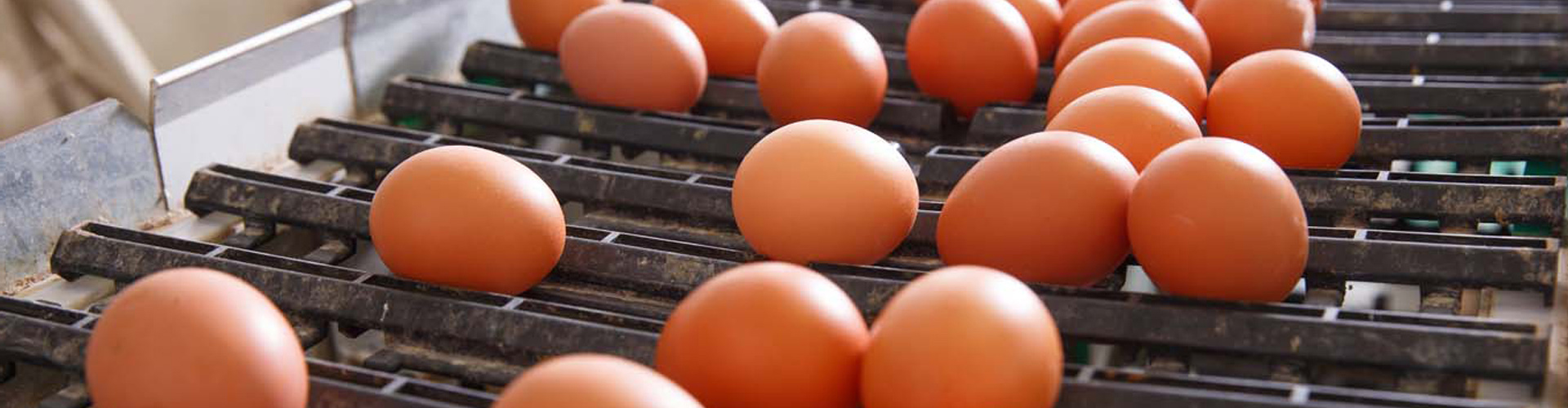
An automatic egg collection system transports eggs from cage rows to a central handling area, reducing repetitive manual collection and helping organize downstream packing operations.
Recommended Workflow
Cage laying area
↓
Longitudinal egg belt
↓
Cross conveyor
↓
Central collection point
↓
Optional grading and packing equipment
During H type chicken battery cage system customization, establish 2 conveyor inspection points, schedule 1 daily visual belt check, provide a 30-minute operator training session for routine controls, and create 1 documented cleaning procedure for the collection system.
These are operational planning recommendations rather than universal manufacturer specifications.
Our equipment solutions can coordinate cage rows, egg belts, transfer conveyors, and collection stations.
Proper alignment and commissioning help reduce transfer problems and support efficient egg handling.
Customize Manure Removal For Better House Management
Manure removal equipment helps reduce manual cleaning requirements and supports more organized waste handling.
The system should match manure characteristics, removal frequency, building layout, and the intended storage or processing method.
Data is for reference only.Swipe horizontally to view full table.
All figures are indicative selection examples and require confirmation against actual manure conditions, conveyor geometry, and motor-load calculations.
A higher transport capacity is not automatically better if downstream collection equipment cannot handle the material.
For integrated H type chicken battery cage installations, our team can coordinate manure belts, cross conveyors, drive systems, and discharge interfaces to create a more efficient waste-management workflow.
Recommended Equipment Combinations For Different Farms
Different farms require different levels of automation.
Selecting a suitable package helps balance initial investment, labor requirements, and operational complexity.
Package A: Essential Commercial Setup
H type chicken battery cages
Feed troughs and nipple drinking lines
Basic manure handling equipment
Ventilation and environmental control equipment
Package B: Labor-Saving Layer Farm
Multi-tier cage structures
Automatic feeding carts
Integrated drinking lines and filtration
Manure belts and automatic egg collection
Centralized operating controls where appropriate
Package C: Integrated Large-Scale Solution
Engineered cage rows and support frames
Bulk feed storage and conveying
Automated feeding and drinking systems
Manure transfer conveyors
Central egg collection and optional grading equipment
Environmental monitoring and alarm functions
For preliminary H type chicken battery cage financial evaluation, compare 3 investment scenarios, model a 10% increase in labor costs, assess a 15% reduction in manual handling time as a planning target, and prepare a 12-month operating budget. These figures are illustrative financial assumptions, not guaranteed savings or performance claims.
Our sales team can recommend a combination based on farm capacity, construction plans, automation priorities, and budget constraints.
Budget Planning And Supplier Evaluation
The equipment purchase price is only one part of the total investment.
A comprehensive quotation should identify the components included, installation responsibilities, delivery terms, and expected maintenance requirements.
Data is for reference only.Swipe horizontally to view full table.
The allocation above is an illustrative budgeting model, not a market quotation.
Actual costs depend on project scale, material specifications, automation requirements, shipping, taxes, and installation conditions.
European union standard reference only.
Request an itemized quotation and confirm the warranty, spare-parts policy, delivery schedule, and after-sales service before placing the order. Our team can prepare a project-specific quotation instead of offering a generic package that may not fit the farm.
From Farm Assessment To Equipment Installation
A structured project process reduces misunderstandings and helps ensure that the selected equipment works as an integrated system.
Step 1: Submit farm requirements provide the building drawings, intended poultry type, target flock size, and automation preferences.
Step 2: Review the proposed layout confirm cage rows, access passages, ventilation arrangements, feeding routes, and manure discharge locations.
Step 3: Finalize technical specifications approve equipment materials, dimensions, motor ratings, conveyor interfaces, and control requirements.
Step 4: Confirm the commercial agreement review the equipment list, payment terms, delivery responsibilities, and installation scope.
Step 5: Install and commission test mechanical equipment, water systems, electrical protection, and conveyor operation before production begins.
Step 6: Train the farm team explain operating procedures, inspection routines, cleaning methods, and replacement-part requirements.
For H type chicken battery cage project coordination, establish 1 approved technical drawing, assign 2 responsible project representatives, document 4 major approval milestones, and retain 1 signed commissioning checklist.
These administrative controls help clarify responsibilities and provide a traceable record of installation acceptance.
Our team can support equipment selection, manufacturing coordination, installation planning, and technical communication throughout the project.
Customize Your H Type Chicken Battery Cage Solution
The right equipment configuration should balance engineering feasibility, production objectives, bird welfare, and operating costs.
A detailed farm assessment enables the supplier to recommend compatible components and prepare a more accurate quotation.
Data is for reference only.Swipe horizontally to view full table.
These are sample project inputs rather than a promise of equipment capacity or delivery time.
Final specifications and schedules depend on engineering review, production arrangements, shipping conditions, and applicable regulations.
Ready To Customize Your Poultry Farm Equipment?
Contact our sales team and share your building layout, flock requirements, preferred automation level, and investment expectations.
We can assess suitable H type chicken battery cage configurations, recommend compatible feeding, drinking, egg collection, and manure removal systems, and prepare a project-specific quotation.
Choose equipment according to your farm's actual needs not simply the lowest purchase price.
With suitable engineering, coordinated automation, and dependable technical support, your poultry operation can establish a practical foundation for efficient commercial production.
Frequently Asked Questions
Q1: What are the main advantages of h type chicken battery cages?
A2: H type chicken battery cages support multi-tier layouts and integration with automated feeding, drinking, egg collection, and manure removal systems.
A 4-tier configuration may suit certain commercial buildings, subject to ventilation, stocking requirements, and applicable regulations.
Q2: Which equipment should be included in an h type chicken battery cage system?
A2: A complete system may include cage frames, feeding carts, nipple drinkers, water filtration, egg collection belts, manure removal belts, and environmental controls.
Conveyor sizing and motor ratings should be confirmed through project-specific engineering calculations.
Q3: How can i obtain a customized poultry equipment quotation?
A3: Provide building drawings, target flock capacity, poultry type, automation preferences, and project location.
The supplier can use these details to develop an equipment layout, confirm technical specifications, and prepare an itemized quotation with delivery and installation terms.
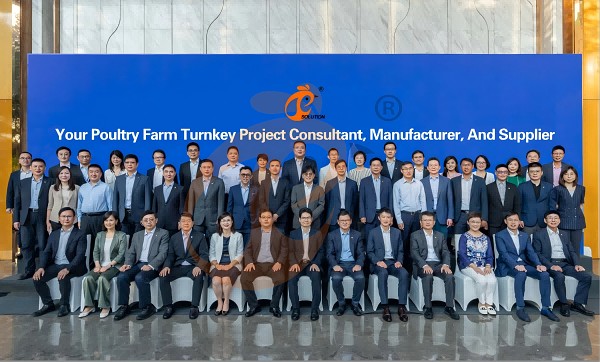
Taiyu (HK) Group - One Of China’s Largest H Type Chicken Battery Cage Manufacturers
H type chicken battery cages integrate multi-tier galvanized structures with compatible feeding, drinking, egg collection, and manure removal equipment, with configurations engineered to meet project-specific building dimensions and production requirements.
Global factory-direct supply provides coordinated poultry equipment, technical specification review, and equipment configuration support for commercial poultry projects across international markets.
Turn-key engineering services coordinate preliminary layout design, equipment manufacturing, installation planning, commissioning, and operator training to improve project integration.
Customized poultry equipment packages cover feed silos, conveying systems, nipple drinking lines, egg conveyors, manure handling systems, and environmental control components.
Technical commercial support includes itemized quotations, component specifications, spare-parts planning, warranty clarification, and after-sales coordination for long-term equipment operation.
Contact Us To Received Your Customized Poultry Farm Plan
Headquarters And Branchs

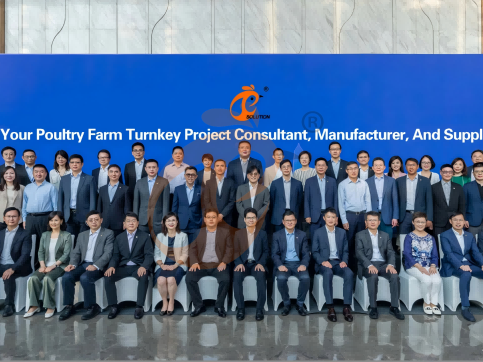
Hong Kong Headquarter Management Team
Hong Kong Headquarter Taiyu Industrial Group CO., LTD
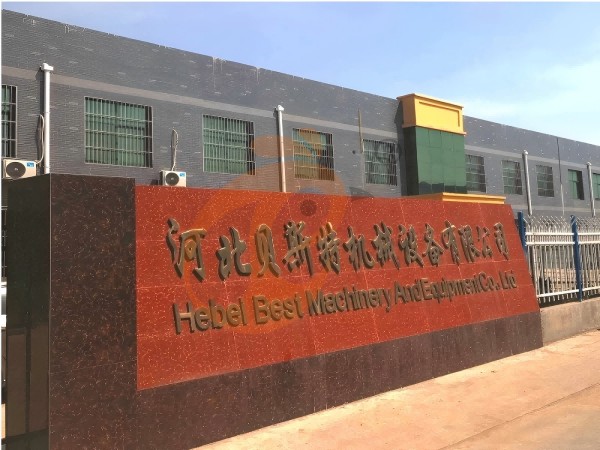
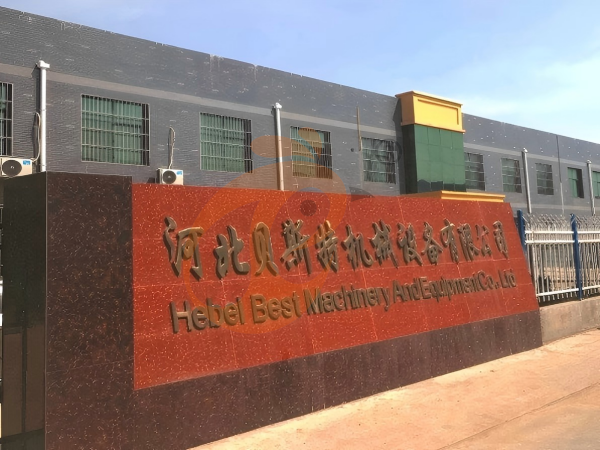
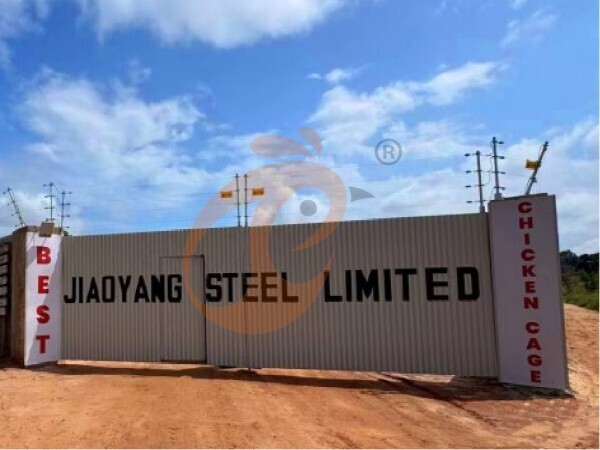
China Hebei Best Machinery And Equipment CO., LTD
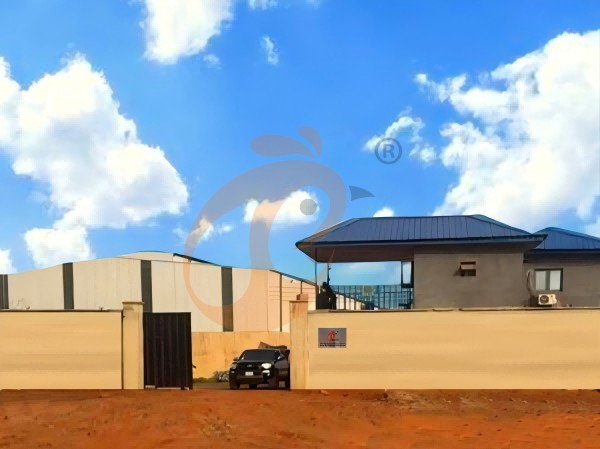
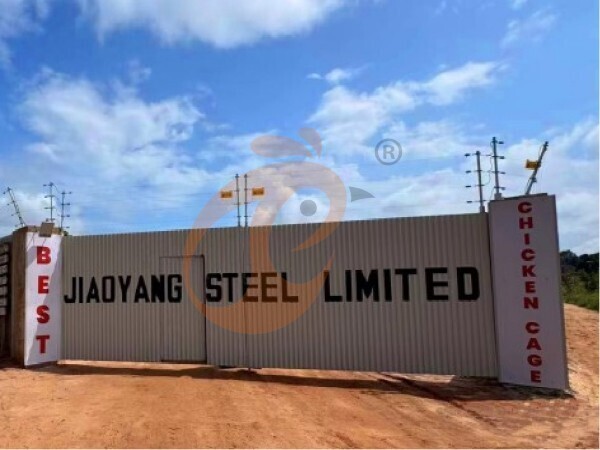
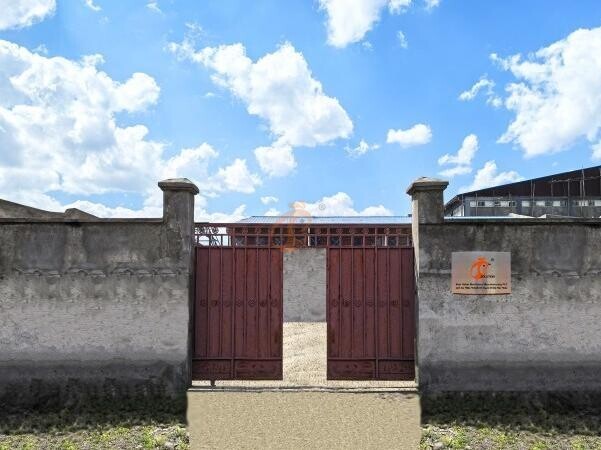
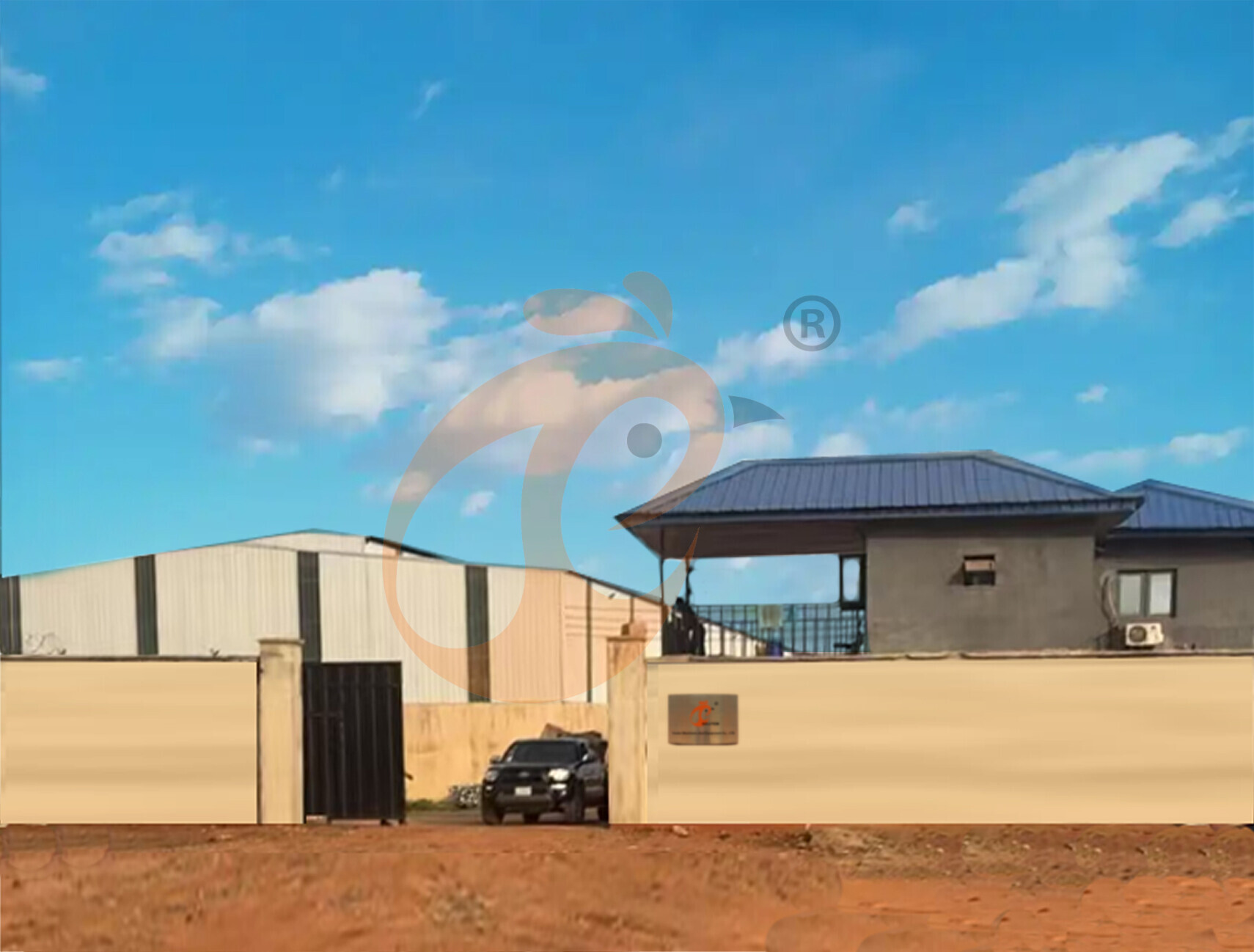
Nigeria Vanke Machinery And Equipment CO., LTD
Tanzania Best Machinery And Equipment CO., LTD
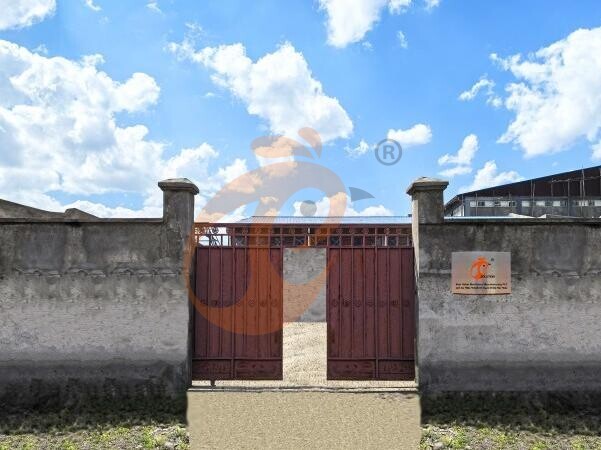
Ethiopia Best Hebei Machinery Manufacturing PLC
Reception /24 WhatsApp NO. : +8618830120193
FAQ
How To Maintain H-Type Chicken Cage For 25 Years Lifespan?
Check feeding and drinking systems
Maintain anti-corrosion coating
Equipment lifespan: more than 25 years
Egg production rate: 90-98%
What Are The Key Considerations When Buying H-Type Poultry Cage?
Corrosion-resistant cage material
Equipment lifespan and maintenance cost
Egg production rate: 90-98%
Labor savings: 70-90%
How To Upgrade H-Type Battery Cage System To Full Automation?
Integrate with farm management software
Egg production rate: 90-98%
FCR 1.9–2.1
Labor savings: 70-90%
- poultry equipment
- poultry farm
- feeding equipment
- battery cage
- poultry farm
- poultry farm equipment
- poultry farm construction
- battery cage manufacturer
- battery cage system
- battery cage installation
- poultry equipment quotation
- battery cage
- poultry feeding system
- automatic poultry feeding system
- layer farm
- battery cage supplier
- chicken battery cage
- automatic feeding equipment
- Ethiopia
- Nigeria
Message
Products recommended
 HK Headquarter Offers EU-standard Poultry Farm Solutions, Manufacture Poultry Farm Equipment1. Continuous communication with the EU and the US
2. China, Nigeria, Ethiopia, Tanzania branch companies and factories
3. The products’ quality is customized for local poultry farms
4. Poultry cage and poultry farm equipment stock for sale
5. 24 online reception Whatsapp NO. : +8618830120193,contact us to get full informationRead More China Branch Offer Poultry Farm Business Plan, Manufacture Poultry Farm Equipment1. Address: Flat/RM 2416, 24/F, Runxing Building, Youyi Nan Street, Shijiazhuang City, Hebei Province, China
2. Poultry cage and poultry farm equipment factory and stock for sale
3. Customized for local poultry farms
4. Quality and design are based on Euro
5. 24 online reception Whatsapp NO. : +8618830120193Read More Nigeria Branch Offer Poultry Farm Business Plan, Manufacture Poultry Farm Equipment1. Address: After Sinoma Office, 200 Meters Near Danco Filling Station, Lagos/Ibadan Expressway, Lagos State, Nigeria
2. Poultry cage and poultry farm equipment factory and stock for sale
3. Customized for Nigerian poultry farms
4. Quality and design are based on Euro
5. 24 online reception Whatsapp NO. : +8618830120193Read More Ethiopia Branch Offer Poultry Farm Business Plan, Manufacture Poultry Farm Equipment1. Address: Gelan Gura, Akaki-kaliti Sub City, Addis Ababa, Ethiopia
2. Poultry cage and poultry farm equipment stock for sale
3. Customized for Ethiopian poultry farms
4. Quality and design are based on Euro
5. 24 online reception Whatsapp NO. : +8618830120193, contact us to get price listRead More Tanzania Branch Offer Poultry Farm Business Plan, Manufacture Poultry Farm Equipment1. Address: No.8, Sova Road, Msufini, Mlandizi, Kibaha, Pwani, Tanzania
2. Poultry cage and poultry farm equipment factory and stock for sale
3. Customized for Tanzanian poultry farms
4. Quality and design are based on Euro
5. 24 online reception Whatsapp NO. : +8618830120193Read More Fully Automatic H Type Layer Chicken Cage1. 30,000-100,000+ layers/house chooses it, Poultry farmers can achieve an egg production rate of 96-98%
2. A significant improvement over the 85-90% typically seen in manual systems
3. A typical poultry farm can expect a 30-40% reduction in labor costs due to the automation
4. Each feeding line efficiently supplies feed to around 100,000 hens per 30 mins
5. Reception /WhatsApp NO. : +8618830120193Read More Fully Automatic A Type Layer Chicken Cage1. 10,000-50,000 layers/house chooses it
2. Cleaner egg collection reduces breakage by 0.5%
3. Improved hygiene helps reduce mortality rate to <3%
4. 1–2 technicians can handle 15,000–30,000 birds
5. Reception /WhatsApp NO. : +8618830120193Read More Semi Automatic H Type Layer Chicken Cage1. 1,00-20,000 layers/house chooses it
2. Nipple drinkers flow 30–60 ML / min
3. Hot-dip galvanized (typical coating ≥ 275 g/m²)
4. Reduce ammonia by ~ 35–40%
5. Reception /WhatsApp NO. : +8618830120193Read More Semi Automatic A Type Layer Chicken Cage1. 1,00-20,000 layers/house chooses it, no rust for 10 years, no deformation for 15 years
2. Chickens live comfortably, you can raise them with peace of mind
3. Save water, save money—efficiency you can measure
4. Improve environment quality, and increase egg production rate
5. Reception /WhatsApp NO. : +8618830120193Read More
By clicking 'Allow All', you agree to the storage of cookies on your device to enhance site navigation, analyze site usage and assist with our marketing efforts.