






Blog
Battery Cage System for Layers in Africa: Feed Efficiency, Heat Management, Labour Savings And Return On Investment
For African layer farmers, the real question is not simply whether a battery cage looks modern, but whether an advantage of battery cage system can turn feed, land, labour, and disease risks into measurable profit.
Fao identifies feed as the most important variable cost in poultry production, typically representing 65%–70% of total costs.
Because Africa is not one single poultry market, Nigeria, Ghana, Senegal, Kenya, Uganda, Tanzania, Zambia, Zimbabwe, South Africa, Egypt, and Morocco face different combinations of feed inflation, heat stress, unreliable electricity, disease pressure, land scarcity, and limited access to finance.
Nigeria and Senegal feed costs are highly sensitive to maize and soybean meal prices, which frequently fluctuate by 18%–35% seasonally.
Kenya and Uganda feed and day-old-chick costs are major constraints for small and mid-size farms, often consuming up to 78% of initial operating capital.
Tanzania, Mozambique, and coastal West Africa relative humidity above 80% alongside ambient temperatures exceeding 32°c require better ventilation and manure separation.
South Africa, Zambia, and Zimbabwe commercial farms must plan for electricity reliability, rising minimum wages, and scalable production starting from 10,000+ birds.
Egypt and Morocco extreme summer temperatures up to 42°c, water scarcity, and intensive production require climate-controlled housing.
Which type of battery cages are you interested in?
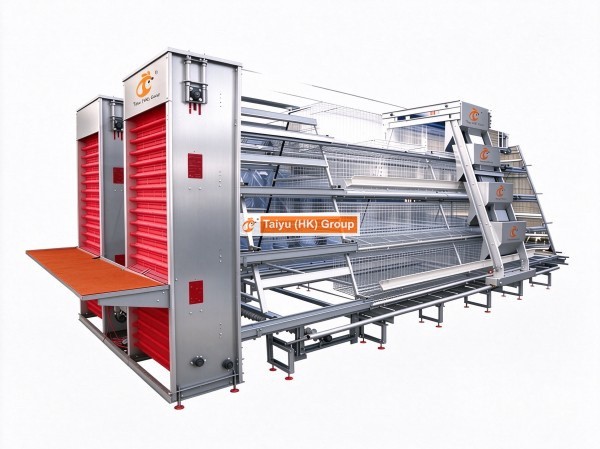
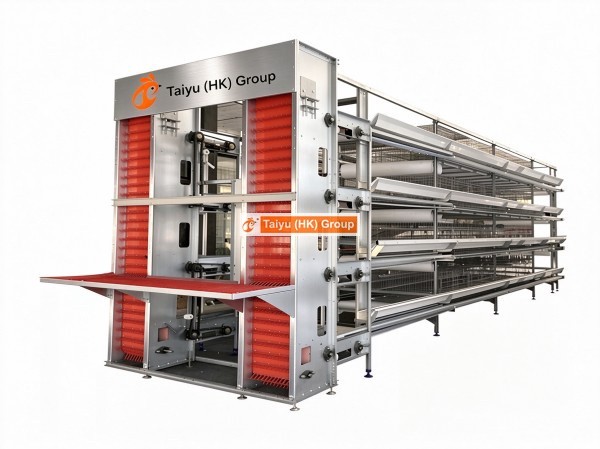
Learn More About Southeast Asia
Learn More About Latin America
1. Why Modern Battery Cages Are Essential For African Poultry Farming
African poultry demand is rising, but traditional deep-litter and free-range systems often struggle with feed loss, wet litter, disease exposure, labour-intensive egg collection, and limited expansion space.
A modern battery cage system gives African farmers a more controllable way to raise layers as confirmed by taiyu group (HK) sales and after-sales teams especially in land-constrained urban markets such as Lagos, Nairobi, Accra, Kampala, Dar es Salaam, Lusaka, and Harare.
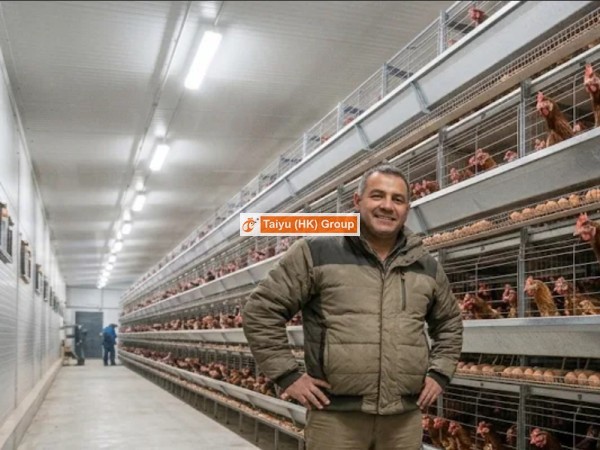
The main advantage of battery cage systems is that they combine stocking densities of 12–20 birds/m² with streamlined feeding, egg collection, manure removal, and flock monitoring.
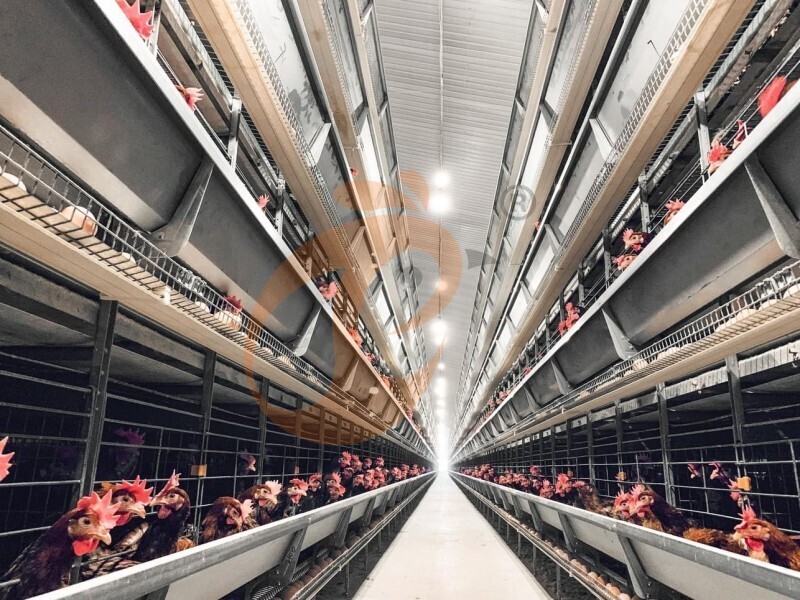
Higher density multi-tier cages (3 to 16 tiers) allow African farms to utilize vertical building height instead of expanding horizontally.
Cleaner eggs eggs roll gently at a 7°–8° floor angle away from droppings, keeping clean egg rates above 96%.
Lower feed waste positioned deep troughs reduce feed scattering from 8%–12% down to less than 2%.
Easier disease control continuous manure separation eliminates direct contact with droppings and soil-borne pathogens.
Better scalability farmers can begin with 1,000 birds and expand to 100,000+ birds in standardized modules.
Clients:
Traditional deep litter farming in Africa causes too much feed loss and sick birds.
Can a battery cage system really solve this for my local farm?
Taiyu Group (HK):
Absolutely.
African climates require clean, separated environments especially in humid coastal areas of Nigeria, Ghana, Tanzania, and Mozambique, and in high-temperature inland markets such as Burkina Faso, Mali, Niger, and Chad. Are you tired of losing costly feed on the floor and treating repeated coccidiosis outbreaks?
Make your poultry investment smarter with professional planning, efficient management, and long-term development strategies. WhatsApp to +8618830120193.
2. Core Overview: Four Advantages For African Climate And Markets
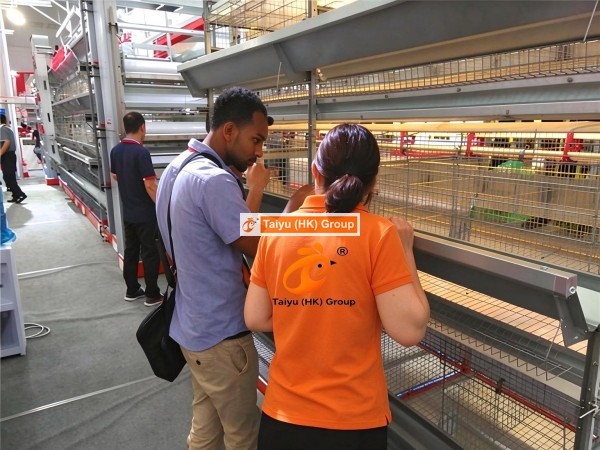
The first major advantage of battery cage systems in africa is controlled productivity housing 12–20 birds per square meter, achieving 96%–98% clean egg rates, cutting feed waste to under 2%, and simplifying daily flock management.
In Nigeria, Ghana, Kenya, Uganda, Tanzania, Zambia, Zimbabwe, South Africa, Egypt, and Morocco, farmers face different input costs and climates, but all need systems that make production predictable.
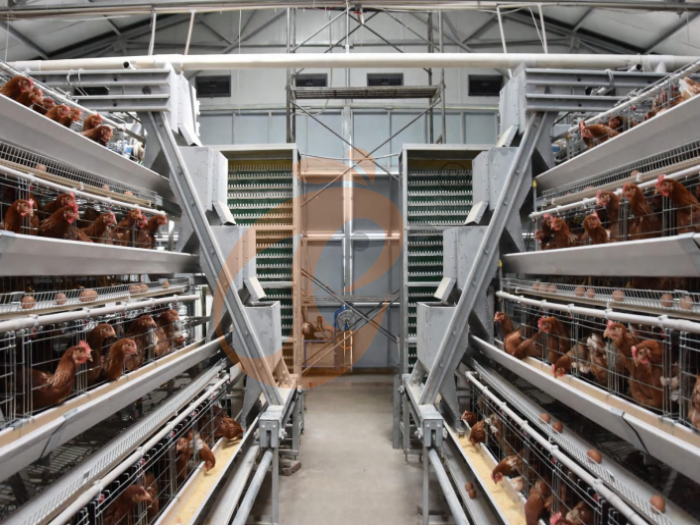
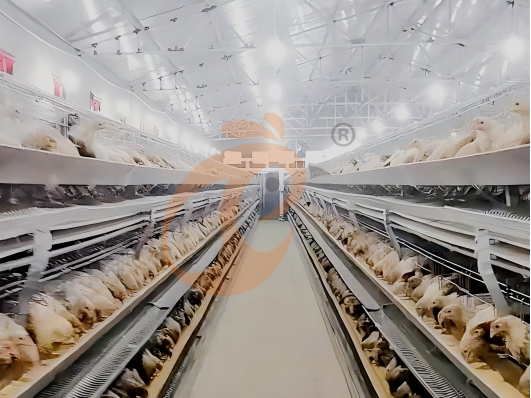
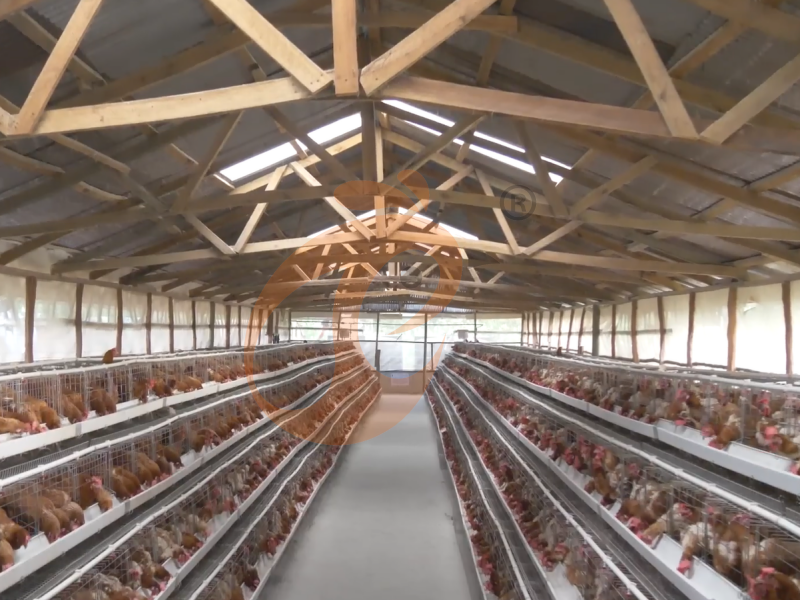
A second advantage of battery cage systems is adaptability A-type cages (3–5 tiers) suit naturally ventilated sheds, while H-type systems (4–16 tiers) suit larger commercial farms with mechanical ventilation and automation.
Data is for reference only. Swipe horizontally to view full table.
Four Core Advantages
Advantage 1 — Higher density 2 to 3.5 times more layers can be housed within the exact same building footprint.
Advantage 2 — Cleaner eggs roll immediately into external collection channels, raising grade-A yield above 96%.
Advantage 3 — Better feed control positioned troughs restrict feed spillage to under 2% and support precise daily feed allocation of 110–115 g per bird.
Advantage 4 — Easier expansion farms can upgrade from 1,000-bird manual A-type cages to 100,000-bird automated H-type systems.
Clients:
How do I know battery cages will withstand Africa’s humid heat and tropical weather?
Taiyu Group (HK):
Hot-dip galvanised steel frames (with 275 g/m² zinc coating) are designed for humid coastal and tropical African conditions, including Nigeria, Ghana, Côte d’Ivoire, Cameroon, Tanzania, Mozambique, and Madagascar.
Before choosing a cage, check your region’s average humidity, maximum temperature, rainfall pattern, and ventilation capacity.
The right advantage of battery cage design must match your local climate not just the lowest equipment price.
Data is based on more than 20 years of after-sales follow-up records collected by Taiyu Group (HK).
2. Space And Density: Better Land Use In African Cities
A major advantage of battery cage systems is space efficiency.
In African cities where land prices are rising such as Lagos, Nairobi, Accra, Abidjan, Dakar, Kampala, Dar es Salaam, and Johannesburg vertical cage systems allow farms to produce 2.5 to 4 times more eggs without buying additional land.
A third advantage of battery cage systems is that multi-tier layouts make expansion possible within existing farm boundaries.
Data is for reference only. Swipe horizontally to view full table.
African Market Applications
Nigeria useful for poultry projects around Lagos, Ibadan, Abeokuta, and Kano, where commercial land costs exceed $50–$150 per square meter (European union standard reference only).
Kenya suitable for peri-urban layer farms near Nairobi, Nakuru, Kisumu, and Mombasa.
Ghana fits commercial egg producers around Accra, Kumasi, and Tema.
South Africa useful where land, labour, and electricity costs require output exceeding 4,500 eggs per square meter annually.
Clients:
Land costs in my region are rising fast.
How many more birds can I fit in a 1,000 m² house in Africa?
Taiyu Group (HK):
With deep litter, many African farms reach about 5,000–6,000 birds in 1,000 m².
With a properly ventilated multi-tier battery cage layout, the same building can often house 12,000–15,000 layers or more, depending on cage type, aisle width, and climate-control design.
This is a major advantage of battery cage systems for land-constrained farms in Nigeria, Kenya, Ghana, Uganda, and South Africa.
3. Disease Control: Reduce Wet-Season Mortality
Another critical advantage of battery cage systems is biosecurity.
In African rainy seasons, deep-litter houses often reach 35%–45% litter moisture and ammonia concentrations above 25 ppm, increasing exposure to coccidiosis, worms, respiratory disease, and droppings-borne pathogens.
By separating birds from manure, battery cages keep ammonia levels below 10 ppm and make cleaning and disinfection practical; research also notes that cage systems cut mortality rates from 8%–12% down to 3%–5% while producing cleaner eggs.
Data is for reference only. Swipe horizontally to view full table.
Regional Management Considerations
Nigeria and Ghana wet-season management is especially important where annual rainfall exceeds 1,500 mm and relative humidity remains above 80%.
Kenya, Uganda, and Tanzania cage systems support cleaner housing where litter quality and disease pressure vary across two distinct rainy seasons.
South Africa and Namibia biosecurity remains essential even in drier climates, particularly around commercial supermarket supply chains.
Clients:
Outbreaks like coccidiosis destroy African layer farms every rainy season.
Will cages stop this?
Taiyu Group (HK):
In battery cages, hens are separated from droppings, and automated manure belts or scraper systems remove waste regularly.
This does not replace vaccination, disinfection, or dry-house management, but it is a major advantage of battery cage systems for farms in Nigeria, Ghana, Côte d’Ivoire, Cameroon, Tanzania, and Mozambique during wet seasons.
Data is based on more than 20 years of after-sales follow-up records collected by Taiyu Group (HK).
4. Feed Conversion And Egg Quality: Reducing Waste And Breakage
The most financial advantage of battery cage systems is feed control.
Because feed represents 65%–70% of poultry production costs, reducing feed waste from 10% to 2% saves roughly 3.2 kg of feed per hen per year in feed-importing African markets such as Nigeria, Ghana, Senegal, Kenya, Uganda, Zambia, and Zimbabwe.
A further advantage of battery cage systems is cleaner egg collection sloped cage floors (7°–8° incline) move eggs away from droppings and keep breakage below 1.5%.
Data is for reference only. Swipe horizontally to view full table.
Regional Feed Management
Nigeria and Senegal maize-based feed costs make a 0.25–0.35 fcr improvement a direct profit lever.
Kenya and Uganda high feed and day-old-chick costs ($1.10–$1.40 per chick, European union standard reference only) make feed efficiency essential for smaller farms.
Zambia and Zimbabwe feed availability and seasonal price swings make daily metered feeding (112 g/bird/day) vital.
Clients:
Feed prices in Africa are extremely expensive right now.
How does the cage design actually save feed?
Taiyu Group (HK):
A deep trough (150 mm depth) with inward-curved anti-spill edges keeps feed inside the trough instead of on the floor.
Combined with correct feeding height, measured daily feed allocation, and clean drinking water, this is a practical advantage of battery cage systems for African farms facing volatile maize and soybean meal prices.
5. Scalability: From 1,000 To 100,000+ Layers
A decisive advantage of battery cage systems is scalability.
Based on taiyu group (HK) engineering experience configuring layer farms across Africa, operations should not use the same equipment setup at 1,000, 10,000, and 100,000 birds; the correct system depends on land, power, labour, capital, and market demand.
A further advantage of battery cage systems is modular expansion a farm can start with 1,000-bird manual A-type cages and later upgrade to 100,000-bird automated H-type systems as production grows.
Data is for reference only. Swipe horizontally to view full table.
Farm Scale Applications
1,000–2,000 birds Best for new farmers in Kenya, Uganda, Tanzania, Zambia, and Zimbabwe that need a low-risk entry point under $6,000 (European union standard reference only).
5,000–10,000 birds suitable for growing farms in Nigeria, Ghana, Côte d’Ivoire, Cameroon, and Senegal.
20,000–50,000 birds best for commercial projects near Lagos, Accra, Nairobi, Lusaka, and Johannesburg.
100,000+ birds requires industrial planning for 100–250 kva backup generators, exhaust ventilation, manure processing, and cold-chain logistics.
Clients:
I want to scale my farm in Nigeria from 2,000 to 20,000 layers.
Will labour management become a nightmare?
Taiyu Group (HK):
Not if the project is designed in stages.
At 2,000 birds, A-type cages with manual collection may be enough; at 20,000 birds, automatic drinkers, mechanical manure removal, and semi-automatic egg collection reduce daily labour sharply.
This staged approach is a major advantage of battery cage systems for Nigerian, Ghanaian, Kenyan, and Zambian farms that need to grow without over-investing too early.
Data is based on more than 20 years of after-sales follow-up records collected by taiyu group (HK).
6. A-Type vs H-Type: Choosing the Right African Cage
Another practical advantage of battery cage systems is that african farmers can choose between A-type and H-type configurations according to shed design, power reliability, and expansion plans.
A-type cages (3–5 tiers, 1.85–2.8 m height) are easier to install and manage in naturally ventilated open-sided houses; H-type cages (4–16 tiers, 3.3–14 m unit height) suit high-density commercial projects that support mechanical ventilation, automation, and scheduled maintenance.
Data is for reference only. Swipe horizontally to view full table.
Clients:
Should I choose A-type or H-type cages for my farm in Ghana or Kenya?
Taiyu Group (HK):
Choose A-type if you have a naturally ventilated shed, limited power reliability, and a first-stage capacity below 20,000 birds.
Choose H-type if you plan 20,000+ layers, have reliable ventilation and power backup, and need lower labour per bird.
Matching cage type to local conditions is a key advantage of battery cage system design.
7. Comparison Of Poultry Housing Modes And Management Requirements
Commercial poultry producers in Africa select among three core housing modes based on available land, capital, and environmental controls.
- Free-Range Systems
Birds roam outdoors on pasture at 0.25–1.0 bird/m² with basic night shelters.
Equipment consists of 1.8 m perimeter wire fencing, portable roosts, and manual bell drinkers.
Management demands daily predator patrols, outdoor egg hunting (resulting in 10%–18% egg loss), and frequent deworming every 60 days.
- Deep-Litter Floor Systems
Birds live inside closed or open-sided sheds on 8–12 cm of wood shavings or rice husks at 5–6 birds/m².
Equipment requires hanging tube feeders (1 per 35 birds), bell or nipple drinkers, and wooden nesting boxes (1 hole per 5 hens).
Management focuses on daily litter turning, maintaining shed humidity below 70%, and replacing wet bedding to suppress ammonia and coccidiosis.
- Battery Cage Systems
Birds are housed in hot-dip galvanized wire enclosures at 12–28 birds/m² with 418–488 cm² floor space per bird.
Equipment integrates v-shaped or deep anti-spill feed troughs, 360-degree stainless steel nipple drinkers (1 nipple per 3–4 birds), and pp manure belts.
Management centers on automated 16-hour lighting schedules, daily feed weighing (110–115 g/bird), and 48-hour manure belt clearance.
8. Frequently Asked Questions: Battery Cage Systems In Africa
Data is for reference only. Swipe horizontally to view full table.
6:54 — Deep litter vs battery cage which system truly pays in poultry farming? (honest farmer’s review)
YouTube · kochav farms & consults
8:41 — Fabricate poultry battery cages for poultry farms
YouTube · chris farm nigeria
6:22 — Ideal modern poultry farm setup & guiding | h type layer battery cages | egg production equipment
YouTube · TaiYu (HK) - poultry farm equipment & manufacturer
9. Taiyu (HK) Group - One Of China Largest Battery Cage System Supplier
1. Global Service Network
Headquartered in Hong Kong, with branches and factories in China, Vietnam, Thailand, Nigeria, Kenya, Ethiopia, and Tanzania, providing more localized project and after-sales support.
2. International Quality Standards
Strict quality control and double inspections.
Certifications and export documents include CE, SGS, ISO 9001, CCVO, PVOC, SONCAP, COC, ECTN, FORM A/F/M, and more.
3. One-To-One Vip Service
Dedicated account managers provide customized farm designs, equipment configurations, and quotations for projects ranging from 500 to 100,000+ birds per house.
4. Lifetime After-Sales Service
Installation guidance, equipment commissioning, operator training, remote technical support, spare parts supply, and ongoing maintenance.
9. Contact Us To Received Your Customized Poultry Farm Plan
Headquarters And Branchs
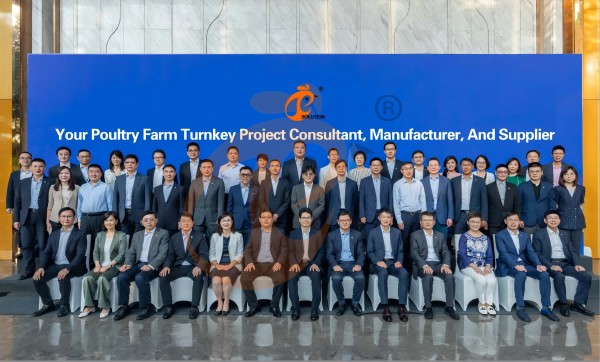
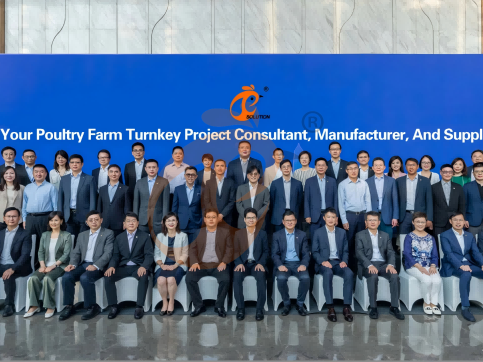
Hong Kong Headquarter Management Team
Hong Kong Headquarter Taiyu Industrial Group CO., LTD
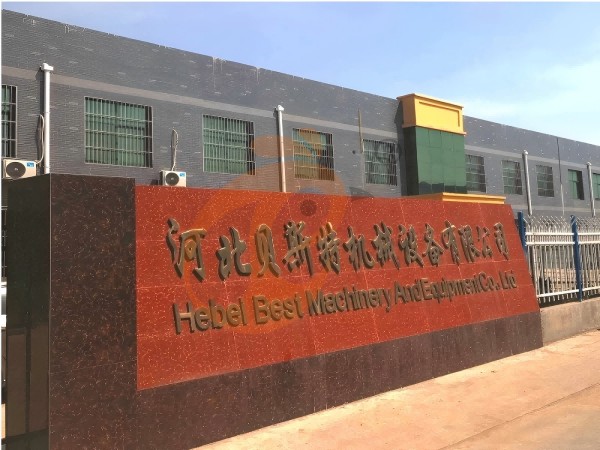
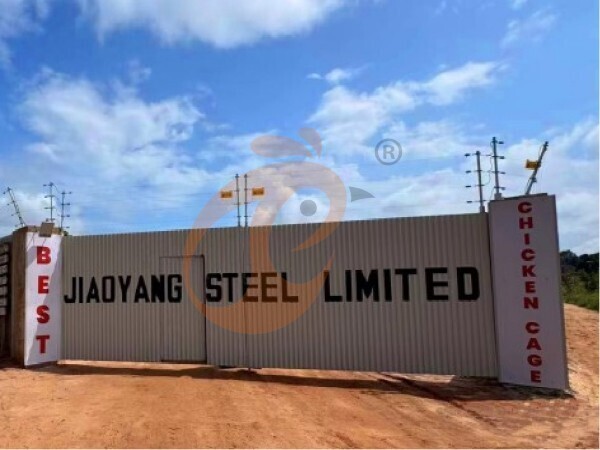
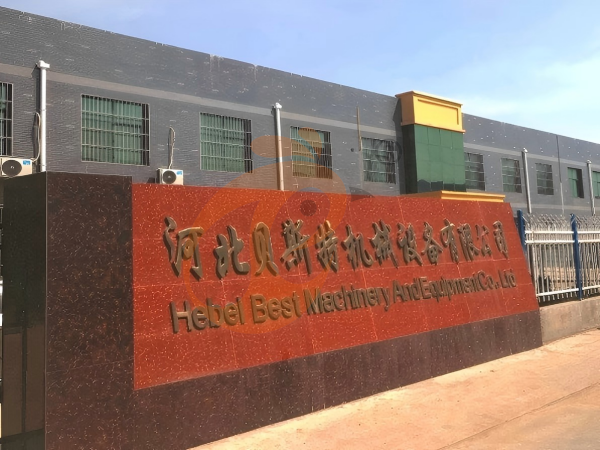
China Hebei Best Machinery And Equipment CO., LTD
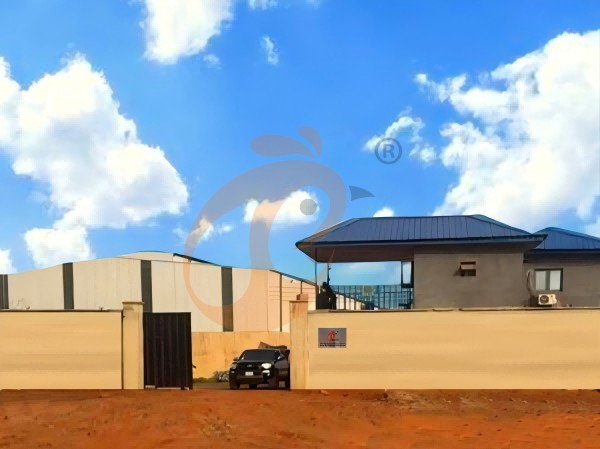
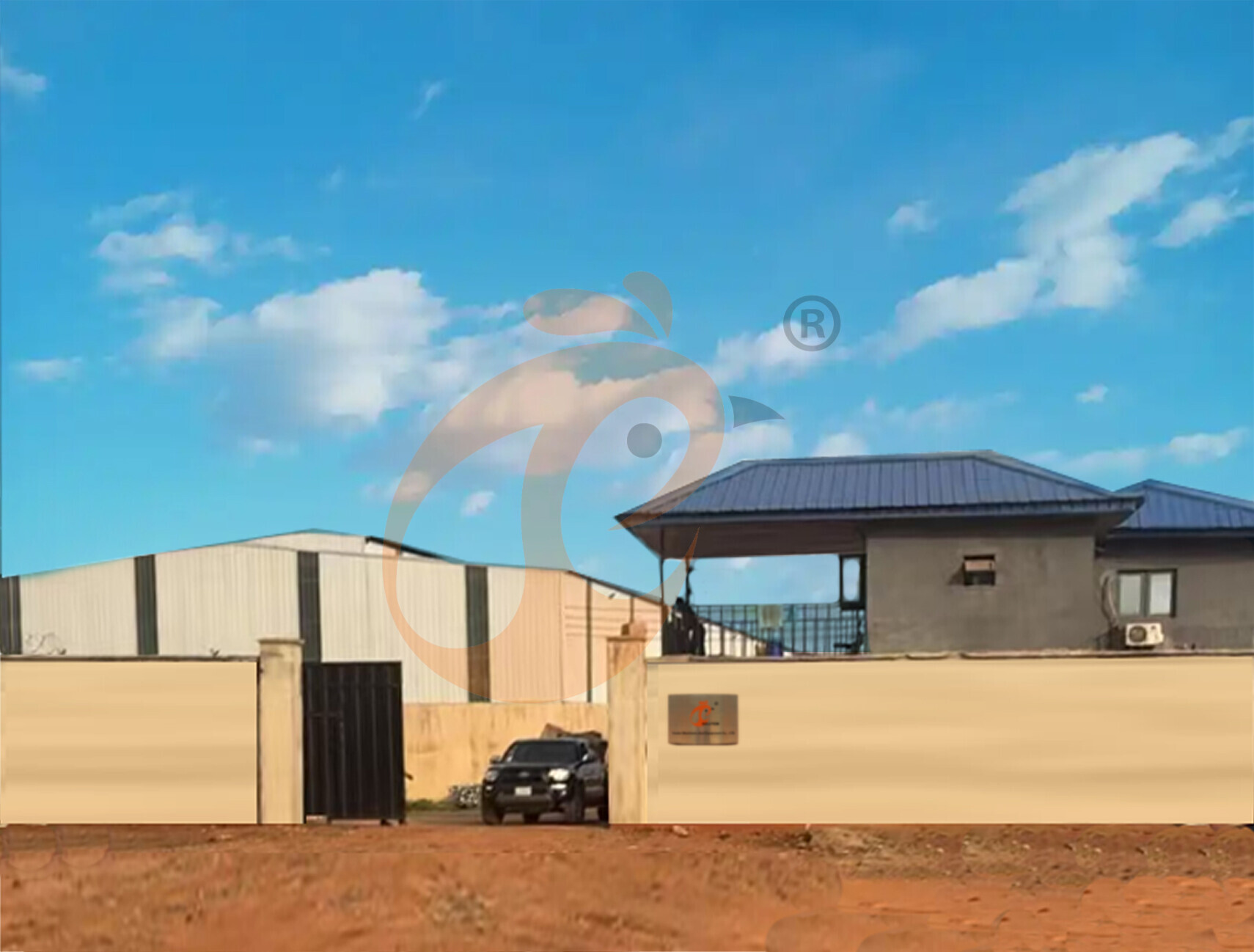
Nigeria Vanke Machinery And Equipment CO., LTD
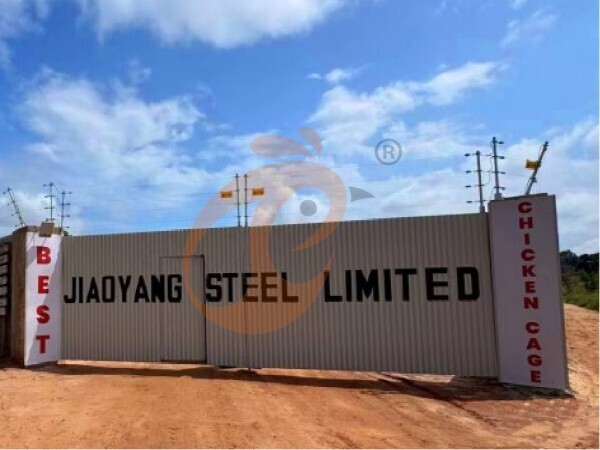
Tanzania Best Machinery And Equipment CO., LTD
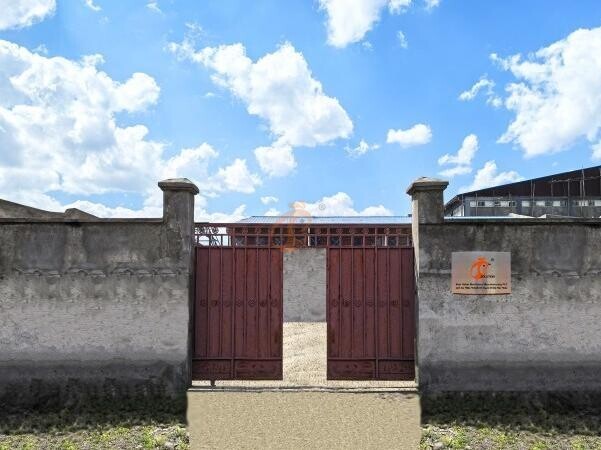
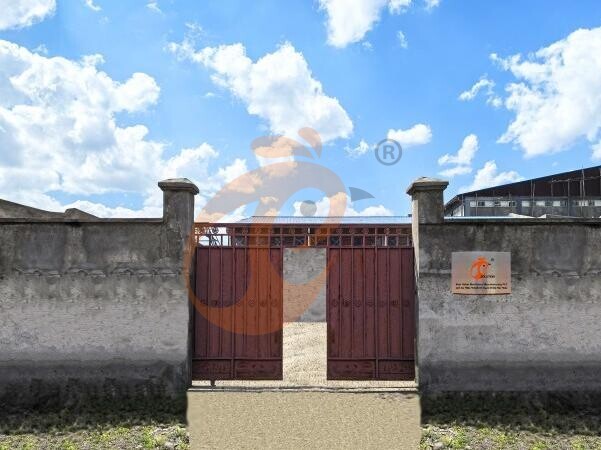
Ethiopia Best Hebei Machinery Manufacturing PLC
Reception /24 WhatsApp NO. : +8618830120193
FAQ
Message
Products recommended
 HK Headquarter Offers EU-standard Poultry Farm Solutions, Manufacture Poultry Farm Equipment1. Continuous communication with the EU and the US
2. China, Nigeria, Ethiopia, Tanzania branch companies and factories
3. The products’ quality is customized for local poultry farms
4. Poultry cage and poultry farm equipment stock for sale
5. 24 online reception Whatsapp NO. : +8618830120193,contact us to get full informationRead More China Branch Offer Poultry Farm Business Plan, Manufacture Poultry Farm Equipment1. Address: Flat/RM 2416, 24/F, Runxing Building, Youyi Nan Street, Shijiazhuang City, Hebei Province, China
2. Poultry cage and poultry farm equipment factory and stock for sale
3. Customized for local poultry farms
4. Quality and design are based on Euro
5. 24 online reception Whatsapp NO. : +8618830120193Read More Nigeria Branch Offer Poultry Farm Business Plan, Manufacture Poultry Farm Equipment1. Address: After Sinoma Office, 200 Meters Near Danco Filling Station, Lagos/Ibadan Expressway, Lagos State, Nigeria
2. Poultry cage and poultry farm equipment factory and stock for sale
3. Customized for Nigerian poultry farms
4. Quality and design are based on Euro
5. 24 online reception Whatsapp NO. : +8618830120193Read More Ethiopia Branch Offer Poultry Farm Business Plan, Manufacture Poultry Farm Equipment1. Address: Gelan Gura, Akaki-kaliti Sub City, Addis Ababa, Ethiopia
2. Poultry cage and poultry farm equipment stock for sale
3. Customized for Ethiopian poultry farms
4. Quality and design are based on Euro
5. 24 online reception Whatsapp NO. : +8618830120193, contact us to get price listRead More Tanzania Branch Offer Poultry Farm Business Plan, Manufacture Poultry Farm Equipment1. Address: No.8, Sova Road, Msufini, Mlandizi, Kibaha, Pwani, Tanzania
2. Poultry cage and poultry farm equipment factory and stock for sale
3. Customized for Tanzanian poultry farms
4. Quality and design are based on Euro
5. 24 online reception Whatsapp NO. : +8618830120193Read More Fully Automatic H Type Layer Chicken Cage1. 30,000-100,000+ layers/house chooses it, Poultry farmers can achieve an egg production rate of 96-98%
2. A significant improvement over the 85-90% typically seen in manual systems
3. A typical poultry farm can expect a 30-40% reduction in labor costs due to the automation
4. Each feeding line efficiently supplies feed to around 100,000 hens per 30 mins
5. Reception /WhatsApp NO. : +8618830120193Read More Fully Automatic A Type Layer Chicken Cage1. 10,000-50,000 layers/house chooses it
2. Cleaner egg collection reduces breakage by 0.5%
3. Improved hygiene helps reduce mortality rate to <3%
4. 1–2 technicians can handle 15,000–30,000 birds
5. Reception /WhatsApp NO. : +8618830120193Read More Semi Automatic H Type Layer Chicken Cage1. 1,00-20,000 layers/house chooses it
2. Nipple drinkers flow 30–60 ML / min
3. Hot-dip galvanized (typical coating ≥ 275 g/m²)
4. Reduce ammonia by ~ 35–40%
5. Reception /WhatsApp NO. : +8618830120193Read More Semi Automatic A Type Layer Chicken Cage1. 1,00-20,000 layers/house chooses it, no rust for 10 years, no deformation for 15 years
2. Chickens live comfortably, you can raise them with peace of mind
3. Save water, save money—efficiency you can measure
4. Improve environment quality, and increase egg production rate
5. Reception /WhatsApp NO. : +8618830120193Read More
By clicking 'Allow All', you agree to the storage of cookies on your device to enhance site navigation, analyze site usage and assist with our marketing efforts.