






Blog
Affordable poultry equipment helps farmers balance investment costs, operational efficiency, and reliable production through carefully selected feeding, drinking, and ventilation systems.
Automatic poultry feeding systems support consistent feed distribution, with illustrative capacities reaching 1.2 tonnes per hour under specified operating conditions.
Poultry drinking systems require suitable nipple spacing, water pressure, and filtration to maintain reliable water delivery throughout changing flock growth stages.
Poultry ventilation fans must match building dimensions, airflow requirements, and static pressure, with model selection verified against manufacturer performance curves.
Integrated poultry equipment packages simplify procurement, coordinate essential components, and help farms evaluate long-term expenses before requesting customized technical quotations.
Get professional poultry farm construction guidance, equipment selection solutions, and the latest price lists, whatsApp to +8618830120193, +2348111199996, or click to learn more.
Compare Poultry Equipment Prices And Specifications
Affordable poultry equipment should be evaluated by complete specifications rather than purchase price alone.
Automatic poultry feeding systems, poultry drinking systems, and poultry ventilation fans serve different engineering purposes, so quotations should identify exact models and quantities.
Data is for reference only.Swipe horizontally to view full table.
The illustrative equipment subtotal is 6,792.50 usd, excluding freight, installation, taxes, and accessories.
European union standard reference only; the sample prices are not verified market quotations or evidence of European union compliance.
Request an itemized poultry equipment quotation to compare equivalent specifications and understand the complete purchasing cost.
Match Equipment Capacity To Farm Size
Poultry equipment quantities should reflect flock size, feeding access, drinking access, and actual equipment ratings.
Automatic poultry feeding systems must accommodate daily demand, while poultry drinking systems require adequate access throughout the house.
Data is for reference only.Swipe horizontally to view full table.
The example assumes 50 birds per pan, 10 birds per nipple, and a feed delivery requirement of 500 kilograms per hour.
These ratios are preliminary planning assumptions rather than universal standards, and final quantities must follow the selected manufacturer's instructions.
Our poultry equipment team can prepare a configuration based on your flock capacity, house drawings, and production targets.
Inspect Materials And Construction Quality
Engineering Inspection Card
Material Selection
Poultry equipment exposed to moisture should use materials suitable for the intended environment, cleaning agents, and mechanical loads.
Component Verification
Inspect feed pans, drinking nipples, seals, and ventilation fan assemblies before installation.
Maintenance Access
Check that motors, valves, and removable components can be reached without dismantling unrelated equipment.
Installation Readiness
Confirm mounting points, electrical connections, and equipment clearances against approved engineering drawings.
For example, a 304 stainless-steel drinking component may suit particular corrosion-control requirements, subject to the product specification and water chemistry.
Our poultry equipment specialists can help verify available materials and recommend suitable component combinations for your project.
Calculate Feeding And Drinking System Requirements
Automatic poultry feeding systems require compatible delivery capacities, motor ratings, and electrical supplies.
Poultry drinking systems must also deliver sufficient water under the specified operating pressure and demand conditions.
Data is for reference only.Swipe horizontally to view full table.
These illustrative specifications require verification against actual equipment nameplates, electrical phases, operating pressures, and manufacturer performance data.
A conveying unit rated at 1.2 tonnes per hour cannot guarantee the same output under every installation condition.
Our poultry equipment team can review component compatibility before quotation approval and manufacturing.
Select Ventilation Equipment For Your Poultry House
Poultry ventilation fans must be selected according to building dimensions, bird requirements, climate, and operating static pressure.
Data is for reference only.Swipe horizontally to view full table.
The figures represent hypothetical model comparisons, not verified product performance or guaranteed airflow at a specified static pressure.
For example, a 1,200-square-metre poultry house requires an airflow calculation based on the applicable ventilation strategy and local conditions.
Our poultry equipment range includes ventilation fans and compatible cooling components for project-specific evaluation.
Evaluate Energy Consumption And Maintenance
Poultry equipment ownership costs include electricity, routine servicing, spare parts, and unexpected downtime.
Automatic poultry feeding systems and poultry ventilation fans should be evaluated against their actual duty cycles rather than nameplate power alone.
Data is for reference only.Swipe horizontally to view full table.
These examples assume constant rated power, and actual consumption depends on loading, control settings, and operating conditions.
At an illustrative electricity tariff of 0.15 usd per kilowatt-hour, the ventilation fan would cost 810 usd annually under the stated schedule.
European union standard reference only; the illustrative electricity price is not a verified tariff or an European union compliance claim.
Our poultry equipment team can help compare operating requirements and identify suitable equipment options for your budget.
Build A Complete Poultry Equipment Package
Package A — Essential Farm Setup
Manual feeders, basic drinkers, and necessary accessories support straightforward daily management for small operations.
Package B — Automated Feeding And Drinking
Automatic poultry feeding systems and poultry drinking systems reduce repetitive manual tasks and help standardize routine distribution.
Package C — Integrated Commercial Installation
Poultry ventilation fans, environmental controllers, automatic feeders, and drinking lines can be coordinated within one project design.
Engineering Example
An 80-metre-long by 15-metre-wide house provides 1,200 square metres of floor area.
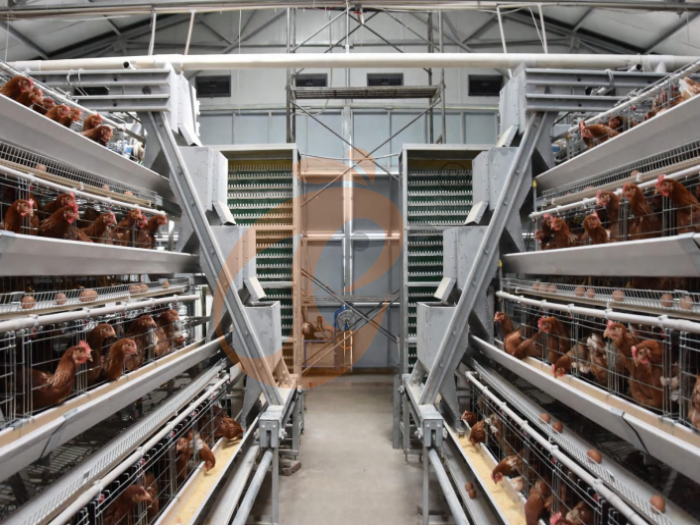
A preliminary equipment layout should identify service corridors, feeder positions, drinking lines, ventilation openings, and utility connections.
Our poultry equipment specialists can prepare a coordinated package based on building drawings and project requirements.
Compare Supplier Quotations Systematically
Poultry equipment quotations should specify delivery arrangements, warranty coverage, spare-parts provisions, and installation responsibilities.
Data is for reference only.Swipe horizontally to view full table.
These hypothetical figures illustrate comparison methods and do not describe actual suppliers or guaranteed service commitments.
Ask each poultry equipment supplier to confirm the delivery scope, warranty exclusions, and technical support arrangements in writing.
A detailed quotation helps buyers compare the complete offer rather than focusing exclusively on the initial purchase price.
Follow A Structured Purchasing Process
Stage One — Define Requirements
Document flock capacity, house dimensions, and essential poultry equipment categories.
Stage Two — Request Engineering Design
Provide drawings, utility details, and production targets for preliminary equipment selection.
Stage Three — Review The Quotation
Verify model numbers, quantities, accessories, and commercial terms.
Stage Four — Confirm Manufacturing Details
Approve technical drawings, delivery arrangements, and applicable warranty conditions before production.
Stage Five — Commission The Installation
Inspect supplied components, verify electrical connections, and test equipment operation before introducing birds.
Our poultry equipment team can coordinate technical information and help customers move from initial planning toward an installation-ready equipment schedule.
Prevent Common Equipment Purchasing Mistakes
Poultry equipment procurement requires documented inspections and measurable acceptance criteria.
Data is for reference only.Swipe horizontally to view full table.
These examples are proposed project checks, not universal regulatory requirements.
Automatic poultry feeding systems and poultry ventilation fans should be checked against approved purchase specifications before commissioning.
Qualified personnel must verify electrical compatibility and compliance with applicable local requirements.
Our poultry equipment team encourages customers to resolve technical discrepancies before installation to reduce avoidable project delays.
Frequently Asked Questions
Q1: How can farmers choose affordable poultry equipment?
A1: Compare complete quotations, operating costs, equipment specifications, and warranty conditions.
For example, a feeding system rated at 1.2 tonnes per hour should be assessed against actual feed demand and manufacturer performance data.
Q2: Are automatic poultry feeding systems suitable for small farms?
A2: Suitability depends on flock size, labor costs, and installation expenditure.
A smaller operation may begin with manual equipment and upgrade when measurable labor savings justify automation.
Q3: How should poultry ventilation fans be selected?
A3: Review airflow performance at the required static pressure, electrical consumption, and house design.
A fan advertised at 43,000 cubic metres per hour must be checked against its certified performance curve before final selection.
Taiyu (HK) Group - One Of China's Largest Poultry Equipment Manufacturers
Poultry equipment solutions include automatic feeding systems, drinking lines, and ventilation fans, with capacities selected according to verified project specifications.
Global factory-direct supply supports equipment procurement, technical documentation, and coordinated product selection for international poultry farming projects.
Poultry equipment packages integrate compatible components according to building drawings, utility requirements, and production capacity.
Turn-key engineering services coordinate project design, equipment configuration, manufacturing, installation planning, and commissioning requirements.
Technical support assists customers with model selection, spare-parts planning, and project-specific quotations for commercial poultry installations.
Contact Us To Received Your Customized Poultry Farm Plan
Headquarters And Branchs

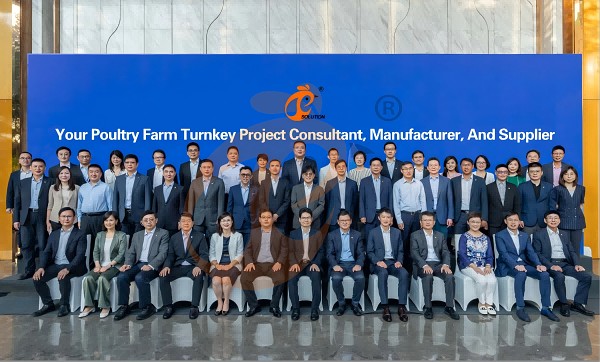
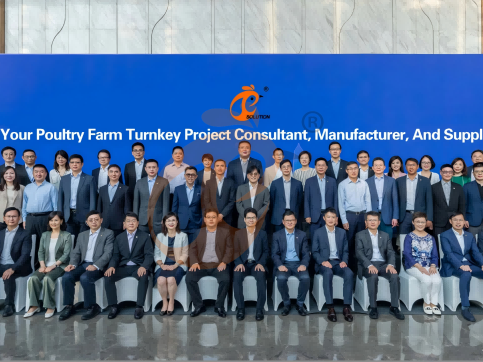
Hong Kong Headquarter Management Team
Hong Kong Headquarter Taiyu Industrial Group CO., LTD
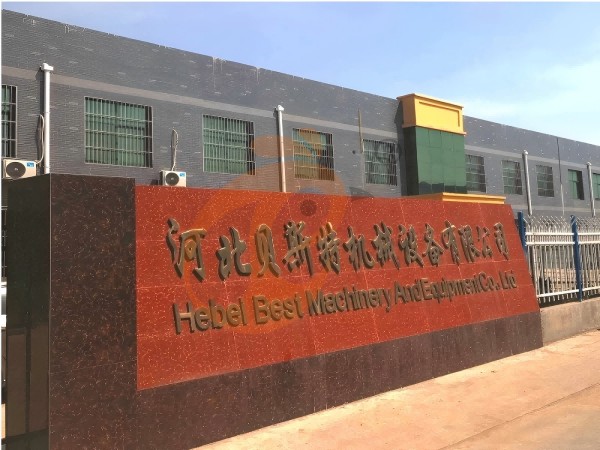
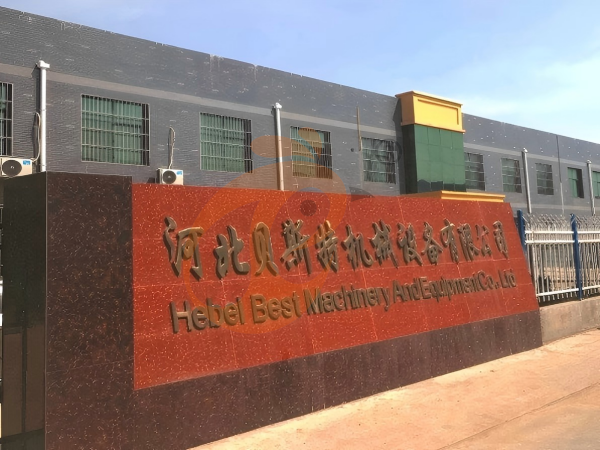
China Hebei Best Machinery And Equipment CO., LTD
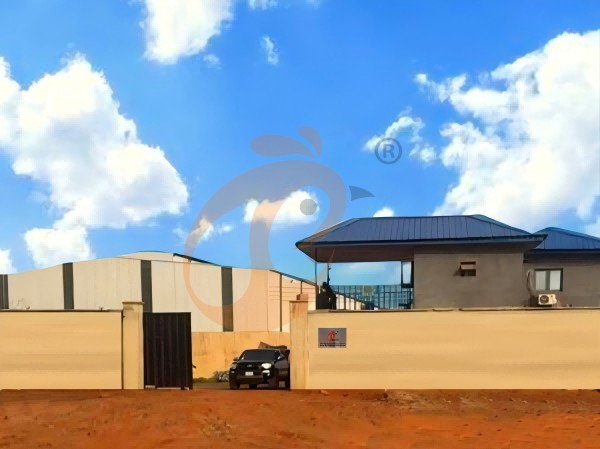
Nigeria Vanke Machinery And Equipment CO., LTD
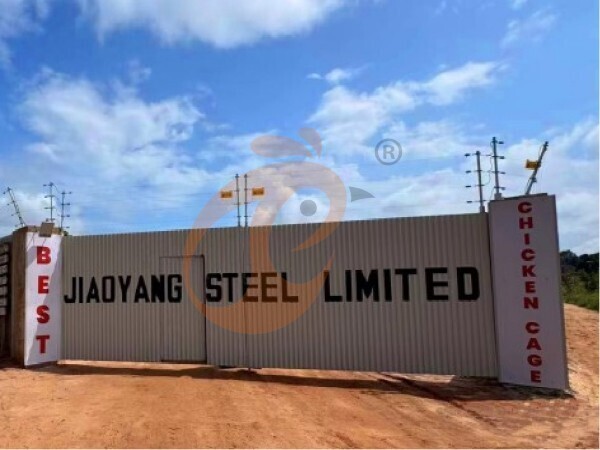
Tanzania Best Machinery And Equipment CO., LTD
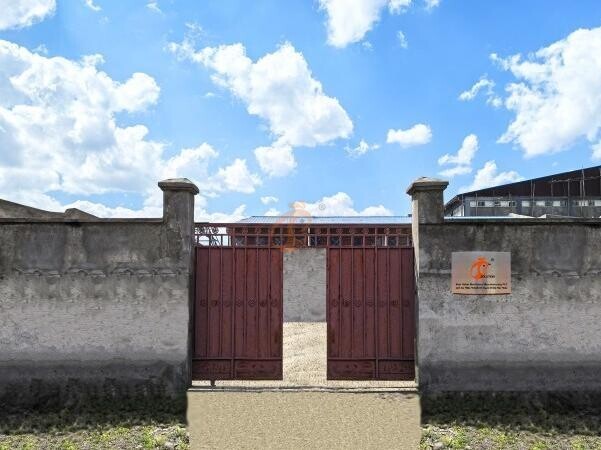
Ethiopia Best Hebei Machinery Manufacturing PLC
Reception /24 WhatsApp NO. : +8618830120193
FAQ
How Is Data Transmission Managed In Smart Chicken House Equipment For Poultry Chicken Monitoring Systems?
Data refresh intervals operate every 5–15 seconds for real-time monitoring accuracy.
Cloud synchronization latency remains within 1–3 seconds for remote access control.
What Alarm Functions Are Included In Smart Chicken House Equipment?
Gas concentration alerts trigger at 25–50 ppm ammonia levels protecting flock health.
System failure alarms respond within 3–5 seconds ensuring immediate fault notification.
How Does Smart Chicken House Equipment Improve Management Efficiency?
Data analytics improve feed conversion efficiency by 4%–7% through environmental optimization.
Predictive alerts reduce mortality risk by 3%–6% through early anomaly detection.
- poultry equipment
- poultry farm
- poultry farm
- poultry farm construction
- poultry equipment manufacturer
- poultry equipment supplier
- poultry equipment price
- poultry equipment quotation
- poultry drinking system
- poultry feeding system
- poultry ventilation fan
- automatic feeding system
- automatic poultry feeding system
- poultry house
- poultry ventilation fans
- poultry equipment manufacturers
- Ethiopia
- Nigeria
Message
Products recommended
 HK Headquarter Offers EU-standard Poultry Farm Solutions, Manufacture Poultry Farm Equipment1. Continuous communication with the EU and the US
2. China, Nigeria, Ethiopia, Tanzania branch companies and factories
3. The products’ quality is customized for local poultry farms
4. Poultry cage and poultry farm equipment stock for sale
5. 24 online reception Whatsapp NO. : +8618830120193,contact us to get full informationRead More China Branch Offer Poultry Farm Business Plan, Manufacture Poultry Farm Equipment1. Address: Flat/RM 2416, 24/F, Runxing Building, Youyi Nan Street, Shijiazhuang City, Hebei Province, China
2. Poultry cage and poultry farm equipment factory and stock for sale
3. Customized for local poultry farms
4. Quality and design are based on Euro
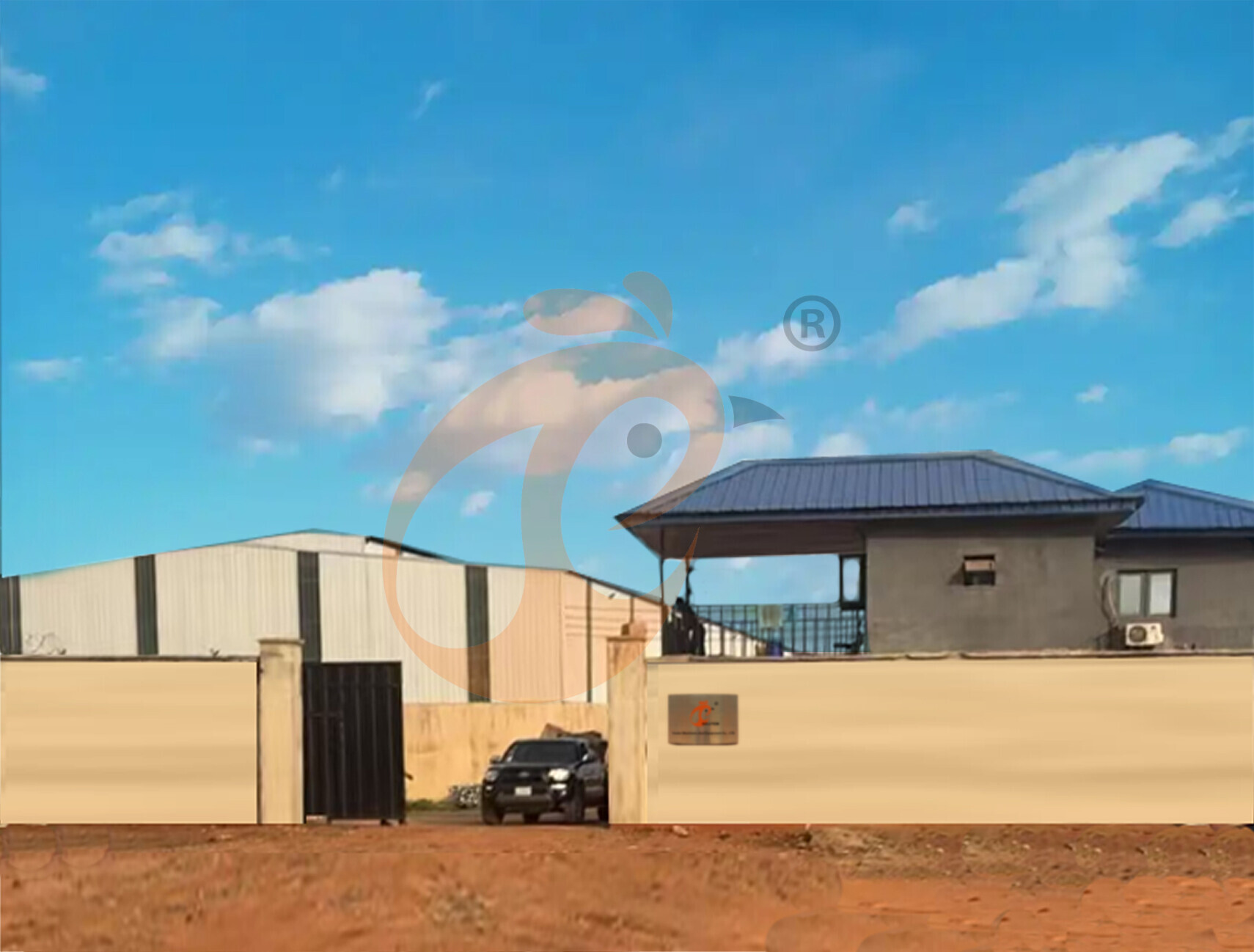
5. 24 online reception Whatsapp NO. : +8618830120193Read More Nigeria Branch Offer Poultry Farm Business Plan, Manufacture Poultry Farm Equipment1. Address: After Sinoma Office, 200 Meters Near Danco Filling Station, Lagos/Ibadan Expressway, Lagos State, Nigeria
2. Poultry cage and poultry farm equipment factory and stock for sale
3. Customized for Nigerian poultry farms
4. Quality and design are based on Euro
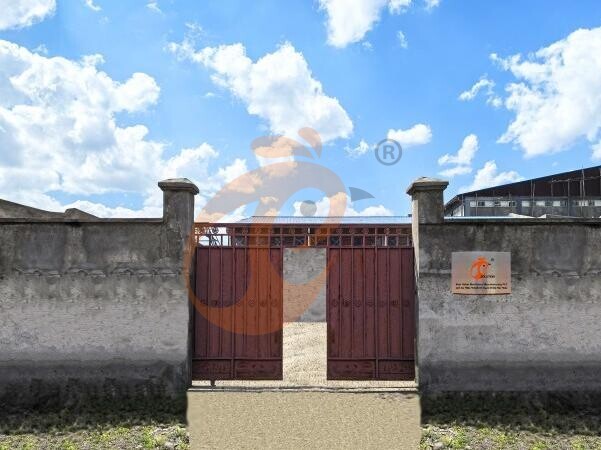
5. 24 online reception Whatsapp NO. : +8618830120193Read More Ethiopia Branch Offer Poultry Farm Business Plan, Manufacture Poultry Farm Equipment1. Address: Gelan Gura, Akaki-kaliti Sub City, Addis Ababa, Ethiopia
2. Poultry cage and poultry farm equipment stock for sale
3. Customized for Ethiopian poultry farms
4. Quality and design are based on Euro
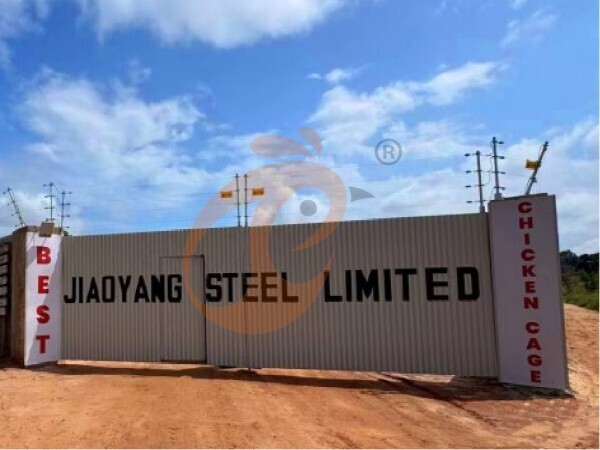
5. 24 online reception Whatsapp NO. : +8618830120193, contact us to get price listRead More Tanzania Branch Offer Poultry Farm Business Plan, Manufacture Poultry Farm Equipment1. Address: No.8, Sova Road, Msufini, Mlandizi, Kibaha, Pwani, Tanzania
2. Poultry cage and poultry farm equipment factory and stock for sale
3. Customized for Tanzanian poultry farms
4. Quality and design are based on Euro
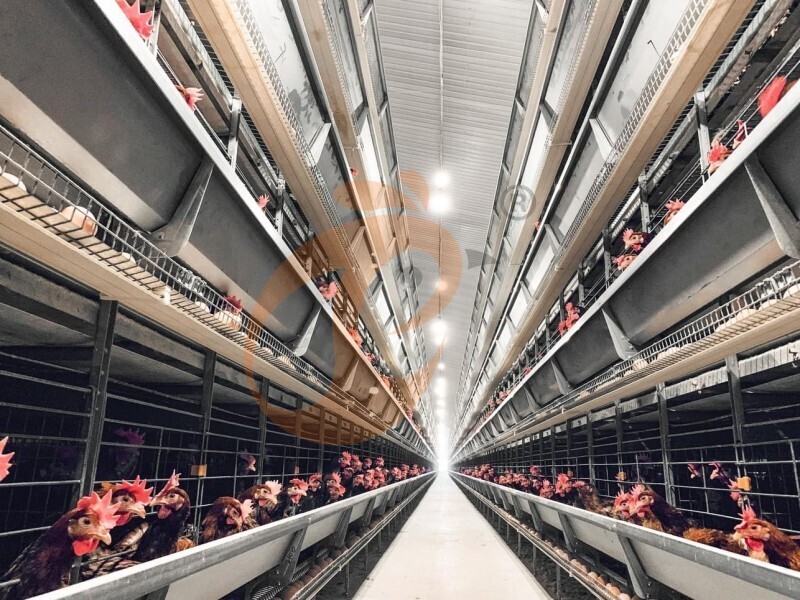
5. 24 online reception Whatsapp NO. : +8618830120193Read More Fully Automatic H Type Layer Chicken Cage1. 30,000-100,000+ layers/house chooses it, Poultry farmers can achieve an egg production rate of 96-98%
2. A significant improvement over the 85-90% typically seen in manual systems
3. A typical poultry farm can expect a 30-40% reduction in labor costs due to the automation
4. Each feeding line efficiently supplies feed to around 100,000 hens per 30 mins
5. Reception /WhatsApp NO. : +8618830120193Read More Fully Automatic A Type Layer Chicken Cage1. 10,000-50,000 layers/house chooses it
2. Cleaner egg collection reduces breakage by 0.5%
3. Improved hygiene helps reduce mortality rate to <3%
4. 1–2 technicians can handle 15,000–30,000 birds
5. Reception /WhatsApp NO. : +8618830120193Read More Semi Automatic H Type Layer Chicken Cage1. 1,00-20,000 layers/house chooses it
2. Nipple drinkers flow 30–60 ML / min
3. Hot-dip galvanized (typical coating ≥ 275 g/m²)
4. Reduce ammonia by ~ 35–40%
5. Reception /WhatsApp NO. : +8618830120193Read More Semi Automatic A Type Layer Chicken Cage1. 1,00-20,000 layers/house chooses it, no rust for 10 years, no deformation for 15 years
2. Chickens live comfortably, you can raise them with peace of mind
3. Save water, save money—efficiency you can measure
4. Improve environment quality, and increase egg production rate
5. Reception /WhatsApp NO. : +8618830120193Read More
By clicking 'Allow All', you agree to the storage of cookies on your device to enhance site navigation, analyze site usage and assist with our marketing efforts.