






Blog
A type poultry battery cage system performs best when climate engineering, cage layout, and poultry equipment work as one coordinated production platform, with 18–24°c supporting practical layer-house management.
Temperature, humidity, airflow, water delivery, and manure handling determine whether an A type layer cage installation remains efficient across seasonal operating changes.
Ventilation fans, cooling pads, nipple drinkers, automatic feeders, and manure systems create measurable production advantages when selected according to building dimensions and regional weather patterns.
Commercial farms benefit from integrated poultry battery cage solutions because equipment compatibility can reduce installation conflicts while supporting organized feeding, drinking, egg collection, and routine inspection.
Five practical climate tips connect engineering parameters with equipment selection, helping farms develop reliable layer houses designed for productivity, maintenance efficiency, and future capacity expansion.
Get professional poultry farm construction guidance, equipment selection solutions, and the latest price lists, whatsApp to +8618830120193, +2348111199996, or click to learn more.
Climate Determines The Cage-House Configuration
An A type poultry battery cage system performs best when the house environment is designed together with the cage, feeding, drinking, ventilation, and manure-removal systems.
For laying hens, a practical indoor temperature range is 18–24°c, while sudden changes should be avoided.
For equipment manufacturers and poultry producers, climate planning is therefore part of cage selection.
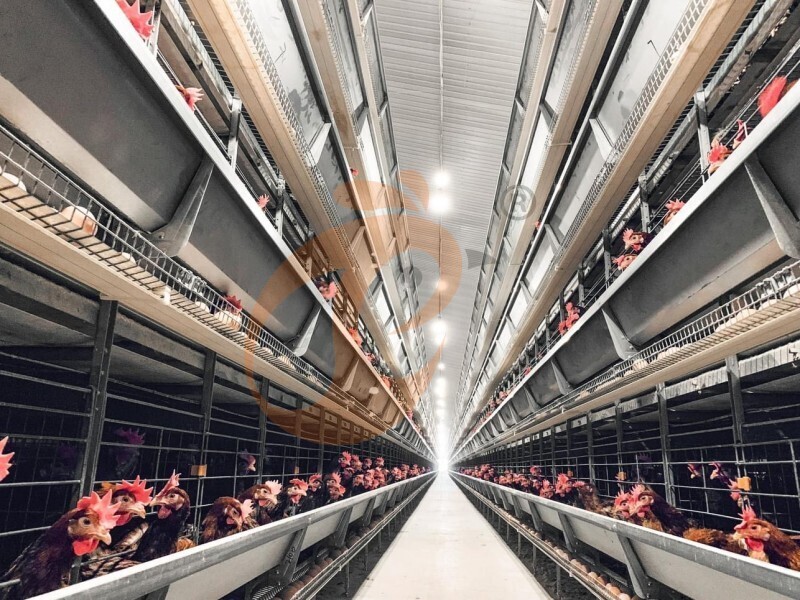
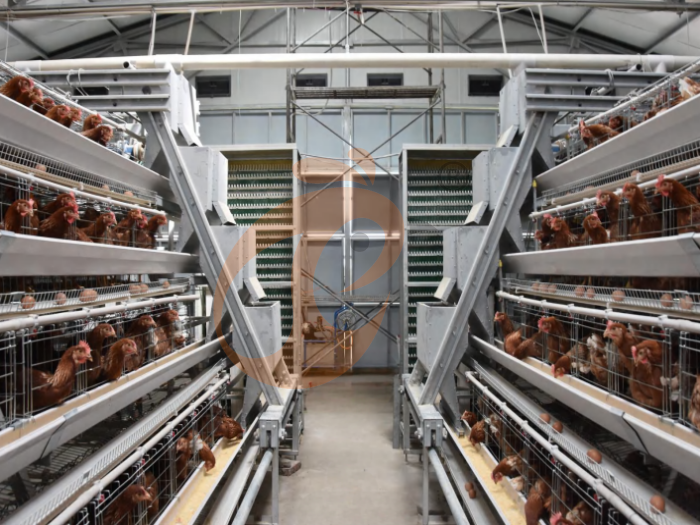
A correctly engineered A type layer cage can provide efficient bird access, organized feeding, convenient egg collection, and simplified daily inspection while supporting equipment maintains a stable production environment.
The objective is to create an integrated production system in which cage dimensions, airflow, water delivery, feeding, lighting, and manure handling operate together.
Climate Parameters For An A Type Cage House
Data is for reference only.Swipe horizontally to view full table.
These figures should be adjusted according to breed, bird age, stocking density, house structure, and local veterinary recommendations.
A professional poultry battery cage supplier can integrate environmental sensors with ventilation and control systems so operating conditions are measured rather than estimated.
Climate Profiles And Equipment Configuration
Data is for reference only.Swipe horizontally to view full table.
The same A type layer cage should not automatically receive the same environmental package in every country.
A project in Southeast Asia may require a different ventilation and cooling configuration from a project in Northern Europe.
Practical Tip 1: Calculate Airflow Before Buying Fans
A cage house should be engineered from the inside out.
Bird population → cage arrangement → house volume → air-inlet area → fan capacity → cooling configuration
For example, a commercial house measuring 120 m × 15 m has a floor area of 1,800 m².
House height, bird population, inlet arrangement, and ventilation mode must also enter the engineering calculation.
A complete poultry battery cage equipment package can coordinate cage rows with ventilation fans, air inlets, cooling equipment, controllers, feeders, drinkers, and manure systems.
Temperature Management And Equipment Selection
Data is for reference only.Swipe horizontally to view full table.
Temperature control should be automated whenever possible.
Manual operation can create unnecessary fluctuations, especially in large houses where conditions at different locations can differ.
An integrated control cabinet can connect temperature, humidity, ventilation, cooling, and alarm functions.
Such integration makes an A type poultry battery cage system part of a coordinated production environment rather than a standalone steel structure.
Humidity, Manure, And Air Quality
Data is for reference only.Swipe horizontally to view full table.
Manure management directly affects the house environment.
Efficient removal reduces the time manure remains beneath birds and supports easier sanitation.
An A type layer cage can be matched with manure belts, scrapers, or other removal configurations according to house scale.
Galvanized structural components provide a practical solution for commercial farms requiring durable equipment under repeated cleaning and daily operation.
Practical Tip 2: Design The Water System For Peak Demand
A poultry house can have excellent ventilation and still experience production problems if the drinking system is poorly designed.
A typical nipple drinking arrangement may use one nipple for approximately 8–12 layers, depending on nipple type, bird age, cage arrangement, and manufacturer specifications.
The water system should also provide consistent pressure throughout the house.
An A type poultry battery cage system can be configured with stainless-steel nipple drinkers, pressure regulators, water pipes, filters, and end-line assemblies.
Such configuration creates a cleaner and more manageable drinking solution than manually filled containers.
The drinking system should be designed simultaneously with cage rows rather than installed after the cage layout is finalized.
Water-System Parameters For Commercial Layer Houses
Data is for reference only.Swipe horizontally to view full table.
In hot-weather projects, water storage and backup supply deserve special attention.
A dependable drinking system should continue functioning during routine maintenance and short-term power interruptions.
The combination of poultry battery cage equipment and properly engineered nipple drinking equipment allows workers to inspect water delivery quickly while maintaining a cleaner cage environment.
Cage Layout And Ventilation Integration
Data is for reference only.Swipe horizontally to view full table.
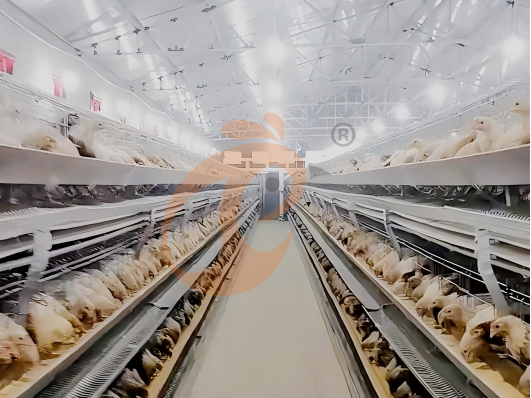
Cage layout affects both labor efficiency and environmental control.
An appropriately planned aisle gives workers access to feeders, drinkers, eggs, and manure equipment without disrupting the entire row.
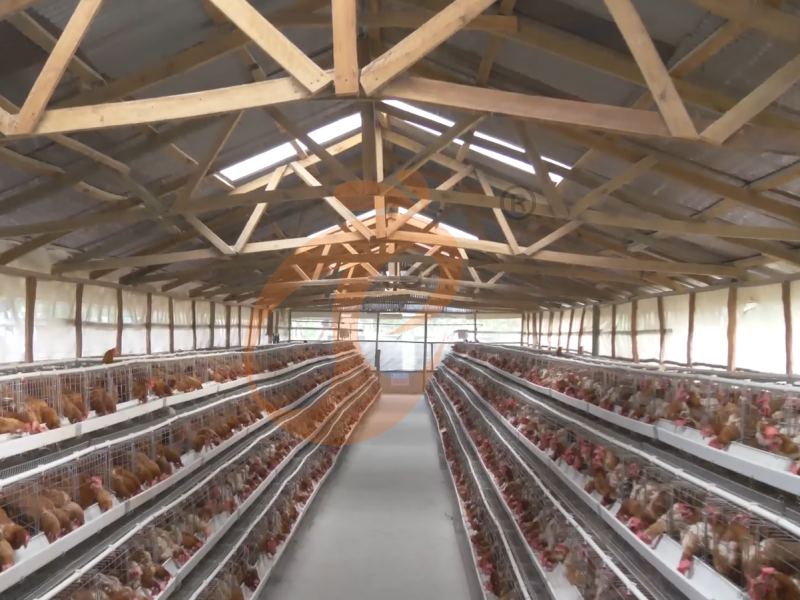
For large commercial projects, an A type layer cage layout can be engineered according to house dimensions and production capacity.
Such planning helps customers purchase an equipment package that fits the building rather than adapting the building around unsuitable equipment.
Practical Tip 3: Prepare For Seasonal Extremes
The most useful climate plan is based on the most demanding operating period, not the annual average.
Summer scenario
Peak outdoor temperature → ventilation requirement → cooling capacity → emergency power
Winter scenario
Outdoor temperature → insulation performance → heating demand → controlled fresh-air supply
Rainy scenario
External humidity → house moisture load → ventilation adjustment → manure management
A scenario-based approach helps farmers select equipment with sufficient operating flexibility.
An automated controller can activate ventilation stages progressively rather than switching every fan on simultaneously.
Such control supports smoother environmental management and reduces unnecessary equipment cycling.
Five Practical Tips And Their Equipment Parameters
Data is for reference only.Swipe horizontally to view full table.
These parameters illustrate why a poultry equipment project should be treated as a complete engineering package.
Selecting individual products only by price can create compatibility problems between cages, fans, waterlines, feeders, and controllers.
Our poultry battery cage solutions are designed to support integrated farm construction, from cage frames and feeding equipment to drinking systems, manure removal, ventilation, cooling, and environmental control.
Practical Tip 4 & 5: Build For Reliability And Expansion
Tip 4 — Select equipment as one system.
Cages should be matched with house dimensions, ventilation patterns, feeding methods, drinking arrangements, and manure-removal methods.
Such coordination reduces installation conflicts and makes future maintenance more straightforward.
Tip 5 — Design for the next expansion.
A farm may begin with one poultry house and later add additional buildings.
Modular feeding lines, drinking systems, controllers, and manure equipment can make expansion more practical.
The best A type poultry battery cage system is therefore not simply the cage with the most favorable specification.
The right equipment package fits the local climate, house structure, flock size, labor model, and future production plan.
With professionally designed A type layer cage equipment, automatic feeding, reliable nipple drinking systems, efficient manure removal, ventilation, cooling, heating, and climate-control equipment, producers can build a more organized commercial egg-production environment.
Choose the cage according to the climate, and choose the complete equipment system according to the farm.
Frequently Asked Questions
Q1: What climate is suitable for an A type poultry battery cage system?
A1: An indoor temperature of 18–24°c provides a practical operating reference, while ventilation should maintain fresh-air exchange without creating disruptive drafts.
Q2: How should cooling equipment be selected for A type layer cages?
A2: Cooling capacity should be calculated from house volume, bird population, local summer conditions, and ventilation configuration rather than selected only by fan quantity.
Q3: Why should manure removal be integrated with climate control?
A3: Manure accumulation affects moisture and air quality, so scheduled removal supports cleaner cage-house conditions and reduces unnecessary ventilation loads.
Taiyu (HK) Group - One Of China Largest A Type Poultry Battery Cage Manufacturer
A type poultry battery cage system combines galvanized cage construction, organized feeding, nipple drinking, egg handling, and manure management into a scalable commercial layer-house equipment solution.
Global factory-direct production supports project procurement with cage manufacturing, poultry equipment matching, technical documentation, and coordinated component supply.
Turn-key poultry equipment engineering connects cage layouts with ventilation, cooling, feeding, drinking, manure removal, electrical control, and installation requirements.
Project configurations can be developed for different house dimensions, flock capacities, climatic conditions, automation levels, and expansion schedules.
Factory engineering coordination supports equipment compatibility from preliminary layout through manufacturing, delivery, installation guidance, commissioning, and after-sales technical service.
Contact Us To Received Your Customized Poultry Farm Plan
Headquarters And Branchs
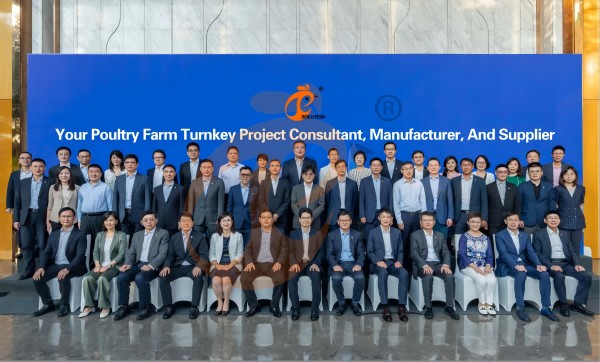
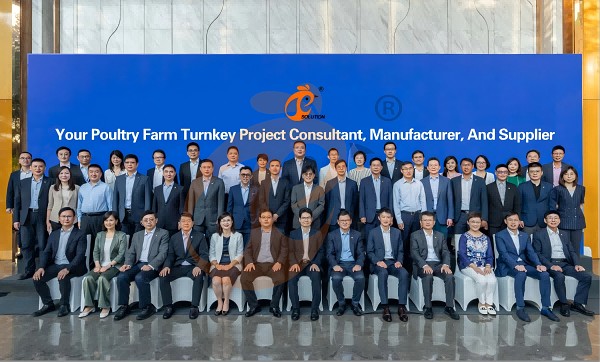
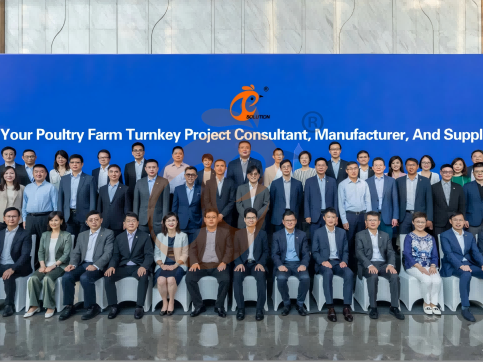
Hong Kong Headquarter Management Team
Hong Kong Headquarter Taiyu Industrial Group CO., LTD
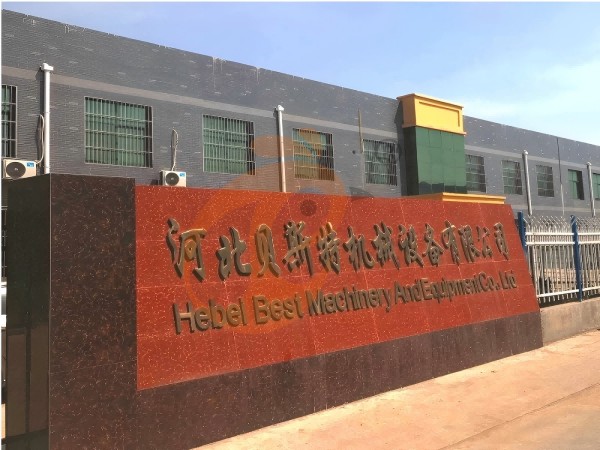
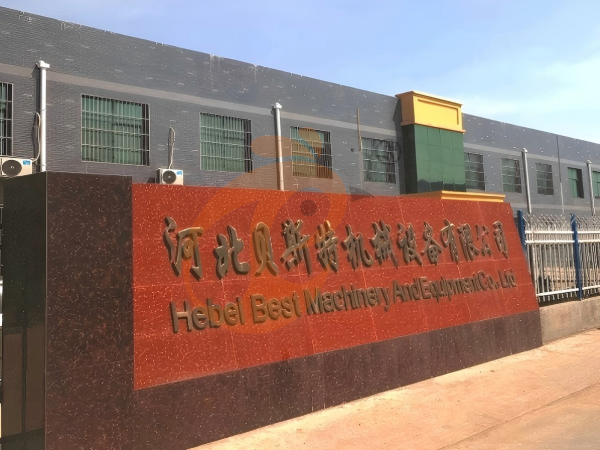
China Hebei Best Machinery And Equipment CO., LTD
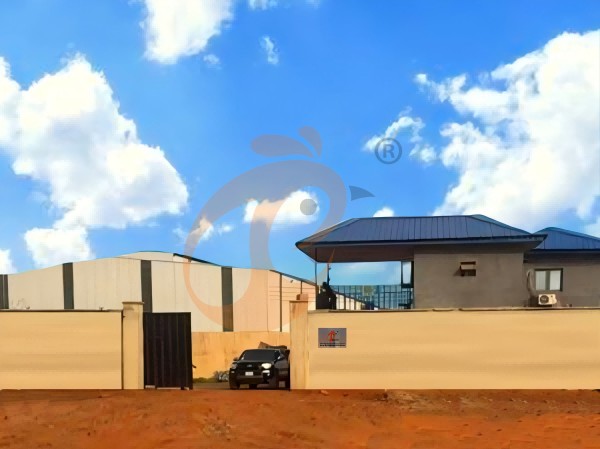
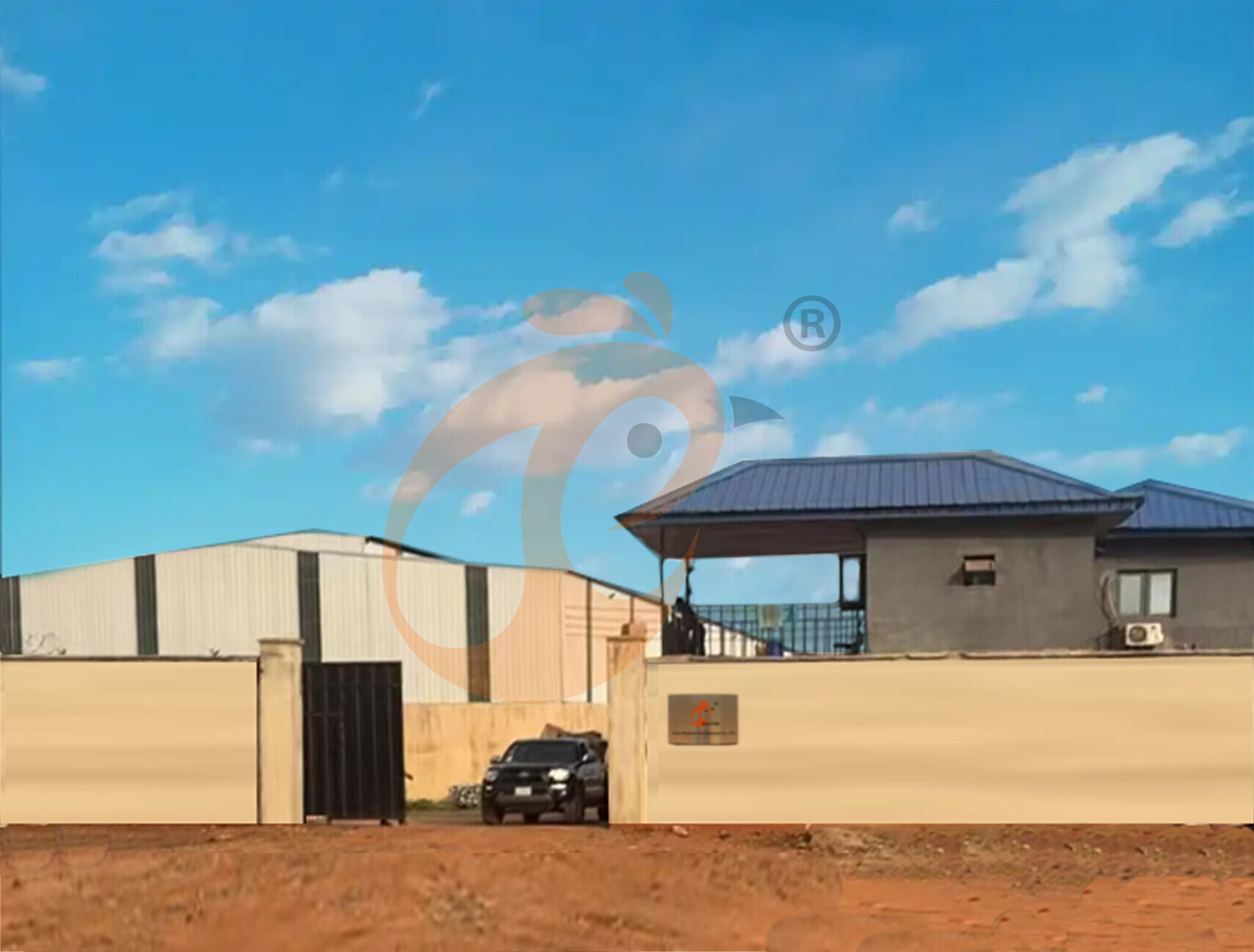
Nigeria Vanke Machinery And Equipment CO., LTD
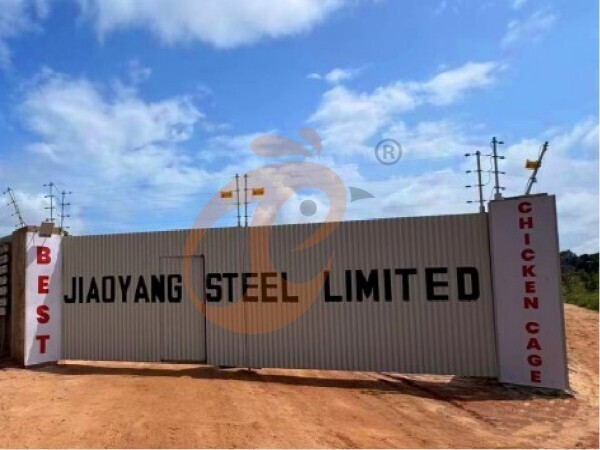
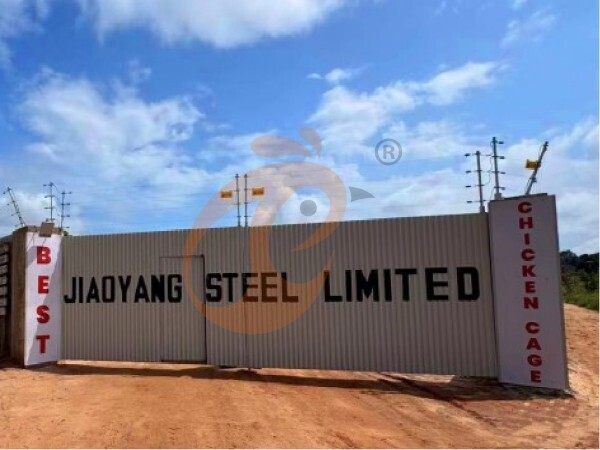
Tanzania Best Machinery And Equipment CO., LTD
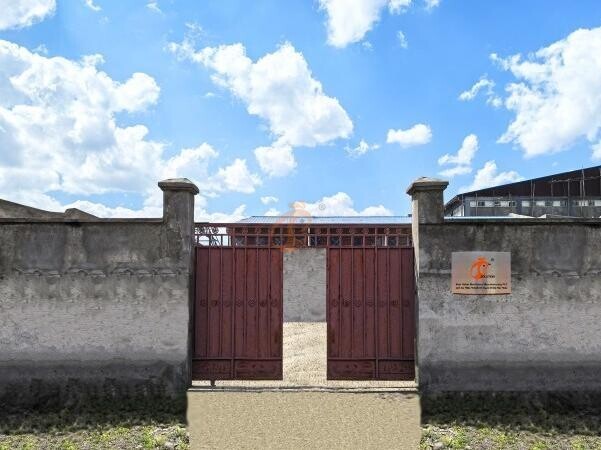
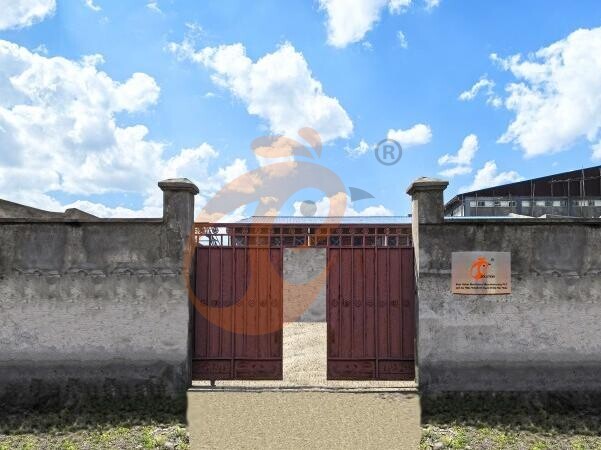
Ethiopia Best Hebei Machinery Manufacturing PLC
Reception /24 WhatsApp NO. : +8618830120193
FAQ
How To Increase Stocking Density Without Reducing Egg Production In A-Type Layer Cage?
Provide 418-500 cm² per bird
Ensure good ventilation
Egg production rate: 90–96%
What Are The Recommended Egg Conveyor Speeds For A-Type Layer Cage Farms?
Reduces egg collision and breakage
Egg breakage rate <1%
Daily egg yield: 900–960 eggs/1,000 birds
Egg production rate: 90–96%
How To Implement Lighting Control In A-Type Poultry Cage Farms?
Even illumination reduces stress
Egg production rate: 90–96%
FCR: 1.9–2.2
Egg breakage rate <1%
Message
Products recommended
 HK Headquarter Offers EU-standard Poultry Farm Solutions, Manufacture Poultry Farm Equipment1. Continuous communication with the EU and the US
2. China, Nigeria, Ethiopia, Tanzania branch companies and factories
3. The products’ quality is customized for local poultry farms
4. Poultry cage and poultry farm equipment stock for sale
5. 24 online reception Whatsapp NO. : +8618830120193,contact us to get full informationRead More China Branch Offer Poultry Farm Business Plan, Manufacture Poultry Farm Equipment1. Address: Flat/RM 2416, 24/F, Runxing Building, Youyi Nan Street, Shijiazhuang City, Hebei Province, China
2. Poultry cage and poultry farm equipment factory and stock for sale
3. Customized for local poultry farms
4. Quality and design are based on Euro
5. 24 online reception Whatsapp NO. : +8618830120193Read More Nigeria Branch Offer Poultry Farm Business Plan, Manufacture Poultry Farm Equipment1. Address: After Sinoma Office, 200 Meters Near Danco Filling Station, Lagos/Ibadan Expressway, Lagos State, Nigeria
2. Poultry cage and poultry farm equipment factory and stock for sale
3. Customized for Nigerian poultry farms
4. Quality and design are based on Euro
5. 24 online reception Whatsapp NO. : +8618830120193Read More Ethiopia Branch Offer Poultry Farm Business Plan, Manufacture Poultry Farm Equipment1. Address: Gelan Gura, Akaki-kaliti Sub City, Addis Ababa, Ethiopia
2. Poultry cage and poultry farm equipment stock for sale
3. Customized for Ethiopian poultry farms
4. Quality and design are based on Euro
5. 24 online reception Whatsapp NO. : +8618830120193, contact us to get price listRead More Tanzania Branch Offer Poultry Farm Business Plan, Manufacture Poultry Farm Equipment1. Address: No.8, Sova Road, Msufini, Mlandizi, Kibaha, Pwani, Tanzania
2. Poultry cage and poultry farm equipment factory and stock for sale
3. Customized for Tanzanian poultry farms
4. Quality and design are based on Euro
5. 24 online reception Whatsapp NO. : +8618830120193Read More Fully Automatic H Type Layer Chicken Cage1. 30,000-100,000+ layers/house chooses it, Poultry farmers can achieve an egg production rate of 96-98%
2. A significant improvement over the 85-90% typically seen in manual systems
3. A typical poultry farm can expect a 30-40% reduction in labor costs due to the automation
4. Each feeding line efficiently supplies feed to around 100,000 hens per 30 mins
5. Reception /WhatsApp NO. : +8618830120193Read More Fully Automatic A Type Layer Chicken Cage1. 10,000-50,000 layers/house chooses it
2. Cleaner egg collection reduces breakage by 0.5%
3. Improved hygiene helps reduce mortality rate to <3%
4. 1–2 technicians can handle 15,000–30,000 birds
5. Reception /WhatsApp NO. : +8618830120193Read More Semi Automatic H Type Layer Chicken Cage1. 1,00-20,000 layers/house chooses it
2. Nipple drinkers flow 30–60 ML / min
3. Hot-dip galvanized (typical coating ≥ 275 g/m²)
4. Reduce ammonia by ~ 35–40%
5. Reception /WhatsApp NO. : +8618830120193Read More Semi Automatic A Type Layer Chicken Cage1. 1,00-20,000 layers/house chooses it, no rust for 10 years, no deformation for 15 years
2. Chickens live comfortably, you can raise them with peace of mind
3. Save water, save money—efficiency you can measure
4. Improve environment quality, and increase egg production rate
5. Reception /WhatsApp NO. : +8618830120193Read More
By clicking 'Allow All', you agree to the storage of cookies on your device to enhance site navigation, analyze site usage and assist with our marketing efforts.