


Blog
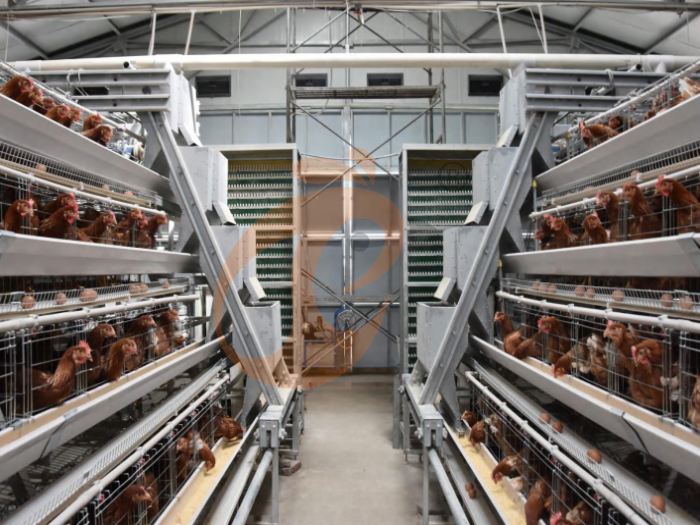
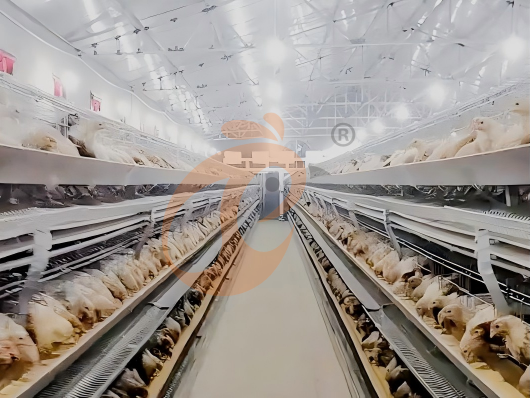
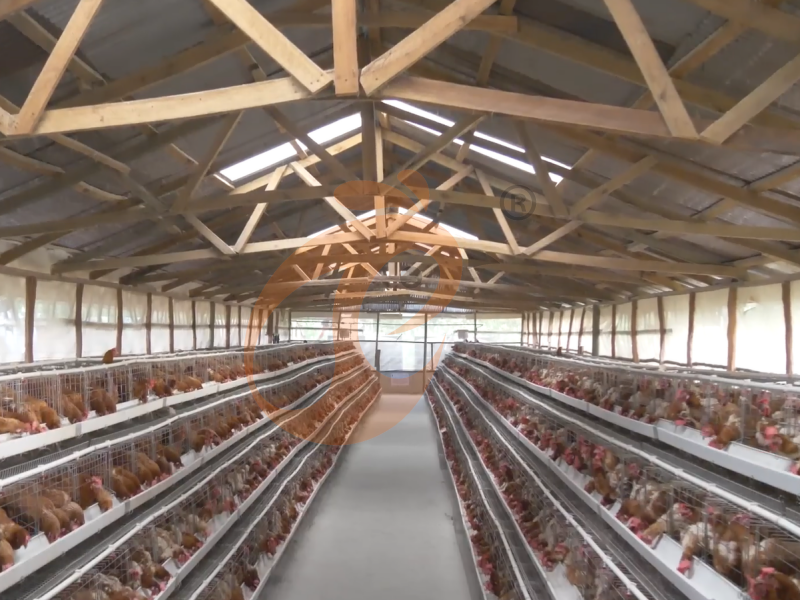
A-type poultry cage system safety is critical for maximizing productivity and reducing losses in Ethiopia's poultry industry.
Farmers must consider environmental adaptability, durability, and operational efficiency before investing in cage systems.
Proper cage design directly impacts bird welfare, egg quality, and long-term farm profitability.
Climate variability and infrastructure limitations require specialized engineering solutions for reliable performance.
Selecting the right system helps minimize maintenance costs and improves overall farm sustainability.
Get professional poultry farm construction guidance, equipment selection solutions, and the latest price lists, whatsApp to +8618830120193, click to learn more:

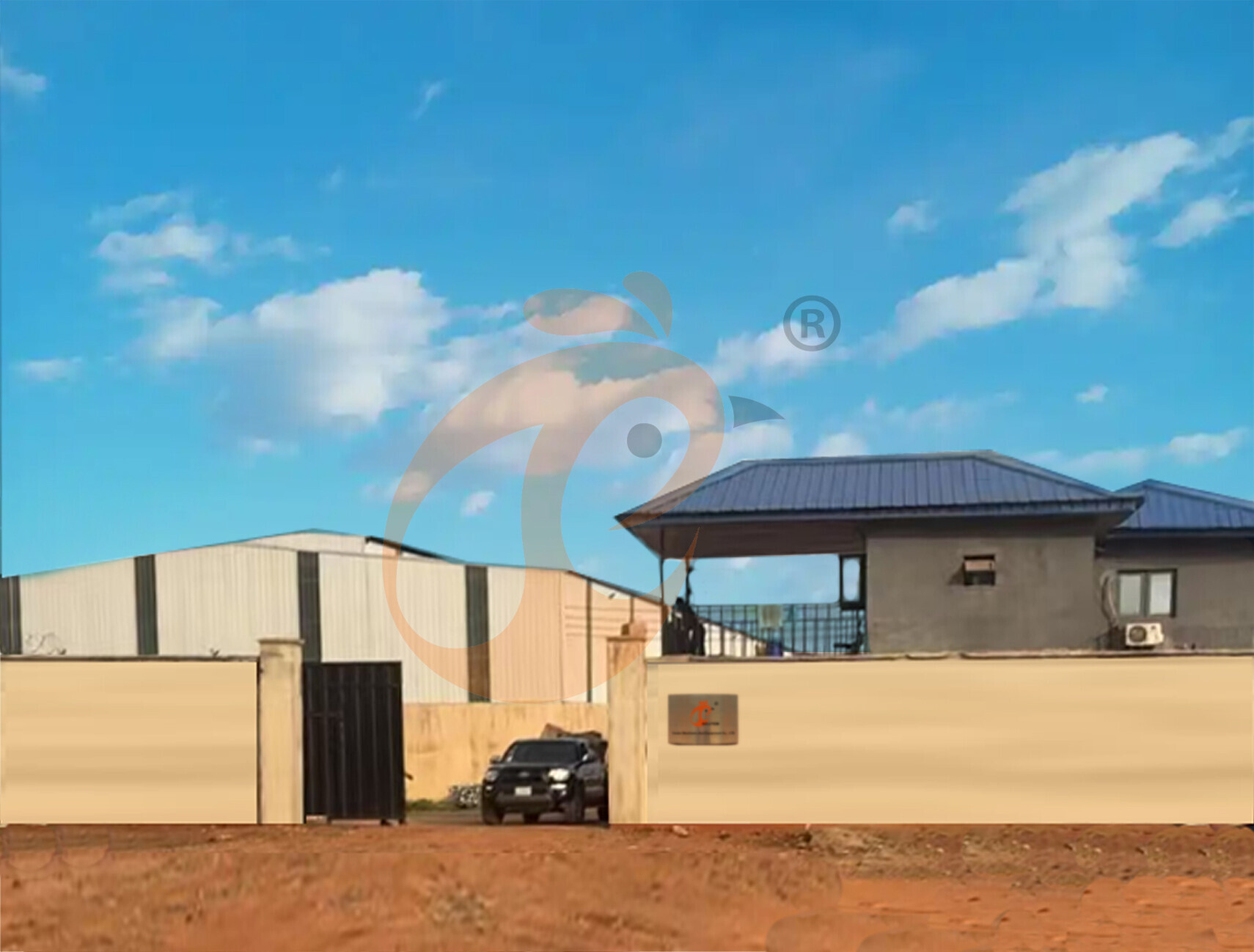
Ethiopia Branch Office And Factory Of Poultry Farm Equipment
Addressing The Ethiopian Pain Points
One cannot discuss poultry safety in Ethiopia without mentioning the cost of entry.
Many farmers are tempted to buy cheap imported cages that appear adequate but lack essential technical specifications.
The hidden cost includes higher mortality, increased egg breakage, and reduced productivity.
These losses directly impact profitability measured in Ethiopian Birr (ETB) (European union standard reference only).
A system that saves 5% initially but leads to 2% higher egg breakage and 3% higher mortality will result in long-term financial losses.
By focusing on core safety elements such as galvanization quality, slope precision, water filtration, ventilation structure, and electrical protection, Ethiopian farmers can significantly improve operational stability and financial outcomes.
Frequently Asked Questions
Q1: Is an A-type coultry cage system suitable for Ethiopian farming conditions?
Yes, A-type poultry cage systems are highly suitable for Ethiopia.
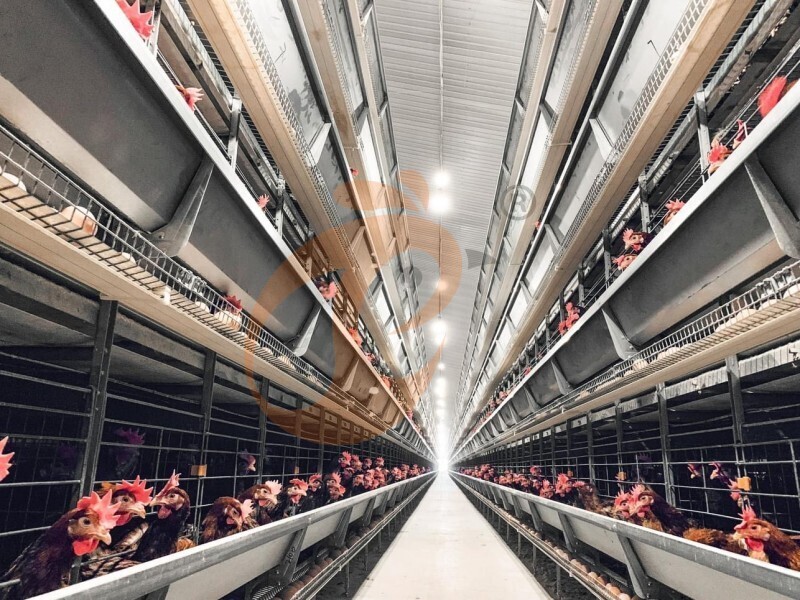
The stepped structure allows better natural airflow, which is critical in regions with limited ventilation infrastructure. This design helps maintain stable temperature and reduces heat stress on birds in both highland and lowland environments.
Q2: How can farmers in Ethiopia reduce maintenance costs for chicken cage systems?
Farmers should prioritize hot-dip galvanized materials and install proper water filtration systems.
These measures reduce corrosion and prevent nipple blockage caused by mineral-rich water, significantly lowering long-term maintenance and replacement costs.
Q3: What are the key safety risks when using low-cost poultry cage systems in Ethiopia?
Low-cost systems often lack proper coating thickness and structural strength.
This leads to rapid rusting during the Kiremt season, higher egg breakage due to poor slope design, and increased bird stress due to inadequate ventilation. Investing in certified specifications helps mitigate these risks effectively.
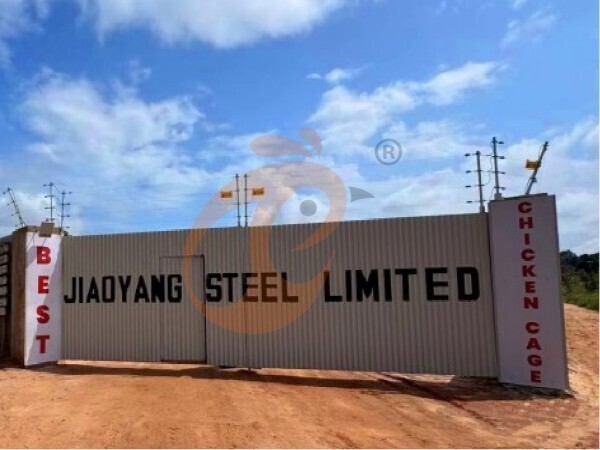
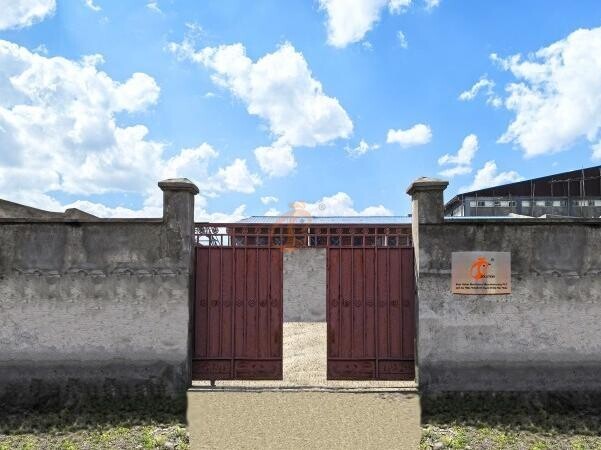
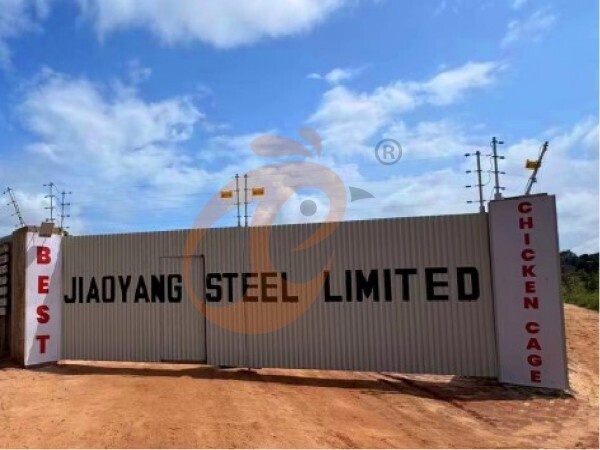
Ethiopia Best Hebei Machinery Manufacturing Plc - One Of Ethiopia Largest Poultry Cage Supplier
Global factory direct supply ensures competitive pricing and stable product quality across all poultry farm equipment projects worldwide.
Specialized in manufacturing A-type poultry cage and H-frame cage systems with advanced production technology and strict quality control standards.
Provides complete poultry farm equipment solutions including feeding systems, drinking systems, ventilation systems, and manure removal systems.
Offers full Turn-key engineering services covering farm design, equipment installation, technical training, and long-term after-sales support.
Extensive export experience with customized solutions tailored to Ethiopian climate conditions, farming practices, and investment requirements.
Contact Us To Received Your Customized Poultry Farm Plan
Headquarters And Branchs
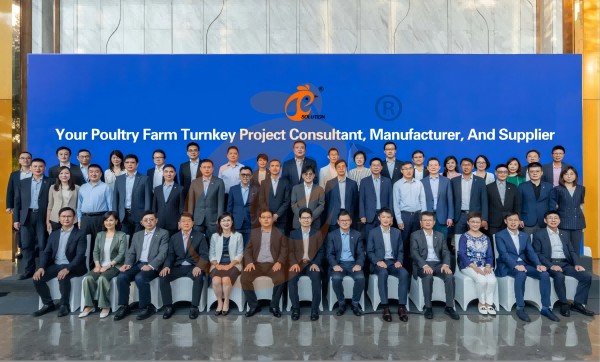
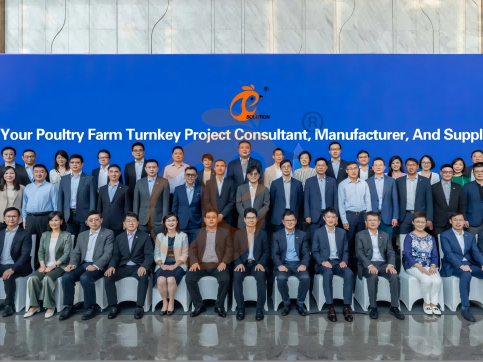
Hong Kong Headquarter Management Team
Hong Kong Headquarter Taiyu Industrial Group CO., LTD
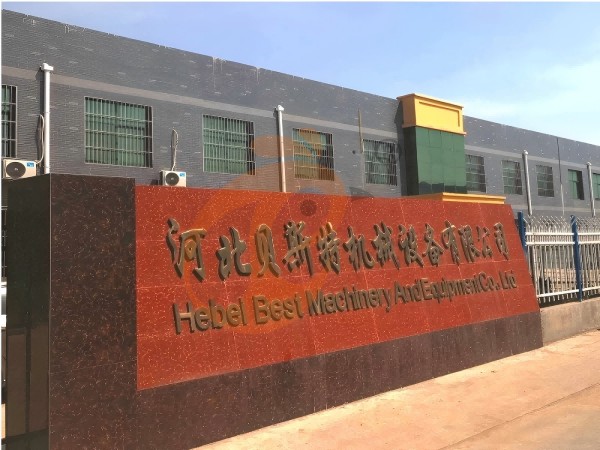
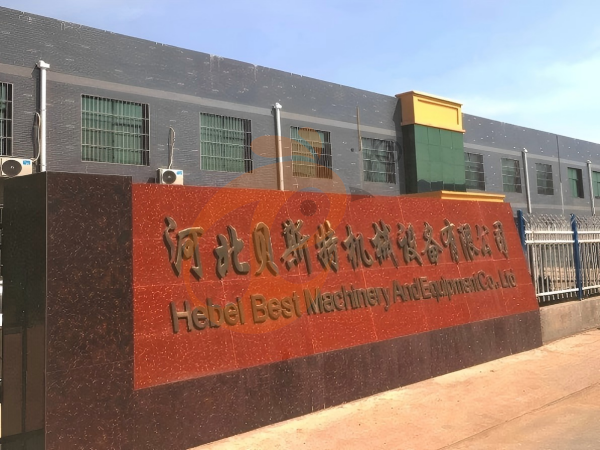
China Hebei Best Machinery And Equipment CO., LTD
Nigeria Vanke Machinery And Equipment CO., LTD
Tanzania Best Machinery And Equipment CO., LTD
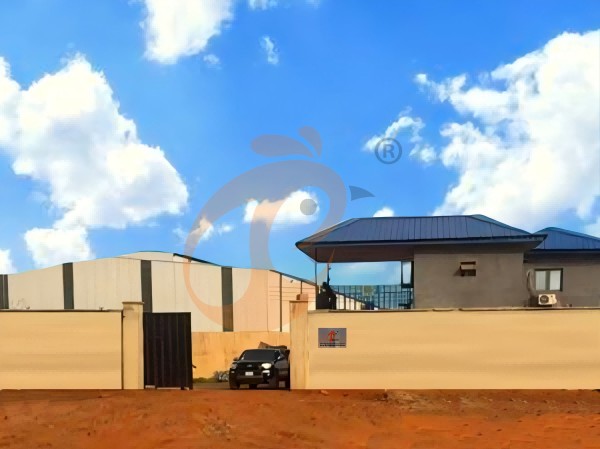
Ethiopia Best Hebei Machinery Manufacturing PLC
Reception /24 WhatsApp NO. : +8618830120193
FAQ
How To Maintain Optimal Lighting In A-Type Chicken Cage House?
Even lighting promotes laying
Egg production rate: 90–96%
FCR: 1.9–2.2
Reduces stress
How To Ensure Egg Safety And Reduce Breakage In A-Type Layer Cage System?
Control conveyor speed
Egg breakage rate <1%
Daily egg yield: 900–960 eggs/1,000 birds
Egg production rate: 90–96%
How To Reduce Heat Stress In A-Type Layer Cage Farm?
Maintain airflow for each tier
Provide water and cooling fans
Mortality rate: 2–3%
Egg production rate: 90–96%
Message
Products recommended
 HK Headquarter Offers EU-standard Poultry Farm Solutions, Manufacture Poultry Farm Equipment1. Continuous communication with the EU and the US
2. China, Nigeria, Ethiopia, Tanzania branch companies and factories
3. The products’ quality is customized for local poultry farms
4. Poultry cage and poultry farm equipment stock for sale
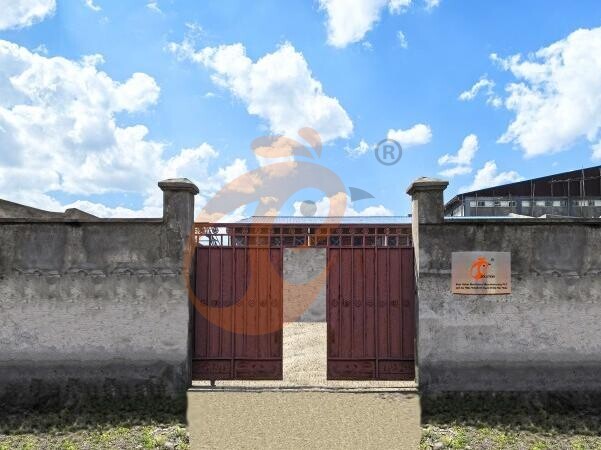
5. 24 online reception Whatsapp NO. : +8618830120193,contact us to get full informationRead More China Branch Offer Poultry Farm Business Plan, Manufacture Poultry Farm Equipment1. Address: Flat/RM 2416, 24/F, Runxing Building, Youyi Nan Street, Shijiazhuang City, Hebei Province, China
2. Poultry cage and poultry farm equipment factory and stock for sale
3. Customized for local poultry farms
4. Quality and design are based on Euro
5. 24 online reception Whatsapp NO. : +8618830120193Read More Nigeria Branch Offer Poultry Farm Business Plan, Manufacture Poultry Farm Equipment1. Address: After Sinoma Office, 200 Meters Near Danco Filling Station, Lagos/Ibadan Expressway, Lagos State, Nigeria
2. Poultry cage and poultry farm equipment factory and stock for sale
3. Customized for Nigerian poultry farms
4. Quality and design are based on Euro
5. 24 online reception Whatsapp NO. : +8618830120193Read More Ethiopia Branch Offer Poultry Farm Business Plan, Manufacture Poultry Farm Equipment1. Address: Gelan Gura, Akaki-kaliti Sub City, Addis Ababa, Ethiopia
2. Poultry cage and poultry farm equipment stock for sale
3. Customized for Ethiopian poultry farms
4. Quality and design are based on Euro
5. 24 online reception Whatsapp NO. : +8618830120193, contact us to get price listRead More Tanzania Branch Offer Poultry Farm Business Plan, Manufacture Poultry Farm Equipment1. Address: No.8, Sova Road, Msufini, Mlandizi, Kibaha, Pwani, Tanzania
2. Poultry cage and poultry farm equipment factory and stock for sale
3. Customized for Tanzanian poultry farms
4. Quality and design are based on Euro
5. 24 online reception Whatsapp NO. : +8618830120193Read More Fully Automatic H Type Layer Chicken Cage1. 30,000-100,000+ layers/house chooses it, Poultry farmers can achieve an egg production rate of 96-98%
2. A significant improvement over the 85-90% typically seen in manual systems
3. A typical poultry farm can expect a 30-40% reduction in labor costs due to the automation
4. Each feeding line efficiently supplies feed to around 100,000 hens per 30 mins
5. Reception /WhatsApp NO. : +8618830120193Read More Fully Automatic A Type Layer Chicken Cage1. 10,000-50,000 layers/house chooses it
2. Cleaner egg collection reduces breakage by 0.5%
3. Improved hygiene helps reduce mortality rate to <3%
4. 1–2 technicians can handle 15,000–30,000 birds
5. Reception /WhatsApp NO. : +8618830120193Read More Semi Automatic H Type Layer Chicken Cage1. 1,00-20,000 layers/house chooses it
2. Nipple drinkers flow 30–60 ML / min
3. Hot-dip galvanized (typical coating ≥ 275 g/m²)
4. Reduce ammonia by ~ 35–40%
5. Reception /WhatsApp NO. : +8618830120193Read More Semi Automatic A Type Layer Chicken Cage1. 1,00-20,000 layers/house chooses it, no rust for 10 years, no deformation for 15 years
2. Chickens live comfortably, you can raise them with peace of mind
3. Save water, save money—efficiency you can measure
4. Improve environment quality, and increase egg production rate
5. Reception /WhatsApp NO. : +8618830120193Read More
By clicking 'Allow All', you agree to the storage of cookies on your device to enhance site navigation, analyze site usage and assist with our marketing efforts.