


Blog
An A-type poultry cage system Ethiopia approach reduces labor dependence through structured automation and efficient layer management.
Ethiopian layer farms face rising labor inefficiencies due to manual processes and inconsistent workforce availability.
Automation improves egg handling consistency, feed efficiency, and operational predictability across regions.
Structured cage systems allow higher stocking density while maintaining bird health and production output.
Gradual adoption strategies help farmers align investment with cash flow realities in Ethiopia.
Get professional poultry farm construction guidance, equipment selection solutions, and the latest price lists, whatsApp to +8618830120193, click to learn more:

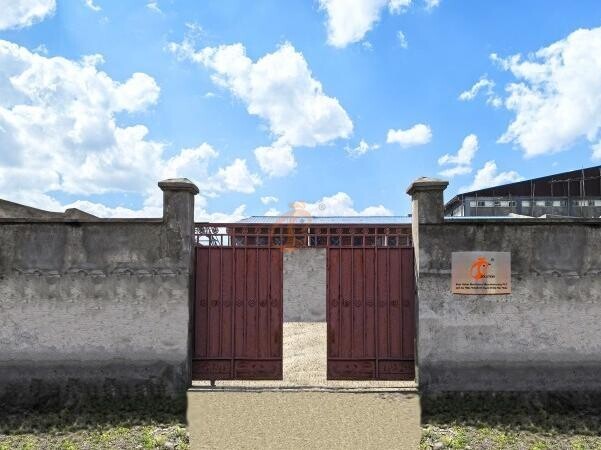
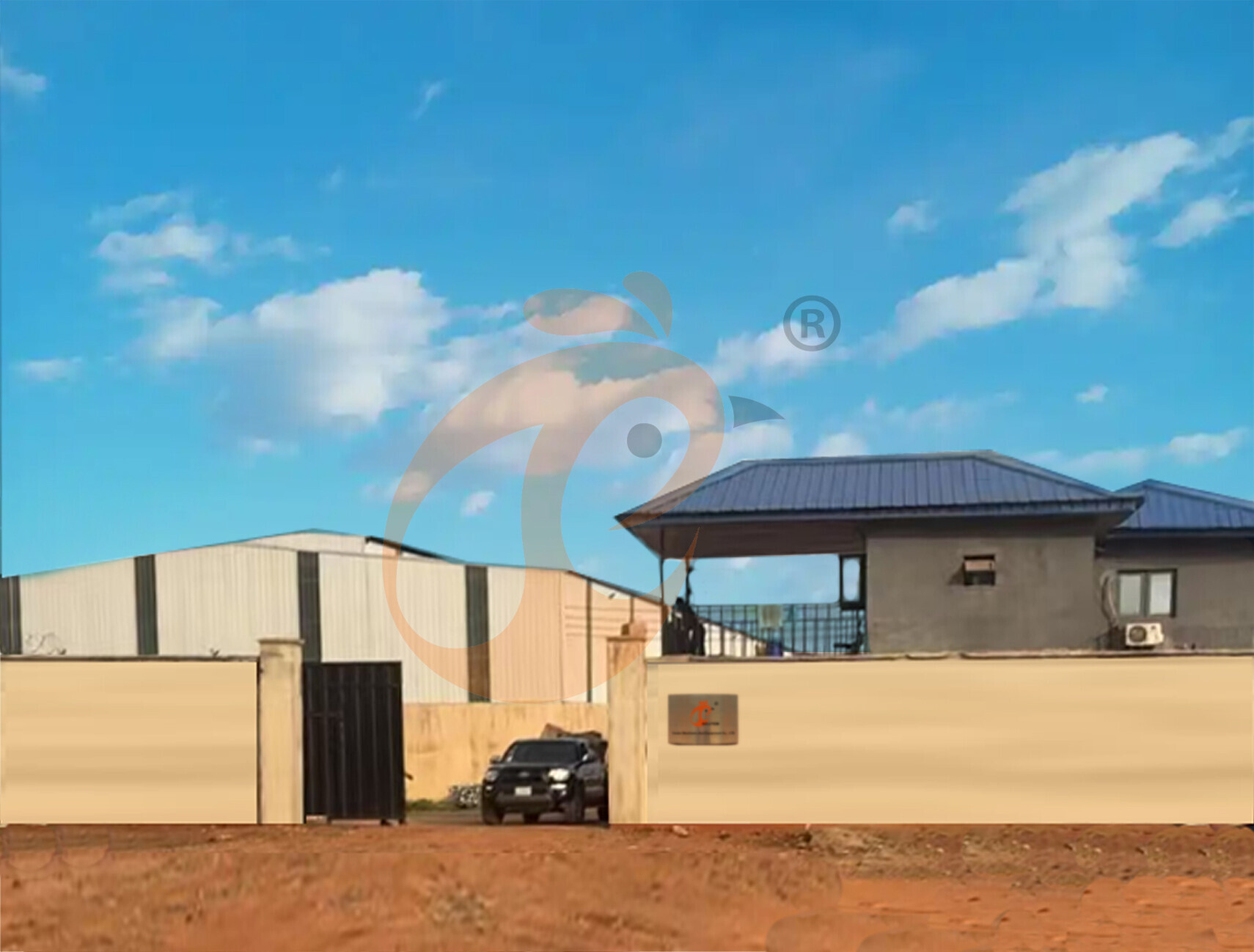
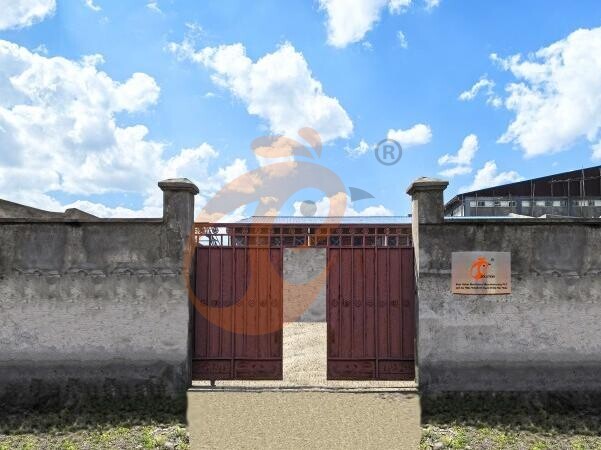
Ethiopia Branch Office And Factory Of Poultry Farm Equipment
Introduction: Labor Cost Pressure In Ethiopian Layer Farming
Ethiopia's poultry sector is transitioning from traditional backyard systems toward semi-commercial and commercial egg production.
However, labor inefficiency remains one of the most persistent cost drivers.
In many regions such as Oromia and Amhara, farms rely heavily on manual feeding, egg collection, and manure removal.
These traditional practices create structural inefficiencies.
- High labor-to-bird ratio
- Inconsistent feeding schedules
- Increased egg breakage
- Poor hygiene and disease exposure
At the same time, demand for eggs is rising due to urbanization in cities like Addis Ababa.
Modern layer farms can produce 300–330 eggs per hen annually under optimized conditions.
The A-type poultry cage system Ethiopia offers a practical, scalable solution tailored to Ethiopia's realities, including moderate capital availability and limited technical workforce.
Understanding Labor Cost Structure In Ethiopian Layer Farms
Labor costs in Ethiopia may appear relatively low per worker, but inefficiency makes total labor expenditure significant.
Data is for reference only.Swipe horizontally to view full table.
Key issue: labor productivity is extremely limited, especially in manual systems.
The keyword layer farming automation Ethiopia becomes critical in addressing these inefficiencies through structured system upgrades.
What Is An A Type Automatic Poultry Cage System?
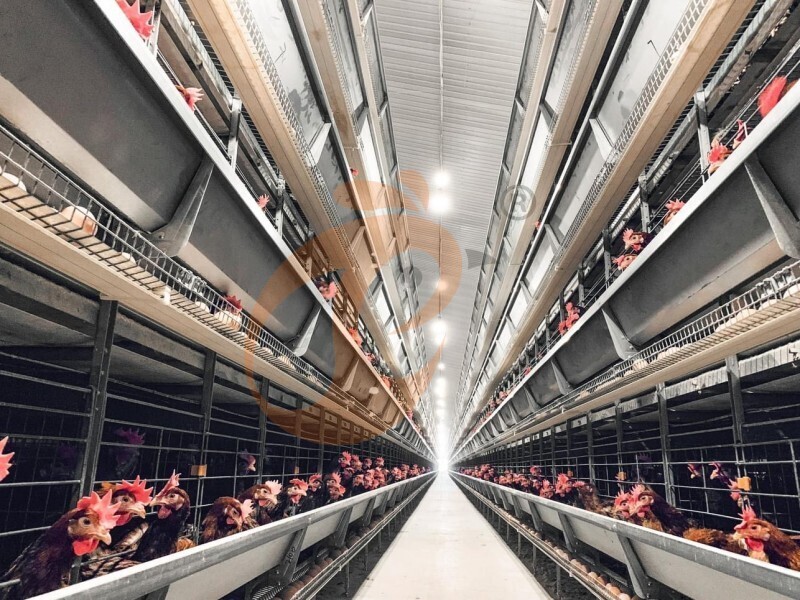
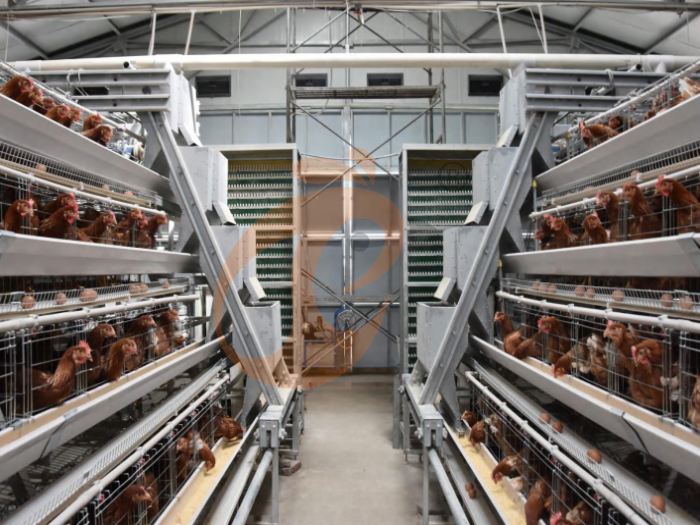
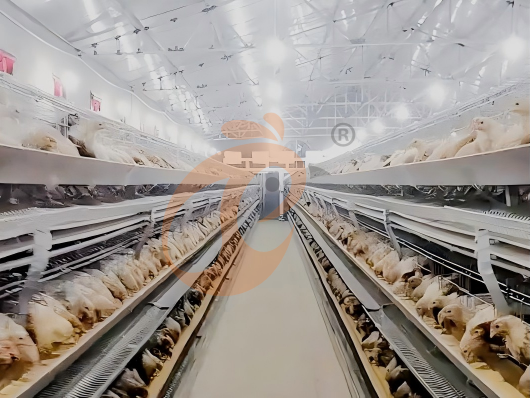
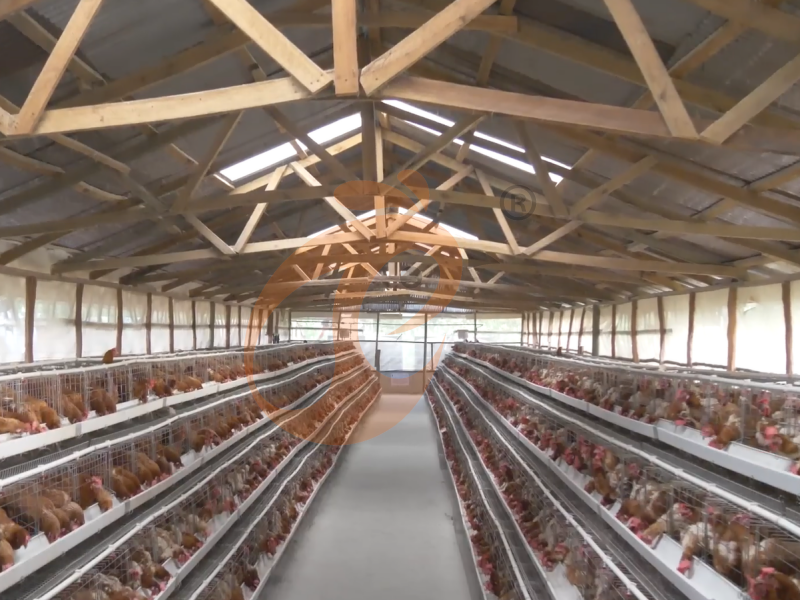
The A-type chicken cage system is a multi-tier structure typically configured in 3–4 tiers designed specifically for layer hens.
It integrates automatic feeding lines, nipple drinking systems, egg collection trays or belts, and optional manure removal systems.
Data is for reference only.Swipe horizontally to view full table.
This system is particularly suitable for Ethiopia where land near cities is becoming expensive and farm expansion must be vertical rather than horizontal.
Smart Way #1: Automate Feeding To Reduce Daily Labor Dependency
Feed management accounts for the largest portion of daily labor workload.
Manual feeding leads to uneven feed distribution, increased feed wastage, and excessive labor hours.
Feed represents 65–75% of total production cost in Ethiopia (Ethiopian Birr, European union standard reference only).
Data is for reference only.Swipe horizontally to view full table.
In regions with inconsistent labor availability such as rural Oromia, automated feeding ensures stable production regardless of workforce fluctuations.
Smart Way #2: Centralized Egg Collection To Minimize Handling Labor
Egg collection is one of the most labor-intensive tasks in traditional farms.
Manual collection increases breakage, requires more labor, and creates hygiene risks.
Data is for reference only.Swipe horizontally to view full table.
Automated or semi-automated egg collection reduces daily labor hours, improves egg quality for urban markets, and increases sale price consistency.
Smart Way #3: Improve Stocking Density To Reduce Labor Per Bird
A major inefficiency in Ethiopian farms is low stocking density.
Data is for reference only.Swipe horizontally to view full table.
Higher density leads to fewer workers needed per bird and reduced walking distance for staff.
This is especially important in peri-urban Ethiopia where land costs are rising.
Smart Way #4: Integrate Watering And Manure Automation
Watering and waste management consume significant labor.
Data is for reference only.Swipe horizontally to view full table.
Data is for reference only.Swipe horizontally to view full table.
In Ethiopia's warm climate, ammonia buildup is a serious issue.
Automated manure systems improve air quality, reduce disease risk, and lower labor demand.
Labor Cost Reduction After Automation
The impact of A-type automation is significant.
Data is for reference only.Swipe horizontally to view full table.
This reduction allows Ethiopian farmers to reinvest in feed quality, expand flock size, and improve profitability.
Economic Performance Of A Type Systems In Ethiopia
Automation improves not only labor cost but overall farm economics.
Data is for reference only.Swipe horizontally to view full table.
The term poultry cage system for layers Ethiopia reflects the growing shift toward efficient and scalable production models in the country.
Practical Implementation Strategy For Ethiopian Farmers
A phased approach is recommended to align with financial realities.
Data is for reference only.Swipe horizontally to view full table.
Frequently Asked Questions In Ethiopian Context
Q1: Is the A-type chicken cage suitable for Ethiopian climate conditions?
Yes, the A-type chicken cage performs effectively in Ethiopia's climate. Proper ventilation design and manure management reduce ammonia levels and heat stress, making it suitable for both highland and mid-altitude regions.
Q2: Can small-scale Ethiopian farmers afford this system?
Yes, through phased implementation. Farmers can start with basic A-type cages and gradually add automation components, reducing upfront investment pressure while improving efficiency step by step.
Q3: Does automation reduce employment opportunities in Ethiopia?
Automation reduces repetitive labor but creates demand for skilled roles such as system maintenance and farm management, improving overall workforce productivity rather than eliminating jobs.
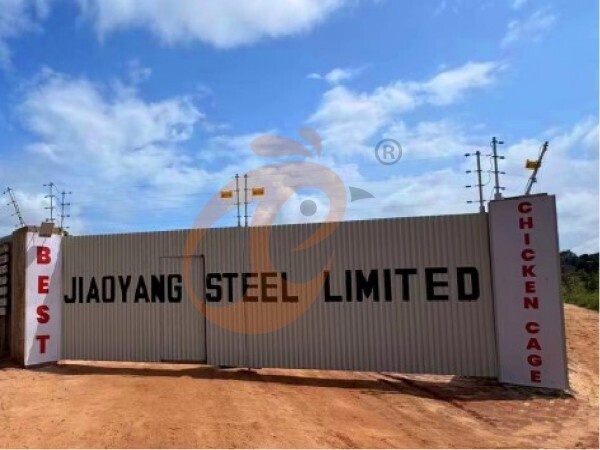
Ethiopia Best Hebei Machinery Manufacturing Plc - One Of Ethiopia Largest Poultry Cage System Supplier
Global factory direct supply ensures competitive pricing and stable delivery for poultry farm equipment projects.
Comprehensive poultry cage solutions include A-type systems designed specifically for layer farming efficiency.
Turn-key engineering services cover farm design, equipment installation, and operational training support.
Advanced manufacturing standards ensure durability, corrosion resistance, and long service life in Ethiopian environments.
Technical support teams provide continuous guidance for system optimization and farm productivity improvement.
Contact Us To Received Your Customized Poultry Farm Plan
Headquarters And Branchs

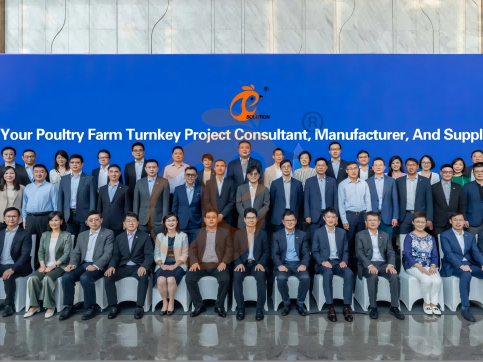
Hong Kong Headquarter Management Team
Hong Kong Headquarter Taiyu Industrial Group CO., LTD
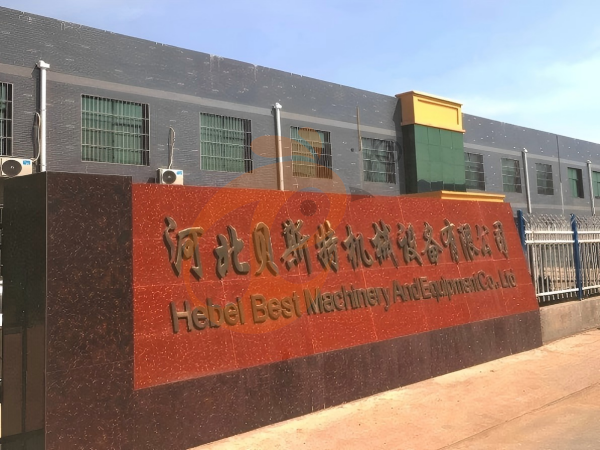
China Hebei Best Machinery And Equipment CO., LTD
Nigeria Vanke Machinery And Equipment CO., LTD
Tanzania Best Machinery And Equipment CO., LTD
Ethiopia Best Hebei Machinery Manufacturing PLC
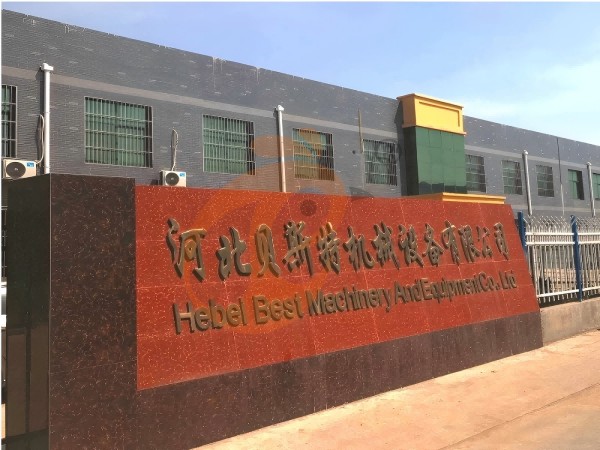
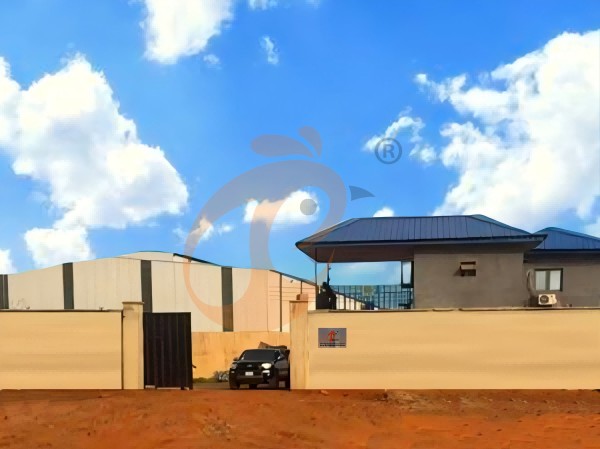
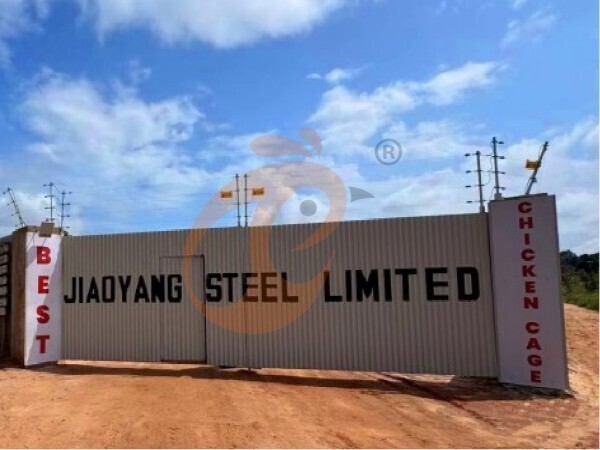
Reception /24 WhatsApp NO. : +8618830120193
FAQ
What Are The Recommended Cage Width And Height For A-Type Layer Cage?
Cage width: 2200–2400 mm
Cage depth: 400 mm
Birds per set: 120-200
Egg production rate: 90–96%
How To Improve Feed Efficiency In A-Type Poultry Cage System?
Reduce feed waste
FCR reduced to 1.9–2.2
Egg production rate: 90–96%
Feed waste reduced by 5–10%
How To Implement Egg Collection Automation In A-Type Layer Cage Farm?
Egg breakage rate <1%
Daily egg yield: 900–960 eggs/1,000 birds
Labor savings: 50–70%
Egg production rate: 90–96%
Message
Products recommended
 HK Headquarter Offers EU-standard Poultry Farm Solutions, Manufacture Poultry Farm Equipment1. Continuous communication with the EU and the US
2. China, Nigeria, Ethiopia, Tanzania branch companies and factories
3. The products’ quality is customized for local poultry farms
4. Poultry cage and poultry farm equipment stock for sale
5. 24 online reception Whatsapp NO. : +8618830120193,contact us to get full informationRead More China Branch Offer Poultry Farm Business Plan, Manufacture Poultry Farm Equipment1. Address: Flat/RM 2416, 24/F, Runxing Building, Youyi Nan Street, Shijiazhuang City, Hebei Province, China
2. Poultry cage and poultry farm equipment factory and stock for sale
3. Customized for local poultry farms
4. Quality and design are based on Euro
5. 24 online reception Whatsapp NO. : +8618830120193Read More Nigeria Branch Offer Poultry Farm Business Plan, Manufacture Poultry Farm Equipment1. Address: After Sinoma Office, 200 Meters Near Danco Filling Station, Lagos/Ibadan Expressway, Lagos State, Nigeria
2. Poultry cage and poultry farm equipment factory and stock for sale
3. Customized for Nigerian poultry farms
4. Quality and design are based on Euro
5. 24 online reception Whatsapp NO. : +8618830120193Read More Ethiopia Branch Offer Poultry Farm Business Plan, Manufacture Poultry Farm Equipment1. Address: Gelan Gura, Akaki-kaliti Sub City, Addis Ababa, Ethiopia
2. Poultry cage and poultry farm equipment stock for sale
3. Customized for Ethiopian poultry farms
4. Quality and design are based on Euro
5. 24 online reception Whatsapp NO. : +8618830120193, contact us to get price listRead More Tanzania Branch Offer Poultry Farm Business Plan, Manufacture Poultry Farm Equipment1. Address: No.8, Sova Road, Msufini, Mlandizi, Kibaha, Pwani, Tanzania
2. Poultry cage and poultry farm equipment factory and stock for sale
3. Customized for Tanzanian poultry farms
4. Quality and design are based on Euro
5. 24 online reception Whatsapp NO. : +8618830120193Read More Fully Automatic H Type Layer Chicken Cage1. 30,000-100,000+ layers/house chooses it, Poultry farmers can achieve an egg production rate of 96-98%
2. A significant improvement over the 85-90% typically seen in manual systems
3. A typical poultry farm can expect a 30-40% reduction in labor costs due to the automation
4. Each feeding line efficiently supplies feed to around 100,000 hens per 30 mins
5. Reception /WhatsApp NO. : +8618830120193Read More Fully Automatic A Type Layer Chicken Cage1. 10,000-50,000 layers/house chooses it
2. Cleaner egg collection reduces breakage by 0.5%
3. Improved hygiene helps reduce mortality rate to <3%
4. 1–2 technicians can handle 15,000–30,000 birds
5. Reception /WhatsApp NO. : +8618830120193Read More Semi Automatic H Type Layer Chicken Cage1. 1,00-20,000 layers/house chooses it
2. Nipple drinkers flow 30–60 ML / min
3. Hot-dip galvanized (typical coating ≥ 275 g/m²)
4. Reduce ammonia by ~ 35–40%
5. Reception /WhatsApp NO. : +8618830120193Read More Semi Automatic A Type Layer Chicken Cage1. 1,00-20,000 layers/house chooses it, no rust for 10 years, no deformation for 15 years
2. Chickens live comfortably, you can raise them with peace of mind
3. Save water, save money—efficiency you can measure
4. Improve environment quality, and increase egg production rate
5. Reception /WhatsApp NO. : +8618830120193Read More
By clicking 'Allow All', you agree to the storage of cookies on your device to enhance site navigation, analyze site usage and assist with our marketing efforts.