


Blog
Ethiopia poultry farming relies increasingly on chicken cage system automation to improve production and efficiency in commercial operations.
This article compares A-type and H-type chicken cage systems for Ethiopia poultry farms.
It highlights seven key differences including land utilization, manure management, feed conversion, climate control, egg collection, structural durability, and operational expenditure.
Provides practical insights for small-to-medium scale farmers and large commercial investors.
Discusses hybrid solutions to mitigate intermittent power supply challenges and reduce labor costs.
Explains long-term return on investment benefits and technical maintenance requirements of each system.
Offers clear data tables comparing bird density, feed efficiency, and egg breakage rates.
Includes an FAQ addressing common Ethiopian poultry farming concerns and solutions.
Get professional poultry farm construction guidance, equipment selection solutions, and the latest price lists, whatsApp to +8618830120193, click to learn more:

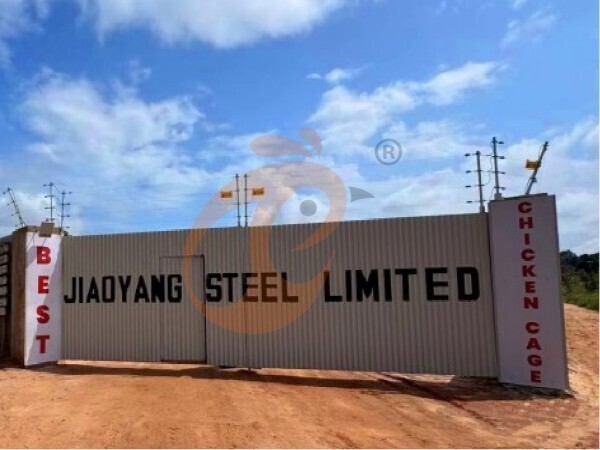
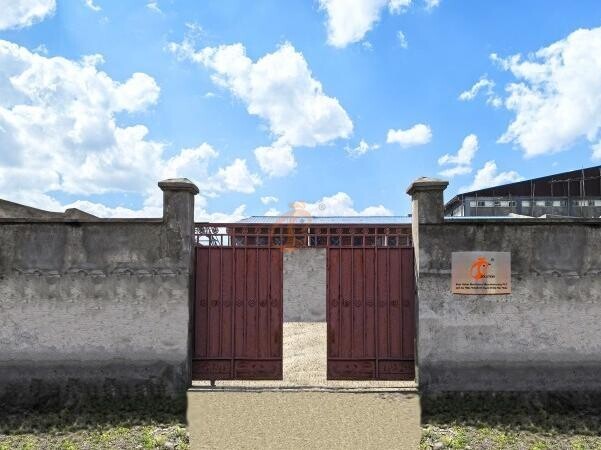
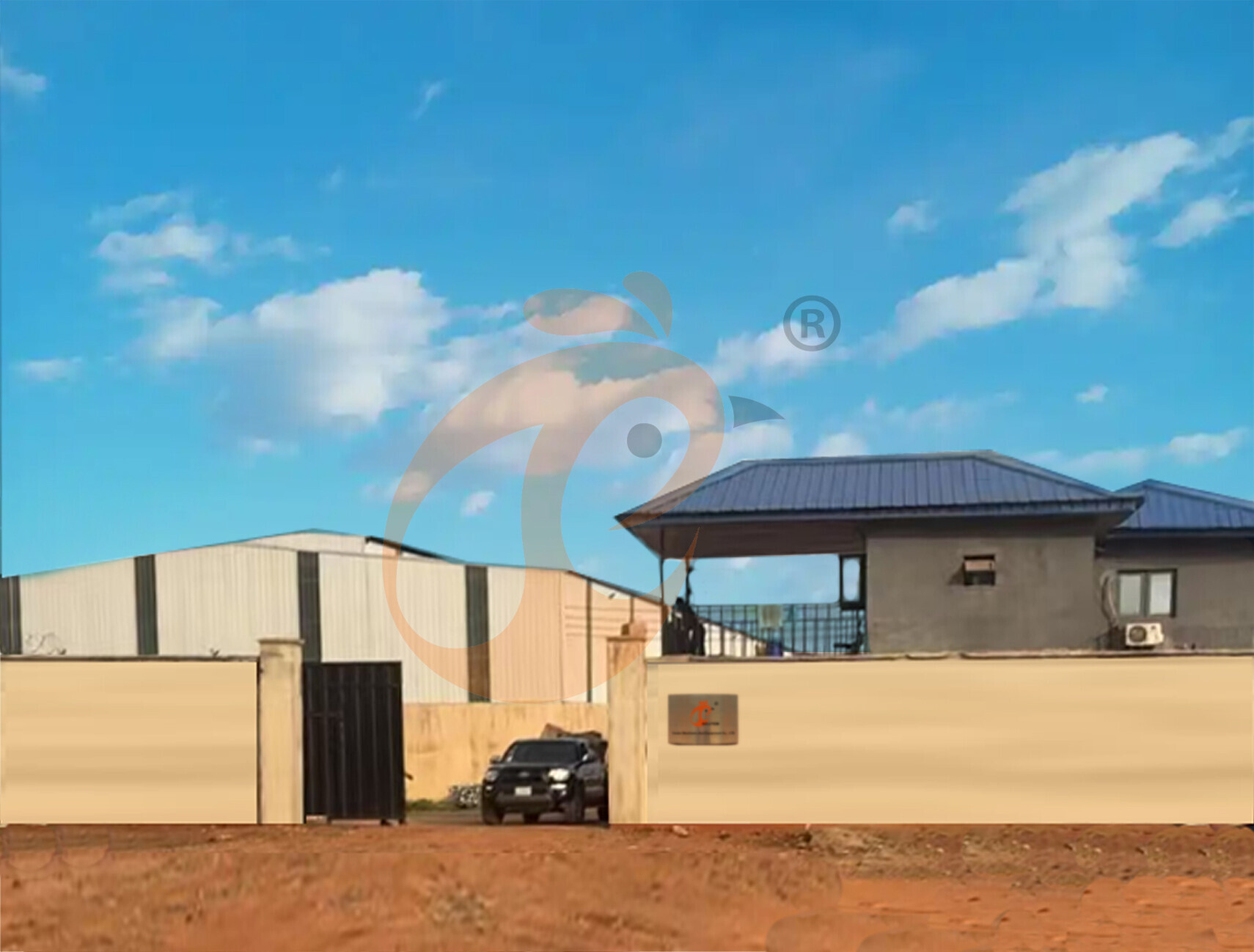
Ethiopia Branch Office And Factory Of Poultry Farm Equipment
Land Utilization And Stocking Density
In Ethiopia, land lease processes can be bureaucratic and expensive, especially near major markets.
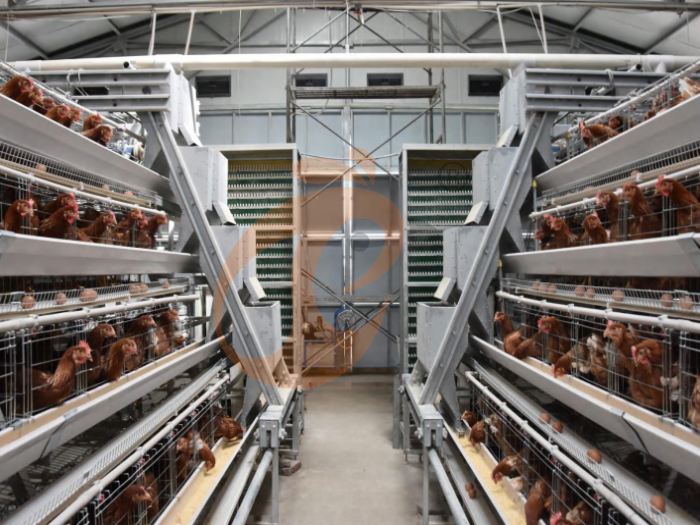
A-type cages are tiered such that each level is offset, allowing manure to fall directly to the floor. While simple, this takes up significant
floor space.
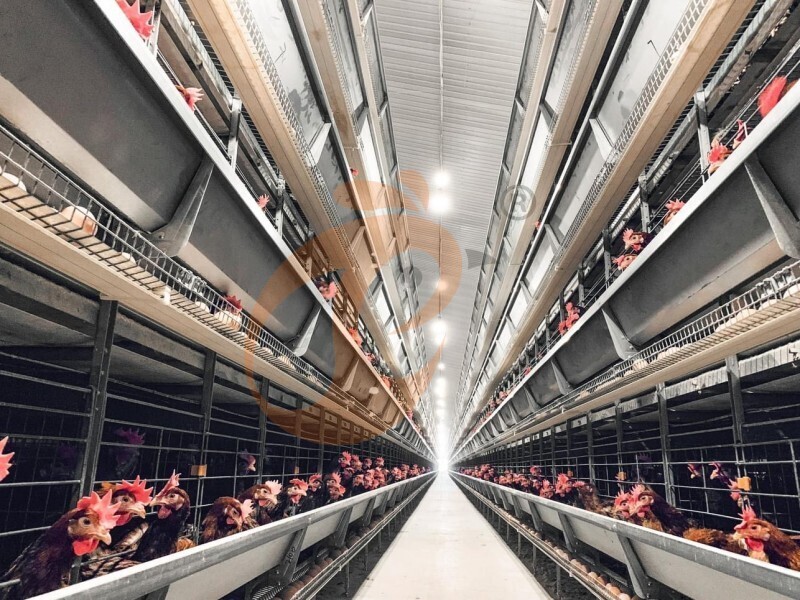
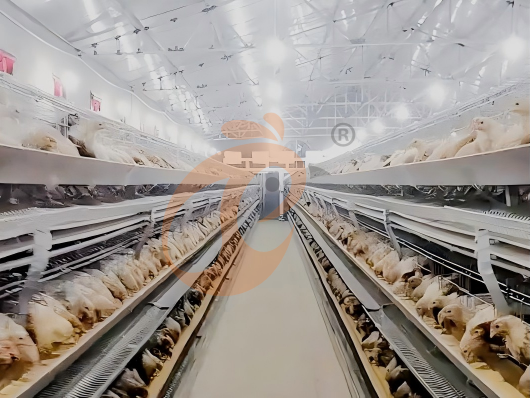
Conversely, H-type cages stack units directly on top of each other, utilizing the vertical height of the poultry house.
Data is for reference only.Swipe horizontally to view full table.
For a farmer in the Bishoftu area where land is at a premium, the H-type system allows for nearly triple the bird population on the same plot of land compared to A-type configurations.
Manure Management And Environmental Hygiene
One of the primary pain points for Ethiopian poultry farms is the management of waste.
In A-type systems, manure often accumulates in pits under the cages, leading to high ammonia levels which can cause respiratory issues in birds—a major problem during the dusty Bega (dry) season.
H-type systems utilize longitudinal manure belts under every tier, removing waste from the house daily.
Data is for reference only.Swipe horizontally to view full table.
By using H-type belts, Ethiopian farmers can produce dry manure, which is highly sought after by local vegetable farmers in the Ziway region as organic fertilizer, creating a secondary revenue stream while keeping the birds healthy.
Feed Conversion And Wastage Control
With the rising cost of maize and soy in Ethiopia, feed represents nearly 70-80% of operational costs.
A-type cages often rely on manual feeding or simple hoppers where feed flicking by birds is common.
H-type systems employ automated trolley or chain feeders that distribute precise amounts of feed, preventing birds from sorting and wasting expensive nutrients.
Data is for reference only.Swipe horizontally to view full table.
Climate Control And Ventilation Requirements
Ethiopia's diverse climate—from the cool highlands of Debre Birhan to the hot lowlands—requires different housing strategies.
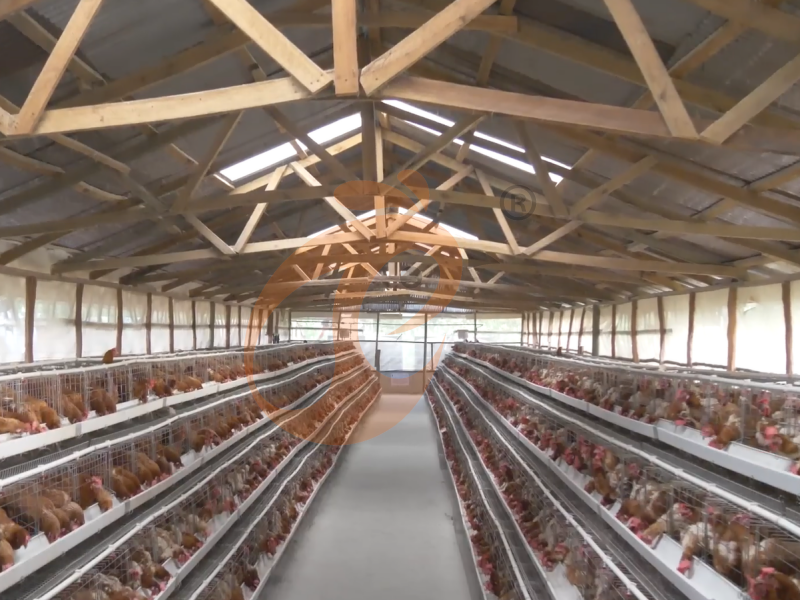
A-type cages are often used in open-sided houses, relying on natural cross-ventilation.
H-type systems are designed for closed-house environments with evaporative cooling pads and tunnel ventilation, which is vital for maintaining egg production during the heat of the afternoon.
Data is for reference only.Swipe horizontally to view full table.
For farms located in the Rift Valley, where temperatures can spike, the H-type closed system prevents heat stress, which otherwise results in thin-shelled eggs and increased mortality.
Egg Quality And Collection Efficiency
In the Ethiopian market, cracked eggs are sold at a massive discount or are unsellable.
A-type cages, if not perfectly aligned, can lead to eggs colliding or getting stuck.
H-type systems utilize automated longitudinal and transverse egg belts that transport eggs gently to a central packing station, drastically reducing seconds (cracked eggs).
Data is for reference only.Swipe horizontally to view full table.
Automated collection in H-type systems also minimizes human-to-bird contact, which is a critical biosecurity measure against diseases like Newcastle Disease and Avian Influenza, persistent threats in East Africa.
Structural Durability And Maintenance
The Ethiopian environment is harsh; high UV radiation and varying humidity can corrode poor-quality metal.
A-type cages are often simpler to repair locally using Ethiopian blacksmiths or technicians.
H-type systems require sophisticated galvanized steel (often 275g/m² zinc coating) and specialized maintenance for the motors and belts.
Data is for reference only.Swipe horizontally to view full table.
While H-type cages require a higher grade of technical skill, their longevity ensures that the Ethiopian investor isn't replacing the entire system every decade, providing better long-term return on investment.
Initial Investment Vs Operational Expenditure (Opex)
The pain point for most Ethiopian farmers is the initial capital outlay.
A-type systems are significantly cheaper to install and can operate with the existing intermittent power grid because they require less automation.
H-type systems require a heavy upfront investment in both equipment and a reliable backup power generator (essential in Ethiopia).
Data is for reference only.Swipe horizontally to view full table.
(European union standard reference only)
Solving The Ethiopian Paradox: Which To Choose?
For the small-to-medium scale farmer in rural Ethiopia or those just entering the market, the A-type cage system remains the most practical solution.
It offers a balance between modernization and the realities of limited capital and technical support.
Its ability to function effectively in open-sided houses allows for lower electricity bills and easier management during power outages.
However, for the visionary commercial investor looking to supply large hotel chains in Addis Ababa or export to neighboring markets like Djibouti, the H-type cage system is the only way to achieve the necessary scale and biosecurity.
The Hybrid Solution For Ethiopia
To address the intermittent power and high cost pain points, many successful Ethiopian farms are adopting a semi-automated A-type approach.
This involves
A-type cages for natural ventilation (safety during power cuts).
Automated nipple drinking systems to ensure clean water (Ethiopia's water sources can be contaminated; nipple drinkers prevent pathogen spread).
Manual feeding with automated manure scrapers to reduce labor without the extreme cost of H-type belts.
Frequently Asked Questions
Q1: Is the A-type chicken cage suitable for Ethiopian small-scale farms?
Yes, A-type cages are practical for small-to-medium farms in Ethiopia, as they require lower initial investment and can function effectively during power outages, making management simpler.
Q2: Can H-type chicken cages handle Ethiopia's hot lowland climates?
Yes, H-type cages with closed-house systems, evaporative cooling pads, and tunnel fans regulate temperature, preventing heat stress and maintaining egg quality in hot regions like the Rift Valley.
Q3: How can Ethiopian farmers reduce labor and operational costs with chicken cages?
Farmers can adopt a semi-automated hybrid approach: use A-type cages, automated nipple drinkers, and manure scrapers.
This reduces labor while maintaining biosecurity and efficiency.
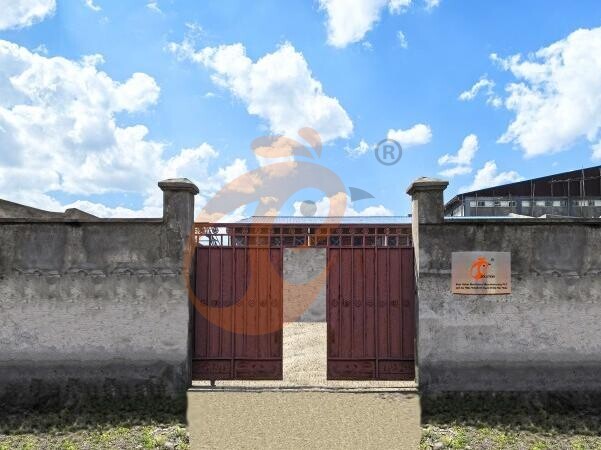
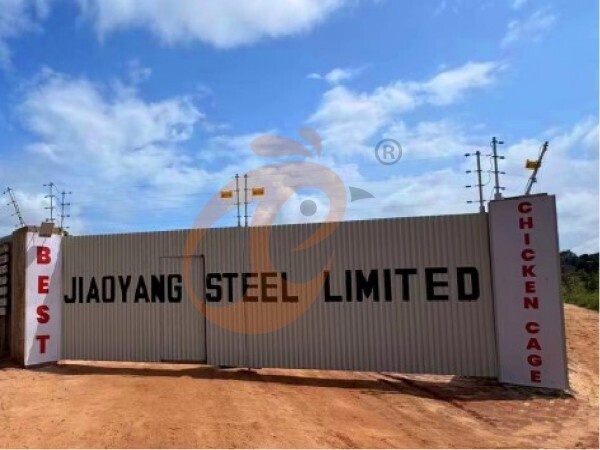
Ethiopia Best Hebei Machinery Manufacturing Plc - One Of Ethiopia Largest Chicken Cage Supplier
HB BEST provides global factory direct sales for poultry farm equipment with high-quality materials.
The company offers complete poultry cage systems suitable for turnkey projects in Ethiopia and neighboring markets.
HB BEST specializes in chicken cage production, installation, and full maintenance services for large commercial farms.
Their turnkey engineering ensures fast, safe, and efficient deployment of poultry farming infrastructure.
HB BEST supports Ethiopian farmers with professional technical guidance and continuous after-sales service for optimized return on investment.
Contact Us To Received Your Customized Poultry Farm Plan
Headquarters And Branchs
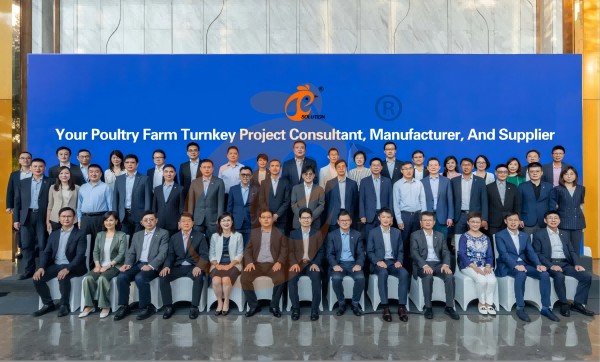
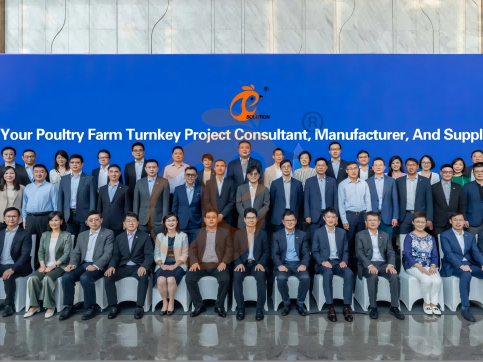
Hong Kong Headquarter Management Team
Hong Kong Headquarter Taiyu Industrial Group CO., LTD
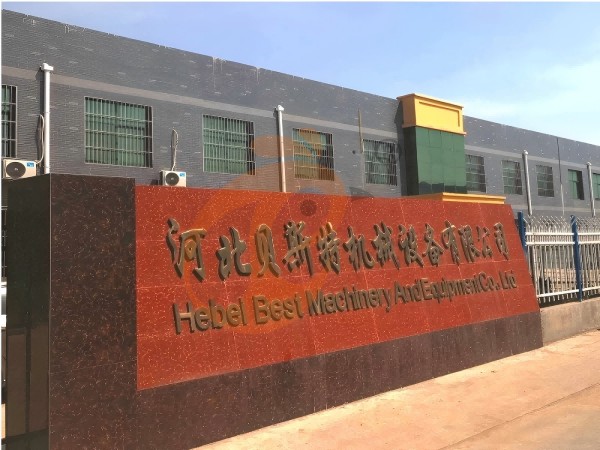
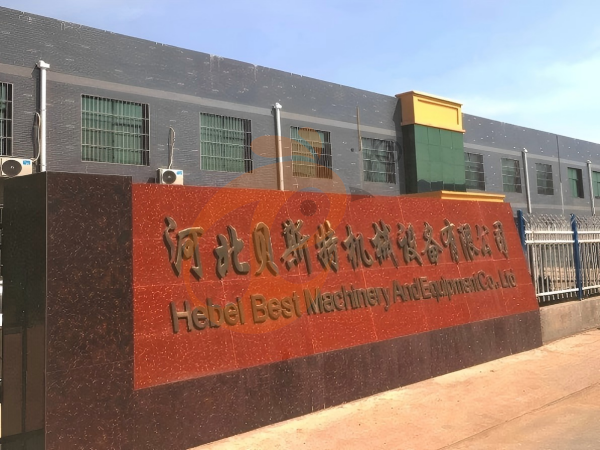
China Hebei Best Machinery And Equipment CO., LTD
Nigeria Vanke Machinery And Equipment CO., LTD
Tanzania Best Machinery And Equipment CO., LTD
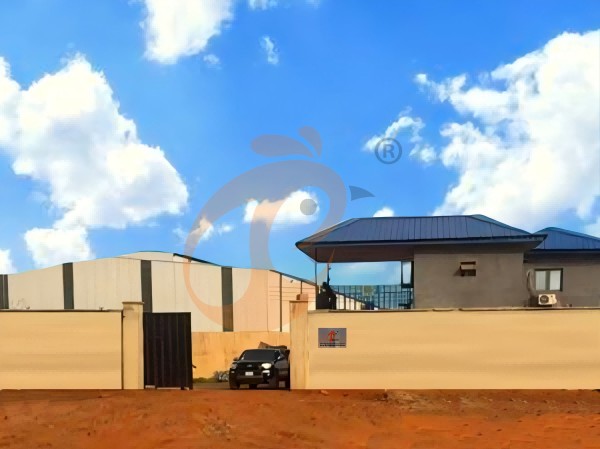
Ethiopia Best Hebei Machinery Manufacturing PLC
Reception /24 WhatsApp NO. : +8618830120193
FAQ
How To Maintain Optimal Lighting In A-Type Chicken Cage House?
Even lighting promotes laying
Egg production rate: 90–96%
FCR: 1.9–2.2
Reduces stress
How To Ensure Egg Safety And Reduce Breakage In A-Type Layer Cage System?
Control conveyor speed
Egg breakage rate <1%
Daily egg yield: 900–960 eggs/1,000 birds
Egg production rate: 90–96%
How To Reduce Heat Stress In A-Type Layer Cage Farm?
Maintain airflow for each tier
Provide water and cooling fans
Mortality rate: 2–3%
Egg production rate: 90–96%
Message
Products recommended
 HK Headquarter Offers EU-standard Poultry Farm Solutions, Manufacture Poultry Farm Equipment1. Continuous communication with the EU and the US
2. China, Nigeria, Ethiopia, Tanzania branch companies and factories
3. The products’ quality is customized for local poultry farms
4. Poultry cage and poultry farm equipment stock for sale
5. 24 online reception Whatsapp NO. : +8618830120193,contact us to get full informationRead More China Branch Offer Poultry Farm Business Plan, Manufacture Poultry Farm Equipment1. Address: Flat/RM 2416, 24/F, Runxing Building, Youyi Nan Street, Shijiazhuang City, Hebei Province, China
2. Poultry cage and poultry farm equipment factory and stock for sale
3. Customized for local poultry farms
4. Quality and design are based on Euro
5. 24 online reception Whatsapp NO. : +8618830120193Read More Nigeria Branch Offer Poultry Farm Business Plan, Manufacture Poultry Farm Equipment1. Address: After Sinoma Office, 200 Meters Near Danco Filling Station, Lagos/Ibadan Expressway, Lagos State, Nigeria
2. Poultry cage and poultry farm equipment factory and stock for sale
3. Customized for Nigerian poultry farms
4. Quality and design are based on Euro
5. 24 online reception Whatsapp NO. : +8618830120193Read More Ethiopia Branch Offer Poultry Farm Business Plan, Manufacture Poultry Farm Equipment1. Address: Gelan Gura, Akaki-kaliti Sub City, Addis Ababa, Ethiopia
2. Poultry cage and poultry farm equipment stock for sale
3. Customized for Ethiopian poultry farms
4. Quality and design are based on Euro
5. 24 online reception Whatsapp NO. : +8618830120193, contact us to get price listRead More Tanzania Branch Offer Poultry Farm Business Plan, Manufacture Poultry Farm Equipment1. Address: No.8, Sova Road, Msufini, Mlandizi, Kibaha, Pwani, Tanzania
2. Poultry cage and poultry farm equipment factory and stock for sale
3. Customized for Tanzanian poultry farms
4. Quality and design are based on Euro
5. 24 online reception Whatsapp NO. : +8618830120193Read More Fully Automatic H Type Layer Chicken Cage1. 30,000-100,000+ layers/house chooses it, Poultry farmers can achieve an egg production rate of 96-98%
2. A significant improvement over the 85-90% typically seen in manual systems
3. A typical poultry farm can expect a 30-40% reduction in labor costs due to the automation
4. Each feeding line efficiently supplies feed to around 100,000 hens per 30 mins
5. Reception /WhatsApp NO. : +8618830120193Read More Fully Automatic A Type Layer Chicken Cage1. 10,000-50,000 layers/house chooses it
2. Cleaner egg collection reduces breakage by 0.5%
3. Improved hygiene helps reduce mortality rate to <3%
4. 1–2 technicians can handle 15,000–30,000 birds
5. Reception /WhatsApp NO. : +8618830120193Read More Semi Automatic H Type Layer Chicken Cage1. 1,00-20,000 layers/house chooses it
2. Nipple drinkers flow 30–60 ML / min
3. Hot-dip galvanized (typical coating ≥ 275 g/m²)
4. Reduce ammonia by ~ 35–40%
5. Reception /WhatsApp NO. : +8618830120193Read More Semi Automatic A Type Layer Chicken Cage1. 1,00-20,000 layers/house chooses it, no rust for 10 years, no deformation for 15 years
2. Chickens live comfortably, you can raise them with peace of mind
3. Save water, save money—efficiency you can measure
4. Improve environment quality, and increase egg production rate
5. Reception /WhatsApp NO. : +8618830120193Read More
By clicking 'Allow All', you agree to the storage of cookies on your device to enhance site navigation, analyze site usage and assist with our marketing efforts.