


Blog
Automatic feeding technology enhances Ethiopian chicken cage efficiency and productivity.
This article explores operational benefits for small and medium poultry farms.
It discusses feed efficiency, labor reduction, and growth improvement.
Local feed types like maize, sorghum, and chickpea are considered.
Integration with H type cages ensures uniform feed distribution.
Economic implications such as cost reduction and return on investment are analyzed.
Environmental impact and biosecurity improvements are addressed.
Challenges and solutions specific to Ethiopia are provided.
Get professional poultry farm construction guidance, equipment selection solutions, and the latest price lists, whatsApp to +8618830120193, click to learn more.

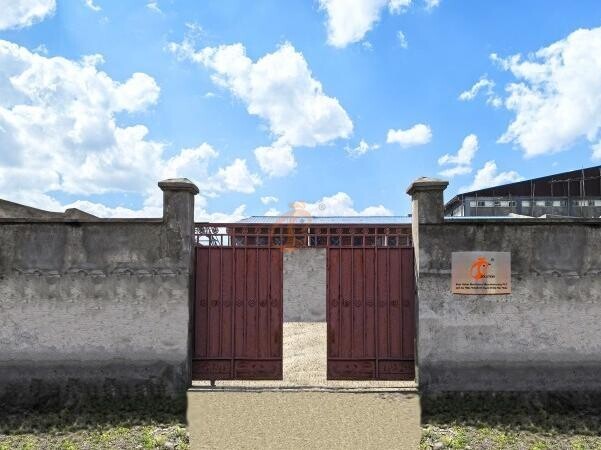
Ethiopia Branch Office And Factory Of Poultry Farm Equipment
Background On Ethiopian Poultry Farming
Poultry farming in Ethiopia predominantly consists of small to medium scale operations.
Farmers often rely on manual feeding, which is labor intensive and inconsistent.
Regional differences, particularly between highland areas like Addis Ababa and lowland regions like Oromia, affect feed availability and cost.
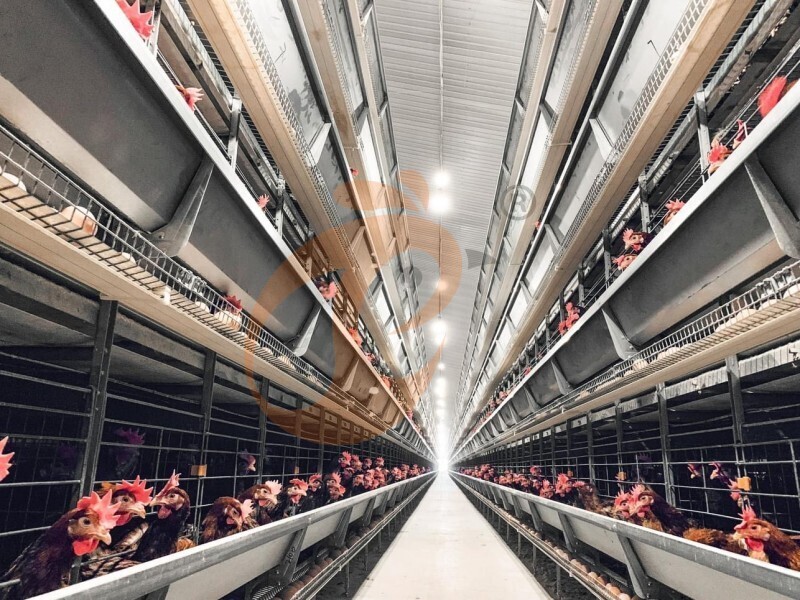
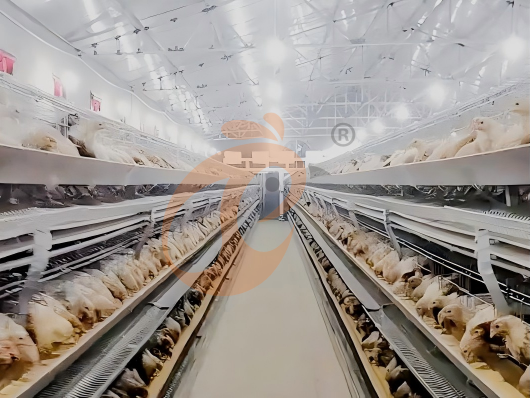
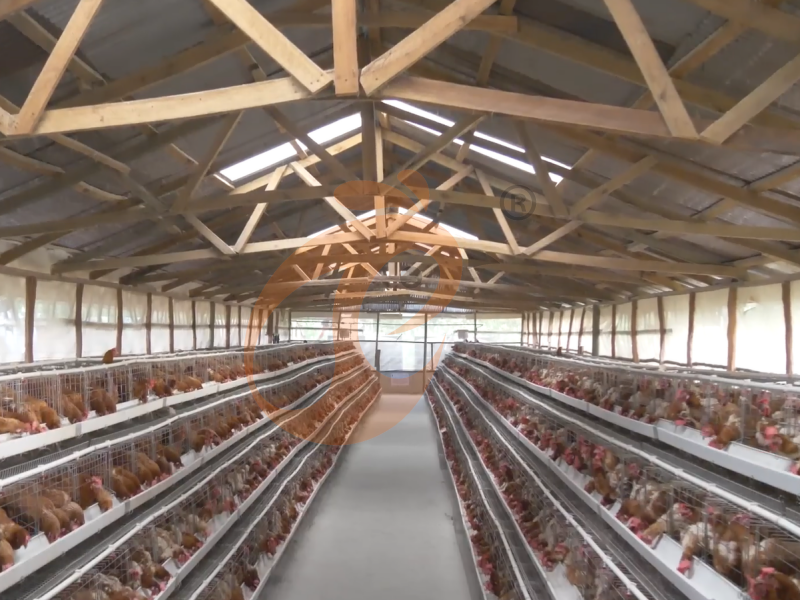
The H type chicken cage, with its tiered structure and efficient space utilization, provides a foundation for integrating technology to improve production efficiency.
Principles Of Automatic Feeding Systems
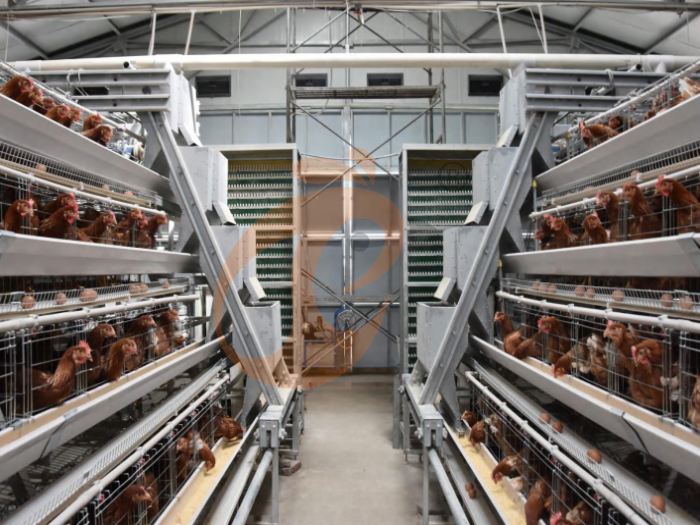
Automatic feeders dispense precise quantities of feed at scheduled intervals, minimizing wastage.
In the Ethiopian context, the system must accommodate local feed types such as maize, sorghum, and chickpea by products.
Automation ensures uniform distribution, reduces manual labor requirements, and enhances the overall feeding rhythm critical for the health and growth of H type caged chickens.
Data is for reference only. Swipe horizontally to view full table.
Impact On Feed Efficiency
Manual feeding in Ethiopian farms often results in overfeeding or underfeeding, leading to uneven growth and higher mortality.
Automatic feeders optimize feed distribution, ensuring that each bird receives adequate nutrition without excessive waste.
This adjustment is particularly important in regions where feed costs constitute a major portion of operational expenses.
Data is for reference only. Swipe horizontally to view full table.
Labor Reduction And Operational Efficiency
Labor scarcity is a pressing concern for Ethiopian poultry farmers.
Automatic feeders reduce dependence on manual labor, allowing staff to focus on health management, vaccination, and egg collection.
In high density chicken cage systems, this efficiency directly translates to lower operational costs and higher sustainability of farm operations.
Data is for reference only. Swipe horizontally to view full table.
Nutritional Benefits
Ethiopian poultry often consumes feed with varying nutritional content due to local sourcing challenges.
Automatic feeding systems maintain consistent feed intake and nutrient availability, ensuring optimal growth and egg production.
This standardization also supports effective supplementation with vitamins and minerals tailored to the local feed base.
Data is for reference only. Swipe horizontally to view full table.
Integration With Ethiopian H Type Cages
H type cages are designed for high density housing while maintaining hygiene and space efficiency.
Automatic feeders complement this design by providing uniform feed distribution across multiple tiers, reducing competition among birds and minimizing stress.
Such integration is vital in both urban and peri-urban Ethiopian settings where space constraints are significant.
Data is for reference only. Swipe horizontally to view full table.
Economic Implications
Automatic feeding reduces feed wastage, enhances growth performance, and decreases labor costs, leading to improved farm profitability.
In Ethiopia, where feed prices are volatile and labor is costly, the investment in automation yields significant returns over the medium term.
Data is for reference only. Swipe horizontally to view full table.
Environmental Considerations
Automatic feeding systems reduce feed spillage, lowering ammonia emissions and contamination in chicken houses.
In Ethiopia, where environmental monitoring is often limited, this contributes to improved biosecurity and healthier living conditions for both chickens and farm workers.
Data is for reference only. Swipe horizontally to view full table.
Case Study Oromia Region
A pilot study in the Oromia region, integrating automatic feeders with H type cages, demonstrated significant improvements in feed efficiency, weight gain, and egg production.
Local farmers reported decreased labor intensity, enhanced uniformity of growth, and higher marketable output.
Data is for reference only. Swipe horizontally to view full table.
Challenges And Solutions
Despite the benefits, Ethiopian farmers face challenges such as intermittent electricity, high initial investment, and local feed compatibility.
Solutions include solar powered feeders, phased investment strategies, and feed formulation adjustments to accommodate local ingredients while maintaining automated feeding consistency.
Data is for reference only. Swipe horizontally to view full table.
Frequently Asked Questions
Q1: Are H type chicken cages suitable for all regions of Ethiopia?
Yes. H type cages are adaptable to highland and lowland conditions.
Automatic feeding ensures consistent nutrition despite regional feed availability.
Q2: How does automatic feeding affect labor requirements in Ethiopian farms?
It reduces manual labor significantly, allowing focus on health management, vaccination, and egg collection.
Q3: What solutions exist for electricity interruptions affecting feeders?
Solar powered systems provide consistent operation, suitable for rural and peri-urban Ethiopian farms.
Ethiopia Best Hebei Machinery Manufacturing Plc - One Of Ethiopia Largest Chicken Cage Manufacturer
HB best provides global factory direct sales for poultry farm equipment.
Company specializes in poultry cage systems and automated feeding solutions.
Offers turn key projects for poultry farm setup across Ethiopia.
Professional support ensures efficient operation and long term performance.
HB best delivers high quality equipment tailored for local Ethiopian conditions.
Contact Us To Received Your Customized Poultry Farm Plan
Headquarters And Branchs

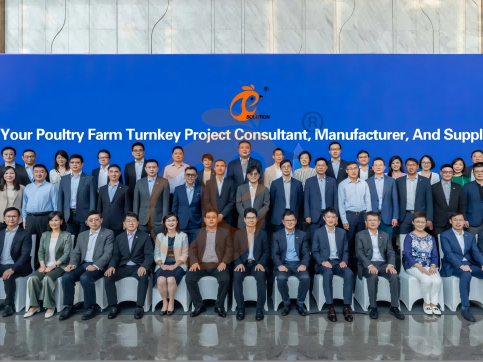
Hong Kong Headquarter Management Team
Hong Kong Headquarter Taiyu Industrial Group CO., LTD
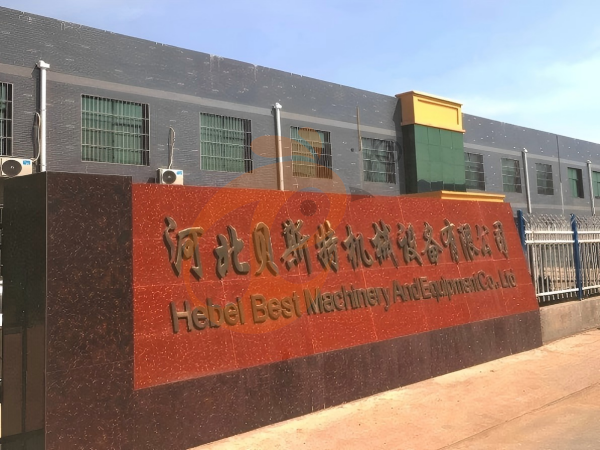
China Hebei Best Machinery And Equipment CO., LTD
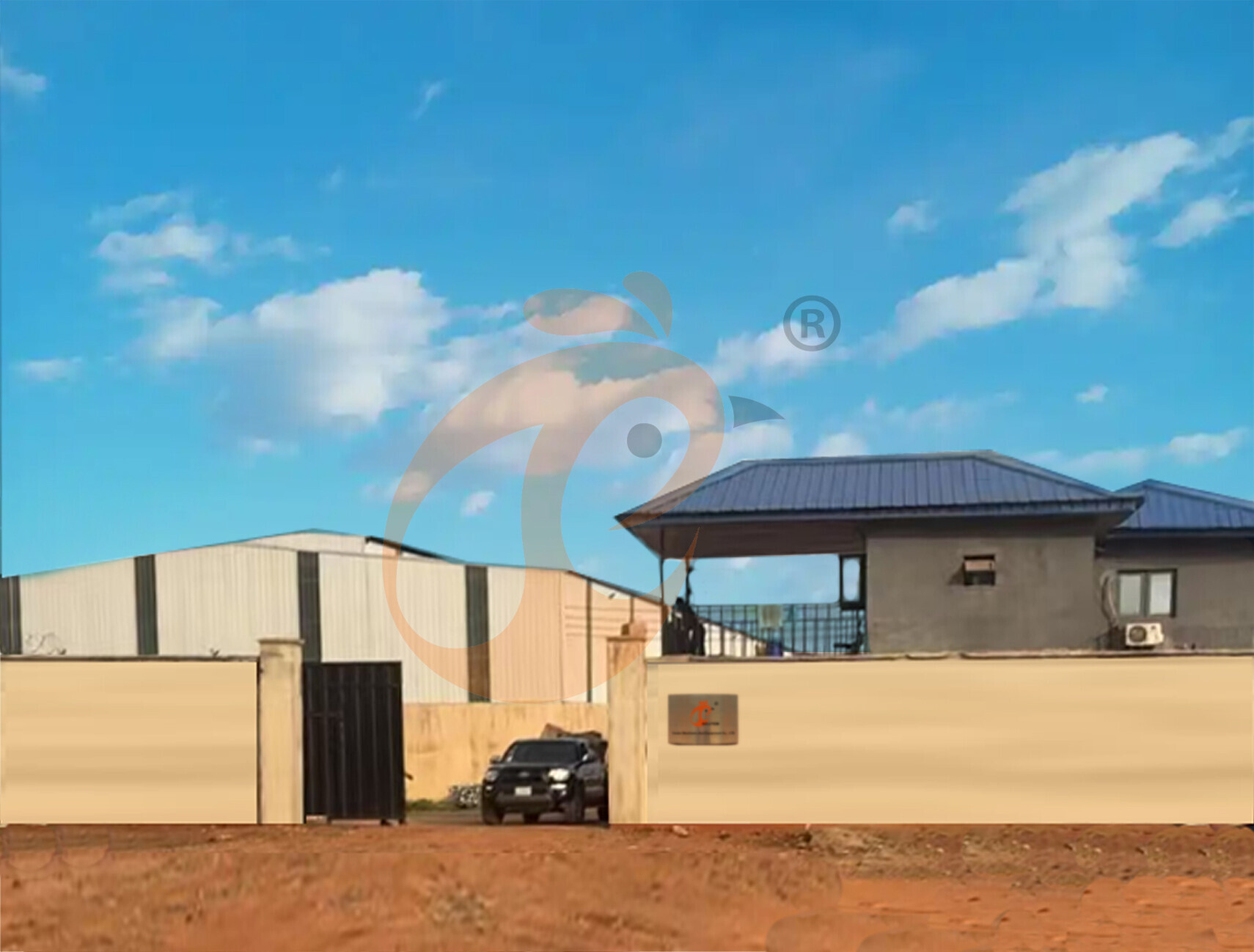
Nigeria Vanke Machinery And Equipment CO., LTD
Tanzania Best Machinery And Equipment CO., LTD
Ethiopia Best Hebei Machinery Manufacturing PLC
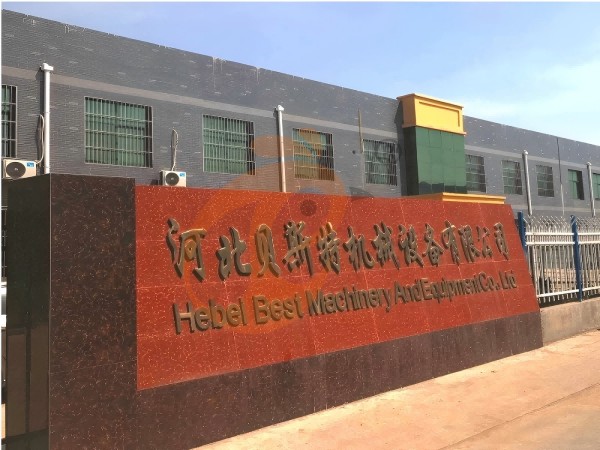
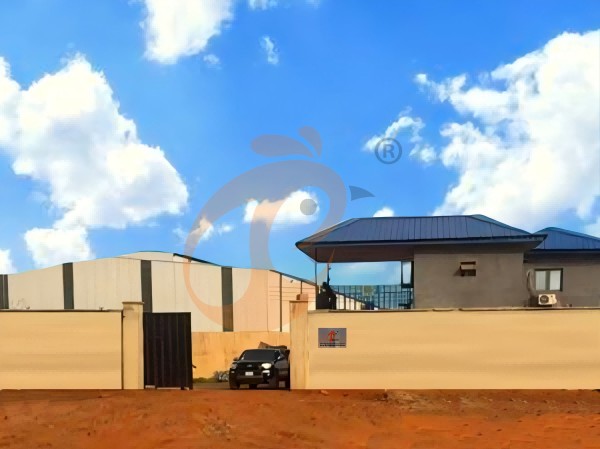
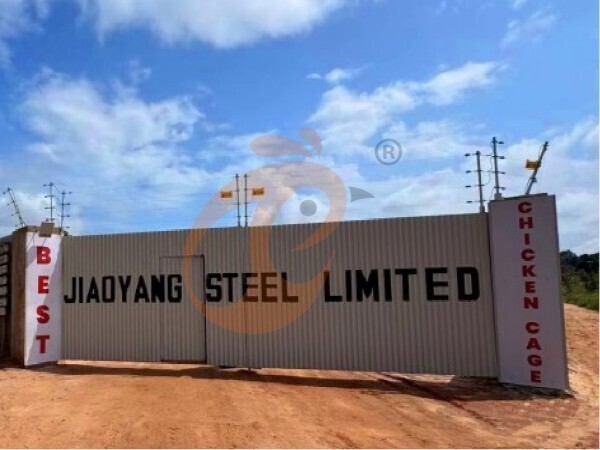
Reception /24 WhatsApp NO. : +8618830120193
FAQ
How To Monitor Egg Quality In H-Type Layer Cage System?
Check shell thickness and weight
Egg production rate: 90-98%
Egg breakage rate <1%
Labor savings: 70-90%
What Are The Best Materials For H-Type Poultry Cage Construction?
Anti-corrosion coating for durability
Equipment lifespan: more than 25 years
Easy to clean and maintain
Egg production rate: 90-98%
How To Improve Air Quality In H-Type Chicken Cage Houses?
Install air filtration systems
Control temperature and humidity at 20–25°C
Mortality rate <3%
Egg production rate: 90-98%
Message
Products recommended
 HK Headquarter Offers EU-standard Poultry Farm Solutions, Manufacture Poultry Farm Equipment1. Continuous communication with the EU and the US
2. China, Nigeria, Ethiopia, Tanzania branch companies and factories
3. The products’ quality is customized for local poultry farms
4. Poultry cage and poultry farm equipment stock for sale
5. 24 online reception Whatsapp NO. : +8618830120193,contact us to get full informationRead More China Branch Offer Poultry Farm Business Plan, Manufacture Poultry Farm Equipment1. Address: Flat/RM 2416, 24/F, Runxing Building, Youyi Nan Street, Shijiazhuang City, Hebei Province, China
2. Poultry cage and poultry farm equipment factory and stock for sale
3. Customized for local poultry farms
4. Quality and design are based on Euro
5. 24 online reception Whatsapp NO. : +8618830120193Read More Nigeria Branch Offer Poultry Farm Business Plan, Manufacture Poultry Farm Equipment1. Address: After Sinoma Office, 200 Meters Near Danco Filling Station, Lagos/Ibadan Expressway, Lagos State, Nigeria
2. Poultry cage and poultry farm equipment factory and stock for sale
3. Customized for Nigerian poultry farms
4. Quality and design are based on Euro
5. 24 online reception Whatsapp NO. : +8618830120193Read More Ethiopia Branch Offer Poultry Farm Business Plan, Manufacture Poultry Farm Equipment1. Address: Gelan Gura, Akaki-kaliti Sub City, Addis Ababa, Ethiopia
2. Poultry cage and poultry farm equipment stock for sale
3. Customized for Ethiopian poultry farms
4. Quality and design are based on Euro
5. 24 online reception Whatsapp NO. : +8618830120193, contact us to get price listRead More Tanzania Branch Offer Poultry Farm Business Plan, Manufacture Poultry Farm Equipment1. Address: No.8, Sova Road, Msufini, Mlandizi, Kibaha, Pwani, Tanzania
2. Poultry cage and poultry farm equipment factory and stock for sale
3. Customized for Tanzanian poultry farms
4. Quality and design are based on Euro
5. 24 online reception Whatsapp NO. : +8618830120193Read More Fully Automatic H Type Layer Chicken Cage1. 30,000-100,000+ layers/house chooses it, Poultry farmers can achieve an egg production rate of 96-98%
2. A significant improvement over the 85-90% typically seen in manual systems
3. A typical poultry farm can expect a 30-40% reduction in labor costs due to the automation
4. Each feeding line efficiently supplies feed to around 100,000 hens per 30 mins
5. Reception /WhatsApp NO. : +8618830120193Read More Fully Automatic A Type Layer Chicken Cage1. 10,000-50,000 layers/house chooses it
2. Cleaner egg collection reduces breakage by 0.5%
3. Improved hygiene helps reduce mortality rate to <3%
4. 1–2 technicians can handle 15,000–30,000 birds
5. Reception /WhatsApp NO. : +8618830120193Read More Semi Automatic H Type Layer Chicken Cage1. 1,00-20,000 layers/house chooses it
2. Nipple drinkers flow 30–60 ML / min
3. Hot-dip galvanized (typical coating ≥ 275 g/m²)
4. Reduce ammonia by ~ 35–40%
5. Reception /WhatsApp NO. : +8618830120193Read More Semi Automatic A Type Layer Chicken Cage1. 1,00-20,000 layers/house chooses it, no rust for 10 years, no deformation for 15 years
2. Chickens live comfortably, you can raise them with peace of mind
3. Save water, save money—efficiency you can measure
4. Improve environment quality, and increase egg production rate
5. Reception /WhatsApp NO. : +8618830120193Read More
By clicking 'Allow All', you agree to the storage of cookies on your device to enhance site navigation, analyze site usage and assist with our marketing efforts.