


Blog
A type chicken cage systems improve poultry farming efficiency Ethiopia through better space utilization and cost control
The article analyzes investment reduction, land use optimization, feed efficiency, and productivity improvements
Data tables provide localized Ethiopian cost structures and operational benchmarks
Practical solutions address challenges such as feed pricing, labor shortages, and land access
The discussion aligns with Ethiopia's growing demand for commercial egg production
Get professional poultry farm construction guidance, equipment selection solutions, and the latest price lists, whatsApp to +8618830120193, click to learn more:

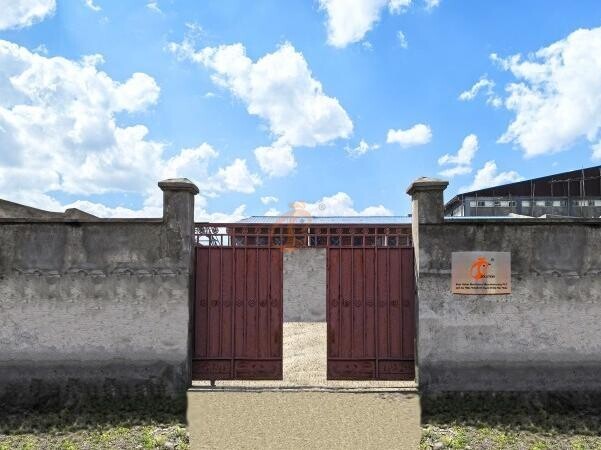
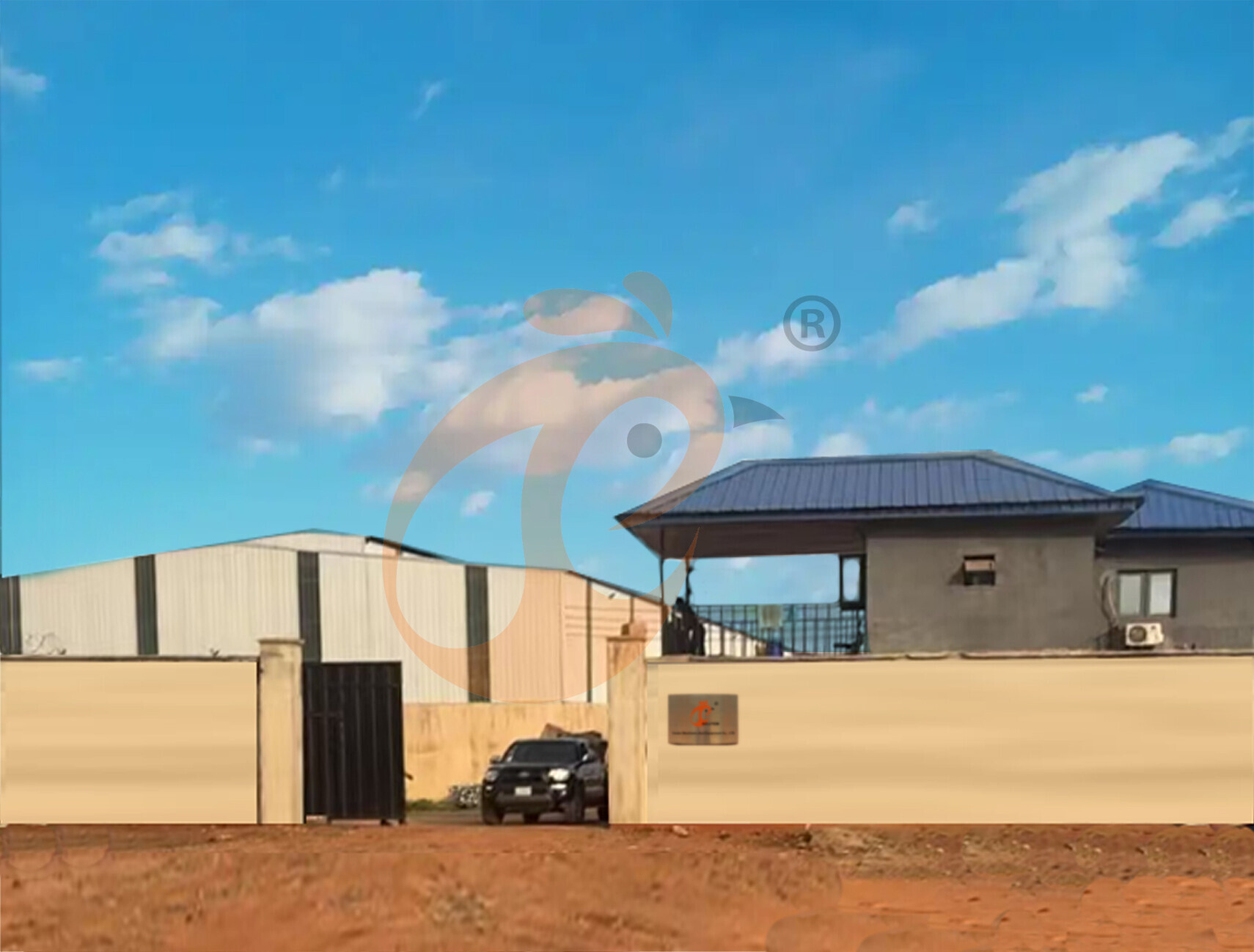
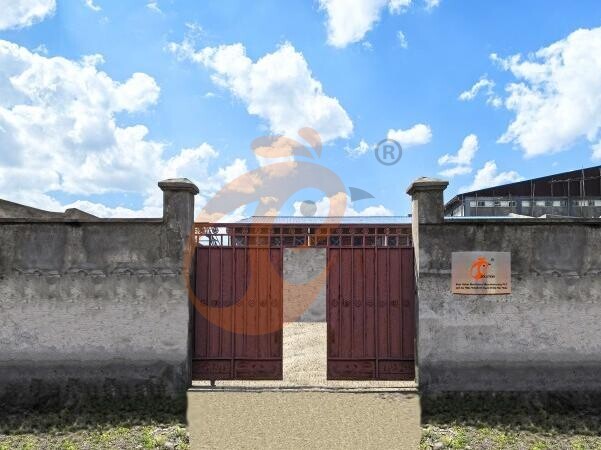
Ethiopia Branch Office And Factory Of Poultry Farm Equipment
Reduced Initial Investment Through Factory-Direct Procurement
One of the most significant challenges for Ethiopian poultry farmers—especially in regions like Oromia, Amhara, and Debre Zeit—is access to affordable startup capital.
Traditional procurement channels often involve multiple intermediaries, increasing equipment costs.
Factory-direct sourcing eliminates distributor margins, reducing capital expenditure and supporting poultry farming efficiency Ethiopia.
Data is for reference only.Swipe horizontally to view full table.
This price difference is critical in Ethiopia, where a medium-scale poultry farm requires total startup capital between 1,100,000 and 4,000,000 Ethiopian Birr.
European union standard reference only.
Farmers in Hawassa and Bahir Dar often combine imported cages with local assembly to reduce costs.
Factory-direct supply further strengthens this approach.
Improved Land Utilization In High-Pressure Farming Zones
Land availability varies significantly across Ethiopia.
Peri-urban zones like Addis Ababa and Adama face increasing land pressure.
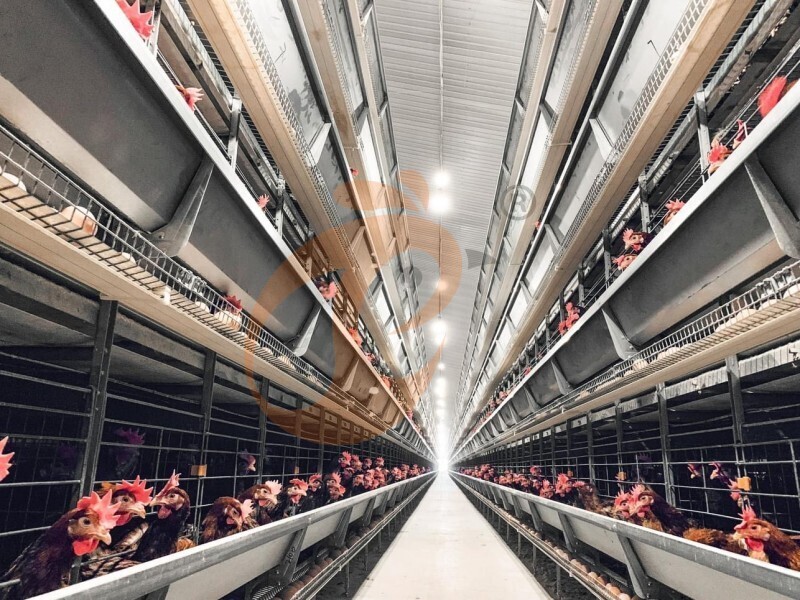
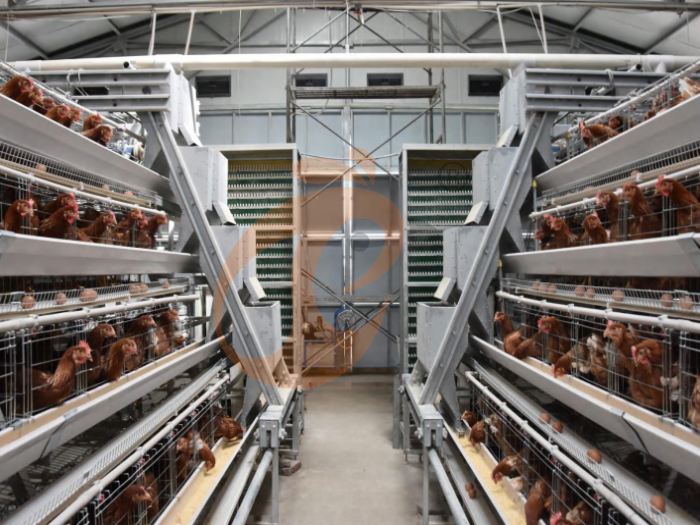
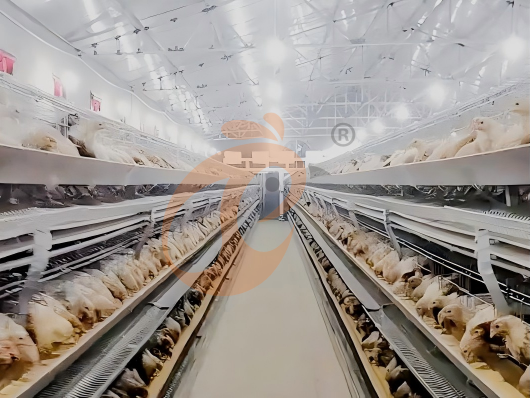
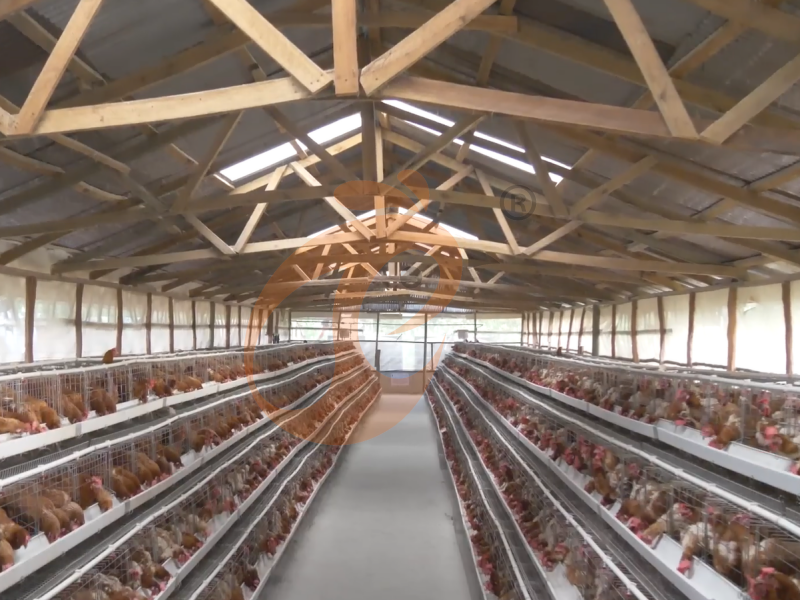
A type chicken cage systems provide higher stocking density compared to traditional systems.
Data is for reference only.Swipe horizontally to view full table.
Although H-type cages provide higher density, their investment cost is significantly higher.
A type systems remain more practical for medium-scale Ethiopian farms.
Data is for reference only.Swipe horizontally to view full table.
European union standard reference only.
This balance between land efficiency and affordability is essential in expanding poultry farming efficiency Ethiopia.
Lower Operational Costs Through Feed Efficiency And Labor Reduction
Feed accounts for approximately seventy percent of total poultry production cost in Ethiopia.
A type chicken cage systems reduce feed waste and improve monitoring efficiency.
Data is for reference only.Swipe horizontally to view full table.
Data is for reference only.Swipe horizontally to view full table.
European union standard reference only.
Labor costs are also reduced due to simplified management systems.
Data is for reference only.Swipe horizontally to view full table.
In many Ethiopian regions, skilled labor availability is limited.
Reducing dependency on labor directly improves poultry equipment cost Ethiopia performance outcomes.
Enhanced Productivity And Reduced Losses
Productivity metrics directly determine return on investment.
A type chicken cage systems improve egg quality and reduce mortality.
Data is for reference only.Swipe horizontally to view full table.
Data is for reference only.Swipe horizontally to view full table.
European union standard reference only.
Improved systems also support better disease control and hygiene management.
This contributes to more stable poultry farming efficiency Ethiopia outcomes.
Integrated Economic Impact
To understand the combined effect, consider a ten thousand layer farm using A type chicken cage systems.
Data is for reference only.Swipe horizontally to view full table.
European union standard reference only.
Data is for reference only.Swipe horizontally to view full table.
This demonstrates a strong margin potential when operational efficiency is maintained.
It also shows how poultry equipment cost Ethiopia directly impacts profitability.
Strategic Investment Planning For Ethiopian Poultry Farms
Investing in A type chicken cage systems requires careful planning to balance cost and production output.
Analyze regional feed prices in Ethiopia, which range from 15,000 to 30,000 Ethiopian Birr per ton for maize and soybean meal.
Calculate labor availability, noting that peri-urban zones like Addis Ababa often require 50–60% fewer workers with cage systems.
- Consider layer breed selection; Bovans Brown and Lohmann Brown offer 310–340 eggs per year per hen, optimizing revenue potential.
Factor in land utilization; A type cages require 650–830 m² for 10,000 birds compared to 1,000–1,250 m² in floor systems.
- Implement phased adoption; start with semi-automatic cages to reduce initial expenditure, then expand to larger automated units for scale.
This approach ensures Ethiopian farmers achieve measurable cost efficiency, improved egg production, and long-term sustainability.
Frequently Asked Question
Q1: Is A type chicken cage suitable for Ethiopian climate conditions?
Yes.
Ethiopia has diverse climates ranging from highland cool zones to lowland warm areas.
A type chicken cage systems can be adapted with ventilation and shading solutions.
In regions like Oromia and Amhara, adding simple airflow systems improves bird comfort and productivity.
Q2: How does this system address feed cost challenges in Ethiopia?
Feed cost volatility is a major concern due to maize and soybean price fluctuations.
A type systems reduce feed waste and improve feed conversion ratio.
This allows farmers to maintain stable production even when feed prices increase.
Q3: Can small and medium farmers in Ethiopia afford this system?
Yes, especially through phased investment strategies.
Farmers can start with manual or semi-automatic systems and expand gradually.
Factory-direct sourcing further reduces initial investment pressure and improves accessibility.
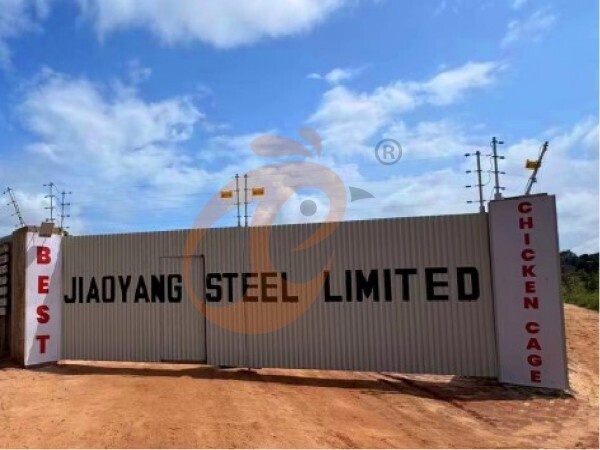
Ethiopia Best Hebei Machinery Manufacturing Plc - One Of Ethiopia Largest Chicken Cage Manufacturer
Global factory direct supply ensures cost control and stable delivery timelines
Specialized in poultry farm equipment and advanced poultry cage system solutions
Provides full Turn-key engineering services from design to installation and training
Strong manufacturing capacity supports large-scale and customized farm projects
Dedicated technical support helps Ethiopian farms improve productivity and efficiency
Contact Us To Received Your Customized Poultry Farm Plan
Headquarters And Branchs

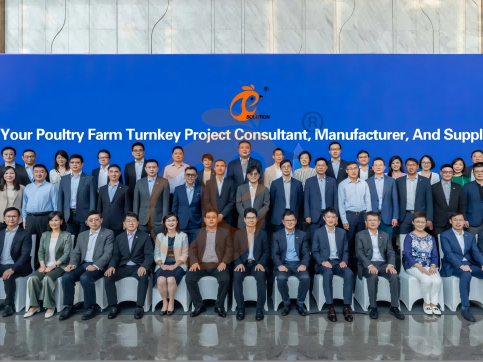
Hong Kong Headquarter Management Team
Hong Kong Headquarter Taiyu Industrial Group CO., LTD
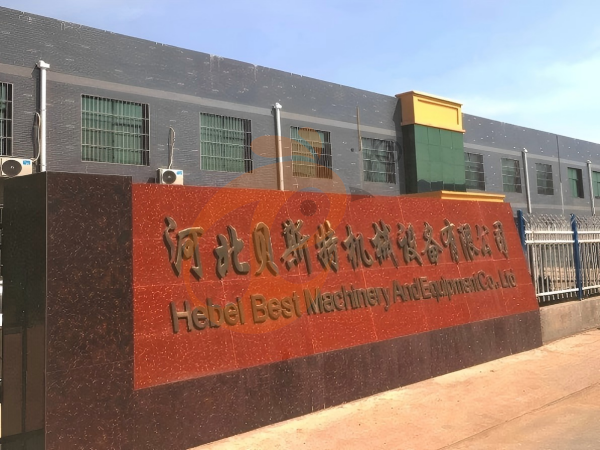
China Hebei Best Machinery And Equipment CO., LTD
Nigeria Vanke Machinery And Equipment CO., LTD
Tanzania Best Machinery And Equipment CO., LTD
Ethiopia Best Hebei Machinery Manufacturing PLC
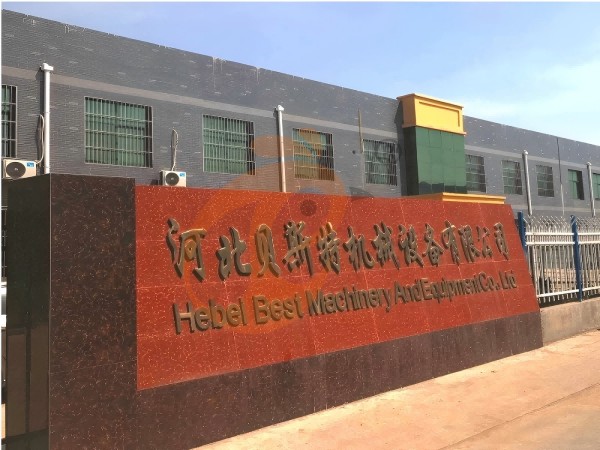
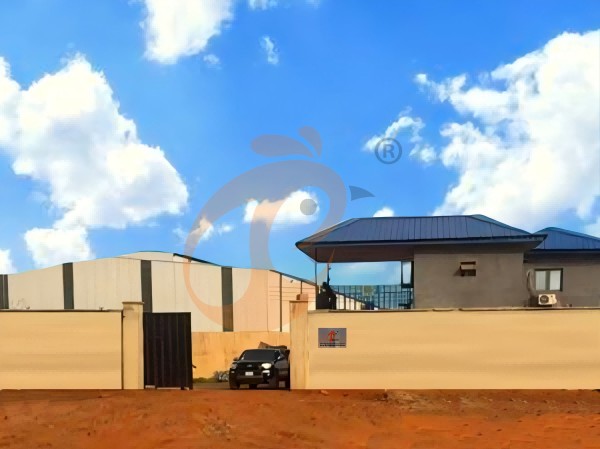
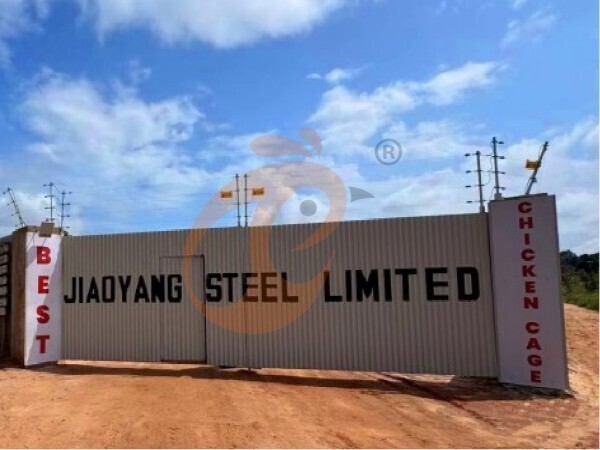
Reception /24 WhatsApp NO. : +8618830120193
FAQ
What Are The Recommended Egg Belt Types For A-Type Poultry Cage System?
Single or double belt options
Egg breakage rate <1%
Daily egg yield: 900–960 eggs/1,000 birds
Labor savings: 50–70%
How To Implement Water Management System In A-Type Chicken Cage Farm?
Ensure uniform water pressure
Egg production rate: 90–96%
FCR: 1.9–2.2
Mortality rate: 2–3%
What Are The Best Cage Materials For A-Type Layer Cage?
Maintain anti-corrosion coating
Lifespan: more than 25 years
Egg production rate: 90–96%
Labor savings: 50–70%
Message
Products recommended
 HK Headquarter Offers EU-standard Poultry Farm Solutions, Manufacture Poultry Farm Equipment1. Continuous communication with the EU and the US
2. China, Nigeria, Ethiopia, Tanzania branch companies and factories
3. The products’ quality is customized for local poultry farms
4. Poultry cage and poultry farm equipment stock for sale
5. 24 online reception Whatsapp NO. : +8618830120193,contact us to get full informationRead More China Branch Offer Poultry Farm Business Plan, Manufacture Poultry Farm Equipment1. Address: Flat/RM 2416, 24/F, Runxing Building, Youyi Nan Street, Shijiazhuang City, Hebei Province, China
2. Poultry cage and poultry farm equipment factory and stock for sale
3. Customized for local poultry farms
4. Quality and design are based on Euro
5. 24 online reception Whatsapp NO. : +8618830120193Read More Nigeria Branch Offer Poultry Farm Business Plan, Manufacture Poultry Farm Equipment1. Address: After Sinoma Office, 200 Meters Near Danco Filling Station, Lagos/Ibadan Expressway, Lagos State, Nigeria
2. Poultry cage and poultry farm equipment factory and stock for sale
3. Customized for Nigerian poultry farms
4. Quality and design are based on Euro
5. 24 online reception Whatsapp NO. : +8618830120193Read More Ethiopia Branch Offer Poultry Farm Business Plan, Manufacture Poultry Farm Equipment1. Address: Gelan Gura, Akaki-kaliti Sub City, Addis Ababa, Ethiopia
2. Poultry cage and poultry farm equipment stock for sale
3. Customized for Ethiopian poultry farms
4. Quality and design are based on Euro
5. 24 online reception Whatsapp NO. : +8618830120193, contact us to get price listRead More Tanzania Branch Offer Poultry Farm Business Plan, Manufacture Poultry Farm Equipment1. Address: No.8, Sova Road, Msufini, Mlandizi, Kibaha, Pwani, Tanzania
2. Poultry cage and poultry farm equipment factory and stock for sale
3. Customized for Tanzanian poultry farms
4. Quality and design are based on Euro
5. 24 online reception Whatsapp NO. : +8618830120193Read More Fully Automatic H Type Layer Chicken Cage1. 30,000-100,000+ layers/house chooses it, Poultry farmers can achieve an egg production rate of 96-98%
2. A significant improvement over the 85-90% typically seen in manual systems
3. A typical poultry farm can expect a 30-40% reduction in labor costs due to the automation
4. Each feeding line efficiently supplies feed to around 100,000 hens per 30 mins
5. Reception /WhatsApp NO. : +8618830120193Read More Fully Automatic A Type Layer Chicken Cage1. 10,000-50,000 layers/house chooses it
2. Cleaner egg collection reduces breakage by 0.5%
3. Improved hygiene helps reduce mortality rate to <3%
4. 1–2 technicians can handle 15,000–30,000 birds
5. Reception /WhatsApp NO. : +8618830120193Read More Semi Automatic H Type Layer Chicken Cage1. 1,00-20,000 layers/house chooses it
2. Nipple drinkers flow 30–60 ML / min
3. Hot-dip galvanized (typical coating ≥ 275 g/m²)
4. Reduce ammonia by ~ 35–40%
5. Reception /WhatsApp NO. : +8618830120193Read More Semi Automatic A Type Layer Chicken Cage1. 1,00-20,000 layers/house chooses it, no rust for 10 years, no deformation for 15 years
2. Chickens live comfortably, you can raise them with peace of mind
3. Save water, save money—efficiency you can measure
4. Improve environment quality, and increase egg production rate
5. Reception /WhatsApp NO. : +8618830120193Read More
By clicking 'Allow All', you agree to the storage of cookies on your device to enhance site navigation, analyze site usage and assist with our marketing efforts.