


Blog
A Type Vs H Type Chicken Cages | Price & Efficiency Comparison For Ethiopian Farms
A-type vs H-type chicken cages comparison determines long-term farm profitability and structural investment direction.
Ethiopia’s commercial layer sector is expanding at over 12% annually with increasing egg demand in major urban markets.
Housing system selection directly affects ventilation efficiency, capital expenditure, and labor allocation.
Climate diversity and electricity stability influence cage system suitability and automation decisions.
Get professional poultry farm construction guidance, equipment selection solutions, and the latest price lists, whatsApp to +8618830120193, click to learn more:

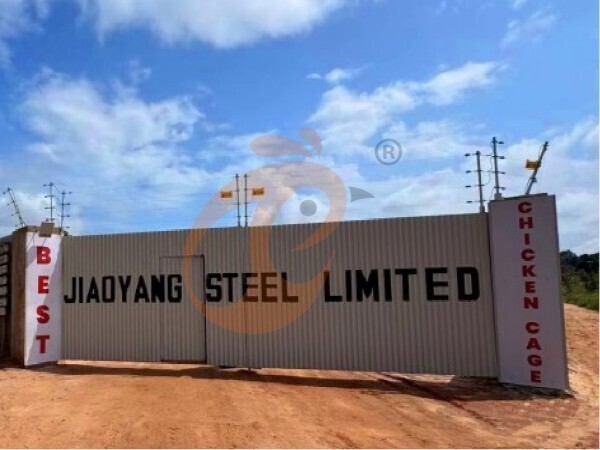
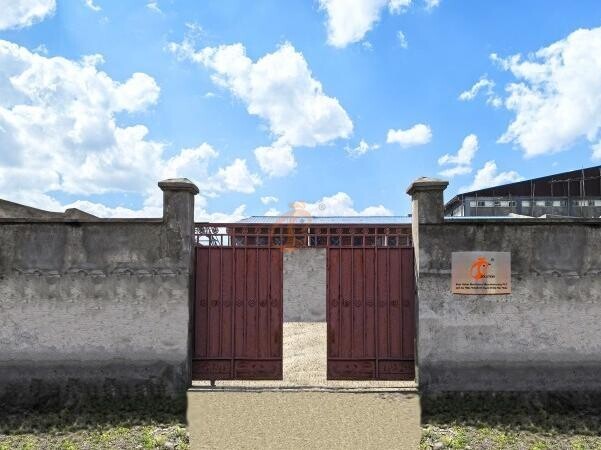
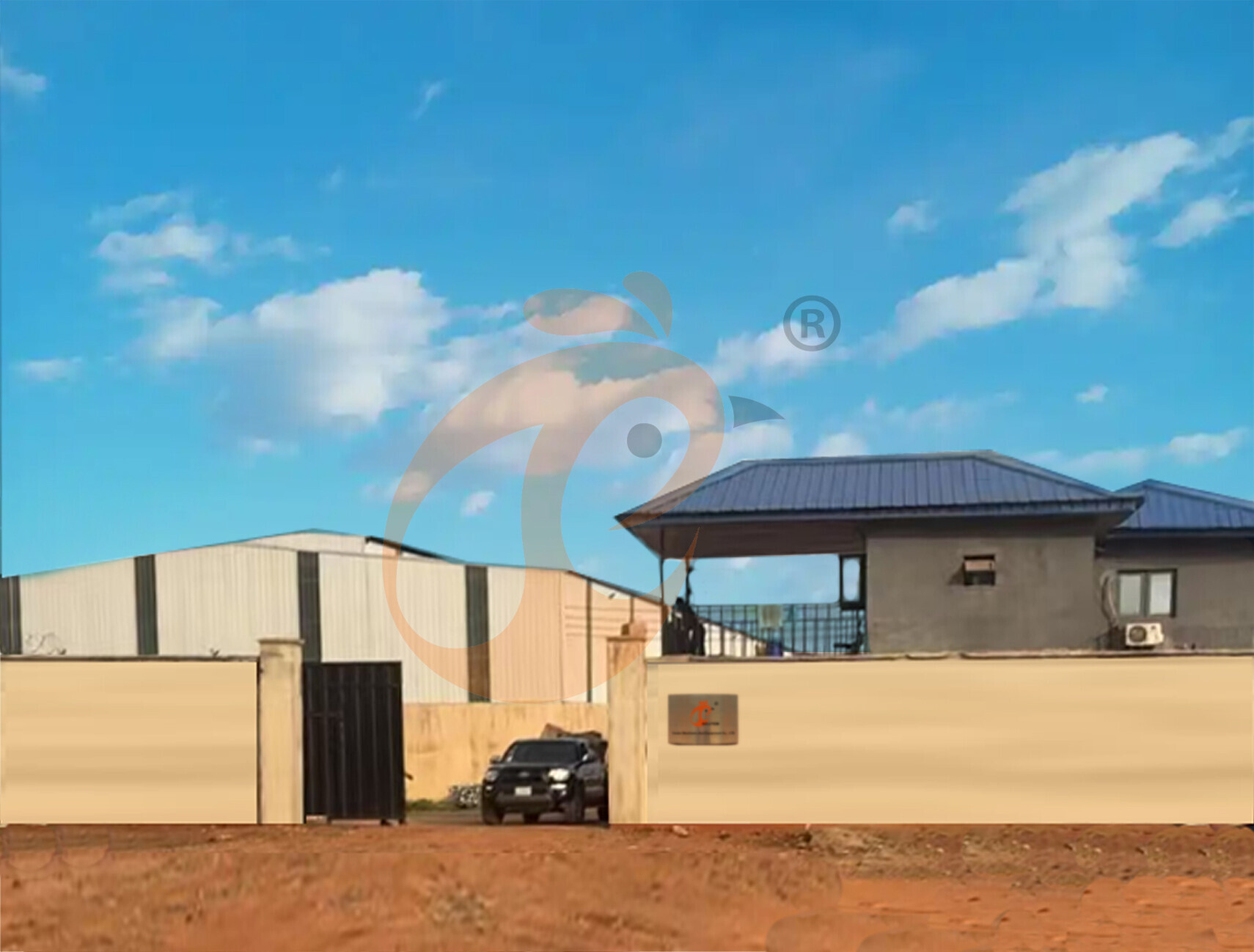
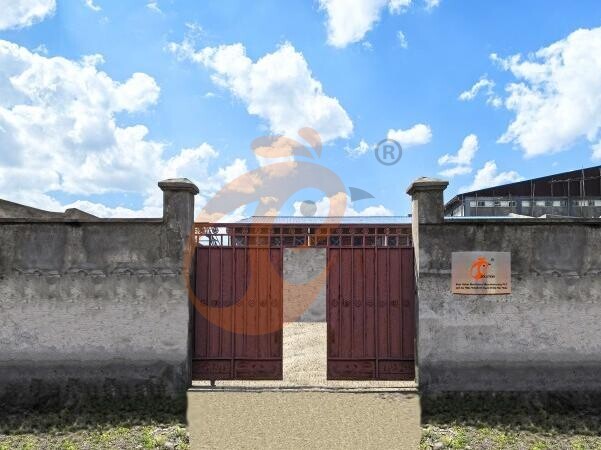
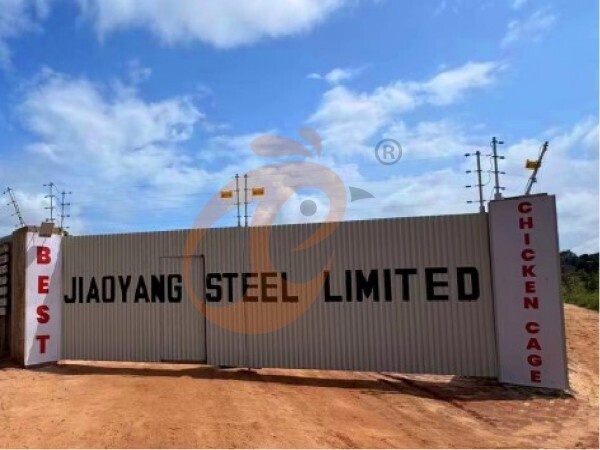
Ethiopia Branch Office And Factory Of Poultry Farm Equipment
Structural Design And Climatic Adaptability
The Ethiopian poultry sector is undergoing a significant transformation.
With a projected compound annual growth rate of over 12% and increasing demand for animal protein in Addis Ababa, Adama, and Bahir Dar, farmers are transitioning toward commercial cage production systems.
Ethiopia's diverse topography from cool highland Dega zones to hot lowland Kolla regions requires housing systems designed around ventilation physics and airflow management.
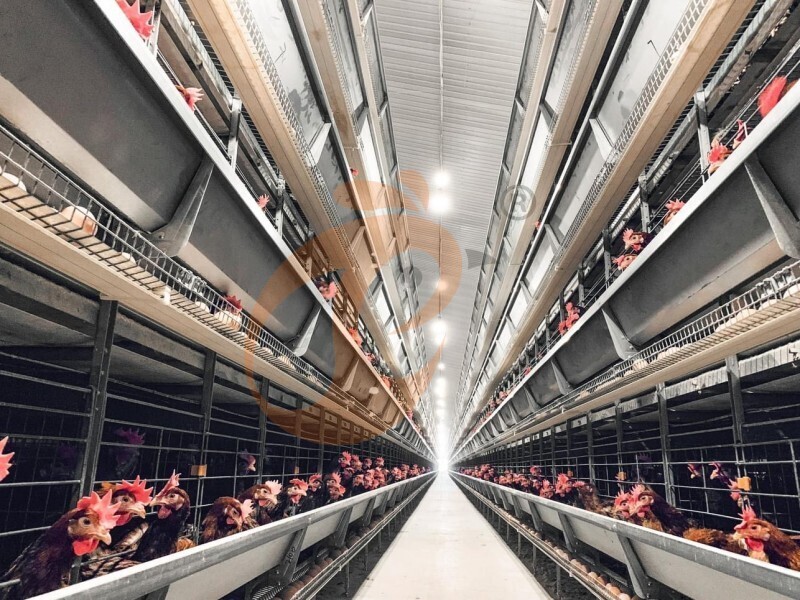
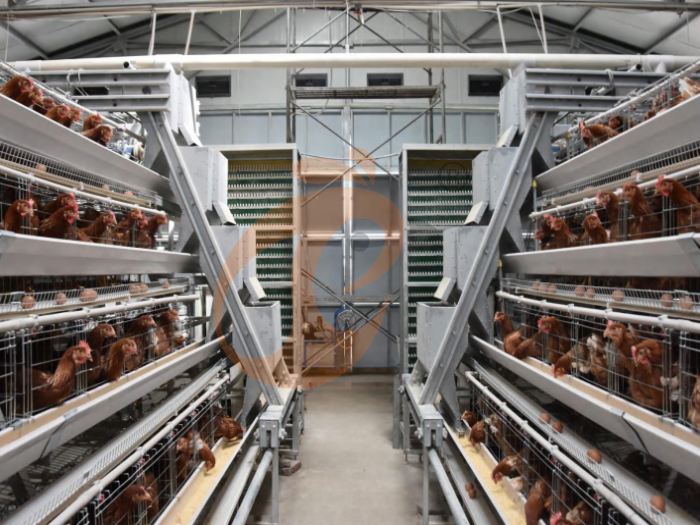
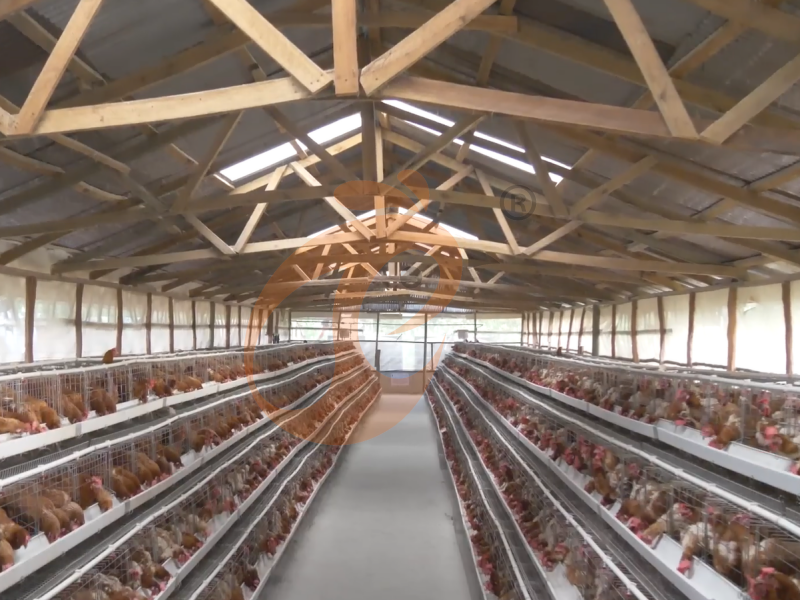
The A-type cage uses a stepped pyramid layout that promotes natural convection ventilation.
Hot air rises vertically and exits through ridge ventilation openings while cross-breeze circulates across bird level.
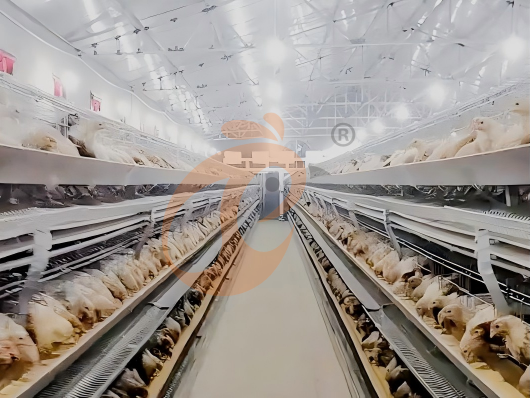
The H-type cage uses vertical stacking that typically requires controlled-house tunnel ventilation systems.
Mechanical airflow systems increase dependency on stable grid electricity or diesel generators.
Data is for reference only.Swipe horizontally to view full table.
Initial Capital Expenditure Breakdown
For Ethiopian investors, capital allocation during the first production cycle determines financial stability.
Equipment and structural construction represent the largest portion of startup cost.
The A-type cage requires lighter steel framework and simplified installation structure.
The H-type cage requires reinforced multi-tier frames and environmental control integration.
Ventilation infrastructure increases the total construction budget in H-type housing.
All monetary values below are expressed in Ethiopian birr.
European Union standards for structural compliance are referenced for comparison only.
Data is for reference only.Swipe horizontally to view full table.
European Union structural calculation standards are referenced for comparison only.
Operational Efficiency And Labor Dynamics
Labor cost in Ethiopia ranges between 18–25 Ethiopian birr per hour.
Automation must be evaluated relative to local wage structure.
Manual trolley feeding and row-based egg collection allow direct bird observation.
The H-type cage reduces worker count but requires trained technicians for motor and sensor maintenance.
Data is for reference only.Swipe horizontally to view full table.
European Union labor cost benchmarking is referenced for comparison only.
Feed Conversion And Bird Welfare
Feed represents 60–70% of egg production cost.
The A-type staggered layout prevents vertical manure contamination between tiers.
Improved separation contributes to intestinal stability and flock health management.
The H-type cage demonstrates slightly improved feed conversion ratio under optimized automation conditions.
Centralized feeder blockage in H-type systems can affect entire vertical columns.
Data is for reference only.Swipe horizontally to view full table.
Data compiled from regional farm surveys 2024–2025.
Maintenance Durability And Material Specifications
Steel galvanization thickness directly affects cage lifespan in humid zones.
Dust exposure and ammonia concentration influence corrosion rate.
The A-type cage contains fewer motorized components.
Manual override allows production continuity during power interruption.
The H-type cage integrates gear motors, belts, sensors, and automated control panels.
Spare parts may require factory procurement depending on specification.
Data is for reference only.Swipe horizontally to view full table.
European Union galvanization coating standards are referenced for comparison only.
Scalability For The Ethiopian Market
The A-type cage supports phased row-by-row expansion within the same poultry house.
Additional rows can be installed after profit reinvestment.
The H-type cage generally requires integrated hall installation to justify automation layout.
Data is for reference only.Swipe horizontally to view full table.
Return On Investment Timeline
European Union pricing benchmarks are referenced for comparison only.
The lower initial capital of the A-type cage shortens loan repayment duration.
The H-type cage demonstrates labor reduction benefits but requires higher initial financing.
Data is for reference only.Swipe horizontally to view full table.
European Union financial modeling standards referenced for comparison only.
Frequently Asked Questions
Q1: Which cage system requires lower startup capital in Ethiopia?
A1: The A-type cage requires approximately 2,930,000 Ethiopian birr for a 10,000 bird setup compared to about 5,100,000 Ethiopian birr for H-type systems.
Q2: Which system performs better under unstable electricity supply?
A2: The A-type cage continues operating with natural ventilation and manual backup feeding during grid interruption.
Q3: Which system offers faster investment recovery?
A3: Based on average egg output and current market prices, A-type cages achieve payback within 18–24 months compared to 30–40 months for H-type installations.
Ethiopia Best Hebei Machinery Manufacturing Plc - One Of Ethiopia Largest Poultry Cage Manufacturer
Global factory direct supply with production capacity exceeding 50,000 bird cage sets per month.
Specialized in poultry farm equipment including A-type and H-type poultry cage systems.
Turn-key engineering solutions covering design, manufacturing, shipment, and installation guidance.
Galvanization coating 275 g/m² with 25+ year structural lifespan under standard farm conditions.
Integrated feeding, drinking, manure removal, and egg collection systems with verified performance parameters.
Contact Us To Received Your Customized Poultry Farm Plan
Headquarters And Branchs
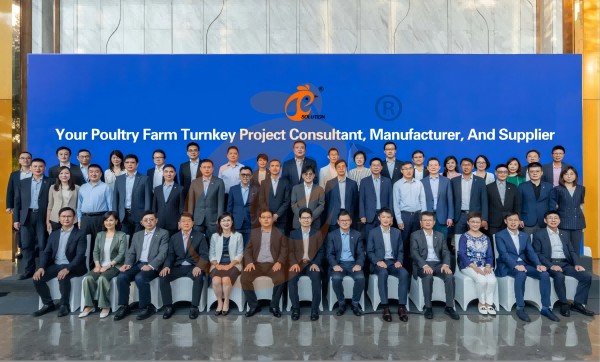
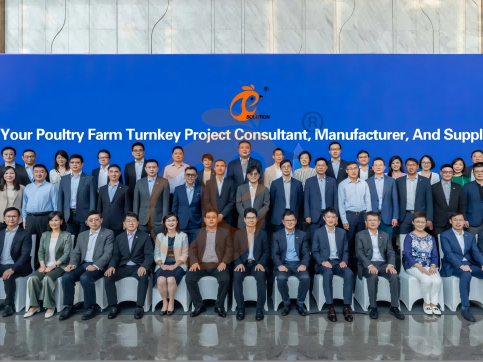
Hong Kong Headquarter Management Team
Hong Kong Headquarter Taiyu Industrial Group CO., LTD
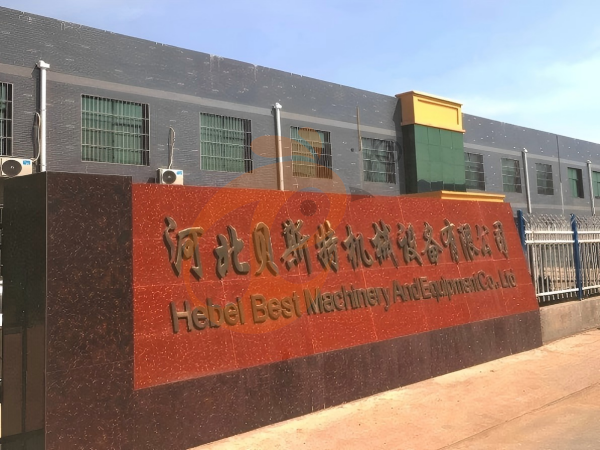
China Hebei Best Machinery And Equipment CO., LTD
Nigeria Vanke Machinery And Equipment CO., LTD
Tanzania Best Machinery And Equipment CO., LTD
Ethiopia Best Hebei Machinery Manufacturing PLC
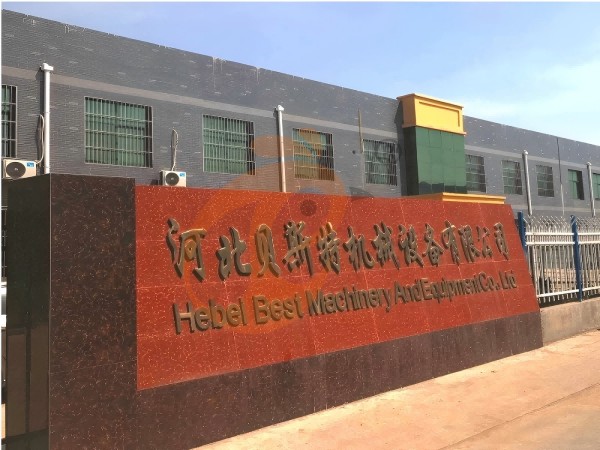
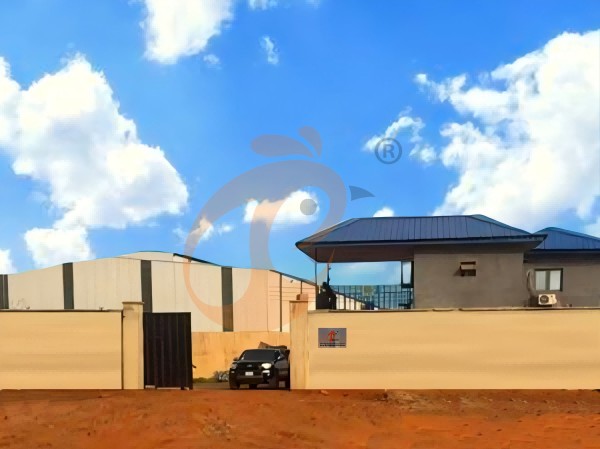
Reception /24 WhatsApp NO. : +8618830120193
Tag
Message
Products recommended
 HK Headquarter Offers EU-standard Poultry Farm Solutions, Manufacture Poultry Farm Equipment1. Continuous communication with the EU and the US
2. China, Nigeria, Ethiopia, Tanzania branch companies and factories
3. The products’ quality is customized for local poultry farms
4. Poultry cage and poultry farm equipment stock for sale
5. 24 online reception Whatsapp NO. : +8618830120193,contact us to get full informationRead More China Branch Offer Poultry Farm Business Plan, Manufacture Poultry Farm Equipment1. Address: Flat/RM 2416, 24/F, Runxing Building, Youyi Nan Street, Shijiazhuang City, Hebei Province, China
2. Poultry cage and poultry farm equipment factory and stock for sale
3. Customized for local poultry farms
4. Quality and design are based on Euro
5. 24 online reception Whatsapp NO. : +8618830120193Read More Nigeria Branch Offer Poultry Farm Business Plan, Manufacture Poultry Farm Equipment1. Address: After Sinoma Office, 200 Meters Near Danco Filling Station, Lagos/Ibadan Expressway, Lagos State, Nigeria
2. Poultry cage and poultry farm equipment factory and stock for sale
3. Customized for Nigerian poultry farms
4. Quality and design are based on Euro
5. 24 online reception Whatsapp NO. : +8618830120193Read More Ethiopia Branch Offer Poultry Farm Business Plan, Manufacture Poultry Farm Equipment1. Address: Gelan Gura, Akaki-kaliti Sub City, Addis Ababa, Ethiopia
2. Poultry cage and poultry farm equipment stock for sale
3. Customized for Ethiopian poultry farms
4. Quality and design are based on Euro
5. 24 online reception Whatsapp NO. : +8618830120193, contact us to get price listRead More Tanzania Branch Offer Poultry Farm Business Plan, Manufacture Poultry Farm Equipment1. Address: No.8, Sova Road, Msufini, Mlandizi, Kibaha, Pwani, Tanzania
2. Poultry cage and poultry farm equipment factory and stock for sale
3. Customized for Tanzanian poultry farms
4. Quality and design are based on Euro
5. 24 online reception Whatsapp NO. : +8618830120193Read More Fully Automatic H Type Layer Chicken Cage1. 30,000-100,000+ layers/house chooses it, Poultry farmers can achieve an egg production rate of 96-98%
2. A significant improvement over the 85-90% typically seen in manual systems
3. A typical poultry farm can expect a 30-40% reduction in labor costs due to the automation
4. Each feeding line efficiently supplies feed to around 100,000 hens per 30 mins
5. Reception /WhatsApp NO. : +8618830120193Read More Fully Automatic A Type Layer Chicken Cage1. 10,000-50,000 layers/house chooses it
2. Cleaner egg collection reduces breakage by 0.5%
3. Improved hygiene helps reduce mortality rate to <3%
4. 1–2 technicians can handle 15,000–30,000 birds
5. Reception /WhatsApp NO. : +8618830120193Read More Semi Automatic H Type Layer Chicken Cage1. 1,00-20,000 layers/house chooses it
2. Nipple drinkers flow 30–60 ML / min
3. Hot-dip galvanized (typical coating ≥ 275 g/m²)
4. Reduce ammonia by ~ 35–40%
5. Reception /WhatsApp NO. : +8618830120193Read More Semi Automatic A Type Layer Chicken Cage1. 1,00-20,000 layers/house chooses it, no rust for 10 years, no deformation for 15 years
2. Chickens live comfortably, you can raise them with peace of mind
3. Save water, save money—efficiency you can measure
4. Improve environment quality, and increase egg production rate
5. Reception /WhatsApp NO. : +8618830120193Read More
By clicking 'Allow All', you agree to the storage of cookies on your device to enhance site navigation, analyze site usage and assist with our marketing efforts.