


Blog
How To Choose A Type Chicken Cages | 6 Practical Steps & Cost Guide In Ethiopia
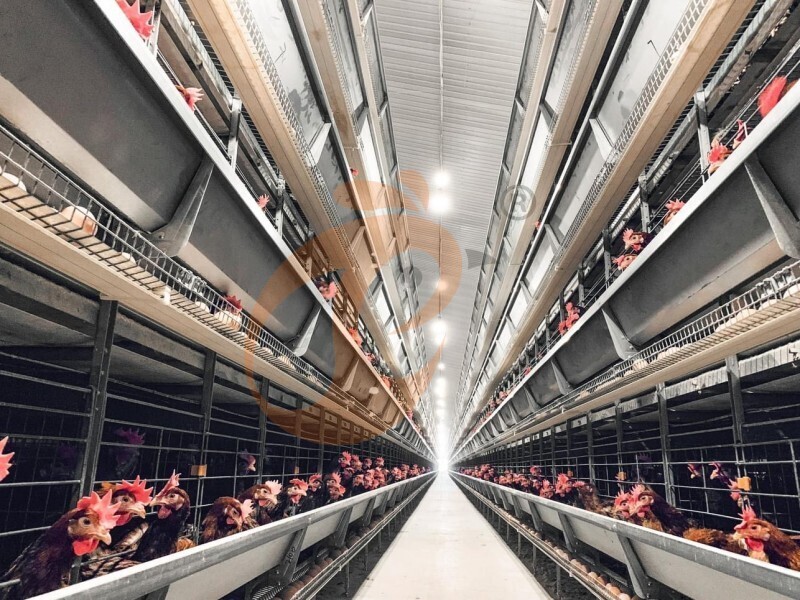
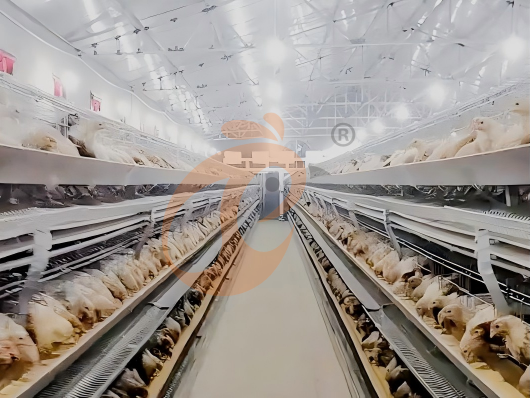
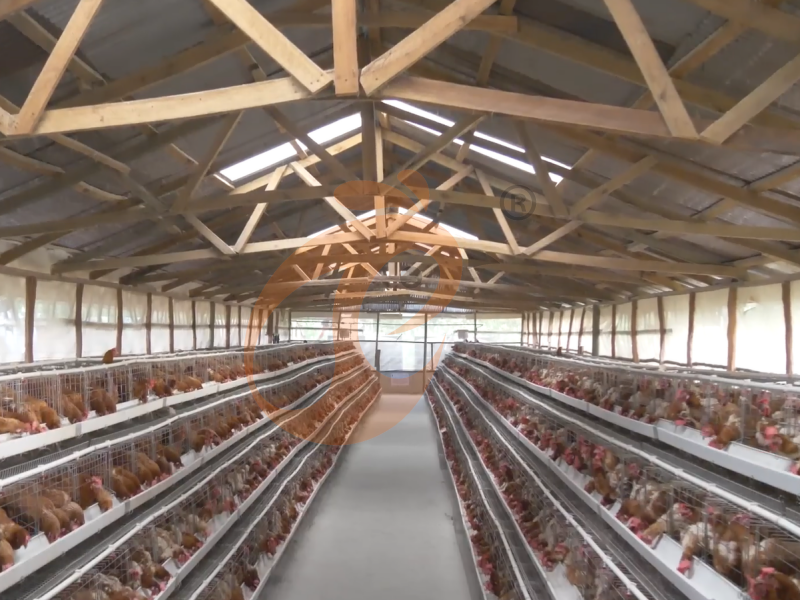
A type chicken cages improve egg production efficiency for Ethiopian layer farms.
Rising urban egg demand in Addis Ababa encourages commercial poultry investment.
Structured cage systems reduce feed waste and improve manure management.
Proper cage selection supports better disease control during rainy seasons.
Financial planning in Ethiopian birr ensures sustainable poultry expansion.
Get professional poultry farm construction guidance, equipment selection solutions, and the latest price lists, whatsApp to +8618830120193, click to learn more:

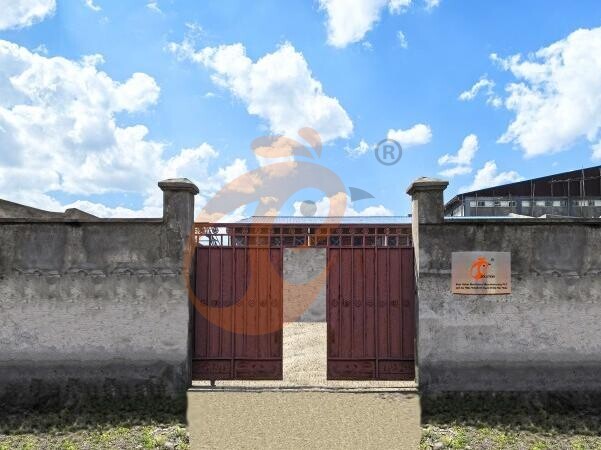
Ethiopia Branch Office And Factory Of Poultry Farm Equipment
Understand Ethiopia's Poultry Market And Production Conditions
Before selecting cage types, you must understand local production realities.
Ethiopia has diverse agro-climatic zones that directly influence poultry house design and cage configuration.
From mid-altitude commercial belts around Adama to highland areas supplying eggs to Addis Ababa supermarkets, environmental variation requires structured planning.
Data from the Central Statistical Agency shows consistent growth in poultry population and egg consumption over the past decade.
Climate Zones Affect Cage Decisions
Data is for reference only.Swipe horizontally to view full table.
In most Ethiopian regions, open-sided poultry houses combined with A-type cages provide sufficient airflow without requiring continuous electrical ventilation systems.
Compare Floor System Vs Cage System In Ethiopia
Many farmers in Oromia and Amhara still use deep litter systems.
However, commercial expansion requires measurable productivity improvements.
Data is for reference only.Swipe horizontally to view full table.
A-type cage systems improve land utilization by more than three times compared to floor systems.
Feed waste reduction directly lowers operational cost in Ethiopian Birr under fluctuating maize and soybean prices.
Why A-Type Cage Is The Best Option For Ethiopian Farms
There are three primary cage structures available locally.
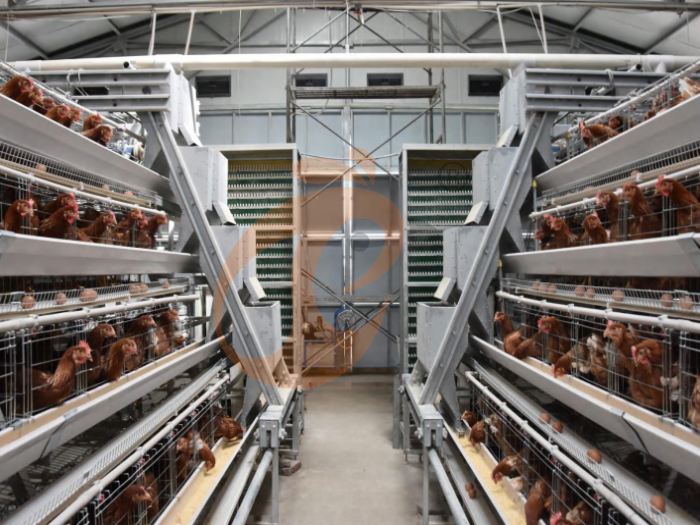
A-type layer cage.
H-frame layer cage.
Manual fabricated cage.
Data is for reference only.Swipe horizontally to view full table.
Most Ethiopian poultry farms operate in areas where continuous electricity supply is not guaranteed.
A-type cages operate efficiently with gravity-based egg rolling systems and manual feeding channels.
This makes them suitable for both emerging investors and expanding medium-scale farms.
Cost Breakdown Of A-Type Chicken Cages In Ethiopia
Cost planning is central to Ethiopia poultry farming investment decisions.
Basic Cost Components
Cage system purchase price in Ethiopian Birr (European union standard for reference only).
Transportation from Djibouti corridor to regional towns (European union standard for reference only).
Installation labor cost in Ethiopian Birr (European union standard for reference only).
Drinking water nipple system cost in Ethiopian Birr (European union standard for reference only).
Feed trough equipment cost in Ethiopian Birr (European union standard for reference only).
Poultry house civil construction investment in Ethiopian Birr (European union standard for reference only).
Data is for reference only.Swipe horizontally to view full table.
Prices vary based on steel raw material and logistics conditions.
Production And Revenue Projection In Ethiopian Context
Egg price depends on city demand and distribution chain.
Addis Ababa retail price ranges between 9–13 Ethiopian Birr per egg (European union standard for reference only).
Adama wholesale price ranges between 7–10 Ethiopian Birr per egg (European union standard for reference only).
Bahir Dar retail price ranges between 8–11 Ethiopian Birr per egg (European union standard for reference only).
Data is for reference only.Swipe horizontally to view full table.
Feed cost remains the largest operating expense.
Data is for reference only.Swipe horizontally to view full table.
Return On Investment Analysis
Data is for reference only.Swipe horizontally to view full table.
If total farm investment including poultry house construction, A-type cages, and pullets reaches approximately 4500000–5000000 Ethiopian Birr (European union standard for reference only), payback can be achieved within one production cycle under stable egg pricing conditions.
Transport And Logistics
Most cage systems enter Ethiopia via Djibouti trade corridor before reaching Addis Ababa distribution centers.
Data is for reference only.Swipe horizontally to view full table.
Technical Specifications To Check Before Buying
Data is for reference only.Swipe horizontally to view full table.
Frequently Asked Questions
Q1: How many birds can one A-type cage system hold in Ethiopia?
A1: One standard three-tier A-type cage set can accommodate between 90 and 120 birds depending on cage width and bird size.
Q2: What is the investment requirement for 5000 layers using A-type cages?
A2: The cage system investment is approximately 2085000 Ethiopian Birr excluding poultry house and pullet cost European union standard for reference only.
Q3: How long does an A-type cage last in Ethiopian climate conditions?
A3: With hot-dip galvanization and proper maintenance, service life can exceed 25+ years.
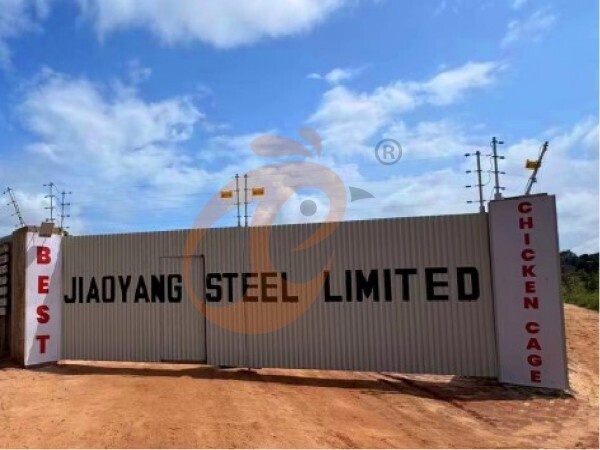
Ethiopia Best Hebei Machinery Manufacturing Plc - One Of Ethiopia Largest A-Type Cage Manufacturer
Global factory direct supply of poultry farm equipment with standardized steel production lines.
Monthly production capacity exceeding 5000 sets of poultry cage systems using 2.8–3.5 mm steel wire.
Complete Turn-key poultry farm engineering including cage layout design, nipple drinking system installation, and feeding system integration.
Optimized container loading plans adapted to Djibouti–Addis Ababa transport route.
Technical team support covering installation guidance, ventilation calculation, and layer management solutions.
Contact Us To Received Your Customized Poultry Farm Plan
Headquarters And Branchs

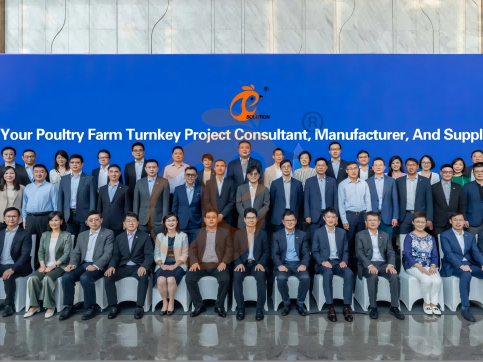
Hong Kong Headquarter Management Team
Hong Kong Headquarter Taiyu Industrial Group CO., LTD
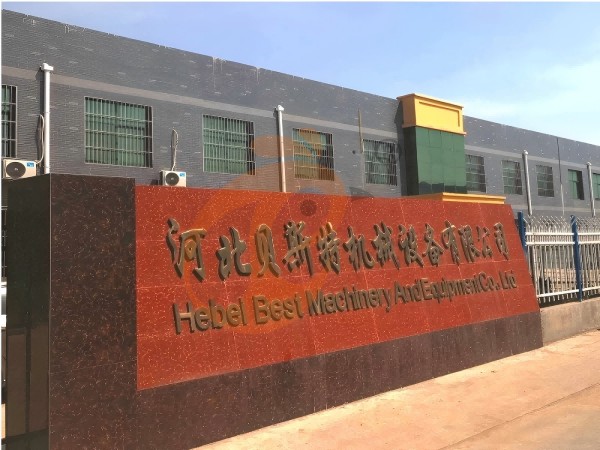
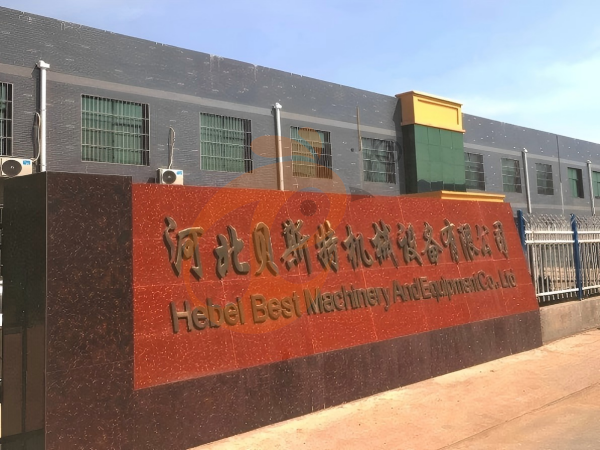
China Hebei Best Machinery And Equipment CO., LTD
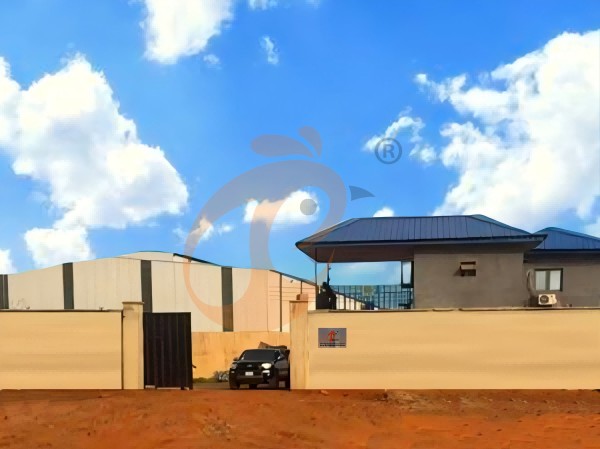
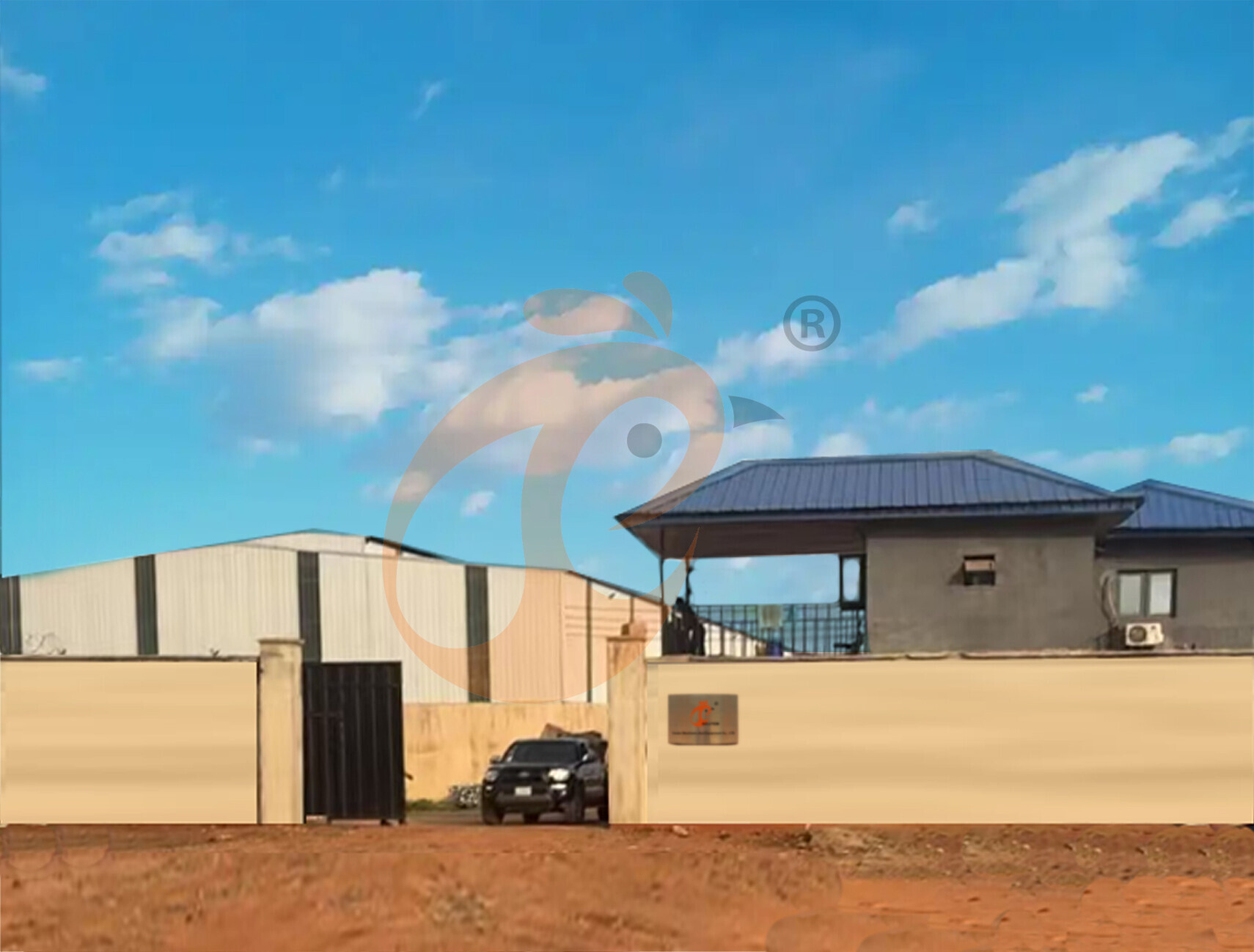
Nigeria Vanke Machinery And Equipment CO., LTD
Tanzania Best Machinery And Equipment CO., LTD
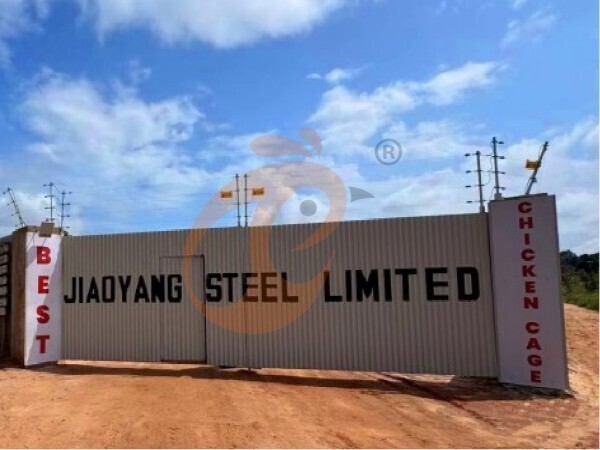
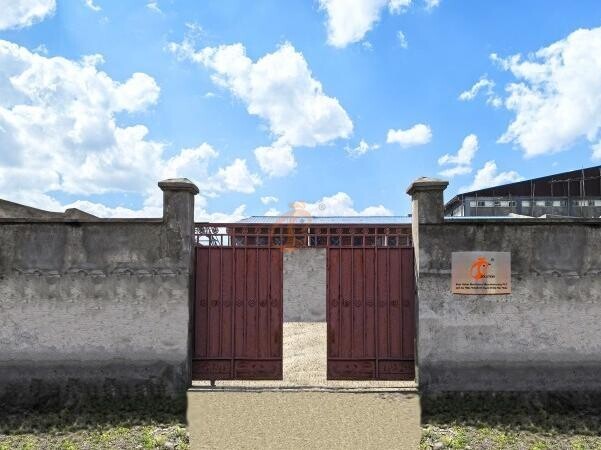
Ethiopia Best Hebei Machinery Manufacturing PLC
Reception /24 WhatsApp NO. : +8618830120193
Tag
Message
Products recommended
 HK Headquarter Offers EU-standard Poultry Farm Solutions, Manufacture Poultry Farm Equipment1. Continuous communication with the EU and the US
2. China, Nigeria, Ethiopia, Tanzania branch companies and factories
3. The products’ quality is customized for local poultry farms
4. Poultry cage and poultry farm equipment stock for sale
5. 24 online reception Whatsapp NO. : +8618830120193,contact us to get full informationRead More China Branch Offer Poultry Farm Business Plan, Manufacture Poultry Farm Equipment1. Address: Flat/RM 2416, 24/F, Runxing Building, Youyi Nan Street, Shijiazhuang City, Hebei Province, China
2. Poultry cage and poultry farm equipment factory and stock for sale
3. Customized for local poultry farms
4. Quality and design are based on Euro
5. 24 online reception Whatsapp NO. : +8618830120193Read More Nigeria Branch Offer Poultry Farm Business Plan, Manufacture Poultry Farm Equipment1. Address: After Sinoma Office, 200 Meters Near Danco Filling Station, Lagos/Ibadan Expressway, Lagos State, Nigeria
2. Poultry cage and poultry farm equipment factory and stock for sale
3. Customized for Nigerian poultry farms
4. Quality and design are based on Euro
5. 24 online reception Whatsapp NO. : +8618830120193Read More Ethiopia Branch Offer Poultry Farm Business Plan, Manufacture Poultry Farm Equipment1. Address: Gelan Gura, Akaki-kaliti Sub City, Addis Ababa, Ethiopia
2. Poultry cage and poultry farm equipment stock for sale
3. Customized for Ethiopian poultry farms
4. Quality and design are based on Euro
5. 24 online reception Whatsapp NO. : +8618830120193, contact us to get price listRead More Tanzania Branch Offer Poultry Farm Business Plan, Manufacture Poultry Farm Equipment1. Address: No.8, Sova Road, Msufini, Mlandizi, Kibaha, Pwani, Tanzania
2. Poultry cage and poultry farm equipment factory and stock for sale
3. Customized for Tanzanian poultry farms
4. Quality and design are based on Euro
5. 24 online reception Whatsapp NO. : +8618830120193Read More Fully Automatic H Type Layer Chicken Cage1. 30,000-100,000+ layers/house chooses it, Poultry farmers can achieve an egg production rate of 96-98%
2. A significant improvement over the 85-90% typically seen in manual systems
3. A typical poultry farm can expect a 30-40% reduction in labor costs due to the automation
4. Each feeding line efficiently supplies feed to around 100,000 hens per 30 mins
5. Reception /WhatsApp NO. : +8618830120193Read More Fully Automatic A Type Layer Chicken Cage1. 10,000-50,000 layers/house chooses it
2. Cleaner egg collection reduces breakage by 0.5%
3. Improved hygiene helps reduce mortality rate to <3%
4. 1–2 technicians can handle 15,000–30,000 birds
5. Reception /WhatsApp NO. : +8618830120193Read More Semi Automatic H Type Layer Chicken Cage1. 1,00-20,000 layers/house chooses it
2. Nipple drinkers flow 30–60 ML / min
3. Hot-dip galvanized (typical coating ≥ 275 g/m²)
4. Reduce ammonia by ~ 35–40%
5. Reception /WhatsApp NO. : +8618830120193Read More Semi Automatic A Type Layer Chicken Cage1. 1,00-20,000 layers/house chooses it, no rust for 10 years, no deformation for 15 years
2. Chickens live comfortably, you can raise them with peace of mind
3. Save water, save money—efficiency you can measure
4. Improve environment quality, and increase egg production rate
5. Reception /WhatsApp NO. : +8618830120193Read More
By clicking 'Allow All', you agree to the storage of cookies on your device to enhance site navigation, analyze site usage and assist with our marketing efforts.