






Blog
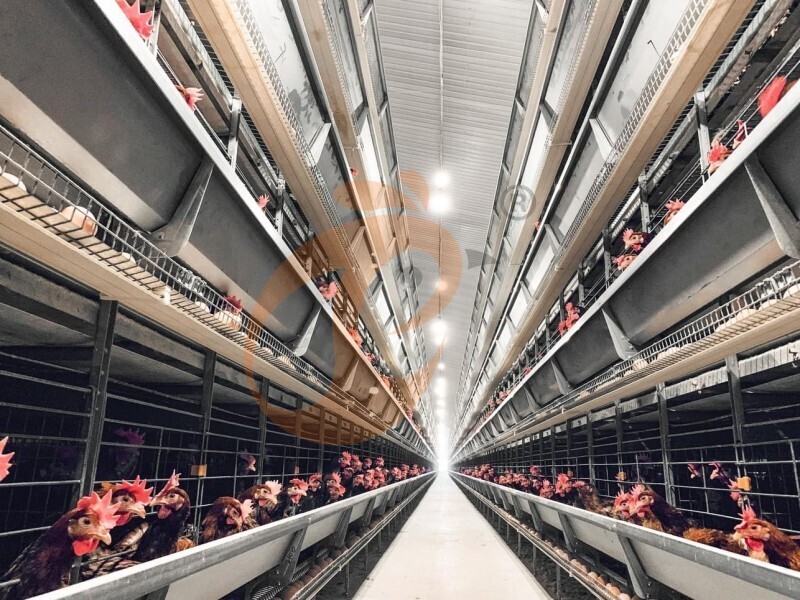
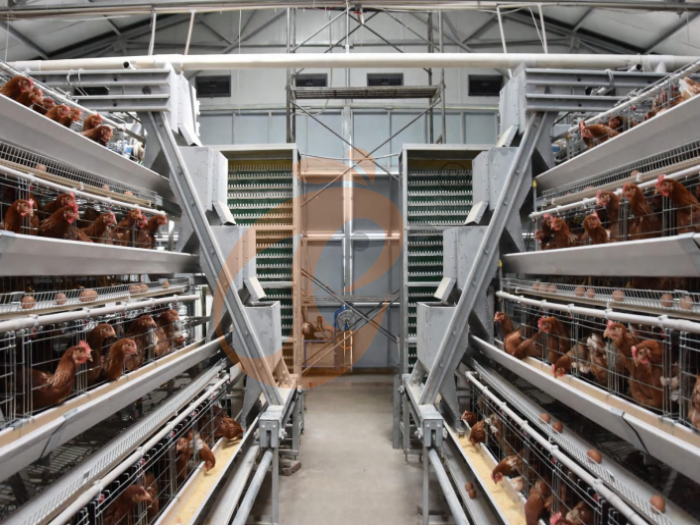
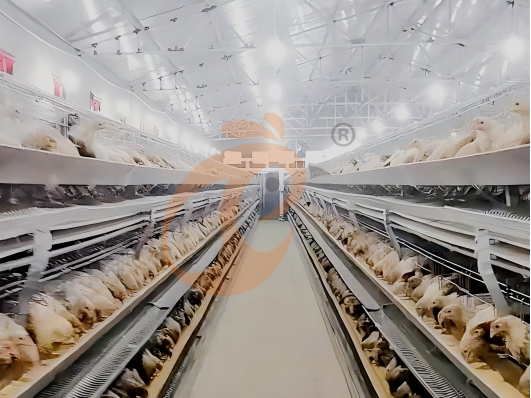
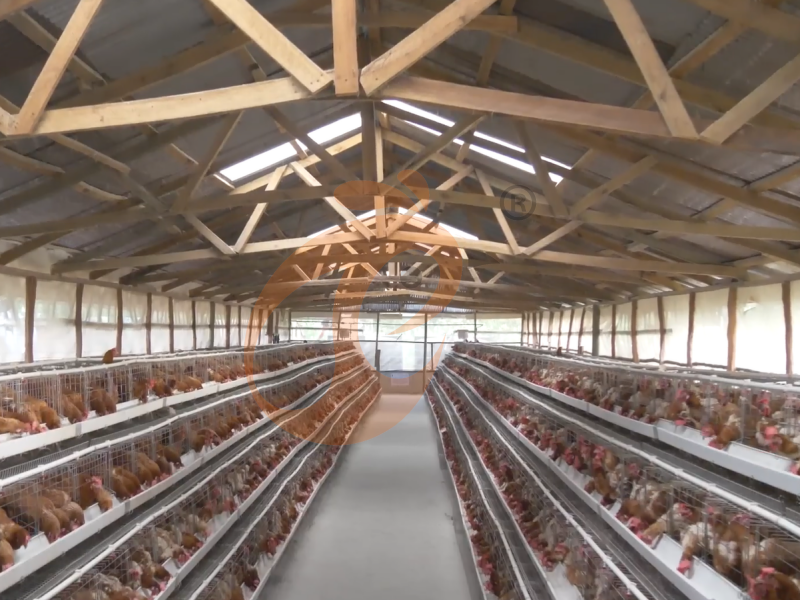
Free range layer equipment integrates automatic feeding, nipple drinking, egg collection, and ventilation to support efficient commercial egg production across modern poultry farms.
Optimize feed delivery with 600–1,500 kg/h auger capacity and 5–20 tonne silos for reliable distribution and practical inventory management.
Maintain water access using 15–20 cm nipple spacing and 60–100 ml/min flow rates, supporting hydration consistency and litter hygiene.
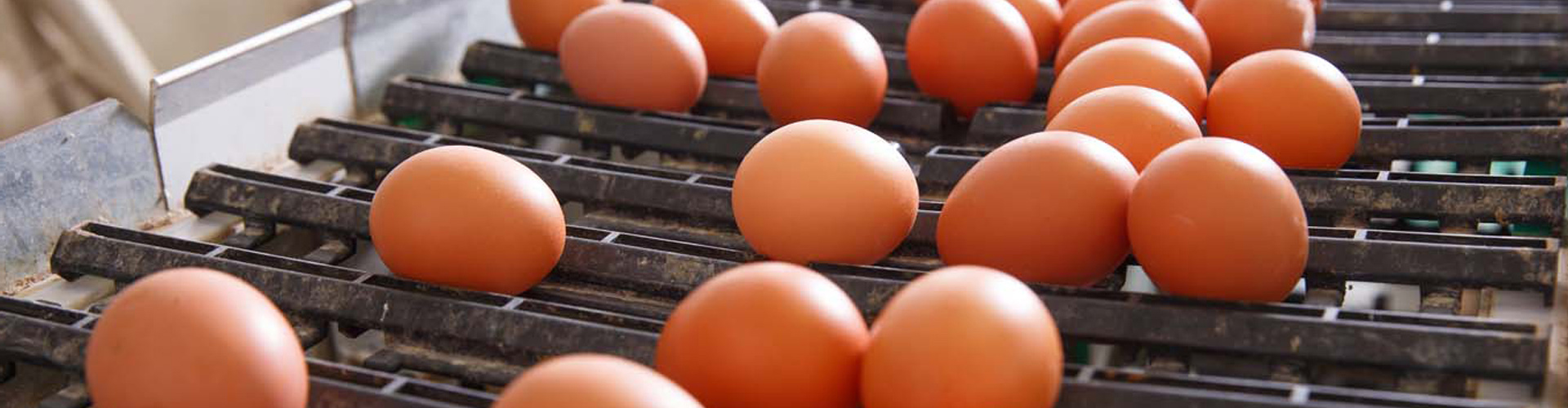
Coordinate egg collection with conveyor capacities of 3,000–6,000 eggs/h, improving handling efficiency and reducing unnecessary labor.
Monitor ventilation, manure removal, and production records to strengthen biosecurity, simplify maintenance, control operating costs, and support sustainable farm expansion.
Get professional poultry farm construction guidance, equipment selection solutions, and the latest price lists, whatsApp to +8618830120193, +2348111199996, or click to learn more.
Tip 1: Optimize Feeding With Automatic Equipment
Feed management influences laying performance, body condition, and production costs.
An automatic poultry feeding system combines bulk silos, auger conveyors, feed hoppers, and pan feeders to distribute feed consistently throughout a free range layer house.
Correctly selected free range layer equipment helps reduce repetitive manual distribution and supports more consistent feed inventory management.
Automatic Feeding System Parameters
Data is for reference only.Swipe horizontally to view full table.
Specifications are preliminary engineering references, and final selection depends on flock size, building layout, feed characteristics, and manufacturer calculations.
Commercial buyers should evaluate automatic poultry feeding equipment as a complete package, including storage, conveying, distribution, and feed level monitoring.
Tip 2: Maintain Reliable Water Supply
Water availability is essential for flock health and egg production, making a properly engineered poultry nipple drinking system an important component of free range layer equipment.
Practical Technique Card
Filter first install suitable filtration equipment upstream of the drinking lines to reduce suspended particles and prevent blockages.
Regulate pressure adjust operating pressure according to bird age, nipple specifications, and line position.
Inspect every zone check flushing points, pressure regulators, and visible leaks during routine rounds.
Monitor consumption compare water meter readings against feed intake and egg production records.
Prepare spare parts keep replacement nipples, seals, filters, and regulators available for routine maintenance.
Investigate deviations of approximately 10 percent from established daily water consumption patterns rather than assuming every change is normal.
Drinking Water System Parameters
Data is for reference only.Swipe horizontally to view full table.
Confirm flow rate and operating pressure against the selected nipple model, flock requirements, and actual line configuration.
An integrated poultry nipple drinking system combines filtration, pressure regulation, pipelines, and monitoring accessories to simplify installation and improve water delivery consistency.
Tip 3: Engineer Nesting And Egg Collection As One System
Nest management affects egg cleanliness, breakage, and labor requirements.
An automatic egg collection system uses roll away nest boxes, collection belts, transfer conveyors, and compatible handling equipment to move eggs efficiently toward the packing area.
Correctly integrated free range layer equipment reduces unnecessary handling and helps coordinate egg collection with downstream processing.
Nesting And Egg Collection Parameters
Data is for reference only.Swipe horizontally to view full table.
These figures are indicative design values, and actual nest geometry, nesting capacity, conveyor speed, and collection height must be verified against the selected equipment and applicable welfare requirements.
When purchasing an automatic egg collection system, evaluate the complete route from nest boxes to the packing room, including transfer points, conveyor alignment, and future expansion requirements.
Tip 4: Follow A Structured Daily Management Workflow
Consistent management becomes easier when free range layer equipment supports a repeatable inspection process.
Recommended Workflow Structure
Before Outdoor Access
Inspect automatic poultry feeding equipment, drinking lines, nest cleanliness, and ventilation operation before opening access points.
During Flock Activity
Observe bird distribution, walking behavior, feeding patterns, and outdoor area usage while checking essential free range layer equipment.
During Egg Collection
Inspect automatic egg collection equipment, conveyor alignment, transfer points, and cracked egg records.
After Production Activities
Remove accumulated manure where the system permits, inspect litter conditions, and clean accessible equipment surfaces.
At Shift Completion
Record egg output, feed delivery, water consumption, mortality, and equipment faults to support data driven decisions.
Assigning clear responsibilities prevents maintenance tasks from being overlooked, while electronic records help managers distinguish equipment problems from changes in flock behavior.
Tip 5: Control Ventilation And Indoor Climate
Free range access does not eliminate the need for carefully managed indoor conditions.
Mechanical ventilation should be designed around building geometry, local climate, bird numbers, and the required airflow pattern, with exhaust fans, air inlets, cooling equipment, and environmental controllers selected as compatible free range layer equipment.
Ventilation And Climate Control Parameters
Data is for reference only.Swipe horizontally to view full table.
Fan capacity must be verified at actual static pressure, and final ventilation design must account for bird mass, stocking density, outdoor temperature, humidity, and applicable welfare requirements.
Automated climate control coordinates fan stages, cooling, temperature monitoring, and alarms to help maintain consistent indoor conditions.
For equipment buyers, an integrated poultry ventilation system simplifies the coordination of fans, cooling equipment, sensors, and controllers while allowing future upgrades.
Tip 6: Improve Hygiene Through Manure And Litter Management
Manure accumulation can increase moisture, odor, and ammonia exposure, making effective manure removal an important component of free range layer equipment planning.
Automatic manure belts, scrapers, and transfer conveyors reduce repetitive handling and create a more organized removal process.
Manure Removal Equipment Parameters
Data is for reference only.Swipe horizontally to view full table.
Actual belt construction and removal frequency should be selected for the expected manure load and operating environment, with electrical protection and accessible emergency stops incorporated into the installation.
For larger projects, poultry manure removal equipment can connect to transfer conveyors and designated collection areas, reducing discharge bottlenecks and improving the overall farm layout.
Recommended Equipment Combinations For Different Farm Projects
Buying equipment as a coordinated package helps avoid incompatible dimensions, electrical interfaces, and conveyor capacities.
Package A — Essential Automation
Feeding And Drinking
Automatic poultry feeding systems and nipple drinking lines with filtration.
Basic Egg Handling
Nest boxes, collection belts, ventilation fans, and essential manure equipment.
Suitable for farms upgrading from labor intensive operations.
Package B — Integrated Commercial Production
Automated Feed Delivery
Bulk feed storage, auger conveying, and controlled distribution.
Integrated Production
Automatic nests, centralized egg collection, mechanized manure removal, and environmental controls.
Suitable for commercial operators seeking coordinated daily workflows.
Package C — Advanced Farm Integration
Environmental automation coordinate ventilation, cooling, sensors, and alarms through an integrated control system.
Production data connect monitoring equipment with feed, water, and egg production records.
Packing interfaces match automatic egg collection conveyors with downstream grading and packing equipment.
Preventive maintenance establish equipment inspection schedules and critical spare parts inventories.
The final free range layer equipment list should reflect the production model, including outdoor fencing, access doors, drainage, shelter, and biosecurity provisions.
Buyers should request a complete equipment schedule with drive specifications, conveyor interfaces, control requirements, installation responsibilities, and recommended spare parts.
Equipment Sizing For A Commercial Layer House
Equipment should be selected using calculated production demand rather than the supplier's product range alone.
Undersized free range layer equipment can create bottlenecks, while excessive capacity may increase capital expenditure and energy consumption.
Commercial Farm Equipment Sizing Parameters
Data is for reference only.Swipe horizontally to view full table.
These are preliminary planning references, and water reserves must reflect actual consumption, emergency duration, and local supply reliability.
Before ordering poultry equipment, confirm building drawings, utility connections, equipment interfaces, maintenance access, and installation responsibilities.
A professional supplier should provide layout drawings and a component schedule for review before manufacturing.
Preventive Maintenance And Performance Monitoring
Preventive maintenance protects free range layer equipment availability and reduces unexpected interruptions.
A maintenance plan should identify inspection tasks, responsible workers, spare parts, and records needed to verify completion.
Equipment Maintenance Parameters
Data is for reference only.Swipe horizontally to view full table.
Maintenance intervals must follow manufacturer instructions and be adjusted when operating conditions require.
Record each fault, its cause, corrective action, and downtime to identify recurring problems and make evidence based decisions about replacement parts.
A reliable poultry equipment supplier should provide operating manuals, maintenance instructions, component identification, and technical assistance.
Measure Operational Performance With Production Records
Free range layer equipment investment should be evaluated through measurable indicators rather than assumptions about automation benefits.
Farm managers can compare production, feed use, water consumption, egg quality, labor hours, and equipment downtime across successive reporting periods.
Key Performance Indicators
Hen Day Production
Calculate eggs produced divided by live hens, multiplied by 100, and report the result as a percentage.
Feed Conversion
Divide feed consumed by egg mass produced and record the result in kilograms per kilogram.
Cracked Egg Rate
Divide cracked eggs by total eggs and multiply by 100 to identify handling problems.
Mortality Rate
Divide deaths during the reporting period by the opening flock population and multiply by 100.
Equipment Availability
Divide available operating time by scheduled operating time and multiply by 100.
Use consistent reporting periods and clearly defined denominators, comparing results with historical farm data and appropriate breed specific benchmarks.
Integrated poultry equipment can simplify data collection by linking meters, environmental sensors, and production records.
Any expected financial return should be calculated from actual operating costs and measured results rather than generic savings claims.
Frequently Asked Questions
Q1: How do you choose free range layer equipment for a new farm?
A1: Start with flock capacity, house dimensions, production targets, and local welfare requirements, then coordinate feeding, drinking, nesting, ventilation, and manure removal equipment.
Q2: What equipment is essential for automated egg collection?
A2: An automatic egg collection system typically includes roll away nests, collection belts, transfer conveyors, and compatible downstream handling equipment, with conveyor capacity selected for actual egg output.
Q3: How often should poultry equipment be inspected?
A3: Inspect water filters and egg conveyor alignment daily, examine ventilation equipment weekly, and follow manufacturer specified maintenance schedules for motors, sensors, and electrical systems.
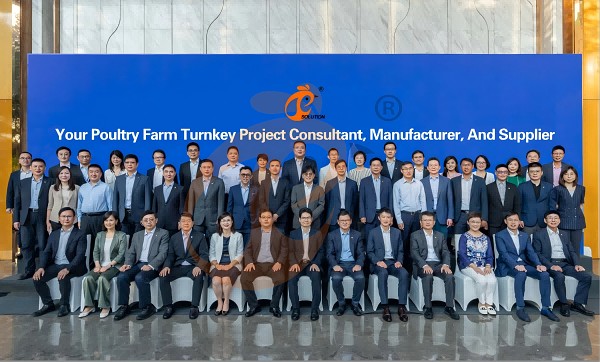
Taiyu (HK) Group - One Of China's Largest Free Range Layer Equipment Manufacturers
Free range layer equipment integrates feeding, drinking, egg collection, and ventilation for 10,000–50,000 hens, with system layouts tailored to outdoor access, housing design, and daily production requirements.
Global factory-direct poultry equipment supply combines modular components, 5–20 tonne feed silos, and flexible equipment configurations, helping commercial farms streamline procurement and control installation costs.
Turn-key engineering coordinates farm planning, equipment selection, installation, and commissioning for 20,000–100,000-bird projects, with integrated layouts supporting efficient construction and reliable system operation.
Customized poultry house solutions combine ventilation, manure removal, and egg handling, with 2.5–4.0 m/s tunnel airflow options engineered for local climate conditions, flock density, and hygiene requirements.
Direct manufacturing and technical project support cover equipment integration, utility planning, and commissioning schedules, helping poultry investors manage multi-house developments and improve long-term operational efficiency.
Contact Us To Received Your Customized Poultry Farm Plan
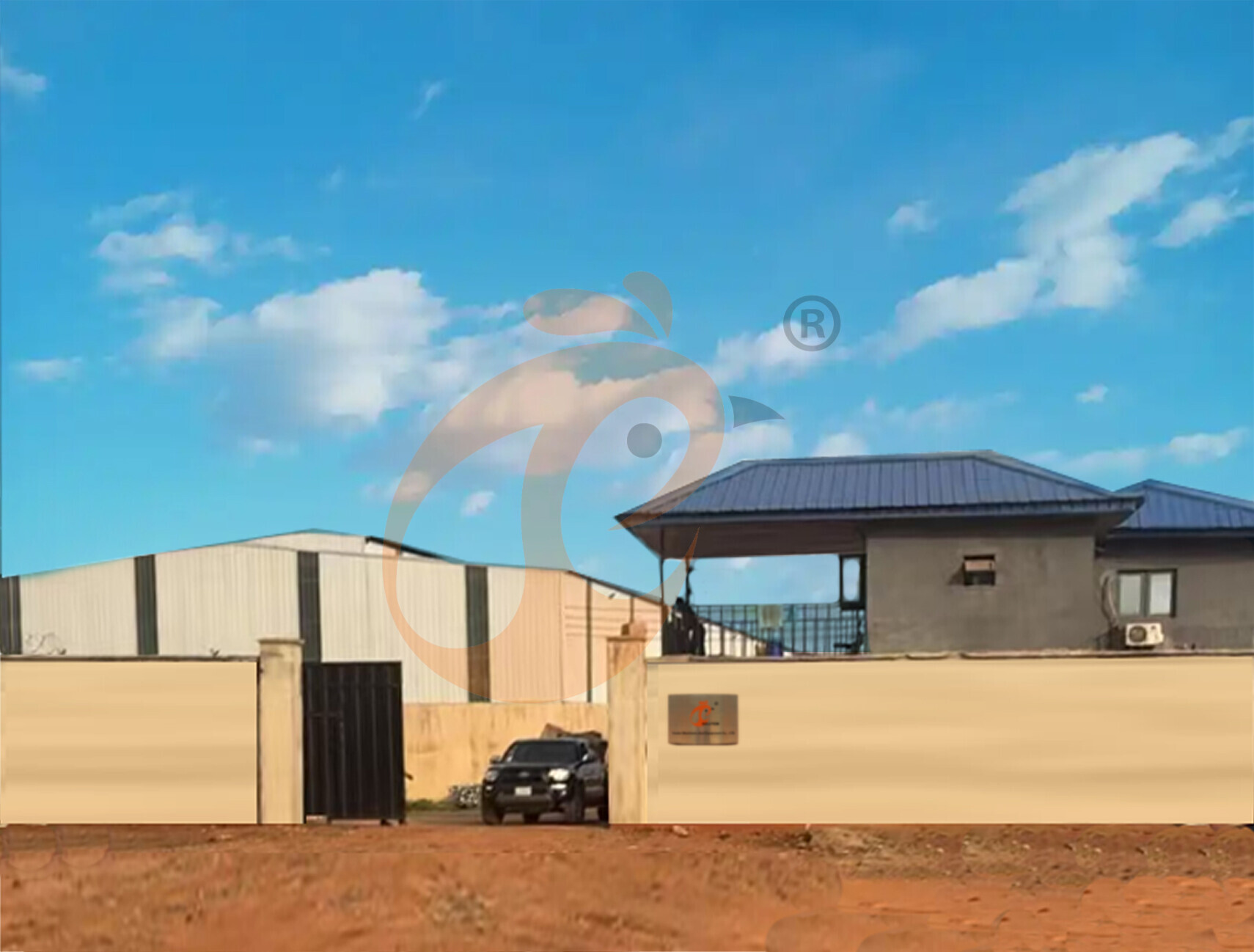
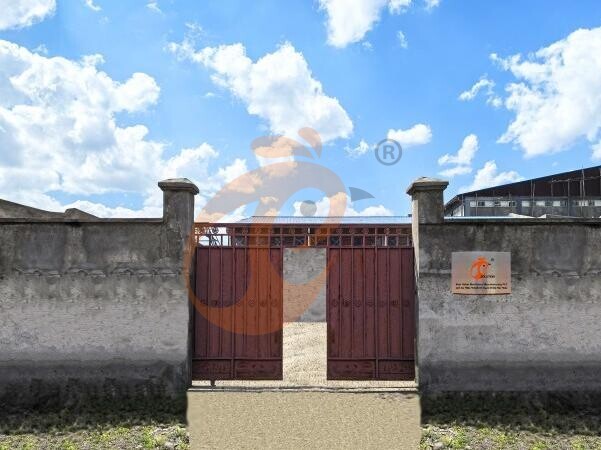
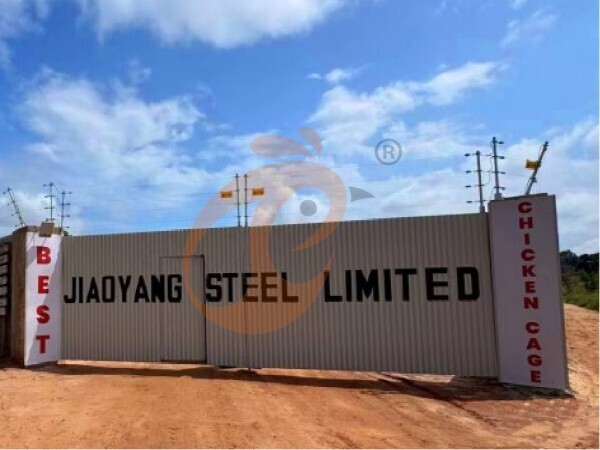
Headquarters And Branchs

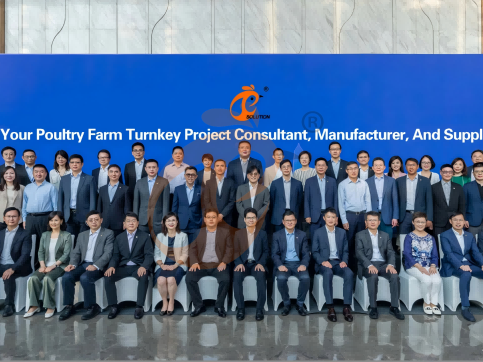
Hong Kong Headquarter Management Team
Hong Kong Headquarter Taiyu Industrial Group CO., LTD
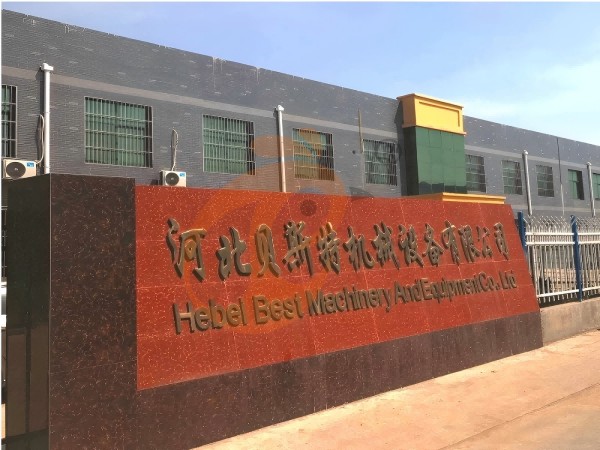
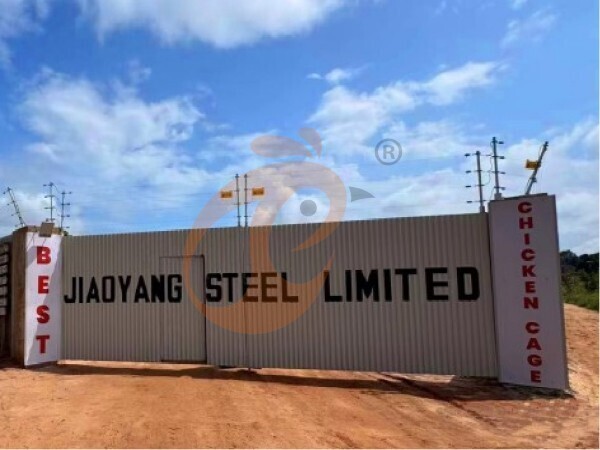
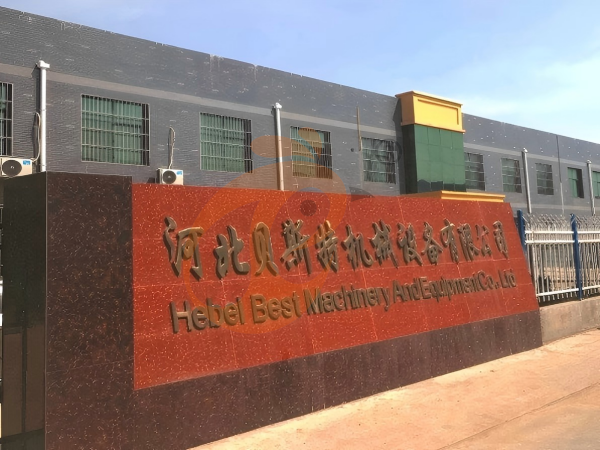
China Hebei Best Machinery And Equipment CO., LTD
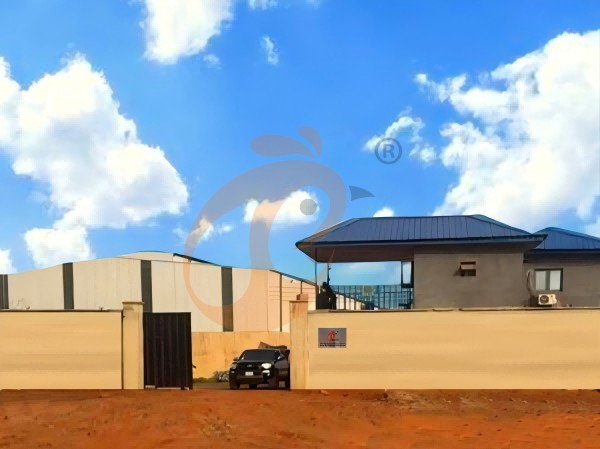
Nigeria Vanke Machinery And Equipment CO., LTD
Tanzania Best Machinery And Equipment CO., LTD
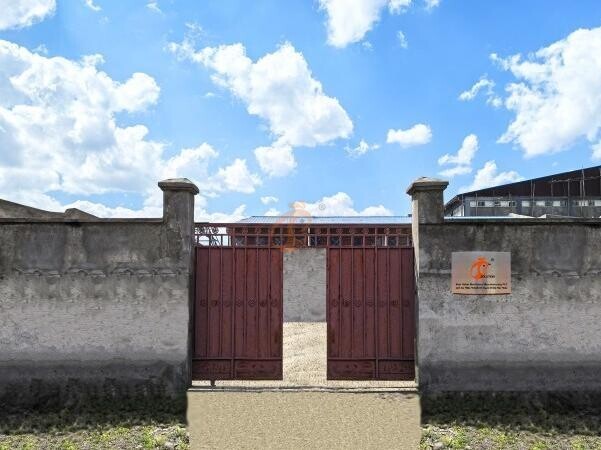
Ethiopia Best Hebei Machinery Manufacturing PLC
Reception /24 WhatsApp NO. : +8618830120193
FAQ
How Does Free Range System Affect Feed Consumption?
Energy expenditure increases daily intake variation by 15%–22% across seasons.
Feed conversion efficiency ranges from 1.9–2.3 depending on grazing intensity.
What Are The Housing Transition Management Standards In Free Range Poultry System?
Indoor-outdoor transition time is controlled within 10–15 minutes per flock movement cycle.
Lighting guidance systems operate at 5–8 lux to direct flock movement behavior.
What Are The Seasonal Adaptation Strategies In Free Range Poultry System?
Summer shade coverage is increased to 60%–80% of grazing area for heat stress reduction.
Rainfall drainage capacity handles 25–40 mm per hour precipitation levels for land usability.
- poultry equipment
- poultry farm
- feeding equipment
- poultry farm
- poultry farm construction
- poultry equipment supplier
- poultry feeding equipment
- poultry manure removal equipment
- poultry feeding system
- automatic feeding system
- automatic poultry feeding system
- automatic poultry feeding equipment
- layer equipment
- poultry house
- layer equipment manufacturer
- poultry ventilation system
- Ethiopia
- Nigeria
Message
Products recommended
 HK Headquarter Offers EU-standard Poultry Farm Solutions, Manufacture Poultry Farm Equipment1. Continuous communication with the EU and the US
2. China, Nigeria, Ethiopia, Tanzania branch companies and factories
3. The products’ quality is customized for local poultry farms
4. Poultry cage and poultry farm equipment stock for sale
5. 24 online reception Whatsapp NO. : +8618830120193,contact us to get full informationRead More China Branch Offer Poultry Farm Business Plan, Manufacture Poultry Farm Equipment1. Address: Flat/RM 2416, 24/F, Runxing Building, Youyi Nan Street, Shijiazhuang City, Hebei Province, China
2. Poultry cage and poultry farm equipment factory and stock for sale
3. Customized for local poultry farms
4. Quality and design are based on Euro
5. 24 online reception Whatsapp NO. : +8618830120193Read More Nigeria Branch Offer Poultry Farm Business Plan, Manufacture Poultry Farm Equipment1. Address: After Sinoma Office, 200 Meters Near Danco Filling Station, Lagos/Ibadan Expressway, Lagos State, Nigeria
2. Poultry cage and poultry farm equipment factory and stock for sale
3. Customized for Nigerian poultry farms
4. Quality and design are based on Euro
5. 24 online reception Whatsapp NO. : +8618830120193Read More Ethiopia Branch Offer Poultry Farm Business Plan, Manufacture Poultry Farm Equipment1. Address: Gelan Gura, Akaki-kaliti Sub City, Addis Ababa, Ethiopia
2. Poultry cage and poultry farm equipment stock for sale
3. Customized for Ethiopian poultry farms
4. Quality and design are based on Euro
5. 24 online reception Whatsapp NO. : +8618830120193, contact us to get price listRead More Tanzania Branch Offer Poultry Farm Business Plan, Manufacture Poultry Farm Equipment1. Address: No.8, Sova Road, Msufini, Mlandizi, Kibaha, Pwani, Tanzania
2. Poultry cage and poultry farm equipment factory and stock for sale
3. Customized for Tanzanian poultry farms
4. Quality and design are based on Euro
5. 24 online reception Whatsapp NO. : +8618830120193Read More Fully Automatic H Type Layer Chicken Cage1. 30,000-100,000+ layers/house chooses it, Poultry farmers can achieve an egg production rate of 96-98%
2. A significant improvement over the 85-90% typically seen in manual systems
3. A typical poultry farm can expect a 30-40% reduction in labor costs due to the automation
4. Each feeding line efficiently supplies feed to around 100,000 hens per 30 mins
5. Reception /WhatsApp NO. : +8618830120193Read More Fully Automatic A Type Layer Chicken Cage1. 10,000-50,000 layers/house chooses it
2. Cleaner egg collection reduces breakage by 0.5%
3. Improved hygiene helps reduce mortality rate to <3%
4. 1–2 technicians can handle 15,000–30,000 birds
5. Reception /WhatsApp NO. : +8618830120193Read More Semi Automatic H Type Layer Chicken Cage1. 1,00-20,000 layers/house chooses it
2. Nipple drinkers flow 30–60 ML / min
3. Hot-dip galvanized (typical coating ≥ 275 g/m²)
4. Reduce ammonia by ~ 35–40%
5. Reception /WhatsApp NO. : +8618830120193Read More Semi Automatic A Type Layer Chicken Cage1. 1,00-20,000 layers/house chooses it, no rust for 10 years, no deformation for 15 years
2. Chickens live comfortably, you can raise them with peace of mind
3. Save water, save money—efficiency you can measure
4. Improve environment quality, and increase egg production rate
5. Reception /WhatsApp NO. : +8618830120193Read More
By clicking 'Allow All', you agree to the storage of cookies on your device to enhance site navigation, analyze site usage and assist with our marketing efforts.