






Blog
Metal augers and plastic augers determine conveying reliability, with suitable designs supporting feed delivery capacities above 1,000 kilograms per hour.
Metal feed augers offer structural strength, while plastic feed augers provide lightweight, corrosion-resistant alternatives for compatible poultry equipment.
Feed mill auger selection depends on wear resistance, operating conditions, drive compatibility, and long-term maintenance requirements.
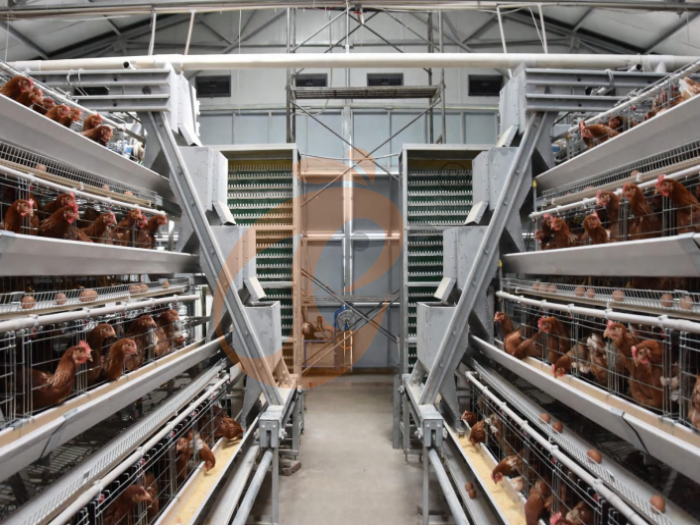
Poultry feeding systems combine feed silos, conveying augers, motors, and automatic feeders for coordinated material handling.
Integrated poultry equipment supports dependable feed distribution, with correct specifications helping control downtime and replacement costs.
Get professional poultry farm construction guidance, equipment selection solutions, and the latest price lists, whatsApp to +8618830120193, +2348111199996, or click to learn more.
Poultry Auger Reference Specifications
Selecting a durable metal auger or plastic auger requires evaluating mechanical dimensions, conveying performance, installation conditions, and compatibility with automatic poultry feeding equipment.
The following manufacturer-published specifications illustrate reference feed delivery capacities for poultry auger systems.
Data is for reference only.Swipe horizontally to view full table.
Source: cumberland flex-flo feed delivery system documentation.
These reference capacities apply to specified configurations, not every metal auger or plastic auger.
Auger Geometry And Manufacturing Parameters
Metal feed augers and plastic feed augers require suitable flight geometry, dimensional accuracy, and tube clearance to maintain stable conveying performance.
Data is for reference only.Swipe horizontally to view full table.
Source: almin feed delivery system specifications.
These dimensions describe particular reference models and should not be interpreted as a direct material durability comparison.
Engineering Points
Mechanical loading repeated starting, uneven feed distribution, and excessive resistance increase stress on metal augers, plastic augers, bearings, and drive assemblies.
Material selection carbon steel provides structural strength, stainless steel improves corrosion resistance, and engineered polymers offer lightweight alternatives within specified temperature and loading limits.
Feed characteristics abrasive mineral ingredients, irregular particles, and moisture-related buildup influence wear patterns in poultry feed conveying equipment.
Installation quality poor alignment and incorrect clearances accelerate wear regardless of whether the selected feed auger uses metal or plastic flighting.
For example, a poultry farm operating feed delivery equipment for 8 hours daily should evaluate operating cycles, feed abrasiveness, and cleaning procedures before selecting an auger system.
Industrial Screw Conveyor Performance Data
Industrial screw conveyor specifications demonstrate how equipment dimensions relate to throughput and drive requirements for feed handling applications.
Data is for reference only.Swipe horizontally to view full table.
Source: Dahan stainless-steel auger feeder specifications.
Industrial screw conveyors require application-specific engineering before installation in poultry feed mill equipment.
Tips Card
Tip One: Control Overloads
Investigate repeated motor trips, abnormal noise, and declining feed delivery before continued operation damages metal augers or plastic augers.
Tip Two: Inspect Wear Patterns
Uneven flight wear can indicate misalignment, inappropriate clearances, or concentrated contact with the conveying tube.
Tip Three: Maintain Clean Feed Paths
Remove accumulated feed using approved procedures and avoid introducing excessive moisture during cleaning.
Tip Four: Match Materials To Conditions
Evaluate corrosion resistance, polymer temperature limits, and compatibility with cleaning agents.
Tip Five: Document Operating History
Record inspections, failures, and replacement dates to establish realistic maintenance intervals for poultry feed conveying equipment.
Poultry Auger Flight And Tube Specifications
Tube dimensions influence installation compatibility, clearance, and the mechanical performance of metal augers and plastic augers in poultry feeding systems.
Data is for reference only.Swipe horizontally to view full table.
Source: almin poultry feed delivery product specifications.
Confirm the applicable auger model, tube dimensions, and connection requirements before ordering replacement poultry equipment.
Process Structure
Step One: define the application identify the feed source, destination, conveying route, and delivery schedule for the proposed metal auger or plastic auger.
Step Two: characterize the feed document particle size, bulk density, moisture, abrasiveness, and contamination-control requirements.
Step Three: establish operating duty determine throughput, daily operating hours, starting frequency, and anticipated mechanical resistance.
Step Four: evaluate materials compare the specified metal grade or polymer formulation using relevant mechanical and environmental test data.
Step Five: verify compatibility check the auger, tube, bearings, gearbox, motor, controls, and mounting arrangements as a coordinated poultry feed conveying system.
Step Six: Review supplier support confirm technical documentation, replacement-part availability, installation guidance, and warranty conditions.
Equipment Combination Recommendations
Small poultry operations combine a feed hopper, appropriately sized metal auger or plastic auger, and automatic feeder line for compatible installations.
Medium-sized poultry farms coordinate storage capacity, auger routing, drive selection, and feed distribution to reduce bottlenecks between storage and feeding points.
Large commercial operations consider integrated feed silos, heavy-duty conveying equipment, drive assemblies, distribution lines, and automatic feeding controls.
Industrial feed mills evaluate engineered metal flighting, suitable corrosion protection, accessible inspection points, and replaceable wear components according to operating conditions.
A coordinated poultry equipment package helps simplify installation and reduce compatibility problems during future expansion.
Feed Silo And Poultry Farm Sizing Data
Feed silo dimensions and storage capacity influence the selection of metal augers, plastic augers, and downstream poultry feeding equipment.
Data is for reference only.Swipe horizontally to view full table.
Source: published poultry feed silo product specifications.
Final sizing requires assessment of feed consumption, foundation design, local wind loads, and compatibility with the selected conveying system.
Drive System Selection Parameters
Motor selection influences conveying stability, operating efficiency, and mechanical loading across metal augers, plastic augers, and industrial feed handling systems.
Data is for reference only.Swipe horizontally to view full table.
Source: tanış screw conveyor specifications.
These industrial reference ratings require engineering review before use in poultry auger installations.
Inspection And Replacement Records
Structured maintenance records help poultry farms compare component wear, replacement costs, and operating history for metal augers and plastic augers.
Data is for reference only.Swipe horizontally to view full table.
These values are proposed planning targets, not manufacturer-mandated service limits.
Adjust inspection intervals according to actual operating conditions, equipment documentation, and observed wear.
Frequently Asked Questions
Q1: Are metal augers more durable than plastic augers?
A1: Metal augers often suit demanding mechanical loads, while engineered plastic augers can provide reliable service under compatible operating conditions.
Q2: Which auger capacity should poultry farms choose?
A2: Selection depends on feed consumption, conveying distance, operating schedule, and system configuration, with reference poultry delivery models reaching 6,000 kilograms per hour.
Q3: How can buyers reduce auger replacement costs?
A3: Select compatible components, inspect wear regularly, maintain appropriate clearances, and evaluate verified service records before purchasing poultry feed conveying equipment.
Taiyu (HK) Group - One Of China's Largest Auger Manufacturer
Metal augers and plastic augers are selected according to material specifications, conveying requirements, and equipment configurations, with reference poultry systems reaching 6,000 kilograms per hour.
Global factory-direct supply supports coordinated purchasing of poultry equipment, including feed silos, conveying augers, automatic feeders, and drive assemblies.
Poultry equipment packages can be configured for broiler farms, breeder facilities, commercial poultry houses, and industrial feed mills.
Turn-key engineering services coordinate equipment selection, layout planning, installation requirements, and system integration.
Technical support covers configuration reviews, replacement components, maintenance guidance, and project-specific equipment documentation.
Contact Us To Received Your Customized Poultry Farm Plan
Headquarters And Branchs

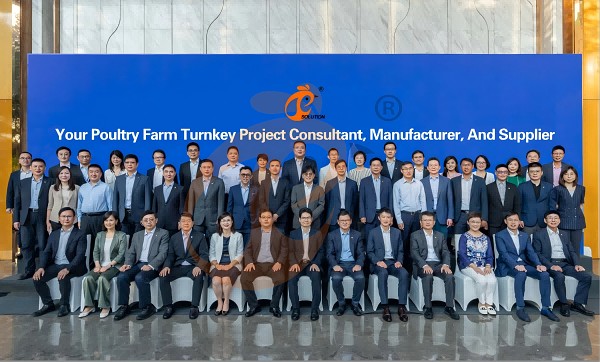
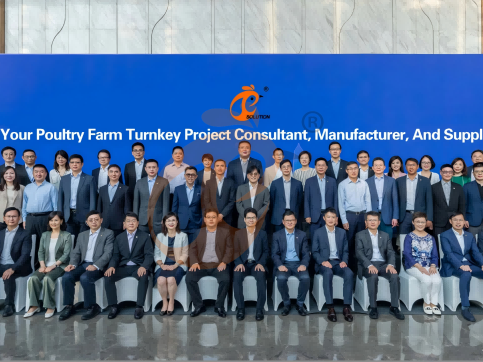
Hong Kong Headquarter Management Team
Hong Kong Headquarter Taiyu Industrial Group CO., LTD
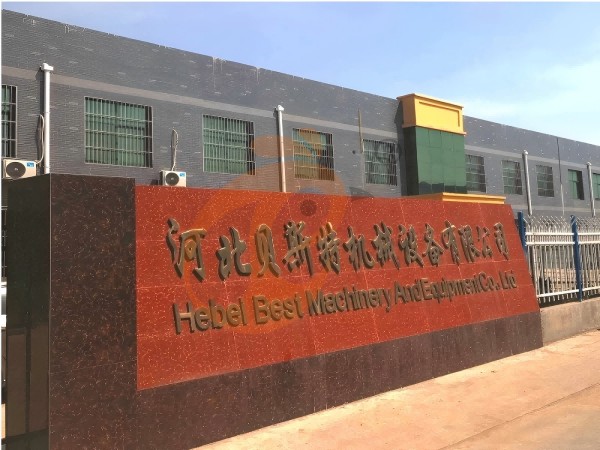
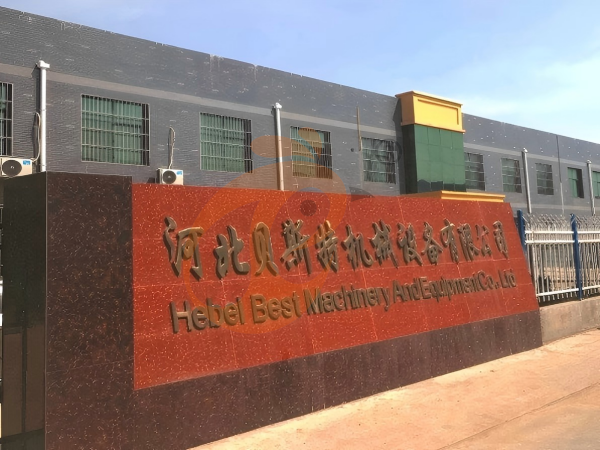
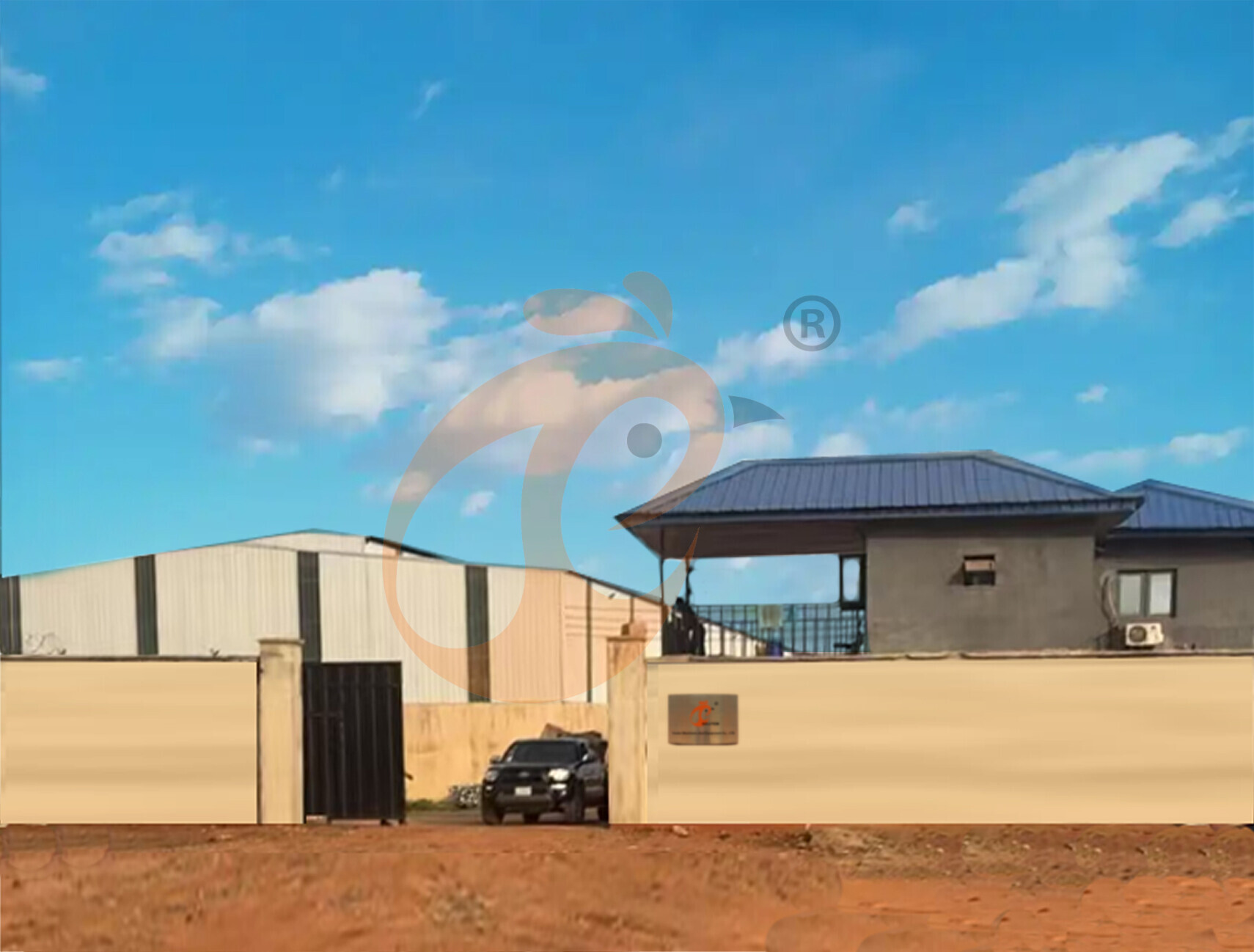
China Hebei Best Machinery And Equipment CO., LTD
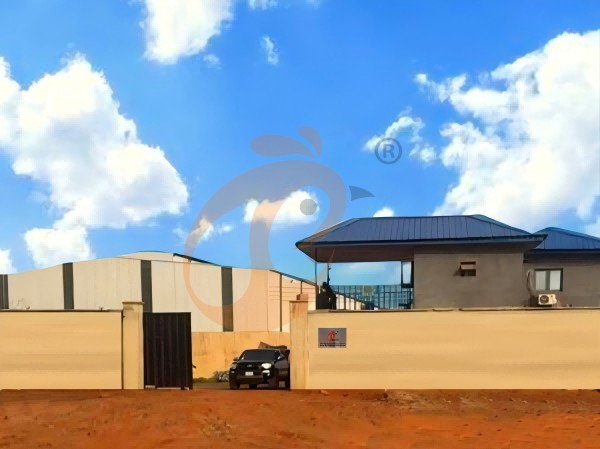
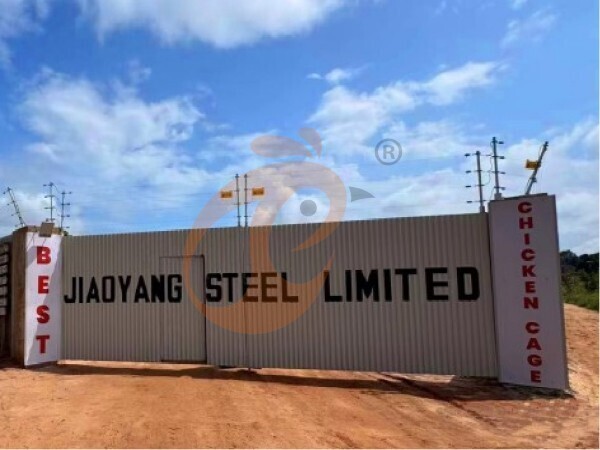
Nigeria Vanke Machinery And Equipment CO., LTD
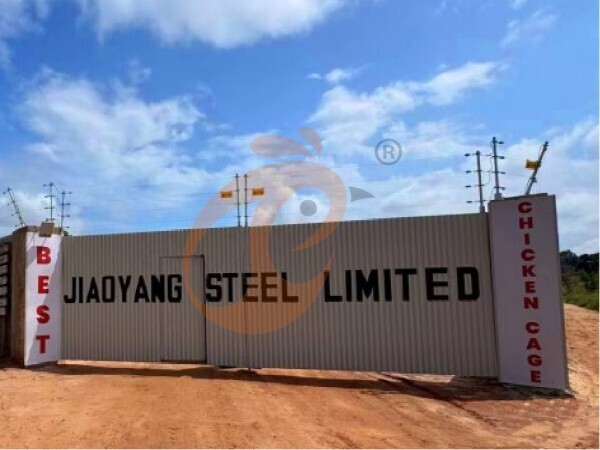
Tanzania Best Machinery And Equipment CO., LTD
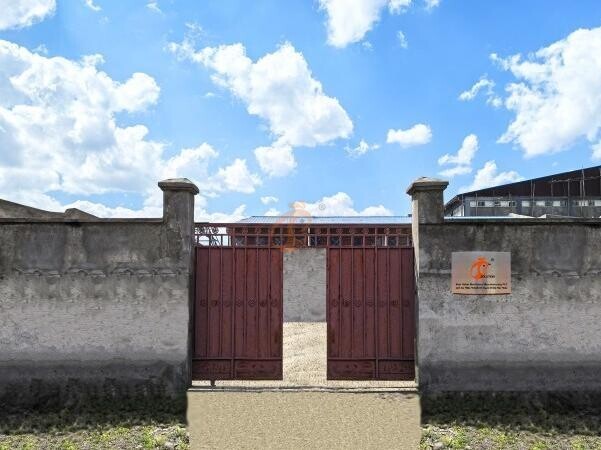
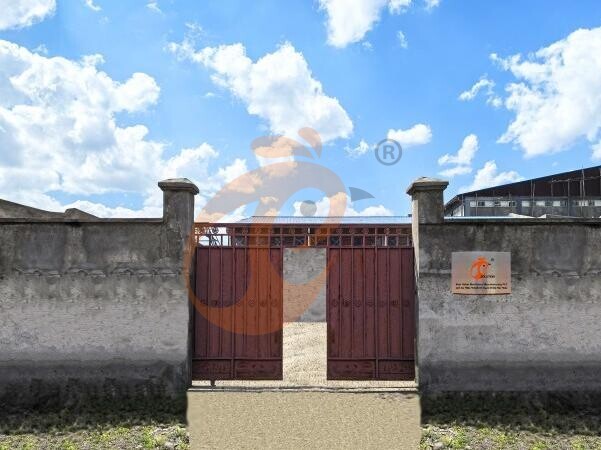
Ethiopia Best Hebei Machinery Manufacturing PLC
Reception /24 WhatsApp NO. : +8618830120193
FAQ
What Are The Main Equipment Components In Feed Mill And Feed Mixer Systems For Poultry Chicken Production?
Hammer mill units operate with rotor speeds of 2800–3600 rpm for efficient grain size reduction.
Twin-shaft mixers achieve batch capacities of 500–2000 kg per cycle for uniform poultry feed blending.
What Dust Control Requirements Are Needed In Feed Mill Operations For Poultry Chicken Farms?
Cyclone separators remove 85%–92% of airborne particles during grinding and conveying processes.
Negative pressure systems maintain airflow velocity between 0.8–1.2 m/s to prevent dust leakage.
What Temperature Parameters Are Used In Feed Mill Processing For Poultry Chicken Feed?
Conditioning temperature reaches 75–85°C to improve pellet durability and pathogen reduction.
Cooling stage reduces pellet temperature to within 5°C of ambient conditions for safe storage.
Message
Products recommended
 HK Headquarter Offers EU-standard Poultry Farm Solutions, Manufacture Poultry Farm Equipment1. Continuous communication with the EU and the US
2. China, Nigeria, Ethiopia, Tanzania branch companies and factories
3. The products’ quality is customized for local poultry farms
4. Poultry cage and poultry farm equipment stock for sale
5. 24 online reception Whatsapp NO. : +8618830120193,contact us to get full informationRead More China Branch Offer Poultry Farm Business Plan, Manufacture Poultry Farm Equipment1. Address: Flat/RM 2416, 24/F, Runxing Building, Youyi Nan Street, Shijiazhuang City, Hebei Province, China
2. Poultry cage and poultry farm equipment factory and stock for sale
3. Customized for local poultry farms
4. Quality and design are based on Euro
5. 24 online reception Whatsapp NO. : +8618830120193Read More Nigeria Branch Offer Poultry Farm Business Plan, Manufacture Poultry Farm Equipment1. Address: After Sinoma Office, 200 Meters Near Danco Filling Station, Lagos/Ibadan Expressway, Lagos State, Nigeria
2. Poultry cage and poultry farm equipment factory and stock for sale
3. Customized for Nigerian poultry farms
4. Quality and design are based on Euro
5. 24 online reception Whatsapp NO. : +8618830120193Read More Ethiopia Branch Offer Poultry Farm Business Plan, Manufacture Poultry Farm Equipment1. Address: Gelan Gura, Akaki-kaliti Sub City, Addis Ababa, Ethiopia
2. Poultry cage and poultry farm equipment stock for sale
3. Customized for Ethiopian poultry farms
4. Quality and design are based on Euro
5. 24 online reception Whatsapp NO. : +8618830120193, contact us to get price listRead More Tanzania Branch Offer Poultry Farm Business Plan, Manufacture Poultry Farm Equipment1. Address: No.8, Sova Road, Msufini, Mlandizi, Kibaha, Pwani, Tanzania
2. Poultry cage and poultry farm equipment factory and stock for sale
3. Customized for Tanzanian poultry farms
4. Quality and design are based on Euro
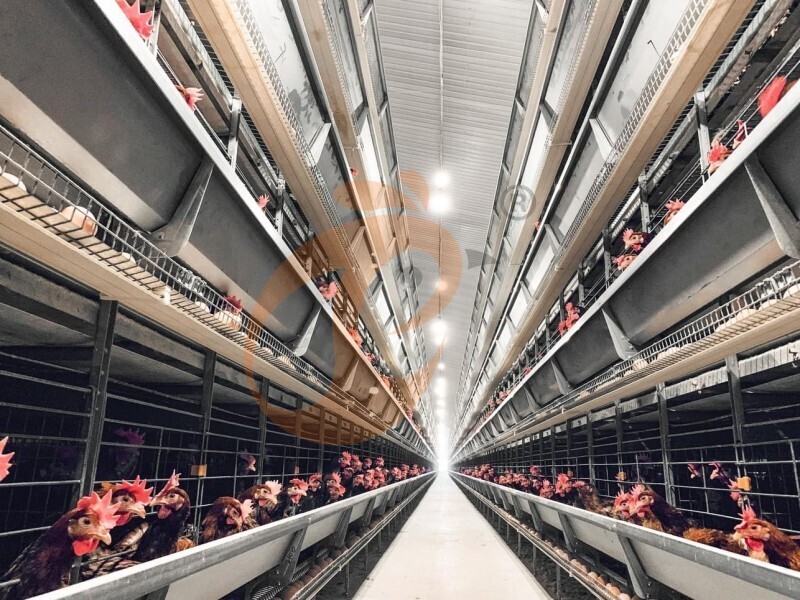
5. 24 online reception Whatsapp NO. : +8618830120193Read More Fully Automatic H Type Layer Chicken Cage1. 30,000-100,000+ layers/house chooses it, Poultry farmers can achieve an egg production rate of 96-98%
2. A significant improvement over the 85-90% typically seen in manual systems
3. A typical poultry farm can expect a 30-40% reduction in labor costs due to the automation
4. Each feeding line efficiently supplies feed to around 100,000 hens per 30 mins
5. Reception /WhatsApp NO. : +8618830120193Read More Fully Automatic A Type Layer Chicken Cage1. 10,000-50,000 layers/house chooses it
2. Cleaner egg collection reduces breakage by 0.5%
3. Improved hygiene helps reduce mortality rate to <3%
4. 1–2 technicians can handle 15,000–30,000 birds
5. Reception /WhatsApp NO. : +8618830120193Read More Semi Automatic H Type Layer Chicken Cage1. 1,00-20,000 layers/house chooses it
2. Nipple drinkers flow 30–60 ML / min
3. Hot-dip galvanized (typical coating ≥ 275 g/m²)
4. Reduce ammonia by ~ 35–40%
5. Reception /WhatsApp NO. : +8618830120193Read More Semi Automatic A Type Layer Chicken Cage1. 1,00-20,000 layers/house chooses it, no rust for 10 years, no deformation for 15 years
2. Chickens live comfortably, you can raise them with peace of mind
3. Save water, save money—efficiency you can measure
4. Improve environment quality, and increase egg production rate
5. Reception /WhatsApp NO. : +8618830120193Read More
By clicking 'Allow All', you agree to the storage of cookies on your device to enhance site navigation, analyze site usage and assist with our marketing efforts.