






Blog
A professional broiler chicken cage supplier provides integrated poultry housing, feeding, drinking, and manure management equipment for commercial farms.
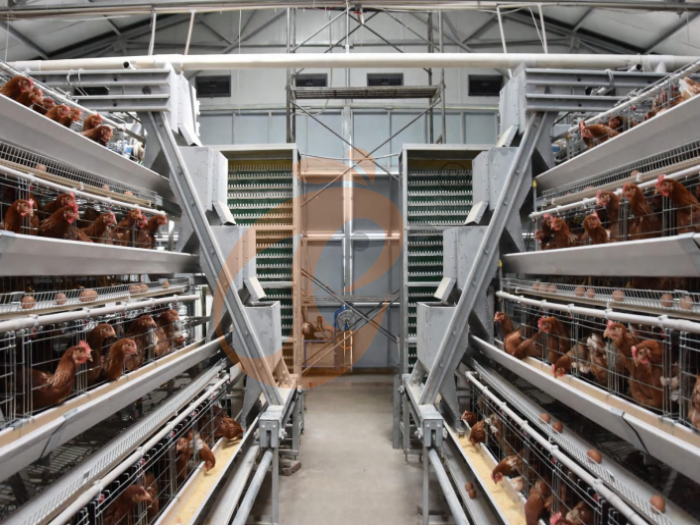
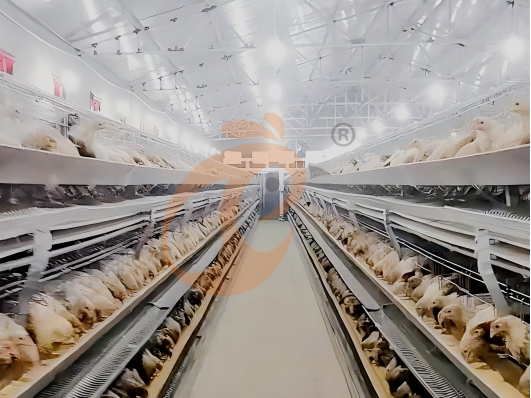
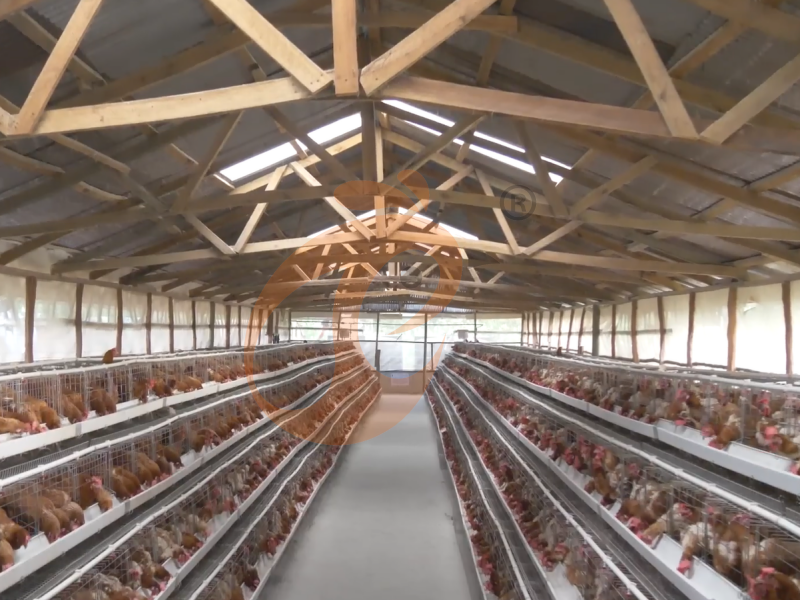
Cage configurations, including 3-tier and 4-tier systems, require accurate engineering assessments.
Automatic feeding systems combine motors, conveyors, feed hoppers, and distribution lines to support daily operations.
Drinking equipment integrates nipple drinkers, water pipes, pressure regulators, and filtration components.
Project-specific equipment packages help buyers coordinate installation, maintenance, and long-term investment planning.
Get professional poultry farm construction guidance, equipment selection solutions, and the latest price lists, whatsApp to +8618830120193, +2348111199996, or click to learn more.
Cage Dimensions And Capacity Specifications
Data is for reference only.Swipe horizontally to view full table.
Model A and Model B are illustrative configurations rather than verified specifications for a single manufacturer's products.
Confirm actual dimensions, bird capacity, stocking density, and installation requirements against approved drawings and applicable regulations.
A broiler chicken cage supplier should provide engineering drawings for each configuration, including dimensions, access routes, and equipment interfaces.
For example, a layout measuring 60 meters by 12 meters provides 720 square meters of gross floor area, while a 3-tier or 4-tier arrangement changes the usable equipment layout.
Confirm building clearance, ventilation distribution, and service access before approving the order.
Engineering Points For Complete Installation
Engineering Checklist
Building compatibility measure the poultry house, including clear spans of 12 meters or 15 meters where applicable, and verify the available installation height.
Structural design request steel specifications, welding inspection records, and documented load calculations for the broiler chicken cage structure.
Equipment integration coordinate feeding motors, drinking lines, manure belts, and ventilation controls before equipment manufacturing.
Electrical requirements confirm 220 v or 380 v supply and 50 hz or 60 hz frequency compatibility.
Maintenance access reserve service clearance around drive units, conveyor connections, and replaceable components.
Regulatory compliance verify local stocking-density requirements, fire regulations, electrical standards, and animal-welfare rules.
A professional broiler chicken cage manufacturer should review building drawings, equipment interfaces, and utility requirements before issuing the final quotation.
For example, a project with a 380 v 50 hz supply must confirm motor compatibility, while a house with 4 cage tiers requires careful review of upper-tier access and ventilation distribution.
These checks help prevent installation conflicts and unplanned modification costs.
Cage Materials And Structural Parameters
Data is for reference only.Swipe horizontally to view full table.
These values are illustrative procurement references and do not represent a verified product specification.
Confirm steel grade, coating mass, wire diameter, structural thickness, and service-life claims using the manufacturer's technical documentation.
Material specifications are important when selecting a broiler chicken cage for continuous commercial use.
A quotation may specify q235 steel, a zinc coating mass of 275 grams per square meter, wire diameters of 2.5 millimeters and 3.5 millimeters, and a frame thickness of 3 millimeters.
Buyers should verify the applicable test methods, corrosion protection process, and structural calculations rather than assuming that identical dimensions guarantee identical performance.
Automatic Feeding Equipment Specifications
Data is for reference only.Swipe horizontally to view full table.
Feed trough dimensions and motor specifications vary by model.
Feed distribution uniformity, hopper capacity, and operating schedules are illustrative selection targets that require confirmation from the actual equipment datasheet.
Automatic poultry feeding equipment can include feed hoppers, conveying lines, distribution troughs, drive motors, and control panels.
A 1.1 kilowatt motor and a 1,000 kilogram hopper may serve as preliminary quotation references, but the final selection depends on line length, feed characteristics, and required throughput.
For broiler chicken cage projects, request the manufacturer's rated conveying capacity, power consumption, cleaning procedure, and spare-parts list before comparing quotations.
Drinking System And Water Delivery Parameters
Data is for reference only.Swipe horizontally to view full table.
These are reference values for equipment evaluation.
Actual drinking pressure, pipe dimensions, filter rating, and nipple quantity must be matched to the selected product, water quality, and installation design.
A broiler chicken cage drinking system should combine compatible nipple drinkers, water pipes, regulators, filters, and flushing connections.
For preliminary engineering, a 22 by 22 millimeter square pipe, a 25 millimeter main line, and a 1.0 to 1.5 bar operating range can be considered as example parameters.
Final operating pressure must follow the drinker manufacturer's specifications and be checked at relevant points along the installed line.
Routine flushing and leak inspections help maintain consistent water delivery.
Manure Removal And Environmental Equipment Parameters
Data is for reference only.Swipe horizontally to view full table.
These are indicative equipment-selection values, not universal operating requirements.
Verify airflow at the specified static pressure, belt capacity, sensor accuracy, and cooling equipment dimensions against the actual product datasheets.
Compatible broiler chicken cage installations may use manure belts and conveyors to reduce manual waste handling.
A preliminary package might include a 500 to 800 millimeter belt, a 1,380 millimeter exhaust fan, and a cooling pad 150 millimeters thick.
However, the correct ventilation configuration depends on house dimensions, bird numbers, local climate, and pressure losses.
Ask the poultry equipment supplier to provide fan performance curves, motor data, belt specifications, and a ventilation calculation before final selection.
Equipment Combination Recommendations
Package A — Basic Configuration
Broiler chicken cages with suitable support structures and compatible accessories.
Feeding equipment with documented throughput and adjustable distribution components.
Nipple drinking lines with manufacturer-approved pressure settings.
Ventilation equipment sized for the building and production stage.
Package B — Labor-Saving Configuration
Multi-tier broiler chicken cage structures with approved installation drawings.
Automatic poultry feeding systems with conveying equipment and motor controls.
Pressure-regulated drinking systems with filtration and flushing connections.
Compatible manure belts, drive units, and removal conveyors.
Package C — Integrated Commercial Configuration
Engineered cage structures, support frames, and installation accessories.
Automatic feeding and centralized drinking equipment with coordinated controls.
Manure collection machinery and conveying systems matched to the layout.
Exhaust fans, cooling equipment, air inlets, and environmental controllers.
Electrical documentation, installation guidance, commissioning procedures, and maintenance manuals.
A broiler chicken cage equipment package should match the project capacity, building dimensions, and existing infrastructure.
For example, a project designed around 3-tier or 4-tier cages may require different equipment layouts, while 220 v or 380 v motor options must match the available electrical supply.
A detailed bill of materials should identify quantities, model numbers, optional components, and installation responsibilities.
This structure supports accurate purchasing and reduces the risk of incompatible equipment.
Procurement Workflow From Inquiry To Installation
Stage One — Project Assessment
Collect building drawings, target flock capacity, project location, electrical supply details, and preferred automation level.
Record building length, width, available height, and service access before selecting a broiler chicken cage configuration.
Stage Two — Engineering Proposal
Prepare equipment layouts and identify interfaces between automatic feeding systems, drinking lines, manure removal machinery, and ventilation equipment.
Check the proposed cage tiers, conveyor routes, and electrical connections against the building drawings.
Stage Three — Supplier Comparison
Request three comparable quotations where practical.
Compare equivalent equipment quantities, motor ratings, material specifications, delivery conditions, and warranty coverage.
Stage Four — Contract Confirmation
Document the final configuration, payment terms, delivery schedule, inspection requirements, and service responsibilities.
Specify model numbers, quantities, accessories, and any exclusions.
Stage Five — Installation And Commissioning
Conduct no-load checks followed by operating tests.
Where permitted by the manufacturer's procedures, a 30-minute motor test under an appropriate test load can form part of commissioning.
Record abnormal noise, overheating, vibration, and conveyor alignment.
Stage Six — Operator Training
Provide operating instructions, maintenance schedules, troubleshooting guidance, and spare-parts information before handover.
Confirm that operators understand the equipment's approved voltage, operating pressure, and cleaning requirements.
This procurement process helps buyers compare broiler chicken cage suppliers against documented requirements.
A complete technical file containing drawings, electrical specifications, operating instructions, and inspection records improves coordination between the manufacturer, installer, and farm operator.
Environmental Control Selection Parameters
Data is for reference only.Swipe horizontally to view full table.
These are illustrative equipment-selection targets rather than universal broiler-house settings.
Actual operating values depend on bird age, stocking conditions, climate, ventilation design, and the equipment manufacturer's specifications.
Environmental controls can coordinate ventilation, cooling, lighting, and selected monitoring functions within a broiler chicken cage project.
A preliminary equipment proposal might include a 1.1 kilowatt exhaust fan motor, a cooling pump rated at 10,000 liters per hour, and a controller with a 60-second sampling interval.
Confirm actual airflow, fan pressure performance, sensor calibration, and control compatibility before ordering.
Environmental settings should be established using appropriate poultry management guidance and project-specific engineering calculations.
Supplier Service And Delivery Specifications
Data is for reference only.Swipe horizontally to view full table.
These values are proposed procurement targets rather than verified commitments from a particular company.
Confirm production schedules, warranty coverage, service response times, and contractual responsibilities in writing.
After-sales support should be evaluated before purchasing a broiler chicken cage system.
A buyer may request a production schedule of 30 to 60 days, a 12-month warranty, and two technical drawing revisions as proposed contract terms.
Such targets must be agreed with the supplier and should not be presented as guaranteed company policies without confirmation.
International orders should also clarify packaging, shipping responsibilities, replacement parts, installation guidance, and the procedure for handling equipment defects.
Request A Broiler Chicken Cage Equipment Quotation
Selecting a broiler chicken cage supplier requires reviewing structural quality, engineering suitability, feeding performance, drinking equipment, manure management, automation, and service support.
Buyers should compare the actual equipment specifications and project scope rather than relying on promotional descriptions alone.
Our poultry equipment solutions can be configured around project requirements, from individual machinery purchases to coordinated equipment packages for new poultry houses and farm upgrades.
Depending on the selected design, a quotation can cover cage structures, feeding lines, nipple drinkers, manure removal systems, ventilation equipment, and installation accessories.
To prepare a suitable proposal, provide these four items
Poultry house drawings or building dimensions.
Target flock capacity and production requirements.
Project country and local electrical supply.
Preferred automation level and estimated investment budget.
Our team can review equipment compatibility, recommend suitable configurations, and prepare an itemized quotation for your broiler chicken cage project.
Please identify any required motor voltage, water pressure range, or preferred cage tier arrangement when submitting the inquiry.
Contact our poultry equipment team today to discuss your project and request a technical proposal.
Frequently Asked Questions
Q1: What should buyers check before purchasing a broiler chicken cage?
A1: Check cage dimensions, steel specifications, coating details, equipment compatibility, installation requirements, and warranty conditions.
Verify the approved drawings and product datasheets, including wire diameters, cage dimensions, and the proposed number of tiers.
Q2: Can automatic feeding and drinking systems be supplied together?
A2: Yes.
Compatible systems can be combined in a poultry equipment package.
Confirm the feeding line configuration, water pressure requirements, motor voltage, and installation scope before ordering.
For example, a 380 v motor must match the available site supply and applicable electrical requirements.
Q3: How can buyers compare broiler chicken cage suppliers?
A3: Compare equivalent equipment configurations, documented material specifications, delivery terms, and after-sales services.
Request an itemized quotation, a detailed bill of materials, and written warranty conditions.
A proposed 12-month warranty should be treated as a contractual term only after the supplier confirms it.
Taiyu (HK) Group - One Of China's Largest Broiler Chicken Cage Manufacturers
Broiler chicken cage systems integrate housing structures, feeding equipment, and drinking systems, with configurations engineered to suit individual poultry house layouts and specified production capacities.
Global factory-direct supply supports coordinated poultry equipment procurement, technical documentation, and project-specific equipment quotations.
Poultry equipment selections cover cage structures, automatic feeding systems, nipple drinking equipment, manure removal machinery, and environmental controls.
Turn-key engineering services coordinate project assessment, equipment configuration, manufacturing, delivery, installation guidance, and commissioning support.
International project coordination supports equipment specification reviews, spare-parts planning, and technical communication throughout procurement and installation.
Contact Us To Received Your Customized Poultry Farm Plan
Headquarters And Branchs

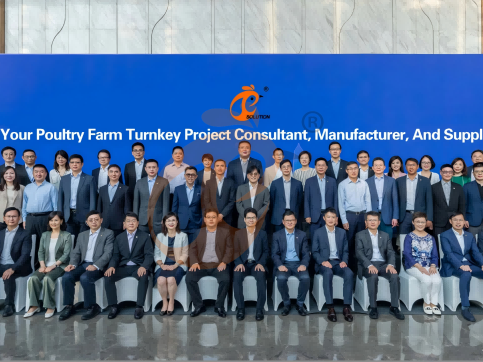
Hong Kong Headquarter Management Team
Hong Kong Headquarter Taiyu Industrial Group CO., LTD
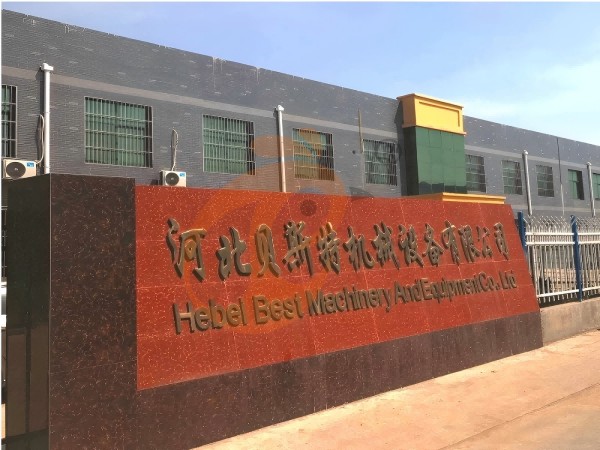
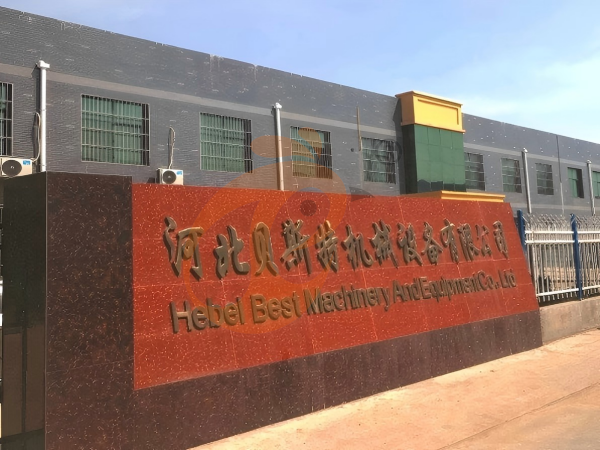
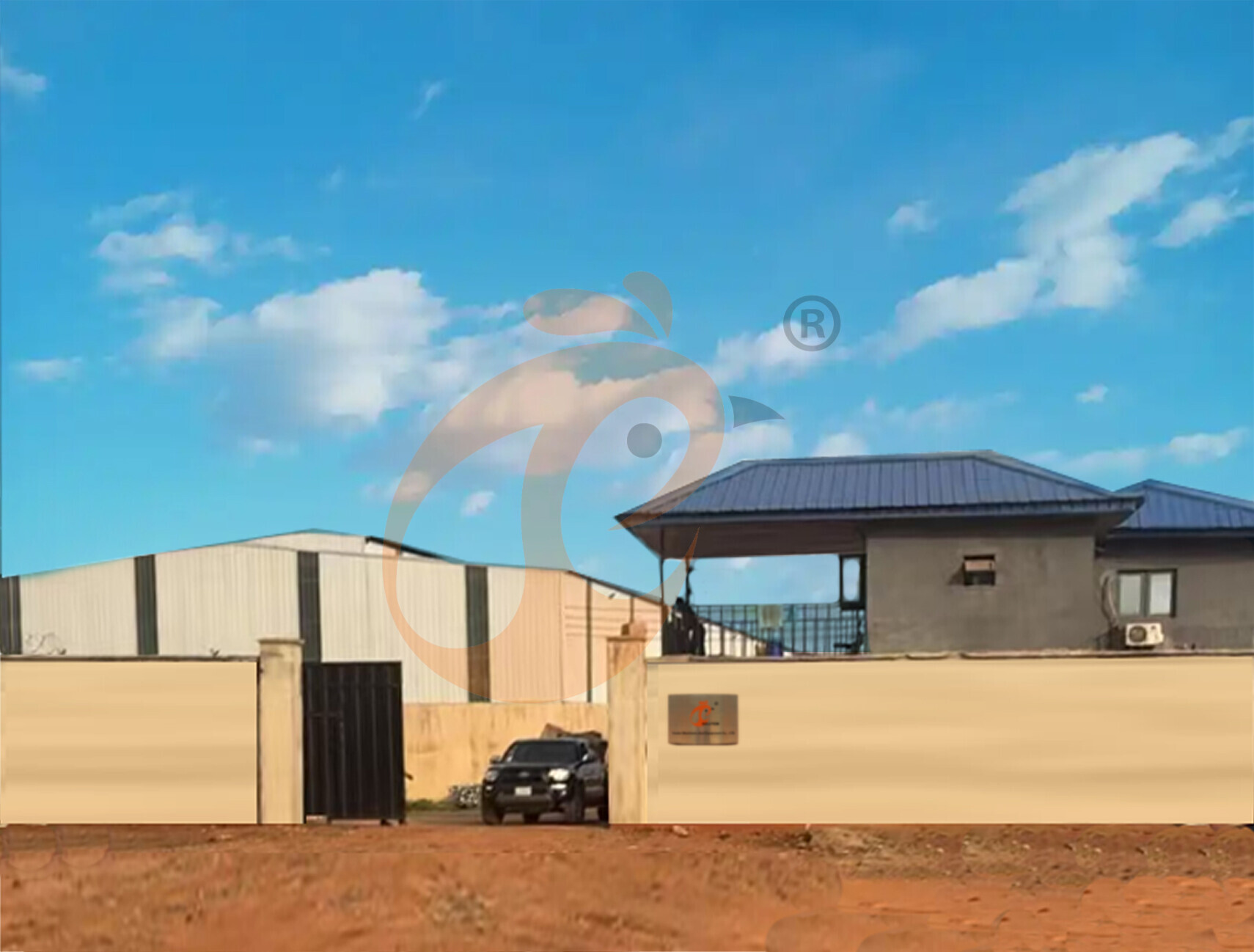
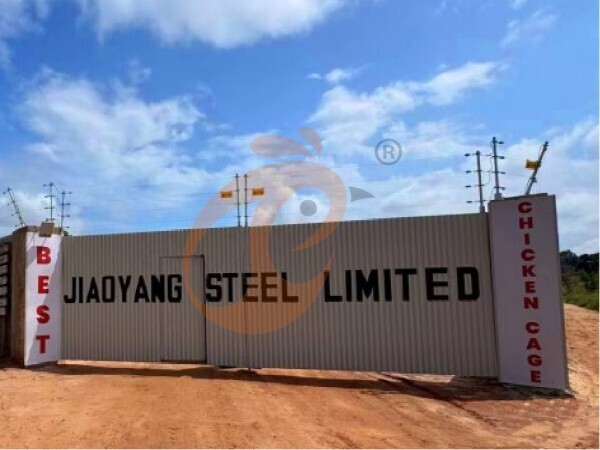
China Hebei Best Machinery And Equipment CO., LTD
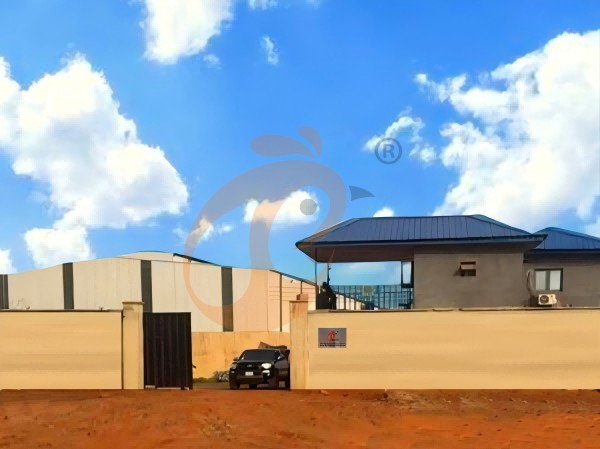
Nigeria Vanke Machinery And Equipment CO., LTD
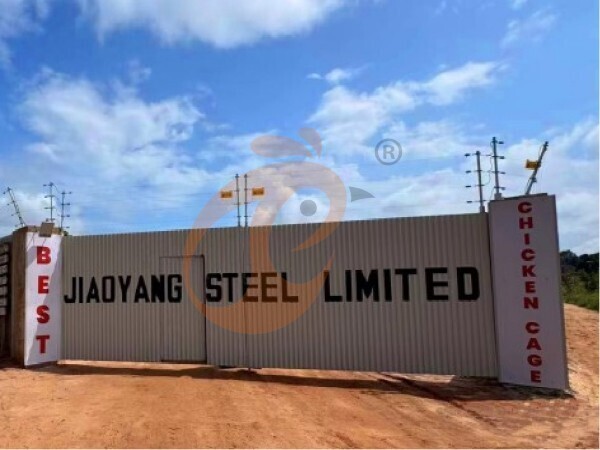
Tanzania Best Machinery And Equipment CO., LTD
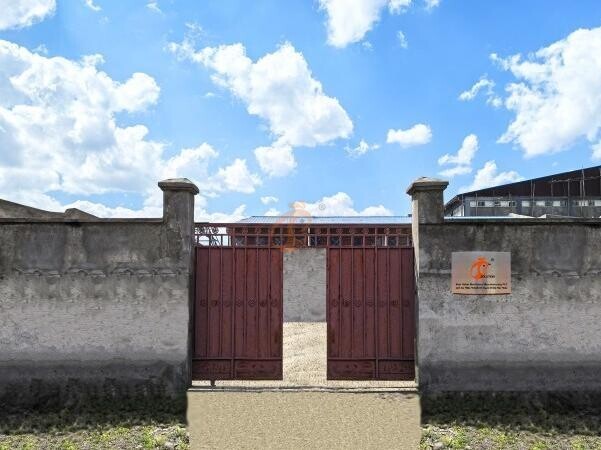
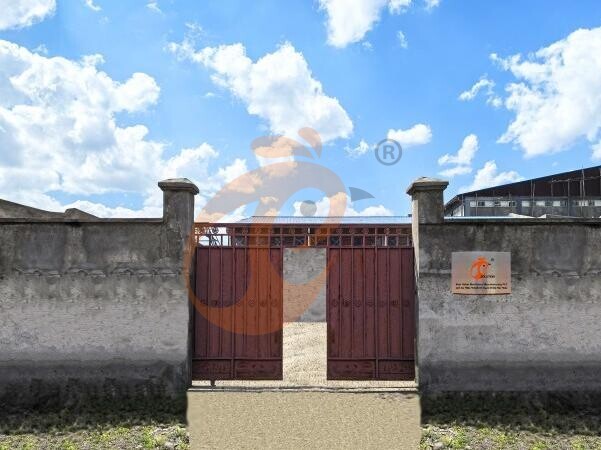
Ethiopia Best Hebei Machinery Manufacturing PLC
Reception /24 WhatsApp NO. : +8618830120193
FAQ
What Cage Structure Options Are Available For Broiler Chicken Cage Systems?
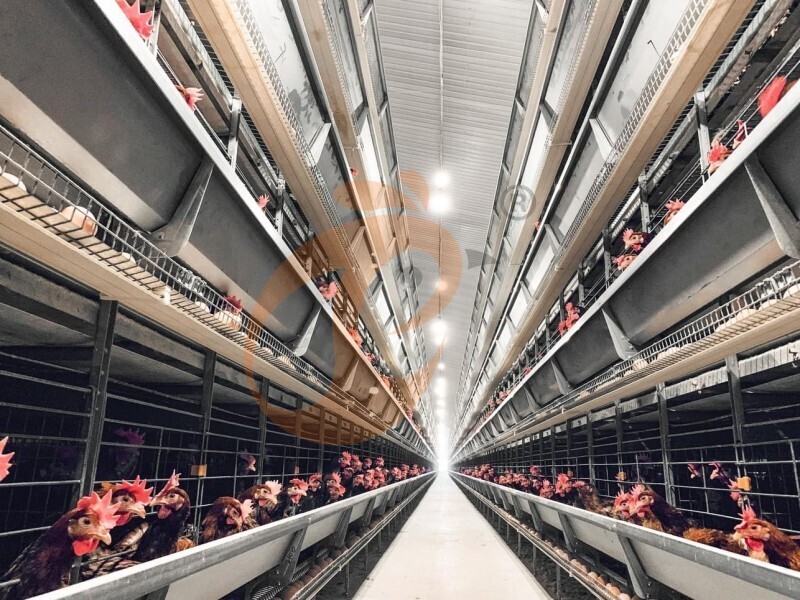
H-type cage systems are configured in 3–12 tiers accommodating 360–1440 birds per set for intensive farming operations.
Structural height ranges from 1.75–10.11 meters maximizing vertical space utilization and housing efficiency.
How Does Stocking Density Affect Broiler Chicken Cage Performance?
H-type systems maintain 500 cm² allocation per bird optimizing housing density and production output.
Bird distribution is balanced at 8 birds per compartment in partitioned cage configurations reducing competition.
Which Cage Dimensions Are Commonly Used In Broiler Chicken Cage Systems?
H-type cage modules measure 3.3 × 1.82 meters providing larger continuous housing sections.
Internal compartment height varies from 40–55 cm ensuring adequate bird activity and ventilation circulation.
- poultry equipment
- chicken cage
- poultry farm
- feeding equipment
- poultry farm
- poultry farm construction
- chicken cage manufacturer
- chicken cage equipment
- poultry equipment supplier
- poultry feeding equipment
- poultry feeding system
- automatic feeding system
- automatic poultry feeding system
- automatic poultry feeding equipment
- poultry house
- chicken cage supplier
- chicken cage system
- chicken cage installation
- chicken cage project
- broiler chicken cage
- broiler chicken cage supplier
- broiler chicken cage manufacturer
- automatic feeding equipment
- poultry house layout
- Ethiopia
- Nigeria
Message
Products recommended
 HK Headquarter Offers EU-standard Poultry Farm Solutions, Manufacture Poultry Farm Equipment1. Continuous communication with the EU and the US
2. China, Nigeria, Ethiopia, Tanzania branch companies and factories
3. The products’ quality is customized for local poultry farms
4. Poultry cage and poultry farm equipment stock for sale
5. 24 online reception Whatsapp NO. : +8618830120193,contact us to get full informationRead More China Branch Offer Poultry Farm Business Plan, Manufacture Poultry Farm Equipment1. Address: Flat/RM 2416, 24/F, Runxing Building, Youyi Nan Street, Shijiazhuang City, Hebei Province, China
2. Poultry cage and poultry farm equipment factory and stock for sale
3. Customized for local poultry farms
4. Quality and design are based on Euro
5. 24 online reception Whatsapp NO. : +8618830120193Read More Nigeria Branch Offer Poultry Farm Business Plan, Manufacture Poultry Farm Equipment1. Address: After Sinoma Office, 200 Meters Near Danco Filling Station, Lagos/Ibadan Expressway, Lagos State, Nigeria
2. Poultry cage and poultry farm equipment factory and stock for sale
3. Customized for Nigerian poultry farms
4. Quality and design are based on Euro
5. 24 online reception Whatsapp NO. : +8618830120193Read More Ethiopia Branch Offer Poultry Farm Business Plan, Manufacture Poultry Farm Equipment1. Address: Gelan Gura, Akaki-kaliti Sub City, Addis Ababa, Ethiopia
2. Poultry cage and poultry farm equipment stock for sale
3. Customized for Ethiopian poultry farms
4. Quality and design are based on Euro
5. 24 online reception Whatsapp NO. : +8618830120193, contact us to get price listRead More Tanzania Branch Offer Poultry Farm Business Plan, Manufacture Poultry Farm Equipment1. Address: No.8, Sova Road, Msufini, Mlandizi, Kibaha, Pwani, Tanzania
2. Poultry cage and poultry farm equipment factory and stock for sale
3. Customized for Tanzanian poultry farms
4. Quality and design are based on Euro
5. 24 online reception Whatsapp NO. : +8618830120193Read More Fully Automatic H Type Layer Chicken Cage1. 30,000-100,000+ layers/house chooses it, Poultry farmers can achieve an egg production rate of 96-98%
2. A significant improvement over the 85-90% typically seen in manual systems
3. A typical poultry farm can expect a 30-40% reduction in labor costs due to the automation
4. Each feeding line efficiently supplies feed to around 100,000 hens per 30 mins
5. Reception /WhatsApp NO. : +8618830120193Read More Fully Automatic A Type Layer Chicken Cage1. 10,000-50,000 layers/house chooses it
2. Cleaner egg collection reduces breakage by 0.5%
3. Improved hygiene helps reduce mortality rate to <3%
4. 1–2 technicians can handle 15,000–30,000 birds
5. Reception /WhatsApp NO. : +8618830120193Read More Semi Automatic H Type Layer Chicken Cage1. 1,00-20,000 layers/house chooses it
2. Nipple drinkers flow 30–60 ML / min
3. Hot-dip galvanized (typical coating ≥ 275 g/m²)
4. Reduce ammonia by ~ 35–40%
5. Reception /WhatsApp NO. : +8618830120193Read More Semi Automatic A Type Layer Chicken Cage1. 1,00-20,000 layers/house chooses it, no rust for 10 years, no deformation for 15 years
2. Chickens live comfortably, you can raise them with peace of mind
3. Save water, save money—efficiency you can measure
4. Improve environment quality, and increase egg production rate
5. Reception /WhatsApp NO. : +8618830120193Read More
By clicking 'Allow All', you agree to the storage of cookies on your device to enhance site navigation, analyze site usage and assist with our marketing efforts.