






Blog
Pellet machine safety protects poultry feed operators while supporting reliable production, equipment durability, and consistent feed quality across commercial poultry farms.
Properly selected feed pellet machines combine effective guarding, dependable controls, and practical maintenance access for demanding production environments.
Monitoring motor loads, vibration, and temperature helps operators identify abnormal conditions before equipment damage interrupts production.
Integrated poultry feed processing equipment connects grinding, mixing, pelletizing, cooling, and conveying into coordinated production systems.
Professional installation, operator training, and compatible spare parts strengthen workplace safety while helping poultry businesses achieve sustainable operating performance.
Get professional poultry farm construction guidance, equipment selection solutions, and the latest price lists, whatsApp to +8618830120193, +2348111199996, or click to learn more.
Understand Pellet Machine Hazards
Engineering parameters pellet machine selection
Operators should understand machine components, rated operating conditions, and protective systems before starting a feed pellet machine.
Data is for reference only.Swipe horizontally to view full table.
Actual feed pellet machine performance depends on feed formulation, moisture content, die configuration, and operating conditions.
For example, a 4 mm pellet die must match the machine model and specified die geometry.
Inspect protective guards, transmission components, electrical enclosures, and discharge openings before operation.
When purchasing a commercial feed pellet machine, evaluate safety provisions, maintenance accessibility, replacement parts, and technical support alongside production capacity.
Wear Appropriate Protective Equipment
Operator Exposure Parameters
Personal protective equipment reduces exposure to workplace hazards when selected according to a documented risk assessment.
Data is for reference only.Swipe horizontally to view full table.
These values reflect the niosh recommended exposure relationship rather than universal legal limits.
Operators may require safety glasses, suitable footwear, hearing protection, fitted clothing, and appropriate respiratory protection when working around a feed pellet machine.
A respirator with an assigned protection factor of 10 provides a designated level of respiratory protection when correctly selected, fitted, and used.
Dust extraction and combustible-dust controls remain important throughout poultry feed processing equipment installations.
Follow A Standardized Startup Procedure
Process Structure: Five Essential Actions
01 — Inspect
Check guards, fasteners, lubrication, and the surrounding work area before starting the feed pellet machine.
02 — Verify
Confirm that electrical controls and protective devices meet the manufacturer's requirements.
03 — Clear
Remove obstructions using approved procedures and appropriate energy isolation.
04 — Start
Follow the specified startup sequence and coordinate connected poultry feed processing equipment.
05 — Observe
Monitor vibration, noise, and material flow during initial operation.
A 5-minute observation period may serve as an internal commissioning checkpoint when approved by the manufacturer, but the period is not a universal safety requirement.
Never bypass safety interlocks or start a feed pellet machine while another worker performs exposed maintenance.
Integrated poultry feed production lines can simplify equipment coordination through professional installation and operator training.
Monitor Operating Conditions
Engineering Monitoring Parameters
Monitoring helps operators identify developing faults before equipment damage or production interruption occurs.
Data is for reference only.Swipe horizontally to view full table.
These values represent illustrative instrumentation ranges, not universal operating limits for every feed pellet machine.
A 45 kw motor must remain within manufacturer-approved operating limits even when pellet quality appears satisfactory.
Persistent overload, abnormal vibration, or excessive temperature requires investigation before production resumes.
Never clear blockages while machinery is running.
Suitable control panels, current monitoring, and temperature sensors can improve fault detection across commercial poultry feed processing equipment installations.
Apply Lockout/Tagout Before Maintenance
Energy Isolation Parameters
Cleaning, die replacement, roller adjustment, and repairs require effective control of hazardous energy.
Data is for reference only.Swipe horizontally to view full table.
These criteria must be applied through a machine-specific energy-control procedure.
A feed pellet machine with three independent energy sources, such as electrical power, pneumatic pressure, and stored mechanical energy, requires all identified sources to be addressed.
Follow the approved sequence notify personnel, stop equipment, isolate energy, apply locks and tags, control stored energy, verify isolation, and authorize restart only after maintenance is complete.
An emergency stop is not a substitute for energy isolation.
Accessible service points, compatible replacement dies, and documented maintenance procedures are important considerations when purchasing poultry feed processing equipment.
Build A Safety-First Operating Culture
Training Card: Essential Practices
Before operation review hazards and operating procedures
During production keep guards installed and report abnormal conditions
During cleaning follow approved isolation procedures
During maintenance restrict specialized work to authorized personnel
Before restarting confirm protective devices are restored
A 4-hour introductory training session may serve as an internal planning estimate, with additional instruction determined by machine complexity and operator competence.
Training should be documented and updated when equipment, job responsibilities, or workplace hazards change.
Poultry equipment suppliers can support customers through commissioning, operating manuals, maintenance demonstrations, and technical assistance.
Recommended Poultry Feed Equipment Combination
Integrated solution from raw materials to finished feed
A coordinated production line reduces unnecessary manual handling and simplifies production management.
Data is for reference only.Swipe horizontally to view full table.
These indicative ranges require verification against actual product specifications and operating conditions.
A typical poultry feed production line combines grinding, mixing, conditioning, pelletizing, cooling, conveying, and packaging.
For example, a pellet machine rated at 2 tonnes per hour may be limited by a mixer supplying only 1.5 tonnes per hour continuously.
Our poultry feed processing equipment solutions can be configured around production targets, feed formulations, available space, and maintenance requirements.
Pre-Operation Inspection Checklist
Inspection Parameters
A structured inspection helps operators identify visible defects before production begins.
Data is for reference only.Swipe horizontally to view full table.
These intervals are illustrative planning examples rather than universal legal requirements.
Do not operate a feed pellet machine with missing guards, failed protective functions, or unresolved dangerous faults.
Clear inspection instructions and accessible technical support help poultry farms maintain consistent operating standards.
How To Choose A Pellet Machine Supplier
Procurement Checklist
Capacity match equipment ratings to actual feed demand
Safety verify guarding and protective controls
Compatibility confirm auxiliary machine specifications
Maintenance check replacement-part availability
Documentation request operating and service manuals
Support confirm installation and after-sales services
A feed pellet machine's nominal capacity alone does not guarantee satisfactory performance across different feed formulations.
Our poultry equipment solutions range from individual pellet machines to complete feed processing lines, helping customers evaluate equipment compatibility, protective features, and maintenance requirements.
Common Mistakes And Corrective Actions
Maintenance planning parameters
Maintenance records help businesses organize spare parts and service activities.
Data is for reference only.Swipe horizontally to view full table.
These are illustrative planning values, not industry benchmarks.
Common mistakes include removing guards, ignoring abnormal vibration, installing incompatible replacement parts, and performing maintenance without effective isolation.
Document faults, corrective actions, and replaced components to identify recurring problems.
Reliable spare-parts supply and technical support can help poultry farms plan maintenance more effectively.
Frequently Asked Questions
Q1: What safety features should a feed pellet machine have?
A1: A feed pellet machine should have suitable guards, accessible emergency-stop controls, appropriate electrical protection, and clearly documented isolation procedures.
Q2: How do you select the right pellet machine capacity?
A2: Compare expected hourly demand with the rated capacity of the complete production line, including grinding, mixing, cooling, and packaging.
Q3: How often should pellet machines be inspected?
A3: Operators should perform the checks specified by the manufacturer before operation and follow documented maintenance schedules based on machine design and working conditions.
Taiyu (HK) Group - One Of China's Toppest Pellet Machine Manufacturer
Pellet machine solutions we supply poultry feed pellet machines with configurable motor power, die specifications, and production capacities to meet different feed processing requirements
Global factory direct sales our factory-direct supply model supports international buyers with equipment specifications, spare-parts coordination, and technical communication
Poultry equipment integration our product range covers feed grinders, mixers, pellet machines, coolers, conveyors, and packing equipment
Turn-key engineering we coordinate equipment selection, production-line configuration, installation planning, and commissioning support according to project requirements
Technical service we assist customers with operating guidance, maintenance planning, compatible replacement parts, and after-sales support for long-term equipment operation
Contact Us To Received Your Customized Poultry Farm Plan
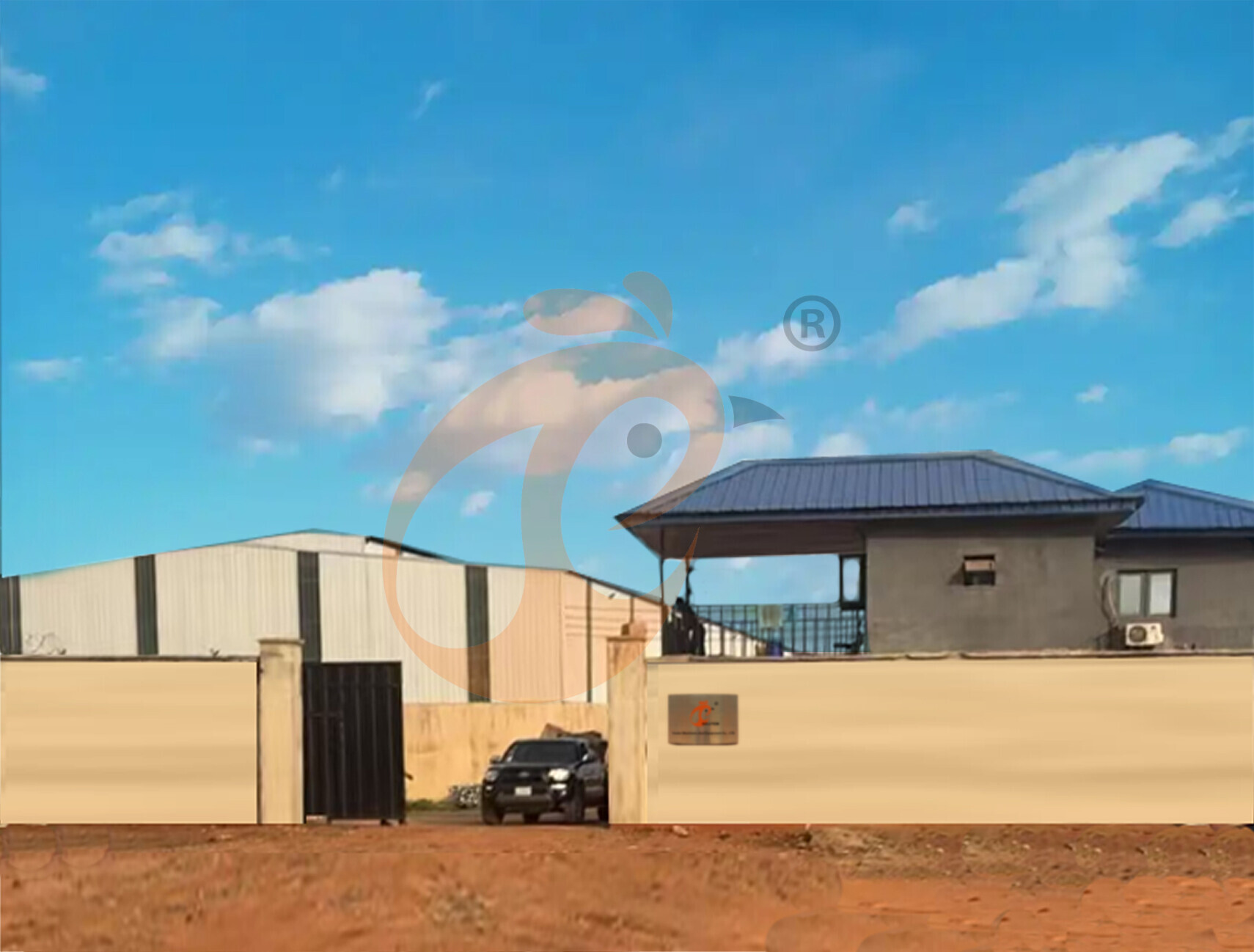
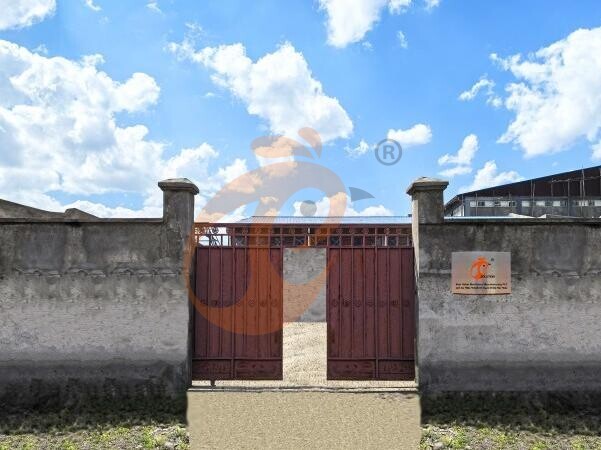
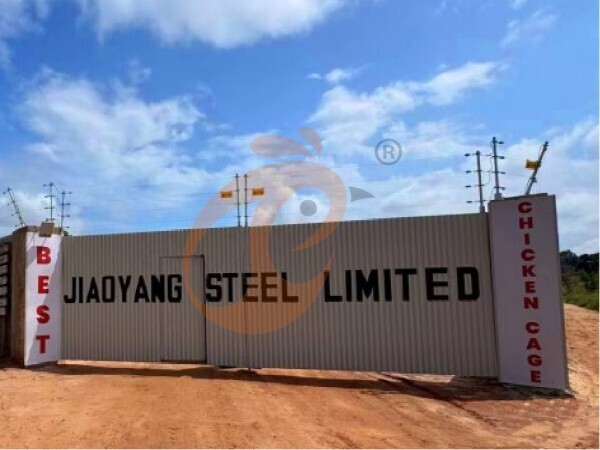
Headquarters And Branchs

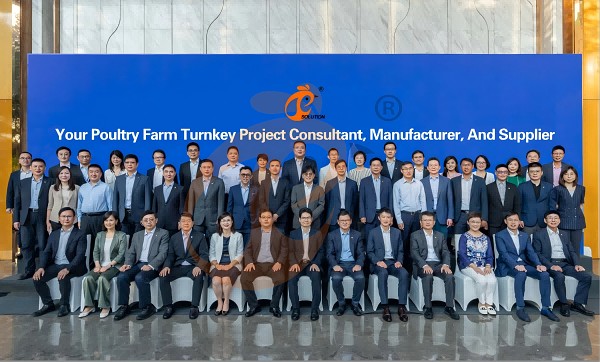
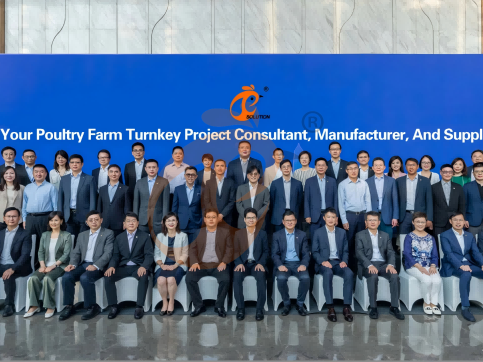
Hong Kong Headquarter Management Team
Hong Kong Headquarter Taiyu Industrial Group CO., LTD
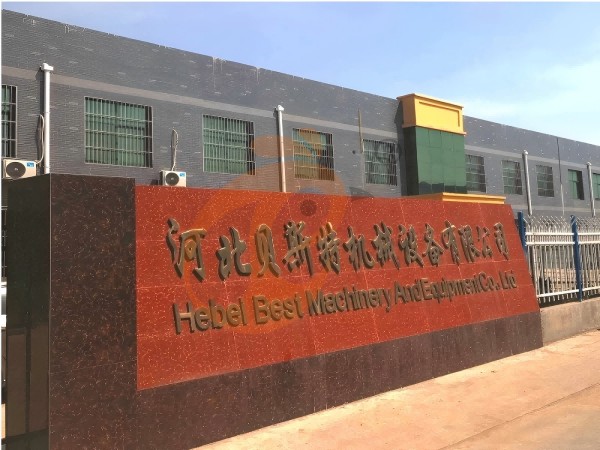
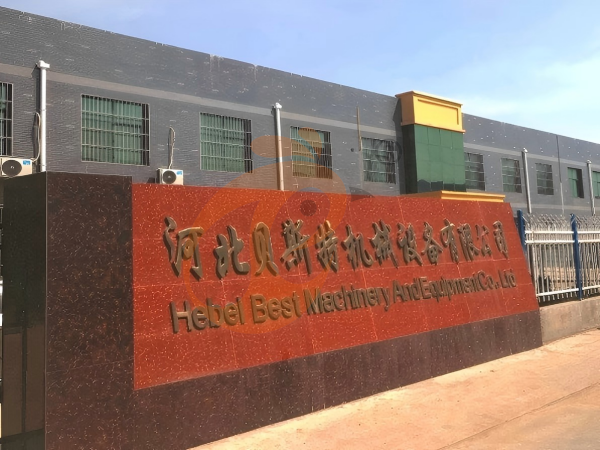
China Hebei Best Machinery And Equipment CO., LTD
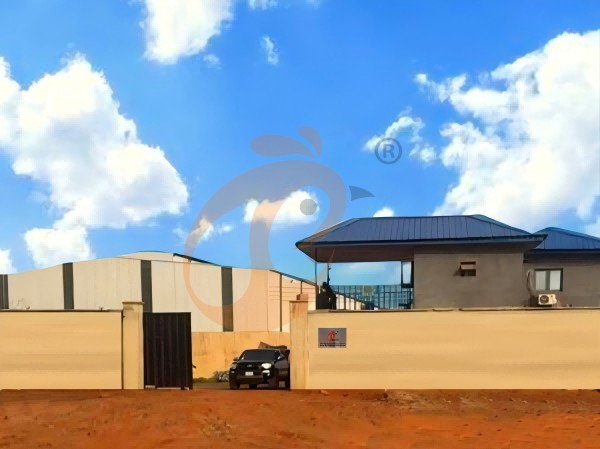
Nigeria Vanke Machinery And Equipment CO., LTD
Tanzania Best Machinery And Equipment CO., LTD
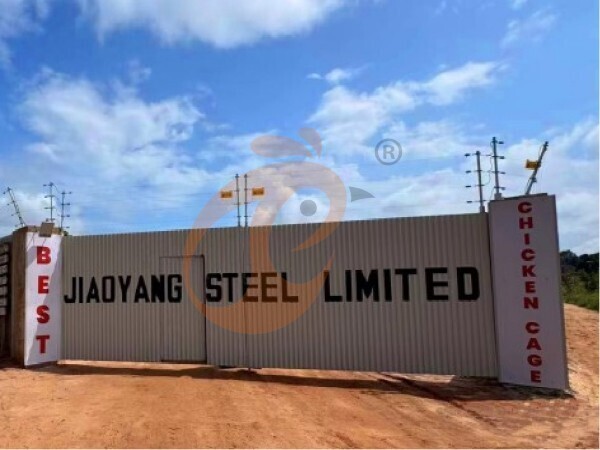
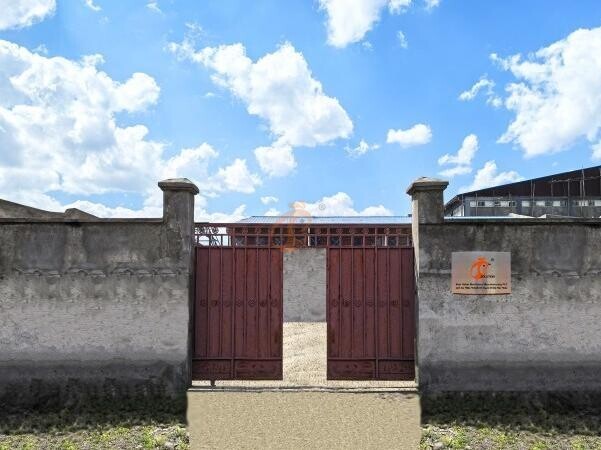
Ethiopia Best Hebei Machinery Manufacturing PLC
Reception /24 WhatsApp NO. : +8618830120193
FAQ
What Feeding System Standards Are Required For Pellet Machine In Poultry Chicken Feed Production Lines?
Feeder capacity is designed at 1.2–2.5 tons per hour depending on raw material density.
Flow consistency deviation is maintained within ±2% for uniform pellet quality output.
What Maintenance And Wear Part Replacement Standards Apply To Pellet Machine?
Bearing replacement intervals typically occur every 12–18 months under continuous operation.
Gearbox oil change frequency is maintained at 1000–1500 operating hours for system reliability.
What Safety Protection Systems Are Integrated In Pellet Machine For Poultry Chicken Feed Production?
Emergency stop response time is maintained within 0.5–1.0 seconds for operational safety.
Vibration monitoring limits are set at 4.5–6.0 mm/s to prevent mechanical failure.
Message
Products recommended
 HK Headquarter Offers EU-standard Poultry Farm Solutions, Manufacture Poultry Farm Equipment1. Continuous communication with the EU and the US
2. China, Nigeria, Ethiopia, Tanzania branch companies and factories
3. The products’ quality is customized for local poultry farms
4. Poultry cage and poultry farm equipment stock for sale
5. 24 online reception Whatsapp NO. : +8618830120193,contact us to get full informationRead More China Branch Offer Poultry Farm Business Plan, Manufacture Poultry Farm Equipment1. Address: Flat/RM 2416, 24/F, Runxing Building, Youyi Nan Street, Shijiazhuang City, Hebei Province, China
2. Poultry cage and poultry farm equipment factory and stock for sale
3. Customized for local poultry farms
4. Quality and design are based on Euro
5. 24 online reception Whatsapp NO. : +8618830120193Read More Nigeria Branch Offer Poultry Farm Business Plan, Manufacture Poultry Farm Equipment1. Address: After Sinoma Office, 200 Meters Near Danco Filling Station, Lagos/Ibadan Expressway, Lagos State, Nigeria
2. Poultry cage and poultry farm equipment factory and stock for sale
3. Customized for Nigerian poultry farms
4. Quality and design are based on Euro
5. 24 online reception Whatsapp NO. : +8618830120193Read More Ethiopia Branch Offer Poultry Farm Business Plan, Manufacture Poultry Farm Equipment1. Address: Gelan Gura, Akaki-kaliti Sub City, Addis Ababa, Ethiopia
2. Poultry cage and poultry farm equipment stock for sale
3. Customized for Ethiopian poultry farms
4. Quality and design are based on Euro
5. 24 online reception Whatsapp NO. : +8618830120193, contact us to get price listRead More Tanzania Branch Offer Poultry Farm Business Plan, Manufacture Poultry Farm Equipment1. Address: No.8, Sova Road, Msufini, Mlandizi, Kibaha, Pwani, Tanzania
2. Poultry cage and poultry farm equipment factory and stock for sale
3. Customized for Tanzanian poultry farms
4. Quality and design are based on Euro
5. 24 online reception Whatsapp NO. : +8618830120193Read More Fully Automatic H Type Layer Chicken Cage1. 30,000-100,000+ layers/house chooses it, Poultry farmers can achieve an egg production rate of 96-98%
2. A significant improvement over the 85-90% typically seen in manual systems
3. A typical poultry farm can expect a 30-40% reduction in labor costs due to the automation
4. Each feeding line efficiently supplies feed to around 100,000 hens per 30 mins
5. Reception /WhatsApp NO. : +8618830120193Read More Fully Automatic A Type Layer Chicken Cage1. 10,000-50,000 layers/house chooses it
2. Cleaner egg collection reduces breakage by 0.5%
3. Improved hygiene helps reduce mortality rate to <3%
4. 1–2 technicians can handle 15,000–30,000 birds
5. Reception /WhatsApp NO. : +8618830120193Read More Semi Automatic H Type Layer Chicken Cage1. 1,00-20,000 layers/house chooses it
2. Nipple drinkers flow 30–60 ML / min
3. Hot-dip galvanized (typical coating ≥ 275 g/m²)
4. Reduce ammonia by ~ 35–40%
5. Reception /WhatsApp NO. : +8618830120193Read More Semi Automatic A Type Layer Chicken Cage1. 1,00-20,000 layers/house chooses it, no rust for 10 years, no deformation for 15 years
2. Chickens live comfortably, you can raise them with peace of mind
3. Save water, save money—efficiency you can measure
4. Improve environment quality, and increase egg production rate
5. Reception /WhatsApp NO. : +8618830120193Read More
By clicking 'Allow All', you agree to the storage of cookies on your device to enhance site navigation, analyze site usage and assist with our marketing efforts.