


Blog
Automatic poultry water system buying guide covers hydraulic water delivery architecture, price benchmarking, cleaning protocols, and installation engineering parameters for commercial poultry farms
System design integrates controlled pressure distribution, flow rate regulation, and anti-contamination structure to support continuous poultry hydration stability
Engineering parameters include 15–35 Kpa operating pressure, 70–600 ml/min flow range, and pipeline layouts extending beyond 100 meters for industrial housing systems
Get professional poultry farm construction guidance, equipment selection solutions, and the latest price lists, whatsApp to +8618830120193, +2348111199996, or click to learn more.
System Architecture And Functional Classification
Understanding hydraulic classification is essential for selecting an automatic poultry water system aligned with stocking density and house geometry
Data is for reference only.swipe horizontally to view full table.
System architecture selection defines hydraulic stability across long poultry housing layouts exceeding 100 meters
Hydraulic And Structural Components
Component level engineering determines long term operational stability of poultry water supply systems
Data is for reference only.swipe horizontally to view full table.
Pipe contamination originates primarily from insufficient filtration before hydraulic distribution begins
Material Performance And Degradation Metrics
Material selection determines chemical resistance, UV stability, and microbial adhesion behavior in poultry water systems
Data is for reference only.swipe horizontally to view full table.
Low adhesion surface materials reduce sanitation frequency in high density poultry production environments
Capital Expenditure And System Pricing Model
Poultry water system price structure depends on hydraulic complexity, automation density, and pipeline extension length
Data is for reference only.swipe horizontally to view full table.
Automatic poultry water system price structure aligns directly with flock scale expansion requirements
Installation Engineering Parameters
Hydraulic installation accuracy determines pressure uniformity across poultry housing systems
Data is for reference only.swipe horizontally to view full table.
Improper slope control causes uneven hydraulic distribution in long poultry housing layouts
Cleaning Cycles And Microbial Control
Sanitation scheduling defines microbial load stability inside poultry drinking pipelines
Data is for reference only.swipe horizontally to view full table.
Water sanitation cycles directly affect intestinal stability in poultry production systems
Water Quality Engineering Standards
Water chemistry stability ensures metabolic consistency in poultry growth cycles
Data is for reference only.swipe horizontally to view full table.
Water chemistry imbalance reduces feed conversion efficiency in intensive poultry production systems
Operational Failure Modes And Diagnostics
Failure mode analysis supports preventive maintenance planning in poultry water system infrastructure
Data is for reference only.swipe horizontally to view full table.
Most system failures originate from delayed sanitation cycles in pipeline networks
System Selection Based On Farm Scale
System matching must align water demand scaling with flock size and housing configuration
Data is for reference only.swipe horizontally to view full table.
Water demand scaling increases sharply under heat stress conditions in poultry houses
Environmental Efficiency And Resource Optimization
Water loss control is a critical parameter in commercial poultry cost management systems.
Data is for reference only.swipe horizontally to view full table.
Water efficiency optimization directly improves large-scale poultry farm operating margins
Frequently Asked Questions
Q1: What is the optimal pressure range for automatic poultry water system operation?
A1: Optimal hydraulic operation requires 15–35 kPa in nipple line systems to ensure uniform flow distribution across long pipeline layouts
Q2: How often should automatic poultry water system pipelines be cleaned?
A2: Pipeline sanitation should be executed every 7 days with flushing and every 30 days with chemical disinfection to control microbial accumulation
Q3: What system is suitable for high density poultry farming operations?
A3: Nipple line systems provide stable flow distribution for stocking densities between 10–18 birds per square meter in commercial poultry housing
Taiyu (HK) Group - One Of China Biggest Automatic Poultry Water System Manufacturer
Automatic poultry water system engineered for commercial poultry drinking line infrastructure with precision hydraulic control and modular expansion design
Factory direct supply automatic poultry water system components covering nipple line, cup system, and gravity water distribution units for global poultry farms
Industrial poultry equipment integration including water line, feeding line, and ventilation system for large scale poultry production facilities
Turn key poultry engineering projects supporting house design, installation planning, and full hydraulic optimization for poultry farming systems
Export oriented poultry equipment manufacturing with standardized quality control for international commercial livestock infrastructure projects
Contact Us To Received Your Customized Poultry Farm Plan
Headquarters And Branchs

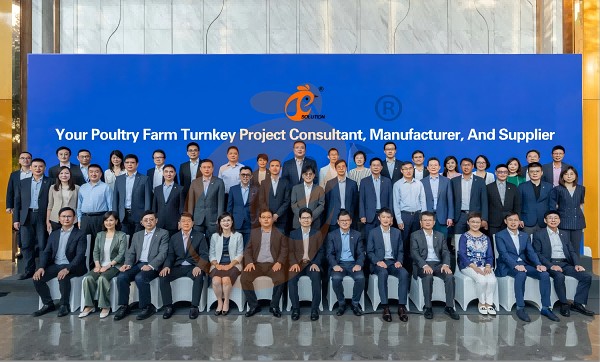
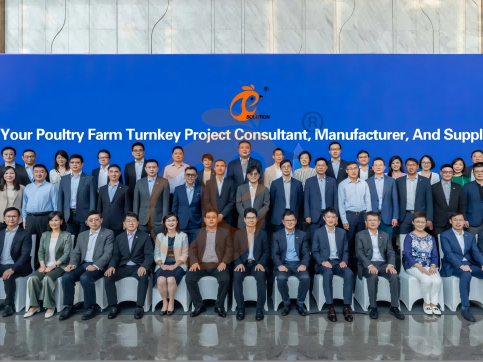
Hong Kong Headquarter Management Team
Hong Kong Headquarter Taiyu Industrial Group CO., LTD
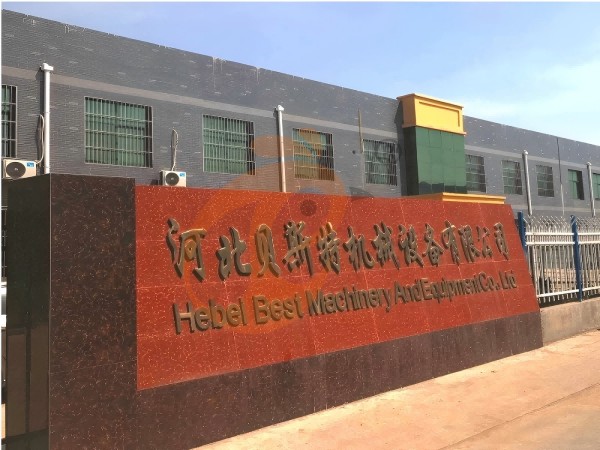
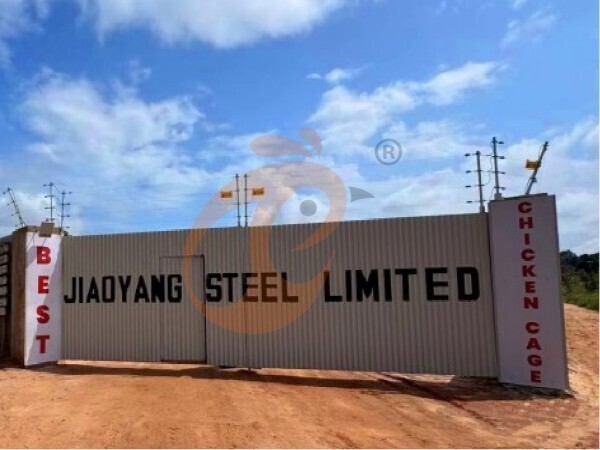
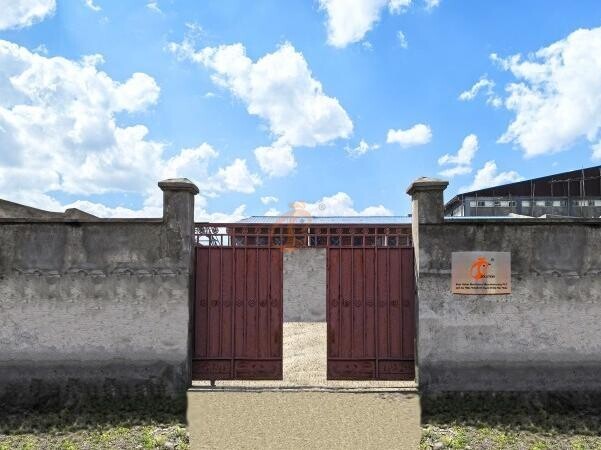
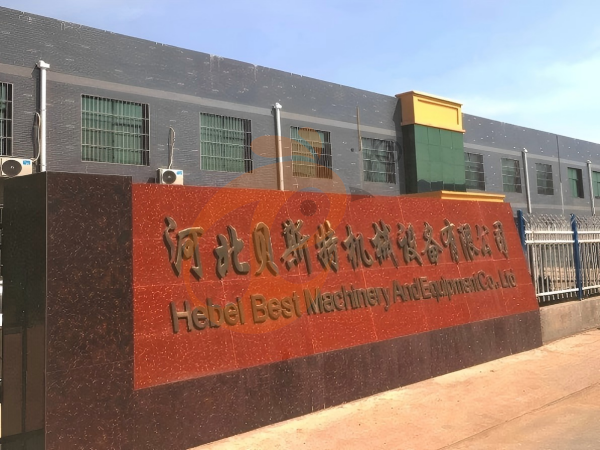
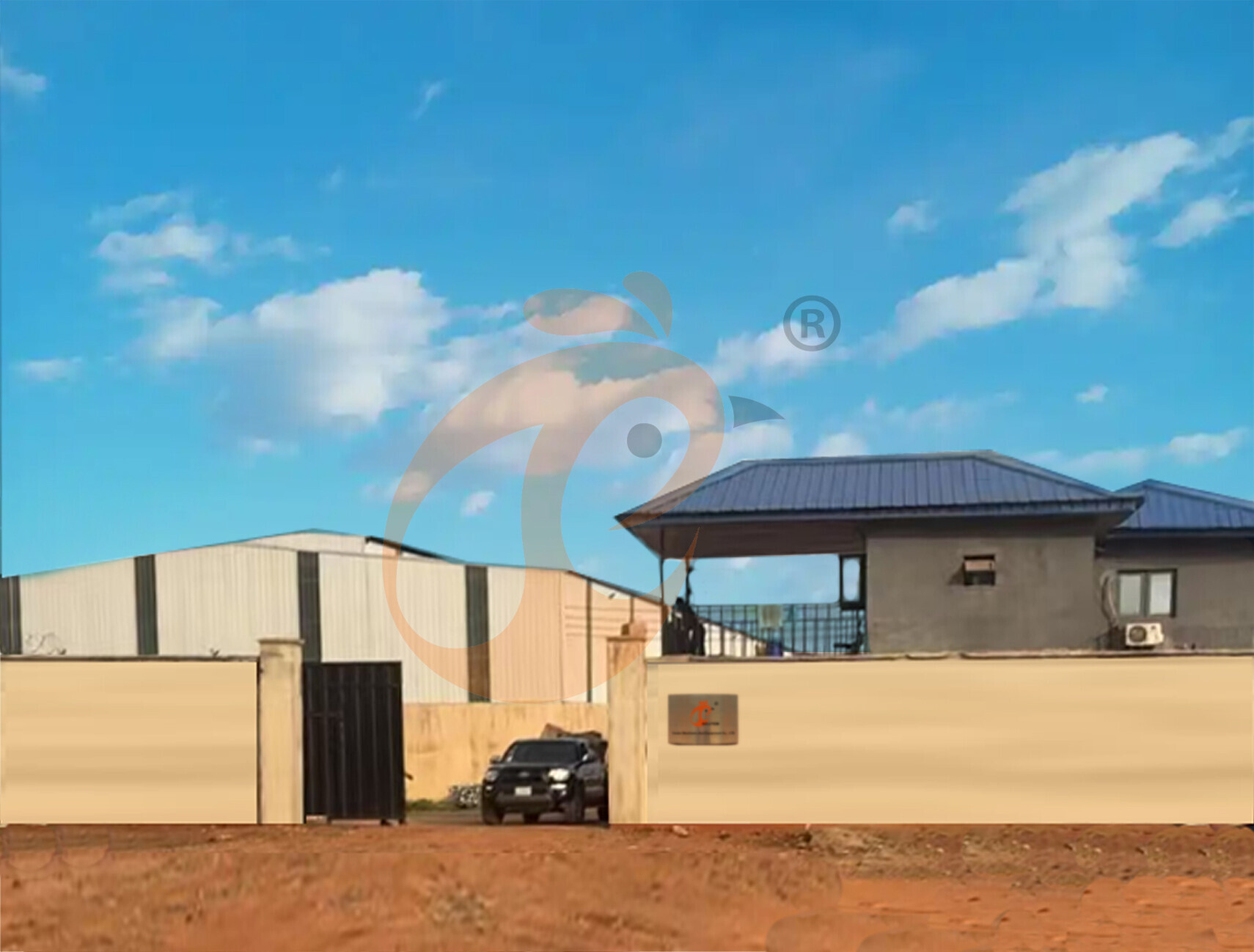
China Hebei Best Machinery And Equipment CO., LTD
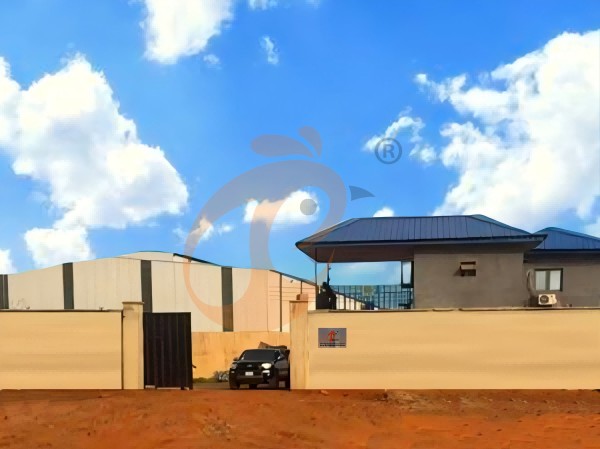
Nigeria Vanke Machinery And Equipment CO., LTD
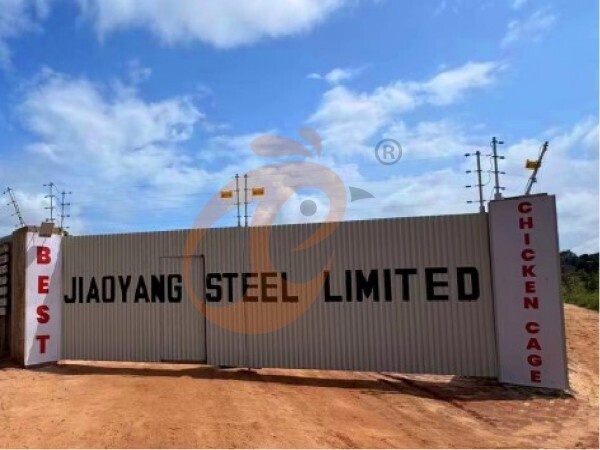
Tanzania Best Machinery And Equipment CO., LTD
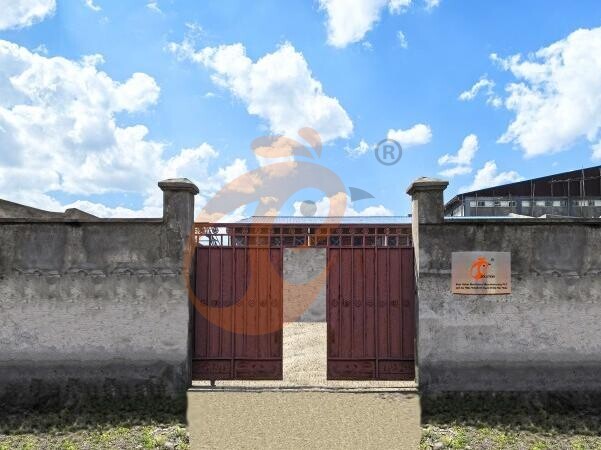
Ethiopia Best Hebei Machinery Manufacturing PLC
Reception /24 WhatsApp NO. : +8618830120193
FAQ
What Types Of Watering Systems Are Commonly Used In Poultry Farms?
Bell drinkers are suitable for floor systems, where one unit typically supports 50–80 birds and maintains a water depth of around 15–25 mm for stable access.
Cup drinking systems are designed for semi-automatic farms, with each cup serving 8–12 birds and maintaining a controlled water level of 10–15 mm to improve hygiene.
How To Choose The Right Watering System Capacity For A Poultry Farm?
Main pipeline diameters are usually designed between 25–40 mm, ensuring flow velocity remains within 0.3–0.6 meters per second for stable supply.
Water storage tanks should be sized to hold at least 1.5–2 days of supply, meaning a farm of 10,000 birds typically requires 3000–5000 liters.
What Are The Key Technical Parameters Of Nipple Drinking Systems?
Nipples are commonly made from stainless steel 304, providing corrosion resistance and a service life of approximately 8–10 years.
Trigger sensitivity is typically calibrated at 10–15 grams, allowing birds of different growth stages to access water efficiently.
Message
Products recommended
 HK Headquarter Offers EU-standard Poultry Farm Solutions, Manufacture Poultry Farm Equipment1. Continuous communication with the EU and the US
2. China, Nigeria, Ethiopia, Tanzania branch companies and factories
3. The products’ quality is customized for local poultry farms
4. Poultry cage and poultry farm equipment stock for sale
5. 24 online reception Whatsapp NO. : +8618830120193,contact us to get full informationRead More China Branch Offer Poultry Farm Business Plan, Manufacture Poultry Farm Equipment1. Address: Flat/RM 2416, 24/F, Runxing Building, Youyi Nan Street, Shijiazhuang City, Hebei Province, China
2. Poultry cage and poultry farm equipment factory and stock for sale
3. Customized for local poultry farms
4. Quality and design are based on Euro
5. 24 online reception Whatsapp NO. : +8618830120193Read More Nigeria Branch Offer Poultry Farm Business Plan, Manufacture Poultry Farm Equipment1. Address: After Sinoma Office, 200 Meters Near Danco Filling Station, Lagos/Ibadan Expressway, Lagos State, Nigeria
2. Poultry cage and poultry farm equipment factory and stock for sale
3. Customized for Nigerian poultry farms
4. Quality and design are based on Euro
5. 24 online reception Whatsapp NO. : +8618830120193Read More Ethiopia Branch Offer Poultry Farm Business Plan, Manufacture Poultry Farm Equipment1. Address: Gelan Gura, Akaki-kaliti Sub City, Addis Ababa, Ethiopia
2. Poultry cage and poultry farm equipment stock for sale
3. Customized for Ethiopian poultry farms
4. Quality and design are based on Euro
5. 24 online reception Whatsapp NO. : +8618830120193, contact us to get price listRead More Tanzania Branch Offer Poultry Farm Business Plan, Manufacture Poultry Farm Equipment1. Address: No.8, Sova Road, Msufini, Mlandizi, Kibaha, Pwani, Tanzania
2. Poultry cage and poultry farm equipment factory and stock for sale
3. Customized for Tanzanian poultry farms
4. Quality and design are based on Euro
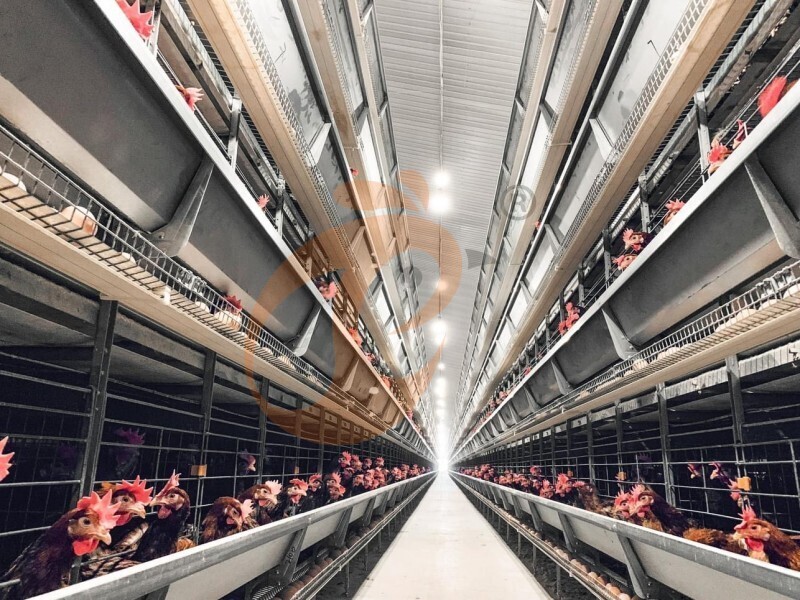
5. 24 online reception Whatsapp NO. : +8618830120193Read More Fully Automatic H Type Layer Chicken Cage1. 30,000-100,000+ layers/house chooses it, Poultry farmers can achieve an egg production rate of 96-98%
2. A significant improvement over the 85-90% typically seen in manual systems
3. A typical poultry farm can expect a 30-40% reduction in labor costs due to the automation
4. Each feeding line efficiently supplies feed to around 100,000 hens per 30 mins
5. Reception /WhatsApp NO. : +8618830120193Read More Fully Automatic A Type Layer Chicken Cage1. 10,000-50,000 layers/house chooses it
2. Cleaner egg collection reduces breakage by 0.5%
3. Improved hygiene helps reduce mortality rate to <3%
4. 1–2 technicians can handle 15,000–30,000 birds
5. Reception /WhatsApp NO. : +8618830120193Read More Semi Automatic H Type Layer Chicken Cage1. 1,00-20,000 layers/house chooses it
2. Nipple drinkers flow 30–60 ML / min
3. Hot-dip galvanized (typical coating ≥ 275 g/m²)
4. Reduce ammonia by ~ 35–40%
5. Reception /WhatsApp NO. : +8618830120193Read More Semi Automatic A Type Layer Chicken Cage1. 1,00-20,000 layers/house chooses it, no rust for 10 years, no deformation for 15 years
2. Chickens live comfortably, you can raise them with peace of mind
3. Save water, save money—efficiency you can measure
4. Improve environment quality, and increase egg production rate
5. Reception /WhatsApp NO. : +8618830120193Read More
By clicking 'Allow All', you agree to the storage of cookies on your device to enhance site navigation, analyze site usage and assist with our marketing efforts.