


Blog
Automatic poultry feeding system buying guide price optimization supports broiler layer breeder farm automation and reduces feed distribution variability across large scale poultry production environments
Integrated feed delivery system controls silo output auger transport chain distribution and pan feeding regulation for consistent flock intake
System architecture improves feed conversion efficiency reduces operational labor demand and stabilizes multi-house poultry farm production cycles
Designed for industrial poultry farms requiring scalable automation and long term mechanical reliability across varied production densities
Get professional poultry farm construction guidance, equipment selection solutions, and the latest price lists, whatsApp to +8618830120193, +2348111199996, or click to learn more.
Market Overview And System Architecture
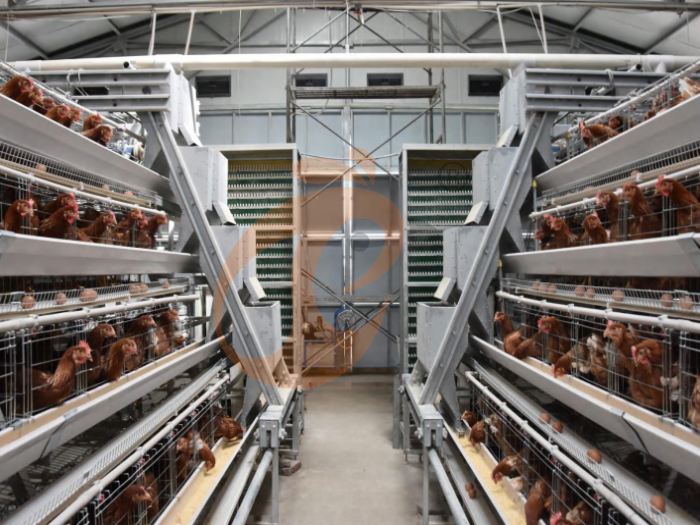
Automatic poultry feeding systems are deployed in broiler, layer, breeder, and mixed poultry farms with centralized feed logistics control.
System architecture integrates silo storage, auger transport, chain loop distribution, and pan feeding terminals for controlled rationing cycles.
Poultry feeding system price structure depends on feed throughput scale, house length, and automation integration level.
European union standard reference only applies to electrical and motor efficiency compliance.
Data is for reference only.Swipe horizontally to view full table.
Chain Feeding System Engineering Profile
Chain feeding systems operate through continuous loop mechanisms distributing feed along trough lines in long poultry houses.
System calibration ensures uniform feed allocation across broiler, layer, and breeder production zones.
Automatic poultry feeding system cost planning often includes chain system linear deployment design.
European union standard reference only applies to torque efficiency calibration.
Data is for reference only.Swipe horizontally to view full table.
Auger Feeding System Technical Configuration
Auger systems use enclosed spiral screw transport to deliver feed across controlled pipeline layouts in poultry houses.
System performance depends on rotational speed stability, pipe diameter, and feed density consistency.
Poultry feeding system cost optimization frequently evaluates auger systems for medium and large farm integration.
European union standard reference only applies to insulation performance compliance.
Data is for reference only.Swipe horizontally to view full table.
Pan Feeding System Operational Structure
Pan feeding systems distribute feed into calibrated feeding bowls regulating intake per bird cluster in broiler, layer, and breeder environments.
System adjustment controls feed depth and intake uniformity across flock cycles.
Automatic poultry feeding system buying guide price evaluation often includes pan system precision feeding capability.
European union standard reference only applies to corrosion resistance certification.
Data is for reference only.Swipe horizontally to view full table.
System Cost Structure Analysis
Automatic poultry feeding system cost is calculated per installed meter and full house integration scale.
Material selection includes galvanized steel frames and feed grade polymer components for long term farm use.
Poultry feeding system price variation reflects automation configuration and structural engineering complexity.
European union standard reference only applies to electrical consumption efficiency compliance.
Data is for reference only.Swipe horizontally to view full table.
Feed Efficiency And Waste Reduction Metrics
Feed efficiency directly impacts poultry farm profitability across broiler, layer, breeder, and mixed production cycles.
Automated systems stabilize feeding schedules and reduce spillage during high demand intake periods.
Automatic poultry feeding system cost models include feed conversion efficiency benchmarking across flock types.
European union standard reference only applies to measurement calibration systems.
Data is for reference only.Swipe horizontally to view full table.
Energy Consumption And System Load
Energy consumption is determined by motor configuration, feeding cycle frequency, and house structural length.
Industrial poultry farms implement centralized load control systems to stabilize operational efficiency.
Poultry feeding system cost planning includes long term electrical consumption analysis.
European union standard reference only applies to motor efficiency certification.
Data is for reference only.Swipe horizontally to view full table.
Market Search Demand And Procurement Trends
Industrial poultry farms compare automation systems across broiler, layer, breeder, and mixed poultry production environments.
Search behavior reflects investment planning for poultry feeding system price and lifecycle cost evaluation.
Automatic poultry feeding system buying guide cost analysis focuses on system integration and scalability.
Data is for reference only.Swipe horizontally to view full table.
Installation Engineering Requirements
Installation requires structural load evaluation, electrical routing configuration, and precise feed line alignment across poultry houses.
System calibration ensures uniform feed distribution across all production zones.
Poultry feeding system installation guide cost includes structural reinforcement engineering.
European union standard reference only applies to electrical safety compliance systems.
Data is for reference only.Swipe horizontally to view full table.
Maintenance Scheduling And Lifecycle Control
Preventive maintenance ensures continuous feed delivery stability across poultry production cycles.
System reliability depends on mechanical alignment, motor insulation, and chain tension calibration schedules.
Automatic poultry feeding system cost structure includes lifecycle maintenance planning.
European union standard reference only applies to diagnostic calibration systems.
Data is for reference only.Swipe horizontally to view full table.
Frequently Asked Questions
Q1: What determines automatic poultry feeding system cost in commercial farms?
A1: System cost is determined by house length, automation configuration, and material grade selection
Higher integration complexity increases installation engineering requirements and total investment structure
Q2: How does automatic poultry feeding system improve performance in mixed poultry farms?
A2: System stabilizes feed timing across broiler, layer, breeder populations simultaneously
Uniform distribution reduces feed segregation and improves flock production consistency
Q3: What is the operational difference between chain feeding and auger feeding systems?
A3: Chain feeding uses open trough loop distribution for long house layouts
Auger feeding uses enclosed pipeline transport for controlled feed dosing systems
Taiyu (HK) Group - One Of China Biggest Automatic Poultry Feeding System Manufacturer
Automatic poultry feeding system designed for broiler layer breeder mixed poultry production environments
Factory direct supply poultry equipment integrating feed silos auger systems chain feeding and pan feeding lines
Turn key poultry engineering covering poultry cage systems feeding automation and structural farm integration projects
Global poultry equipment manufacturing supporting galvanized corrosion resistant installation standards for industrial farms
Complete farm solution including system design production installation and export engineering service coverage
Contact Us To Received Your Customized Poultry Farm Plan
Headquarters And Branchs

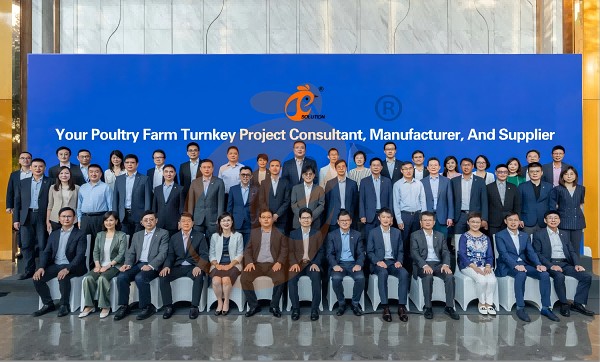
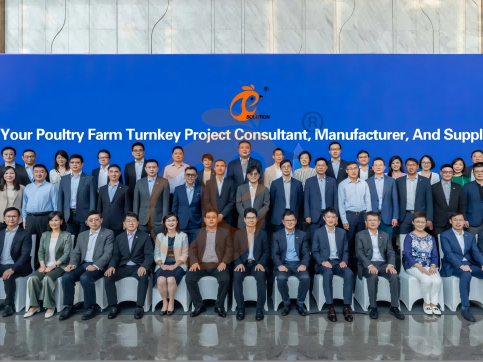
Hong Kong Headquarter Management Team
Hong Kong Headquarter Taiyu Industrial Group CO., LTD
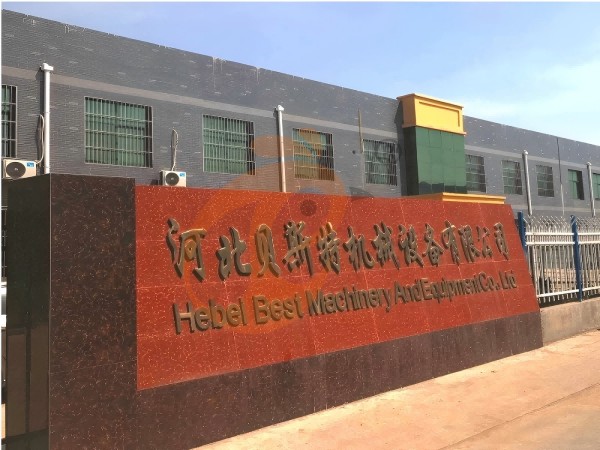
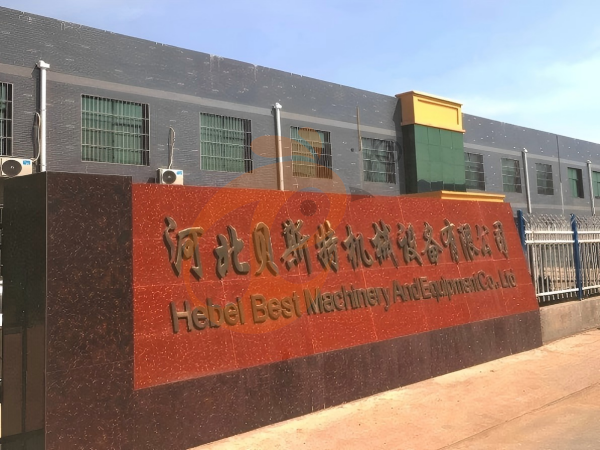
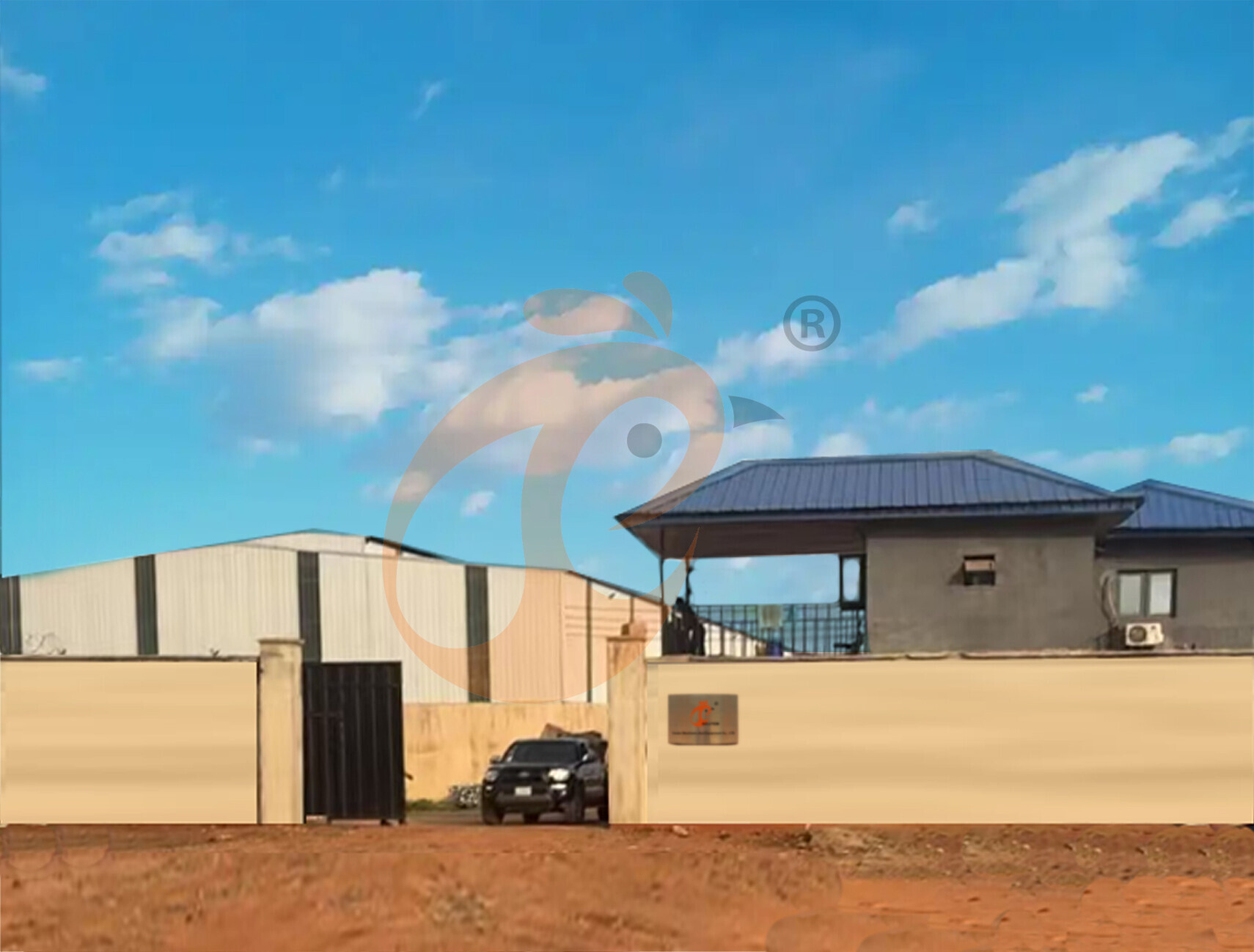
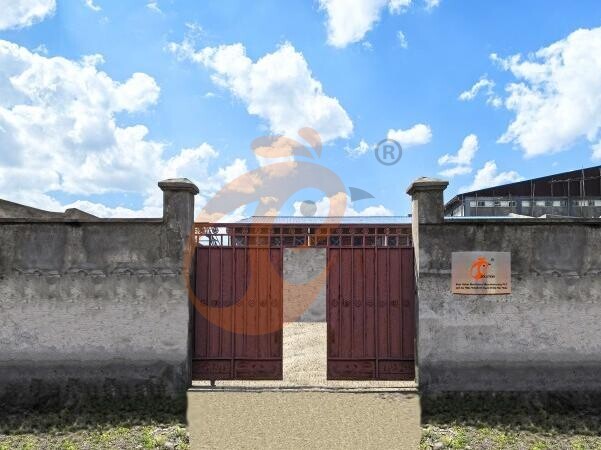
China Hebei Best Machinery And Equipment CO., LTD
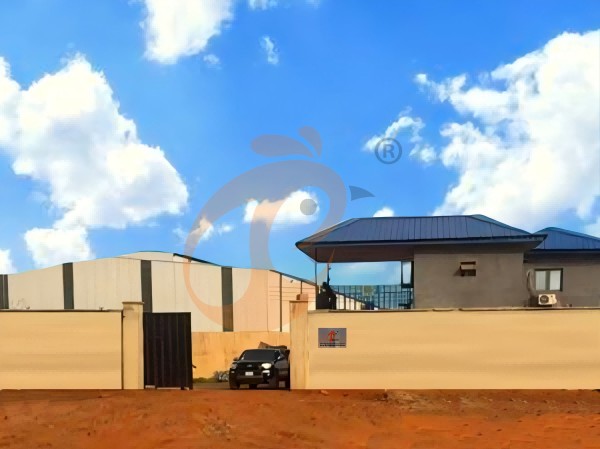
Nigeria Vanke Machinery And Equipment CO., LTD
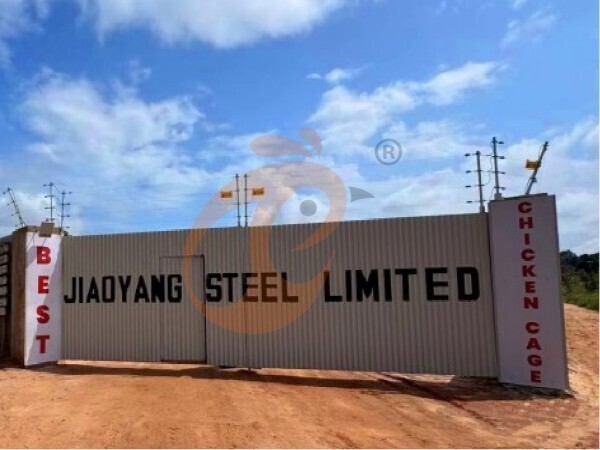
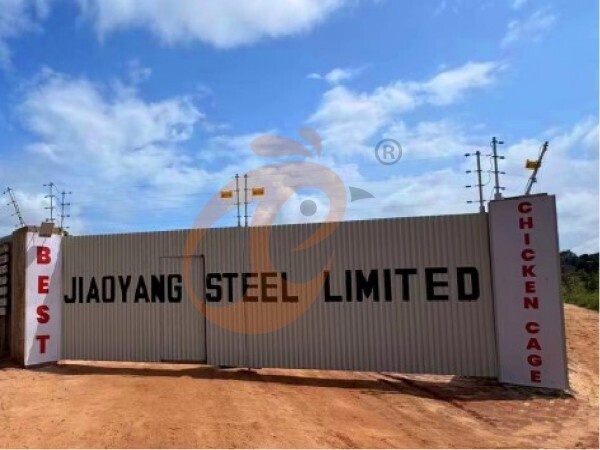
Tanzania Best Machinery And Equipment CO., LTD
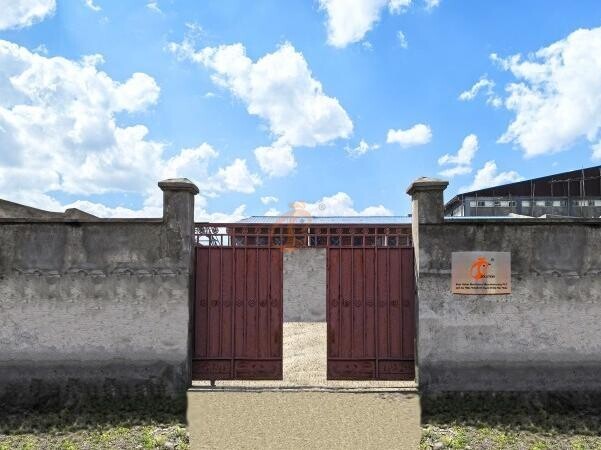
Ethiopia Best Hebei Machinery Manufacturing PLC
Reception /24 WhatsApp NO. : +8618830120193
FAQ
What Is Feeding System Capacity And Feed Distribution Precision In Poultry Chicken Farming?
Feeding line length spans 60 to 120 meters, with motor power 0.75 to 1.5 kw, achieving delivery speed 18 to 28 meters per minute, maintaining feed uniformity deviation below 5%, supporting stable daily gain performance across large scale broiler production units.
Hopper volume ranges 80 to 150 kg, with sensor controlled refill interval 20 to 40 minutes, maintaining continuous supply, avoiding starvation stress, enabling stocking density 16 to 22 birds per square meter under automated feeding regimes, improving production throughput efficiency.
How Does Feeding System Influence Feed Conversion Ratio And Growth Performance In Broiler Chicken Production?
Feed drop interval controlled within 2 to 5 hours, maintaining gut activity, optimizing digestion efficiency, resulting protein utilization rate reaching 62% to 68%, reducing mortality below 3% during full production cycle under precision feeding strategies.
System calibration maintains feed particle size 2 to 4 mm, minimizing segregation, ensuring consistent nutrient intake, supporting slaughter weight 2.2 to 2.8 kg within 35 to 42 days, enhancing production turnover and maximizing economic return per batch cycle.
What Are Technical Parameters Of Automated Feeding System Operation And Energy Consumption In Poultry Farms?
Chain feeding system speed controlled at 0.12 to 0.25 meters per second, ensuring smooth transport, minimizing mechanical wear, extending service life beyond 8 to 10 years under routine maintenance protocols, lowering long term capital replacement costs.
Environmental adaptability supports temperature range minus 10 to 45 degrees celsius, maintaining operational stability, humidity tolerance up to 85%, preventing corrosion and system failure, ensuring consistent feed delivery performance across diverse climatic poultry production regions.
Message
Products recommended
 HK Headquarter Offers EU-standard Poultry Farm Solutions, Manufacture Poultry Farm Equipment1. Continuous communication with the EU and the US
2. China, Nigeria, Ethiopia, Tanzania branch companies and factories
3. The products’ quality is customized for local poultry farms
4. Poultry cage and poultry farm equipment stock for sale
5. 24 online reception Whatsapp NO. : +8618830120193,contact us to get full informationRead More China Branch Offer Poultry Farm Business Plan, Manufacture Poultry Farm Equipment1. Address: Flat/RM 2416, 24/F, Runxing Building, Youyi Nan Street, Shijiazhuang City, Hebei Province, China
2. Poultry cage and poultry farm equipment factory and stock for sale
3. Customized for local poultry farms
4. Quality and design are based on Euro
5. 24 online reception Whatsapp NO. : +8618830120193Read More Nigeria Branch Offer Poultry Farm Business Plan, Manufacture Poultry Farm Equipment1. Address: After Sinoma Office, 200 Meters Near Danco Filling Station, Lagos/Ibadan Expressway, Lagos State, Nigeria
2. Poultry cage and poultry farm equipment factory and stock for sale
3. Customized for Nigerian poultry farms
4. Quality and design are based on Euro
5. 24 online reception Whatsapp NO. : +8618830120193Read More Ethiopia Branch Offer Poultry Farm Business Plan, Manufacture Poultry Farm Equipment1. Address: Gelan Gura, Akaki-kaliti Sub City, Addis Ababa, Ethiopia
2. Poultry cage and poultry farm equipment stock for sale
3. Customized for Ethiopian poultry farms
4. Quality and design are based on Euro
5. 24 online reception Whatsapp NO. : +8618830120193, contact us to get price listRead More Tanzania Branch Offer Poultry Farm Business Plan, Manufacture Poultry Farm Equipment1. Address: No.8, Sova Road, Msufini, Mlandizi, Kibaha, Pwani, Tanzania
2. Poultry cage and poultry farm equipment factory and stock for sale
3. Customized for Tanzanian poultry farms
4. Quality and design are based on Euro
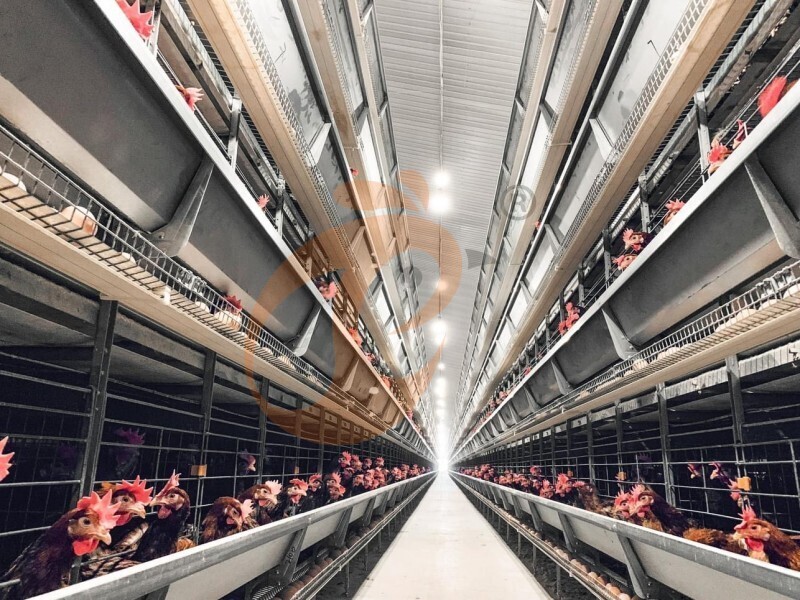
5. 24 online reception Whatsapp NO. : +8618830120193Read More Fully Automatic H Type Layer Chicken Cage1. 30,000-100,000+ layers/house chooses it, Poultry farmers can achieve an egg production rate of 96-98%
2. A significant improvement over the 85-90% typically seen in manual systems
3. A typical poultry farm can expect a 30-40% reduction in labor costs due to the automation
4. Each feeding line efficiently supplies feed to around 100,000 hens per 30 mins
5. Reception /WhatsApp NO. : +8618830120193Read More Fully Automatic A Type Layer Chicken Cage1. 10,000-50,000 layers/house chooses it
2. Cleaner egg collection reduces breakage by 0.5%
3. Improved hygiene helps reduce mortality rate to <3%
4. 1–2 technicians can handle 15,000–30,000 birds
5. Reception /WhatsApp NO. : +8618830120193Read More Semi Automatic H Type Layer Chicken Cage1. 1,00-20,000 layers/house chooses it
2. Nipple drinkers flow 30–60 ML / min
3. Hot-dip galvanized (typical coating ≥ 275 g/m²)
4. Reduce ammonia by ~ 35–40%
5. Reception /WhatsApp NO. : +8618830120193Read More Semi Automatic A Type Layer Chicken Cage1. 1,00-20,000 layers/house chooses it, no rust for 10 years, no deformation for 15 years
2. Chickens live comfortably, you can raise them with peace of mind
3. Save water, save money—efficiency you can measure
4. Improve environment quality, and increase egg production rate
5. Reception /WhatsApp NO. : +8618830120193Read More
By clicking 'Allow All', you agree to the storage of cookies on your device to enhance site navigation, analyze site usage and assist with our marketing efforts.