


Blog
Ethiopian poultry farming is rapidly adopting H-type chicken cage systems to improve poultry feed efficiency, egg production, and farm profitability.
This article explores land utilization, vertical cage stacking, and labor automation benefits that enhance farm efficiency in Ethiopia.
Readers will learn about climate adaptation, disease control, water conservation, manure management, egg quality, and scalable commercial strategies.
Get professional poultry farm construction guidance, equipment selection solutions, and the latest price lists, whatsApp to +8618830120193, click to learn more.

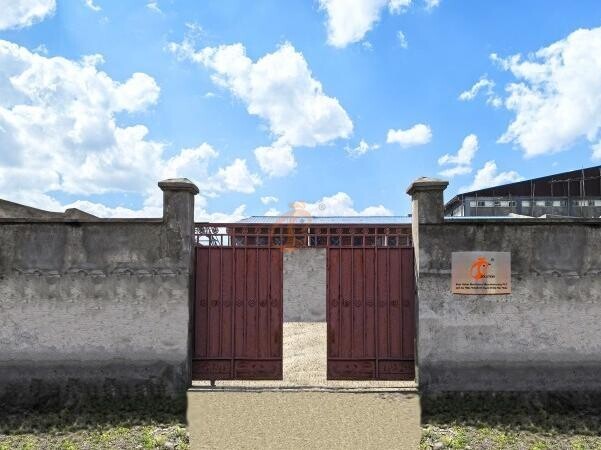
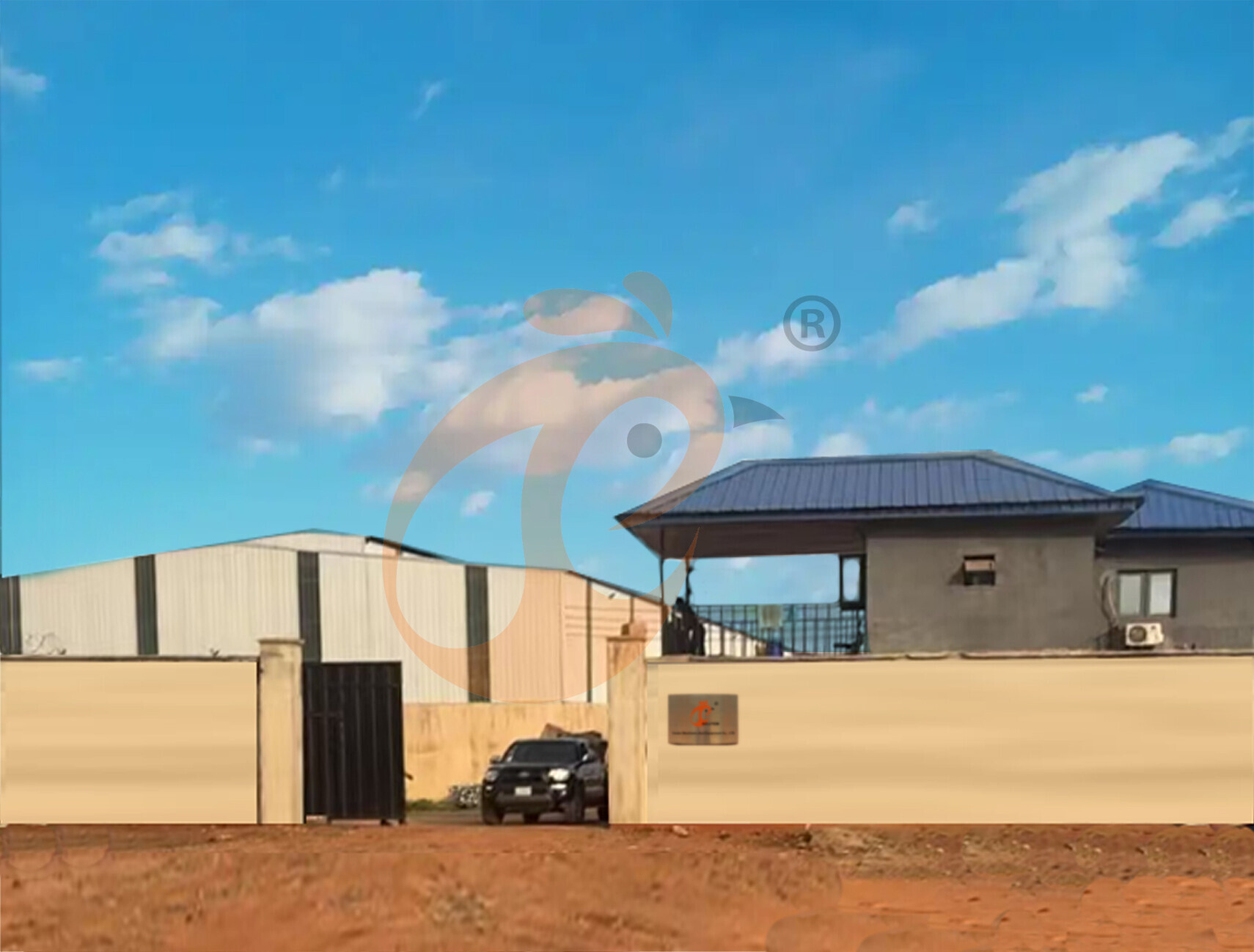
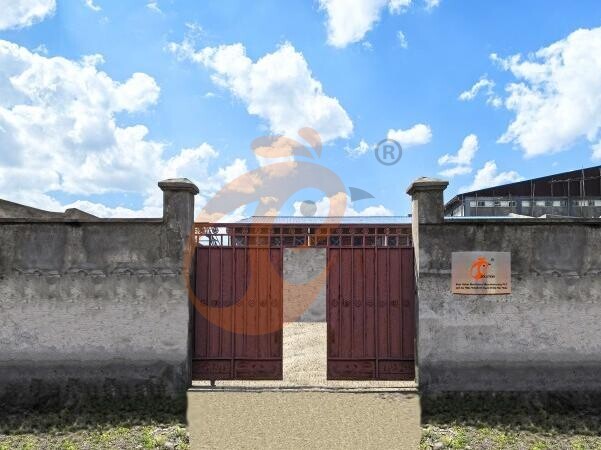
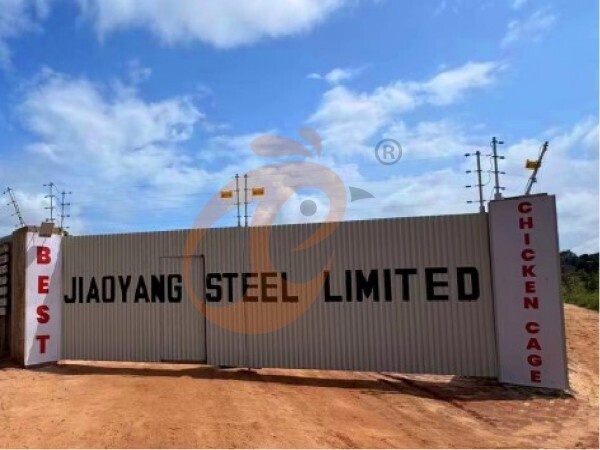
Ethiopia Branch Office And Factory Of Poultry Farm Equipment
Maximizing Vertical Space In High Value Land Areas
In regions like Bishoftu, often referred to as the poultry hub of Ethiopia, land prices have skyrocketed.
A farmer looking to house 50,000 birds can no longer afford the sprawling footprint required by deep litter systems or even traditional A-type cages.
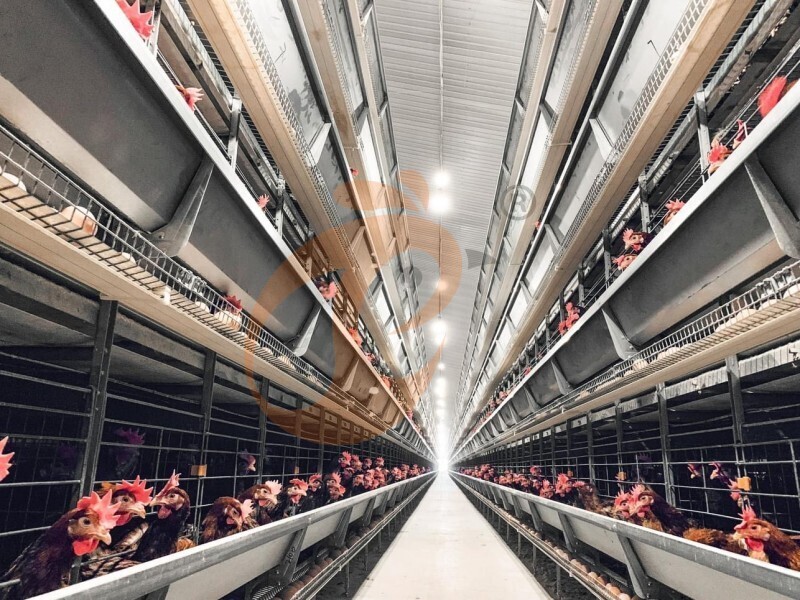
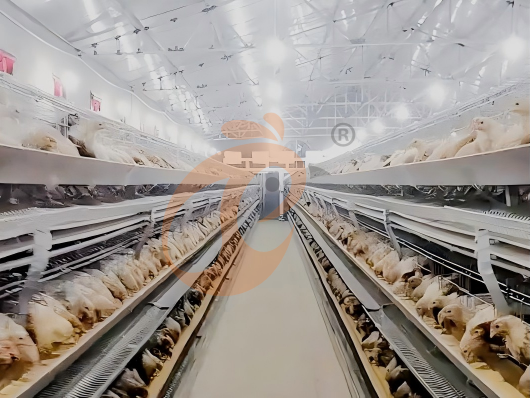
The H-type chicken cage system utilizes vertical space, stacking cages up to 4, 6, 8, or even 16 tiers high.
This density allows for a massive increase in the number of birds per square meter, effectively diluting the cost of land and building construction per bird.
By going vertical, Ethiopian farmers can maintain large scale operations within smaller, more manageable peri-urban plots.
Data is for reference only. Swipe horizontally to view full table.
Precision Feed Management Amidst Rising Ingredient Costs
Feed remains the single largest operating expense for Ethiopian poultry farmers, often accounting for 70% to 80% of total costs.
With fluctuating prices of maize and soybean meal in the local market, every gram of wasted feed is a direct hit to the bottom line.
Traditional feeding methods often result in significant spillage and contamination.
H-type chicken cages utilize automated trolley feeding or chain feeding systems designed with specific trough shapes that prevent birds from flicking feed out.
This precision ensures the feed conversion ratio (FCR) is optimized, allowing the bird to convert expensive nutrients into eggs more efficiently.
Data is for reference only. Swipe horizontally to view full table.
Mitigating Disease Risks In The Ethiopian Climate
Biosecurity is a major "pain point" for Ethiopian farmers, particularly with the prevalence of Newcastle disease and avian influenza.
In a deep litter system, birds are in constant contact with their own droppings, which serves as a breeding ground for pathogens.
H-type chicken cages completely isolate the birds from their waste using automatic manure belt systems.
In the H-type configuration, the manure is removed daily from the building, drastically reducing ammonia levels.
For a farmer in the humid regions of the South or the dusty plains of Oromia, this cleaner air translates to lower respiratory issues and a significant reduction in medication costs.
Data is for reference only. Swipe horizontally to view full table.
The Manure Goldmine Turning Waste Into Revenue
In Ethiopia, commercial poultry farming isn't just about eggs; it's also about the byproduct.
Ethiopian highland soil often requires enrichment, and poultry manure is a highly sought after fertilizer for local vegetable farmers.
H-type chicken cages are equipped with longitudinal manure belts under every tier.
This system doesn't just clean the cage; it collects the manure in a relatively dry state (around 60% moisture) compared to the wet slurry found in other systems.
This "dry" manure is easier to transport, has a higher nitrogen content, and fetches a better price in the local market, turning a waste management problem into a secondary revenue stream.
Data is for reference only. Swipe horizontally to view full table.
Water Security And Conservation
Water scarcity is a reality in many parts of Ethiopia.
In traditional systems, open bell drinkers are often prone to leaking, flooding the litter and wasting precious water.
H-type chicken cages utilize high quality 360 degree nipple drinkers with drip cups.
This system ensures that water is only released when the bird interacts with the nipple.
For a farm located in the drier outskirts of the rift valley, this water efficiency is critical.
Moreover, the closed pipe system prevents dust and pathogens from contaminating the water supply, ensuring that the birds are always drinking clean, cool water, which is essential for consistent egg production.
Data is for reference only. Swipe horizontally to view full table.
Labor Efficiency And Reduced Human Error
The Ethiopian labor market is evolving.
While labor might seem available, the skilled labor required to manage a 100,000 bird farm manually is rare and expensive.
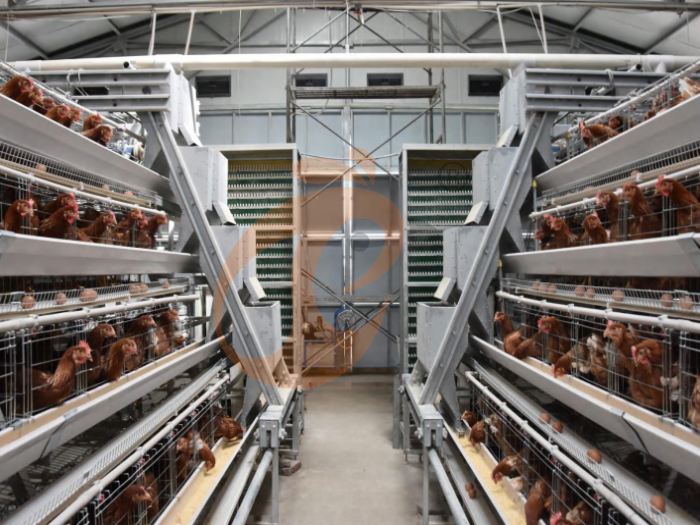
H-type chicken cages automate the most labor intensive tasks feeding, watering, egg collection, and manure removal.
In a manual house, a worker might accidentally miss a section or overfeed a row.
In an automated H-type house, the system performs these tasks with robotic consistency.
This allows a single farm manager to oversee a much larger flock, reducing the "human error" factor that often leads to egg breakage or missed disease symptoms.
Data is for reference only. Swipe horizontally to view full table.
Egg Quality And Market Premium In Addis Ababa
The Addis Ababa market is becoming increasingly sophisticated.
Hotels, supermarkets, and the growing middle class are willing to pay a premium for clean, unbroken, and uniform eggs.
In floor systems or A-type cages without automated belts, eggs often roll into dust or come into contact with manure, requiring manual cleaning which weakens the cuticle.
H-type chicken cages feature a gentle automated egg collection system.
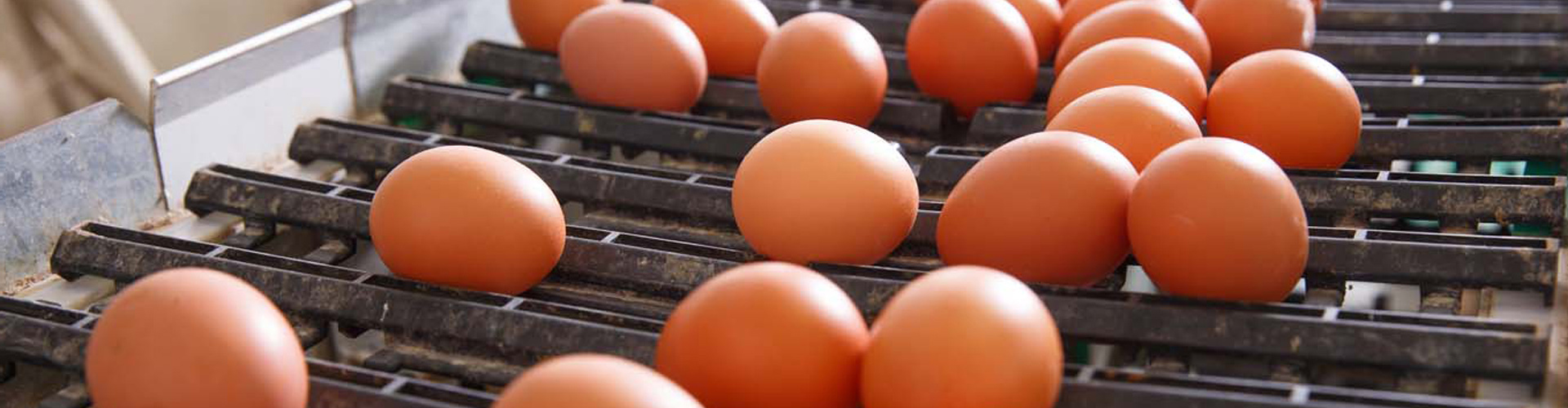
The eggs roll onto a soft belt and are transported to a central packing area.
This minimizes "checks" (micro-cracks) and ensures the eggs remain "farm fresh" and clean, commanding the highest possible market price.
Data is for reference only. Swipe horizontally to view full table.
Climate Resilience Heat And Dust Protection
Ethiopia's geography presents a dual challenge the intense UV and heat of the lowlands and the extreme diurnal temperature swings of the highlands.
H-type chicken cages are designed to work in tandem with environmental control systems (EC).
Because the cages are arranged in a streamlined H-shape, air can flow uniformly through the rows.
This is much more effective than the "dead air" pockets often found in A-type houses.
Whether using tunnel ventilation or evaporative cooling pads, the H-type layout ensures that every bird, from the bottom tier to the top, experiences the same temperature, preventing heat stress induced drops in production.
Data is for reference only. Swipe horizontally to view full table.
Durability And Long-Term Capital Preservation
Ethiopian farmers often struggle with the "cheap trap" buying low quality equipment that rusts within three years due to humidity and ammonia.
Commercial H-type chicken cages from reputable manufacturers use hot-dip galvanization or zinc-aluminium alloy coating.
When you factor in the longevity of the cage against the initial capital expenditure, the H-type system offers a much lower "cost per year of operation" than cheaper, lighter gauge alternatives that require constant welding and repair.
Data is for reference only. Swipe horizontally to view full table.
Scalability The Path To National Food Security
As Ethiopia strives to become a middle income country, the poultry industry must scale.
The H-type chicken cage system is inherently modular.
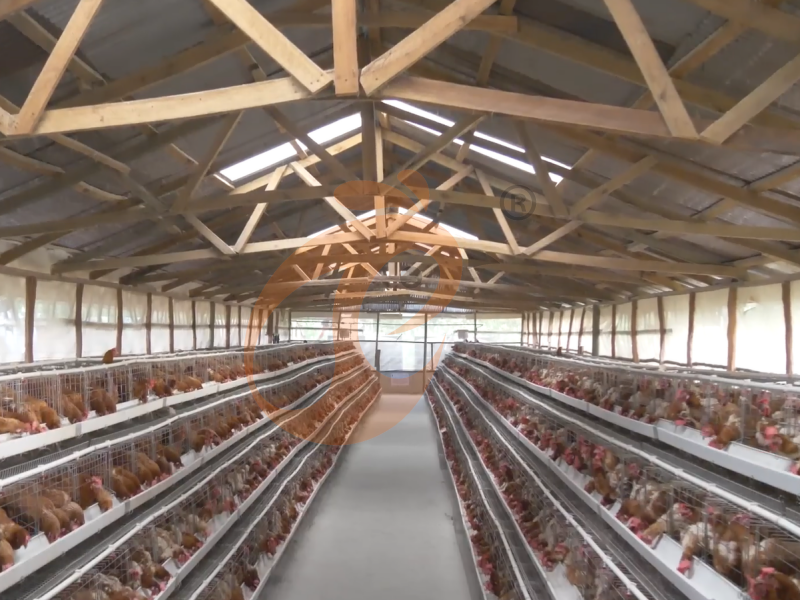
A farmer can start with two rows of 4-tier cages and, as profits are reinvested, expand the house or add more tiers.
This scalability is what will allow Ethiopia to move from being an egg importer to a regional exporter.
By adopting the H-type system, commercial farms in Ethiopia aren't just buying equipment; they are adopting a high-efficiency biological factory model that guarantees food security and investor prosperity.
Frequently Asked Questions
Q1: Is H-type chicken cage suitable for small Ethiopian farms?
A1: Yes.
The modular design allows starting with 10,000 to 30,000 birds using A-type cages, while H-type systems are more suitable for medium to large farms ranging from 100,000 to 300,000 birds.
Q2: Can Ethiopian climate challenges affect the H-type cage performance?
A2: No.
Tunnel ventilation and uniform airflow in the H-type system prevent heat stress and dust related diseases effectively across different Ethiopian regions.
Q3: How many birds can each cage system hold in Ethiopia conditions?
A3: H-type chicken cages typically support 128 to 512 birds per unit, while A-type cages support around 120 to 200 birds, allowing flexible farm scaling.
Ethiopia Best Hebei Machinery Manufacturing Plc - One Of Ethiopia Largest H-Type Chicken Cage Supplier
HB best offers global factory direct sales of poultry farm equipment for commercial projects with competitive pricing advantages.
Company provides complete turn key engineering solutions covering design, installation, and operational training for modern poultry farms.
Their poultry cage systems are engineered for durability and adapted to Ethiopian environmental and climate conditions.
HB best ensures professional technical support, fast delivery, and long term after sales service for poultry investors.
All equipment meets international standards and supports scalable poultry farming development with reliable performance.
Contact Us To Received Your Customized Poultry Farm Plan
Headquarters And Branchs

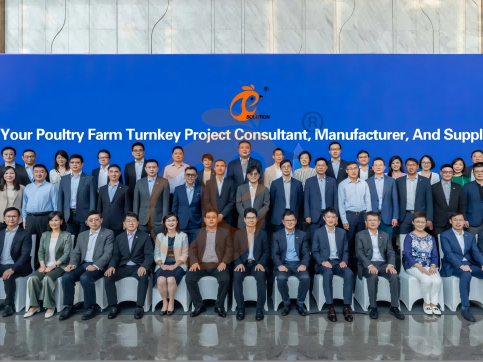
Hong Kong Headquarter Management Team
Hong Kong Headquarter Taiyu Industrial Group CO., LTD
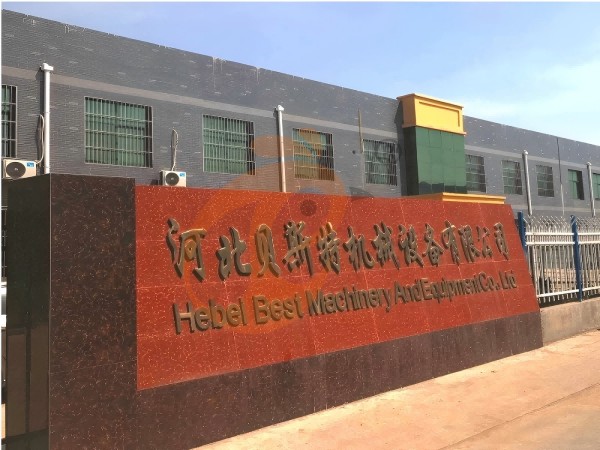
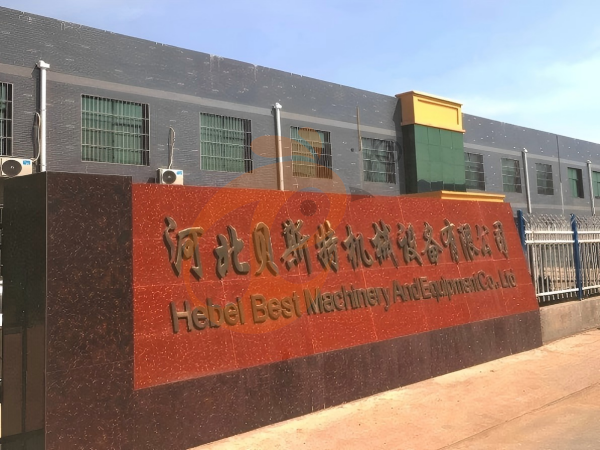
China Hebei Best Machinery And Equipment CO., LTD
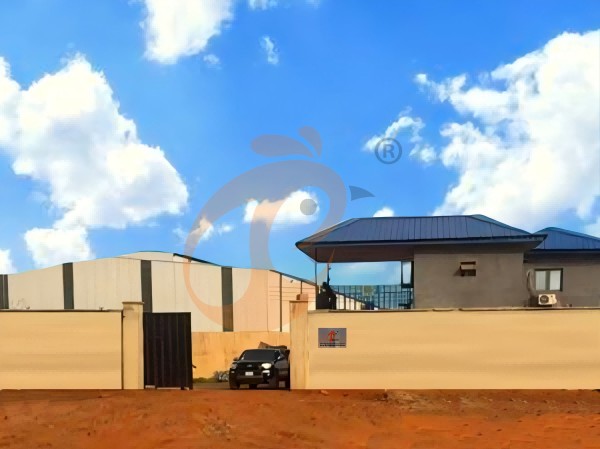
Nigeria Vanke Machinery And Equipment CO., LTD
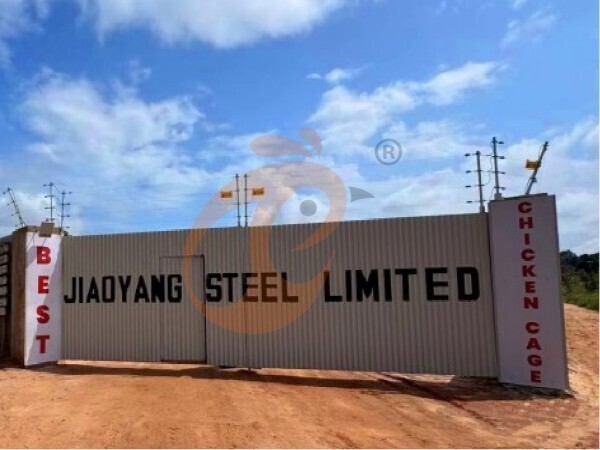
Tanzania Best Machinery And Equipment CO., LTD
Ethiopia Best Hebei Machinery Manufacturing PLC
Reception /24 WhatsApp NO. : +8618830120193
FAQ
How To Implement Biosecurity Measures In H-Type Battery Cage Farm?
Restrict access to outsiders
Isolate sick birds
Mortality rate: 2–3%
Egg production rate: 90-98%
What Is The Average Feed Cost Per Bird In H-Type Layer Cage?
FCR 1.9–2.1
Feed cost: $0.15–0.20 per bird per day
Daily egg yield: 900–980 eggs/1,000 birds
Labor savings: 70-90%
How To Prevent Cannibalism In H-Type Poultry Cage System?
Provide sufficient feed and water
Install anti-pecking devices
Egg production rate: 90-98%
Mortality rate <3%
Message
Products recommended
 HK Headquarter Offers EU-standard Poultry Farm Solutions, Manufacture Poultry Farm Equipment1. Continuous communication with the EU and the US
2. China, Nigeria, Ethiopia, Tanzania branch companies and factories
3. The products’ quality is customized for local poultry farms
4. Poultry cage and poultry farm equipment stock for sale
5. 24 online reception Whatsapp NO. : +8618830120193,contact us to get full informationRead More China Branch Offer Poultry Farm Business Plan, Manufacture Poultry Farm Equipment1. Address: Flat/RM 2416, 24/F, Runxing Building, Youyi Nan Street, Shijiazhuang City, Hebei Province, China
2. Poultry cage and poultry farm equipment factory and stock for sale
3. Customized for local poultry farms
4. Quality and design are based on Euro
5. 24 online reception Whatsapp NO. : +8618830120193Read More Nigeria Branch Offer Poultry Farm Business Plan, Manufacture Poultry Farm Equipment1. Address: After Sinoma Office, 200 Meters Near Danco Filling Station, Lagos/Ibadan Expressway, Lagos State, Nigeria
2. Poultry cage and poultry farm equipment factory and stock for sale
3. Customized for Nigerian poultry farms
4. Quality and design are based on Euro
5. 24 online reception Whatsapp NO. : +8618830120193Read More Ethiopia Branch Offer Poultry Farm Business Plan, Manufacture Poultry Farm Equipment1. Address: Gelan Gura, Akaki-kaliti Sub City, Addis Ababa, Ethiopia
2. Poultry cage and poultry farm equipment stock for sale
3. Customized for Ethiopian poultry farms
4. Quality and design are based on Euro
5. 24 online reception Whatsapp NO. : +8618830120193, contact us to get price listRead More Tanzania Branch Offer Poultry Farm Business Plan, Manufacture Poultry Farm Equipment1. Address: No.8, Sova Road, Msufini, Mlandizi, Kibaha, Pwani, Tanzania
2. Poultry cage and poultry farm equipment factory and stock for sale
3. Customized for Tanzanian poultry farms
4. Quality and design are based on Euro
5. 24 online reception Whatsapp NO. : +8618830120193Read More Fully Automatic H Type Layer Chicken Cage1. 30,000-100,000+ layers/house chooses it, Poultry farmers can achieve an egg production rate of 96-98%
2. A significant improvement over the 85-90% typically seen in manual systems
3. A typical poultry farm can expect a 30-40% reduction in labor costs due to the automation
4. Each feeding line efficiently supplies feed to around 100,000 hens per 30 mins
5. Reception /WhatsApp NO. : +8618830120193Read More Fully Automatic A Type Layer Chicken Cage1. 10,000-50,000 layers/house chooses it
2. Cleaner egg collection reduces breakage by 0.5%
3. Improved hygiene helps reduce mortality rate to <3%
4. 1–2 technicians can handle 15,000–30,000 birds
5. Reception /WhatsApp NO. : +8618830120193Read More Semi Automatic H Type Layer Chicken Cage1. 1,00-20,000 layers/house chooses it
2. Nipple drinkers flow 30–60 ML / min
3. Hot-dip galvanized (typical coating ≥ 275 g/m²)
4. Reduce ammonia by ~ 35–40%
5. Reception /WhatsApp NO. : +8618830120193Read More Semi Automatic A Type Layer Chicken Cage1. 1,00-20,000 layers/house chooses it, no rust for 10 years, no deformation for 15 years
2. Chickens live comfortably, you can raise them with peace of mind
3. Save water, save money—efficiency you can measure
4. Improve environment quality, and increase egg production rate
5. Reception /WhatsApp NO. : +8618830120193Read More
By clicking 'Allow All', you agree to the storage of cookies on your device to enhance site navigation, analyze site usage and assist with our marketing efforts.