


Blog
Ethiopian poultry cage prices vary widely across farms and regions due to several infrastructure, logistics, and material factors influencing layer production investment decisions.
Rapid urban egg demand growth in Addis Ababa and surrounding cities has accelerated commercial layer farming development across Ethiopia.
Understanding hidden equipment cost drivers helps Ethiopian farmers plan efficient farms and avoid unnecessary investment mistakes.
Smart poultry infrastructure planning improves long-term production efficiency and supports sustainable egg supply for expanding Ethiopian urban markets.
Get professional poultry farm construction guidance, equipment selection solutions, and the latest price lists, whatsApp to +8618830120193, click to learn more:

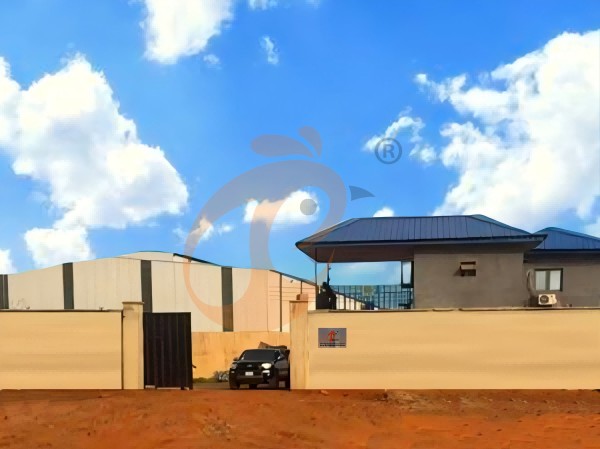
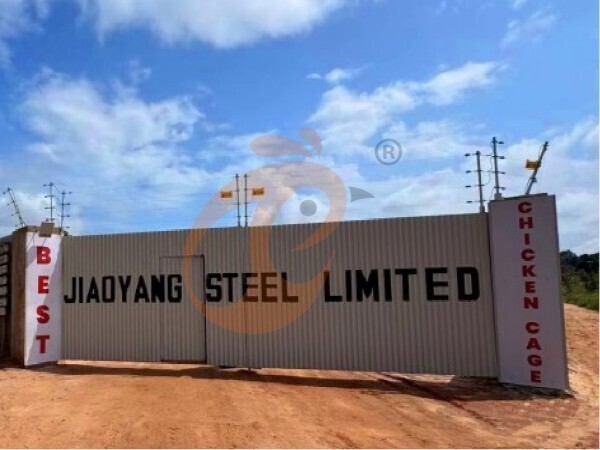
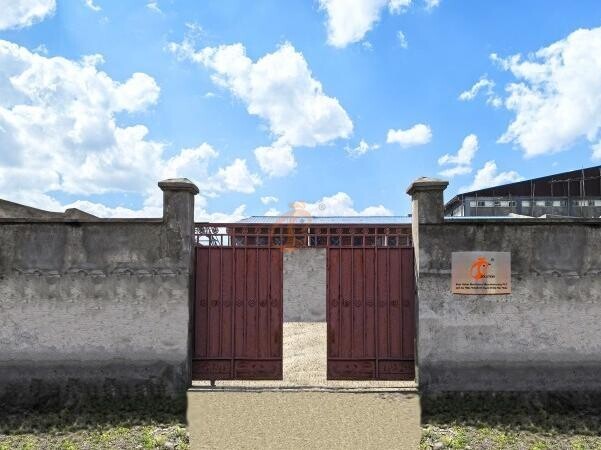
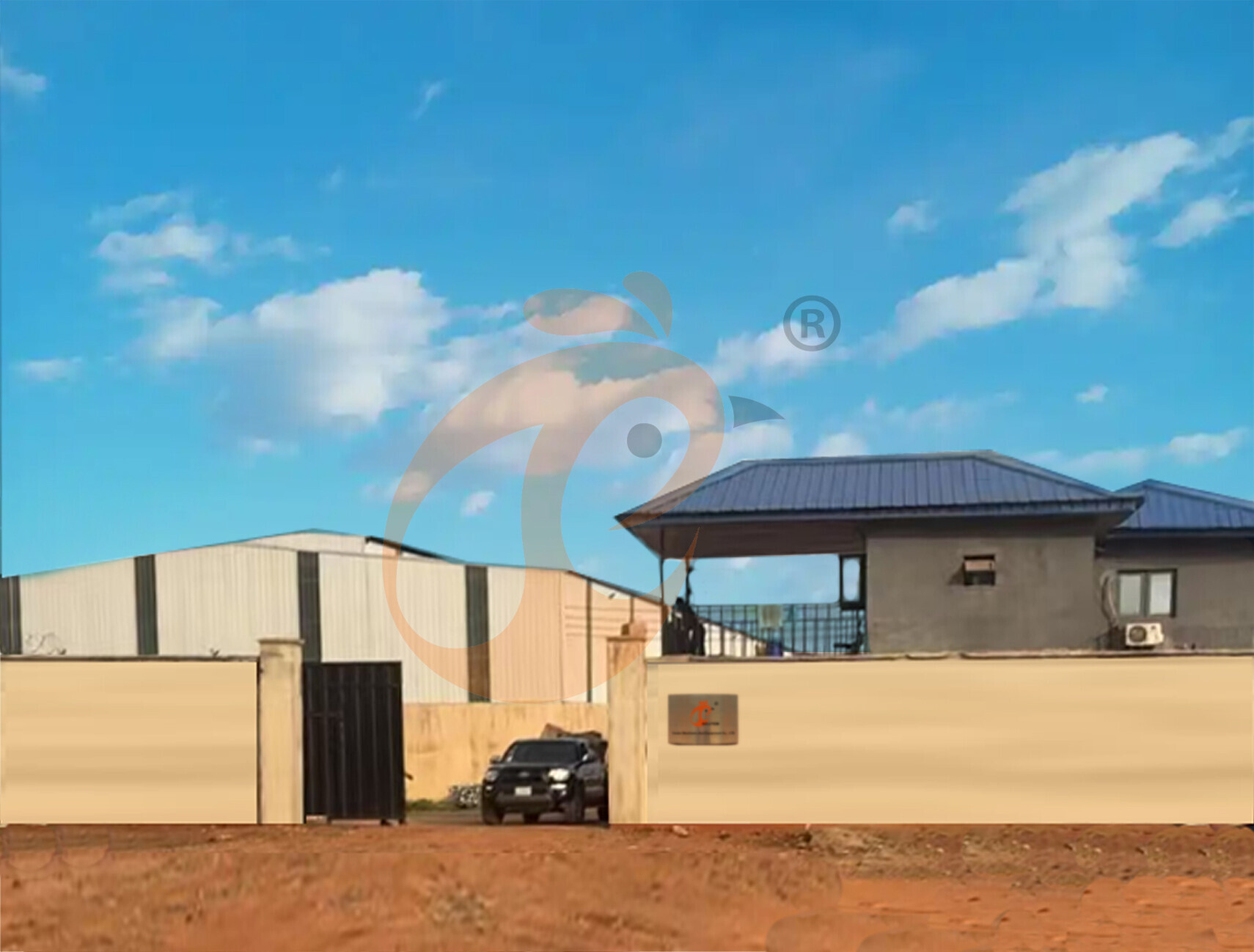
Ethiopia Branch Office And Factory Of Poultry Farm Equipment
Steel Material Quality And Galvanization Standards
The first and most significant factor affecting layer cage pricing is the quality of steel wire and the galvanization process used for corrosion protection.
Poultry houses produce ammonia from manure, which accelerates metal corrosion.
If the cage surface protection is insufficient, the equipment lifespan can decrease rapidly.
Farmers who purchase cages with thicker wire diameters and stronger galvanization layers generally pay more initially but benefit from longer service life.
Data is for reference only.Swipe horizontally to view full table.
Hot-dip galvanized cages may increase the initial equipment cost by around 18 percent, but the longer service life significantly reduces annual depreciation.
Ethiopian Context
Ethiopian poultry houses often experience fluctuating humidity and ammonia accumulation due to limited ventilation systems in rural farms.
In such conditions, higher galvanization standards are economically justified.
Recommended Solution
Ethiopian egg farmers should evaluate cage investment based on cost per year of use rather than only the purchase price.
A cage lasting 25 years will reduce long-term farm infrastructure costs.
Logistics Through The Djibouti–Addis Ababa Transport Corridor
The second hidden factor is international logistics and inland transport costs.
Most poultry equipment imported into Ethiopia arrives through the Djibouti port and then travels over 900 km to central Ethiopia by truck.
Data is for reference only.Swipe horizontally to view full table.
When these logistics expenses are distributed across equipment shipments, they can add 12000–15000 ETB per cage set.
EU standard reference only.
Ethiopian Context
For farms located farther inland such as Mekelle or Hawassa, transport costs may increase further due to secondary road transport.
Recommended Solution
Farmers can reduce logistics costs through cooperative purchasing among several farms.
Full-container shipments also reduce average freight expenses.
Suppliers maintaining local Ethiopian warehouses can shorten delivery time and reduce transport costs.
This factor strongly affects Ethiopian poultry cage price planning for new layer farms.
Farm Scale And Cage Capacity Efficiency
Another reason cage prices vary significantly is farm scale.
Smaller farms usually experience higher cost per bird because installation, shipping, and technical services are distributed across fewer birds.
Data is for reference only.Swipe horizontally to view full table.
Prices increase when farms use higher automation systems or smaller batch sizes.
To illustrate scale efficiency, consider three Ethiopian farm scenarios.
Data is for reference only.Swipe horizontally to view full table.
EU standard reference only.
Larger farms achieve lower cost per bird due to better distribution of equipment and logistics expenses.
Ethiopian Context
Many poultry farms in Oromia begin with 3000–5000 layers because of limited capital.
However, this scale often leads to higher equipment costs per bird.
Recommended Solution
Investors should design farms for 10000 birds or more if possible.
This scale balances investment and operational efficiency.
It also improves long-term profitability of Ethiopian egg farms.
This factor strongly influences Ethiopian poultry farming investment decisions.
Supporting Equipment And Automation Systems
Many Ethiopian farmers mistakenly assume that the cage frame represents the entire poultry equipment investment.
In reality, a modern egg farm requires multiple integrated systems.
Data is for reference only.Swipe horizontally to view full table.
EU standard reference only.
These supporting systems can represent 40–60 percent of total equipment investment.
Ethiopian Context
In rural Ethiopian poultry houses, manure removal and ventilation systems are often omitted to reduce investment costs.
However, this approach may increase labor demand and reduce egg quality.
Recommended Solution
Farmers should adopt semi-automatic systems.
These systems provide a balance between operational efficiency and investment affordability.
Land Utilization And Cage Tier Configuration
Land cost is another hidden factor influencing cage design and price.
Around urban areas such as Addis Ababa, land lease prices are rising, forcing farmers to maximize bird density.
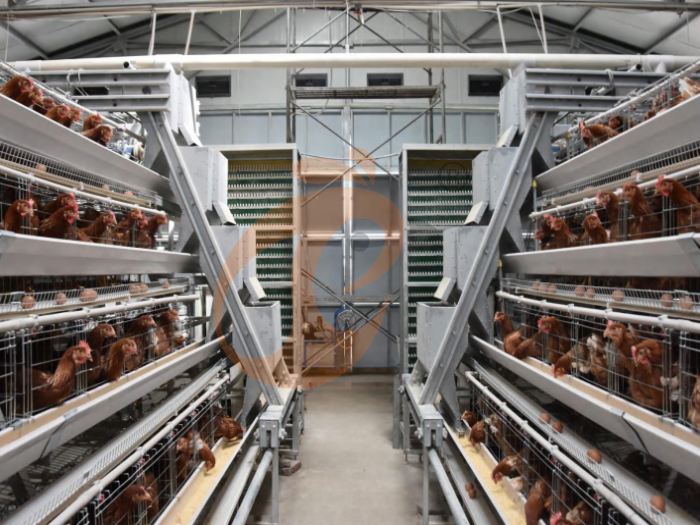
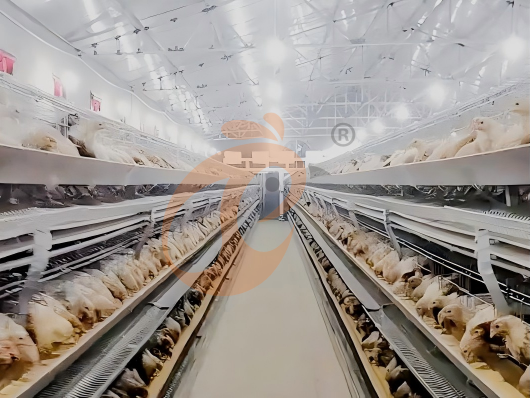
Multi-tier chicken cage systems help reduce the required building footprint.
Data is for reference only.Swipe horizontally to view full table.
EU standard reference only.
Higher tier cages require stronger structural frames and more complex installation.
This increases equipment price but improves land efficiency.
Ethiopian Context
Peri-urban poultry farms near Addis Ababa face increasing land costs.
This makes multi-tier chicken cage systems economically attractive.
Recommended Solution
Farm planners should optimize building design and cage tier selection.
Higher stocking density should be achieved without compromising bird welfare or farm ventilation.
Typical Startup Cost Structure Of An Ethiopian Egg Farm
To better understand the overall investment distribution, the following table summarizes a common startup budget for a medium-scale Ethiopian layer farm.
Data is for reference only.Swipe horizontally to view full table.
EU standard reference only.
Total startup investment for a moderate-scale Ethiopian poultry farm typically ranges between 1100000 and 4000000 ETB depending on farm scale and infrastructure quality.
Understanding these investment structures helps farmers interpret Ethiopian poultry cage price variations more accurately.
FAQ
Why do poultry cage prices vary so much in Ethiopia?
Price differences usually result from material quality, transport logistics, farm size, equipment automation level, and cage tier configuration.
These factors influence long-term operating costs and investment efficiency.
How can Ethiopian farmers reduce poultry cage investment costs?
Farmers can reduce costs through cooperative purchasing, planning farms above 10000 layers, selecting appropriate cage tiers, and choosing durable galvanized materials that last longer.
Are higher-priced cages better for Ethiopian layer farms?
Not always.
However, cages with stronger galvanization and durable steel structures usually provide longer service life and better economic returns over time.
Ethiopia Best Hebei Machinery Manufacturing Plc - One Of Ethiopia Largest Poultry Cage Manufacturer
Global factory direct supply delivering poultry farm equipment to Ethiopian commercial egg farms with reliable logistics and technical installation services.
Specialized production of poultry cage systems including A-type and H-frame chicken cage solutions designed for large scale egg farms.
Professional engineering team providing Turn-key poultry farm construction planning including cage systems feeding equipment ventilation and manure removal solutions.
International manufacturing standards ensuring durable poultry farm equipment suitable for Ethiopian climate poultry housing conditions and long production lifespan.
Complete technical training maintenance guidance and long-term support helping Ethiopian farmers operate efficient modern layer farms.
Contact Us To Received Your Customized Poultry Farm Plan
Headquarters And Branchs
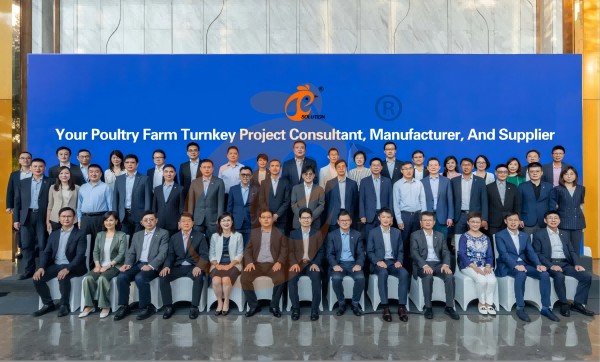
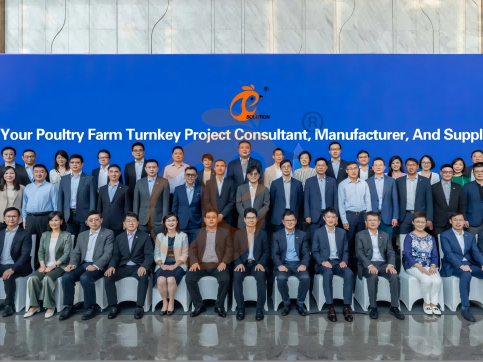
Hong Kong Headquarter Management Team
Hong Kong Headquarter Taiyu Industrial Group CO., LTD
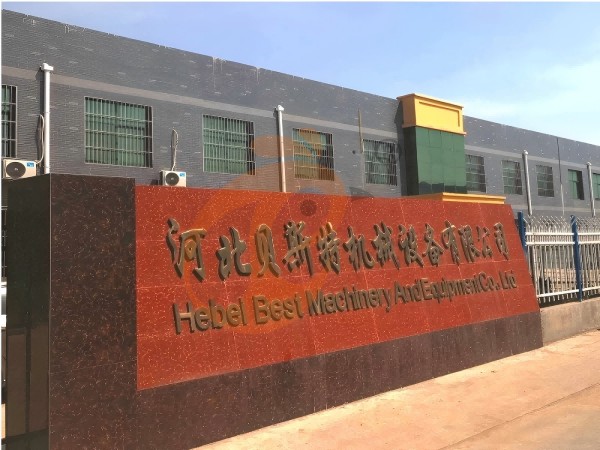
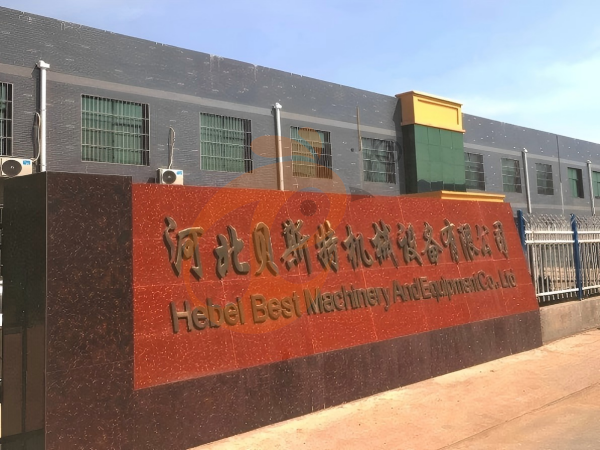
China Hebei Best Machinery And Equipment CO., LTD
Nigeria Vanke Machinery And Equipment CO., LTD
Tanzania Best Machinery And Equipment CO., LTD
Ethiopia Best Hebei Machinery Manufacturing PLC
Reception /24 WhatsApp NO. : +8618830120193
FAQ
How To Optimize Feed Conversion Ratio In Battery Cage Farms?
Use automatic feeding to reduce feed waste by 5–10%.
Zoned feeding reduces competition and bird stress.
Egg production rate: 90–98%, breakage rate <3%.
What Are The Advanced Recommendations For Ventilation In Layer Cage Houses?
Temperature: 18–25℃, humidity: 50–70%.
Regularly inspect fans and ducts to avoid dead zones and uneven airflow.
Improved ventilation reduces disease spread and mortality to 2–3%.
How To Choose The Right Cage Density For Maximum Egg Production?
Overcrowding increases mortality and breakage, low density results in inefficient space utilization.
Proper density with automation can boost egg production to 90–98% and save 70-90% labor.
- poultry equipment
- chicken cage
- layer cage
- poultry farm
- feeding equipment
- poultry cage
- poultry farm
- poultry farm equipment
- poultry farm construction
- poultry cage manufacturer
- poultry cage price
- automatic feeding system
- hen farm
- layer farm
- poultry house
- chicken cage system
- chicken cage solutions
- poultry cage system
- modern layer farm
- layer chicken cage
- poultry house construction
- durable poultry farm equipment
- Ethiopia
- Nigeria
Message
Products recommended
 HK Headquarter Offers EU-standard Poultry Farm Solutions, Manufacture Poultry Farm Equipment1. Continuous communication with the EU and the US
2. China, Nigeria, Ethiopia, Tanzania branch companies and factories
3. The products’ quality is customized for local poultry farms
4. Poultry cage and poultry farm equipment stock for sale
5. 24 online reception Whatsapp NO. : +8618830120193,contact us to get full informationRead More China Branch Offer Poultry Farm Business Plan, Manufacture Poultry Farm Equipment1. Address: Flat/RM 2416, 24/F, Runxing Building, Youyi Nan Street, Shijiazhuang City, Hebei Province, China
2. Poultry cage and poultry farm equipment factory and stock for sale
3. Customized for local poultry farms
4. Quality and design are based on Euro
5. 24 online reception Whatsapp NO. : +8618830120193Read More Nigeria Branch Offer Poultry Farm Business Plan, Manufacture Poultry Farm Equipment1. Address: After Sinoma Office, 200 Meters Near Danco Filling Station, Lagos/Ibadan Expressway, Lagos State, Nigeria
2. Poultry cage and poultry farm equipment factory and stock for sale
3. Customized for Nigerian poultry farms
4. Quality and design are based on Euro
5. 24 online reception Whatsapp NO. : +8618830120193Read More Ethiopia Branch Offer Poultry Farm Business Plan, Manufacture Poultry Farm Equipment1. Address: Gelan Gura, Akaki-kaliti Sub City, Addis Ababa, Ethiopia
2. Poultry cage and poultry farm equipment stock for sale
3. Customized for Ethiopian poultry farms
4. Quality and design are based on Euro
5. 24 online reception Whatsapp NO. : +8618830120193, contact us to get price listRead More Tanzania Branch Offer Poultry Farm Business Plan, Manufacture Poultry Farm Equipment1. Address: No.8, Sova Road, Msufini, Mlandizi, Kibaha, Pwani, Tanzania
2. Poultry cage and poultry farm equipment factory and stock for sale
3. Customized for Tanzanian poultry farms
4. Quality and design are based on Euro
5. 24 online reception Whatsapp NO. : +8618830120193Read More Fully Automatic H Type Layer Chicken Cage1. 30,000-100,000+ layers/house chooses it, Poultry farmers can achieve an egg production rate of 96-98%
2. A significant improvement over the 85-90% typically seen in manual systems
3. A typical poultry farm can expect a 30-40% reduction in labor costs due to the automation
4. Each feeding line efficiently supplies feed to around 100,000 hens per 30 mins
5. Reception /WhatsApp NO. : +8618830120193Read More Fully Automatic A Type Layer Chicken Cage1. 10,000-50,000 layers/house chooses it
2. Cleaner egg collection reduces breakage by 0.5%
3. Improved hygiene helps reduce mortality rate to <3%
4. 1–2 technicians can handle 15,000–30,000 birds
5. Reception /WhatsApp NO. : +8618830120193Read More Semi Automatic H Type Layer Chicken Cage1. 1,00-20,000 layers/house chooses it
2. Nipple drinkers flow 30–60 ML / min
3. Hot-dip galvanized (typical coating ≥ 275 g/m²)
4. Reduce ammonia by ~ 35–40%
5. Reception /WhatsApp NO. : +8618830120193Read More Semi Automatic A Type Layer Chicken Cage1. 1,00-20,000 layers/house chooses it, no rust for 10 years, no deformation for 15 years
2. Chickens live comfortably, you can raise them with peace of mind
3. Save water, save money—efficiency you can measure
4. Improve environment quality, and increase egg production rate
5. Reception /WhatsApp NO. : +8618830120193Read More
By clicking 'Allow All', you agree to the storage of cookies on your device to enhance site navigation, analyze site usage and assist with our marketing efforts.