


Blog
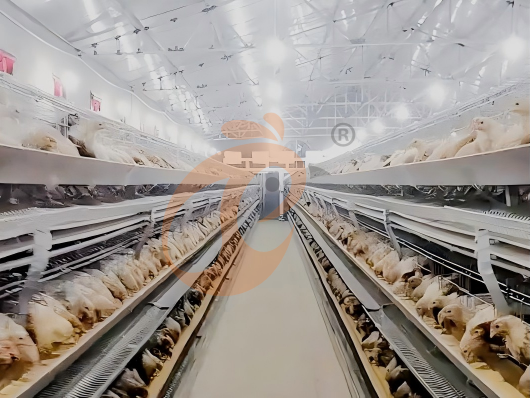
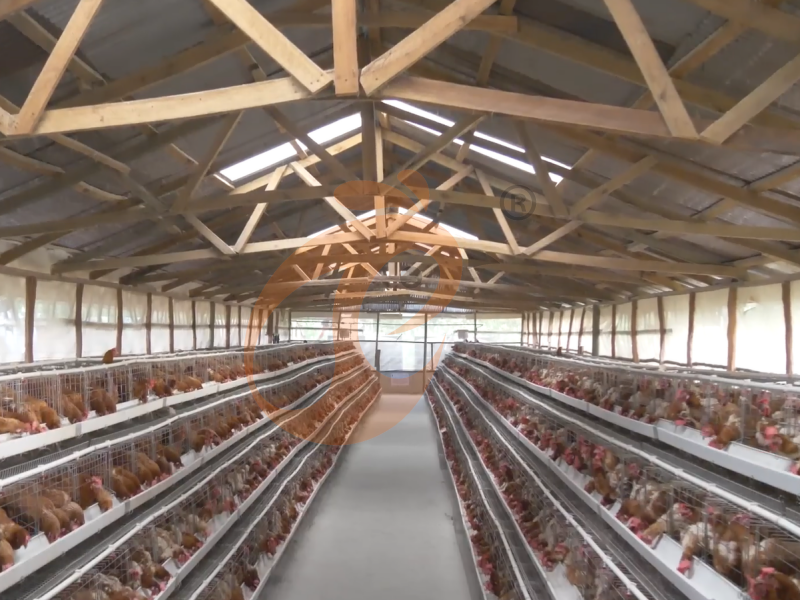
This article focuses on A-type chicken cage systems in Ethiopia, emphasizing local farming challenges.
Efficient layer chicken production depends on proper feeders, drinkers, egg collection trays, and accessories.
Water management and manure removal are critical for maintaining poultry health in Ethiopia.
Lighting systems and environmental controls improve egg yield across different Ethiopian regions.
Choosing durable cage materials ensures long-term investment for Ethiopian layer farmers.
Get professional poultry farm construction guidance, equipment selection solutions, and the latest price lists, whatsApp to +8618830120193, click to learn more:

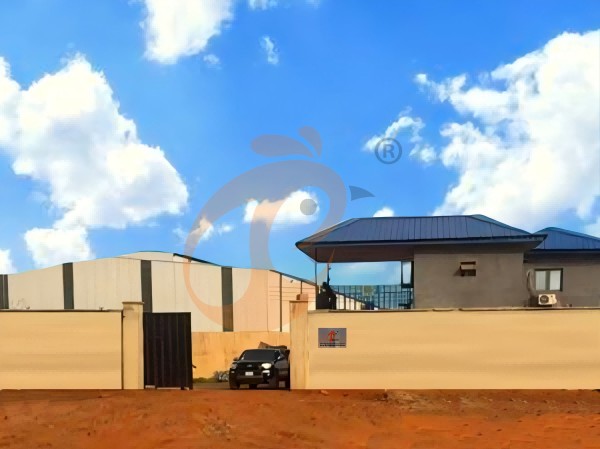
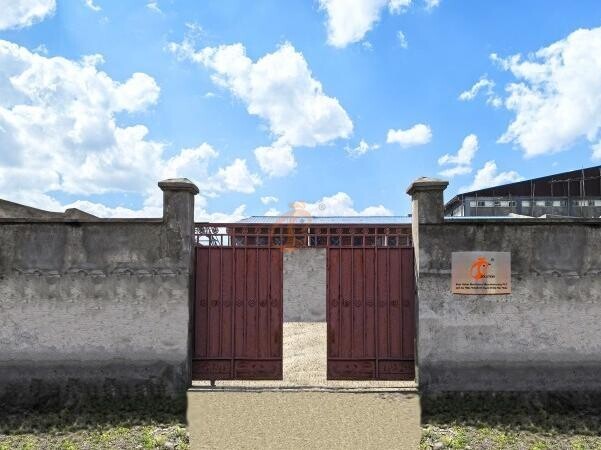
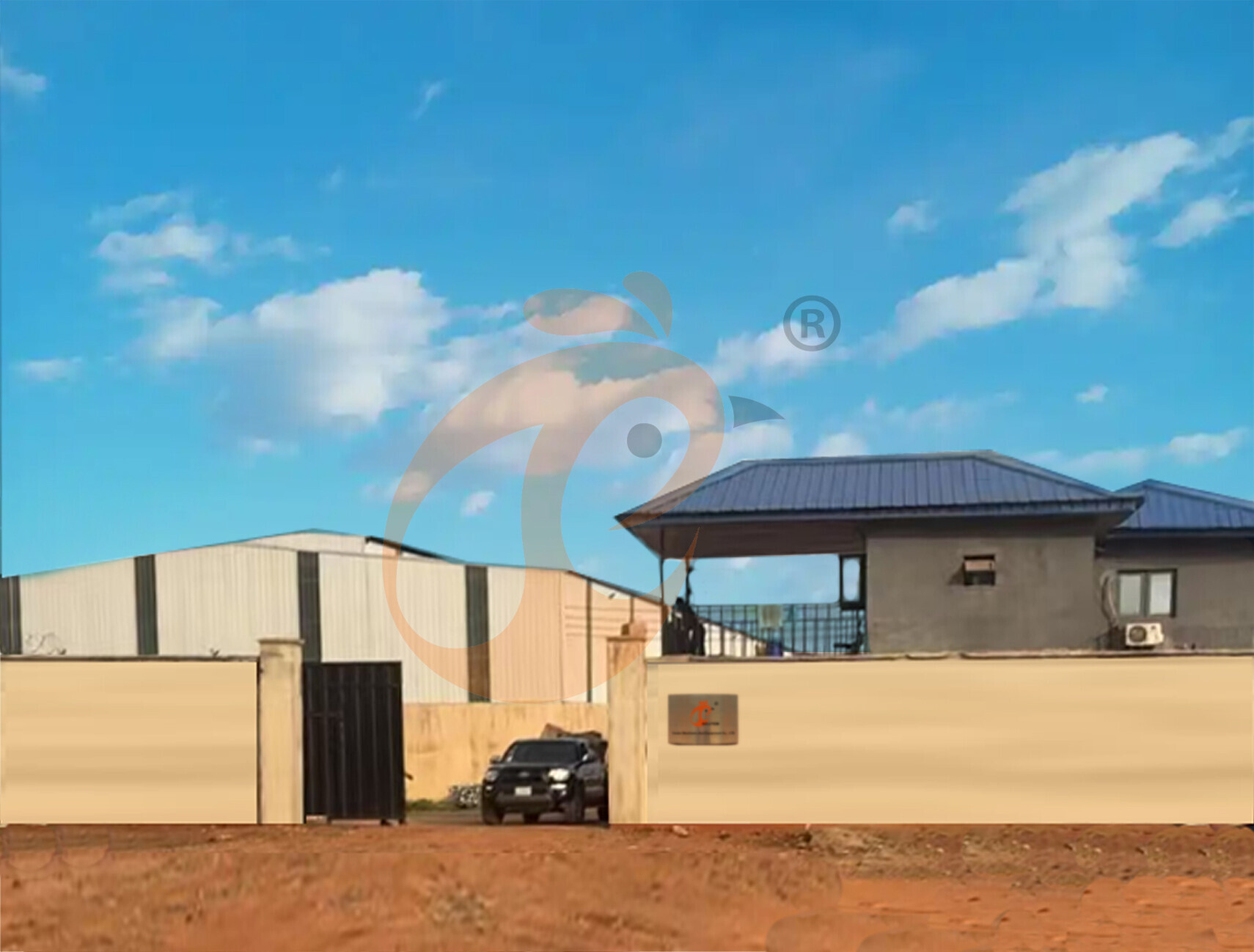
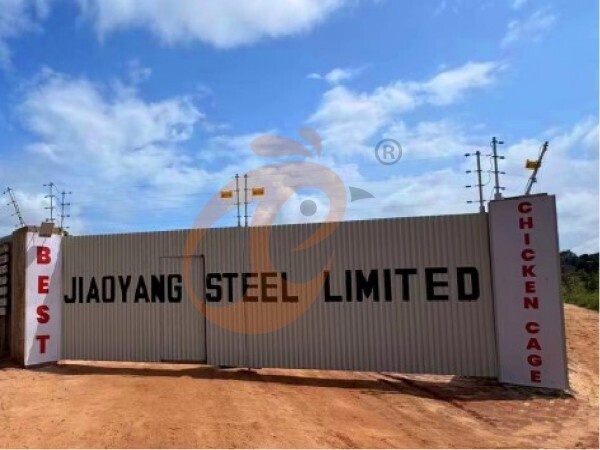
Ethiopia Branch Office And Factory Of Poultry Farm Equipment
Feeders: Ensuring Efficient Nutrition Delivery
In Ethiopia, access to quality feed can be inconsistent, and feed wastage significantly increases costs.
The A-type chicken cage system requires feeders that minimize spillage while allowing all birds to feed easily.
Gravity-fed or trough feeders are preferred for Ethiopian farms because they ensure uniform distribution and are easy to clean.
Proper feeder design accommodates local feed types such as maize and soybean mixes.
Data is for reference only. Swipe horizontally to view full table.
Drinkers: Ensuring Clean Water Access
Water quality and availability are major challenges for Ethiopian poultry farmers.
Drinkers in A-type chicken cages must ensure all birds access clean water without contamination.
Nipple drinkers are recommended because they reduce spillage and maintain water hygiene.
Height-adjustable drinkers accommodate birds as they grow and minimize stress.
Gravity-fed systems with basic filtration help address inconsistent water supply in rural Ethiopia.
Data is for reference only. Swipe horizontally to view full table.
Egg Collection Systems: Reducing Breakage And Labor
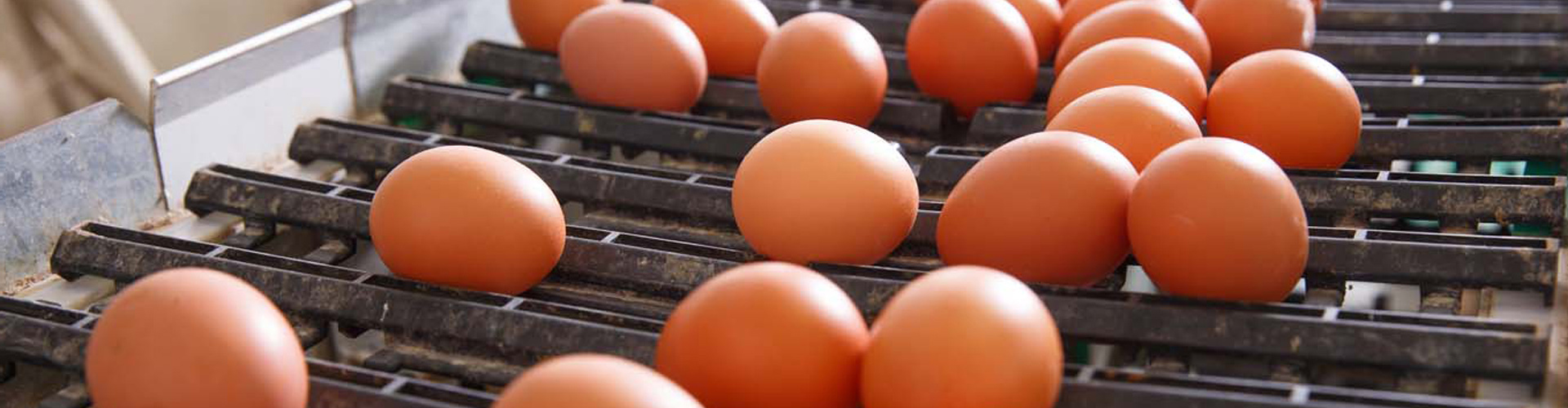
Egg breakage is a significant issue in Ethiopia due to manual handling.
A-type chicken cages benefit from sloped or roller trays to guide eggs gently to the collection point.
Manual collection is still common due to limited farm budgets, but tray systems reduce labor intensity and improve egg quality.
Data is for reference only. Swipe horizontally to view full table.
Manure Removal Systems: Maintaining Hygiene
High temperature and humidity in Ethiopia accelerate ammonia accumulation.
Effective manure trays or belts under A-type chicken cages reduce disease risk.
Trays should be easy to remove and clean, accommodating smallholder Ethiopian farms with limited labor.
Collected manure can be composted for fertilizer, providing additional income for local farmers.
Data is for reference only. Swipe horizontally to view full table.
Lighting Systems: Optimizing Egg Production
Lighting influences laying patterns.Natural daylight varies across Ethiopia; indoor cages require artificial lighting.
LED lights are energy-efficient and suitable for areas with frequent power fluctuations.
Light duration and intensity must be controlled for optimal egg production.
Lighting adjustments can mitigate seasonal production drops, especially in highland regions.
Data is for reference only. Swipe horizontally to view full table.
Cage Construction Materials: Adapting To Local Conditions
Cage material choice is critical for Ethiopian farms.
Materials must withstand seasonal rains, dust, and temperature fluctuations.
Galvanized steel or PVC-coated wire is durable and cost-effective.
Proper materials extend cage lifespan and support long-term layer production.
Data is for reference only. Swipe horizontally to view full table.
Environmental Control Accessories: Managing Heat And Ventilation
Temperature variation in Ethiopia requires proper ventilation.Fans, curtains, and passive airflow reduce heat stress.
Airflow and shade management maintain bird comfort and optimize production.
Environmental accessories prevent mortality and improve feed efficiency.
Data is for reference only. Swipe horizontally to view full table.
Frequently Asked Questions
Q1: Is the A-type chicken cage suitable for Ethiopian climates?
A1: Yes, with proper ventilation, lighting, and durable hot-dip galvanized cages lasting 25+ years, the system adapts to Ethiopia’s highland and lowland regions, mitigating heat and humidity challenges.
Q2: How can smallholder farmers reduce feed wastage in Ethiopia?
A2: Using gravity-fed feeders with correct spacing per bird and locally available maize-soy mixes reduces wastage while maintaining production efficiency.
Q3: Can manure from A-type chicken cages be used in Ethiopia?
A3: Yes, manure trays under cages allow easy collection, and composted manure can improve soil fertility or provide additional income.
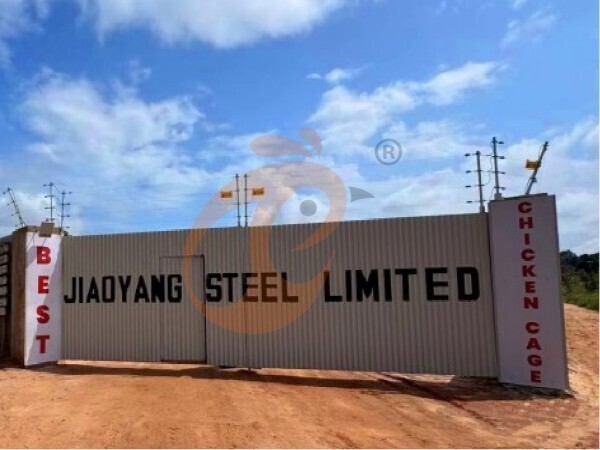
Ethiopia Best Hebei Machinery Manufacturing Plc - One Of Ethiopia Largest Layer Chicken Cage Accessories Manufacturer
HB BEST provides global factory direct sales, offering high-quality poultry farm equipment at competitive ETB pricing.
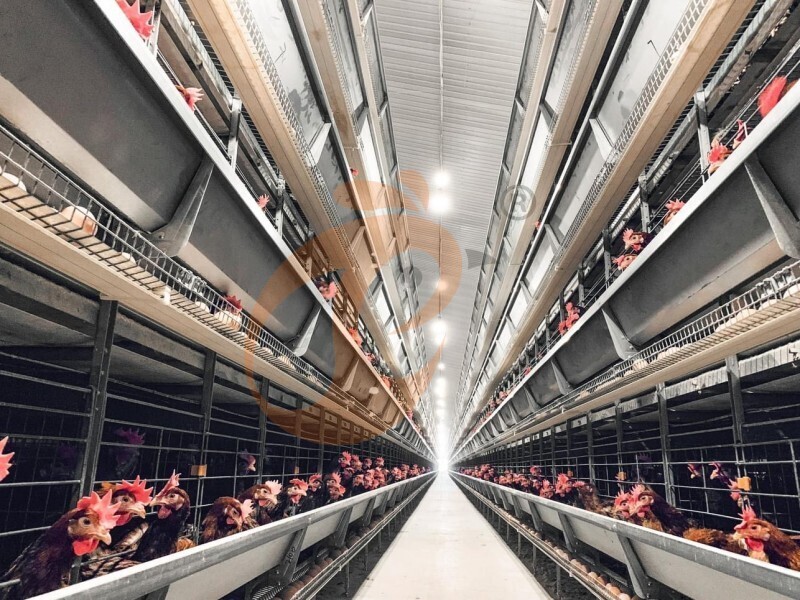
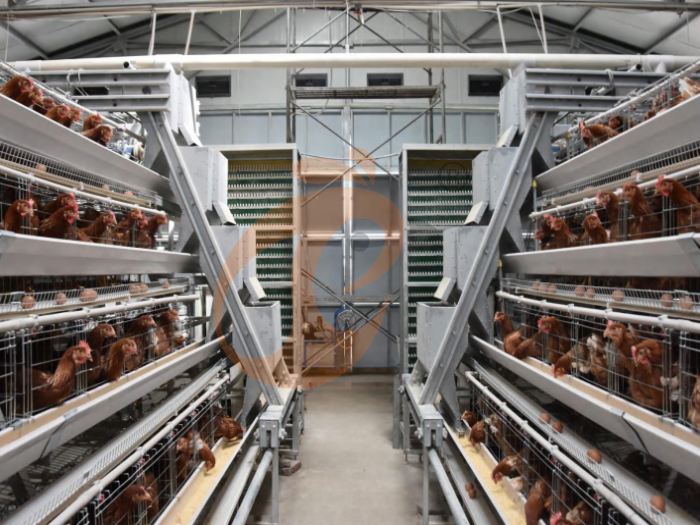
The company specializes in A-type chicken cage production, ensuring durable and efficient layer housing solutions.
Turn-key poultry farm projects are available, including feeders, drinkers, egg collection trays, and environmental accessories.
HB BEST exports complete poultry cage systems designed for Ethiopia’s diverse climates and local farm conditions.
Professional support and installation services guarantee long-term operational efficiency and profitability for Ethiopian farmers.
Contact Us To Received Your Customized Poultry Farm Plan
Headquarters And Branchs

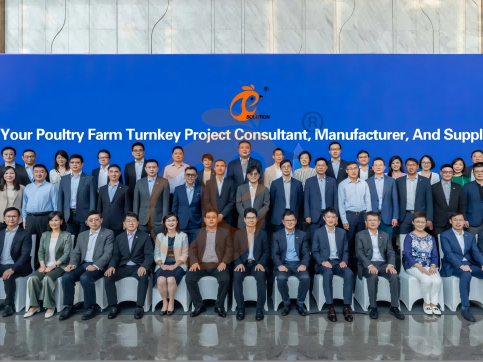
Hong Kong Headquarter Management Team
Hong Kong Headquarter Taiyu Industrial Group CO., LTD
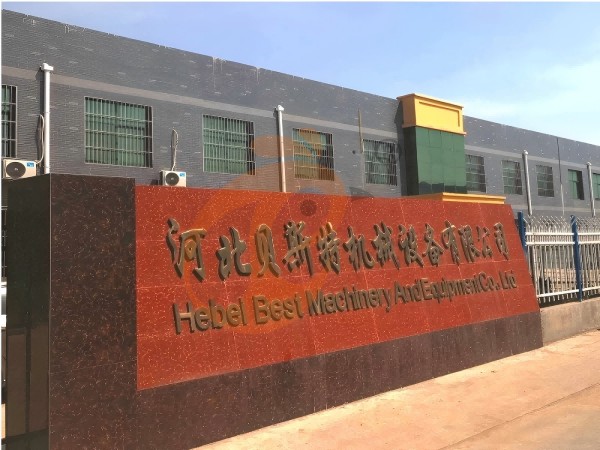
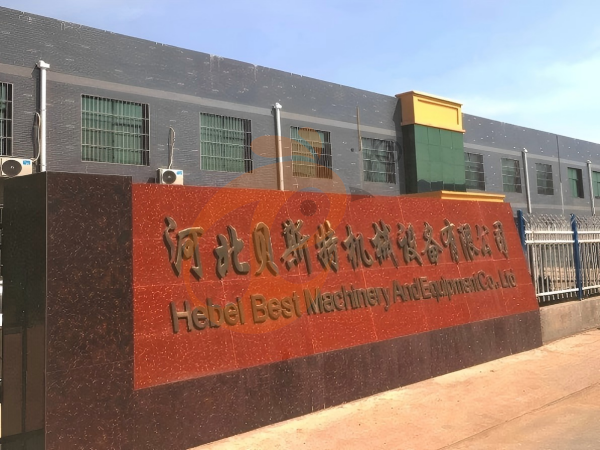
China Hebei Best Machinery And Equipment CO., LTD
Nigeria Vanke Machinery And Equipment CO., LTD
Tanzania Best Machinery And Equipment CO., LTD
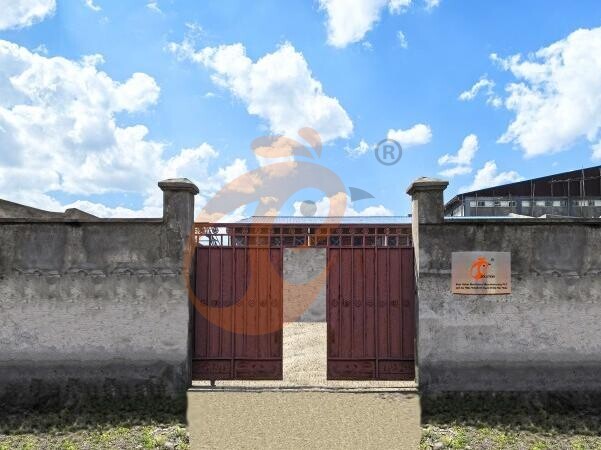
Ethiopia Best Hebei Machinery Manufacturing PLC
Reception /24 WhatsApp NO. : +8618830120193
FAQ
How To Optimize ROI In A-Type Layer Cage Farm?
FCR optimized to 1.9–2.2
Egg production rate: 90–96%
Equipment lifespan: more than 25 years
ROI: ~3–4 years
How To Design A-Type Layer Cage House For Maximum Ventilation?
Roof slope 5–8° to enhance airflow
Aisle width: 1.2–1.4 m
Farm capacity per house: 10,000–50,000 birds
Egg production rate: 90–96%
What Is The Optimal Stocking Density For A-Type Poultry Cage Layers?
Reduces crowding stress
Decreases feather pecking
Egg production rate: 90–96%
FCR: 1.9–2.2
- chicken cage
- layer cage
- poultry farm
- poultry cage
- poultry farm
- poultry farm equipment
- poultry farm project
- poultry farm construction
- layer farm
- poultry farmer
- chicken cage system
- chicken cage accessories
- chicken cage production
- poultry cage system
- poultry farm equipment Ethiopia
- layer chicken cage
- Ethiopia
- Nigeria
Message
Products recommended
 HK Headquarter Offers EU-standard Poultry Farm Solutions, Manufacture Poultry Farm Equipment1. Continuous communication with the EU and the US
2. China, Nigeria, Ethiopia, Tanzania branch companies and factories
3. The products’ quality is customized for local poultry farms
4. Poultry cage and poultry farm equipment stock for sale
5. 24 online reception Whatsapp NO. : +8618830120193,contact us to get full informationRead More China Branch Offer Poultry Farm Business Plan, Manufacture Poultry Farm Equipment1. Address: Flat/RM 2416, 24/F, Runxing Building, Youyi Nan Street, Shijiazhuang City, Hebei Province, China
2. Poultry cage and poultry farm equipment factory and stock for sale
3. Customized for local poultry farms
4. Quality and design are based on Euro
5. 24 online reception Whatsapp NO. : +8618830120193Read More Nigeria Branch Offer Poultry Farm Business Plan, Manufacture Poultry Farm Equipment1. Address: After Sinoma Office, 200 Meters Near Danco Filling Station, Lagos/Ibadan Expressway, Lagos State, Nigeria
2. Poultry cage and poultry farm equipment factory and stock for sale
3. Customized for Nigerian poultry farms
4. Quality and design are based on Euro
5. 24 online reception Whatsapp NO. : +8618830120193Read More Ethiopia Branch Offer Poultry Farm Business Plan, Manufacture Poultry Farm Equipment1. Address: Gelan Gura, Akaki-kaliti Sub City, Addis Ababa, Ethiopia
2. Poultry cage and poultry farm equipment stock for sale
3. Customized for Ethiopian poultry farms
4. Quality and design are based on Euro
5. 24 online reception Whatsapp NO. : +8618830120193, contact us to get price listRead More Tanzania Branch Offer Poultry Farm Business Plan, Manufacture Poultry Farm Equipment1. Address: No.8, Sova Road, Msufini, Mlandizi, Kibaha, Pwani, Tanzania
2. Poultry cage and poultry farm equipment factory and stock for sale
3. Customized for Tanzanian poultry farms
4. Quality and design are based on Euro
5. 24 online reception Whatsapp NO. : +8618830120193Read More Fully Automatic H Type Layer Chicken Cage1. 30,000-100,000+ layers/house chooses it, Poultry farmers can achieve an egg production rate of 96-98%
2. A significant improvement over the 85-90% typically seen in manual systems
3. A typical poultry farm can expect a 30-40% reduction in labor costs due to the automation
4. Each feeding line efficiently supplies feed to around 100,000 hens per 30 mins
5. Reception /WhatsApp NO. : +8618830120193Read More Fully Automatic A Type Layer Chicken Cage1. 10,000-50,000 layers/house chooses it
2. Cleaner egg collection reduces breakage by 0.5%
3. Improved hygiene helps reduce mortality rate to <3%
4. 1–2 technicians can handle 15,000–30,000 birds
5. Reception /WhatsApp NO. : +8618830120193Read More Semi Automatic H Type Layer Chicken Cage1. 1,00-20,000 layers/house chooses it
2. Nipple drinkers flow 30–60 ML / min
3. Hot-dip galvanized (typical coating ≥ 275 g/m²)
4. Reduce ammonia by ~ 35–40%
5. Reception /WhatsApp NO. : +8618830120193Read More Semi Automatic A Type Layer Chicken Cage1. 1,00-20,000 layers/house chooses it, no rust for 10 years, no deformation for 15 years
2. Chickens live comfortably, you can raise them with peace of mind
3. Save water, save money—efficiency you can measure
4. Improve environment quality, and increase egg production rate
5. Reception /WhatsApp NO. : +8618830120193Read More
By clicking 'Allow All', you agree to the storage of cookies on your device to enhance site navigation, analyze site usage and assist with our marketing efforts.