






Blog
Poultry cage selection starts with accurate farm data, covering 30,000 birds, house dimensions, automation preferences, and destination requirements for efficient quotation planning.
A complete automatic layer cage system can integrate feeding, drinking, manure removal, ventilation, egg collection, and environmental control into one coordinated production configuration.
Professional poultry farming equipment quotations should combine engineering drawings, equipment specifications, quantities, electrical requirements, packaging data, production schedules, and shipping details.
Factory evaluation should consider manufacturing capability, galvanized materials, engineering support, installation coordination, spare-parts planning, export experience, and technical communication response.
- Commercial comparison becomes more reliable when cage configuration, automation scope, container loading, installation requirements, and project documentation are evaluated together rather than by equipment price alone.
Get professional poultry farm construction guidance, equipment selection solutions, and the latest price lists, whatsApp to +8618830120193, +2348111199996, or click to learn more.
Start With The Right Information
Getting a fast poultry cage quotation from a factory is not simply about asking, "how much does a chicken cage cost?"
A professional poultry equipment manufacturer needs several details before preparing an accurate offer.
The faster you provide clear project information, the faster the factory can calculate cage quantity, equipment configuration, production capacity, shipping volume, and installation requirements.
For poultry farms, the cage system is only one part of the investment.
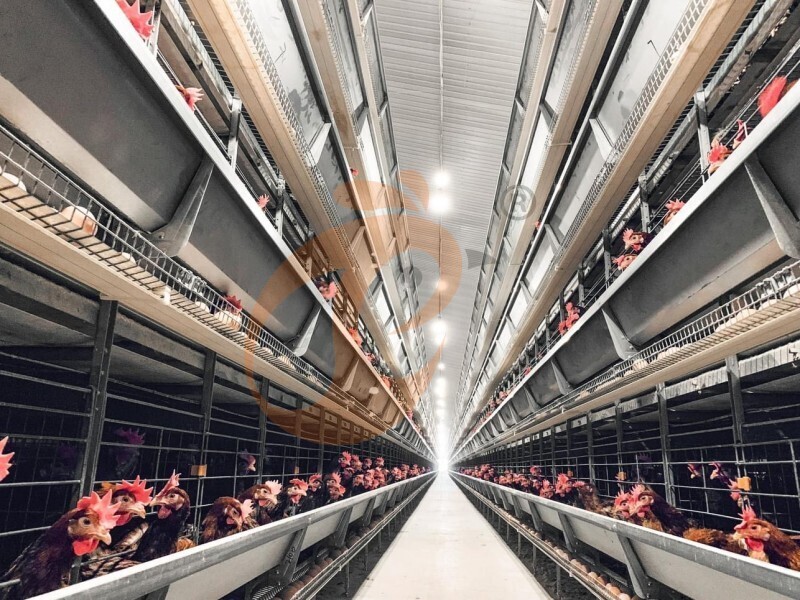
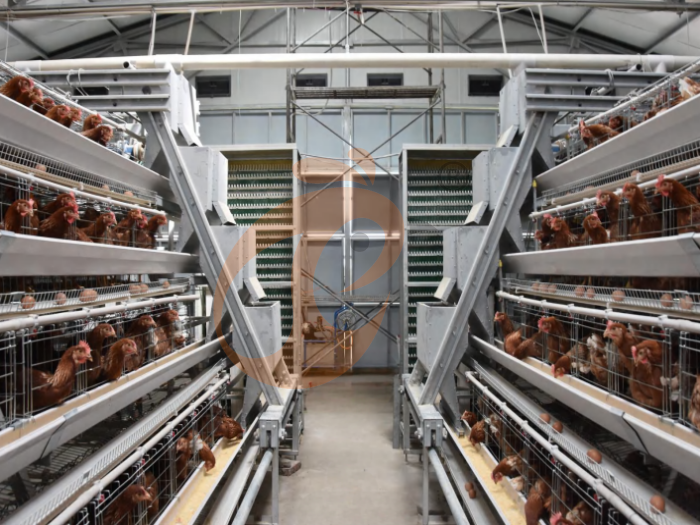
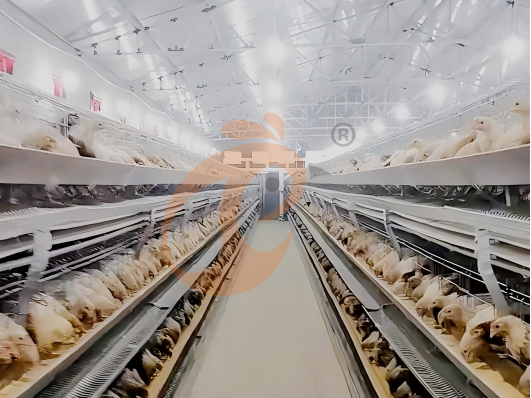
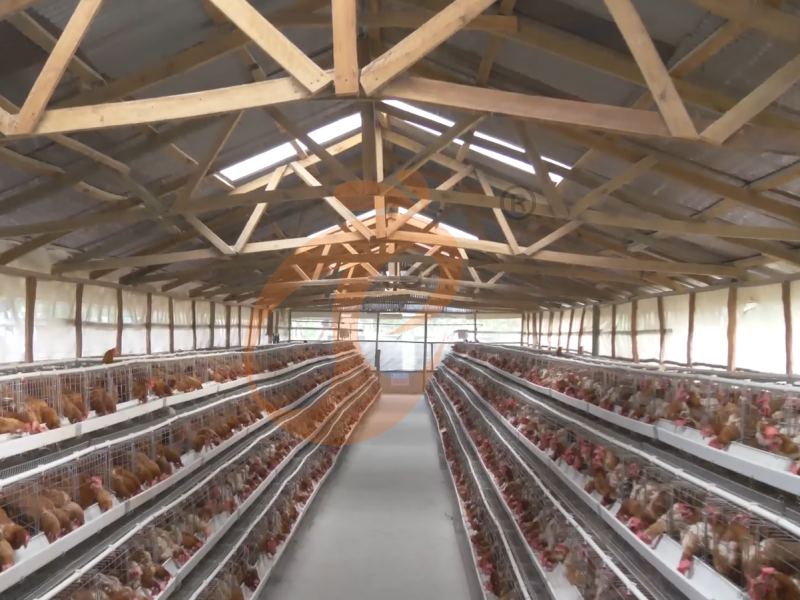
A complete poultry cage system may include layer cages, broiler cages, automatic feeding systems, nipple drinking systems, manure removal equipment, ventilation fans, cooling pads, automatic egg collection, and environmental control systems.
A well-prepared quotation request helps you compare suppliers based on the complete farming solution rather than price alone.
For example, a commercial layer house may use a 120 mm feeding trough and 360° nipple drinkers to support routine flock management.
Tell The Factory Your Farm Requirements
The first step is to give the manufacturer basic information about your farm.
Do not worry if you do not know every technical specification.
A reliable factory can recommend suitable equipment after reviewing your requirements.
Data is for reference only.Swipe horizontally to view full table.
The more complete your information is, the fewer questions the factory needs to ask before preparing a quotation.
For example, if you are planning a 30,000-layer farm, tell the supplier whether you already have poultry houses or need a complete turnkey solution.
This distinction can significantly change the equipment list and investment budget.
A standard house may require a 2.8 m service aisle to provide sufficient working space between equipment rows.
Ask These Five Questions
Before requesting the quotation, use this simple question framework.
1. What type of cage do I need?
Ask whether a 3-tier, 4-tier, or another cage configuration is suitable for your house dimensions and bird capacity.
A typical cage frame can use 2.5–3.0 mm galvanized wire to provide structural strength.
2. What equipment is included?
Confirm whether feeding, drinking, manure cleaning, egg collection, ventilation, and environmental control are included in the automatic layer cage system.
3. What is the recommended capacity?
Ask the factory to calculate the number of cages and birds per cage according to your target farm size.
4. What is the production lead time?
A factory should provide an estimated manufacturing schedule after receiving your confirmed order.
5. What is the complete project cost?
Request the equipment price, spare parts, packaging, shipping information, installation options, and other applicable costs.
Ask whether electrical motors use 380 v/50 hz three-phase power when planning an international installation.
These questions turn a general price inquiry into a professional project inquir and usually produce a much more useful quotation.
Request A Complete Equipment List
A quotation should cover the complete poultry farming equipment configuration rather than only the cage body.
Some suppliers quote only the cage structure while leaving important equipment outside the price.
Ask the factory to provide a detailed equipment list.
Data is for reference only.Swipe horizontally to view full table.
A professional poultry equipment company should be able to explain what every major component does.
For commercial farms, integrated automation can reduce manual labor, improve feeding consistency, support better environmental management, and make daily farm operations easier to control.
An automatic feeding line can operate at approximately 36 m/min, allowing feed distribution across long cage rows.
Compare Value, Not Just Price
Imagine two factories send you quotations.
Factory A offers a cage price but excludes feeding equipment, manure removal, installation support, and spare parts.
Factory B offers a complete automatic cage system with coordinated equipment.
Which quotation creates the more practical project budget?
The answer depends on the total project cost, not the unit price printed at the top of the quotation.
A useful comparison formula is:
Total investment = Equipment + Shipping + Installation + Electrical/supporting work + Initial spare parts
This is why experienced poultry farmers usually compare complete configurations rather than simply choosing the cheapest cage quotation.
A factory with its own production facilities can also offer advantages such as direct technical communication, customized cage layouts, quality control, and more efficient after-sales support.
For example, a manure conveyor designed for continuous operation can use a 1.5 kw drive motor for a dedicated cage line.
Confirm Cage Capacity And House Layout
Your poultry house dimensions directly influence the equipment configuration.
Before placing an order, ask the factory to prepare a proposed layout for the poultry cage system.
Data is for reference only.Swipe horizontally to view full table.
A professional layout allows you to see how the equipment will fit into the building before manufacturing begins.
This is especially important for customized poultry cage projects.
A factory with engineering and design capabilities can adjust cage rows, feeding lines, manure systems, ventilation, and other components according to the actual house dimensions.
A properly planned cage line can maintain approximately 450 mm of vertical clearance between functional equipment levels.
A Practical Example: From Inquiry To Quotation
Consider a farmer planning a 50,000-layer poultry project.
Instead of sending
"Please send me your best price for chicken cages."
Send a more complete inquiry
"We are planning a 50,000-layer farm.
Each poultry house is approximately 16 m × 100 m.
We are interested in an automatic layer cage system with feeding, nipple drinking, manure removal, ventilation, and environmental control.
Please recommend a suitable cage configuration and provide the equipment list, capacity calculation, quotation, production lead time, and shipping information."
This second inquiry gives the factory enough information to start engineering.
The result is usually a more accurate quotation, faster communication, and fewer misunderstandings during the purchasing process.
For an automated layer project, the factory may also calculate a feed storage requirement of 20 tonnes and an average water-flow design of 0.25 l/min per drinker line.
Ask For Technical And Commercial Details
Once the factory has prepared the basic configuration, request the quotation in a standardized format.
Data is for reference only.Swipe horizontally to view full table.
Do not hesitate to ask for product drawings, videos, technical specifications, and project references.
A serious manufacturer should be willing to explain the equipment configuration clearly so you can make an informed purchasing decision.
Request the galvanized coating specification in g/m² and the motor protection class, such as ip55, when checking equipment durability and electrical suitability.
European union standard reference only.
Confirm Shipping And Delivery Requirements
For international poultry equipment purchases, transportation can represent a significant part of the total investment.
Ask the factory for shipping-related information before making your final comparison.
Data is for reference only.Swipe horizontally to view full table.
If the supplier has experience exporting poultry equipment internationally, it should be able to provide practical guidance about packing, loading, shipping documents, and installation preparation.
This can make the transition from factory production to farm installation much smoother.
For container planning, a factory can also provide a loading diagram with package stacking limits of 2.0 tonnes per pallet position where applicable.
Use This Fast Quotation Checklist
Before pressing "send" on your inquiry, check whether you have included the following information.
Data is for reference only.Swipe horizontally to view full table.
A complete inquiry can save several rounds of emails or messages.
For large poultry projects, this communication efficiency matters.
Every delayed technical confirmation can potentially delay equipment production, shipping, installation, and ultimately farm operation.
Providing a 1:100 layout drawing scale can also help the engineering team review building and equipment relationships more efficiently.
How To Evaluate The Factory Before Ordering
Price should be only one part of your supplier evaluation.
Data is for reference only.Swipe horizontally to view full table.
A strong poultry equipment manufacturer should not simply sell cages.
It should help customers build a more efficient poultry production system.
This is where an experienced factory can create additional value from initial farm planning and cage design to equipment manufacturing, delivery, installation, and after-sales support.
A technical service team capable of providing 24-hour remote troubleshooting can also reduce downtime during farm operation.
Turn Your Inquiry Into A Faster Factory Quote
A fast poultry cage quotation starts with a clear request.
Remember the 5 simple steps
Step 1: Provide your farm requirements.
Step 2: Request a complete equipment list.
Step 3: Confirm cage capacity and house layout.
Step 4: Ask for detailed technical and commercial information.
Step 5: Confirm shipping and delivery requirements.
The goal is not simply to find the cheapest chicken cage.
The goal is to find a cost-effective, durable, efficient, and scalable poultry equipment solution for your farm.
If you are purchasing equipment for a commercial layer or broiler project, send the factory your bird quantity, poultry house dimensions, farm location, and automation requirements first.
With this information, a professional poultry equipment manufacturer can quickly recommend the right cage configuration and prepare a more accurate quotation.
For a complete project inquiry, include the preferred quotation currency (usd) and required quotation validity period of 30 days so commercial terms can be compared consistently.
The better your inquiry, the faster your quotation and the easier it becomes to move from farm planning to profitable poultry production.
Frequently Asked Questions
Q1: How much farm information should be included in a poultry cage quotation request?
A1: Provide bird quantity, house dimensions, cage type, automation requirements, destination, and installation expectations.
A project with 50,000 layers can usually receive a more precise configuration when house drawings and equipment preferences are supplied together.
Q2: What equipment should be included with an automatic layer cage system?
A2: A complete configuration can include feeding, nipple drinking, manure removal, ventilation, egg collection, and environmental control.
For example, a 50-inch ventilation fan specification can be evaluated together with the cage layout instead of being priced independently.
Q3: How can a factory provide a faster poultry equipment quotation?
A3: Send one consolidated technical request containing farm data, equipment scope, layout requirements, shipping destination, and commercial requirements.
Providing a 30-day quotation validity period also creates a consistent basis for comparing factory offers.
Taiyu (HK) Group - One Of China's Largest Poultry Cage Manufacturer
Poultry cage systems integrate cage structures, bird-capacity planning, feeding, drinking, manure management, and farm-layout engineering into coordinated commercial production lines.
Global factory-direct supply covers poultry equipment, including cage systems, feeding lines, drinking systems, manure removal, ventilation, egg collection, and environmental control components.
Turn-key engineering connects preliminary farm planning, cad layout development, equipment manufacturing, factory inspection, container loading, installation coordination, commissioning, and technical documentation.
International project execution supports commercial layer and broiler farms with equipment selection, production scheduling, export packaging, spare-parts planning, and remote engineering assistance.
Factory engineering teams coordinate equipment interfaces according to building dimensions, electrical requirements, operational targets, and installation sequences for structured poultry production projects.
Contact Us To Received Your Customized Poultry Farm Plan
Headquarters And Branchs

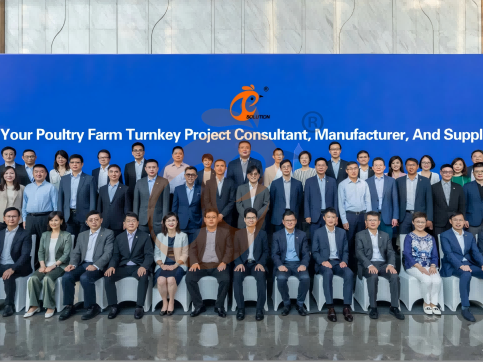
Hong Kong Headquarter Management Team
Hong Kong Headquarter Taiyu Industrial Group CO., LTD
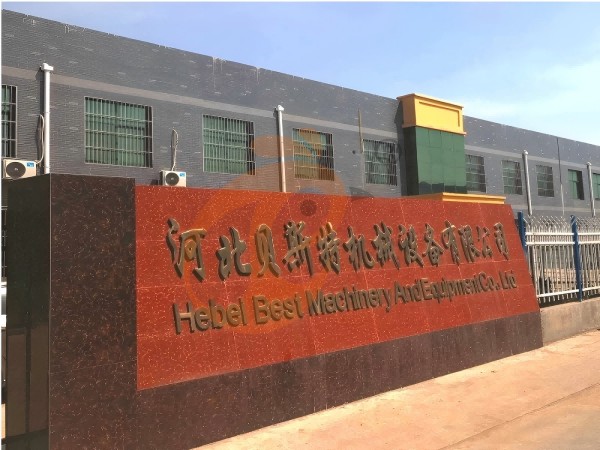
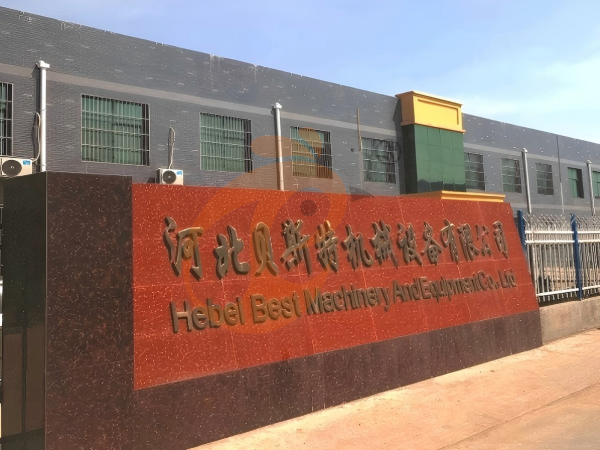
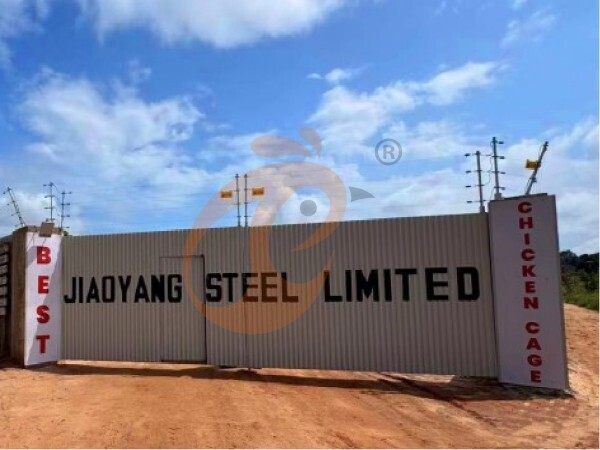
China Hebei Best Machinery And Equipment CO., LTD
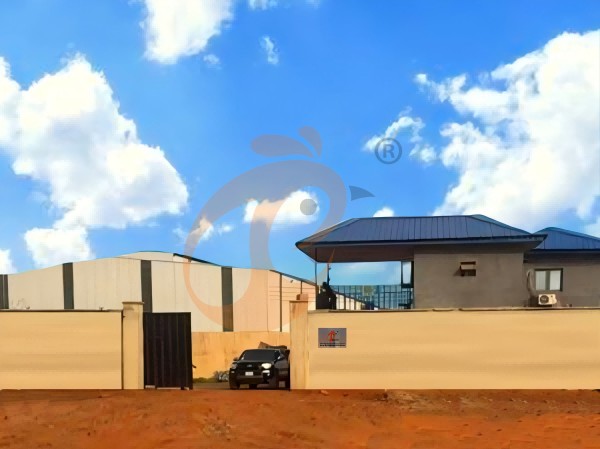
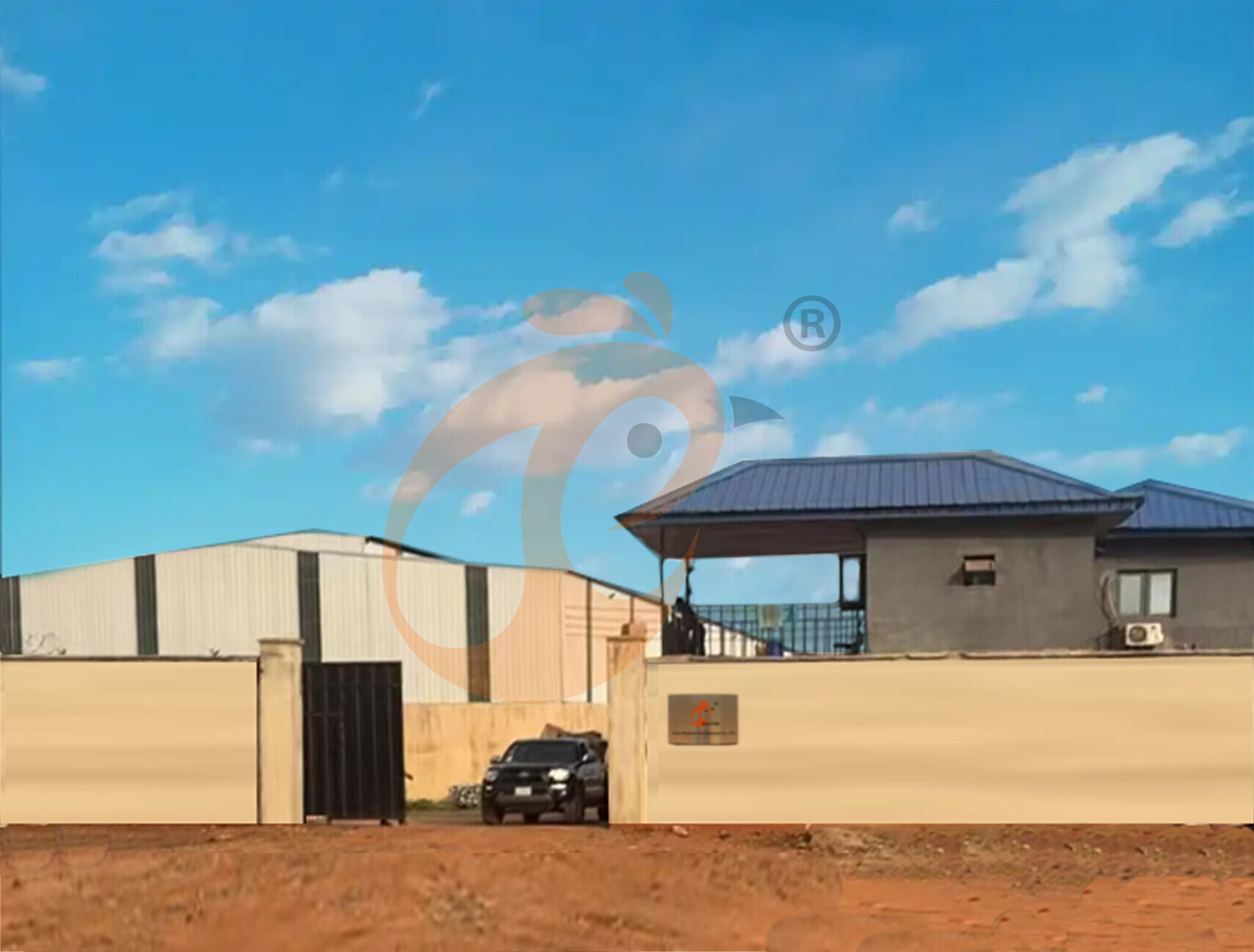
Nigeria Vanke Machinery And Equipment CO., LTD
Tanzania Best Machinery And Equipment CO., LTD
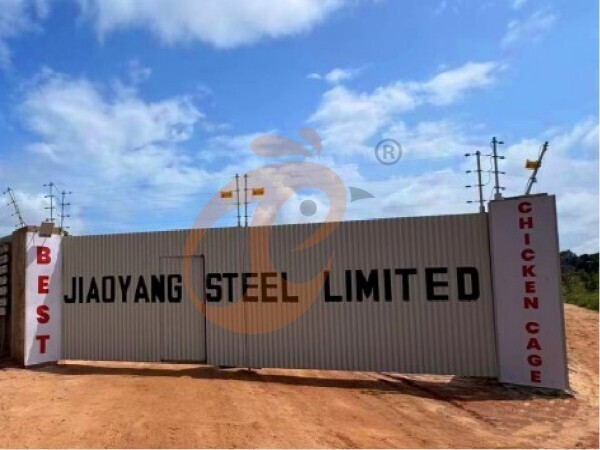
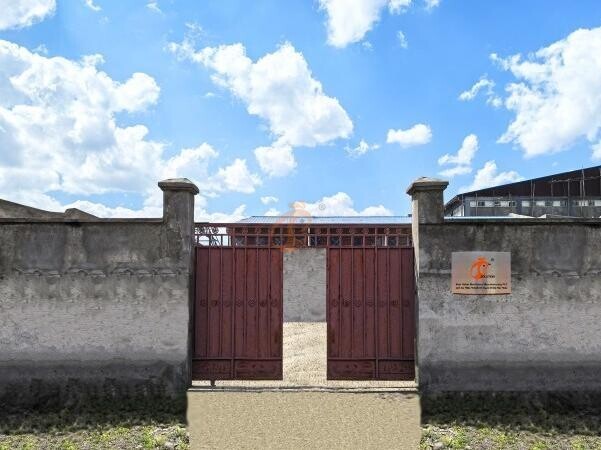
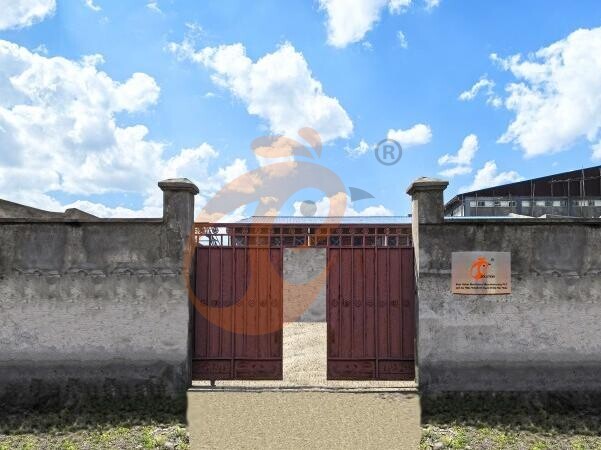
Ethiopia Best Hebei Machinery Manufacturing PLC
Reception /24 WhatsApp NO. : +8618830120193
FAQ
How To Choose The Ultimate Layer Cage System For Multi-Tier Farms?
Install automatic feeding, drinking, egg collection, and manure cleaning systems to boost egg production to 90–98%.
Optimized ventilation and temperature/humidity control reduce mortality to 2–3%.
What Are The Professional Guidelines For Optimizing Feed Storage And Usage In Chicken Cage Farms?
Use automatic feeders to allocate feed as needed, reducing waste by 5–10%.
Regularly monitor feed consumption per tier; FCR 1.9–2.1, egg production 90–98%.
What Are The Professional Guidelines For Reducing Labor Costs Using Automation In Chicken Cage Farms?
Use real-time monitoring systems to manage flock health and egg production.
ROI can be shortened to 24–36 months, improving overall profitability.
- poultry equipment
- chicken cage
- layer cage
- broiler cage
- poultry farm
- feeding equipment
- poultry cage
- poultry farm
- poultry farm construction
- layer cage system
- automatic layer cage
- chicken cage cost
- poultry cage manufacturer
- poultry cage quotation
- poultry equipment manufacturer
- poultry equipment quotation
- automatic feeding system
- hen cage
- layer farm
- broiler farm
- poultry farmer
- poultry house
- poultry cage system
- poultry farming equipment
- poultry farming equipment quotation
- steel poultry house
- poultry house dimensions
- Ethiopia
- Nigeria
Message
Products recommended
 HK Headquarter Offers EU-standard Poultry Farm Solutions, Manufacture Poultry Farm Equipment1. Continuous communication with the EU and the US
2. China, Nigeria, Ethiopia, Tanzania branch companies and factories
3. The products’ quality is customized for local poultry farms
4. Poultry cage and poultry farm equipment stock for sale
5. 24 online reception Whatsapp NO. : +8618830120193,contact us to get full informationRead More China Branch Offer Poultry Farm Business Plan, Manufacture Poultry Farm Equipment1. Address: Flat/RM 2416, 24/F, Runxing Building, Youyi Nan Street, Shijiazhuang City, Hebei Province, China
2. Poultry cage and poultry farm equipment factory and stock for sale
3. Customized for local poultry farms
4. Quality and design are based on Euro
5. 24 online reception Whatsapp NO. : +8618830120193Read More Nigeria Branch Offer Poultry Farm Business Plan, Manufacture Poultry Farm Equipment1. Address: After Sinoma Office, 200 Meters Near Danco Filling Station, Lagos/Ibadan Expressway, Lagos State, Nigeria
2. Poultry cage and poultry farm equipment factory and stock for sale
3. Customized for Nigerian poultry farms
4. Quality and design are based on Euro
5. 24 online reception Whatsapp NO. : +8618830120193Read More Ethiopia Branch Offer Poultry Farm Business Plan, Manufacture Poultry Farm Equipment1. Address: Gelan Gura, Akaki-kaliti Sub City, Addis Ababa, Ethiopia
2. Poultry cage and poultry farm equipment stock for sale
3. Customized for Ethiopian poultry farms
4. Quality and design are based on Euro
5. 24 online reception Whatsapp NO. : +8618830120193, contact us to get price listRead More Tanzania Branch Offer Poultry Farm Business Plan, Manufacture Poultry Farm Equipment1. Address: No.8, Sova Road, Msufini, Mlandizi, Kibaha, Pwani, Tanzania
2. Poultry cage and poultry farm equipment factory and stock for sale
3. Customized for Tanzanian poultry farms
4. Quality and design are based on Euro
5. 24 online reception Whatsapp NO. : +8618830120193Read More Fully Automatic H Type Layer Chicken Cage1. 30,000-100,000+ layers/house chooses it, Poultry farmers can achieve an egg production rate of 96-98%
2. A significant improvement over the 85-90% typically seen in manual systems
3. A typical poultry farm can expect a 30-40% reduction in labor costs due to the automation
4. Each feeding line efficiently supplies feed to around 100,000 hens per 30 mins
5. Reception /WhatsApp NO. : +8618830120193Read More Fully Automatic A Type Layer Chicken Cage1. 10,000-50,000 layers/house chooses it
2. Cleaner egg collection reduces breakage by 0.5%
3. Improved hygiene helps reduce mortality rate to <3%
4. 1–2 technicians can handle 15,000–30,000 birds
5. Reception /WhatsApp NO. : +8618830120193Read More Semi Automatic H Type Layer Chicken Cage1. 1,00-20,000 layers/house chooses it
2. Nipple drinkers flow 30–60 ML / min
3. Hot-dip galvanized (typical coating ≥ 275 g/m²)
4. Reduce ammonia by ~ 35–40%
5. Reception /WhatsApp NO. : +8618830120193Read More Semi Automatic A Type Layer Chicken Cage1. 1,00-20,000 layers/house chooses it, no rust for 10 years, no deformation for 15 years
2. Chickens live comfortably, you can raise them with peace of mind
3. Save water, save money—efficiency you can measure
4. Improve environment quality, and increase egg production rate
5. Reception /WhatsApp NO. : +8618830120193Read More
By clicking 'Allow All', you agree to the storage of cookies on your device to enhance site navigation, analyze site usage and assist with our marketing efforts.