






Blog
Poultry feed mill planning connects feed processing, automated distribution, and poultry house equipment into one scalable production architecture.
Advanced grinding, batching, mixing, pelleting, cooling, and storage improve process continuity while supporting projects from 1 to 40 tons per hour.
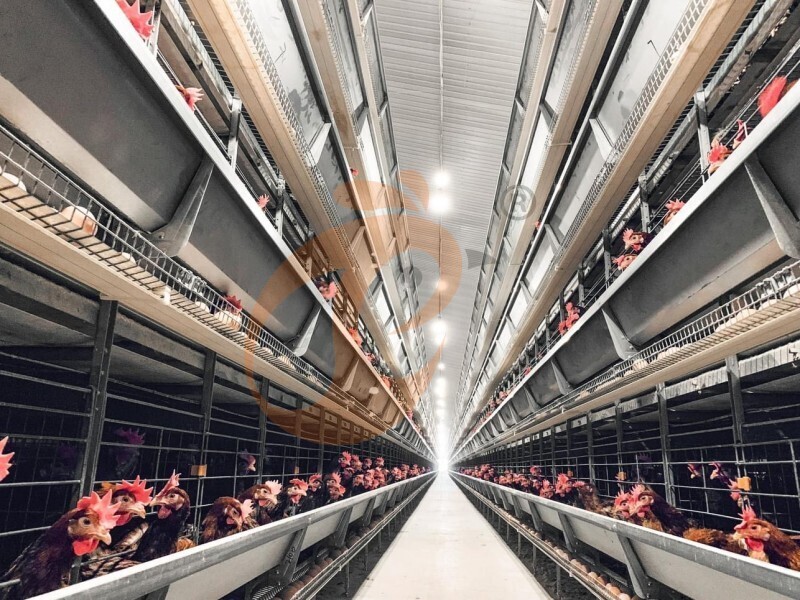
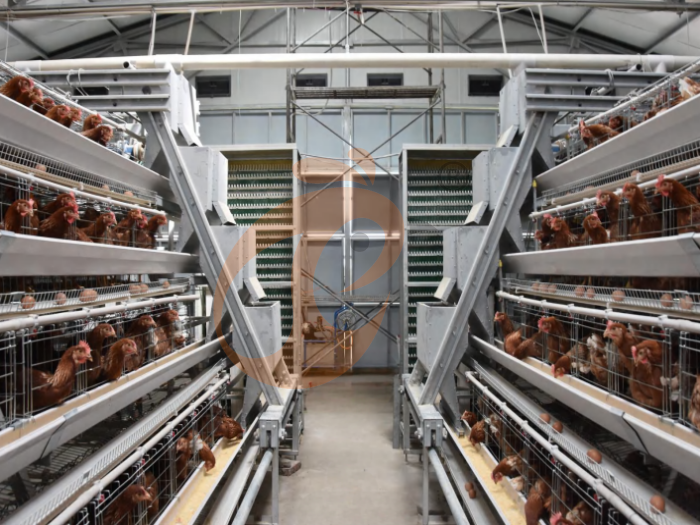
Automatic poultry feeding system transfers formulated feed from silos to bird-level feeders with controlled scheduling and reduced manual handling.
Integrated ventilation, drinking, cooling, and control equipment links feed availability with stable house management across commercial broiler and layer facilities.
Engineering-focused equipment packages combine capacity planning, installation, automation, and expansion pathways for reliable long-term poultry production for commercial farms across diverse operating conditions.
Get professional poultry farm construction guidance, equipment selection solutions, and the latest price lists, whatsApp to +8618830120193, +2348111199996, or click to learn more.
Feed Production Is The First Step Toward Better Farm Performance
As poultry farming becomes more intensive, feed production must become more consistent, measurable, and scalable.
Feed is one of the most important costs in intensive poultry production, while feed quality directly influences bird growth, egg production, health, and feed conversion.
A commercial poultry feed mill can process 3–4 tph, while grinding systems can target a 550–1,200 micron mean particle size.
For modern poultry producers, an advanced feed mill is therefore more than a processing facility.
A properly configured farm can also coordinate feeding schedules with 8–12 programmable cycles/day and automated equipment monitoring.
For equipment suppliers, this creates an important opportunity customers increasingly need complete farm solutions rather than isolated machines.
What An Advanced Poultry Feed Mill Should Include
Data is for reference only.Swipe horizontally to view full table.
Commercial feed systems combine grinding, batching, mixing, conditioning, pelleting, cooling, and packaging into a controlled process.
A properly designed poultry feed mill can incorporate iron removal efficiency of at least 98% before grinding, supporting cleaner downstream processing.
From Feed Mill To Poultry House: The Equipment Connection
The real value of feed-mill investment appears when the feed reaches the birds efficiently.
A high-quality feed production system should therefore be planned together with the poultry house.
A typical integrated workflow is
Raw materials → Feed mill → Storage → Farm silo → Feed conveyor → Feeding line → Feed pan → Poultry house
For a commercial installation, the conveying network can use 100–150 mm main augers with branch lines of 50–75 mm, creating a direct connection between bulk storage and individual feeding zones.
A properly engineered poultry house equipment package can also coordinate feed delivery with drinking and climate-control layouts.
For a poultry equipment company, this is a strong selling point: instead of supplying only a feed line, the supplier can provide a complete feeding solution from storage to bird level.
Key Equipment Selection For Scalable Production
Data is for reference only.Swipe horizontally to view full table.
Automatic pan-feeding systems can be configured around 180 g feed/bird/day as a reference design value, while the drive system can incorporate overload and short-circuit protection.
An automatic poultry feeding system can integrate feed sensors with motor control, allowing feed replenishment to respond directly to line conditions.
Why Pellet Quality Matters
Pelleting transforms smaller feed particles into a more manageable physical form.
Research and commercial feed-mill specifications show that conditioning and pellet formation involve carefully controlled temperature, moisture, and mechanical compression.
A representative conditioning process can operate at 75–85°c, with steam addition around 4–6% by weight.
For producers, the objective is not simply to manufacture pellets.
The objective is to deliver consistent feed to every bird.
That means pellet production should be matched with
- Accurate ingredient dosing
- Effective mixing
- Appropriate conditioning
- Controlled cooling
- Screening
- Proper feed storage
- Reliable automated distribution
A modern poultry feed mill can produce 2–4 mm pellets, providing a practical format for broiler and layer feeding programs.
When these systems work together, the feed mill becomes part of a broader precision-farming strategy.
Automation Creates A More Scalable Operation
Data is for reference only.Swipe horizontally to view full table.
Automation strengthens the business case for complete poultry house equipment.
Automated sensors can detect feed conditions, while programmable controllers coordinate feeding and environmental equipment across multiple production zones.
Usda guidance also emphasizes dependable operation and inspection of poultry-house feeding, watering, ventilation, and emergency systems, making equipment reliability an important part of commercial farm design.
Scaling Capacity Without Losing Operational Control
A successful expansion should not begin with the question, “How large should the feed mill be?”
Instead, producers should evaluate the entire production chain.
Consider this sequence
Flock size → Daily feed demand → Storage capacity → Feed mill capacity → Conveying distance → Feeding line capacity → House layout
A feed production line rated at 1–2 tons/hour can serve small and medium farm applications, while modular installations can add grinding, mixing, pelleting, cooling, dust collection, and packing equipment as production requirements expand.
This prevents a common problem upgrading one machine while leaving bottlenecks elsewhere.
For example, a high-capacity feed mill has limited value if farm silos are too small or poultry-house feeding lines cannot distribute feed quickly enough.
The strongest equipment proposal therefore combines capacity planning + equipment configuration + installation support.
Equipment Package Comparison For Different Farm Scales
Data is for reference only.Swipe horizontally to view full table.
For poultry farms using centralized feed distribution, silo capacities around 5–10 tonnes are commonly used within larger 2–20 tonne system configurations.
An automatic poultry feeding system can therefore be designed as a modular network where additional houses and distribution branches connect to the existing infrastructure.
The poultry equipment supplier can therefore design a modular system in which additional houses, silos, feeding lines, and environmental-control units are added without replacing the entire infrastructure.
Feeding Equipment Should Be Designed Around Bird Behavior
A modern poultry house is not simply a building filled with machinery.
Every system ultimately has to serve the birds.
Feed must be available consistently.
Water must be accessible.
Airflow must remain suitable.
Equipment should minimize unnecessary stress and reduce operational interruptions.
For example, commercial nipple drinkers can deliver approximately 40 ml/min at 0–7 days and 90 ml/min from 29–35+ days for broilers, allowing the water system to follow changing bird requirements.
A complete poultry house equipment package can combine feeding, drinking, ventilation, and climate-control systems around the same house layout.
For buyers, the advantage is straightforward one coordinated equipment package can reduce compatibility problems and simplify project management.
Beyond The Feed Mill: Build The Complete Production System
Data is for reference only.Swipe horizontally to view full table.
Fan selection should account for operating pressure rather than relying only on free-air ratings.
For example, a 36-inch fan can deliver 10,070 cfm at 1/10-inch water gauge under a published reference configuration.
Ventilation is particularly important because poultry houses continuously generate heat, moisture, dust, gases, and other contaminants.
Proper mechanical ventilation helps maintain an appropriate environment for economical production.
Turn Equipment Investment Into A Long-Term Business Advantage
The best poultry equipment supplier does more than sell individual machines.
The supplier should understand how feed production, housing design, feeding, drinking, ventilation, and environmental control influence one another.
1. Project Design
Equipment is selected according to flock size, house dimensions, climate, and production goals.
Feed distribution can be designed around 14- or 16-grille pan configurations, depending on the selected feeder design.
2. System Integration
Feed storage, conveying, feeding, drinking, ventilation, and controls are designed to work together.
Water-line systems can use 22 or 25 mm pvc pipelines for house distribution.
3. Installation Support
Professional installation reduces commissioning problems and improves system reliability.
4. After-Sales Service
Spare parts, technical assistance, maintenance guidance, and system upgrades help protect the customer's investment.
This turnkey approach gives poultry producers one engineering partner responsible for coordinating the equipment package from feed storage through final bird-level delivery.
The Next Step: Build A Smarter Poultry Production Platform
Data is for reference only.Swipe horizontally to view full table.
The technical architecture of an integrated poultry project can be expanded from a compact feed line to industrial feed-mill infrastructure.
A scalable poultry feed mill can connect production capacity with storage, conveying, and farm-level distribution requirements.
Frequently Asked Questions
Q1: What capacity should a commercial poultry feed mill provide?
A1: A practical project can begin around 1–2 tph and expand through modular processing sections, while larger industrial systems can reach 40 tph depending on formulation and raw-material conditions.
Q2: How does an automatic poultry feeding system connect with a feed mill?
A2: Feed moves from storage through conveying equipment into house hoppers and feeders, while sensors and programmed controls regulate delivery according to line conditions and production schedules.
Q3: Why should feed production and poultry house equipment be designed together?
A3: Integrated engineering prevents capacity mismatches between feed production, storage, conveying, feeding, ventilation, and drinking systems, allowing each subsystem to support the overall farm operating cycle.
Taiyu (HK) Group - One Of China Toppest Poultry Feed Mill Manufacturer
Poultry feed mill solutions integrate grinding, batching, mixing, pelleting, cooling, storage, and automated feed transfer into engineered production lines.
Global factory-direct supply covers poultry equipment, feeding systems, drinking systems, ventilation systems, environmental controls, and customized farm components.
Turn-key engineering connects feed processing capacity with poultry-house layouts, equipment selection, electrical control, installation, and commissioning requirements.
Project execution supports broiler, layer, breeder, and multi-house facilities through coordinated equipment specifications and scalable system architecture.
International project service combines factory manufacturing, technical documentation, engineering coordination, spare-parts support, and production-line expansion planning.
Contact Us To Received Your Customized Poultry Farm Plan
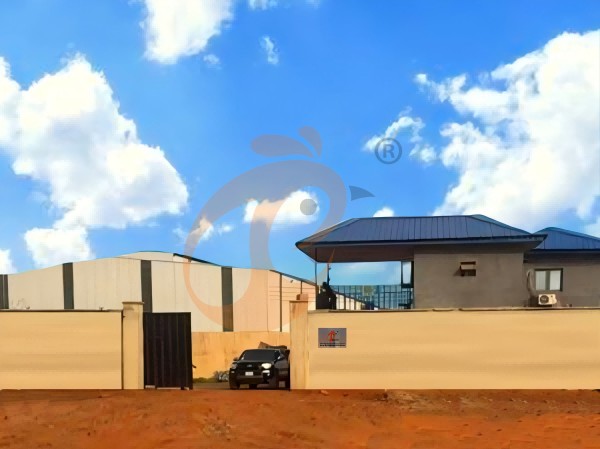
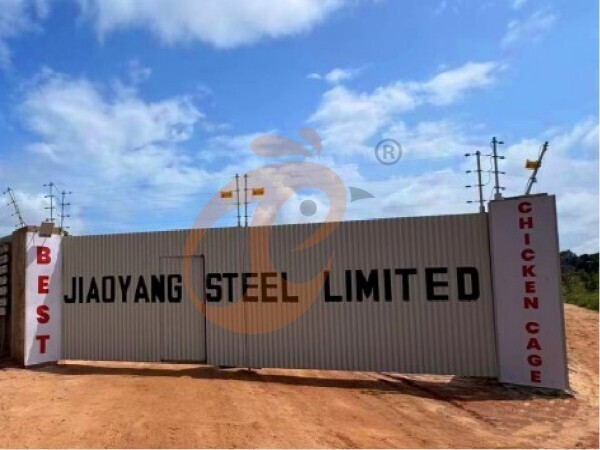
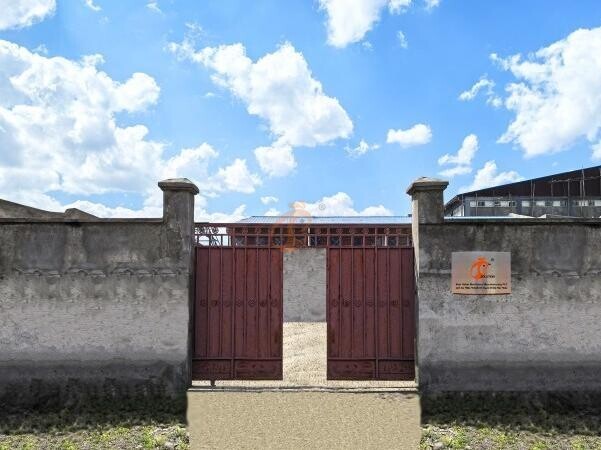
Headquarters And Branchs
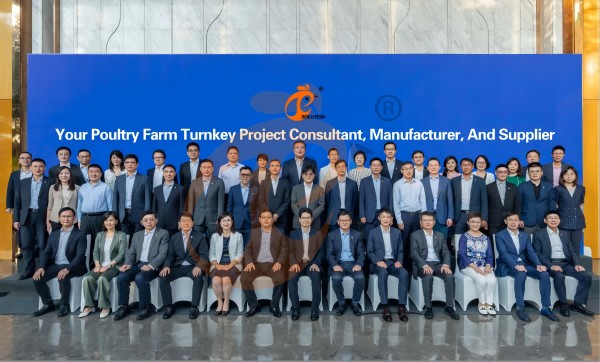
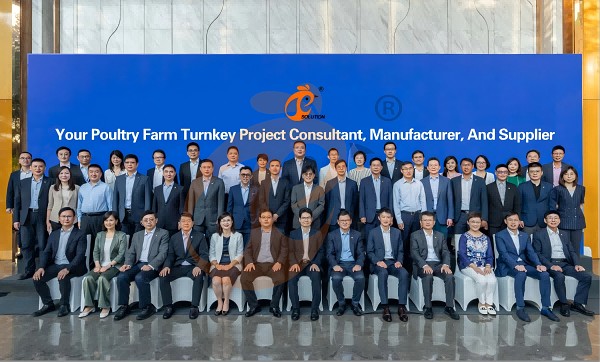
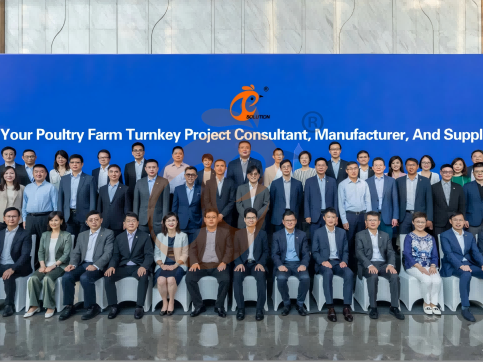
Hong Kong Headquarter Management Team
Hong Kong Headquarter Taiyu Industrial Group CO., LTD
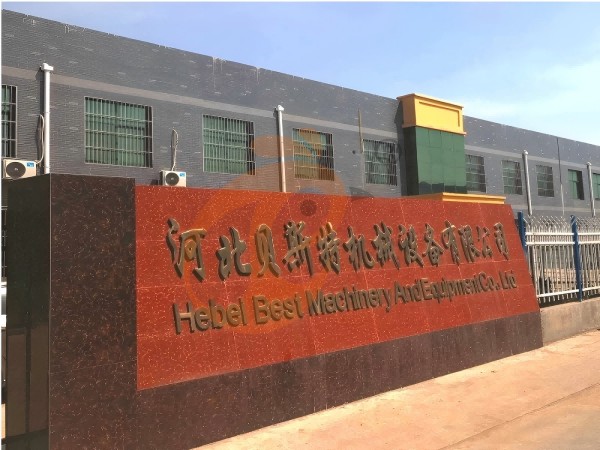
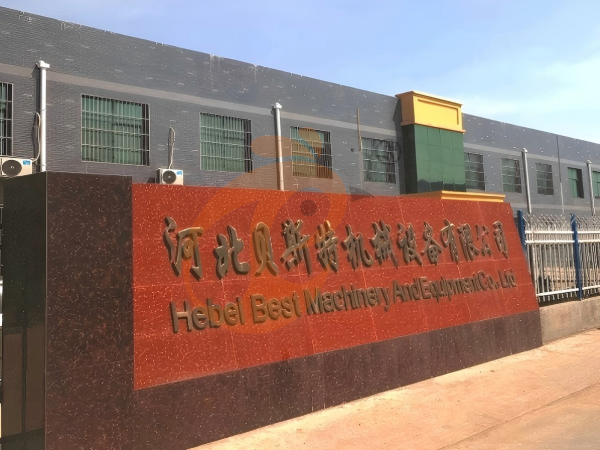
China Hebei Best Machinery And Equipment CO., LTD
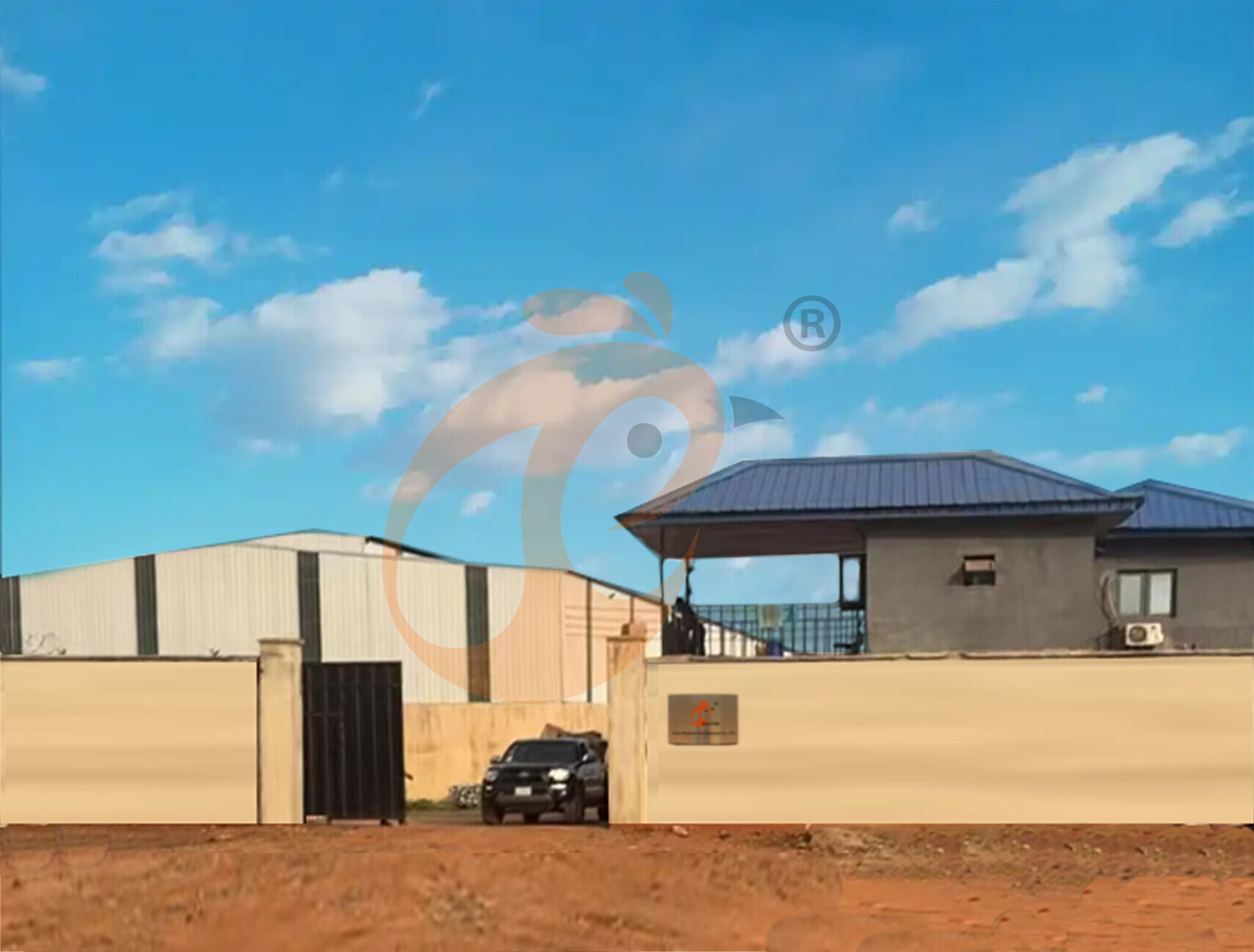
Nigeria Vanke Machinery And Equipment CO., LTD
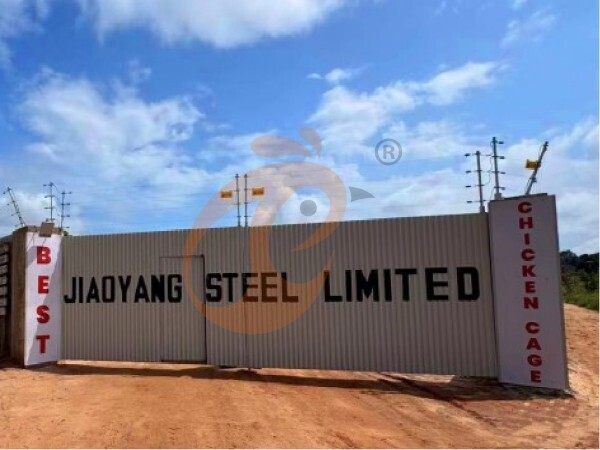
Tanzania Best Machinery And Equipment CO., LTD
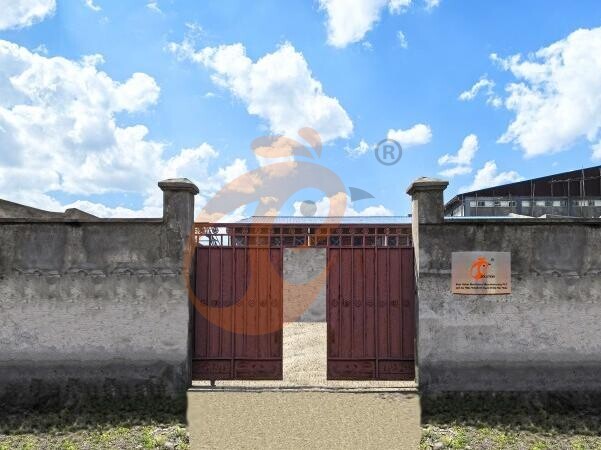
Ethiopia Best Hebei Machinery Manufacturing PLC
Reception /24 WhatsApp NO. : +8618830120193
FAQ
What Moisture Control Standards Are Required In Feed Milling For Poultry Chicken Feed?
Conditioning moisture increases to 16–18% before pelleting for optimal starch gelatinization.
Final feed moisture is controlled at 11–13% to ensure long-term storage stability.
What Energy Consumption Levels Are Standard In Feed Mixer And Feed Mill Operations For Poultry Chicken Farms?
Mixing systems require 3–8 kWh per batch depending on mixer volume and load ratio.
Pelletizing units operate at 60–90 kWh per ton for high-density poultry feed production.
What Raw Material Ratios Are Commonly Processed In Poultry Chicken Feed Mills?
Soybean meal accounts for 18–25% as main protein contributor for growth performance.
Premix addition remains at 2–5% ensuring vitamins and mineral balance stability.
Message
Products recommended
 HK Headquarter Offers EU-standard Poultry Farm Solutions, Manufacture Poultry Farm Equipment1. Continuous communication with the EU and the US
2. China, Nigeria, Ethiopia, Tanzania branch companies and factories
3. The products’ quality is customized for local poultry farms
4. Poultry cage and poultry farm equipment stock for sale
5. 24 online reception Whatsapp NO. : +8618830120193,contact us to get full informationRead More China Branch Offer Poultry Farm Business Plan, Manufacture Poultry Farm Equipment1. Address: Flat/RM 2416, 24/F, Runxing Building, Youyi Nan Street, Shijiazhuang City, Hebei Province, China
2. Poultry cage and poultry farm equipment factory and stock for sale
3. Customized for local poultry farms
4. Quality and design are based on Euro
5. 24 online reception Whatsapp NO. : +8618830120193Read More Nigeria Branch Offer Poultry Farm Business Plan, Manufacture Poultry Farm Equipment1. Address: After Sinoma Office, 200 Meters Near Danco Filling Station, Lagos/Ibadan Expressway, Lagos State, Nigeria
2. Poultry cage and poultry farm equipment factory and stock for sale
3. Customized for Nigerian poultry farms
4. Quality and design are based on Euro
5. 24 online reception Whatsapp NO. : +8618830120193Read More Ethiopia Branch Offer Poultry Farm Business Plan, Manufacture Poultry Farm Equipment1. Address: Gelan Gura, Akaki-kaliti Sub City, Addis Ababa, Ethiopia
2. Poultry cage and poultry farm equipment stock for sale
3. Customized for Ethiopian poultry farms
4. Quality and design are based on Euro
5. 24 online reception Whatsapp NO. : +8618830120193, contact us to get price listRead More Tanzania Branch Offer Poultry Farm Business Plan, Manufacture Poultry Farm Equipment1. Address: No.8, Sova Road, Msufini, Mlandizi, Kibaha, Pwani, Tanzania
2. Poultry cage and poultry farm equipment factory and stock for sale
3. Customized for Tanzanian poultry farms
4. Quality and design are based on Euro
5. 24 online reception Whatsapp NO. : +8618830120193Read More Fully Automatic H Type Layer Chicken Cage1. 30,000-100,000+ layers/house chooses it, Poultry farmers can achieve an egg production rate of 96-98%
2. A significant improvement over the 85-90% typically seen in manual systems
3. A typical poultry farm can expect a 30-40% reduction in labor costs due to the automation
4. Each feeding line efficiently supplies feed to around 100,000 hens per 30 mins
5. Reception /WhatsApp NO. : +8618830120193Read More Fully Automatic A Type Layer Chicken Cage1. 10,000-50,000 layers/house chooses it
2. Cleaner egg collection reduces breakage by 0.5%
3. Improved hygiene helps reduce mortality rate to <3%
4. 1–2 technicians can handle 15,000–30,000 birds
5. Reception /WhatsApp NO. : +8618830120193Read More Semi Automatic H Type Layer Chicken Cage1. 1,00-20,000 layers/house chooses it
2. Nipple drinkers flow 30–60 ML / min
3. Hot-dip galvanized (typical coating ≥ 275 g/m²)
4. Reduce ammonia by ~ 35–40%
5. Reception /WhatsApp NO. : +8618830120193Read More Semi Automatic A Type Layer Chicken Cage1. 1,00-20,000 layers/house chooses it, no rust for 10 years, no deformation for 15 years
2. Chickens live comfortably, you can raise them with peace of mind
3. Save water, save money—efficiency you can measure
4. Improve environment quality, and increase egg production rate
5. Reception /WhatsApp NO. : +8618830120193Read More
By clicking 'Allow All', you agree to the storage of cookies on your device to enhance site navigation, analyze site usage and assist with our marketing efforts.