






Blog
Floor rearing system investment combines housing efficiency, flock management, automation, and equipment lifecycle economics.
Automatic feeding, poultry drinking systems, ventilation, and environmental controls shape daily production efficiency across commercial houses.
Professional floor rearing equipment should match house dimensions, bird capacity, labor requirements, and expansion plans.
Engineering specifications, maintenance intervals, energy consumption, and supplier capability provide measurable investment references for project evaluation.
Integrated poultry equipment solutions can connect production planning with installation, commissioning, operation, and long-term technical support.
Get professional poultry farm construction guidance, equipment selection solutions, and the latest price lists, whatsApp to +8618830120193, +2348111199996, or click to learn more.
Start With The Production Model
A floor rearing project should begin with production targets rather than equipment prices.
A house operating 16 hours of artificial lighting and a 1.5-hour daily inspection routine needs equipment designed around predictable management procedures.
Investment sequence
Production target → house planning → equipment configuration → automation → installation → operating-cost evaluation.
The purpose of professional poultry equipment is to connect these stages into one workable system.
Automatic floor rearing equipment can coordinate feeding, drinking, ventilation, lighting, environmental control, and litter management as a complete production package.
Capacity And Layout Parameters
Data is for reference only.Swipe horizontally to view full table.
Accurate layout planning can prevent expensive modifications after installation.
A 150 mm difference in feeder positioning, for example, can affect access and circulation around the production area.
A professional floor rearing equipment supplier should coordinate equipment positioning with building structure and electrical planning.
Tip 1: Evaluate The Complete System
Do not compare quotations by equipment quantity alone.
A professional proposal should explain how every major component contributes to the production process.
System sequence
Feed storage → Feed conveying → Automatic feeding → Poultry drinking system → Climate control → Lighting → Monitoring → Maintenance
Integrated floor rearing equipment can simplify commissioning and reduce compatibility issues.
A controller communicating through rs485 and a 24-hour alarm-recording function, for example, can provide operational information that standalone devices cannot deliver efficiently.
For commercial farms, system compatibility becomes particularly important when expansion is expected.
Equipment designed with modular interfaces can allow additional house sections to be connected without replacing the complete control architecture.
Feeding And Drinking Equipment Parameters
Data is for reference only.Swipe horizontally to view full table.
Automatic poultry feeding equipment directly influences daily management.
A correctly configured drinking system can maintain consistent water delivery while reducing unnecessary litter moisture.
Feed distribution can be calibrated at approximately 8–12 grams per bird per feeding cycle according to flock requirements.
Water-line flushing at 20–30 minutes per maintenance session can also support routine hygiene management.
The equipment supplier should provide adjustment procedures, installation drawings, and replacement components.
This approach makes commissioning more predictable and helps farm personnel maintain the system correctly.
Tip 2: Calculate Lifecycle Economics
Purchase price is only the first financial figure.
Use this framework
Five-year equipment cost = initial investment + energy cost + maintenance + replacement components + labor
A farm operating 20 hours of mechanical ventilation per day can accumulate substantial electricity consumption over several years.
Therefore, motor efficiency, control logic, maintenance intervals, and component availability should be included in quotation analysis.
Equipment designed for continuous operation at 380 v and 50 hz should be matched to the farm's electrical infrastructure before ordering.
A professional poultry equipment manufacturer should provide technical specifications together with commercial quotations.
European union standard reference only.
Such documentation allows investors to compare systems according to measurable operating conditions instead of promotional descriptions.
Operating-Cost Evaluation
Data is for reference only.Swipe horizontally to view full table.
These figures provide a practical basis for comparing poultry equipment suppliers.
The most useful quotation is one that converts equipment specifications into measurable operating consequences.
A feeding motor running for 40 minutes per cycle provides a clearer operating reference than an unspecified automation claim.
A maintenance inspection lasting approximately 30 minutes per line can also be incorporated into annual labor calculations.
Tip 3: Make Labor Efficiency Measurable
Automation should be evaluated according to tasks removed from the daily workload.
Manual routine
Inspect → Adjust → Record → Repeat
Automated routine
Monitor → Receive alert → Verify → Correct
An environmental controller with 8 sensor inputs can centralize information from several areas of a poultry house.
Automatic floor rearing systems can reduce repetitive distribution work and allow personnel to spend more time observing flock behavior and equipment conditions.
A control cabinet installed approximately 1.5 meters above the service floor can also improve operator access during routine inspection.
Automation should remain serviceable.
A system that requires specialized programming for every minor adjustment can create unnecessary dependency.
User-friendly interfaces, accessible components, and documented operating procedures are therefore important investment criteria.
Automation And Environmental Parameters
Data is for reference only.Swipe horizontally to view full table.
Automation becomes commercially valuable when it produces measurable management improvements.
Centralized monitoring can reduce repeated manual checks and provide a traceable record when environmental conditions change.
Sensor cables with a recommended maximum routing distance of approximately 50 meters can help maintain practical installation planning.
Control panels should also allow approximately 20% spare cabinet capacity for future equipment additions.
A poultry equipment company should demonstrate the control interface before project approval.
Buyers should understand exactly what can be monitored, adjusted, recorded, and alarmed.
Tip 4: Inspect Manufacturing Quality Before Ordering
Equipment used in poultry houses operates in an environment containing dust, moisture, feed particles, and corrosive gases.
Construction details therefore matter.
A useful inspection should examine material → fabrication → assembly → testing → packaging.
Ask suppliers for production photographs, component specifications, factory testing procedures, and installation references.
Stainless-steel components with a 1.0 mm sheet thickness may be appropriate for specific wet-area applications, while galvanized structural components should be evaluated according to coating specifications.
A poultry equipment manufacturer with stable production processes can improve component consistency and simplify future replacement.
Manufacturing capability is therefore part of the investment itself.
Manufacturing Quality Parameters
Data is for reference only.Swipe horizontally to view full table.
These specifications should appear in technical documentation rather than remaining verbal promises.
For export-oriented projects, standardized components can simplify logistics and replacement.
A supplier with established manufacturing and quality-control procedures can provide more consistent equipment across multiple poultry houses.
Tip 5: Choose The Supplier As Carefully As The Equipment
Data is for reference only.Swipe horizontally to view full table.
A supplier should demonstrate capability before receiving the purchase order.
Site references, commissioning records, wiring diagrams, and maintenance manuals provide stronger evidence than general marketing claims.
Technical support should cover at least two communication channels for practical project coordination.
Spare-parts identification should use standardized component codes to reduce replacement errors.
The relationship should continue after installation.
Technical support, spare-parts availability, and troubleshooting procedures can influence actual equipment service life.
Final Investment Decision Matrix
Data is for reference only.Swipe horizontally to view full table.
A successful floor rearing investment combines appropriate capacity, reliable equipment, measurable automation, and professional technical support.
The objective is not simply to purchase more equipment; the objective is to build a production system that can operate consistently across multiple flock cycles.
For poultry producers, the strongest purchasing decision is based on measurable specifications and lifecycle economics.
For a poultry equipment manufacturer, the strongest sales proposition is an integrated solution covering engineered layout, automatic feeding, reliable drinking, environmental control, durable components, professional installation, and long-term service.
When these elements are evaluated together, floor rearing equipment becomes an engineered production platform designed to support efficient farm management, controlled operating costs, and future expansion.
Frequently Asked Questions
Q1: What should be evaluated first when purchasing a floor rearing system?
A1: House dimensions, target bird numbers, equipment layout, ventilation requirements, and automation architecture should be evaluated before individual equipment prices.
Q2: How can automatic feeding equipment support commercial farm efficiency?
A2: Automatic feeding equipment can reduce repetitive labor while maintaining scheduled feed delivery, with suitable line operation commonly planned around several daily feeding cycles.
Q3: Why does supplier capability matter after equipment installation?
A3: Technical support, spare parts, commissioning documentation, and troubleshooting procedures directly affect maintenance efficiency and equipment continuity.
Taiyu (HK) Group - One Of China Largest Floor Rearing System Manufacturer
Floor rearing system integrated poultry housing equipment combining automatic feeding, nipple drinking, ventilation, lighting, environmental control, and structural components through coordinated engineering specifications.
Global factory direct direct manufacturing coordination supports international poultry equipment projects with factory production, technical documentation, component configuration, and export-oriented project execution.
Turn-key engineering project delivery connects house layout, equipment selection, manufacturing, installation, commissioning, operator guidance, and technical documentation within one engineering workflow.
Poultry equipment integration commercial projects can combine feeding lines, drinking systems, climate controllers, ventilation equipment, electrical cabinets, and spare parts according to house-specific engineering drawings.
International project support export projects are structured around equipment specifications, installation schedules, technical communication, replacement components, and post-commissioning service procedures.
Contact Us To Received Your Customized Poultry Farm Plan
Headquarters And Branchs
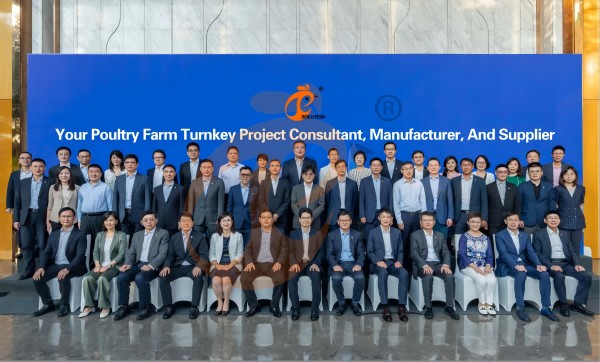
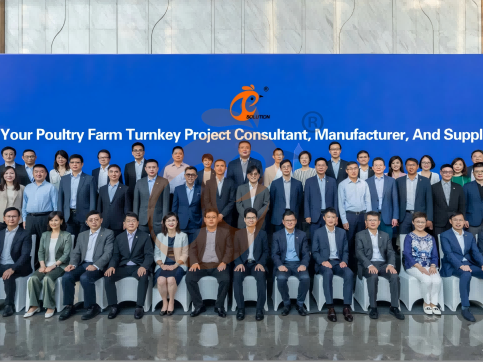
Hong Kong Headquarter Management Team
Hong Kong Headquarter Taiyu Industrial Group CO., LTD
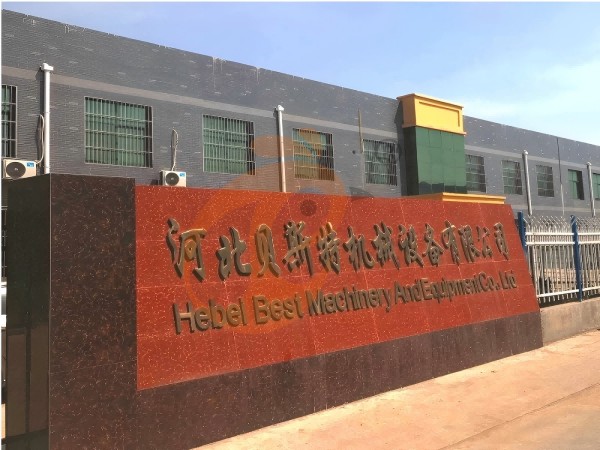
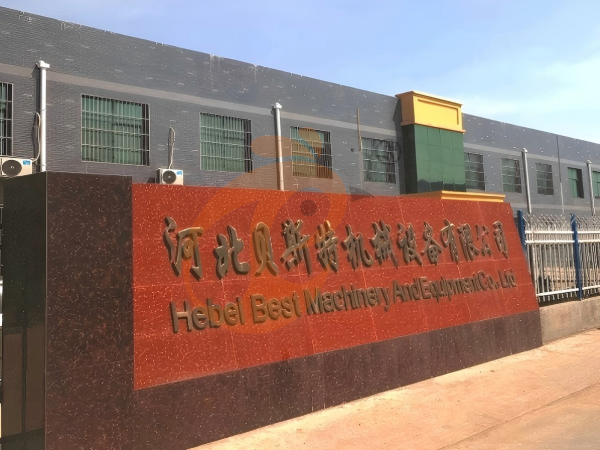
China Hebei Best Machinery And Equipment CO., LTD
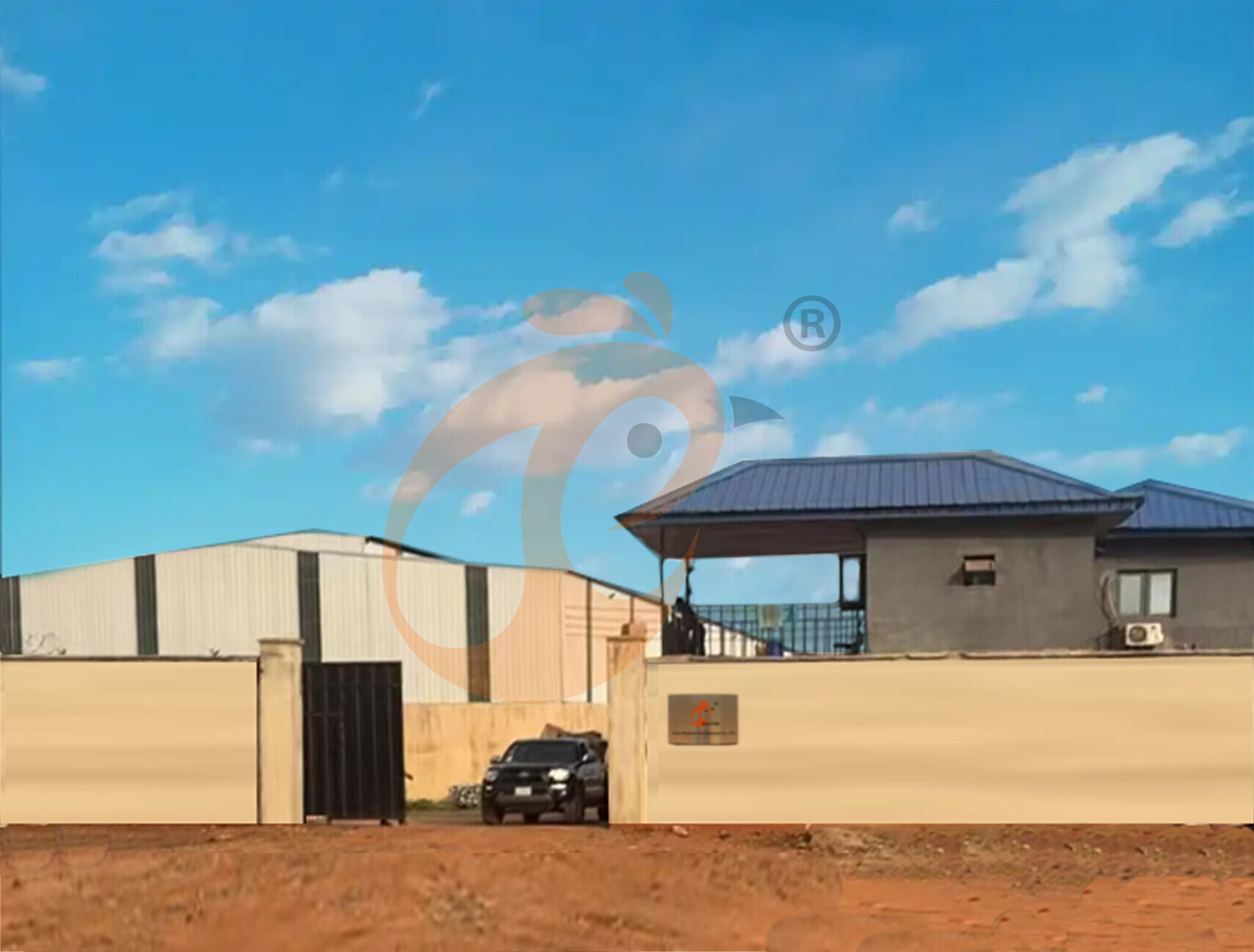
Nigeria Vanke Machinery And Equipment CO., LTD
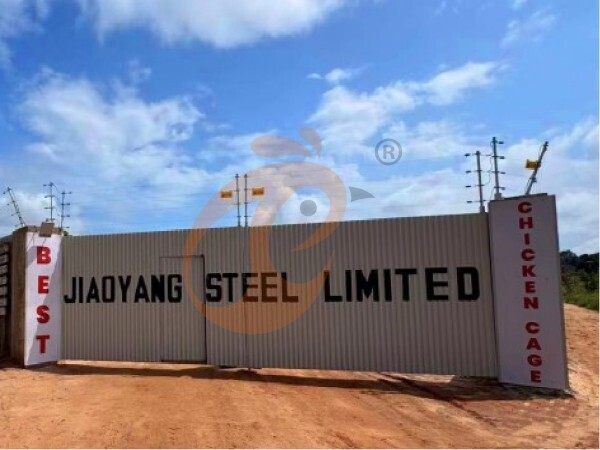
Tanzania Best Machinery And Equipment CO., LTD
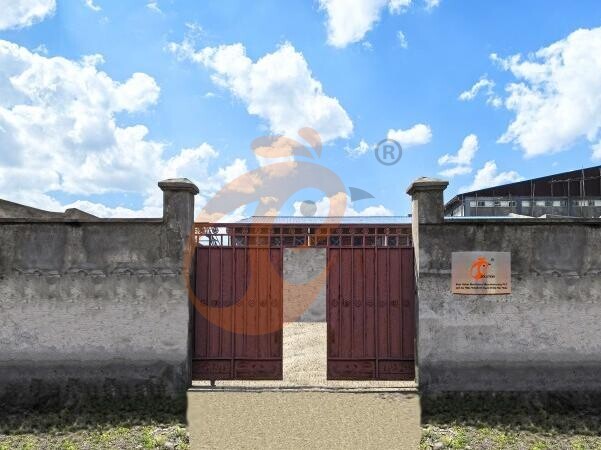
Ethiopia Best Hebei Machinery Manufacturing PLC
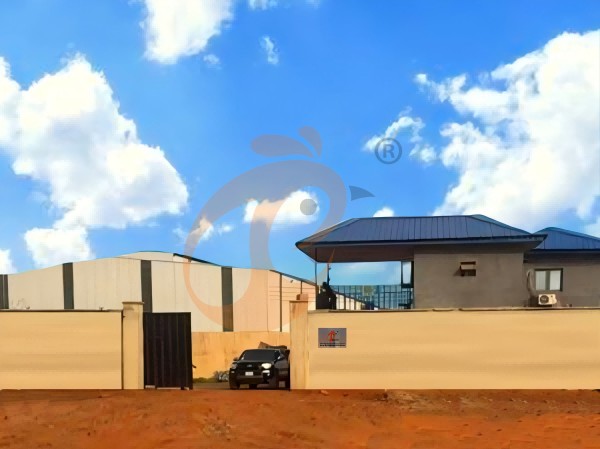
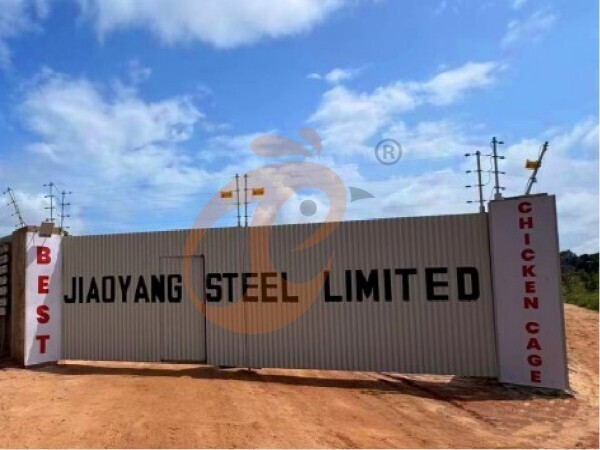
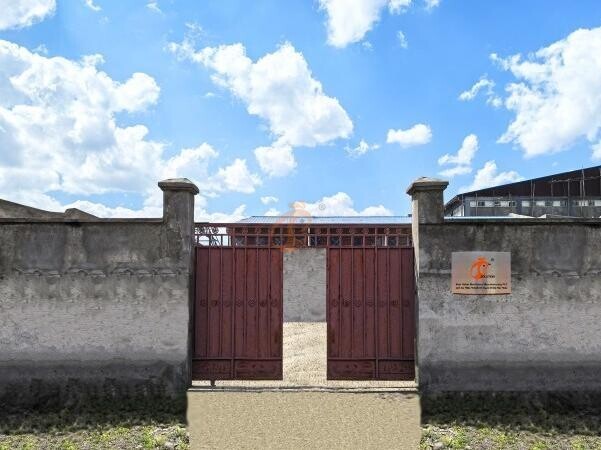
Reception /24 WhatsApp NO. : +8618830120193
FAQ
What Growth Performance Indicators Are Expected In Floor Rearing Poultry System?
Feed conversion ratio is maintained at 1.65–1.85 for commercial broilers.
Market slaughter age ranges from 38–45 days depending on breed selection.
What Disease Control Standards Apply In Floor Rearing Poultry System?
Flock vaccination coverage reaches 90%–98% depending on disease prevention program.
Pathogen reduction targets aim for 80%–90% decrease in bacterial load.
What Are The Manure Management Requirements In Floor Rearing Poultry System?
Ammonia emission control targets remain below 15 ppm through regular cleaning cycles.
Dry matter content is maintained above 65% to improve composting efficiency.
- poultry equipment
- poultry farm
- feeding equipment
- poultry farm
- poultry farm construction
- poultry equipment manufacturer
- poultry equipment supplier
- poultry feeding equipment
- poultry drinking system
- automatic poultry feeding equipment
- poultry house
- poultry housing equipment
- automatic feeding equipment
- poultry equipment suppliers
- Ethiopia
- Nigeria
Message
Products recommended
 HK Headquarter Offers EU-standard Poultry Farm Solutions, Manufacture Poultry Farm Equipment1. Continuous communication with the EU and the US
2. China, Nigeria, Ethiopia, Tanzania branch companies and factories
3. The products’ quality is customized for local poultry farms
4. Poultry cage and poultry farm equipment stock for sale
5. 24 online reception Whatsapp NO. : +8618830120193,contact us to get full informationRead More China Branch Offer Poultry Farm Business Plan, Manufacture Poultry Farm Equipment1. Address: Flat/RM 2416, 24/F, Runxing Building, Youyi Nan Street, Shijiazhuang City, Hebei Province, China
2. Poultry cage and poultry farm equipment factory and stock for sale
3. Customized for local poultry farms
4. Quality and design are based on Euro
5. 24 online reception Whatsapp NO. : +8618830120193Read More Nigeria Branch Offer Poultry Farm Business Plan, Manufacture Poultry Farm Equipment1. Address: After Sinoma Office, 200 Meters Near Danco Filling Station, Lagos/Ibadan Expressway, Lagos State, Nigeria
2. Poultry cage and poultry farm equipment factory and stock for sale
3. Customized for Nigerian poultry farms
4. Quality and design are based on Euro
5. 24 online reception Whatsapp NO. : +8618830120193Read More Ethiopia Branch Offer Poultry Farm Business Plan, Manufacture Poultry Farm Equipment1. Address: Gelan Gura, Akaki-kaliti Sub City, Addis Ababa, Ethiopia
2. Poultry cage and poultry farm equipment stock for sale
3. Customized for Ethiopian poultry farms
4. Quality and design are based on Euro
5. 24 online reception Whatsapp NO. : +8618830120193, contact us to get price listRead More Tanzania Branch Offer Poultry Farm Business Plan, Manufacture Poultry Farm Equipment1. Address: No.8, Sova Road, Msufini, Mlandizi, Kibaha, Pwani, Tanzania
2. Poultry cage and poultry farm equipment factory and stock for sale
3. Customized for Tanzanian poultry farms
4. Quality and design are based on Euro
5. 24 online reception Whatsapp NO. : +8618830120193Read More Fully Automatic H Type Layer Chicken Cage1. 30,000-100,000+ layers/house chooses it, Poultry farmers can achieve an egg production rate of 96-98%
2. A significant improvement over the 85-90% typically seen in manual systems
3. A typical poultry farm can expect a 30-40% reduction in labor costs due to the automation
4. Each feeding line efficiently supplies feed to around 100,000 hens per 30 mins
5. Reception /WhatsApp NO. : +8618830120193Read More Fully Automatic A Type Layer Chicken Cage1. 10,000-50,000 layers/house chooses it
2. Cleaner egg collection reduces breakage by 0.5%
3. Improved hygiene helps reduce mortality rate to <3%
4. 1–2 technicians can handle 15,000–30,000 birds
5. Reception /WhatsApp NO. : +8618830120193Read More Semi Automatic H Type Layer Chicken Cage1. 1,00-20,000 layers/house chooses it
2. Nipple drinkers flow 30–60 ML / min
3. Hot-dip galvanized (typical coating ≥ 275 g/m²)
4. Reduce ammonia by ~ 35–40%
5. Reception /WhatsApp NO. : +8618830120193Read More Semi Automatic A Type Layer Chicken Cage1. 1,00-20,000 layers/house chooses it, no rust for 10 years, no deformation for 15 years
2. Chickens live comfortably, you can raise them with peace of mind
3. Save water, save money—efficiency you can measure
4. Improve environment quality, and increase egg production rate
5. Reception /WhatsApp NO. : +8618830120193Read More
By clicking 'Allow All', you agree to the storage of cookies on your device to enhance site navigation, analyze site usage and assist with our marketing efforts.