






Blog
Free range poultry farming return on investment depends on feed control, labor structure, equipment efficiency, and market positioning.
Automatic poultry feeding systems can improve daily distribution accuracy while supporting scalable flock management across commercial houses.
Poultry nipple drinking systems create controlled water delivery with cleaner management and reduced manual handling requirements.
Poultry house ventilation systems support airflow management, thermal stability, and dependable indoor production during changing weather conditions.
Equipment engineering, premium positioning, and measurable operating costs together create stronger commercial potential for free-range poultry enterprises.
Get professional poultry farm construction guidance, equipment selection solutions, and the latest price lists, whatsApp to +8618830120193, +2348111199996, or click to learn more.
Return On Investment Begins With A Cost-Controlled Production System
Free range poultry farming can generate attractive returns when production efficiency and market positioning are planned together.
A 2026 poultry science study calculated pasture-based broiler production at $1.92/lb production cost, compared with $0.52/lb for large scale conventional production, while premium pricing reached $6.09/lb.
The modeled pasture system reached 138% return on investment under premium pricing, showing how market positioning and production structure interact directly with profitability.
A commercial poultry house should therefore be evaluated by cost per bird, labor hours per batch, equipment utilization, and revenue per square meter, while a properly engineered automatic poultry feeding system can support approximately 24-hour feed availability planning and daily operating continuity.
Data is for reference only.Swipe horizontally to view full table.
Profit Tip #1: Engineer Feed Distribution Before Expanding The Flock
Feed management is one of the first areas where an automatic poultry feeding system can directly influence operating profit.
Manual feeding creates repeated handling, inconsistent distribution and opportunities for spillage, while automated feeding equipment can support scheduled delivery across multiple feeding cycles per day.
The objective is straightforward deliver required feed quantities to the flock with predictable timing and minimal physical handling, while commercial feed management can also monitor consumption against approximately 1.55–1.75 fcr planning ranges.
For a growing farm, the equipment should be sized according to flock capacity rather than today's bird count, with modular layouts supporting 600–2,000 m² house configurations as expansion develops.
Data is for reference only.Swipe horizontally to view full table.
Profit Tip #2: Make Water Delivery A Production Infrastructure
Water is not simply another utility in poultry production.
Water must reach birds continuously through a controlled system, while pressure regulation and line height should correspond with bird age and house design.
A poultry nipple drinking system provides a structured delivery method, while filtration, pressure regulation and end-line flushing create a repeatable water-management process.
For commercial free-range houses, stainless-steel drinking components can support long-term installation requirements, with routine inspection intervals commonly organized around weekly maintenance schedules and daily visual checks.
Data is for reference only.Swipe horizontally to view full table.
Profit Tip #3: Convert Ventilation Into An Return On Investment Tool
A free-range house still needs engineered ventilation because birds return indoors for feeding, resting and protection.
A poultry house ventilation system removes heat, moisture, dust and gases while supplying fresh air, creating a controlled environment instead of relying entirely on natural airflow.
Research has shown that different stocking densities can influence broiler performance, making ventilation and air circulation important considerations when planning productive floor-space utilization.
For engineering planning, a commercial house may evaluate approximately 1.5–2.5 m/s airflow velocity and 50–70% relative humidity according to climate and flock conditions.
Data is for reference only.Swipe horizontally to view full table.
Profit Tip #4: Replace Repetitive Labor With Integrated Automation
Labor becomes increasingly expensive when flock size grows faster than operational infrastructure.
An integrated automatic poultry feeding system, drinking system, ventilation controller and lighting network can replace repetitive manual actions with programmed operating sequences.
Consider a farm operating 14 hours of active labor per day.
Removing only 3.5 hours of repetitive work represents 25% of daily labor workload, allowing operators to redirect time toward flock inspection, biosecurity, maintenance and production planning.
Data is for reference only.Swipe horizontally to view full table.
An integrated equipment package is particularly useful when a farm plans additional houses later.
Standardized components can simplify spare-parts management while allowing control architecture to remain consistent across multiple buildings.
Profit Tip #5: Capture A Premium Instead Of Competing Only On Volume
Free-range production normally carries additional land, management and labor requirements.
The university of minnesota extension reported $13.26 average gross sales per chicken for one pastured system and $25.07 per chicken for another, with $3.76 and $13.48 remaining after variable costs respectively.
European union standard reference only.
A commercial farm therefore needs a sales model that reflects production costs, while reliable free range poultry equipment can help create consistent operational standards across feeding, watering and environmental management.
The strongest commercial structure combines measurable production quality with direct, specialty or premium sales channels.
Revenue Strategy: Build The Premium Into The Business Plan
Data is for reference only.Swipe horizontally to view full table.
The correct channel depends on local demand and applicable regulations.
A premium market can support a production model carrying additional management costs, while equipment investment should be matched against expected annual output and sales realization.
A Simple Farm Roi Decision Test
Step 1 — Calculate annual production.
Estimate saleable eggs, birds or kilograms of meat, using approximately 52 production weeks when annual planning requires a standardized operating period.
Step 2 — Calculate annual operating costs.
Include feed, chicks, labor, utilities, health, processing, land and maintenance, with each category converted into a cost-per-bird basis.
Step 3 — Calculate annual revenue.
Use conservative selling prices rather than optimistic assumptions.
Step 4 — Calculate equipment savings.
Estimate labor savings, feed-waste reduction and productivity improvements, while separating equipment-generated savings from market-price increases.
Step 5 — Calculate payback.
Equipment Payback Period = Equipment Investment ÷ Annual Financial Benefit
Equipment Investment Comparison
Data is for reference only.Swipe horizontally to view full table.
A complete poultry equipment solution should be selected according to flock size, house dimensions, climate, power infrastructure and planned expansion rather than purchase price alone.
Free-range poultry farming becomes commercially stronger when every equipment component has a defined engineering purpose.
Build Return On Investment Around Equipment, Not Just Bird Numbers
The most profitable free-range poultry farm is not necessarily the farm with the largest flock.
A scalable production model controls cost per bird, maintains production consistency and captures an appropriate market premium.
Professional automatic poultry feeding systems, poultry nipple drinking systems and poultry house ventilation systems can form the technical core of a controlled free-range house.
A coordinated system can reduce manual intervention while supporting stable production workflows across 24-hour operational cycles and multiple production buildings.
The equipment decision should answer one question: how will investment reduce cost, protect production, or increase revenue?
Frequently Asked Questions
Q1: How does equipment affect free-range poultry farming return on investment?
A1: Equipment can reduce repetitive labor and improve process consistency, while annual benefits should be calculated against actual flock capacity and operating costs.
Q2: Which equipment should be installed first?
A2: Automatic feeding, nipple drinking and ventilation systems normally form the core infrastructure, with project design adjusted for approximately 600–2,000 m² house modules.
Q3: How should equipment payback be calculated?
A3: Divide equipment investment by annual measurable financial benefit, including labor savings, waste reduction and operational efficiency rather than assuming revenue growth alone.
Taiyu (HK) Group - One Of China Toppest Poultry Equipment Manufacturer
Poultry equipment integrates automatic feeding, nipple drinking, ventilation, climate control and related house systems into coordinated engineering packages.
Global factory direct sales provide equipment manufacturing, configuration support, technical documentation and international project coordination from a centralized production structure.
Poultry equipment projects can be developed as turn-key engineering packages covering layout planning, equipment matching, installation guidance and commissioning requirements.
Turn-key engineering supports complete project integration from house capacity calculations through equipment selection, control architecture and operational handover.
International poultry projects can be configured according to flock capacity, climate parameters, local power conditions and future expansion requirements.
Contact Us To Received Your Customized Poultry Farm Plan
Headquarters And Branchs
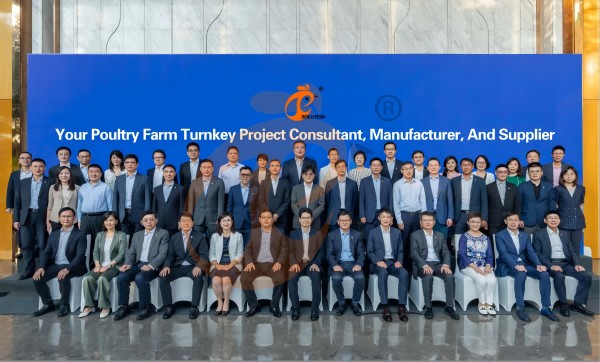
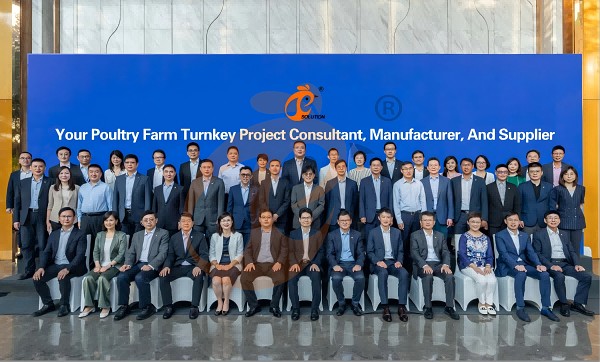
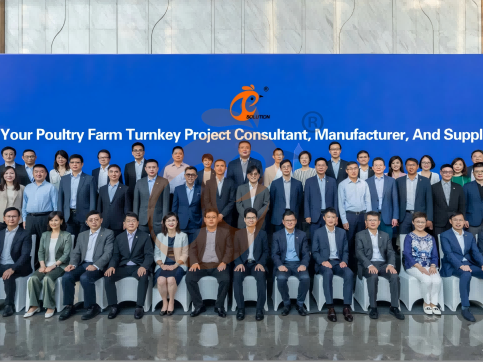
Hong Kong Headquarter Management Team
Hong Kong Headquarter Taiyu Industrial Group CO., LTD
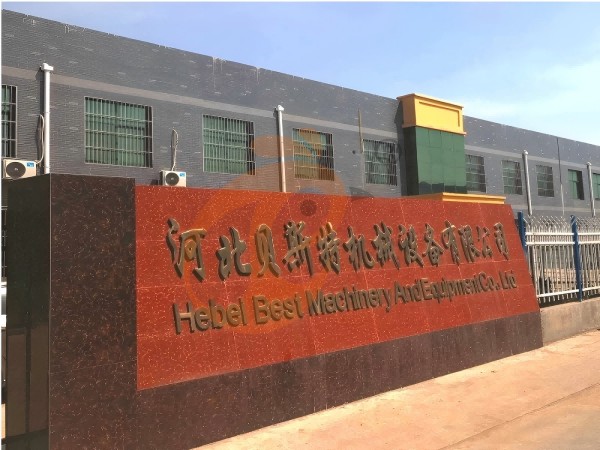
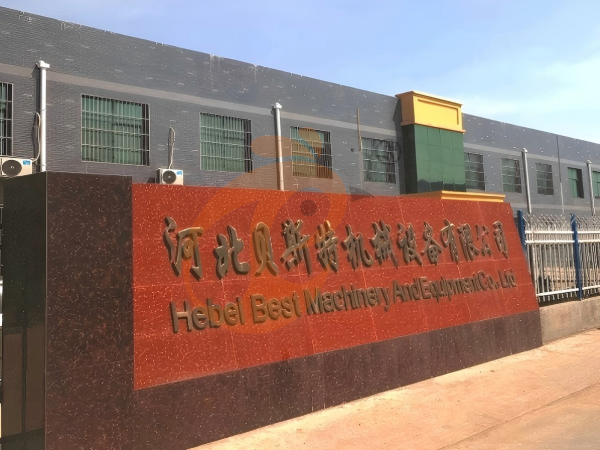
China Hebei Best Machinery And Equipment CO., LTD
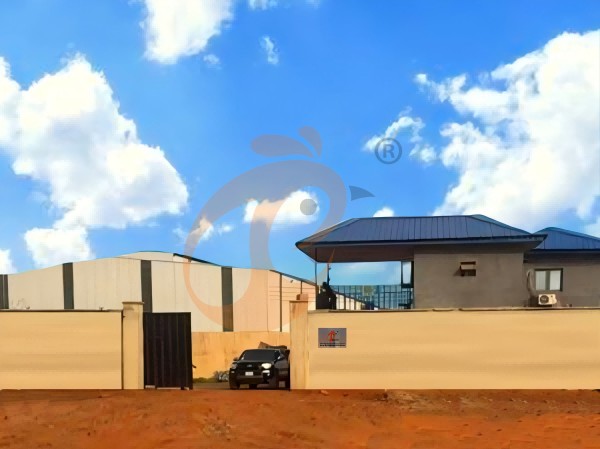
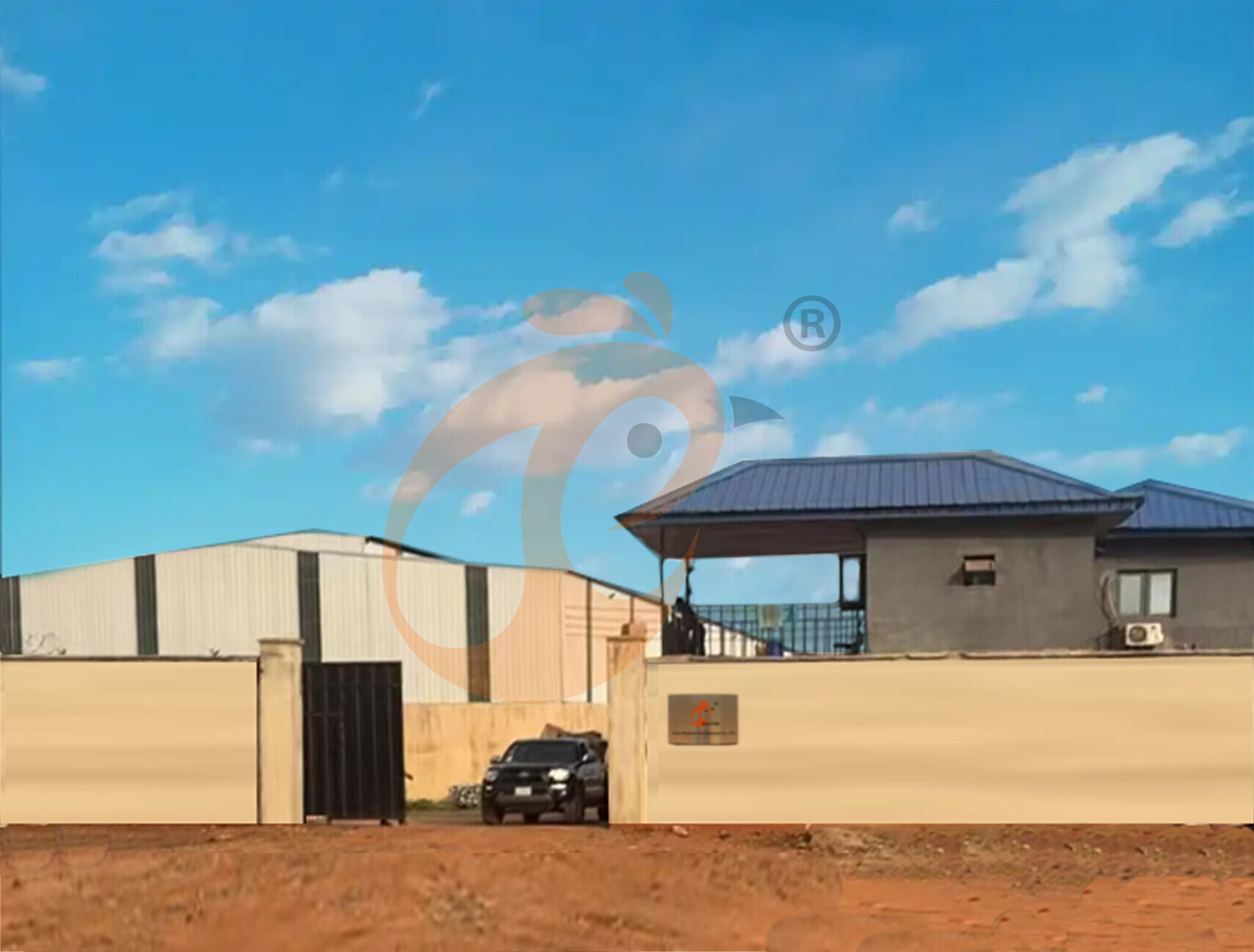
Nigeria Vanke Machinery And Equipment CO., LTD
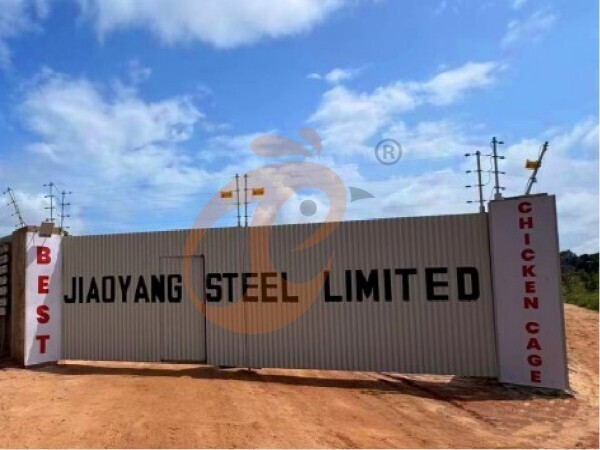
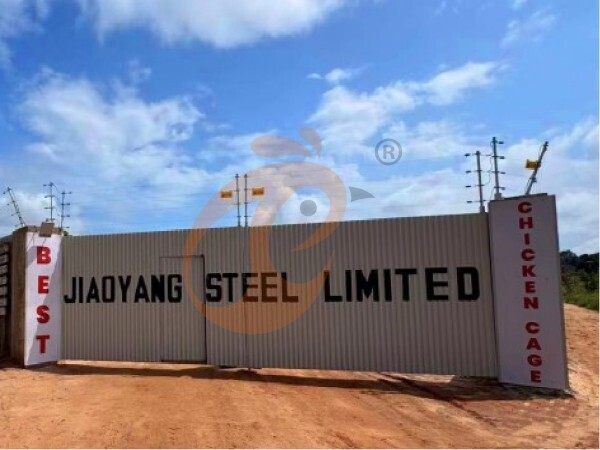
Tanzania Best Machinery And Equipment CO., LTD
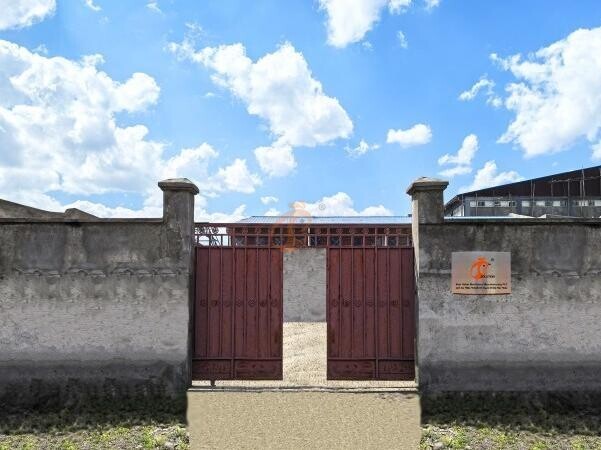
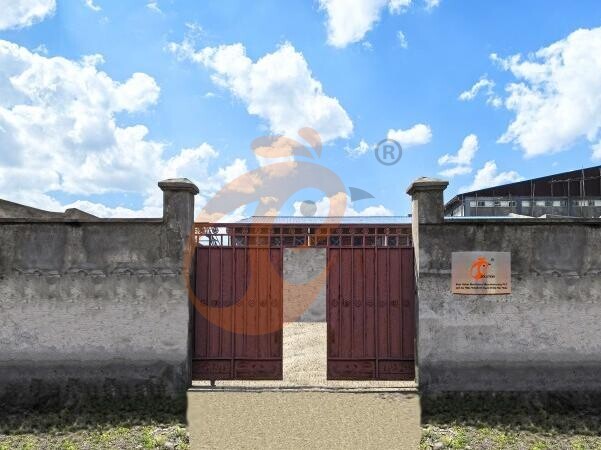
Ethiopia Best Hebei Machinery Manufacturing PLC
Reception /24 WhatsApp NO. : +8618830120193
FAQ
How Does Free Range System Affect Feed Consumption?
Energy expenditure increases daily intake variation by 15%–22% across seasons.
Feed conversion efficiency ranges from 1.9–2.3 depending on grazing intensity.
What Are The Housing Transition Management Standards In Free Range Poultry System?
Indoor-outdoor transition time is controlled within 10–15 minutes per flock movement cycle.
Lighting guidance systems operate at 5–8 lux to direct flock movement behavior.
What Are The Seasonal Adaptation Strategies In Free Range Poultry System?
Summer shade coverage is increased to 60%–80% of grazing area for heat stress reduction.
Rainfall drainage capacity handles 25–40 mm per hour precipitation levels for land usability.
Message
Products recommended
 HK Headquarter Offers EU-standard Poultry Farm Solutions, Manufacture Poultry Farm Equipment1. Continuous communication with the EU and the US
2. China, Nigeria, Ethiopia, Tanzania branch companies and factories
3. The products’ quality is customized for local poultry farms
4. Poultry cage and poultry farm equipment stock for sale
5. 24 online reception Whatsapp NO. : +8618830120193,contact us to get full informationRead More China Branch Offer Poultry Farm Business Plan, Manufacture Poultry Farm Equipment1. Address: Flat/RM 2416, 24/F, Runxing Building, Youyi Nan Street, Shijiazhuang City, Hebei Province, China
2. Poultry cage and poultry farm equipment factory and stock for sale
3. Customized for local poultry farms
4. Quality and design are based on Euro
5. 24 online reception Whatsapp NO. : +8618830120193Read More Nigeria Branch Offer Poultry Farm Business Plan, Manufacture Poultry Farm Equipment1. Address: After Sinoma Office, 200 Meters Near Danco Filling Station, Lagos/Ibadan Expressway, Lagos State, Nigeria
2. Poultry cage and poultry farm equipment factory and stock for sale
3. Customized for Nigerian poultry farms
4. Quality and design are based on Euro
5. 24 online reception Whatsapp NO. : +8618830120193Read More Ethiopia Branch Offer Poultry Farm Business Plan, Manufacture Poultry Farm Equipment1. Address: Gelan Gura, Akaki-kaliti Sub City, Addis Ababa, Ethiopia
2. Poultry cage and poultry farm equipment stock for sale
3. Customized for Ethiopian poultry farms
4. Quality and design are based on Euro
5. 24 online reception Whatsapp NO. : +8618830120193, contact us to get price listRead More Tanzania Branch Offer Poultry Farm Business Plan, Manufacture Poultry Farm Equipment1. Address: No.8, Sova Road, Msufini, Mlandizi, Kibaha, Pwani, Tanzania
2. Poultry cage and poultry farm equipment factory and stock for sale
3. Customized for Tanzanian poultry farms
4. Quality and design are based on Euro
5. 24 online reception Whatsapp NO. : +8618830120193Read More Fully Automatic H Type Layer Chicken Cage1. 30,000-100,000+ layers/house chooses it, Poultry farmers can achieve an egg production rate of 96-98%
2. A significant improvement over the 85-90% typically seen in manual systems
3. A typical poultry farm can expect a 30-40% reduction in labor costs due to the automation
4. Each feeding line efficiently supplies feed to around 100,000 hens per 30 mins
5. Reception /WhatsApp NO. : +8618830120193Read More Fully Automatic A Type Layer Chicken Cage1. 10,000-50,000 layers/house chooses it
2. Cleaner egg collection reduces breakage by 0.5%
3. Improved hygiene helps reduce mortality rate to <3%
4. 1–2 technicians can handle 15,000–30,000 birds
5. Reception /WhatsApp NO. : +8618830120193Read More Semi Automatic H Type Layer Chicken Cage1. 1,00-20,000 layers/house chooses it
2. Nipple drinkers flow 30–60 ML / min
3. Hot-dip galvanized (typical coating ≥ 275 g/m²)
4. Reduce ammonia by ~ 35–40%
5. Reception /WhatsApp NO. : +8618830120193Read More Semi Automatic A Type Layer Chicken Cage1. 1,00-20,000 layers/house chooses it, no rust for 10 years, no deformation for 15 years
2. Chickens live comfortably, you can raise them with peace of mind
3. Save water, save money—efficiency you can measure
4. Improve environment quality, and increase egg production rate
5. Reception /WhatsApp NO. : +8618830120193Read More
By clicking 'Allow All', you agree to the storage of cookies on your device to enhance site navigation, analyze site usage and assist with our marketing efforts.