






Blog
Free range poultry equipment supports efficient housing, feeding, ventilation, watering, nesting, and controlled outdoor access with integrated engineering for commercial farms.
Automatic poultry feeding systems reduce repetitive labor while maintaining consistent feed distribution across expanding flock operations.
Poultry house ventilation systems coordinate airflow, cooling, sensors, and controllers for stable indoor production conditions.
Professional poultry equipment design connects farm layout, bird movement, automation, maintenance, biosecurity, and future capacity planning into one investment framework.
Integrated equipment packages create scalable production solutions, combining practical engineering, reliable components, automation, and turn-key project support for modern poultry businesses worldwide.
Get professional poultry farm construction guidance, equipment selection solutions, and the latest price lists, whatsApp to +8618830120193, +2348111199996, or click to learn more.
Define Your Free Range Production Goals
Before selecting a poultry house, determine flock size, production type, climate, labor capacity, and expansion plans.
A practical commercial design can begin with 5,000–20,000 birds per production unit and a 10–15 year structural service target.
Data is for reference only.Swipe horizontally to view full table.
The objective is to create an integrated production environment where reliable free range poultry equipment supports consistent daily performance and future capacity growth.
Turn The Farm Site Into A Production Advantage
Think In Zones
Start with the poultry house as the operational center.
Position outdoor ranging areas, feed storage, egg collection, manure handling, vehicle access, and biosecurity boundaries around it.
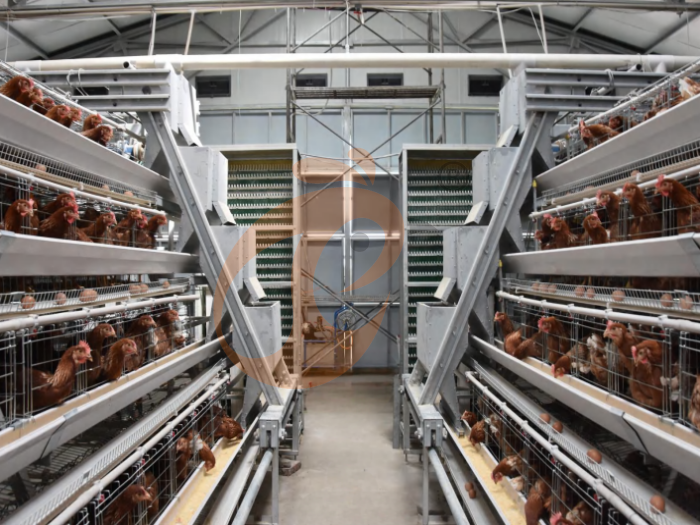
A service corridor of 1.2–1.5 m allows routine automatic poultry feeding system inspection without interrupting flock movement.
Then Think In Movement
Feed should travel efficiently from storage to birds.
Eggs should move from nest areas toward collection points without unnecessary handling.
Workers should access service components through designated routes.
Finally, Think About The Future
A modular layout permits additional feeding lines, drinking lines, ventilation units, or nest systems as production expands.
Reserve approximately 20% of the utility capacity for future equipment installation.
House Layout And Space Planning
The building layout directly affects equipment performance and flock management.
Equipment should provide uniform access to feed, water, ventilation, and nesting areas.
Data is for reference only.Swipe horizontally to view full table.
A professional supplier should match feeder capacity, nipple quantity, fan selection, nest configuration, and controller functions to actual house dimensions.
Build Around The Bird's Daily Routine
A successful free range poultry house follows the natural rhythm of the flock.
Morning: birds require immediate access to feed and water.
Automatic feeding can operate for 6–10 programmed cycles per day, helping distribute feed throughout the production period.
Midday: ventilation and cooling become critical, particularly in warm climates.
Environmental controllers can respond to temperature changes within 0.5°c increments.
Afternoon: feed and water availability must remain stable while birds move between indoor and outdoor areas.
A properly arranged poultry house ventilation system can keep routine worker intervention below 30 minutes per operating cycle.
Evening: lighting, automatic doors, and secure housing help manage flock movement.
Programmable lighting can provide 16–18 hours of daily illumination according to the production program.
Automation therefore becomes part of the production workflow rather than an independent add-on.
Feeding System Selection
Feed represents a major operating expense, making feeding equipment a central design decision.
Data is for reference only.Swipe horizontally to view full table.
Modern automatic poultry feeding systems distribute feed consistently while reducing repetitive labor.
Adjustable feeder components should be selected according to bird age and body size.
For commercial farms, integrating feeders with centralized control creates a stronger management solution.
A 0.37–1.1 kw drive motor can be selected according to line configuration and conveying requirements.
Water: The System You Cannot Afford To Ignore
Water quality directly influences poultry performance.
A properly designed drinking system should maintain clean water and stable delivery throughout the house.
Nipple systems are widely used because they minimize exposed water surfaces.
A typical commercial line can operate at approximately 10–20 cm water-column pressure, depending on the selected nipple and system design.
Filtration, regulators, end-line flushing, and pressure monitoring should be incorporated into the complete package.
Water lines should also be positioned for straightforward inspection, cleaning, and replacement.
For equipment buyers, supplier capability matters.
A manufacturer offering complete drinking lines, filters, regulators, suspension kits, and technical support can simplify installation and maintenance.
Ventilation And Climate Control
Free range housing still requires controlled indoor environmental conditions.
Ventilation equipment should be selected according to house volume, bird population, and regional climate.
Data is for reference only.Swipe horizontally to view full table.
An integrated poultry house ventilation system can coordinate fans, inlets, cooling equipment, and alarms according to sensor readings.
Proper airflow design also helps maintain consistent air movement around the flock.
Make Egg Collection A Labor-Saving Process
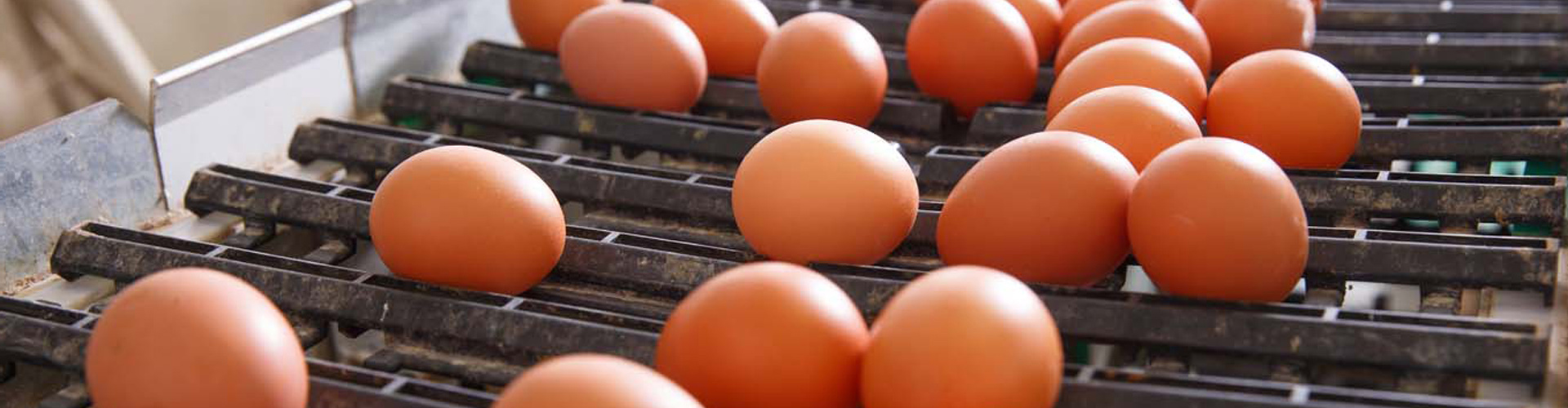
For free range layer operations, egg collection deserves special attention.
Imagine two farms with the same flock size.
On farm A, workers repeatedly enter the house, collect eggs manually, and carry them to the packing area.
On farm B, birds use dedicated nest systems designed for organized collection.
The second farm has reduced repeated handling through equipment design.
Modern nest systems can provide controlled nesting spaces and accessible egg collection.
Conveyor systems can move eggs at approximately 15–25 m/min, reducing manual transport between collection points.
The design principle is simpl every repeated movement becomes an operating cost.
Equipment that shortens collection routes can therefore contribute directly to labor efficiency.
Outdoor Access And Biosecurity Equipment
Free range production requires controlled connections between the poultry house and outdoor areas.
Birds need convenient access while operators maintain farm security.
Data is for reference only.Swipe horizontally to view full table.
Automated pop-hole doors can operate according to preset schedules, reducing repetitive opening and closing work while helping maintain consistent flock routines.
Automation And Control Integration
The strongest poultry systems connect individual devices through one management platform.
Data is for reference only.Swipe horizontally to view full table.
Automation should be treated as a consistency tool rather than simply a technology upgrade.
Centralized control allows operators to manage multiple systems from one interface and react faster to equipment abnormalities.
For equipment manufacturers, integrated packages create a stronger value proposition than isolated products because customers can purchase compatible systems from one supplier.
Design For Maintenance Before Construction
A common mistake is designing only for installation rather than long-term maintenance.
Use This Rule
Accessible equipment = faster maintenance = less downtime.
Fans should be reachable for cleaning, feed lines should allow inspection, and drinking lines need convenient flushing points.
Electrical control cabinets should be installed away from direct water exposure, with approximately 500 mm clearance from washing zones.
Keep replacement parts organized and document equipment specifications.
Components such as motors, sensors, nipples, controllers, and drive assemblies should be replaceable without major structural modification.
A reliable equipment supplier should provide hardware, installation instructions, spare parts, commissioning support, and after-sales service.
Design Investment Around Six Planning Steps
Use the following framework before finalizing your free range poultry project.
Data is for reference only.Swipe horizontally to view full table.
A successful free range poultry system is not created by choosing the cheapest equipment or adding automation after construction.
It starts with coordinated design in which housing, feeding, drinking, ventilation, nesting, outdoor access, and control systems work together.
For poultry producers, properly engineered equipment can reduce repetitive labor, improve daily management, support flock comfort, and create a more predictable production environment.
Frequently Asked Questions
Q1: How should free range poultry equipment be selected for commercial farms?
A1: Equipment selection should match flock capacity, building geometry, climate conditions, labor targets, and future expansion requirements.
Q2: Why does automatic poultry feeding equipment matter in free range production?
A2: Automated feeding reduces repeated manual distribution while scheduled delivery supports consistent feed availability across the house.
Q3: How should poultry house ventilation equipment be integrated?
A3: Fans, inlets, cooling components, sensors, controllers, and alarms should be engineered as one environmental system rather than purchased as disconnected units.
Taiyu (HK) Group - One Of China Toppest Poultry Equipment Manufacturer
Free range poultry equipment integrates feeding, drinking, ventilation, nesting, access, and control components into coordinated commercial production systems.
Global factory-direct supply supports standardized poultry equipment manufacturing, component compatibility, technical documentation, and project-based procurement.
Turn-key engineering covers layout planning, equipment configuration, installation guidance, commissioning coordination, and production-system integration.
Poultry equipment projects can be configured for commercial farms requiring scalable capacity, automated operation, environmental control, and maintenance access.
Factory engineering teams support equipment selection from individual systems through complete integrated poultry production projects worldwide.
Contact Us To Received Your Customized Poultry Farm Plan
Headquarters And Branchs

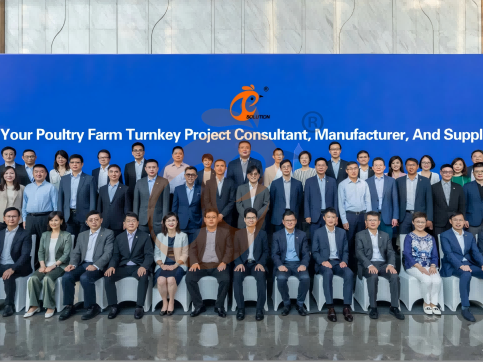
Hong Kong Headquarter Management Team
Hong Kong Headquarter Taiyu Industrial Group CO., LTD
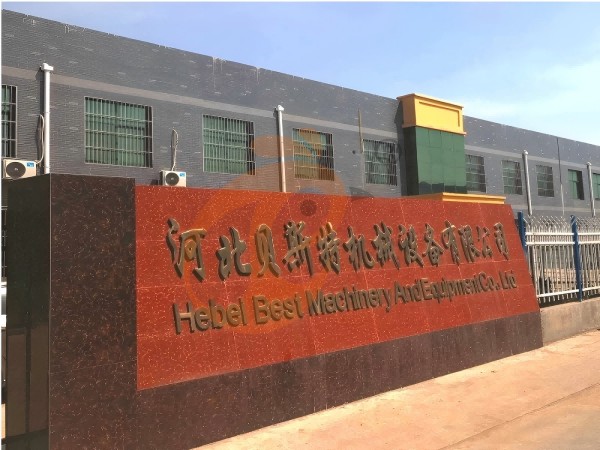
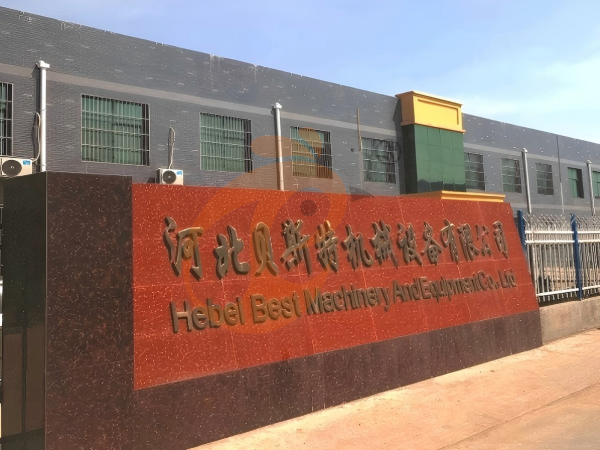
China Hebei Best Machinery And Equipment CO., LTD
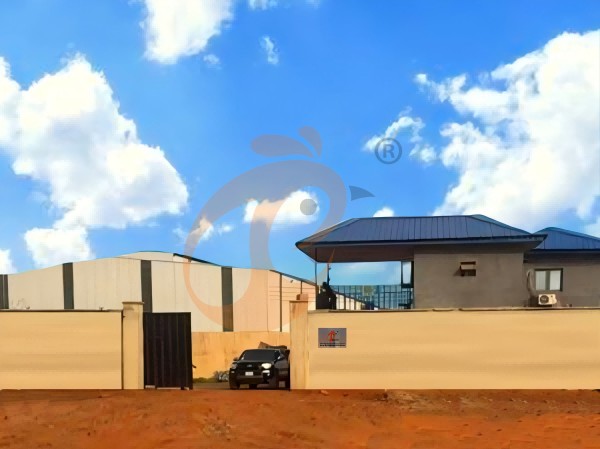
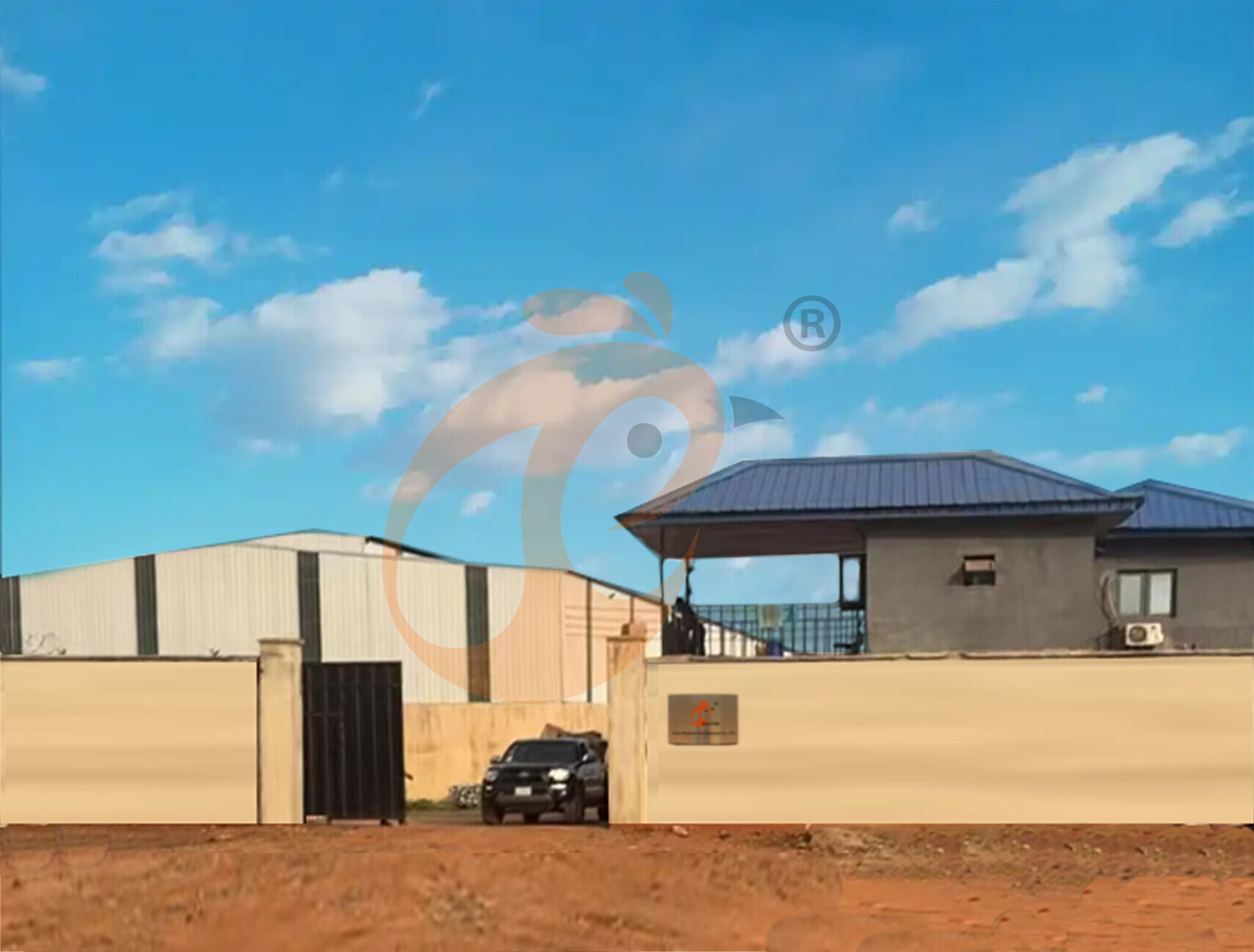
Nigeria Vanke Machinery And Equipment CO., LTD
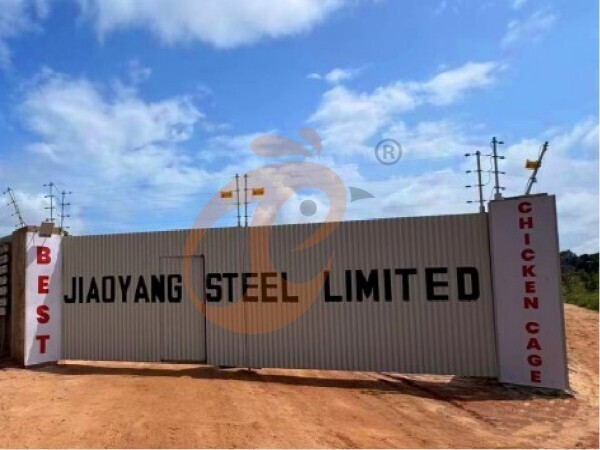
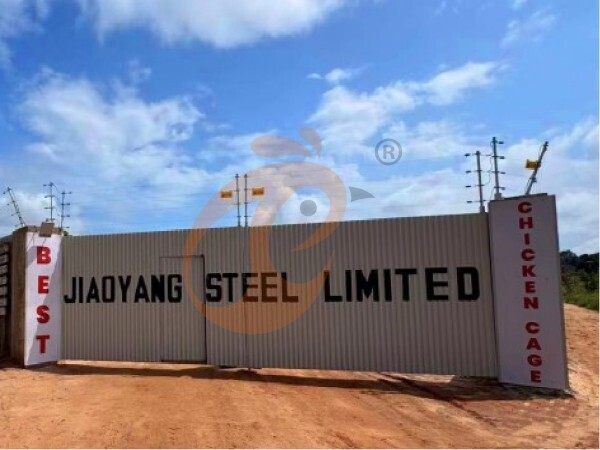
Tanzania Best Machinery And Equipment CO., LTD
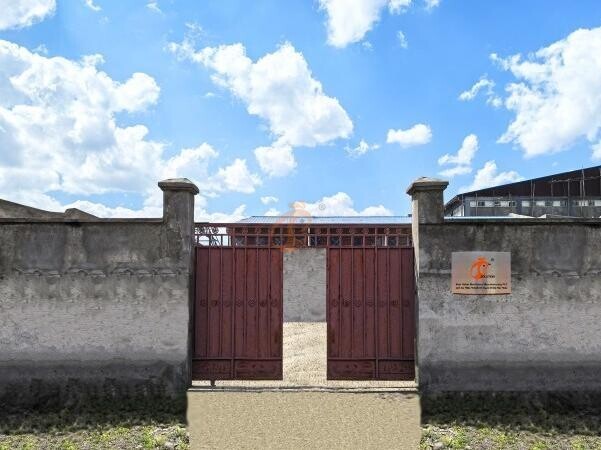
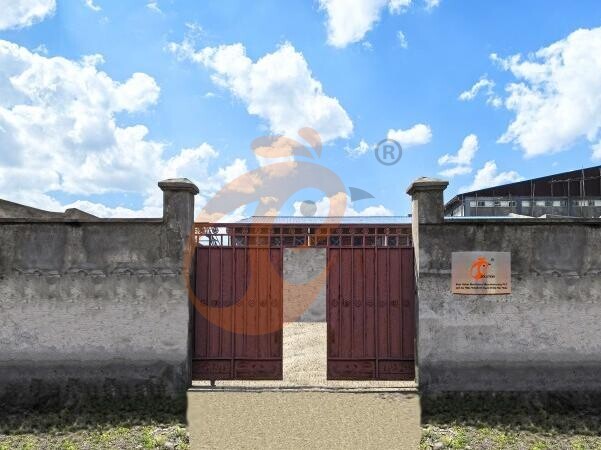
Ethiopia Best Hebei Machinery Manufacturing PLC
Reception /24 WhatsApp NO. : +8618830120193
FAQ
How Does Free Range System Affect Feed Consumption?
Energy expenditure increases daily intake variation by 15%–22% across seasons.
Feed conversion efficiency ranges from 1.9–2.3 depending on grazing intensity.
What Are The Housing Transition Management Standards In Free Range Poultry System?
Indoor-outdoor transition time is controlled within 10–15 minutes per flock movement cycle.
Lighting guidance systems operate at 5–8 lux to direct flock movement behavior.
What Are The Seasonal Adaptation Strategies In Free Range Poultry System?
Summer shade coverage is increased to 60%–80% of grazing area for heat stress reduction.
Rainfall drainage capacity handles 25–40 mm per hour precipitation levels for land usability.
- poultry equipment
- poultry farm
- feeding equipment
- poultry farm
- poultry farm construction
- poultry equipment manufacturer
- poultry feeding equipment
- poultry feeding system
- poultry house ventilation system
- poultry house ventilation equipment
- automatic poultry feeding system
- automatic poultry feeding equipment
- poultry house
- poultry house ventilation
- Ethiopia
- Nigeria
Message
Products recommended
 HK Headquarter Offers EU-standard Poultry Farm Solutions, Manufacture Poultry Farm Equipment1. Continuous communication with the EU and the US
2. China, Nigeria, Ethiopia, Tanzania branch companies and factories
3. The products’ quality is customized for local poultry farms
4. Poultry cage and poultry farm equipment stock for sale
5. 24 online reception Whatsapp NO. : +8618830120193,contact us to get full informationRead More China Branch Offer Poultry Farm Business Plan, Manufacture Poultry Farm Equipment1. Address: Flat/RM 2416, 24/F, Runxing Building, Youyi Nan Street, Shijiazhuang City, Hebei Province, China
2. Poultry cage and poultry farm equipment factory and stock for sale
3. Customized for local poultry farms
4. Quality and design are based on Euro
5. 24 online reception Whatsapp NO. : +8618830120193Read More Nigeria Branch Offer Poultry Farm Business Plan, Manufacture Poultry Farm Equipment1. Address: After Sinoma Office, 200 Meters Near Danco Filling Station, Lagos/Ibadan Expressway, Lagos State, Nigeria
2. Poultry cage and poultry farm equipment factory and stock for sale
3. Customized for Nigerian poultry farms
4. Quality and design are based on Euro
5. 24 online reception Whatsapp NO. : +8618830120193Read More Ethiopia Branch Offer Poultry Farm Business Plan, Manufacture Poultry Farm Equipment1. Address: Gelan Gura, Akaki-kaliti Sub City, Addis Ababa, Ethiopia
2. Poultry cage and poultry farm equipment stock for sale
3. Customized for Ethiopian poultry farms
4. Quality and design are based on Euro
5. 24 online reception Whatsapp NO. : +8618830120193, contact us to get price listRead More Tanzania Branch Offer Poultry Farm Business Plan, Manufacture Poultry Farm Equipment1. Address: No.8, Sova Road, Msufini, Mlandizi, Kibaha, Pwani, Tanzania
2. Poultry cage and poultry farm equipment factory and stock for sale
3. Customized for Tanzanian poultry farms
4. Quality and design are based on Euro
5. 24 online reception Whatsapp NO. : +8618830120193Read More Fully Automatic H Type Layer Chicken Cage1. 30,000-100,000+ layers/house chooses it, Poultry farmers can achieve an egg production rate of 96-98%
2. A significant improvement over the 85-90% typically seen in manual systems
3. A typical poultry farm can expect a 30-40% reduction in labor costs due to the automation
4. Each feeding line efficiently supplies feed to around 100,000 hens per 30 mins
5. Reception /WhatsApp NO. : +8618830120193Read More Fully Automatic A Type Layer Chicken Cage1. 10,000-50,000 layers/house chooses it
2. Cleaner egg collection reduces breakage by 0.5%
3. Improved hygiene helps reduce mortality rate to <3%
4. 1–2 technicians can handle 15,000–30,000 birds
5. Reception /WhatsApp NO. : +8618830120193Read More Semi Automatic H Type Layer Chicken Cage1. 1,00-20,000 layers/house chooses it
2. Nipple drinkers flow 30–60 ML / min
3. Hot-dip galvanized (typical coating ≥ 275 g/m²)
4. Reduce ammonia by ~ 35–40%
5. Reception /WhatsApp NO. : +8618830120193Read More Semi Automatic A Type Layer Chicken Cage1. 1,00-20,000 layers/house chooses it, no rust for 10 years, no deformation for 15 years
2. Chickens live comfortably, you can raise them with peace of mind
3. Save water, save money—efficiency you can measure
4. Improve environment quality, and increase egg production rate
5. Reception /WhatsApp NO. : +8618830120193Read More
By clicking 'Allow All', you agree to the storage of cookies on your device to enhance site navigation, analyze site usage and assist with our marketing efforts.