


Blog
Stocking Density And Space In Battery Cage For Layers: What Is The Stocking Density Per Layer?
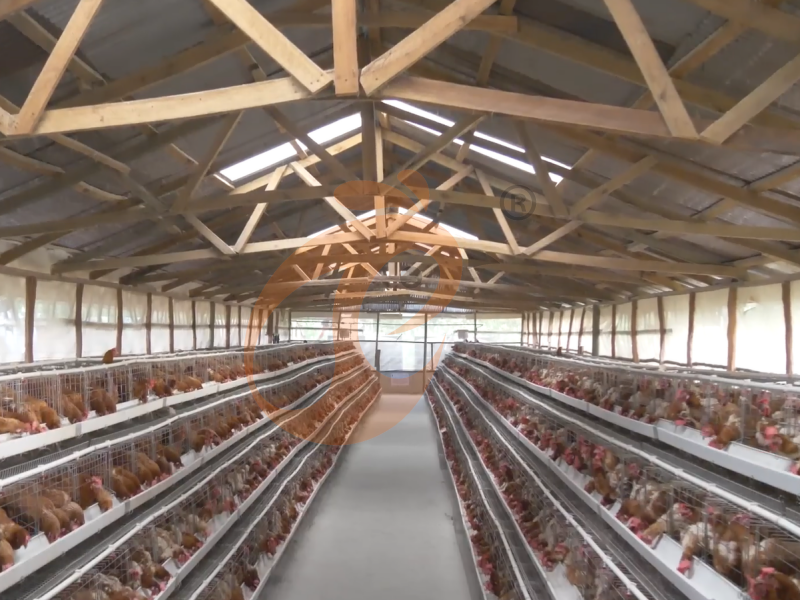
As a leading manufacturer of advanced poultry housing systems, we at Taiyu Hongkong Group understand that optimizing your farm's productivity and ensuring the welfare of your flock are your top priorities. The heart of this balance lies in the precise management of stocking density and available space within your battery cage for layers system. This detailed guide will provide you with the essential data, standards, and expert insights to make informed decisions for your operation.
Understanding Stocking Density Per Layer
Stocking density is a critical parameter, defined as the amount of usable cage floor area allocated to each layer hen. While high density maximizes floor space utilization and initial profitability, optimal density ensures bird health, high egg production, and feed efficiency. Regulatory standards and industry best practices often dictate the minimum space allowance to balance performance and welfare.
We focus on delivering battery cage for layers solutions that meet or exceed these standards, providing hens with adequate space for movement, feeding, and drinking.
Key Factors Influencing Optimal Density:
Bird Strain and Size: Smaller strains (like White Leghorn types) typically require less space than larger brown egg layers.
Climate Control: Well-ventilated houses with climate control can potentially manage slightly higher densities.
Cage Design: The specific design of the Layer cage (e.g., A-Frame vs. H-Frame, cage dimensions, colony size) plays a major role.
Welfare Standards: International and local animal welfare codes often set minimum space requirements.
International Stocking Density Standards (Usable Area)
Different regions and organizations have established varying minimum standards for the usable floor area per hen in a battery cage for layers system. These figures serve as crucial benchmarks for compliance and planning your poultry house layout.
These figures demonstrate the wide range of standards globally, underscoring the need to consult local regulations when planning your Layer cage system.
Impact Of Stocking Density On Layer Performance
The stocking density directly impacts critical production and welfare metrics. Too high a density can lead to stress, increased aggression, reduced feed intake, and ultimately, lower overall productivity. Finding the optimal space is key to maximizing return on investment.
Stocking Density and Production Parameters
Research consistently shows that providing adequate space, often around 900-1150 cm² per hen, results in superior egg production and health outcomes compared to extremely high densities.
Typical Dimensions Of Battery Cage For Layers
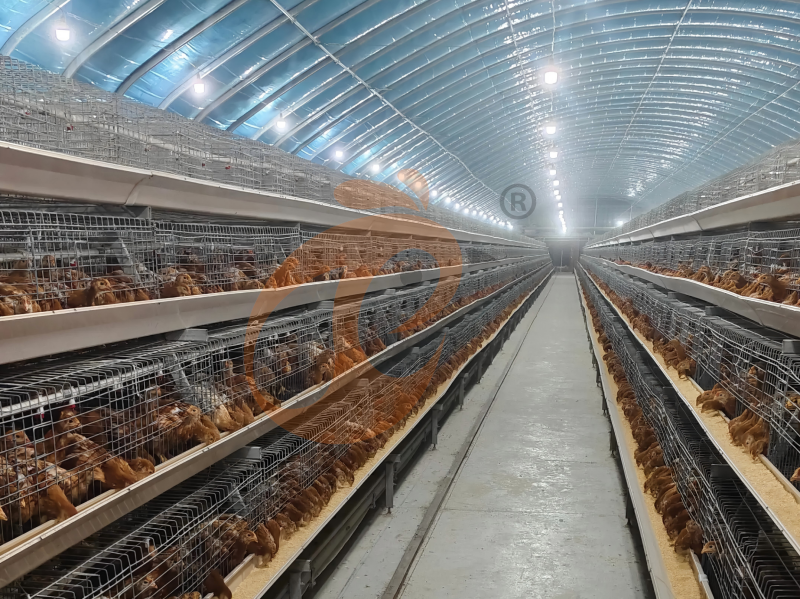
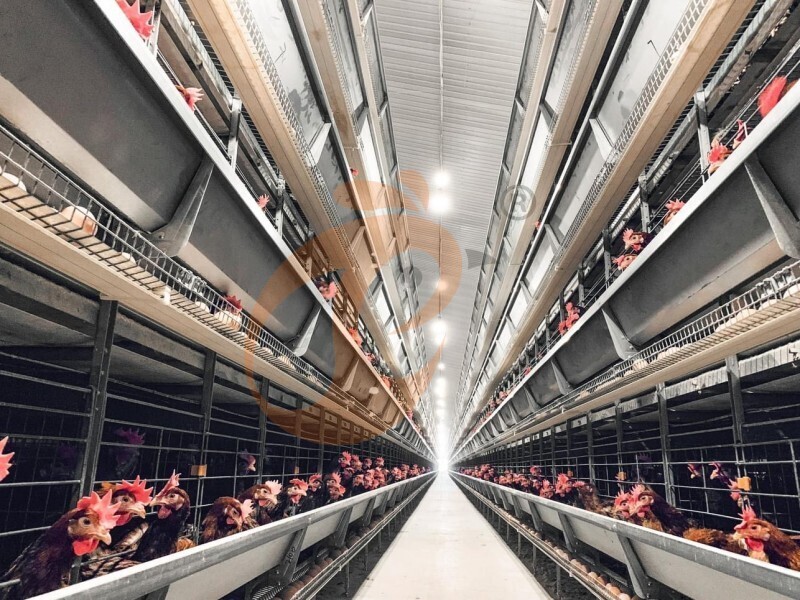
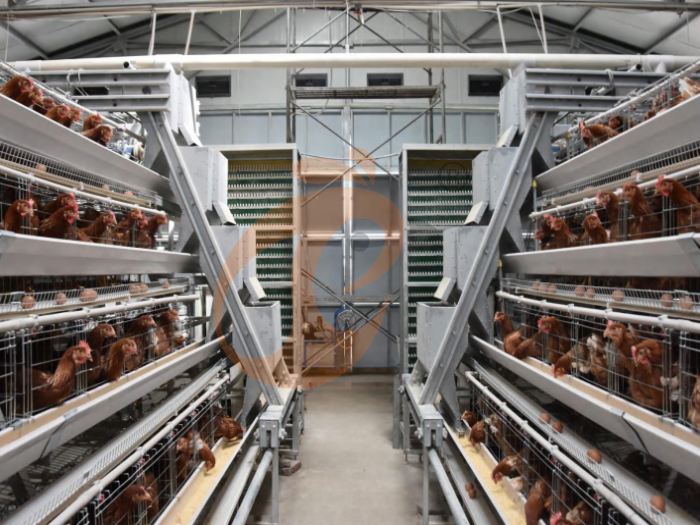
The physical dimensions of our battery cage for layers units are designed for optimal space efficiency and bird comfort. We offer both A-Frame and H-Frame systems, with the H-Frame providing the highest density per building floor area due to its vertical stacking.
H-Frame Layer Cage Specifications (Example: 5-6 Birds/Cell)
Our H-Frame systems are engineered to offer the highest capacity, utilizing vertical space efficiently while maintaining the structural integrity and automation required for large-scale operations.
Feeder And Drinker Space Requirements
Stocking density is not just about floor area; access to feed and water is equally critical. Crowding at troughs and nipples is a major stressor and can lead to uneven growth and reduced laying consistency across the flock.
Essential Feeder and Drinker Allowance
Optimal access to feed and water, facilitated by automated systems, is vital to mitigate the stress of higher stocking densities common in Layer cage systems.
Customizing Your Battery Cage For Layers Layout
At Taiyu Hongkong Group, we don't offer a one-size-fits-all solution. We customize the battery cage for layers layout to meet your specific needs, regulatory environment, and bird type. We help you balance maximum bird capacity with necessary operational space.
Building Layout And Capacity Planning (H-Frame 4-Tier Example)
Our consultation process ensures that your final poultry house design, including the specific Layer cage model, is perfectly optimized for both maximum capacity and operational efficiency.
Frequently Asked Questions (FAQ) On Battery Cage For Layers
We've compiled answers to the top questions our customers frequently search for on Google regarding battery cage for layers systems:
1. What Is The Best Stocking Density For Maximum Egg Production In Battery Cages?
The search results suggest that extremely high densities (below 500 cm² per hen) severely reduce egg production. The consensus from various studies indicates that an optimal range for high production and efficiency, while managing welfare concerns, is typically between 900 cm² and 1150 cm² per layer hen. This range generally leads to better feed conversion, lower stress-related mortality, and higher egg-laying persistency.
2. How Do I Choose Between A-Frame And H-Frame Layer Cage Systems?
This choice largely depends on your budget, scale, and level of automation required.
A-Frame: Lower initial cost, simpler structure, often used for smaller operations or those with less automation (manual or semi-automatic feeding). Density is lower per house footprint.
H-Frame: Higher initial investment, fully automated (feeding, manure removal, egg collection), stackable up to 8 tiers. Provides the highest stocking density per unit of building floor area, making it ideal for large commercial farms focused on maximum productivity. Our H-Frame battery cage for layers is the flagship for modern farming.
3. What Are The Welfare Concerns With High Density Battery Cage For Layers And How Does Taiyu Address Them?
Welfare concerns mainly revolve around restricted movement, inability to perform natural behaviors (like dust bathing or perching), and stress from crowding. Taiyu addresses these by:
Optimal Cage Design: Providing ergonomically designed wire floors and appropriate cage height for stretching.
Precision Automation: Automated feeding and watering ensure all birds have continuous access to resources, significantly reducing competition-related stress.
Cleanliness: Advanced manure belt systems immediately remove waste, ensuring a clean, hygienic environment and minimizing disease risk.
Partner With Taiyu Hongkong Group For Your Layer Cage Needs
We are dedicated to providing the global poultry industry with state-of-the-art battery cage for layers technology.
Taiyu Strength: Global Leader in automated Layer cage manufacturing with over two decades of experience;
Taiyu Service: Complete farm design, installation, training, and 24/7 technical support worldwide;
Taiyu Quality: Cages made with corrosion-resistant, hot-dip galvanized materials for a long lifespan;
Taiyu Innovation: Full range of H-Frame and A-Frame battery cage for layers and poultry equipment.
Contact Us To Received Your Customized Poultry Farm Plan
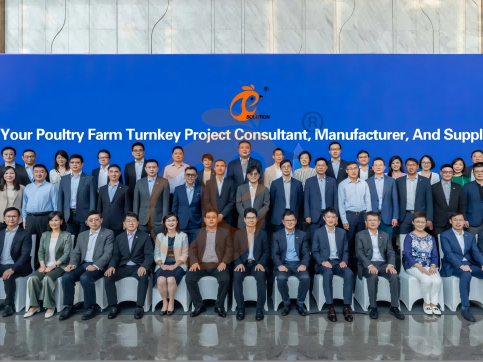
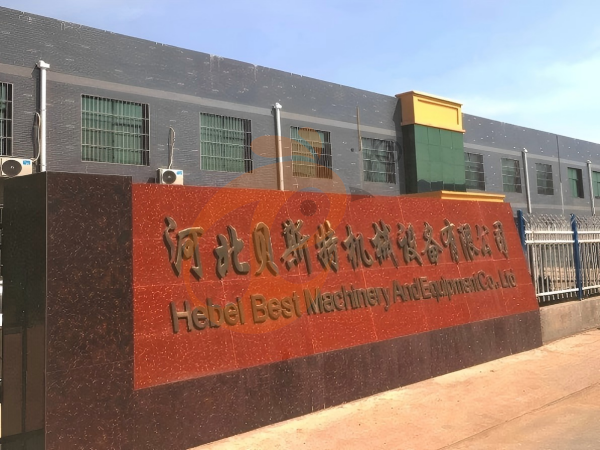
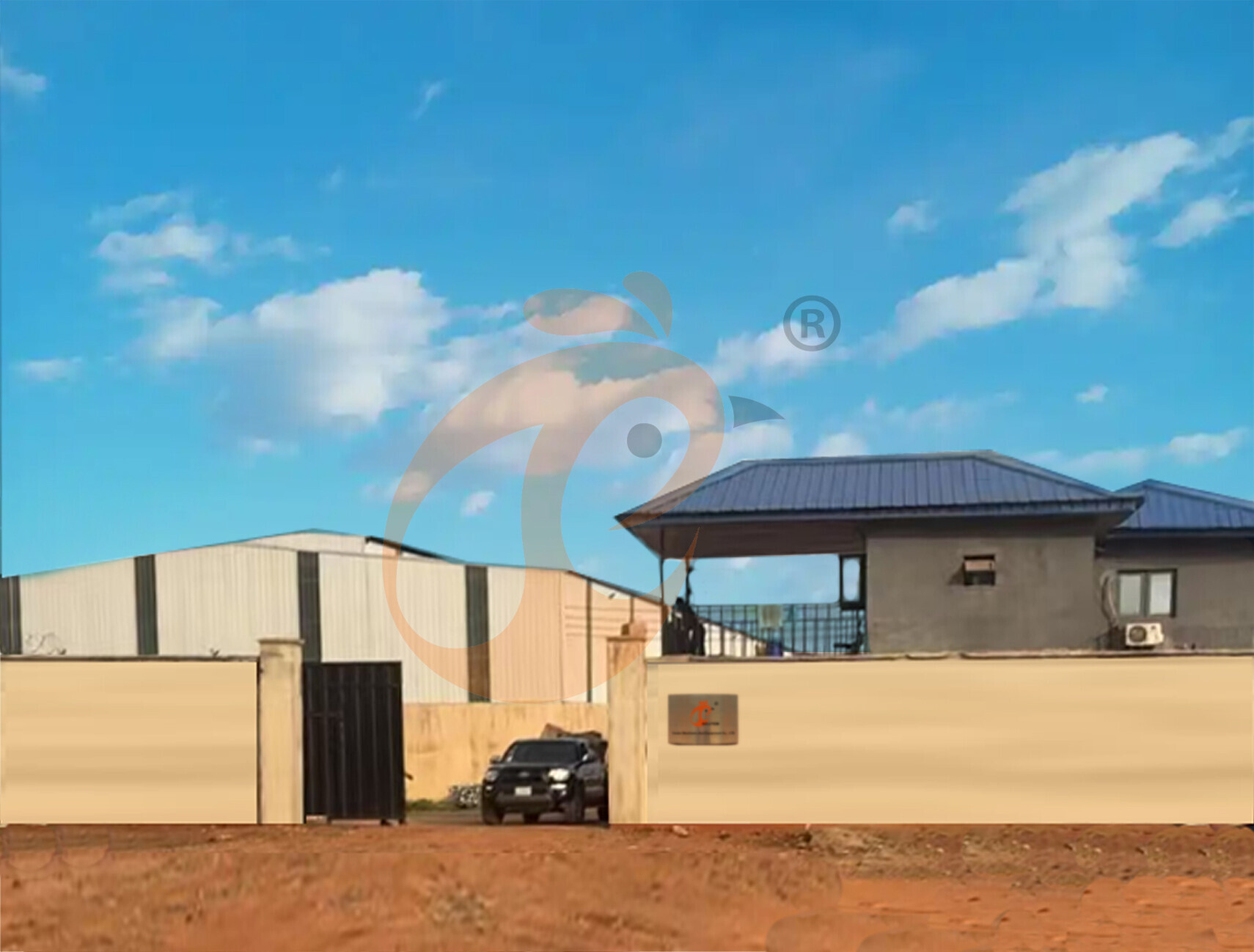
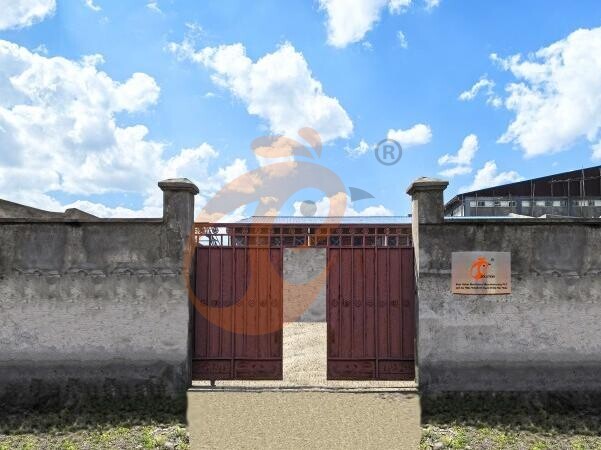
Headquarters And Distribution Centers
Hong Kong Headquarter Taiyu Industrial Group CO., LTD
China Hebei Best Machinery And Equipment CO., LTD
Nigeria Vanke Machinery And Equipment CO., LTD
Tanzania Best Machinery And Equipment CO., LTD
Ethiopia Best Hebei Machinery Manufacturing PLC
Tag
 Fully Automatic A Type Day Old Chicken Cage Design1. 10,000-50,000 chicks/house chooses it
2. Feeding at a speed of 18 m/min
3. Dispensing water at 30–60 ml/min
4. Ventilation system featuring 36″ axial fans (36,000 m³/h)
5. Reception /WhatsApp NO. : +8618830120193More Semi Automatic H Type Day Old Chicken Cage Design1. 1,00-20,000 chicks/house chooses it
2. 360° nipple drinkers ensure every chick has access to water
3. Labor reduced 20–30%
4. 25-year durability
5. Reception /WhatsApp NO. : +8618830120193More Semi Automatic A Type Day Old Chicken Cage Design1. 1,00-20,000 chicks/house chooses it
2. Nipple flow 30–60 ml/min
3. Cut daily cleaning/maintenance labor by 20–40%
4. 8–12% lower feed waste versus poorly managed floor brooding
5. Reception /WhatsApp NO. : +8618830120193More
Message
Products recommended
 HK Headquarter Offers EU-standard Poultry Farm Solutions, Manufacture Poultry Farm Equipment1. Continuous communication with the EU and the US
2. China, Nigeria, Ethiopia, Tanzania branch companies and factories
3. The products’ quality is customized for local poultry farms
4. Poultry cage and poultry farm equipment stock for sale
5. 24 online reception Whatsapp NO. : +8618830120193,contact us to get full informationRead More China Branch Offer Poultry Farm Business Plan, Manufacture Poultry Farm Equipment1. Address: Flat/RM 2416, 24/F, Runxing Building, Youyi Nan Street, Shijiazhuang City, Hebei Province, China
2. Poultry cage and poultry farm equipment factory and stock for sale
3. Customized for local poultry farms
4. Quality and design are based on Euro
5. 24 online reception Whatsapp NO. : +8618830120193Read More Nigeria Branch Offer Poultry Farm Business Plan, Manufacture Poultry Farm Equipment1. Address: After Sinoma Office, 200 Meters Near Danco Filling Station, Lagos/Ibadan Expressway, Lagos State, Nigeria
2. Poultry cage and poultry farm equipment factory and stock for sale
3. Customized for Nigerian poultry farms
4. Quality and design are based on Euro
5. 24 online reception Whatsapp NO. : +8618830120193Read More Ethiopia Branch Offer Poultry Farm Business Plan, Manufacture Poultry Farm Equipment1. Address: Gelan Gura, Akaki-kaliti Sub City, Addis Ababa, Ethiopia
2. Poultry cage and poultry farm equipment stock for sale
3. Customized for Ethiopian poultry farms
4. Quality and design are based on Euro
5. 24 online reception Whatsapp NO. : +8618830120193, contact us to get price listRead More Tanzania Branch Offer Poultry Farm Business Plan, Manufacture Poultry Farm Equipment1. Address: No.8, Sova Road, Msufini, Mlandizi, Kibaha, Pwani, Tanzania
2. Poultry cage and poultry farm equipment factory and stock for sale
3. Customized for Tanzanian poultry farms
4. Quality and design are based on Euro
5. 24 online reception Whatsapp NO. : +8618830120193Read More Fully Automatic H Type Layer Chicken Cage1. 30,000-100,000+ layers/house chooses it, Poultry farmers can achieve an egg production rate of 96-98%
2. A significant improvement over the 85-90% typically seen in manual systems
3. A typical poultry farm can expect a 30-40% reduction in labor costs due to the automation
4. Each feeding line efficiently supplies feed to around 100,000 hens per 30 mins
5. Reception /WhatsApp NO. : +8618830120193Read More Fully Automatic A Type Layer Chicken Cage1. 10,000-50,000 layers/house chooses it
2. Cleaner egg collection reduces breakage by 0.5%
3. Improved hygiene helps reduce mortality rate to <3%
4. 1–2 technicians can handle 15,000–30,000 birds
5. Reception /WhatsApp NO. : +8618830120193Read More Semi Automatic H Type Layer Chicken Cage1. 1,00-20,000 layers/house chooses it
2. Nipple drinkers flow 30–60 ML / min
3. Hot-dip galvanized (typical coating ≥ 275 g/m²)
4. Reduce ammonia by ~ 35–40%
5. Reception /WhatsApp NO. : +8618830120193Read More Semi Automatic A Type Layer Chicken Cage1. 1,00-20,000 layers/house chooses it, no rust for 10 years, no deformation for 15 years
2. Chickens live comfortably, you can raise them with peace of mind
3. Save water, save money—efficiency you can measure
4. Improve environment quality, and increase egg production rate
5. Reception /WhatsApp NO. : +8618830120193Read More
By clicking 'Allow All', you agree to the storage of cookies on your device to enhance site navigation, analyze site usage and assist with our marketing efforts.