


Blog
How to clean nipple drinkers is a hydraulic sanitation protocol for poultry watering networks operating under 0.18–0.25 mpa constant pressure supply systems.
Microbial contamination in unmaintained pipelines can reach 10⁵ cfu/ml within 72 hours at 28°c ambient farm temperature.
Nipple drinker cleaning guide integrates mechanical flushing, enzymatic degradation, and pressure-stabilized pipeline recovery for flow uniformity control.
Field measurements show water intake variance improves from ±11% to ±3.5% after complete cleaning cycles in 10,000-bird houses.
Poultry water line hygiene supports intestinal health stability by reducing coliform presence below 10³ cfu/ml in controlled operations.
Get professional poultry farm construction guidance, equipment selection solutions, and the latest price lists, whatsApp to +8618830120193, +2348111199996, or click to learn more.
System Structure And Functional Layout
Nipple drinking systems operate as closed loop hydraulic distribution networks designed for uniform water delivery across poultry housing zones.
Data is for reference only.Swipe horizontally to view full table.
Hydraulic response delay in nipple valves ranges between 0.28–0.65 seconds depending on sediment accumulation level and mineral scaling thickness.
Hygiene Importance In Water Delivery Systems
Water quality degradation directly correlates with microbial proliferation rate, mineral precipitation density, and organic load accumulation.
Data is for reference only.Swipe horizontally to view full table.
In 20,000-bird farms, untreated systems show daily water rejection increase of 8–13% within 14-day cycles under high humidity conditions.
Required Equipment For Cleaning Operations
Cleaning performance depends on mechanical tools and controlled chemical dosing systems calibrated for closed-loop piping systems.
Data is for reference only.Swipe horizontally to view full table.
Step One System Flushing Activation
Flushing removes suspended solids and prepares internal hydraulic pathways for chemical penetration.
Data is for reference only.Swipe horizontally to view full table.
Flushing reduces suspended particulate concentration from 180 mg/l to below 45 mg/l before chemical treatment begins.
Step Two Disassembly Precision Handling
Disassembly ensures full exposure of hydraulic pathways for mechanical and chemical restoration.
Data is for reference only.Swipe horizontally to view full table.
Torque above 2.0 nm increases microfracture probability by 18% after 500 cycles.
Step Three Chemical Cleaning Mechanism
Chemical cleaning targets calcium scale, iron deposits, and biofilm matrices using controlled dosing.
Data is for reference only.Swipe horizontally to view full table.
Biofilm thicker than 120 μm requires enzymatic pretreatment before oxidizing agents fully penetrate.
Step Four Mechanical Scrubbing Process
Mechanical scrubbing removes adhered deposits in low-flow zones and pipe bends.
Data is for reference only.Swipe horizontally to view full table.
Mechanical brushing removes 68–74% more residue than flushing only maintenance.
Step Five Sanitization And Microbial Reset
Sanitization eliminates remaining microbial colonies and restores hygiene compliance standards.
Data is for reference only.Swipe horizontally to view full table.
Peracetic acid achieves fastest microbial reduction within first 3 minutes of exposure.
Step Six Reassembly And Flow Calibration
Reassembly restores hydraulic balance across all drinking points in the system.
Data is for reference only.Swipe horizontally to view full table.
Flow deviation remains within 2.5–4.0% after calibration in 50-meter pipelines.
Maintenance Cycle Optimization
Maintenance scheduling stabilizes hydraulic performance and prevents microbial regrowth.
Data is for reference only.Swipe horizontally to view full table.
Large farms above 25,000 birds reduce system failure rates by 9–15% with structured maintenance.
Troubleshooting Operational Failures
Failures originate from sediment blockage, pressure instability, and seal degradation.
Data is for reference only.Swipe horizontally to view full table.
Hydraulic Performance Optimization Guidelines
Effective nipple drinker system stability depends on hydraulic balancing, pipe length segmentation, and endpoint pressure uniformity control.
Field engineering data shows that uneven elevation differences above 1.2 m can generate up to 0.05 mpa terminal pressure deviation, directly affecting drinking consistency across cages.
Pipe zoning design recommended 30–50 m sections per independent line to reduce pressure decay accumulation
Elevation control maintain vertical variation within 0.8 m to avoid end-line flow imbalance
Flow calibration interval adjust regulator output every 14–21 days in high density farms above 18,000 birds
Water velocity target maintain 0.6–1.0 m/s to prevent sediment deposition inside low-flow zones
This optimization layer improves system uniformity and reduces long-term maintenance frequency while stabilizing water intake behavior across poultry populations.
Frequently Asked Questions
Q1: What pressure range is required for nipple drinker cleaning systems?
A1: Standard poultry nipple drinker cleaning systems operate within 0.18–0.25 mpa to maintain stable droplet formation and prevent micro-valve fatigue.
Pressure below this range reduces flushing efficiency, while higher pressure increases connector stress and leakage probability in polyethylene pipelines.
Q2: How often should nipple drinking systems be cleaned in poultry farms?
A2: Weekly flushing combined with monthly full chemical sanitization is recommended for intensive poultry operations.
This schedule keeps microbial concentration under 10³ cfu/ml, reduces biofilm regeneration cycles, and maintains consistent hydraulic output across long pipeline sections.
Q3: What combination method provides the highest cleaning efficiency?
A3: Best results come from a three stage process enzymatic pre-treatment, 200 ppm chlorination, and mechanical brushing.
This combination breaks biofilm structure, removes mineral scaling, and achieves over 95% contaminant reduction in controlled poultry water line systems.
Taiyu (HK) Group - One Of China Biggest Poultry Drinker System Manufacturer
Precision nipple drinker cleaning and installation systems designed for 0.18–0.25 mpa poultry water line networks and controlled hydraulic flow distribution.
Global factory direct sales supporting cost-optimized supply chains for large scale poultry farming projects.
Integrated poultry equipment manufacturing covering automated drinking line systems and environmental control components.
Full poultry cage system solutions combined with hydraulic drinking infrastructure for high density production farms.
Turn key engineering services providing complete farm planning, installation, and commissioning for industrial poultry projects.
Contact Us To Received Your Customized Poultry Farm Plan
Headquarters And Branchs

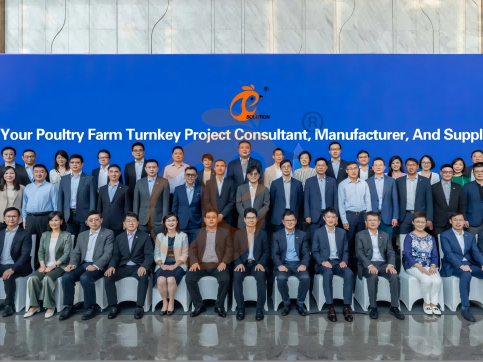
Hong Kong Headquarter Management Team
Hong Kong Headquarter Taiyu Industrial Group CO., LTD
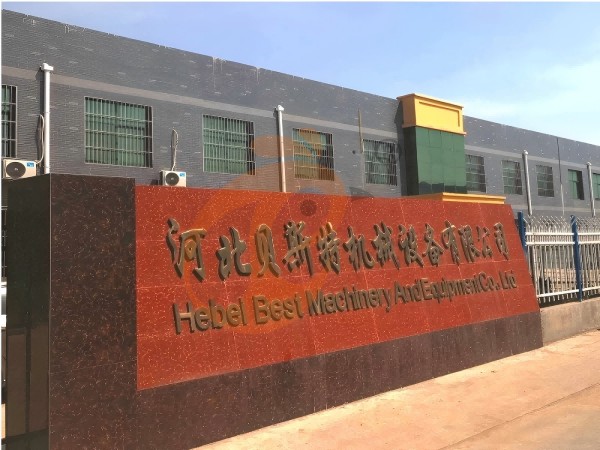
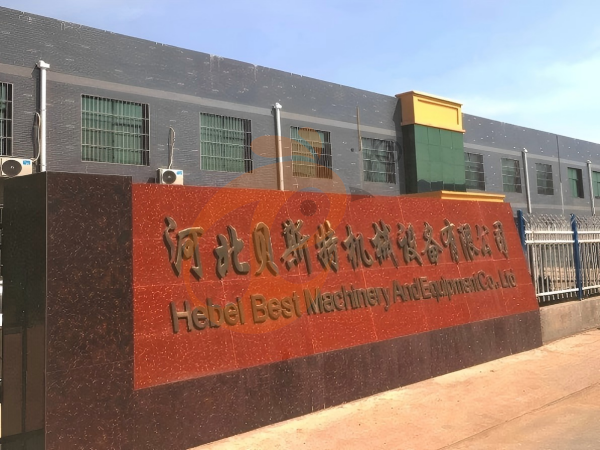
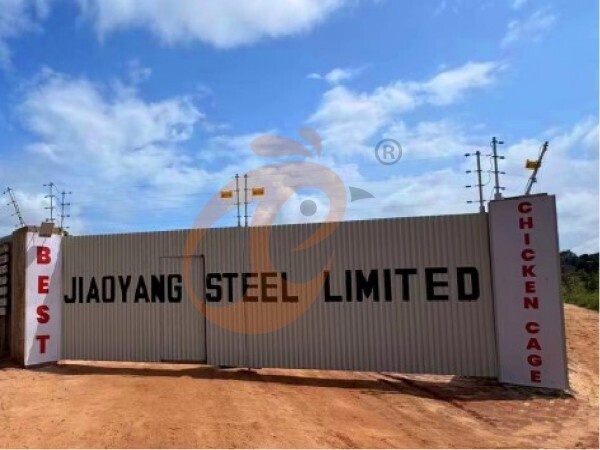
China Hebei Best Machinery And Equipment CO., LTD
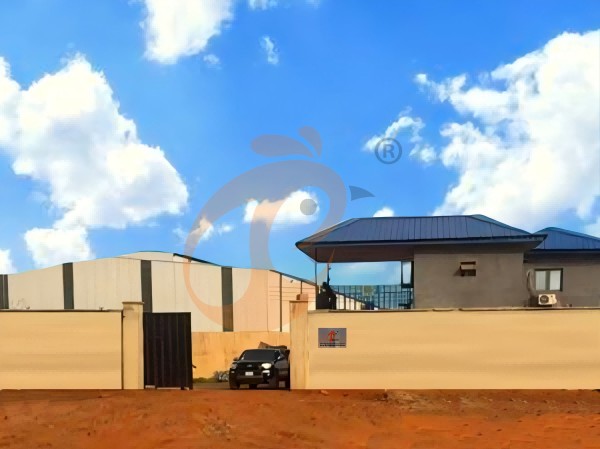
Nigeria Vanke Machinery And Equipment CO., LTD
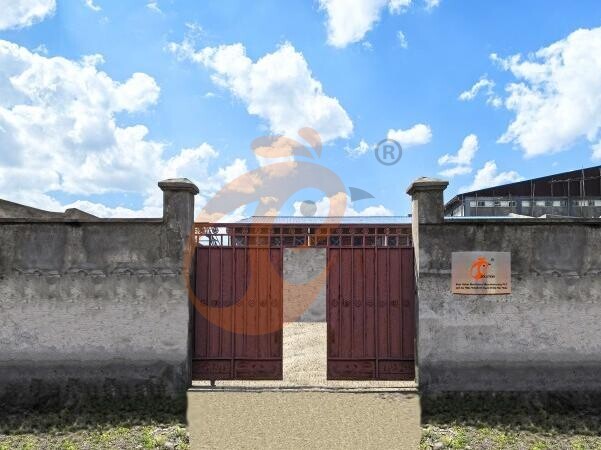
Tanzania Best Machinery And Equipment CO., LTD
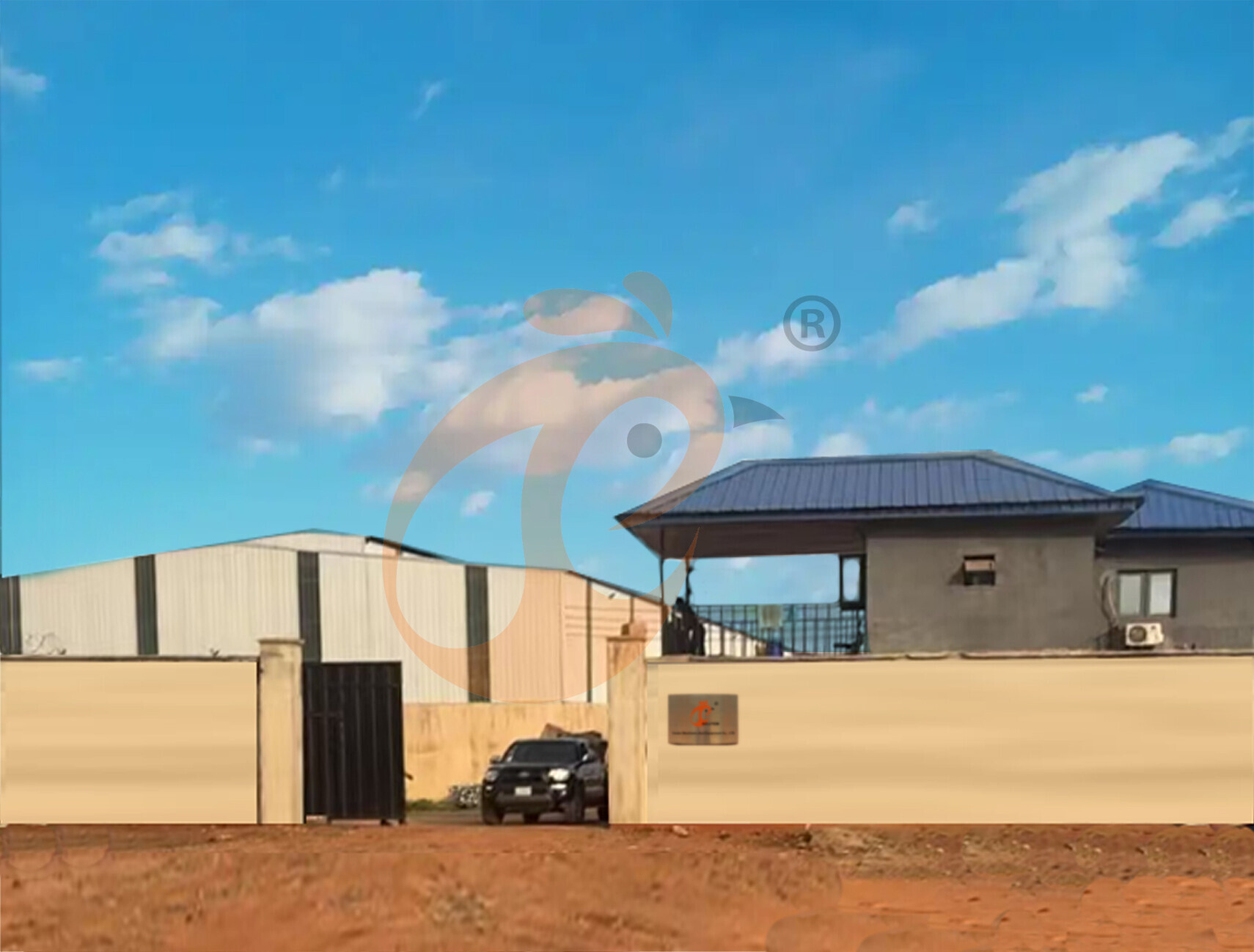
Ethiopia Best Hebei Machinery Manufacturing PLC
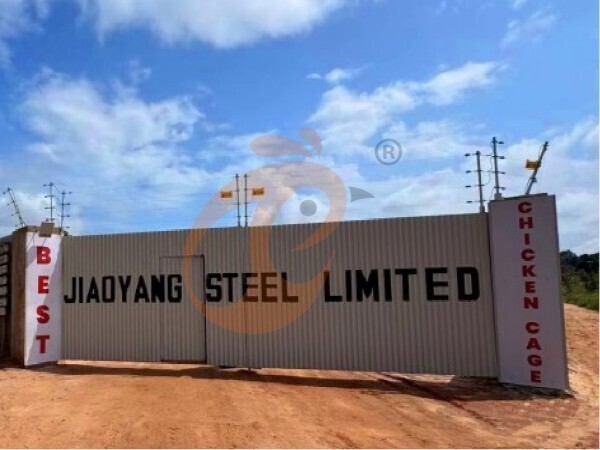
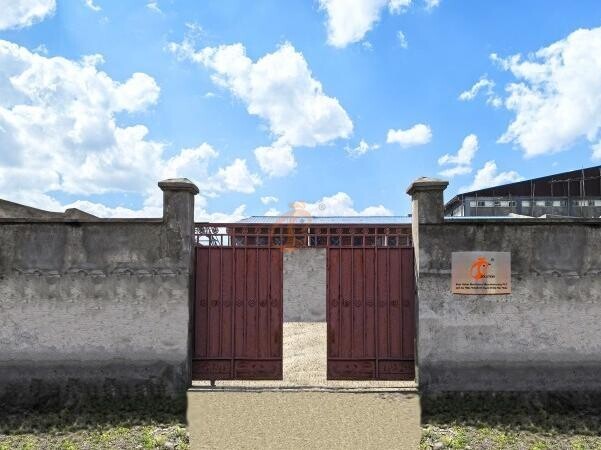
Reception /24 WhatsApp NO. : +8618830120193
FAQ
What Water Quality Requirements Are Necessary For Nipple Drinkers In Poultry Chicken Cage Systems?
Water hardness is maintained within 100–150 mg/L CaCO₃ equivalent for valve protection.
Microbial load is controlled under 100 CFU/mL for safe poultry consumption standards.
What Is The Recommended Stocking Ratio For Nipple Drinkers In Poultry Chicken Cage Systems?
Drinker spacing is typically set at 25–30 cm to reduce competition stress.
Water demand allocation is calculated at 180–220 ml per bird daily in intensive production.
How Is Water Flow Regulated In Nipple Drinkers For Poultry Chicken Cage Farming Systems?
Pressure stability is maintained within 0.18–0.22 MPa across drinking lines.
Drop formation interval is adjusted at 1–2 seconds per activation for efficient intake.
Message
Products recommended
 HK Headquarter Offers EU-standard Poultry Farm Solutions, Manufacture Poultry Farm Equipment1. Continuous communication with the EU and the US
2. China, Nigeria, Ethiopia, Tanzania branch companies and factories
3. The products’ quality is customized for local poultry farms
4. Poultry cage and poultry farm equipment stock for sale
5. 24 online reception Whatsapp NO. : +8618830120193,contact us to get full informationRead More China Branch Offer Poultry Farm Business Plan, Manufacture Poultry Farm Equipment1. Address: Flat/RM 2416, 24/F, Runxing Building, Youyi Nan Street, Shijiazhuang City, Hebei Province, China
2. Poultry cage and poultry farm equipment factory and stock for sale
3. Customized for local poultry farms
4. Quality and design are based on Euro
5. 24 online reception Whatsapp NO. : +8618830120193Read More Nigeria Branch Offer Poultry Farm Business Plan, Manufacture Poultry Farm Equipment1. Address: After Sinoma Office, 200 Meters Near Danco Filling Station, Lagos/Ibadan Expressway, Lagos State, Nigeria
2. Poultry cage and poultry farm equipment factory and stock for sale
3. Customized for Nigerian poultry farms
4. Quality and design are based on Euro
5. 24 online reception Whatsapp NO. : +8618830120193Read More Ethiopia Branch Offer Poultry Farm Business Plan, Manufacture Poultry Farm Equipment1. Address: Gelan Gura, Akaki-kaliti Sub City, Addis Ababa, Ethiopia
2. Poultry cage and poultry farm equipment stock for sale
3. Customized for Ethiopian poultry farms
4. Quality and design are based on Euro
5. 24 online reception Whatsapp NO. : +8618830120193, contact us to get price listRead More Tanzania Branch Offer Poultry Farm Business Plan, Manufacture Poultry Farm Equipment1. Address: No.8, Sova Road, Msufini, Mlandizi, Kibaha, Pwani, Tanzania
2. Poultry cage and poultry farm equipment factory and stock for sale
3. Customized for Tanzanian poultry farms
4. Quality and design are based on Euro
5. 24 online reception Whatsapp NO. : +8618830120193Read More Fully Automatic H Type Layer Chicken Cage1. 30,000-100,000+ layers/house chooses it, Poultry farmers can achieve an egg production rate of 96-98%
2. A significant improvement over the 85-90% typically seen in manual systems
3. A typical poultry farm can expect a 30-40% reduction in labor costs due to the automation
4. Each feeding line efficiently supplies feed to around 100,000 hens per 30 mins
5. Reception /WhatsApp NO. : +8618830120193Read More Fully Automatic A Type Layer Chicken Cage1. 10,000-50,000 layers/house chooses it
2. Cleaner egg collection reduces breakage by 0.5%
3. Improved hygiene helps reduce mortality rate to <3%
4. 1–2 technicians can handle 15,000–30,000 birds
5. Reception /WhatsApp NO. : +8618830120193Read More Semi Automatic H Type Layer Chicken Cage1. 1,00-20,000 layers/house chooses it
2. Nipple drinkers flow 30–60 ML / min
3. Hot-dip galvanized (typical coating ≥ 275 g/m²)
4. Reduce ammonia by ~ 35–40%
5. Reception /WhatsApp NO. : +8618830120193Read More Semi Automatic A Type Layer Chicken Cage1. 1,00-20,000 layers/house chooses it, no rust for 10 years, no deformation for 15 years
2. Chickens live comfortably, you can raise them with peace of mind
3. Save water, save money—efficiency you can measure
4. Improve environment quality, and increase egg production rate
5. Reception /WhatsApp NO. : +8618830120193Read More
By clicking 'Allow All', you agree to the storage of cookies on your device to enhance site navigation, analyze site usage and assist with our marketing efforts.