


Blog
Efficient pralson feeder troubleshooting supports stable feed distribution, predictable flock growth, and lower operational losses across commercial poultry facilities.
Accurate automatic poultry feeder maintenance reduces feed wastage, minimizes equipment downtime, and improves production consistency during every growth cycle.
Systematic inspection of feed flow, auger wear, electrical performance, calibration accuracy, and sensor cleanliness allows faster fault identification and corrective action.
Engineering based maintenance practices help maintain target feed delivery rates, support feed conversion efficiency, and reduce unexpected repair expenses measured in USD.
The following guide presents five practical solutions, operational benchmarks, measurable performance data, and maintenance recommendations for poultry feeding system troubleshooting in modern poultry farms.
Get professional poultry farm construction guidance, equipment selection solutions, and the latest price lists, whatsApp to +8618830120193, +2348111199996, or click to learn more.
Why Feed Delivery Accuracy Matters In Poultry Production
Feed represents the largest operating expense on most poultry farms.
According to industry studies, feed costs account for approximately 60% to 70% of total broiler production expenses.
A feeder delivering inconsistent quantities can result in measurable economic losses over an entire flock cycle.
For a farm raising 20,000 broilers, a feed wastage increase of only 1.5 g per bird per day can result in more than 630 kg of wasted feed during a 21-day growth period.
Feed valued at $420 to $650 per metric ton can significantly affect farm margins when wastage accumulates.
European union standard reference only.Data is for reference only.Swipe horizontally to view full table.
Proper feeder performance is therefore not simply a maintenance issue.
Quick Fix: Remove Feed Blockages Inside The Hopper
One of the most common causes of feeder malfunction is feed bridging.
Poultry feed contains ingredients such as corn, soybean meal, vitamins, and fats.
Changes in moisture content can cause feed particles to compact inside hoppers and restrict flow.
When feed stops moving freely, birds may receive inconsistent feed quantities across different feeding lines.
Uneven access often increases competition among birds and creates weight variation throughout the flock.
Data is for reference only.Swipe horizontally to view full table.
A reduction of more than 250 kg/h in flow capacity can occur when moisture levels increase from 10% to 14%.
Understanding Poultry Feed Flow Characteristics
Not all poultry feed behaves the same way inside a feeder system.
Pellet diameter, ingredient composition, and oil content influence how easily feed travels through augers and dispensing lines.
Broiler starter feed typically contains pellets measuring 2 mm to 3 mm, while grower and finisher feed often ranges between 3 mm and 4.5 mm.
Larger pellets generally flow more consistently through automated systems because they generate less dust accumulation.
Scientific evaluations have shown that feed dust levels above 8% can significantly increase the probability of feeder blockage compared with feed containing less than 3% dust.
Good feed quality therefore supports both bird performance and feeder reliability.
Inspect The Feed Auger For Wear
The auger is the primary component responsible for moving feed from storage bins to feeding lines.
Over time, continuous operation causes metal surfaces to wear.
Many commercial poultry farms operate feeding systems for 16 to 20 hours daily.
Under these conditions, augers can transport hundreds of tons of feed annually.
Typical Auger Wear Measurements
Data is for reference only.Swipe horizontally to view full table.
When flight thickness loss exceeds approximately 2 mm, feed transfer efficiency often begins to decline noticeably.
Operators should measure auger dimensions during scheduled maintenance and replace components before severe wear develops.
This maintenance process is a key part of effective automatic poultry feeder maintenance.
Check Motor Performance And Electrical Supply
A feeder can only deliver feed consistently when its motor operates within design specifications.
Voltage instability, damaged wiring, or overloaded circuits can cause irregular feed movement.
Many poultry houses use motors ranging from 0.55 kW to 2.2 kW depending on feeder length and capacity.
Data is for reference only.Swipe horizontally to view full table.
If measured values fall outside these ranges, electrical inspection should be performed immediately.
Understanding Feed Distribution Uniformity
Feed distribution uniformity directly affects flock performance.
If feed reaches one section of the poultry house earlier than another, bird growth rates may diverge.
Research in commercial broiler production has shown that feed access delays exceeding 12 minutes can contribute to measurable body weight variation at market age.
Data is for reference only.Swipe horizontally to view full table.
Routine feeder inspections help maintain consistent feed delivery throughout the entire poultry house.
Quick Fix: Recalibrate Feeding Controls
Modern Pralson Feeders often operate alongside automated controllers and sensors.
Over time, calibration drift may cause discrepancies between programmed feed quantities and actual delivery amounts.
A difference of only 0.5% can become significant when managing several tons of feed daily.
Data is for reference only.Swipe horizontally to view full table.
Calibration should be verified at least once every month, especially during periods of intensive production.
Accurate feed allocation improves flock uniformity and helps managers track feed conversion performance more effectively.
Proper calibration is an essential element of pralson feeder troubleshooting.
Clean Sensors And Monitoring Equipment
Sensors play a critical role in automated poultry feeding systems.
Dust generated by feed particles can accumulate on load cells, level sensors, and proximity detectors.
In broiler facilities, airborne dust concentrations frequently range from 2 mg/m³ to 6 mg/m³ depending on ventilation conditions.
Over time, sensor contamination can reduce measurement accuracy.
Data is for reference only.Swipe horizontally to view full table.
Cleaning sensors weekly can significantly reduce false readings and prevent unnecessary feeder interruptions.
Practical Troubleshooting Guide For Poultry Farms
When feeder issues occur, operators need a rapid diagnostic process to minimize bird stress and production losses.
Common Problems And Solutions
Data is for reference only.Swipe horizontally to view full table.
This structured approach allows farm staff to identify root causes quickly.
The process also supports effective poultry feeding system troubleshooting across different poultry house configurations.
Maintenance Schedule For Reliable Feeder Operation
Preventive maintenance consistently costs less than emergency repairs.
Farms operating multiple poultry houses should implement a documented inspection schedule.
Data is for reference only.Swipe horizontally to view full table.
Following these intervals helps reduce unexpected downtime and improves equipment lifespan.
Frequently Asked Questions
Q1: How often should a poultry feeder be inspected?
A1: Daily hopper inspection and weekly sensor cleaning are recommended.
Monthly calibration checks and electrical inspections help maintain feed accuracy and system stability.
Q2: What causes uneven feed distribution in poultry houses?
A2: Common causes include feed blockages, auger wear, voltage fluctuations, delayed feed transport, and inaccurate controller calibration.
Systematic inspection can identify the source quickly.
Q3: When should a feed auger be replaced?
A3: Replacement should be considered when flight thickness loss exceeds approximately 2 mm or when measurable feed transfer efficiency declines.
Scheduled measurement provides reliable maintenance planning and reduces unexpected downtime.
Taiyu (HK) Group - One Of China Largest Poultry Pralson Equipment Manufacturer
Specialized in poultry feeding systems, Pralson feeder components, feed augers, hoppers, automatic feeding lines, and poultry farm feed delivery solutions.
Global factory direct supply with competitive manufacturing capabilities and stable product quality control.
Complete poultry equipment solutions covering broiler farms, layer farms, breeder farms, and integrated livestock projects.
Professional poultry cage systems, automatic feeding technology, ventilation equipment, and environmental control solutions.
Turn key engineering services including design, manufacturing, installation, commissioning, and technical support for commercial poultry farms worldwide.
Contact Us To Received Your Customized Poultry Farm Plan
Headquarters And Branchs
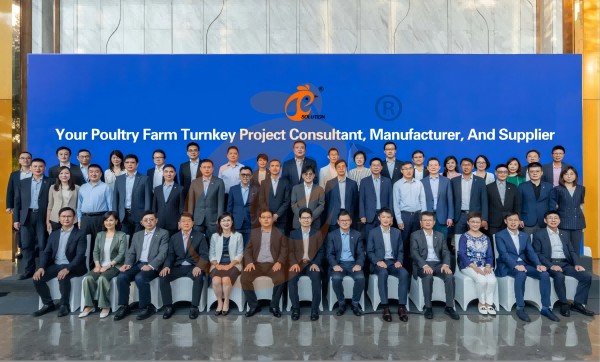
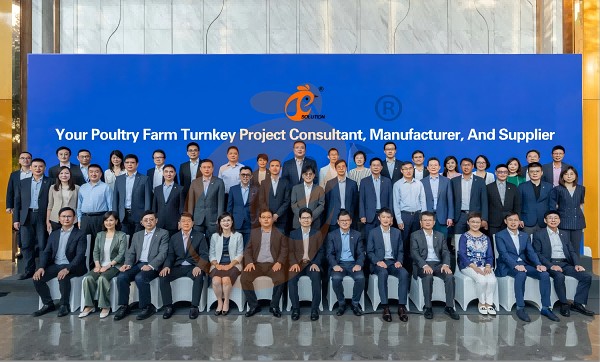
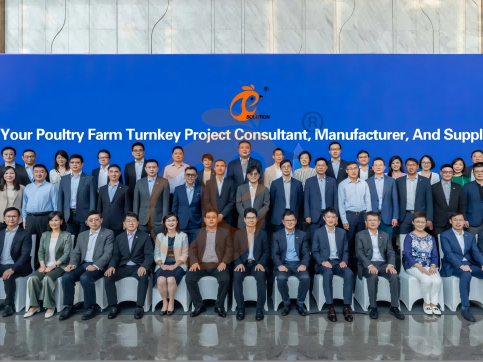
Hong Kong Headquarter Management Team
Hong Kong Headquarter Taiyu Industrial Group CO., LTD
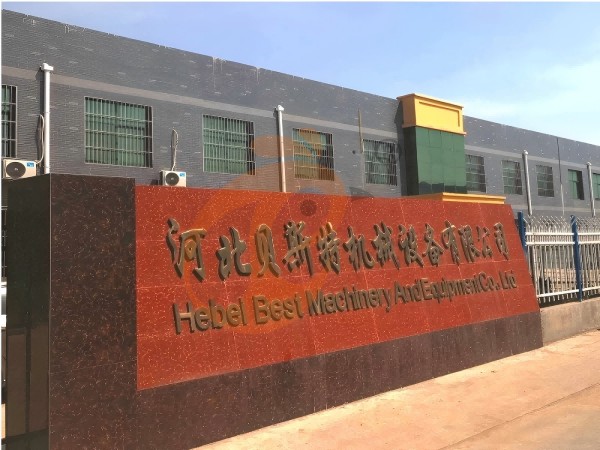
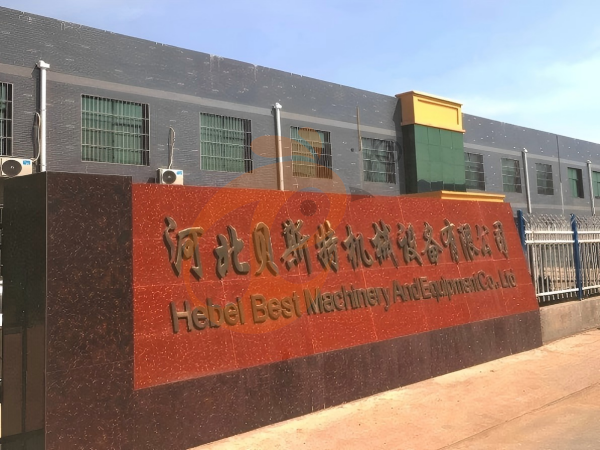
China Hebei Best Machinery And Equipment CO., LTD
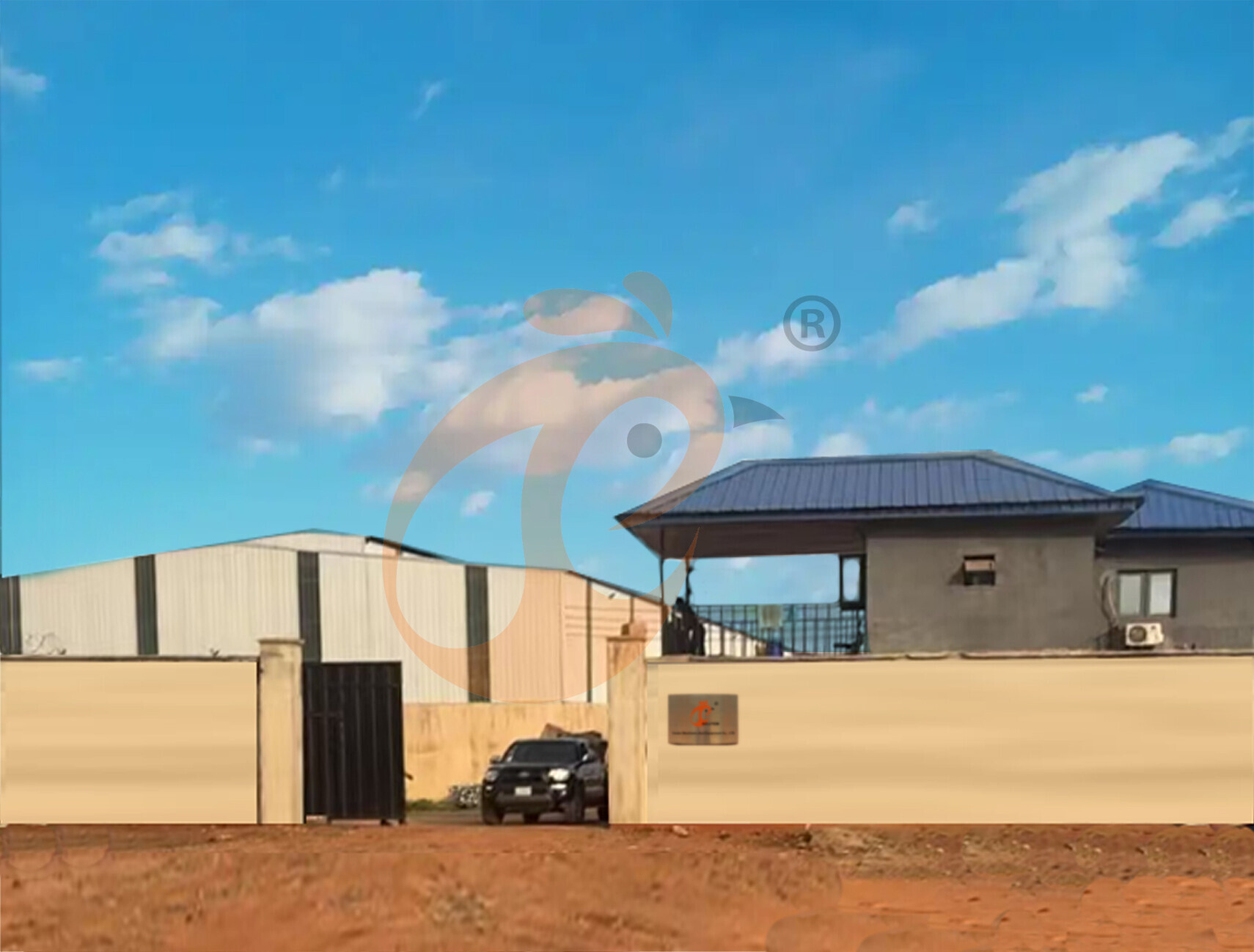
Nigeria Vanke Machinery And Equipment CO., LTD
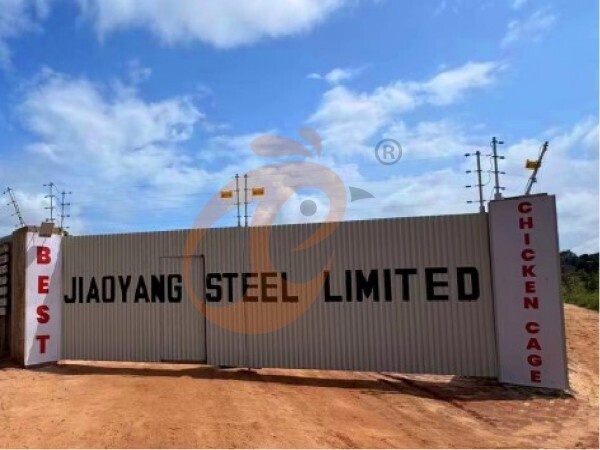
Tanzania Best Machinery And Equipment CO., LTD
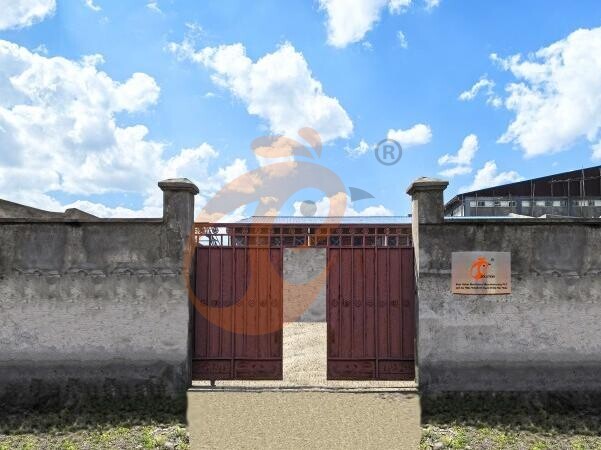
Ethiopia Best Hebei Machinery Manufacturing PLC
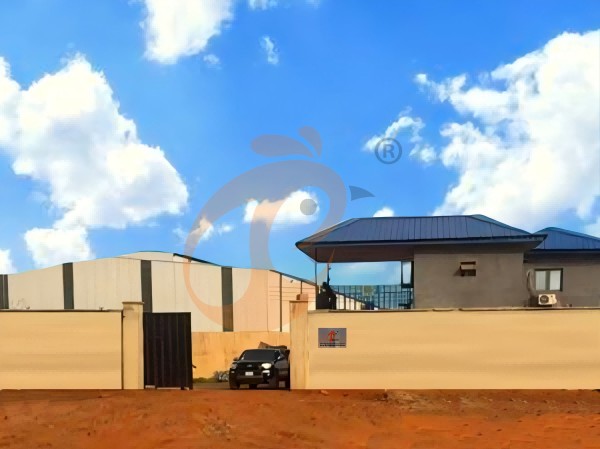
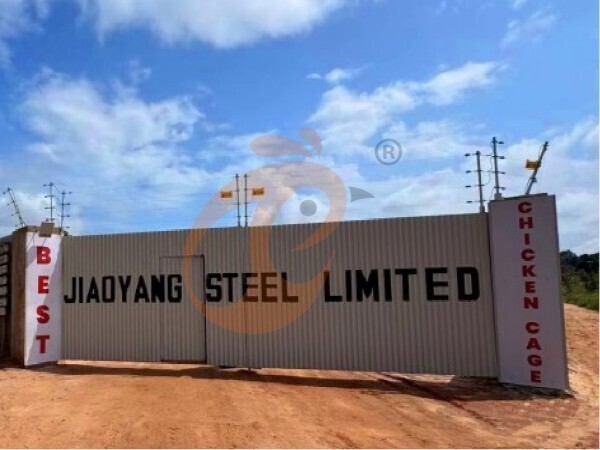
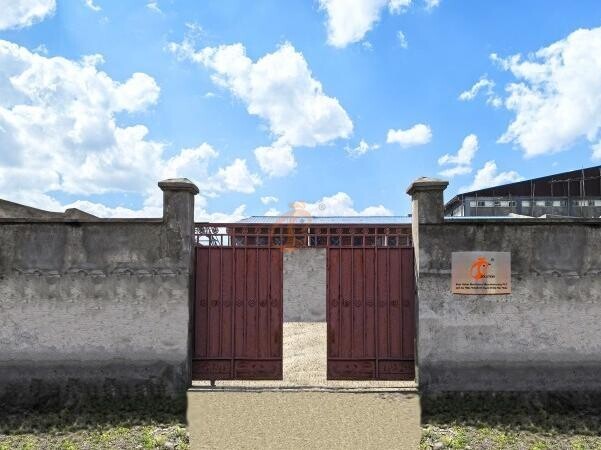
Reception /24 WhatsApp NO. : +8618830120193
FAQ
What Performance Advantages Does Plasson Poultry Equipment Provide In Poultry Chicken Farming Efficiency?
Labor requirement decreases by 50%–65% through automated water delivery systems.
Disease transmission risk is reduced by 35%–55% due to closed drinking environment design.
What Are The Installation Standards For Plasson Poultry Equipment In Poultry Chicken Farms?
Pipeline slope is maintained at 0.3%–0.5% for effective drainage and hygiene control.
Spacing between drinkers is configured at 25–35 cm to ensure equal water access distribution.
What Maintenance Requirements Apply To Plasson Poultry Equipment In Poultry Chicken Production Systems?
Seal inspection intervals are set at 20–30 days to prevent leakage and pressure loss.
Cleaning solution concentration is maintained at 0.03%–0.06% for effective system sanitation.
- poultry equipment
- poultry farm
- feeding equipment
- poultry cage
- poultry farm
- poultry farm construction
- poultry feeding equipment
- poultry feeding system
- layer farm
- broiler farm
- poultry house
- poultry cage system
- poultry farm feed delivery
- automated poultry feeding
- poultry feeding equipment manufacturer
- automatic poultry feeder
- feeding equipment manufacturer
- Ethiopia
- Nigeria
Message
Products recommended
 HK Headquarter Offers EU-standard Poultry Farm Solutions, Manufacture Poultry Farm Equipment1. Continuous communication with the EU and the US
2. China, Nigeria, Ethiopia, Tanzania branch companies and factories
3. The products’ quality is customized for local poultry farms
4. Poultry cage and poultry farm equipment stock for sale
5. 24 online reception Whatsapp NO. : +8618830120193,contact us to get full informationRead More China Branch Offer Poultry Farm Business Plan, Manufacture Poultry Farm Equipment1. Address: Flat/RM 2416, 24/F, Runxing Building, Youyi Nan Street, Shijiazhuang City, Hebei Province, China
2. Poultry cage and poultry farm equipment factory and stock for sale
3. Customized for local poultry farms
4. Quality and design are based on Euro
5. 24 online reception Whatsapp NO. : +8618830120193Read More Nigeria Branch Offer Poultry Farm Business Plan, Manufacture Poultry Farm Equipment1. Address: After Sinoma Office, 200 Meters Near Danco Filling Station, Lagos/Ibadan Expressway, Lagos State, Nigeria
2. Poultry cage and poultry farm equipment factory and stock for sale
3. Customized for Nigerian poultry farms
4. Quality and design are based on Euro
5. 24 online reception Whatsapp NO. : +8618830120193Read More Ethiopia Branch Offer Poultry Farm Business Plan, Manufacture Poultry Farm Equipment1. Address: Gelan Gura, Akaki-kaliti Sub City, Addis Ababa, Ethiopia
2. Poultry cage and poultry farm equipment stock for sale
3. Customized for Ethiopian poultry farms
4. Quality and design are based on Euro
5. 24 online reception Whatsapp NO. : +8618830120193, contact us to get price listRead More Tanzania Branch Offer Poultry Farm Business Plan, Manufacture Poultry Farm Equipment1. Address: No.8, Sova Road, Msufini, Mlandizi, Kibaha, Pwani, Tanzania
2. Poultry cage and poultry farm equipment factory and stock for sale
3. Customized for Tanzanian poultry farms
4. Quality and design are based on Euro
5. 24 online reception Whatsapp NO. : +8618830120193Read More Fully Automatic H Type Layer Chicken Cage1. 30,000-100,000+ layers/house chooses it, Poultry farmers can achieve an egg production rate of 96-98%
2. A significant improvement over the 85-90% typically seen in manual systems
3. A typical poultry farm can expect a 30-40% reduction in labor costs due to the automation
4. Each feeding line efficiently supplies feed to around 100,000 hens per 30 mins
5. Reception /WhatsApp NO. : +8618830120193Read More Fully Automatic A Type Layer Chicken Cage1. 10,000-50,000 layers/house chooses it
2. Cleaner egg collection reduces breakage by 0.5%
3. Improved hygiene helps reduce mortality rate to <3%
4. 1–2 technicians can handle 15,000–30,000 birds
5. Reception /WhatsApp NO. : +8618830120193Read More Semi Automatic H Type Layer Chicken Cage1. 1,00-20,000 layers/house chooses it
2. Nipple drinkers flow 30–60 ML / min
3. Hot-dip galvanized (typical coating ≥ 275 g/m²)
4. Reduce ammonia by ~ 35–40%
5. Reception /WhatsApp NO. : +8618830120193Read More Semi Automatic A Type Layer Chicken Cage1. 1,00-20,000 layers/house chooses it, no rust for 10 years, no deformation for 15 years
2. Chickens live comfortably, you can raise them with peace of mind
3. Save water, save money—efficiency you can measure
4. Improve environment quality, and increase egg production rate
5. Reception /WhatsApp NO. : +8618830120193Read More
By clicking 'Allow All', you agree to the storage of cookies on your device to enhance site navigation, analyze site usage and assist with our marketing efforts.