


Blog
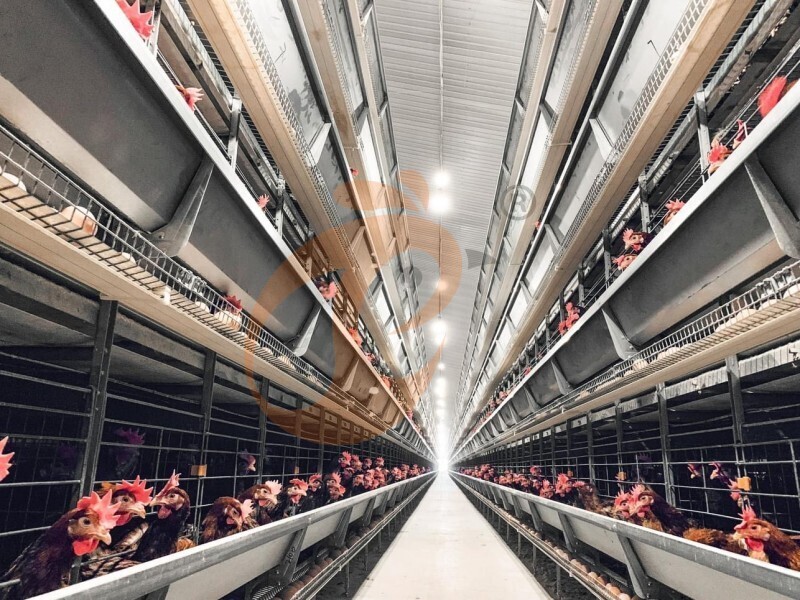
Broiler chicken cage ventilation system integrates airflow control, thermal regulation, ammonia dilution, and humidity stabilization in intensive poultry housing.
Engineering design focuses on uniform air distribution, multi-tier cage compatibility, and static pressure balance across long housing spans.
Automated chicken farm ventilation system improves metabolic efficiency, reduces respiratory burden, and stabilizes daily weight gain consistency.
Broiler cage ventilation system supports controlled oxygen exchange, minimizing heat accumulation in high-density production environments.
Poultry house ventilation fans ensure continuous air renewal, reducing microbial load and improving feed conversion efficiency performance stability.
Get professional poultry farm construction guidance, equipment selection solutions, and the latest price lists, whatsApp to +8618830120193, +2348111199996, or click to learn more.
Cage Layout Optimization
Cage geometry directly determines airflow resistance, velocity decay, and contaminant dispersion efficiency across broiler housing structures.
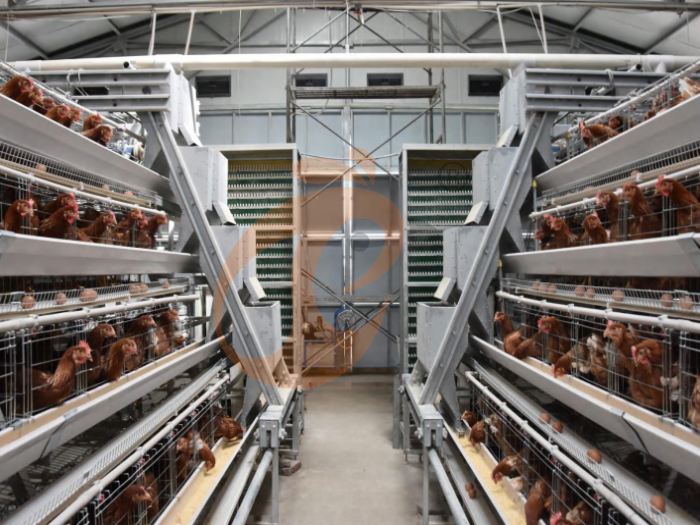
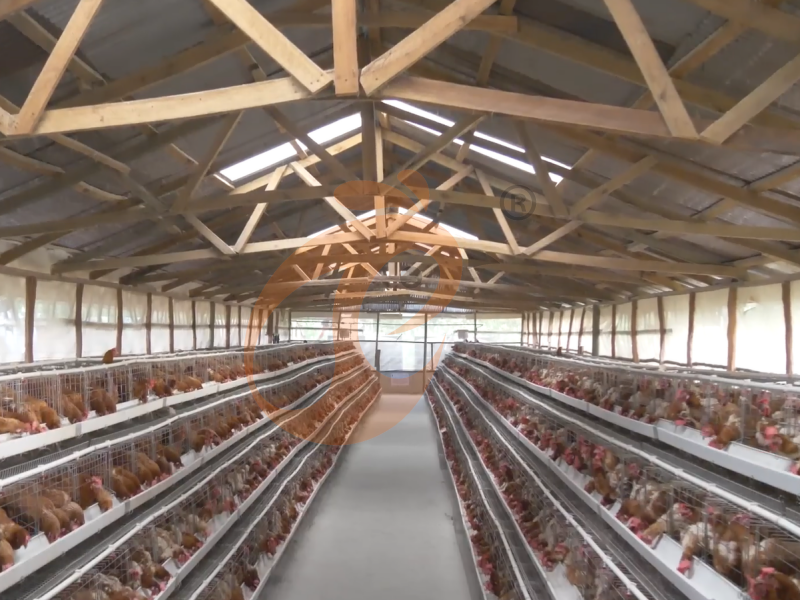
Correct spatial configuration reduces dead air zones and improves thermal balance between upper and lower cage tiers.
Data is for reference only.Swipe horizontally to view full table.
Proper cage spacing reduces body weight variation index by 0.08 across 42-day production cycles.
Airflow uniformity improves when poultry house ventilation fans operate under balanced row resistance conditions.
Variable Airflow Control System
Air velocity regulation is achieved through frequency-controlled fan motors and duct pressure modulation systems.
System performance depends on static pressure range stability and volumetric air exchange calibration.
Data is for reference only.Swipe horizontally to view full table.
Air velocity range between 0.8 and 1.5 m/s improves feed conversion ratio from 1.62 to 1.55 in controlled trials.
Broiler cage ventilation system efficiency increases when airflow direction remains laminar across cage rows.
Humidity Stabilization Engineering
Humidity regulation influences litter moisture, microbial proliferation rate, and respiratory tract load in broiler flocks.
Dehumidification systems integrate evaporative pads and exhaust synchronization control modules.
Data is for reference only.Swipe horizontally to view full table.
Maintaining humidity at defined values reduces mortality rate from 4.2% to 2.9% in commercial operations.
Automated chicken farm ventilation system adjusts humidity response within 30 seconds of threshold deviation detection.
Temperature Load Distribution Science
Thermal distribution affects metabolic rate, feed intake frequency, and immune response activation in broilers.
Heat accumulation in upper tiers increases respiration frequency and reduces energy conversion efficiency.
Data is for reference only.Swipe horizontally to view full table.
Feed intake increases from 30 g/day to 145 g/day under stable thermal gradients.
Poultry house ventilation fans reduce thermal stratification by maintaining 0.6–0.9 m/s vertical airflow movement.
Ammonia Concentration Control
Ammonia concentration originates from uric acid decomposition and microbial enzymatic activity in manure systems.
Exposure affects ocular tissue integrity and reduces oxygen uptake efficiency in broiler respiration cycles.
Data is for reference only.Swipe horizontally to view full table.
Ammonia control below 10 ppm stabilizes market weight achievement at 2.2 kilograms per bird at day 42.
Broiler cage ventilation system reduces gas concentration peaks through continuous exhaust cycling.
Environmental Sensor Automation
Sensor networks measure thermal load, humidity saturation, carbon dioxide concentration, and ammonia density in real time.
Control systems execute ventilation adjustments through programmable logic controllers and inverter-driven fan arrays.
Data is for reference only.Swipe horizontally to view full table.
Automated systems improve feed conversion efficiency by 6% compared with manual adjustment operations.
Automated chicken farm ventilation system ensures continuous environmental stabilization without operator delay.
Multi Tier Airflow Engineering
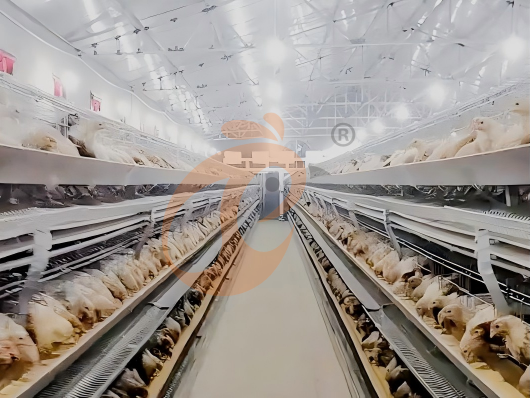
Multi-tier cage structures require vertical airflow balancing to prevent heat accumulation in upper levels.
Air inlet positioning determines velocity gradient distribution across stacked cage architecture.
Data is for reference only.Swipe horizontally to view full table.
Uniform airflow distribution increases production uniformity index by 0.12 across full flock cycles.
Poultry house ventilation fans maintain vertical pressure equilibrium across all cage layers.
Scientific Mechanism Of Ventilation
Ventilation influences oxygen diffusion rate, carbon dioxide elimination, and thermal stress reduction mechanisms in broilers.
Stable airflow reduces cortisol concentration and improves nutrient absorption efficiency in intestinal metabolism pathways.
Respiratory workload decreases under controlled air exchange conditions, improving energy allocation for growth.
Broiler cage ventilation system stabilizes physiological equilibrium across high-density production environments.
Frequently Asked Questions
Q1: How does ventilation impact feed conversion efficiency in broiler production systems?
A1: Ventilation regulates oxygen availability and heat removal, stabilizing metabolic efficiency and reducing energy waste.
Controlled airflow improves nutrient utilization and supports consistent growth rate across production cycles.
Q2: What is the optimal airflow range for commercial broiler houses?
A2: Measured airflow between 0.8 and 1.5 meters per second ensures stable thermal balance and reduces ammonia accumulation.
This range supports uniform environmental conditions across cage tiers and improves flock performance stability.
Q3: Why is ammonia control critical in cage ventilation systems?
A3: Ammonia above 10 ppm damages respiratory tissues and reduces feed intake efficiency.
Continuous ventilation maintains gas concentration stability and prevents long term production losses in intensive farming environments.
Taiyu (HK) Group - One Of China Largest Broiler Cage Manufacturer
Broiler cage ventilation system manufacturing with full specification customization for intensive poultry housing environments.
Global factory direct supply covering poultry equipment integration and ventilation engineering solutions.
Poultry cage production lines supporting multi-tier automated chicken farm ventilation system deployment projects.
Turn-key engineering service for complete broiler house ventilation design and installation systems.
Export supply chain ensures consistent equipment performance for industrial scale poultry production facilities.
Contact Us To Received Your Customized Poultry Farm Plan
Headquarters And Branchs

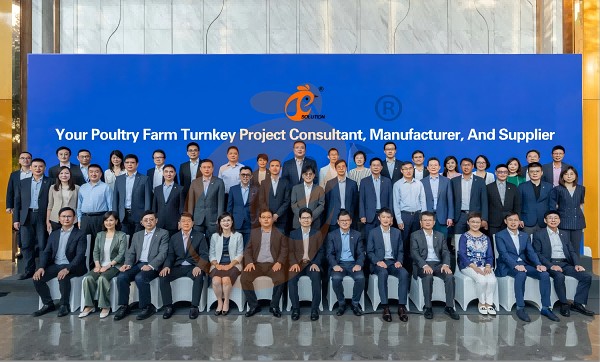
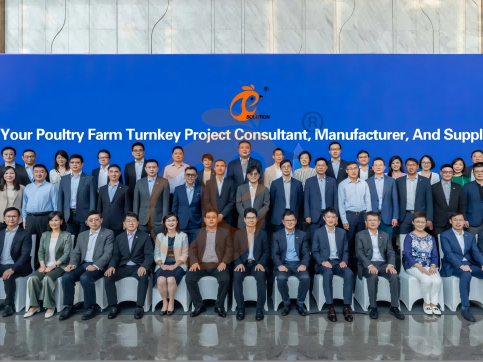
Hong Kong Headquarter Management Team
Hong Kong Headquarter Taiyu Industrial Group CO., LTD
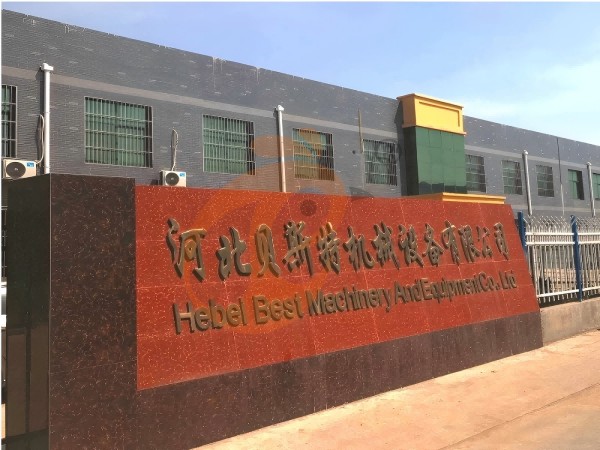
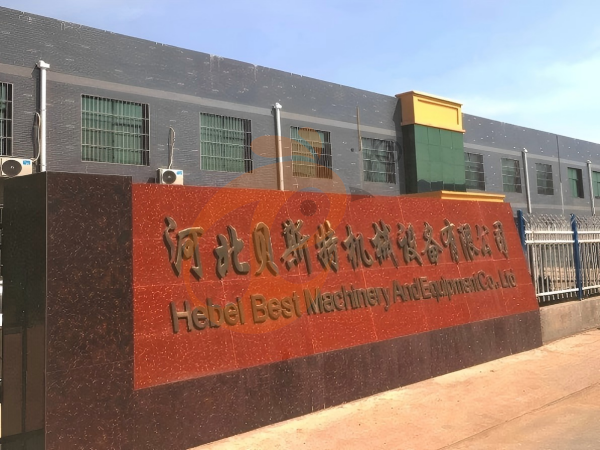
China Hebei Best Machinery And Equipment CO., LTD
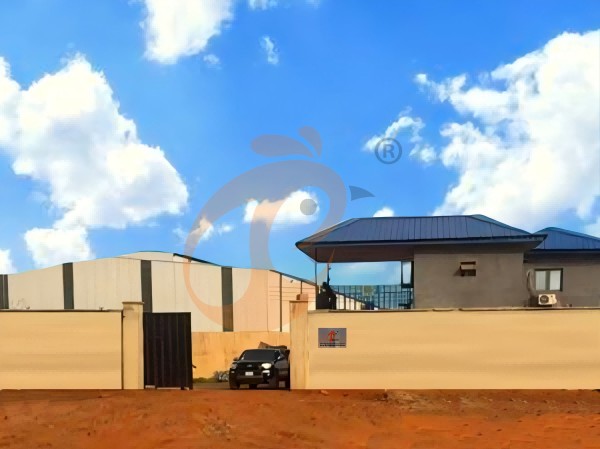
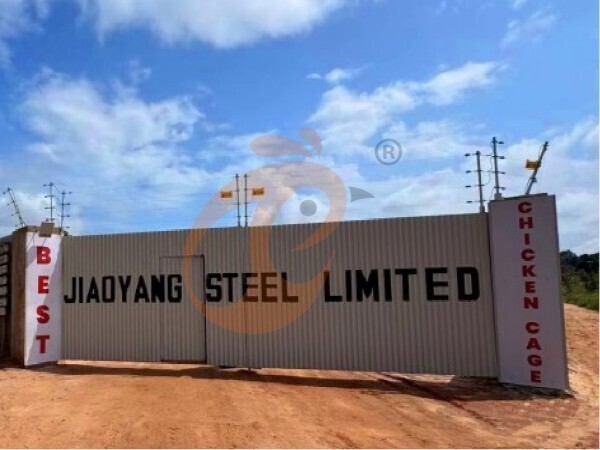
Nigeria Vanke Machinery And Equipment CO., LTD
Tanzania Best Machinery And Equipment CO., LTD
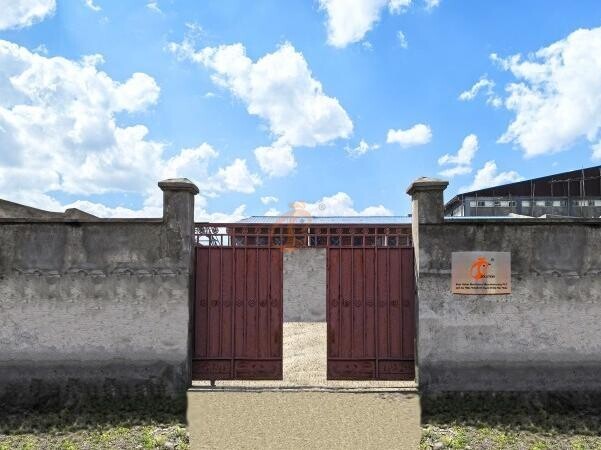
Ethiopia Best Hebei Machinery Manufacturing PLC
Reception /24 WhatsApp NO. : +8618830120193
FAQ
What Cage Structure Options Are Available For Broiler Chicken Cage Systems?
H-type cage systems are configured in 3–12 tiers accommodating 360–1440 birds per set for intensive farming operations.
Structural height ranges from 1.75–10.11 meters maximizing vertical space utilization and housing efficiency.
How Does Stocking Density Affect Broiler Chicken Cage Performance?
H-type systems maintain 500 cm² allocation per bird optimizing housing density and production output.
Bird distribution is balanced at 8 birds per compartment in partitioned cage configurations reducing competition.
Which Cage Dimensions Are Commonly Used In Broiler Chicken Cage Systems?
H-type cage modules measure 3.3 × 1.82 meters providing larger continuous housing sections.
Internal compartment height varies from 40–55 cm ensuring adequate bird activity and ventilation circulation.
- poultry equipment
- chicken cage
- broiler cage
- poultry farm
- poultry cage
- poultry farm
- poultry farm construction
- chicken farm
- poultry house
- chicken farm ventilation
- chicken farm ventilation system
- poultry house ventilation
- broiler chicken cage
- broiler chicken cage ventilation
- poultry house ventilation fans
- poultry house ventilation fan
- broiler house ventilation
- Ethiopia
- Nigeria
Message
Products recommended
 HK Headquarter Offers EU-standard Poultry Farm Solutions, Manufacture Poultry Farm Equipment1. Continuous communication with the EU and the US
2. China, Nigeria, Ethiopia, Tanzania branch companies and factories
3. The products’ quality is customized for local poultry farms
4. Poultry cage and poultry farm equipment stock for sale
5. 24 online reception Whatsapp NO. : +8618830120193,contact us to get full informationRead More China Branch Offer Poultry Farm Business Plan, Manufacture Poultry Farm Equipment1. Address: Flat/RM 2416, 24/F, Runxing Building, Youyi Nan Street, Shijiazhuang City, Hebei Province, China
2. Poultry cage and poultry farm equipment factory and stock for sale
3. Customized for local poultry farms
4. Quality and design are based on Euro
5. 24 online reception Whatsapp NO. : +8618830120193Read More Nigeria Branch Offer Poultry Farm Business Plan, Manufacture Poultry Farm Equipment1. Address: After Sinoma Office, 200 Meters Near Danco Filling Station, Lagos/Ibadan Expressway, Lagos State, Nigeria
2. Poultry cage and poultry farm equipment factory and stock for sale
3. Customized for Nigerian poultry farms
4. Quality and design are based on Euro
5. 24 online reception Whatsapp NO. : +8618830120193Read More Ethiopia Branch Offer Poultry Farm Business Plan, Manufacture Poultry Farm Equipment1. Address: Gelan Gura, Akaki-kaliti Sub City, Addis Ababa, Ethiopia
2. Poultry cage and poultry farm equipment stock for sale
3. Customized for Ethiopian poultry farms
4. Quality and design are based on Euro
5. 24 online reception Whatsapp NO. : +8618830120193, contact us to get price listRead More Tanzania Branch Offer Poultry Farm Business Plan, Manufacture Poultry Farm Equipment1. Address: No.8, Sova Road, Msufini, Mlandizi, Kibaha, Pwani, Tanzania
2. Poultry cage and poultry farm equipment factory and stock for sale
3. Customized for Tanzanian poultry farms
4. Quality and design are based on Euro
5. 24 online reception Whatsapp NO. : +8618830120193Read More Fully Automatic H Type Layer Chicken Cage1. 30,000-100,000+ layers/house chooses it, Poultry farmers can achieve an egg production rate of 96-98%
2. A significant improvement over the 85-90% typically seen in manual systems
3. A typical poultry farm can expect a 30-40% reduction in labor costs due to the automation
4. Each feeding line efficiently supplies feed to around 100,000 hens per 30 mins
5. Reception /WhatsApp NO. : +8618830120193Read More Fully Automatic A Type Layer Chicken Cage1. 10,000-50,000 layers/house chooses it
2. Cleaner egg collection reduces breakage by 0.5%
3. Improved hygiene helps reduce mortality rate to <3%
4. 1–2 technicians can handle 15,000–30,000 birds
5. Reception /WhatsApp NO. : +8618830120193Read More Semi Automatic H Type Layer Chicken Cage1. 1,00-20,000 layers/house chooses it
2. Nipple drinkers flow 30–60 ML / min
3. Hot-dip galvanized (typical coating ≥ 275 g/m²)
4. Reduce ammonia by ~ 35–40%
5. Reception /WhatsApp NO. : +8618830120193Read More Semi Automatic A Type Layer Chicken Cage1. 1,00-20,000 layers/house chooses it, no rust for 10 years, no deformation for 15 years
2. Chickens live comfortably, you can raise them with peace of mind
3. Save water, save money—efficiency you can measure
4. Improve environment quality, and increase egg production rate
5. Reception /WhatsApp NO. : +8618830120193Read More
By clicking 'Allow All', you agree to the storage of cookies on your device to enhance site navigation, analyze site usage and assist with our marketing efforts.