


Blog
Nipple drinker systems regulate poultry drinking water through pressure controlled valve activation in enclosed pipeline networks across commercial poultry houses.
Hydraulic stability reduces open water exposure, limiting spillage, evaporation loss, and microbial contamination in intensive broiler and layer production environments.
System efficiency depends on calibrated pressure range, valve response force, and uniform distribution across multi-line poultry housing infrastructure designs.
Water consumption accuracy improves through mechanical triggering mechanisms that release liquid only under direct beak or snout activation events.
Integrated drinking line engineering supports measurable reduction in operational water waste and improves overall poultry production resource efficiency metrics.
Get professional poultry farm construction guidance, equipment selection solutions, and the latest price lists, whatsApp to +8618830120193, +2348111199996, or click to learn more.
Core Product Principle: Nipple Drinker Water Control Mechanics
A nipple drinker system is a pressure-regulated mechanical valve that releases water only when activated by poultry beak movement.
The system eliminates open-water exposure and replaces it with demand-based hydration.
Data is for reference only.Swipe horizontally to view full table.
Field data shows nipple drinker systems reduce spillage volume by more than 75% compared with open trough systems.
Poultry drinker system performance improves under sealed pipeline operation.
Automated poultry watering system reduces microbial contamination exposure.
Product Engineering Pressure Calibration In Nipple Lines
Water pressure directly determines activation sensitivity and droplet formation at the nipple tip.
Incorrect calibration leads to uncontrolled discharge or insufficient intake.
Data is for reference only.Swipe horizontally to view full table.
Commercial trials show pressure stability reduces leakage events by 0.8–1.4 liters per 1000 birds per day.
Poultry nipple drinker system efficiency depends on hydraulic equilibrium.
Automatic poultry water line requires stable pressure zoning.
Installation Geometry Line Height And Bird Access Efficiency
Nipple drinker performance is strongly influenced by vertical positioning relative to bird height and behavior patterns.
Data is for reference only.Swipe horizontally to view full table.
Improper height configuration increases overflow loss during activation cycles.
Poultry water line installation standard improves flock uniformity index.
Automatic poultry drinker positioning reduces uneven water access distribution.
Product Maintenance Cycle Valve Performance Stability
Nipple drinker valves are precision mechanical components.
Mineral scaling and microbial film formation alter flow resistance over time.
Data is for reference only.Swipe horizontally to view full table.
Acid flushing cycles every 14–21 days stabilize flow deviation under 5 mL/min per nipple unit.
Poultry drinking line maintenance reduces biofilm accumulation rate.
Nipple drinker valve durability extends operational cycle consistency.
Behavioral Conditioning Poultry Adaptation To Nipple Activation
Efficient use of nipple drinkers depends on how quickly birds learn correct activation force and angle.
Data is for reference only.Swipe horizontally to view full table.
Behavioral stabilization reduces wasted discharge from repeated activation attempts by 22–31 mL per bird per day.
Poultry drinking behavior training improves nipple system response accuracy.
Automatic poultry hydration system reduces learning curve duration.
Environmental Control Microclimate Impact On Water Line Efficiency
Temperature, humidity, and dust concentration affect nipple drinker function through physical and biological mechanisms.
Data is for reference only.Swipe horizontally to view full table.
When temperature exceeds 28°C, intake increases 6.5–9.2% per degree Celsius.
Poultry cooling system integration stabilizes water line pressure demand.
Nipple drinker environmental control reduces leakage probability escalation.
System Optimization Strategy Combined Product Performance Model
Nipple drinker efficiency is maximized when hydraulic, mechanical, and behavioral parameters are synchronized.
Data is for reference only.Swipe horizontally to view full table.
System integration reduces cumulative waste across poultry production cycles.
Poultry watering infrastructure improves long term hydraulic efficiency.
Automatic nipple drinker system stabilizes farm water balance metrics.
Product Economics Water Cost Reduction Per Production Cycle
Water savings translate directly into operational cost reduction in large-scale poultry production.
European union standard reference only.
Data is for reference only.Swipe horizontally to view full table.
Water cost reduction scales significantly in multi-house poultry production systems.
Poultry drinker infrastructure investment improves lifecycle cost efficiency.
Automatic drinking line reduces operational resource waste.
Scientific Explanation Fluid Regulation In Nipple Valves
Nipple drinker fluid control is governed by mechanical and hydraulic coupling between bird trigger force and pipeline pressure stability.
System design determines discharge precision and anti-drip performance in poultry housing environments.
Valve actuation force: 0.42–0.58 N required for stable opening response
Pipeline operating pressure: 16–28 kPa to maintain consistent refill balance
Flow stabilization delay: 0.15–0.30 seconds per activation cycle
Anti-drip reset time: 0.20–0.45 seconds after release closure
Controlled interaction between spring tension and pressure differential ensures single-drop release per activation, reducing continuous leakage and improving water utilization efficiency in commercial poultry systems.
Frequently Asked Questions
Q1: How does nipple drinker system reduce water waste in poultry houses?
A1: Nipple drinkers eliminate open water surfaces and reduce spillage through controlled valve activation.
Water release occurs only under mechanical trigger, reducing uncontrolled discharge volume per bird cycle.
Q2: What pressure range ensures stable poultry drinking performance?
A2: Pressure stability between 12–30 kPa depending on growth stage ensures consistent flow rate.
Deviation outside calibrated range increases leakage probability and reduces drinking efficiency per nipple unit.
Q3: How often should nipple drinking lines be maintained in commercial farms?
Maintenance cycles every 14–21 days including flushing and disinfection maintain flow consistency.
Extended intervals increase mineral buildup and reduce valve responsiveness in production environments.
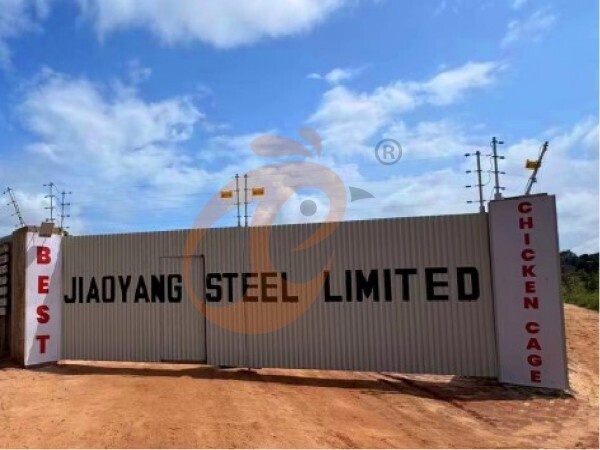
Taiyu (HK) Group - One Of China Biggest Nipple Drinkers Manufacturer
Nipple drinker system product delivers precision poultry water control technology for commercial broiler and layer farms worldwide.
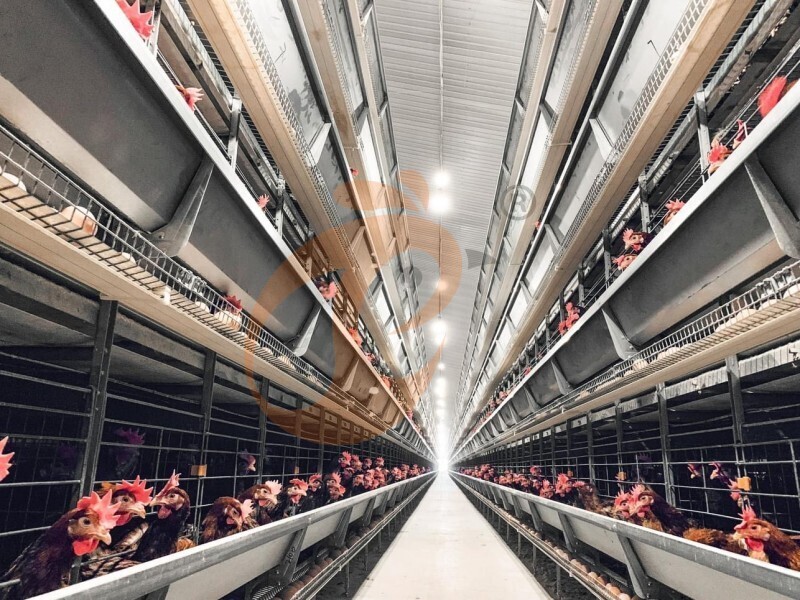
Factory direct supply supports poultry equipment integration including automatic water line systems and cage farming solutions.
Turn key poultry project engineering includes installation, calibration, and farm hydraulic optimization services.
Global export capability covers large scale poultry housing infrastructure and drinking system distribution networks.
Industrial manufacturing capacity supports high volume production of nipple drinker components and farm automation systems.
Contact Us To Received Your Customized Poultry Farm Plan
Headquarters And Branchs

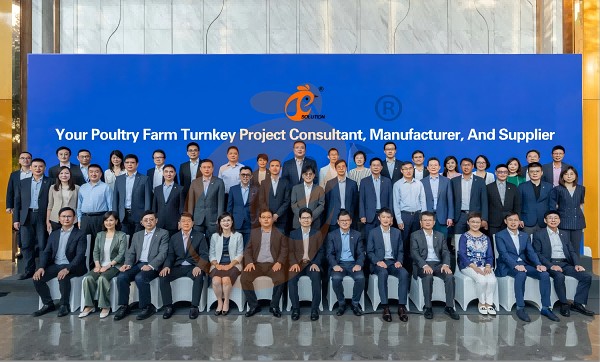
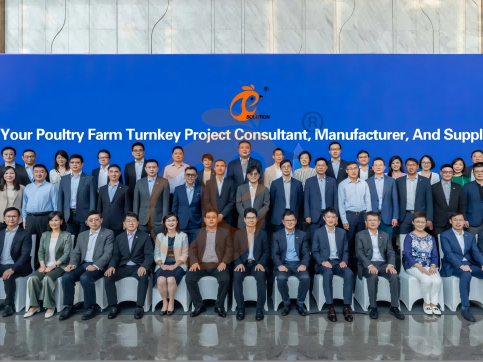
Hong Kong Headquarter Management Team
Hong Kong Headquarter Taiyu Industrial Group CO., LTD
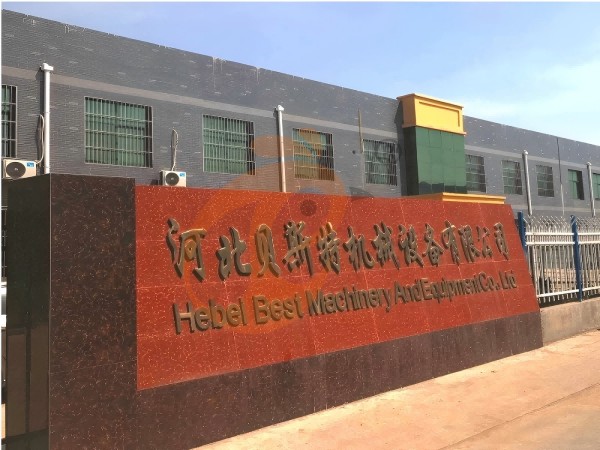
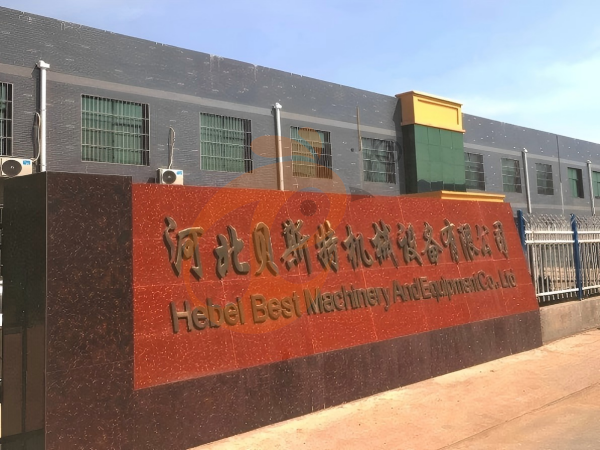
China Hebei Best Machinery And Equipment CO., LTD
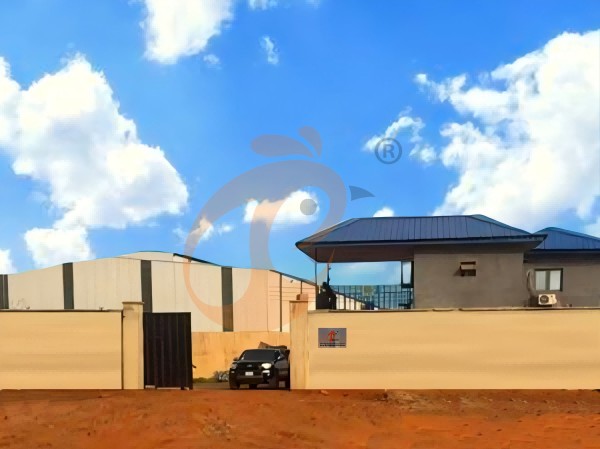
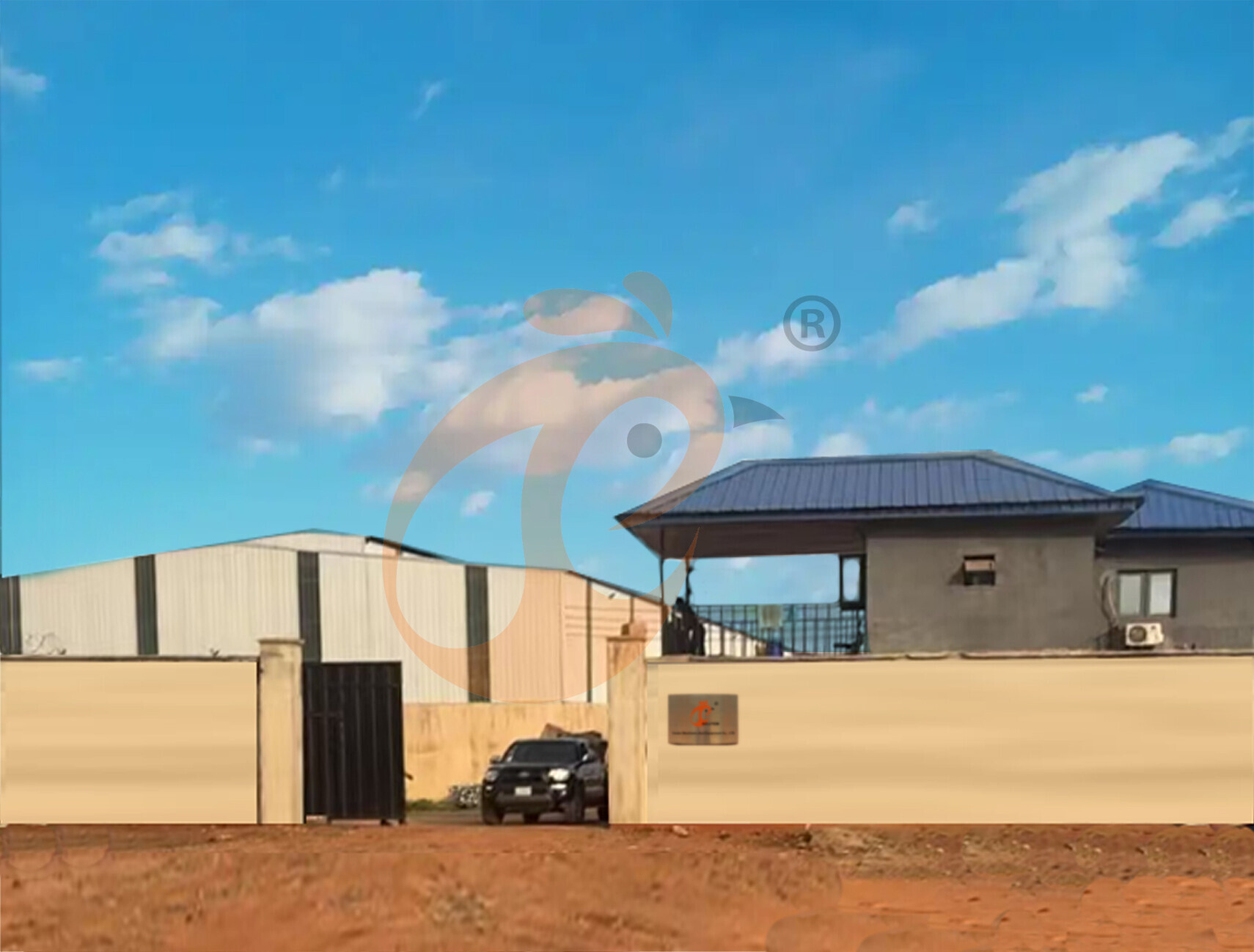
Nigeria Vanke Machinery And Equipment CO., LTD
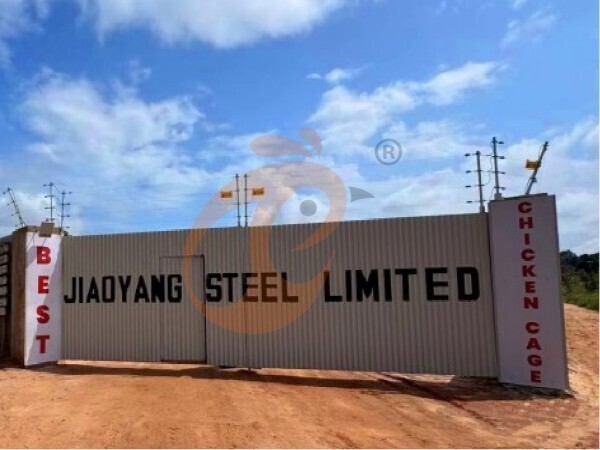
Tanzania Best Machinery And Equipment CO., LTD
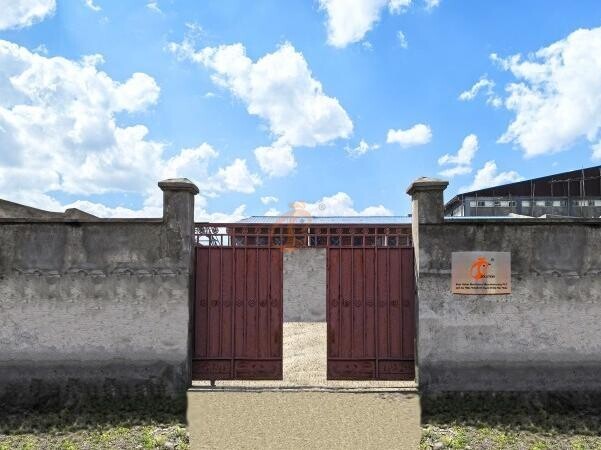
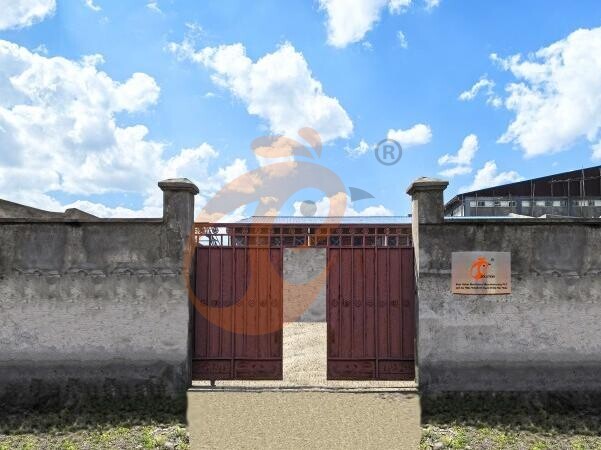
Ethiopia Best Hebei Machinery Manufacturing PLC
Reception /24 WhatsApp NO. : +8618830120193
FAQ
What Water Quality Requirements Are Necessary For Nipple Drinkers In Poultry Chicken Cage Systems?
Water hardness is maintained within 100–150 mg/L CaCO₃ equivalent for valve protection.
Microbial load is controlled under 100 CFU/mL for safe poultry consumption standards.
What Is The Recommended Stocking Ratio For Nipple Drinkers In Poultry Chicken Cage Systems?
Drinker spacing is typically set at 25–30 cm to reduce competition stress.
Water demand allocation is calculated at 180–220 ml per bird daily in intensive production.
How Is Water Flow Regulated In Nipple Drinkers For Poultry Chicken Cage Farming Systems?
Pressure stability is maintained within 0.18–0.22 MPa across drinking lines.
Drop formation interval is adjusted at 1–2 seconds per activation for efficient intake.
Message
Products recommended
 HK Headquarter Offers EU-standard Poultry Farm Solutions, Manufacture Poultry Farm Equipment1. Continuous communication with the EU and the US
2. China, Nigeria, Ethiopia, Tanzania branch companies and factories
3. The products’ quality is customized for local poultry farms
4. Poultry cage and poultry farm equipment stock for sale
5. 24 online reception Whatsapp NO. : +8618830120193,contact us to get full informationRead More China Branch Offer Poultry Farm Business Plan, Manufacture Poultry Farm Equipment1. Address: Flat/RM 2416, 24/F, Runxing Building, Youyi Nan Street, Shijiazhuang City, Hebei Province, China
2. Poultry cage and poultry farm equipment factory and stock for sale
3. Customized for local poultry farms
4. Quality and design are based on Euro
5. 24 online reception Whatsapp NO. : +8618830120193Read More Nigeria Branch Offer Poultry Farm Business Plan, Manufacture Poultry Farm Equipment1. Address: After Sinoma Office, 200 Meters Near Danco Filling Station, Lagos/Ibadan Expressway, Lagos State, Nigeria
2. Poultry cage and poultry farm equipment factory and stock for sale
3. Customized for Nigerian poultry farms
4. Quality and design are based on Euro
5. 24 online reception Whatsapp NO. : +8618830120193Read More Ethiopia Branch Offer Poultry Farm Business Plan, Manufacture Poultry Farm Equipment1. Address: Gelan Gura, Akaki-kaliti Sub City, Addis Ababa, Ethiopia
2. Poultry cage and poultry farm equipment stock for sale
3. Customized for Ethiopian poultry farms
4. Quality and design are based on Euro
5. 24 online reception Whatsapp NO. : +8618830120193, contact us to get price listRead More Tanzania Branch Offer Poultry Farm Business Plan, Manufacture Poultry Farm Equipment1. Address: No.8, Sova Road, Msufini, Mlandizi, Kibaha, Pwani, Tanzania
2. Poultry cage and poultry farm equipment factory and stock for sale
3. Customized for Tanzanian poultry farms
4. Quality and design are based on Euro
5. 24 online reception Whatsapp NO. : +8618830120193Read More Fully Automatic H Type Layer Chicken Cage1. 30,000-100,000+ layers/house chooses it, Poultry farmers can achieve an egg production rate of 96-98%
2. A significant improvement over the 85-90% typically seen in manual systems
3. A typical poultry farm can expect a 30-40% reduction in labor costs due to the automation
4. Each feeding line efficiently supplies feed to around 100,000 hens per 30 mins
5. Reception /WhatsApp NO. : +8618830120193Read More Fully Automatic A Type Layer Chicken Cage1. 10,000-50,000 layers/house chooses it
2. Cleaner egg collection reduces breakage by 0.5%
3. Improved hygiene helps reduce mortality rate to <3%
4. 1–2 technicians can handle 15,000–30,000 birds
5. Reception /WhatsApp NO. : +8618830120193Read More Semi Automatic H Type Layer Chicken Cage1. 1,00-20,000 layers/house chooses it
2. Nipple drinkers flow 30–60 ML / min
3. Hot-dip galvanized (typical coating ≥ 275 g/m²)
4. Reduce ammonia by ~ 35–40%
5. Reception /WhatsApp NO. : +8618830120193Read More Semi Automatic A Type Layer Chicken Cage1. 1,00-20,000 layers/house chooses it, no rust for 10 years, no deformation for 15 years
2. Chickens live comfortably, you can raise them with peace of mind
3. Save water, save money—efficiency you can measure
4. Improve environment quality, and increase egg production rate
5. Reception /WhatsApp NO. : +8618830120193Read More
By clicking 'Allow All', you agree to the storage of cookies on your device to enhance site navigation, analyze site usage and assist with our marketing efforts.