


Blog
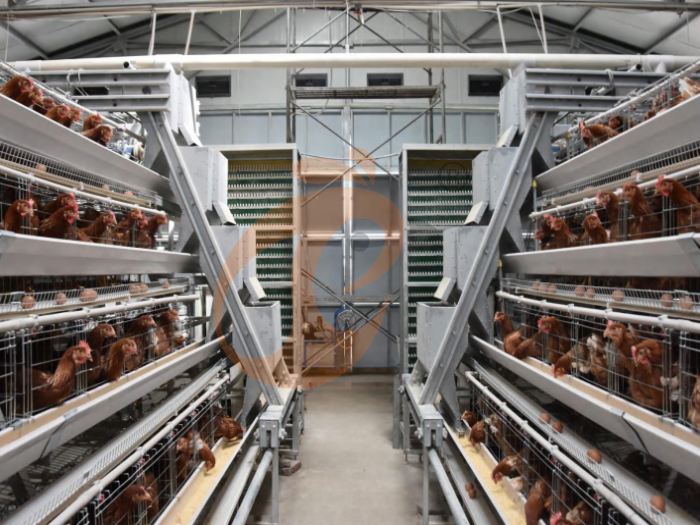
Poultry equipment daily maintenance establishes systematic control over feeding, watering, ventilation, and environmental automation systems to ensure stable production performance in commercial poultry housing.
Engineering inspection routines improve mechanical reliability by reducing component wear, optimizing motor load distribution, and stabilizing operational efficiency across continuous 24-hour farming cycles.
Preventive maintenance architecture enhances biosecurity conditions through controlled water sanitation, feed delivery accuracy, and microbial growth suppression in closed poultry environments.
Thermal regulation systems depend on calibrated sensors, airflow balance, and cooling efficiency to maintain optimal temperature and humidity parameters for bird growth consistency.
Integrated maintenance engineering reduces energy consumption variability, extends equipment lifecycle performance, and supports scalable poultry production systems with predictable operational output.
Get professional poultry farm construction guidance, equipment selection solutions, and the latest price lists, whatsApp to +8618830120193, +2348111199996, or click to learn more.
Feeding System Efficiency
Feed represents roughly 60% to 70% of total poultry production costs.
A poorly maintained feeding system creates immediate financial leakage through mechanical inefficiencies and uneven feed distribution.
Daily inspection should focus on auger alignment precision, pan height consistency, and feed bin discharge flow rate stability.
In high-density broiler systems, even a 2 mm deviation in feed pan leveling can increase feed spillage by measurable margins.
Feed System Performance Impact Matrix
Data is for reference only. Swipe horizontally to view full table.
When feed systems operate under mechanical stress, motor current consumption increases from an average of 1.8–2.2 A to 3.4 A in 380V systems, indicating mechanical drag and energy inefficiency.
European union standard cost evaluation only for reference.
Water System Hygiene
Clean water systems are essential for nutrient absorption efficiency and intestinal health stability.
Biofilm accumulation inside nipple drinking lines remains one of the most underestimated operational risks in poultry houses.
Biofilm thickness exceeding 0.25 mm reduces internal pipe diameter by up to 18%, affecting hydraulic consistency and bird hydration uniformity.
Water System Diagnostic Indicators
Data is for reference only. Swipe horizontally to view full table.
Biofilm growth leads to nipple valve obstruction, increasing drip frequency from near-zero baseline to 12–18 ml/hour per faulty line.
European union standard hygiene monitoring cost evaluation only for reference.
Ventilation System Performance
Ventilation systems regulate thermal comfort, ammonia dilution, and oxygen distribution.
Fan inefficiency directly affects feed conversion ratio and mortality rates during heat stress periods.
Dust accumulation of 0.8 g/m² on fan blades can reduce airflow by up to 19%, increasing energy consumption and mechanical stress.
Fan System Mechanical Efficiency Table
Data is for reference only. Swipe horizontally to view full table.
Fan belt slip increases pulley temperature up to 58°C, accelerating polymer degradation and shortening service life.
European union standard energy evaluation only for reference.
Cooling System Control
Cooling pads maintain thermal stability during peak heat periods.
Uneven water distribution reduces evaporative efficiency and increases static pressure inside poultry houses.
Water distribution imbalance greater than 9% results in uneven pad saturation and localized airflow restriction.
Cooling Pad Performance Data
Data is for reference only. Swipe horizontally to view full table.
Mineral scaling increases pad density by up to 14%, reducing evaporation efficiency by 17%.
European union standard environmental cost evaluation only for reference.
Sensor Calibration Control
Environmental controllers depend on sensor accuracy for temperature, humidity, and pressure regulation.
Even minor calibration drift leads to disproportionate energy inefficiencies.
A temperature sensor deviation of 1.2°c can trigger unnecessary heater cycles lasting 18–25 minutes per hour.
Sensor Calibration Data
Data is for reference only. Swipe horizontally to view full table.
Sensor lag exceeding 10 seconds increases energy consumption by up to 11%.
European union standard automation evaluation only for reference.
Integrated System Efficiency Upgrade
Daily Coordination Control Points
Feed motor torque stability maintained at 18.6–22.4 n·m to reduce mechanical overload risk
Water line flushing cycle optimized at 2.3 bar hydraulic pressure for pipeline cleanliness consistency
Ventilation shaft vibration controlled within 2.1–3.8 mm/s rms for structural safety
Cooling pump flow rate adjusted to 6.5–9.2 m³/h for uniform heat exchange distribution
Sensor signal latency maintained below 900 milliseconds for control accuracy reliability
Integrated poultry equipment coordination improves overall farm automation precision by synchronizing mechanical and environmental subsystems.
Feed delivery stability reduces uneven consumption patterns and supports consistent bird weight gain across production cycles.
Water sanitation pressure regulation enhances microbial control efficiency without increasing chemical dependency load.
Ventilation mechanical balance improves structural durability while maintaining stable air exchange continuity in high-density housing systems.
Frequently Asked Questions
Q1: Why is daily poultry equipment maintenance important for farm profitability?
A1: Daily maintenance prevents feed loss, water contamination, and ventilation inefficiency.
It directly reduces operational costs and improves bird growth performance.
Q2: How does poultry equipment maintenance reduce energy consumption?
A2: Clean fans and calibrated sensors reduce unnecessary motor load cycles.
This stabilizes electricity usage and improves system efficiency consistency.
Q3: What is the most critical poultry equipment system to maintain daily?
A3: Feeding and watering systems are most critical due to direct cost impact.
Small failures in these systems rapidly affect flock health and fcr.
Taiyu (HK) Group - One Of China Largest Poultry Equipment Manufacturer
Poultry equipment daily maintenance system provides optimized feeding watering ventilation and cooling integration solution
Global factory direct supply ensures stable poultry farm equipment production capacity and consistent quality parameters such as 20000 to 50000 bird house system design
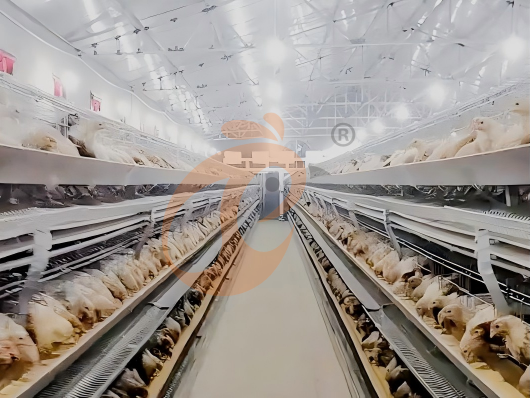
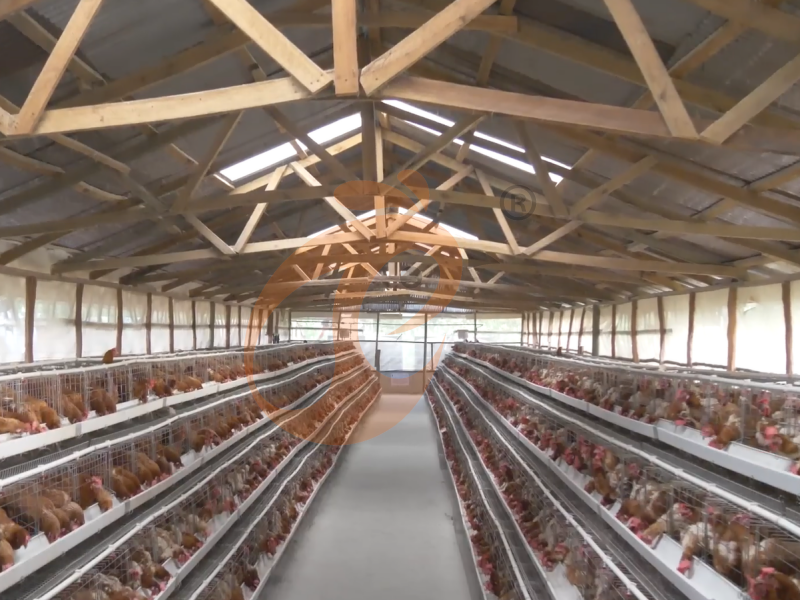
Advanced poultry cage and poultry equipment structures support automated environmental control and reduce manual labor requirement
Turn-key engineering solutions include farm planning installation commissioning and technical training support with airflow capacity up to 42000 m3 per hour fan system
Contact supports full export service covering Asia Europe and Middle East markets with standardized poultry equipment production line integration
Contact Us To Received Your Customized Poultry Farm Plan
Headquarters And Branchs

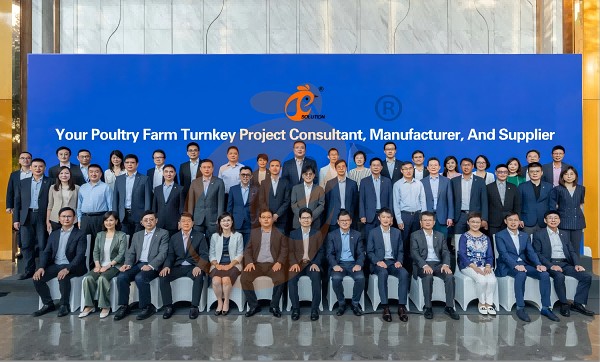
Hong Kong Headquarter Management Team
Hong Kong Headquarter Taiyu Industrial Group CO., LTD
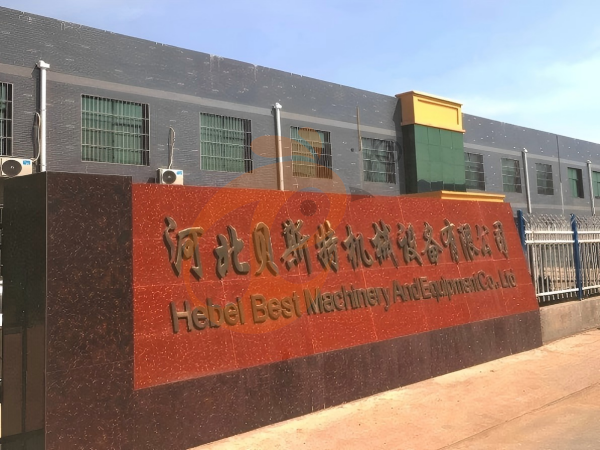
China Hebei Best Machinery And Equipment CO., LTD
Nigeria Vanke Machinery And Equipment CO., LTD
Tanzania Best Machinery And Equipment CO., LTD
Ethiopia Best Hebei Machinery Manufacturing PLC




Reception /24 WhatsApp NO. : +8618830120193
FAQ
What Equipment Modules Are Included In Automatic Chicken Cage Poultry Equipment For Poultry Chicken Cage Systems?
Watering modules integrate pipelines rated for 16–20 mm diameter supporting stable distribution.
Manure belts utilize 1.0–1.2 mm thickness materials for continuous waste removal durability.
Which Structural Equipment Specifications Define Automatic Chicken Cage Poultry Equipment In Poultry Chicken Cage Systems?
Wire mesh spacing is maintained at 20–25 mm to support bird stability and waste separation.
Galvanization coating reaches 90–130 g/m² for corrosion resistance in high humidity environments.
What Drive System Equipment Parameters Are Used In Automatic Chicken Cage Poultry Equipment For Poultry Chicken Cage Farms?
Gear reducer ratio is configured between 1:20–1:40 for controlled mechanical output speed.
Transmission efficiency reaches 85%–92% minimizing energy loss during continuous operation.
Message
Products recommended
 HK Headquarter Offers EU-standard Poultry Farm Solutions, Manufacture Poultry Farm Equipment1. Continuous communication with the EU and the US
2. China, Nigeria, Ethiopia, Tanzania branch companies and factories
3. The products’ quality is customized for local poultry farms
4. Poultry cage and poultry farm equipment stock for sale
5. 24 online reception Whatsapp NO. : +8618830120193,contact us to get full informationRead More China Branch Offer Poultry Farm Business Plan, Manufacture Poultry Farm Equipment1. Address: Flat/RM 2416, 24/F, Runxing Building, Youyi Nan Street, Shijiazhuang City, Hebei Province, China
2. Poultry cage and poultry farm equipment factory and stock for sale
3. Customized for local poultry farms
4. Quality and design are based on Euro
5. 24 online reception Whatsapp NO. : +8618830120193Read More Nigeria Branch Offer Poultry Farm Business Plan, Manufacture Poultry Farm Equipment1. Address: After Sinoma Office, 200 Meters Near Danco Filling Station, Lagos/Ibadan Expressway, Lagos State, Nigeria
2. Poultry cage and poultry farm equipment factory and stock for sale
3. Customized for Nigerian poultry farms
4. Quality and design are based on Euro
5. 24 online reception Whatsapp NO. : +8618830120193Read More Ethiopia Branch Offer Poultry Farm Business Plan, Manufacture Poultry Farm Equipment1. Address: WR93+FQ2, Addis Ababa, Ethiopia
2. Poultry cage and poultry farm equipment stock for sale
3. Customized for Ethiopian poultry farms
4. Quality and design are based on Euro
5. 24 online reception Whatsapp NO. : +8618830120193, contact us to get price listRead More Tanzania Branch Offer Poultry Farm Business Plan, Manufacture Poultry Farm Equipment1. Address: No.8, Sova Road, Msufini, Mlandizi, Kibaha, Pwani, Tanzania
2. Poultry cage and poultry farm equipment factory and stock for sale
3. Customized for Tanzanian poultry farms
4. Quality and design are based on Euro
5. 24 online reception Whatsapp NO. : +8618830120193Read More Fully Automatic H Type Layer Chicken Cage1. 30,000-100,000+ layers/house chooses it, Poultry farmers can achieve an egg production rate of 96-98%
2. A significant improvement over the 85-90% typically seen in manual systems
3. A typical poultry farm can expect a 30-40% reduction in labor costs due to the automation
4. Each feeding line efficiently supplies feed to around 100,000 hens per 30 mins
5. Reception /WhatsApp NO. : +8618830120193Read More Fully Automatic A Type Layer Chicken Cage1. 10,000-50,000 layers/house chooses it
2. Cleaner egg collection reduces breakage by 0.5%
3. Improved hygiene helps reduce mortality rate to <3%
4. 1–2 technicians can handle 15,000–30,000 birds
5. Reception /WhatsApp NO. : +8618830120193Read More Semi Automatic H Type Layer Chicken Cage1. 1,00-20,000 layers/house chooses it
2. Nipple drinkers flow 30–60 ML / min
3. Hot-dip galvanized (typical coating ≥ 275 g/m²)
4. Reduce ammonia by ~ 35–40%
5. Reception /WhatsApp NO. : +8618830120193Read More Semi Automatic A Type Layer Chicken Cage1. 1,00-20,000 layers/house chooses it, no rust for 10 years, no deformation for 15 years
2. Chickens live comfortably, you can raise them with peace of mind
3. Save water, save money—efficiency you can measure
4. Improve environment quality, and increase egg production rate
5. Reception /WhatsApp NO. : +8618830120193Read More
By clicking 'Allow All', you agree to the storage of cookies on your device to enhance site navigation, analyze site usage and assist with our marketing efforts.