


Blog
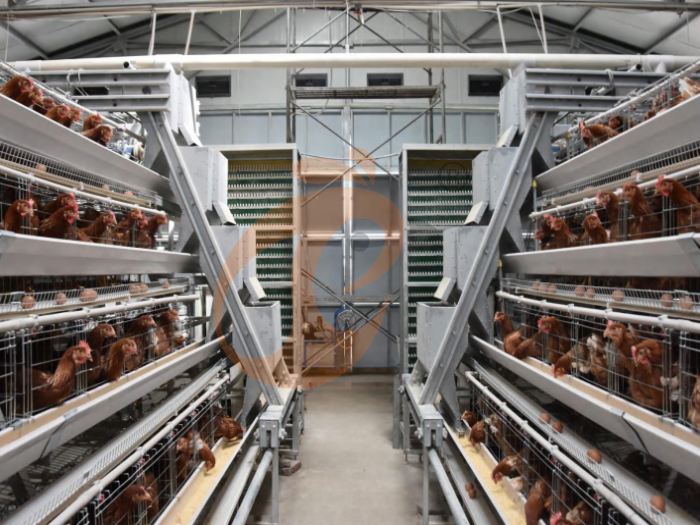
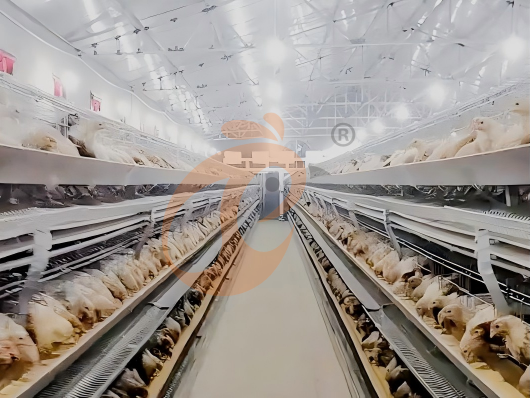
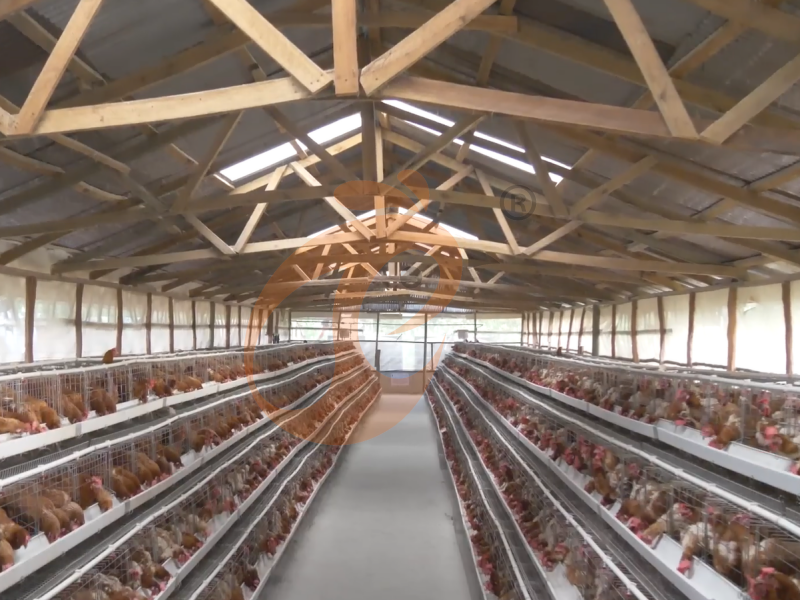
A type chicken cage maintenance engineering framework improves structural efficiency, biosecurity control, and egg production stability in commercial poultry farms.
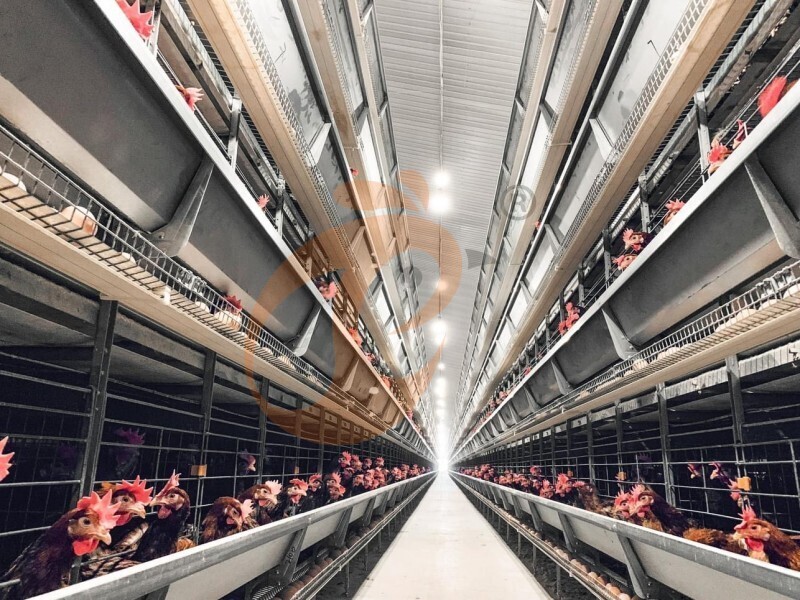
Modular cage architecture supports 12–18 birds per square meter density optimization with galvanized steel wire diameter precision at 2.0–3.2 mm range.
Environmental control systems stabilize ammonia concentration below 20 ppm through airflow regulation and manure drying balance inside multi-tier structures.
Layer cage system for egg Laying performance depends on feed conversion ratio stability, maintaining 2.1–2.4 kg feed per dozen eggs output efficiency.
Poultry cage management tips integrate ventilation calibration, water line pressure control at 0.02–0.05 MPa, and automated egg collection alignment accuracy within 98 percent consistency.
Get professional poultry farm construction guidance, equipment selection solutions, and the latest price lists, whatsApp to +8618830120193, +2348111199996, or click to learn more.
Controlled Cleaning System With Measurable Hygiene Targets
Cleaning is not only a visual task but a measurable environmental control process in A type cage farming.
Accumulated manure releases ammonia gas, which affects respiratory function and egg production stability.
A structured cleaning schedule with quantifiable indicators improves production consistency.
Data is for reference only.Swipe horizontally to view full table.
Consistent removal cycles reduce microbial accumulation and stabilize air quality inside cage rows.
Structural Integrity Management of A Type Cage Frame
The A type cage structure relies on triangular support geometry to distribute weight across multiple tiers.
Any deformation in wire mesh or frame alignment increases stress concentration and reduces cage lifespan.
Data is for reference only.Swipe horizontally to view full table.
Routine inspection ensures deformation remains below structural tolerance thresholds in multi-tier installations.
Precision Feed And Water Delivery System
Feed efficiency is a core cost driver in egg production systems using A type cages.
Uniform feed distribution reduces competition stress and stabilizes laying cycles.
Data is for reference only.Swipe horizontally to view full table.
Balanced feed flow reduces waste accumulation and improves conversion efficiency per hen cycle.
Egg Production Monitoring And Biological Output Tracking
Egg output is the most direct indicator of A type cage performance efficiency.
Tracking production per cage unit allows early detection of stress, disease, or nutritional imbalance.
Data is for reference only.Swipe horizontally to view full table.
Stable production patterns indicate balanced environmental and nutritional conditions inside cage tiers.
Scientific Insight: Stress Physiology And Egg Formation Mechanism
Egg production in hens is regulated by endocrine signaling involving the hypothalamus-pituitary-ovary axis.
When environmental stress increases, corticosterone concentration rises and reduces ovulation frequency.
A type cage systems reduce external stress variables by limiting movement energy expenditure and stabilizing feeding access.
This biological stability is one reason cage systems achieve higher laying consistency compared to uncontrolled floor systems.
Ventilation Engineering For Thermal Stability
Temperature stratification is a common issue in stacked A type cage systems.
Upper tiers often accumulate more heat due to reduced air circulation efficiency.
Data is for reference only.Swipe horizontally to view full table.
Uniform airflow distribution prevents localized heat stress and improves laying consistency across all tiers.
Pest Control And Biosecurity Management
Pest control in cage systems is essential for preventing production loss and disease transmission.
Mites, lice, and rodents can significantly reduce feed efficiency and egg quality.
Data is for reference only.Swipe horizontally to view full table.
Preventive control reduces long-term veterinary cost and maintains stable egg output.
Equipment Maintenance Strategy For A Type Cage Systems
Mechanical components require scheduled maintenance to avoid production interruption.
Data is for reference only.Swipe horizontally to view full table.
Regular maintenance ensures continuous mechanical stability in high-density cage operations.
Low-Cost Optimization Strategy For Farm Profitability
Cost reduction in A type cage systems is achieved through operational efficiency rather than reduced input quality.
Using automated feeding timers reduces labor cost per 1000 birds from 38 minutes to 21 minutes per cycle.
Energy-efficient fans reduce power consumption from 2.4 kWh to 1.7 kWh per operating hour.
Water recycling systems reduce daily water demand from 180 liters to 120 liters per 1000 birds.
These improvements collectively increase net production efficiency without compromising bird welfare.
Frequently Asked Questions
Q1: What is the optimal stocking density in A type chicken cage systems?
A1: Commercial A type cage systems maintain 12 to 18 birds per square meter depending on tier design and ventilation capacity.
Q2: How often should manure be removed in layer cage systems?
A2: Manure removal cycle ranges from 1 to 7 days based on ammonia control requirements and farm scale automation level.
Q3: What is the main factor affecting egg production stability in cage systems?
A3: Stable ventilation airflow combined with consistent feed distribution ensures endocrine balance and maintains ovulation rhythm efficiency.
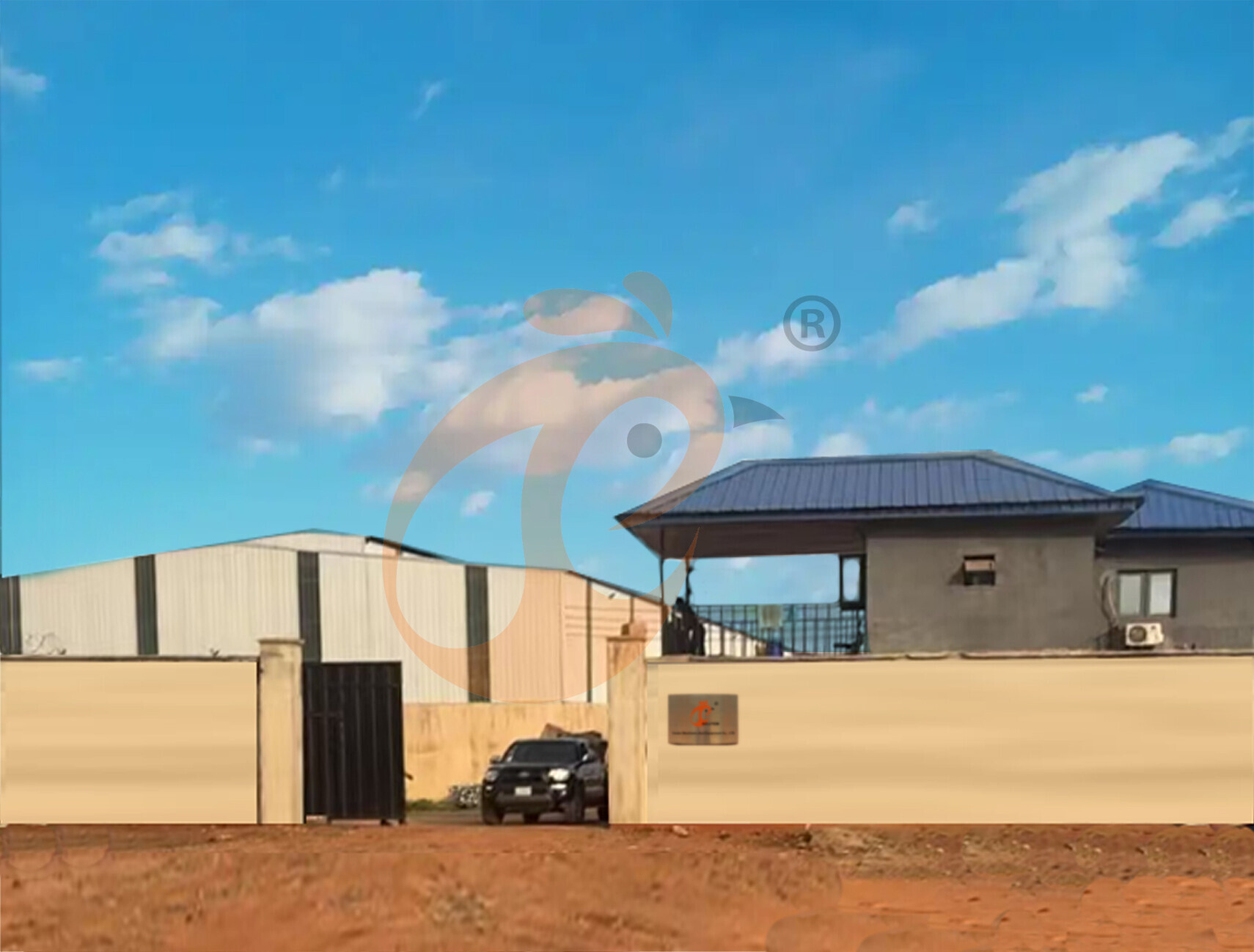
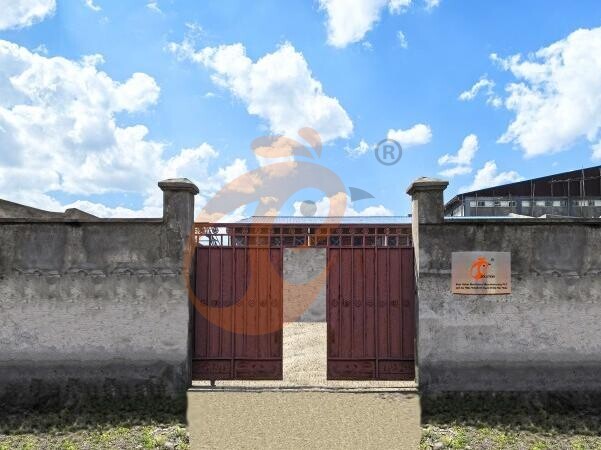
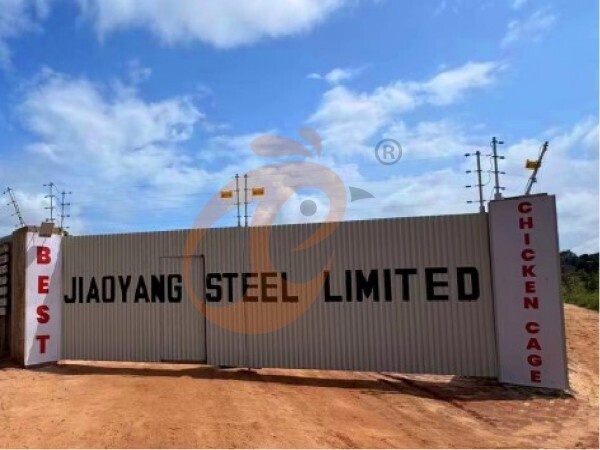
Taiyu (HK) Group - One Of China Biggest Layer Cage System Manufacturer
A type chicken cage maintenance product supply focuses on automated layer cage system engineering for commercial egg farms with galvanized steel structure precision design.
Global factory direct sales support poultry equipment production integration across ventilation, feeding, and egg collection systems.
Turn key engineering solutions cover farm layout design, installation guidance, and operational optimization for large scale poultry production projects.
Poultry equipment manufacturing capacity ensures standardized quality control and long-term durability performance in intensive farming environments.
Export service network provides stable logistics coordination and technical support for international poultry farming system deployment projects.
Contact Us To Received Your Customized Poultry Farm Plan
Headquarters And Branchs

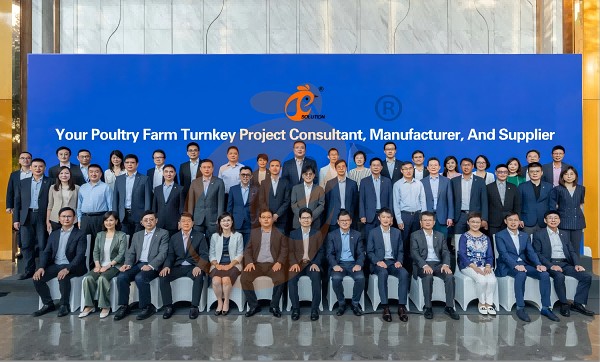
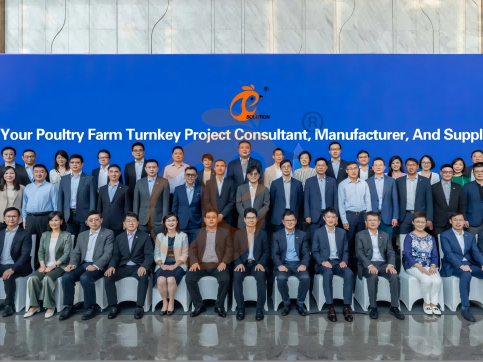
Hong Kong Headquarter Management Team
Hong Kong Headquarter Taiyu Industrial Group CO., LTD
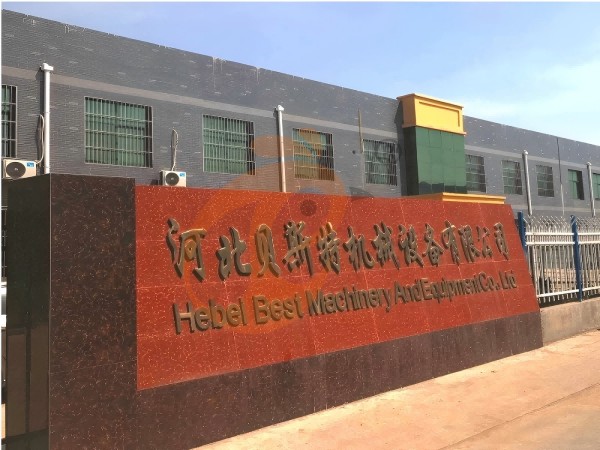
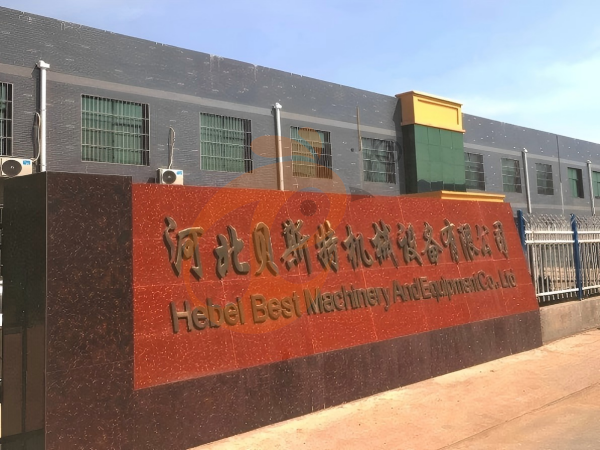
China Hebei Best Machinery And Equipment CO., LTD
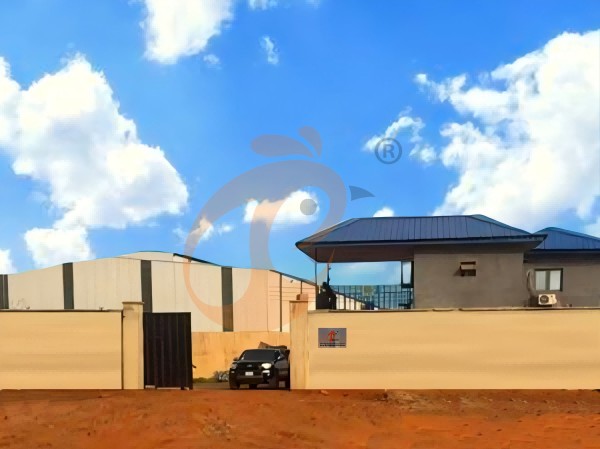
Nigeria Vanke Machinery And Equipment CO., LTD
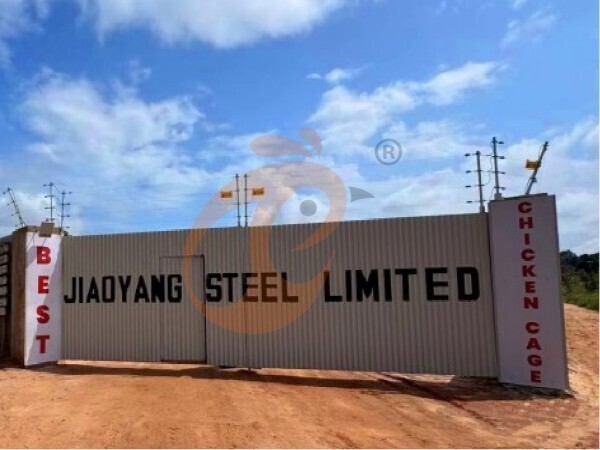
Tanzania Best Machinery And Equipment CO., LTD
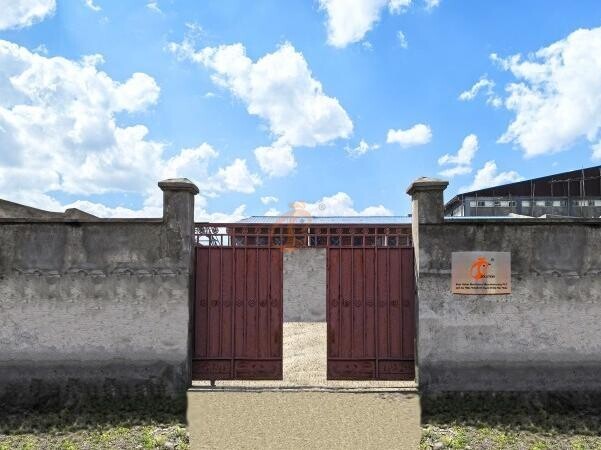
Ethiopia Best Hebei Machinery Manufacturing PLC
Reception /24 WhatsApp NO. : +8618830120193
FAQ
What Are The Most Efficient Feeding Systems For A-Type Layer Cage Farms?
Even feed distribution reduces waste
One worker manages 5,000–10,000 birds
FCR reduced to 1.9–2.2
Egg production rate: 90–96%
How To Select The Best Supplier For A-Type Chicken Cage Systems?
Ensure material quality and anti-corrosion performance
Equipment lifespan: more than 25 years
Egg production rate: 90–96%
Labor savings: 50–70%
How To Integrate Water And Feed Automation In A-Type Layer Cage System?
Automatically control flow and timing
Egg production rate: 90–96%
FCR: 1.9–2.2
Mortality rate: 2–3%
Message
Products recommended
 HK Headquarter Offers EU-standard Poultry Farm Solutions, Manufacture Poultry Farm Equipment1. Continuous communication with the EU and the US
2. China, Nigeria, Ethiopia, Tanzania branch companies and factories
3. The products’ quality is customized for local poultry farms
4. Poultry cage and poultry farm equipment stock for sale
5. 24 online reception Whatsapp NO. : +8618830120193,contact us to get full informationRead More China Branch Offer Poultry Farm Business Plan, Manufacture Poultry Farm Equipment1. Address: Flat/RM 2416, 24/F, Runxing Building, Youyi Nan Street, Shijiazhuang City, Hebei Province, China
2. Poultry cage and poultry farm equipment factory and stock for sale
3. Customized for local poultry farms
4. Quality and design are based on Euro
5. 24 online reception Whatsapp NO. : +8618830120193Read More Nigeria Branch Offer Poultry Farm Business Plan, Manufacture Poultry Farm Equipment1. Address: After Sinoma Office, 200 Meters Near Danco Filling Station, Lagos/Ibadan Expressway, Lagos State, Nigeria
2. Poultry cage and poultry farm equipment factory and stock for sale
3. Customized for Nigerian poultry farms
4. Quality and design are based on Euro
5. 24 online reception Whatsapp NO. : +8618830120193Read More Ethiopia Branch Offer Poultry Farm Business Plan, Manufacture Poultry Farm Equipment1. Address: Gelan Gura, Akaki-kaliti Sub City, Addis Ababa, Ethiopia
2. Poultry cage and poultry farm equipment stock for sale
3. Customized for Ethiopian poultry farms
4. Quality and design are based on Euro
5. 24 online reception Whatsapp NO. : +8618830120193, contact us to get price listRead More Tanzania Branch Offer Poultry Farm Business Plan, Manufacture Poultry Farm Equipment1. Address: No.8, Sova Road, Msufini, Mlandizi, Kibaha, Pwani, Tanzania
2. Poultry cage and poultry farm equipment factory and stock for sale
3. Customized for Tanzanian poultry farms
4. Quality and design are based on Euro
5. 24 online reception Whatsapp NO. : +8618830120193Read More Fully Automatic H Type Layer Chicken Cage1. 30,000-100,000+ layers/house chooses it, Poultry farmers can achieve an egg production rate of 96-98%
2. A significant improvement over the 85-90% typically seen in manual systems
3. A typical poultry farm can expect a 30-40% reduction in labor costs due to the automation
4. Each feeding line efficiently supplies feed to around 100,000 hens per 30 mins
5. Reception /WhatsApp NO. : +8618830120193Read More Fully Automatic A Type Layer Chicken Cage1. 10,000-50,000 layers/house chooses it
2. Cleaner egg collection reduces breakage by 0.5%
3. Improved hygiene helps reduce mortality rate to <3%
4. 1–2 technicians can handle 15,000–30,000 birds
5. Reception /WhatsApp NO. : +8618830120193Read More Semi Automatic H Type Layer Chicken Cage1. 1,00-20,000 layers/house chooses it
2. Nipple drinkers flow 30–60 ML / min
3. Hot-dip galvanized (typical coating ≥ 275 g/m²)
4. Reduce ammonia by ~ 35–40%
5. Reception /WhatsApp NO. : +8618830120193Read More Semi Automatic A Type Layer Chicken Cage1. 1,00-20,000 layers/house chooses it, no rust for 10 years, no deformation for 15 years
2. Chickens live comfortably, you can raise them with peace of mind
3. Save water, save money—efficiency you can measure
4. Improve environment quality, and increase egg production rate
5. Reception /WhatsApp NO. : +8618830120193Read More
By clicking 'Allow All', you agree to the storage of cookies on your device to enhance site navigation, analyze site usage and assist with our marketing efforts.