


Blog
H type layer chicken cage lifespan determines capital efficiency in industrial poultry production systems across commercial egg farming operations globally.
Structural engineering precision governs corrosion resistance, load bearing stability, and long term automation compatibility in intensive farming environments.
Material coating technology and structural steel engineering define service life variation under ammonia humidity and mechanical loading conditions in houses.
Poultry battery cage durability depends on galvanization thickness wire diameter environmental control and maintenance scheduling within automated farming infrastructure systems.
Hot dip galvanized chicken cage lifespan extends significantly when ammonia concentration humidity levels and corrosion protection strategies are properly managed.
Operational reliability requires integrated mechanical maintenance climate control and periodic replacement planning for belts motors and automated feeding systems units.
Get professional poultry farm construction guidance, equipment selection solutions, and the latest price lists, whatsApp to +8618830120193, +2348111199996, or click to learn more.
Defining The Lifespan Spectrum: Cold Galv Vs Hot-Dip Galv
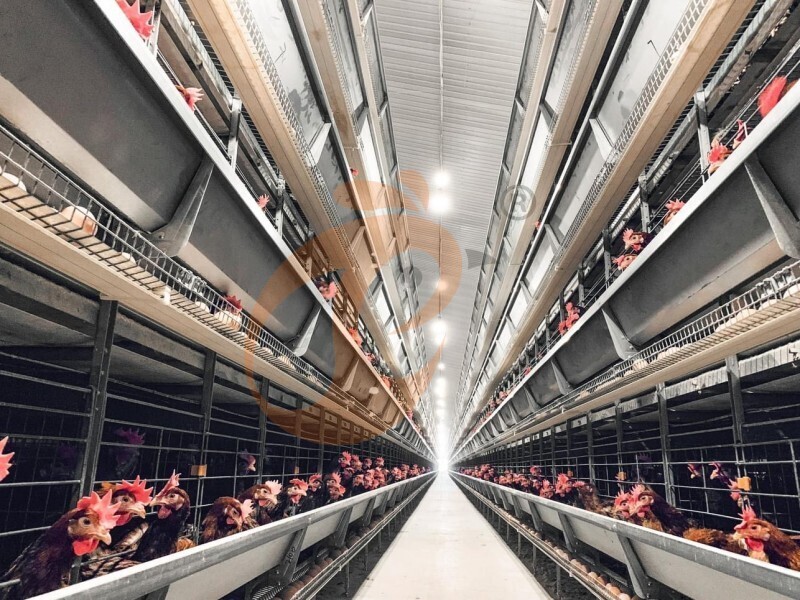
The structural framework of an H-type cage system lives in a punishing environment.
It must constantly withstand high humidity, ammonia gases, and physical wear from thousands of birds.
The primary differentiator of a system's lifespan is the chemical surface treatment applied to the steel wire.
Data is for reference only. Swipe horizontally to view full table.
Choosing cold galvanizing for a high-density H-type system is a risky choice.
Ammonia will strip a thin electro-galvanized layer within years, triggering structural rust.
Hot-dip galvanized and zam steels form a metallurgical bond with the iron core, ensuring decades of structural integrity.
Science Section: The Chemistry Of Corrosion In Poultry Houses
To understand why cages degrade, we must examine the chemistry inside a commercial layer house.
Chicken manure undergoes microbial decomposition, releasing high concentrations of ammonia gas (NH3).
When combined with moisture in the air, ammonia forms a reactive alkaline solution that accelerates coating degradation.
This reaction produces ammonium and hydroxide ions, which contribute to corrosion processes.
Furthermore, uric acid present in droppings directly attacks the structural base of the cages.
This is why material composition and manure management determine long-term system survival.
Component Breakdown: Lifespan Variations Across The System
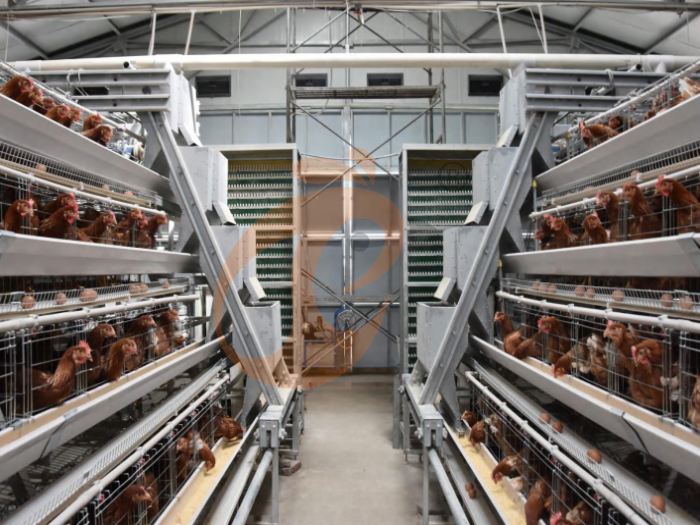
An H-type battery cage system is not a single static object.
It is an interconnected ecosystem of automated machinery.
While heavy steel frames can last up to 25 years, moving parts face shorter lifespans due to friction and fatigue.
Data is for reference only. Swipe horizontally to view full table.
Farm managers must budget for mid-cycle replacements of wear components.
The steel framework remains long-lasting, while belts and mechanical parts require periodic renewal.
Steel Wire Diameters And Structural Load Dynamics
Industrial H-type systems stack cages three to eight tiers high.
This vertical load creates significant downward pressure on lower tiers.
If wire diameter is too thin, floors will sag and affect egg rolling efficiency.
Data is for reference only. Swipe horizontally to view full table.
Proper engineering ensures stronger wires are used in load-bearing areas.
Environmental Factors: Impact Of Climate And House Control
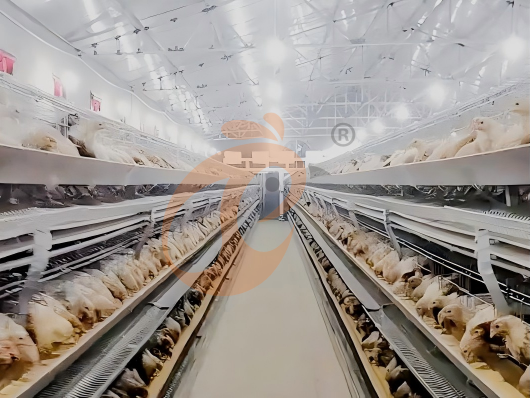
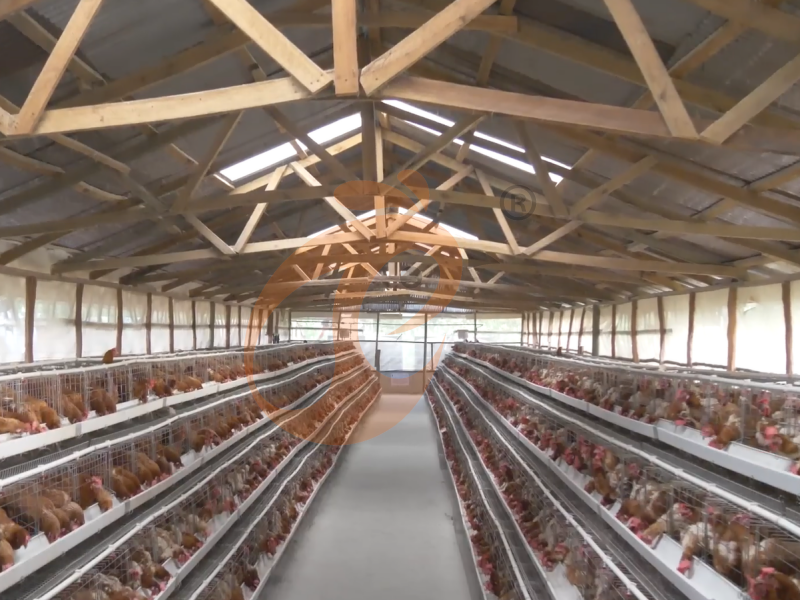
A climate-controlled poultry house significantly extends system lifespan.
Stable humidity and ammonia control reduce corrosion risk dramatically.
Data is for reference only. Swipe horizontally to view full table.
When humidity and ammonia both rise, corrosion accelerates rapidly.
Proper ventilation systems are essential for protecting structural steel assets.
Electrical And Automation Performance Parameters In Modern Cage Systems
Modern industrial H type poultry systems integrate electrical automation modules that directly influence long term operational stability and equipment lifespan.
Control accuracy, motor efficiency, and sensor durability determine feeding precision and system synchronization across multi-tier cage structures.
Data is for reference only. Swipe horizontally to view full table.
Stable electrical configuration reduces mechanical overload events and improves synchronized operation efficiency across feeding and manure removal cycles.
Maintenance Practices That Extend System Lifespan
Maintenance quality directly determines system durability.
Neglect is the fastest way to shorten equipment lifespan.
Manure buildup leads to moisture retention, which accelerates coating failure and rust formation.
Weekly belt inspections prevent mechanical failures.
Monthly drinking line flushing prevents blockage and contamination.
Regular lubrication of gear systems extends mechanical lifespan significantly.
Deep cleaning between production cycles slows corrosion development.
Economic Payback: Lifespan Vs Return On Investment Calculation
Equipment selection should always consider long-term return on investment.
Lower-cost systems often require frequent replacement, increasing total lifecycle cost.
Premium galvanized systems may cost more initially but deliver better long-term value.
Data is for reference only. Swipe horizontally to view full table.
Over a 25-year period, premium systems significantly reduce annual operating cost.
European union standard reference Only.
The Lifespan Blueprint
System lifespan depends on steel treatment quality, wire diameter, automation level, and environmental control.
Cold galvanized systems typically last under 7 years in harsh environments.
Standard hot-dip galvanized systems last 25+ years under proper management.
Advanced hdg or zam systems can exceed 25–30 years in optimized conditions.
Ultimately, lifespan is not fixed but controlled through engineering decisions and maintenance discipline.
Frequently Asked Questions
Q1: How long does an H type layer cage system typically last?
A1: Service life ranges between 15 and 30 years depending on coating technology, environmental control, and maintenance intensity in commercial poultry housing systems.
Q2: What factor most strongly affects poultry battery cage durability?
A3: Corrosion resistance driven by galvanization quality and ammonia exposure levels represents the most critical determinant of long-term structural stability and operational reliability.
Q3: Can hot dip galvanized systems extend chicken cage lifespan significantly?
A3: Yes, hot dip galvanized protection creates thicker zinc layers that reduce oxidation rate, allowing structural frameworks to maintain integrity for decades under controlled farm conditions.
Taiyu (HK) Group - One Of China Largest Layer Chicken Cage Manufacturer
H-type layer chicken cage system designed for industrial poultry production with hot dip galvanized steel engineering and automated feeding integration.
Global factory direct supply poultry equipment systems supporting turn-key project installation and farm planning solutions.
Advanced poultry battery cage durability manufacturing with corrosion resistant materials and precision wire forming technology.
Large scale export capacity covering automated cage systems feeders drinkers and manure removal equipment for modern poultry farms.
Complete turn key engineering service ensuring optimized lifespan performance and long term production efficiency.
Contact Us To Received Your Customized Poultry Farm Plan
Headquarters And Branchs
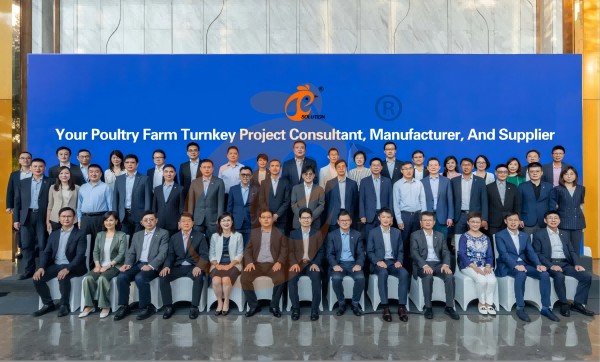
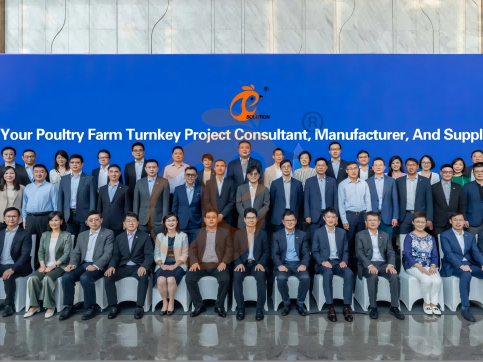
Hong Kong Headquarter Management Team
Hong Kong Headquarter Taiyu Industrial Group CO., LTD
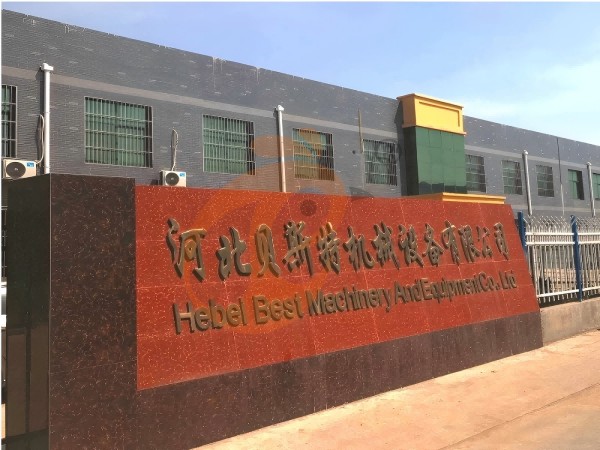
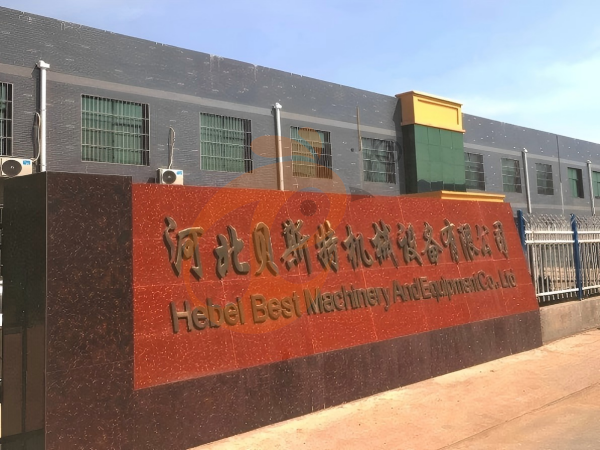
China Hebei Best Machinery And Equipment CO., LTD
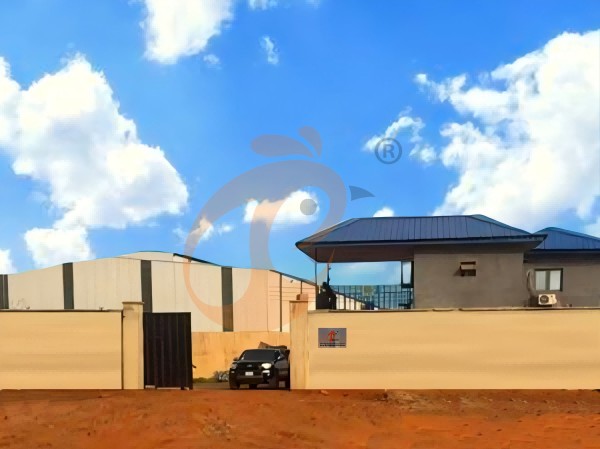
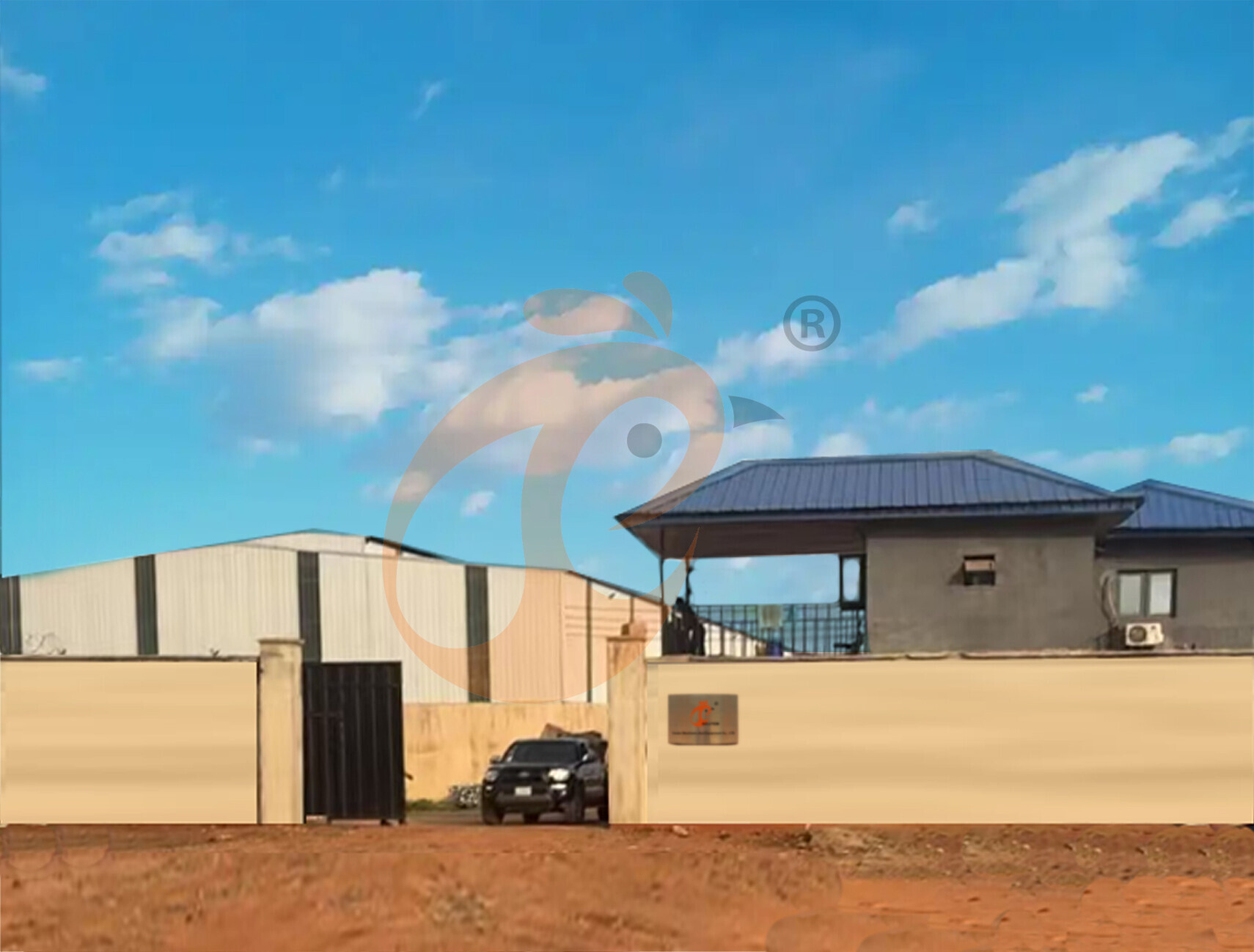
Nigeria Vanke Machinery And Equipment CO., LTD
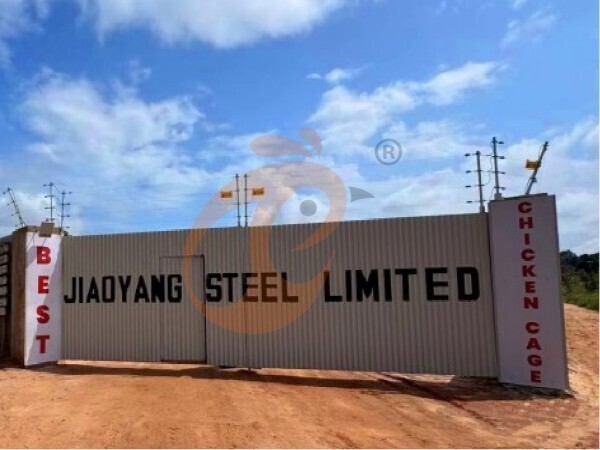
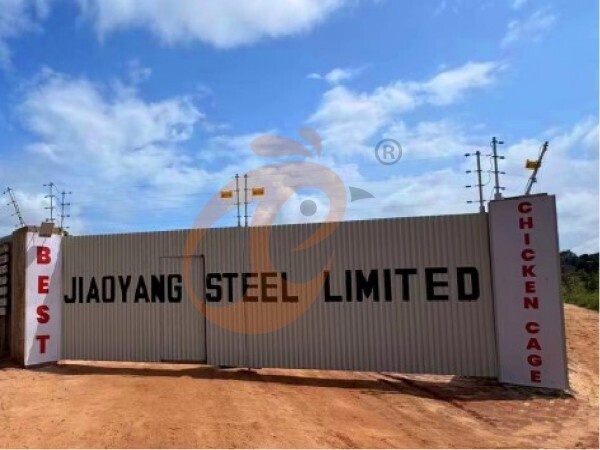
Tanzania Best Machinery And Equipment CO., LTD
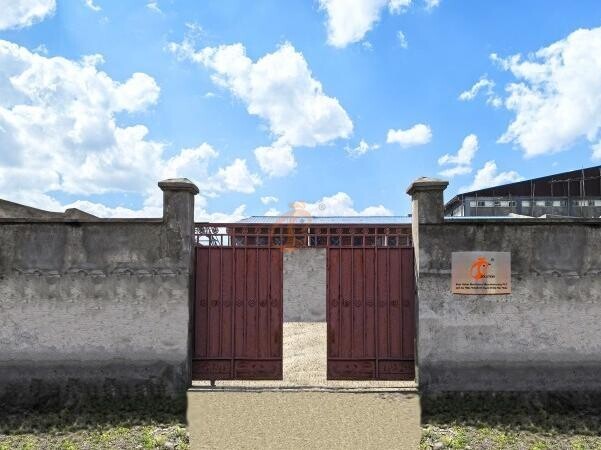
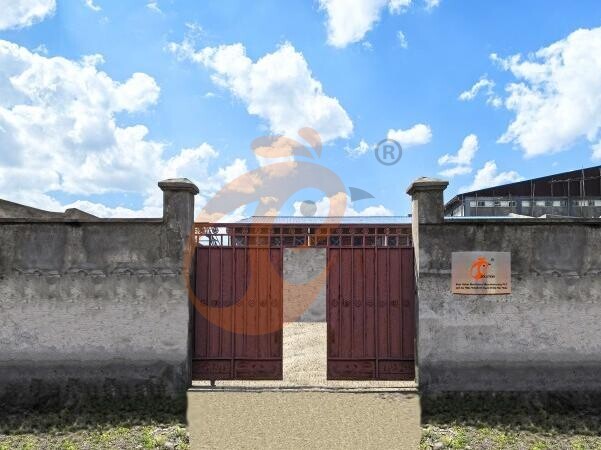
Ethiopia Best Hebei Machinery Manufacturing PLC
Reception /24 WhatsApp NO. : +8618830120193
FAQ
How To Implement Biosecurity Measures In H-Type Battery Cage Farm?
Restrict access to outsiders
Isolate sick birds
Mortality rate: 2–3%
Egg production rate: 90-98%
What Is The Average Feed Cost Per Bird In H-Type Layer Cage?
FCR 1.9–2.1
Feed cost: $0.15–0.20 per bird per day
Daily egg yield: 900–980 eggs/1,000 birds
Labor savings: 70-90%
How To Prevent Cannibalism In H-Type Poultry Cage System?
Provide sufficient feed and water
Install anti-pecking devices
Egg production rate: 90-98%
Mortality rate <3%
- poultry equipment
- chicken cage
- layer cage
- poultry farm
- battery cage
- poultry farm
- poultry farm construction
- poultry battery cage
- battery cage system
- layer cage system
- galvanized chicken cage
- poultry equipment manufacturer
- battery cage
- poultry house
- chicken cage system
- layer chicken cage
- Ethiopia
- Nigeria
Message
Products recommended
 HK Headquarter Offers EU-standard Poultry Farm Solutions, Manufacture Poultry Farm Equipment1. Continuous communication with the EU and the US
2. China, Nigeria, Ethiopia, Tanzania branch companies and factories
3. The products’ quality is customized for local poultry farms
4. Poultry cage and poultry farm equipment stock for sale
5. 24 online reception Whatsapp NO. : +8618830120193,contact us to get full informationRead More China Branch Offer Poultry Farm Business Plan, Manufacture Poultry Farm Equipment1. Address: Flat/RM 2416, 24/F, Runxing Building, Youyi Nan Street, Shijiazhuang City, Hebei Province, China
2. Poultry cage and poultry farm equipment factory and stock for sale
3. Customized for local poultry farms
4. Quality and design are based on Euro
5. 24 online reception Whatsapp NO. : +8618830120193Read More Nigeria Branch Offer Poultry Farm Business Plan, Manufacture Poultry Farm Equipment1. Address: After Sinoma Office, 200 Meters Near Danco Filling Station, Lagos/Ibadan Expressway, Lagos State, Nigeria
2. Poultry cage and poultry farm equipment factory and stock for sale
3. Customized for Nigerian poultry farms
4. Quality and design are based on Euro
5. 24 online reception Whatsapp NO. : +8618830120193Read More Ethiopia Branch Offer Poultry Farm Business Plan, Manufacture Poultry Farm Equipment1. Address: Gelan Gura, Akaki-kaliti Sub City, Addis Ababa, Ethiopia
2. Poultry cage and poultry farm equipment stock for sale
3. Customized for Ethiopian poultry farms
4. Quality and design are based on Euro
5. 24 online reception Whatsapp NO. : +8618830120193, contact us to get price listRead More Tanzania Branch Offer Poultry Farm Business Plan, Manufacture Poultry Farm Equipment1. Address: No.8, Sova Road, Msufini, Mlandizi, Kibaha, Pwani, Tanzania
2. Poultry cage and poultry farm equipment factory and stock for sale
3. Customized for Tanzanian poultry farms
4. Quality and design are based on Euro
5. 24 online reception Whatsapp NO. : +8618830120193Read More Fully Automatic H Type Layer Chicken Cage1. 30,000-100,000+ layers/house chooses it, Poultry farmers can achieve an egg production rate of 96-98%
2. A significant improvement over the 85-90% typically seen in manual systems
3. A typical poultry farm can expect a 30-40% reduction in labor costs due to the automation
4. Each feeding line efficiently supplies feed to around 100,000 hens per 30 mins
5. Reception /WhatsApp NO. : +8618830120193Read More Fully Automatic A Type Layer Chicken Cage1. 10,000-50,000 layers/house chooses it
2. Cleaner egg collection reduces breakage by 0.5%
3. Improved hygiene helps reduce mortality rate to <3%
4. 1–2 technicians can handle 15,000–30,000 birds
5. Reception /WhatsApp NO. : +8618830120193Read More Semi Automatic H Type Layer Chicken Cage1. 1,00-20,000 layers/house chooses it
2. Nipple drinkers flow 30–60 ML / min
3. Hot-dip galvanized (typical coating ≥ 275 g/m²)
4. Reduce ammonia by ~ 35–40%
5. Reception /WhatsApp NO. : +8618830120193Read More Semi Automatic A Type Layer Chicken Cage1. 1,00-20,000 layers/house chooses it, no rust for 10 years, no deformation for 15 years
2. Chickens live comfortably, you can raise them with peace of mind
3. Save water, save money—efficiency you can measure
4. Improve environment quality, and increase egg production rate
5. Reception /WhatsApp NO. : +8618830120193Read More
By clicking 'Allow All', you agree to the storage of cookies on your device to enhance site navigation, analyze site usage and assist with our marketing efforts.