






Blog
- Feed mixer selection directly affects poultry feed handling, labor allocation, energy planning, and daily production stability, with commercial models covering 100–6,000 kg per batch.
Automated poultry feed mixer systems can connect weighing, conveying, discharge, and feeding processes, reducing repeated handling across 1–2 daily production shifts.
Feed mixer performance depends on formulation, batch requirements, motor configuration, discharge design, and mixing uniformity, with practical specifications reaching cv≤5% in selected models.
Energy evaluation requires operating duration and productive output, while poultry feed mixer planning should also consider electrical supply, maintenance intervals, and future capacity expansion.
- Commercial buyers can compare feed mixer systems through measurable specifications, complete poultry equipment integration, and turn-key engineering support rather than purchase price alone.
Get professional poultry farm construction guidance, equipment selection solutions, and the latest price lists, whatsApp to +8618830120193, +2348111199996, or click to learn more.
Start With The Production Math
For a poultry operation, the real comparison between a feed mixer and a blender begins with production requirements rather than appearance.
A dedicated poultry feed mixer combines grains, soybean meal, premixes, minerals, and other ingredients into repeatable batches, with commercial configurations reaching approximately 6,000 kg per batch and mixing durations around 8–20 minutes.
Labor savings depend on reducing manual transfer, ingredient adjustment, and repeated handling, while a feed mixer organizes production into a defined mechanical workflow with fewer operator interventions per cycle.
Data is for reference only.Swipe horizontally to view full table.
Reference specifications compiled from published poultry feed mixer data; actual values depend on machine configuration and material characteristics.
The Labor Question Is Hidden In The Workflow
A blender may complete a blending task, but poultry production normally requires weighing, loading, mixing, discharge, conveying, storage, and feeding operations.
A commercial feed mixer system can use a 30–120 second discharge cycle and a 15–55 kw drive range, allowing workflow design around actual production requirements.
Think of the operator's day as a sequence of actions rather than a single machine cycle.
If equipment removes several manual transfer points from every batch, accumulated workload can decrease across repeated daily cycles.
Data is for reference only.Swipe horizontally to view full table.
Reference ranges are equipment examples rather than universal specifications.
Energy Efficiency: Calculate Output, Not Horsepower
Motor power alone does not determine energy cost.
A 15 kw motor operating for a short productive cycle can produce a different energy profile from a smaller motor operating considerably longer.
For purchasing decisions, energy consumed per quantity of finished feed provides a more useful comparison than nameplate power alone.
A feed mixer processing a 1,000 kg batch should therefore be assessed together with actual operating duration, loading conditions, discharge time, and production frequency.
Data is for reference only.Swipe horizontally to view full table.
Calculated as motor power × mixing time and intended only as a nameplate-based comparison; actual electricity consumption varies with loading, transmission efficiency, controls, and operating conditions.
What Happens When You Change The Machine?
Before an operator manually measures ingredients, transfers materials, supervises mixing, and moves finished feed toward the feeding system.
After ingredients enter a planned sequence, the feed mixer completes the batch, and finished feed moves into the next stage with fewer manual interventions.
The difference is workflow selected paddle mixer specifications can reach cv ≤5% uniformity with 30–120 second mixing cycles.
Data is for reference only.Swipe horizontally to view full table.
Published technical reference values; final performance depends on feed formulation, bulk density, moisture, loading sequence, and machine configuration.
Do Not Compare Machines Without Comparing Materials
Feed ingredients behave differently, including powdered ingredients, granular materials, premixes, and liquid-added formulations.
A poultry feed mixer should therefore match material characteristics rather than capacity alone, with representative ingredient moisture commonly ranging around 10–16% depending on formulation.
For commercial poultry equipment suppliers, material-specific selection creates a stronger technical proposition than presenting a generic blender only through motor specifications.
Data is for reference only.Swipe horizontally to view full table.
Values are engineering reference ranges for equipment selection, not universal formulation requirements.
The Capacity Match Makes The Difference
Oversizing a feed mixer can leave equipment operating below its practical loading range, while undersizing can force additional production cycles.
A farm producing 12,000 kg/day requires a different configuration from a farm producing 2,000 kg/day, even when both operations use the same feed formulation.
The purchasing method is straightforward: calculate daily feed volume, divide by planned batch size, then evaluate the resulting production schedule.
Data is for reference only.Swipe horizontally to view full table.
Production schedule is an illustrative engineering calculation and excludes loading, cleaning, maintenance, and material-transfer downtime.
Mixer Selection Can Be Treated Like An Engineering Specification
Instead of asking, "Which machine is better?", ask, "which machine satisfies the required operating envelope?"
That envelope should include batch quantity, formulation type, loading arrangement, discharge method, electrical supply, and planned expansion.
A commercial feed mixer quotation should therefore connect measurable requirements with equipment configuration, including discharge performance around 20–180 seconds and residual-feed targets around 0.2–1.1% where applicable.
Data is for reference only.Swipe horizontally to view full table.
Reference values compiled from published poultry mixer specifications and should be confirmed against the final machine quotation.
Look At The Equipment As A Complete Poultry System
A feed mixer should not be isolated from the rest of the poultry house.
Modern systems can connect mixing equipment with storage silos, conveying equipment, and automatic feeding lines, changing the commercial proposition from a single machine into an integrated poultry equipment workflow.
For example, a 15 m conveyor route and 3 m hopper elevation can affect system layout, transfer design, and installation planning without replacing core feed mixer specifications.
Data is for reference only.Swipe horizontally to view full table.
Example system values for equipment planning; final dimensions require site-specific calculation.
Maintenance Is Part Of The Energy Equation
Mechanical condition also affects operating economics.
Feed residue, worn components, loose fasteners, and inadequate lubrication can gradually change equipment behavior and increase downtime.
A structured feed mixer inspection routine can include 8-minute residue removal and 6-minute bolt inspection tasks, creating measurable service planning.
European union standard reference only.
Data is for reference only.Swipe horizontally to view full table.
Reference maintenance schedule based on published equipment guidance; manufacturers should provide model-specific service intervals.
The Sales Argument Should Be Built Around Measurable Benefits
For a poultry equipment company, technical data should become part of the sales message.
Instead of saying that a feed mixer "saves labor," show where labor is removed ingredient transfer, repeated loading, manual discharge, feed transportation, and feeding-line replenishment.
The sales conversation becomes stronger when specifications such as 30–120 seconds cycle duration and cv ≤5% uniformity apply directly to the proposed model and formulation.
Data is for reference only.Swipe horizontally to view full table.
The strongest quotation converts machine specifications into an operating plan for the poultry farm.
Feed Mixer Or Blender? Make The Decision By Application
A general blender may suit certain material-processing applications, but poultry feed production requires ingredient distribution, batch repeatability, discharge, and feeding-system integration.
Commercial feed mixer designs include horizontal ribbon, paddle, vertical screw, and double-shaft configurations, with structural arrangements such as 200–450 mm screw diameters and 1–2 shaft systems.
A technical comparison should therefore connect machine structure with actual feed-production requirements.
Data is for reference only.Swipe horizontally to view full table.
Reference ranges from published poultry feed mixer engineering data.
The Final Choice: Buy The Workflow, Not Just The Machine
Feed mixer vs blender which saves labor and energy?
For a poultry equipment company, the stronger answer is not to claim that one machine is universally superior.
The commercial advantage comes from matching the feed mixer to farm demand, formulation, electrical infrastructure, conveying arrangement, and feeding system.
A dedicated feed mixing solution becomes particularly valuable when repeated manual handling is reduced and equipment connects naturally with the poultry-house workflow.
Equipment selection should therefore use measurable specifications rather than generic claims, including 100–6,000 kg batch ranges and 1.5–75 kw motor configurations where applicable.
For manufacturers and suppliers, the core sales opportunity is simple: sell measurable production efficiency, not simply a machine name.
When the mixer, hopper, conveyor, storage system, and feeding line operate as one process, the customer purchases a poultry production system designed around fewer manual steps, controlled feed preparation, and predictable daily operation.
Frequently Asked Questions
Q1: What is the main labor advantage of a feed mixer?
A1: A feed mixer reduces repeated ingredient handling and organizes production into defined batches.
Commercial configurations can process up to 6,000 kg per batch, depending on model and formulation.
Q2: Does a feed mixer always use less energy than a blender?
A2: Not automatically.
Energy performance depends on workload, operating duration, loading condition, transmission efficiency, and batch planning, with some systems using motors from 1.5 kw upward.
Q3: How should a poultry farm choose a feed mixer?
A3: Start with daily feed demand, formulation characteristics, available electrical capacity, transfer layout, and required automation.
A practical selection should also verify discharge performance, mixing validation, maintenance access, and future production requirements.
Taiyu (HK) Group - One Of China Toppest Feed Mixer Manufacturer
Feed mixer systems support poultry feed preparation through engineered batch configurations from 100 kg to 6,000 kg, with motor selections reaching 75 kw for larger installations.
Global factory-direct supply covers poultry equipment manufacturing, technical configuration, component coordination, and international project delivery for commercial poultry operations.
Poultry equipment packages integrate feed mixers with conveyors, hoppers, storage systems, feeding lines, and related house infrastructure according to project specifications.
Turn-key engineering coordinates equipment selection, layout planning, installation guidance, commissioning requirements, and production-line integration for complete poultry projects.
Project-based manufacturing supports customized dimensions, electrical configurations, throughput requirements, and equipment combinations for different farm capacities and operating conditions.
Contact Us To Received Your Customized Poultry Farm Plan
Headquarters And Branchs
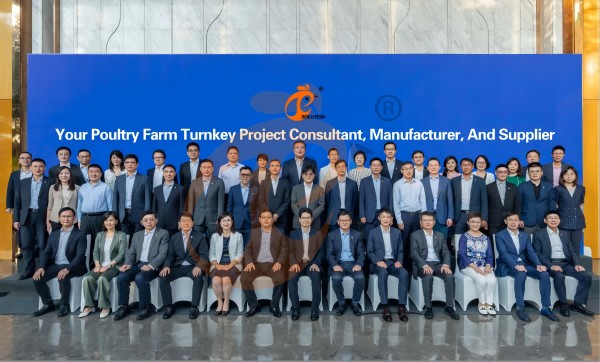
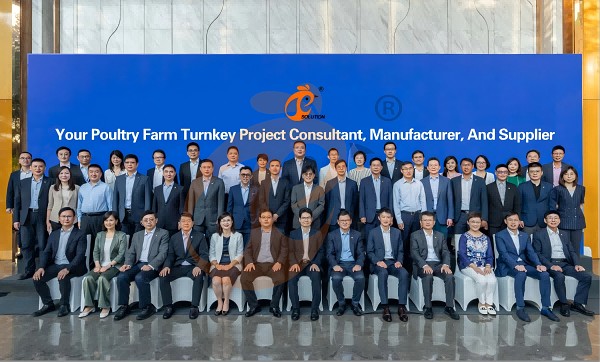
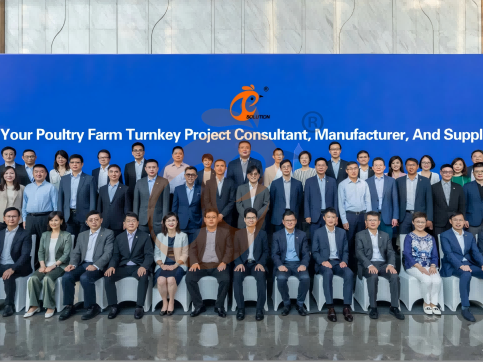
Hong Kong Headquarter Management Team
Hong Kong Headquarter Taiyu Industrial Group CO., LTD
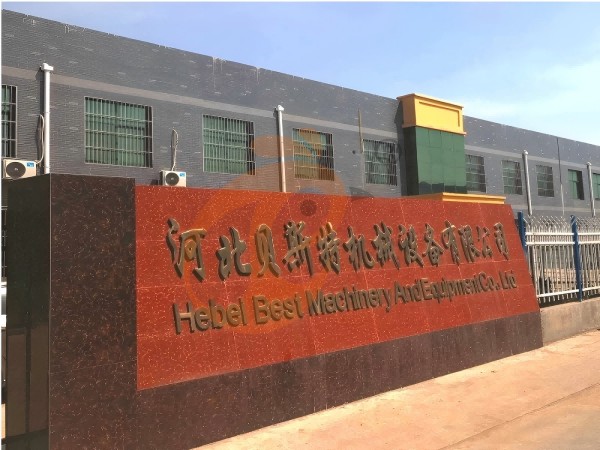
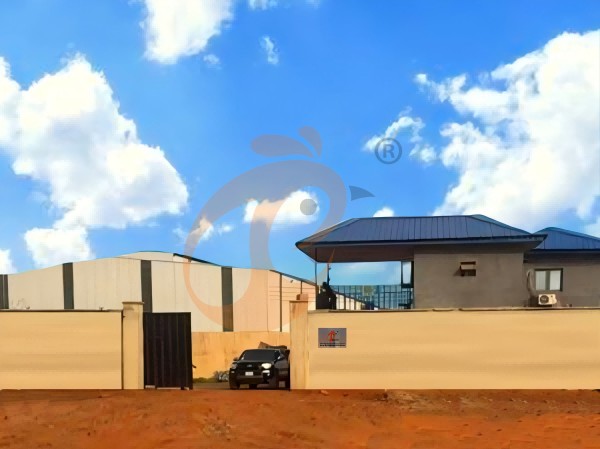
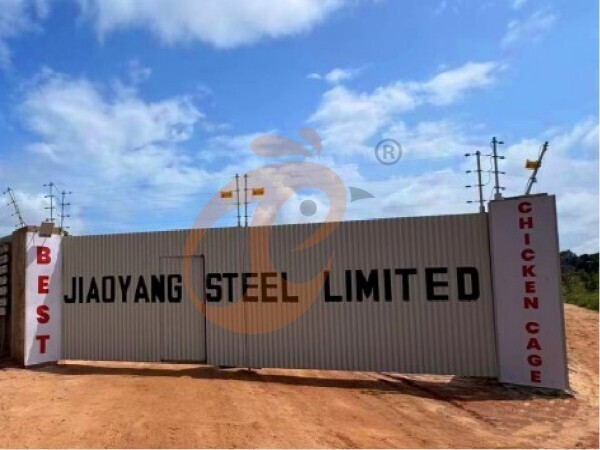
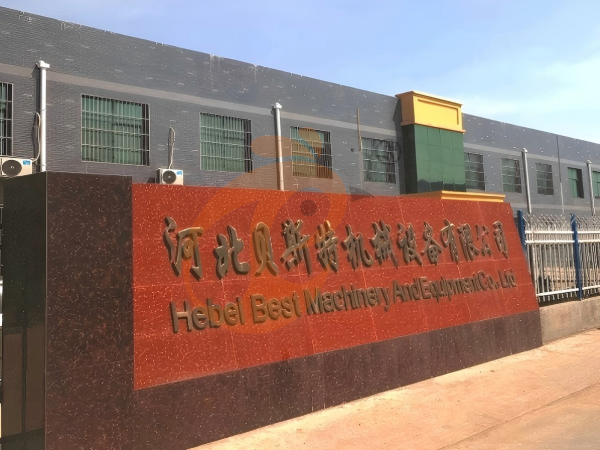
China Hebei Best Machinery And Equipment CO., LTD
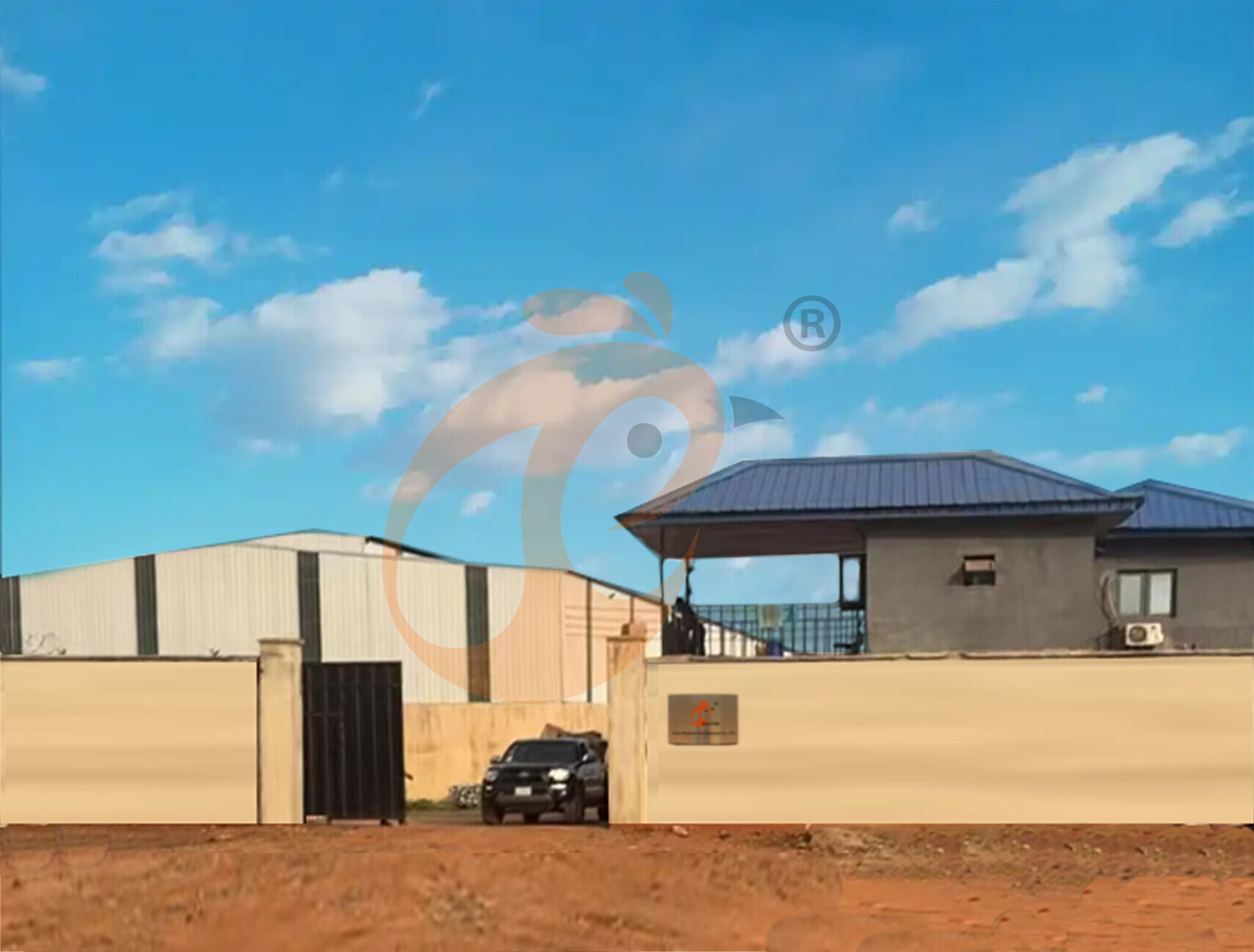
Nigeria Vanke Machinery And Equipment CO., LTD
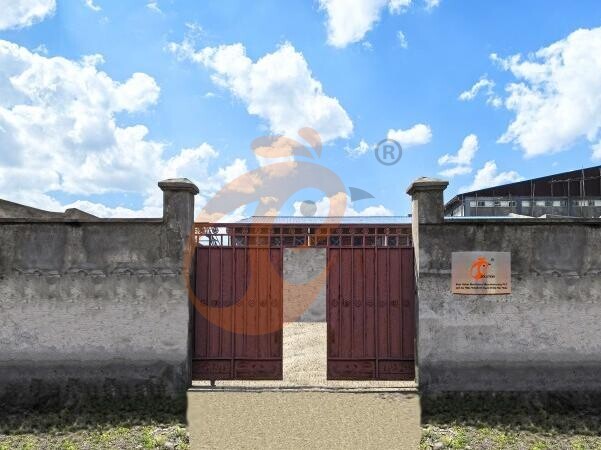
Tanzania Best Machinery And Equipment CO., LTD
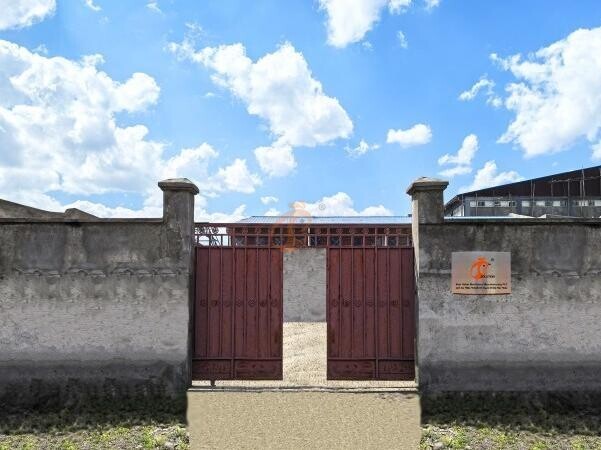
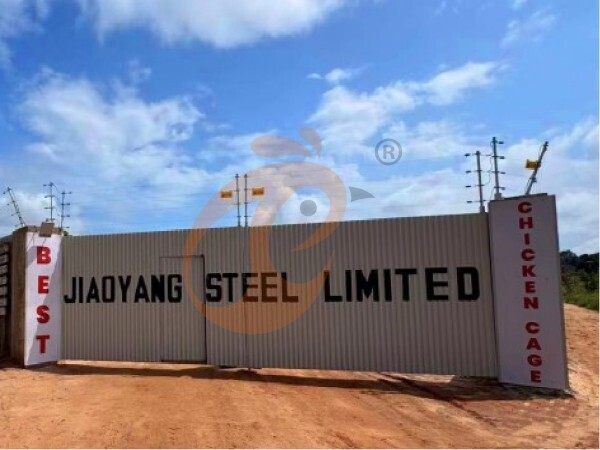
Ethiopia Best Hebei Machinery Manufacturing PLC
Reception /24 WhatsApp NO. : +8618830120193
FAQ
What Are The Main Equipment Components In Feed Mill And Feed Mixer Systems For Poultry Chicken Production?
Hammer mill units operate with rotor speeds of 2800–3600 rpm for efficient grain size reduction.
Twin-shaft mixers achieve batch capacities of 500–2000 kg per cycle for uniform poultry feed blending.
What Dust Control Requirements Are Needed In Feed Mill Operations For Poultry Chicken Farms?
Cyclone separators remove 85%–92% of airborne particles during grinding and conveying processes.
Negative pressure systems maintain airflow velocity between 0.8–1.2 m/s to prevent dust leakage.
What Temperature Parameters Are Used In Feed Mill Processing For Poultry Chicken Feed?
Conditioning temperature reaches 75–85°C to improve pellet durability and pathogen reduction.
Cooling stage reduces pellet temperature to within 5°C of ambient conditions for safe storage.
Message
Products recommended
 HK Headquarter Offers EU-standard Poultry Farm Solutions, Manufacture Poultry Farm Equipment1. Continuous communication with the EU and the US
2. China, Nigeria, Ethiopia, Tanzania branch companies and factories
3. The products’ quality is customized for local poultry farms
4. Poultry cage and poultry farm equipment stock for sale
5. 24 online reception Whatsapp NO. : +8618830120193,contact us to get full informationRead More China Branch Offer Poultry Farm Business Plan, Manufacture Poultry Farm Equipment1. Address: Flat/RM 2416, 24/F, Runxing Building, Youyi Nan Street, Shijiazhuang City, Hebei Province, China
2. Poultry cage and poultry farm equipment factory and stock for sale
3. Customized for local poultry farms
4. Quality and design are based on Euro
5. 24 online reception Whatsapp NO. : +8618830120193Read More Nigeria Branch Offer Poultry Farm Business Plan, Manufacture Poultry Farm Equipment1. Address: After Sinoma Office, 200 Meters Near Danco Filling Station, Lagos/Ibadan Expressway, Lagos State, Nigeria
2. Poultry cage and poultry farm equipment factory and stock for sale
3. Customized for Nigerian poultry farms
4. Quality and design are based on Euro
5. 24 online reception Whatsapp NO. : +8618830120193Read More Ethiopia Branch Offer Poultry Farm Business Plan, Manufacture Poultry Farm Equipment1. Address: Gelan Gura, Akaki-kaliti Sub City, Addis Ababa, Ethiopia
2. Poultry cage and poultry farm equipment stock for sale
3. Customized for Ethiopian poultry farms
4. Quality and design are based on Euro
5. 24 online reception Whatsapp NO. : +8618830120193, contact us to get price listRead More Tanzania Branch Offer Poultry Farm Business Plan, Manufacture Poultry Farm Equipment1. Address: No.8, Sova Road, Msufini, Mlandizi, Kibaha, Pwani, Tanzania
2. Poultry cage and poultry farm equipment factory and stock for sale
3. Customized for Tanzanian poultry farms
4. Quality and design are based on Euro
5. 24 online reception Whatsapp NO. : +8618830120193Read More Fully Automatic H Type Layer Chicken Cage1. 30,000-100,000+ layers/house chooses it, Poultry farmers can achieve an egg production rate of 96-98%
2. A significant improvement over the 85-90% typically seen in manual systems
3. A typical poultry farm can expect a 30-40% reduction in labor costs due to the automation
4. Each feeding line efficiently supplies feed to around 100,000 hens per 30 mins
5. Reception /WhatsApp NO. : +8618830120193Read More Fully Automatic A Type Layer Chicken Cage1. 10,000-50,000 layers/house chooses it
2. Cleaner egg collection reduces breakage by 0.5%
3. Improved hygiene helps reduce mortality rate to <3%
4. 1–2 technicians can handle 15,000–30,000 birds
5. Reception /WhatsApp NO. : +8618830120193Read More Semi Automatic H Type Layer Chicken Cage1. 1,00-20,000 layers/house chooses it
2. Nipple drinkers flow 30–60 ML / min
3. Hot-dip galvanized (typical coating ≥ 275 g/m²)
4. Reduce ammonia by ~ 35–40%
5. Reception /WhatsApp NO. : +8618830120193Read More Semi Automatic A Type Layer Chicken Cage1. 1,00-20,000 layers/house chooses it, no rust for 10 years, no deformation for 15 years
2. Chickens live comfortably, you can raise them with peace of mind
3. Save water, save money—efficiency you can measure
4. Improve environment quality, and increase egg production rate
5. Reception /WhatsApp NO. : +8618830120193Read More
By clicking 'Allow All', you agree to the storage of cookies on your device to enhance site navigation, analyze site usage and assist with our marketing efforts.