


Blog
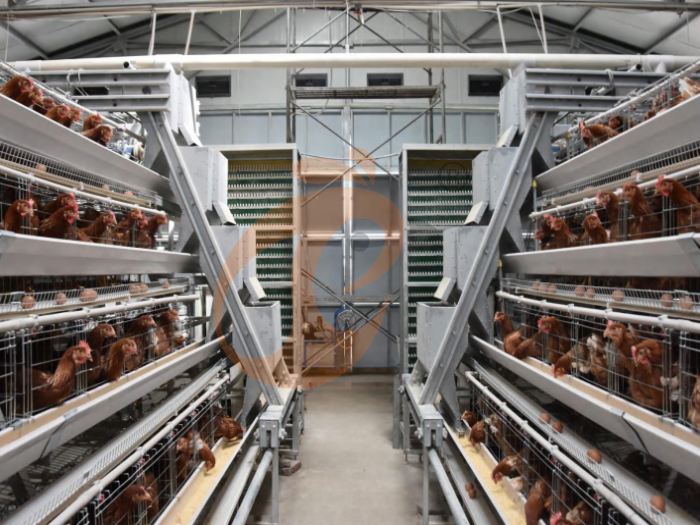
Broiler chicken cage system engineering integrates structural load design, automated feeding lines, and ventilation exchange architecture across intensive poultry production environments.
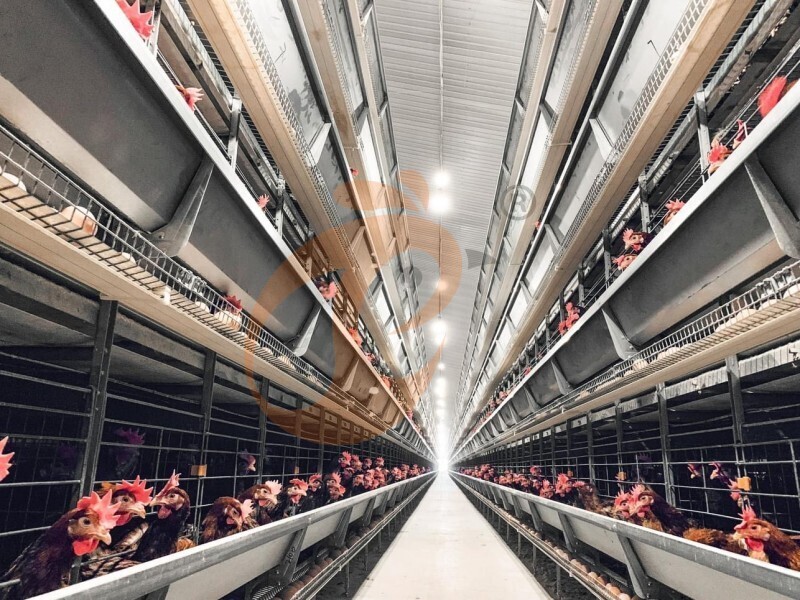
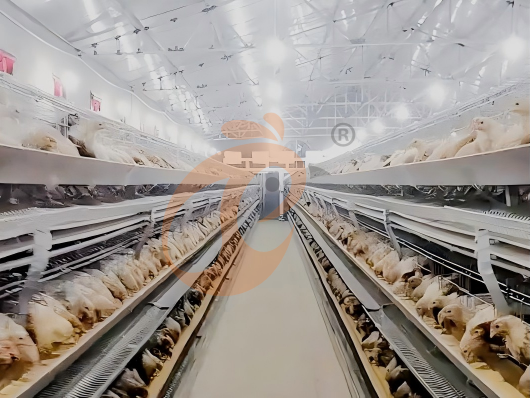
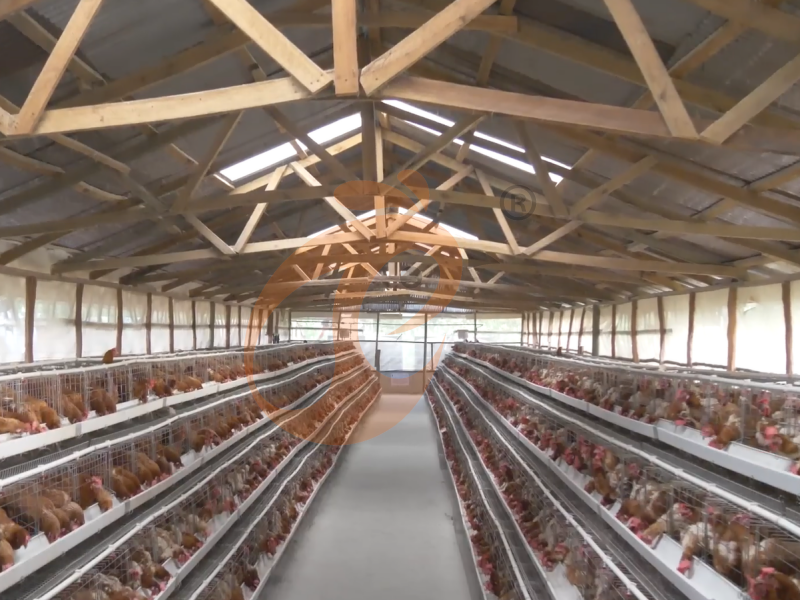
Industrial cage houses operate with multi-tier modular layouts supporting large-scale commercial broiler batches under controlled environmental systems.
Feed conversion optimization is driven by nutritional balance and environmental stability across growth phases.
Mortality control relies on automated drinking systems and biosecurity workflow integration.
Integrated cage engineering systems stabilize production cycle timing across commercial farming operations.
Get professional poultry farm construction guidance, equipment selection solutions, and the latest price lists, whatsApp to +8618830120193, +2348111199996, or click to learn more.
Cage System Engineering As The Production Core
Standardized cage architecture determines spatial efficiency, structural durability, and long-term operational consistency in intensive broiler housing systems.
Data is for reference only.Swipe horizontally to view full table.
Precise dimensional control ensures uniform load distribution and stable stacking performance across multi-tier poultry houses.
Ventilation Integration In Cage-Based Systems
Airflow management directly influences respiratory stability, heat dissipation efficiency, and ammonia dilution in dense cage environments.
Data is for reference only.Swipe horizontally to view full table.
Air exchange calibration ensures stable gas composition and reduces localized heat stress accumulation across stacked tiers.
Stocking Density Precision In Cage Layers
Stocking design directly determines behavioral stability, feed access uniformity, and skeletal load distribution per square meter.
Data is for reference only.Swipe horizontally to view full table.
Controlled spatial distribution reduces competition pressure and stabilizes flock uniformity during mid-growth stages.
Lighting System Calibration For Cage Layers
Photoperiod control regulates feeding rhythm, endocrine balance, and activity synchronization across stacked cage environments.
Data is for reference only.Swipe horizontally to view full table.
Stable lighting gradients reduce activity fluctuation and support consistent feed intake timing across production groups.
Feed Conversion Performance In Cage Systems
Nutrient utilization efficiency is determined by feed particle absorption rate, metabolic conversion stability, and digestive enzyme synchronization.
Data is for reference only.Swipe horizontally to view full table.
Optimized feed distribution systems improve nutrient uptake consistency and reduce intra-flock performance variation.
Scientific Knowledge Section: Biological Growth Mechanism In Cage Broilers
Broiler growth in cage systems is regulated by endocrine–metabolic coordination under stable microclimate conditions, where energy reallocation prioritizes muscle protein synthesis over physical activity expenditure.
Amino acid uptake efficiency reaches 81–86% intestinal absorption rate under controlled feeding rhythm
Satellite cell activation density increases to 1.6–2.1×10⁶ cells/g muscle tissue during rapid hypertrophy phase
Oxidative metabolism balance improves with 0.92–0.97 respiratory quotient stability index, indicating efficient nutrient conversion
Blood glucose fluctuation range is maintained within 4.8–6.3 mmol/L, supporting stable anabolic signaling
Mitochondrial ATP production efficiency increases to 9.5–11.0 μmol ATP/min/g tissue under reduced stress load conditions
Cage-based environmental control synchronizes metabolic pathways across flock populations, ensuring uniform growth trajectory expression and reducing physiological variability under intensive production systems.
Water Delivery System Optimization In Cage Systems
Hydration stability influences electrolyte balance, nutrient transport efficiency, and metabolic reaction consistency in high-density farming systems.
Data is for reference only.Swipe horizontally to view full table.
Stable hydration delivery reduces metabolic fluctuation and supports continuous growth performance efficiency.
Temperature Stratification In Multi-Tier Cages
Thermal uniformity across vertical layers determines metabolic balance, feed efficiency consistency, and immune stability.
Data is for reference only.Swipe horizontally to view full table.
Vertical climate stability prevents uneven growth patterns and supports uniform flock development across tiers.
Cage Hygiene And Disease Load Control
Biosecurity workflow intensity directly affects pathogen load reduction, ammonia accumulation control, and respiratory system protection.
Data is for reference only.Swipe horizontally to view full table.
Routine sanitation scheduling stabilizes microbial pressure and improves long term flock resilience under intensive production density.
Growth Performance Benchmark Of Cage Systems
Performance benchmarking reflects metabolic efficiency distribution, digestive conversion stability, and growth uniformity across production cycles.
Industrial cage farming achieves predictable production performance under controlled environmental systems.
Early growth phase efficiency protein accretion rate reaches 4.8–5.6 g/day nitrogen retention equivalent during first 10 days.
Mid-cycle development index skeletal muscle expansion rate stabilizes at 1.9–2.4% body mass increase per day in 10–28 range.
Digestive enzyme activity efficiency reaches 78–84% substrate breakdown efficiency during mid-cycle stage.
Feed energy utilization metabolizable energy conversion reaches 11.2–12.6 MJ/kg feed efficiency range.
Growth uniformity control coefficient of variation maintained within 5.5–7.0% across flock populations.
Integrated environmental regulation ensures synchronized physiological performance across commercial flocks.
Economic Output Of Cage-Based Broiler Production
Production economics is driven by output density, feed efficiency, and resource utilization across controlled housing systems.
Operational efficiency improves when environmental systems and feeding automation are synchronized.
Labor efficiency improves significantly in automated cage farming systems.
Energy consumption remains dependent on ventilation system configuration in commercial houses.
Feed cost remains the primary operational expenditure factor in broiler production systems.
Cycle turnover supports multiple production batches per year in optimized farming environments.
- Output density improves when stocking structure aligns with vertical cage utilization efficiency and uniform bird distribution
- Operational efficiency increases when feeding automation and environmental control systems run in synchronized cycles
- Labor requirement is reduced through centralized monitoring systems and automated feed and water delivery mechanisms
- Energy consumption varies according to ventilation configuration, fan load distribution, and tunnel airflow design
- Feed cost remains the dominant expenditure component in total production budgeting across commercial broiler cycles
Cycle turnover speed enables multiple production batches annually when temperature control and biosecurity cycles remain stable
Frequently Asked Questions
FAQ 1: What is the core function of a broiler chicken cage system?
A1: Broiler cage systems provide controlled space allocation, automated feeding coordination, and environmental stabilization.
This structure reduces energy waste from movement and improves feed conversion consistency under high-density production conditions.
FAQ 2: How does cage management improve growth performance?
A2: Growth improvement comes from stable temperature, optimized airflow, and precise nutrition delivery.
These conditions enhance protein synthesis efficiency and reduce metabolic stress, leading to more uniform body weight distribution across flocks.
FAQ 3: Why is environmental control important in cage farming?
A3: Environmental control stabilizes ammonia levels, humidity, and light cycles.
This reduces disease pressure, supports respiratory health, and ensures consistent physiological development across all growth stages.
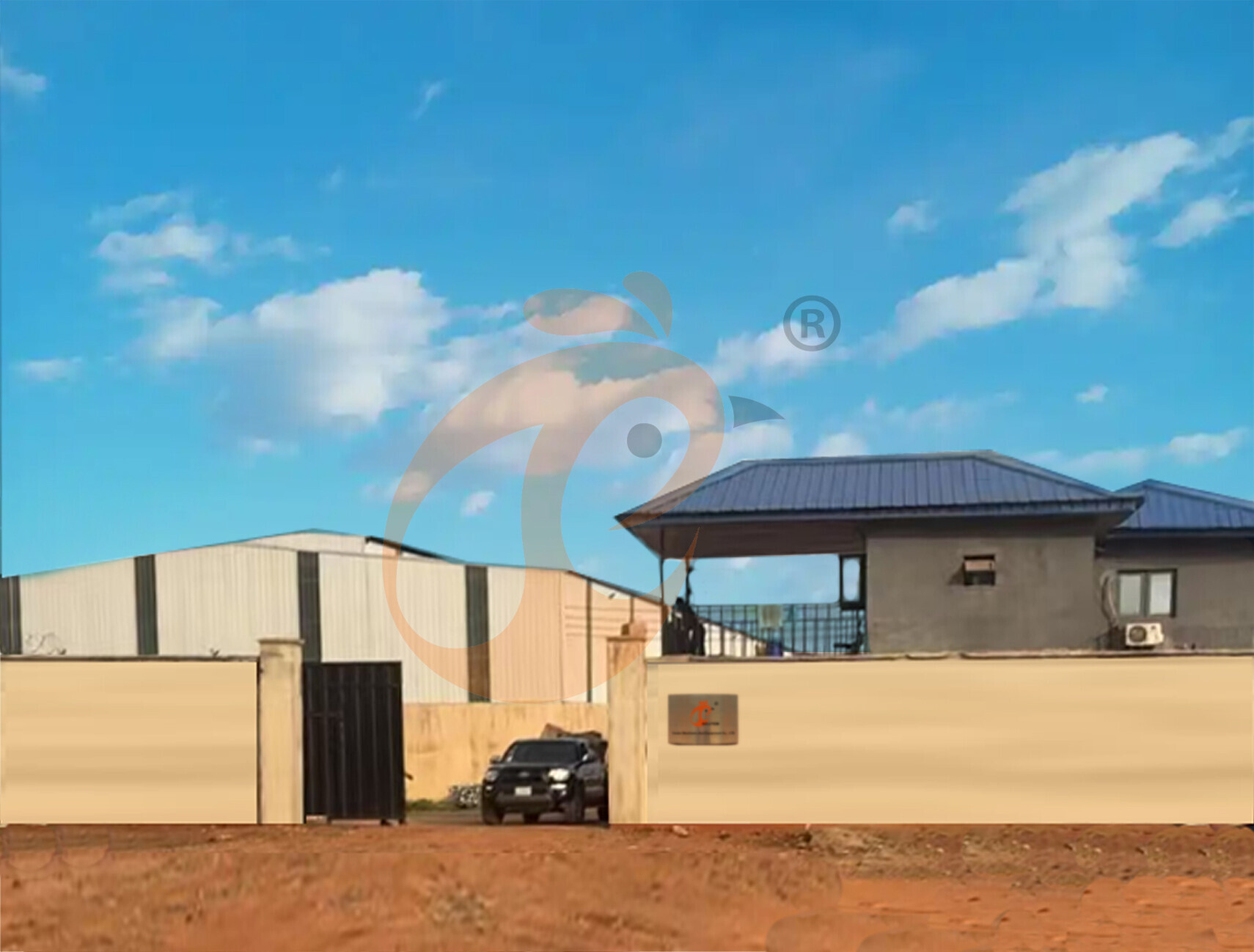
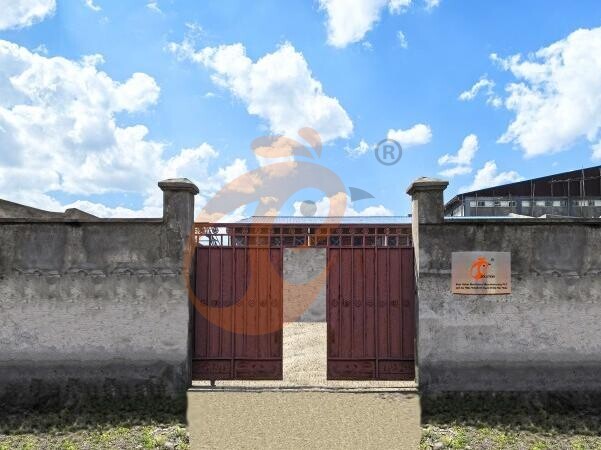
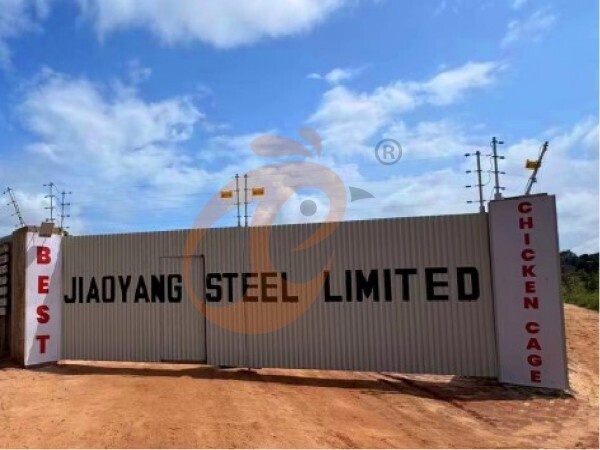
Taiyu (HK) Group - One Of China Biggest Broiler Chicken Cage System Manufacturer
Broiler chicken cage system engineered with steel structure supporting large scale poultry farming applications
Factory direct poultry cage manufacturing integrates automated feeding systems for commercial production efficiency
Global poultry equipment supplier providing ventilation engineering solutions for modern poultry houses
Turn key poultry farm engineering includes installation and system integration for commercial operations
Industrial poultry cage exporter supplying standardized housing systems for global farming projects
Contact Us To Received Your Customized Poultry Farm Plan
Headquarters And Branchs

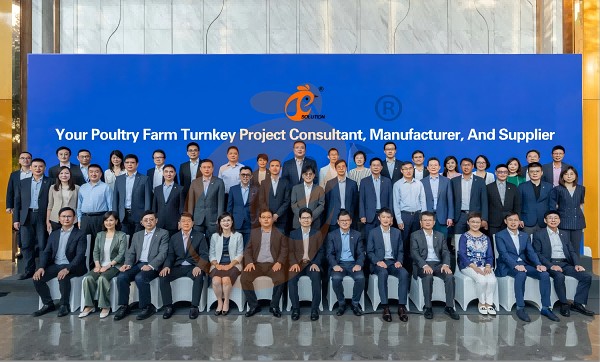
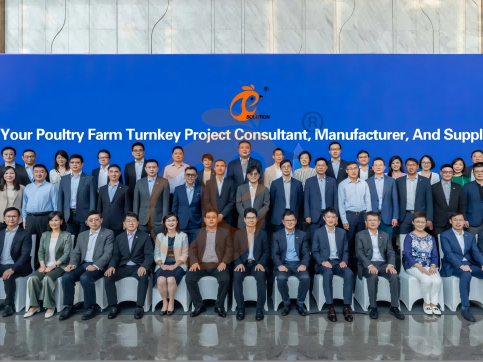
Hong Kong Headquarter Management Team
Hong Kong Headquarter Taiyu Industrial Group CO., LTD
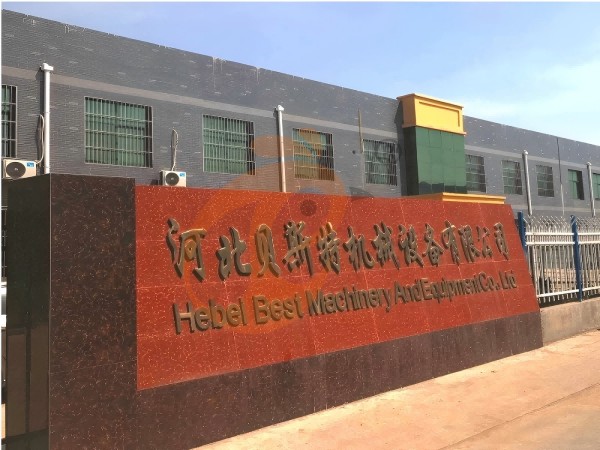
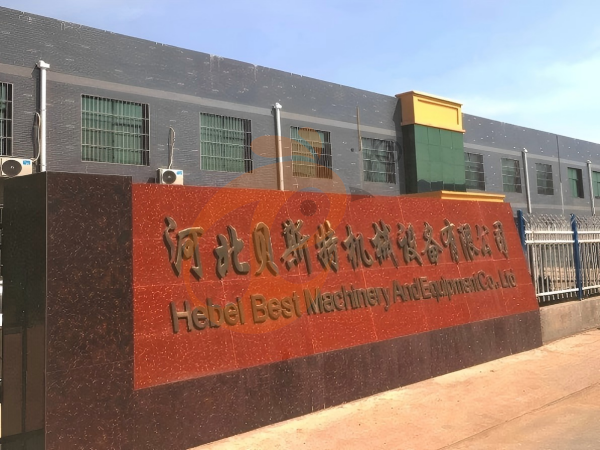
China Hebei Best Machinery And Equipment CO., LTD
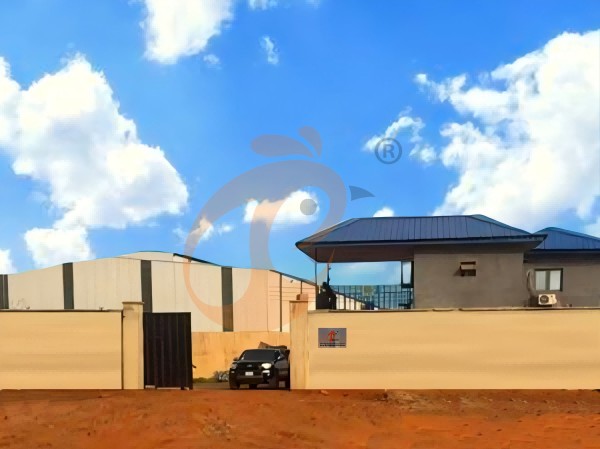
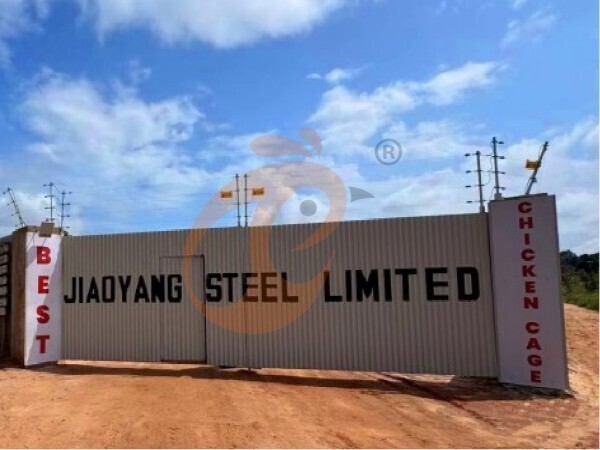
Nigeria Vanke Machinery And Equipment CO., LTD
Tanzania Best Machinery And Equipment CO., LTD
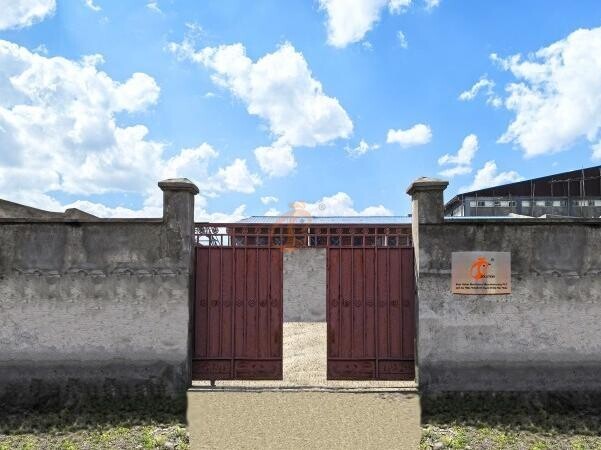
Ethiopia Best Hebei Machinery Manufacturing PLC
Reception /24 WhatsApp NO. : +8618830120193
FAQ
What Feeding System Integration Is Used In Broiler Chicken Cage Systems For Poultry Chicken Farms?
Automatic feeding lines operate at 3–6 kg per meter feed delivery capacity.
Feed distribution cycle time is controlled within 4–6 minutes per full house line.
What Environmental Control Standards Are Required For Broiler Chicken Cage Systems In Poultry Chicken Houses?
Relative humidity is maintained at 50–65% to prevent respiratory stress.
Ammonia concentration is kept below 10 ppm to ensure respiratory health stability.
What Are The Cage Layer Height And Structural Design Standards In Broiler Chicken Cage Systems For Poultry Chicken Production?
Structural load capacity per tier reaches 35–45 kg per square meter for live bird weight support.
Frame inclination angle is maintained at 6–8 degrees to facilitate manure removal efficiency.
Message
Products recommended
 HK Headquarter Offers EU-standard Poultry Farm Solutions, Manufacture Poultry Farm Equipment1. Continuous communication with the EU and the US
2. China, Nigeria, Ethiopia, Tanzania branch companies and factories
3. The products’ quality is customized for local poultry farms
4. Poultry cage and poultry farm equipment stock for sale
5. 24 online reception Whatsapp NO. : +8618830120193,contact us to get full informationRead More China Branch Offer Poultry Farm Business Plan, Manufacture Poultry Farm Equipment1. Address: Flat/RM 2416, 24/F, Runxing Building, Youyi Nan Street, Shijiazhuang City, Hebei Province, China
2. Poultry cage and poultry farm equipment factory and stock for sale
3. Customized for local poultry farms
4. Quality and design are based on Euro
5. 24 online reception Whatsapp NO. : +8618830120193Read More Nigeria Branch Offer Poultry Farm Business Plan, Manufacture Poultry Farm Equipment1. Address: After Sinoma Office, 200 Meters Near Danco Filling Station, Lagos/Ibadan Expressway, Lagos State, Nigeria
2. Poultry cage and poultry farm equipment factory and stock for sale
3. Customized for Nigerian poultry farms
4. Quality and design are based on Euro
5. 24 online reception Whatsapp NO. : +8618830120193Read More Ethiopia Branch Offer Poultry Farm Business Plan, Manufacture Poultry Farm Equipment1. Address: Gelan Gura, Akaki-kaliti Sub City, Addis Ababa, Ethiopia
2. Poultry cage and poultry farm equipment stock for sale
3. Customized for Ethiopian poultry farms
4. Quality and design are based on Euro
5. 24 online reception Whatsapp NO. : +8618830120193, contact us to get price listRead More Tanzania Branch Offer Poultry Farm Business Plan, Manufacture Poultry Farm Equipment1. Address: No.8, Sova Road, Msufini, Mlandizi, Kibaha, Pwani, Tanzania
2. Poultry cage and poultry farm equipment factory and stock for sale
3. Customized for Tanzanian poultry farms
4. Quality and design are based on Euro
5. 24 online reception Whatsapp NO. : +8618830120193Read More Fully Automatic H Type Layer Chicken Cage1. 30,000-100,000+ layers/house chooses it, Poultry farmers can achieve an egg production rate of 96-98%
2. A significant improvement over the 85-90% typically seen in manual systems
3. A typical poultry farm can expect a 30-40% reduction in labor costs due to the automation
4. Each feeding line efficiently supplies feed to around 100,000 hens per 30 mins
5. Reception /WhatsApp NO. : +8618830120193Read More Fully Automatic A Type Layer Chicken Cage1. 10,000-50,000 layers/house chooses it
2. Cleaner egg collection reduces breakage by 0.5%
3. Improved hygiene helps reduce mortality rate to <3%
4. 1–2 technicians can handle 15,000–30,000 birds
5. Reception /WhatsApp NO. : +8618830120193Read More Semi Automatic H Type Layer Chicken Cage1. 1,00-20,000 layers/house chooses it
2. Nipple drinkers flow 30–60 ML / min
3. Hot-dip galvanized (typical coating ≥ 275 g/m²)
4. Reduce ammonia by ~ 35–40%
5. Reception /WhatsApp NO. : +8618830120193Read More Semi Automatic A Type Layer Chicken Cage1. 1,00-20,000 layers/house chooses it, no rust for 10 years, no deformation for 15 years
2. Chickens live comfortably, you can raise them with peace of mind
3. Save water, save money—efficiency you can measure
4. Improve environment quality, and increase egg production rate
5. Reception /WhatsApp NO. : +8618830120193Read More
By clicking 'Allow All', you agree to the storage of cookies on your device to enhance site navigation, analyze site usage and assist with our marketing efforts.