






Blog
Single pellet machine planning combines throughput, automation, feed quality, and chicken-house integration for efficient daily production targets across farms requirements.
Double pellet machine configurations distribute workload, strengthen scheduling flexibility, and support commercial farms processing substantial feed volumes with greater consistency.
Poultry feed pellet machine selection connects grinding, mixing, conditioning, cooling, storage, conveying, and automatic feeding into one coordinated production system.
Technical parameters cover capacity, motors, controls, storage, conveying, operating schedules, and expansion allowances without relying on vague performance claims today.
- Farm-focused engineering aligns equipment investment with flock demand, house numbers, future expansion, and complete poultry equipment project requirements for growth.
Get professional poultry farm construction guidance, equipment selection solutions, and the latest price lists, whatsApp to +8618830120193, +2348111199996, or click to learn more.
Technical Comparison Of Single And Double Configurations
Data is for reference only.Swipe horizontally to view full table.
A double pellet machine arrangement creates parallel processing routes for commercial poultry projects requiring larger feed volumes.
A single-machine layout can remain attractive where production demand is controlled and installation space measures approximately 120 square meters.
Follow The Feed From Raw Material To Chicken House
Raw Material
↓
Grinding
↓
Batching
↓
Mixing
↓
Conditioning
↓
Pelletizing
↓
Cooling
↓
Screening
↓
Storage
↓
Automatic Feeding
A poultry feed pellet machine performs best when material flow remains balanced across every processing stage.
For example, a conveying route of 18 meters should be engineered with suitable transfer equipment, access points, and control logic.
Our chicken-house equipment planning therefore treats feed production as part of a complete farm production chain rather than an isolated machinery purchase.
Production Capacity And Operating Arrangement
Data is for reference only.Swipe horizontally to view full table.
A single pellet machine can satisfy a 32-ton daily requirement when production scheduling and downstream handling are properly matched.
A double pellet machine configuration can distribute production across separate processing periods, allowing a commercial farm to coordinate feed manufacturing with house-level feeding schedules.
Theoretical capacity should never be treated as guaranteed output because formulation, raw-material properties, conditioning, cooling, and operating efficiency influence actual production.
The Real Advantage Of Two Machines
One Production Requirement
A commercial farm may require approximately 42 tons of feed each day.
One Scheduling Challenge
Operating a single pelletizer for extended periods can compress maintenance and feeding schedules.
Two-Machine Solution
Parallel equipment allows production allocation between two processing routes.
Commercial Result
Feed manufacturing can be organized around planned production windows instead of one continuous equipment dependency.
A double pellet machine configuration also provides greater operational flexibility when one unit enters scheduled inspection.
For example, a 90-minute maintenance period on one pelletizer can be incorporated into a planned production sequence while the second processing route remains available.
Motor And Energy Configuration
Data is for reference only.Swipe horizontally to view full table.
Electrical planning for a poultry feed pellet machine should include motor grouping, protection, cable sizing, control cabinets, and plant-level distribution.
For example, a project with approximately 220 kw connected pelletizing drives requires electrical architecture capable of coordinating multiple motor-starting and protection circuits.
A centralized control strategy can connect feed production with automatic feeding equipment and chicken-house environmental systems.
Matching Pelletizing With Supporting Equipment
Data is for reference only.Swipe horizontally to view full table.
A poultry feed pellet machine should receive material from upstream equipment without creating a processing bottleneck.
For instance, a grinding section operating at 10 t/h should be evaluated against the actual formulation and pelletizing requirement before final equipment selection.
Our integrated poultry equipment engineering connects feed processing with storage, conveying, automatic feeding, and chicken-house infrastructure.
Design Around Your Chicken Houses
Farm Layout
Positioning feed storage near the central production route can shorten conveying distances and simplify maintenance access.
House Distribution
Automatic feeding lines can distribute finished feed across multiple poultry houses according to planned feeding requirements.
Environmental Integration
Ventilation, cooling, drinking, and manure-removal systems can operate within the same overall chicken-house equipment design.
Expansion Planning
Reserved installation areas can simplify future equipment additions without reconstructing the complete feed-production route.
For a project containing 10 chicken houses, a double pellet machine system can be evaluated alongside centralized feed storage and automatic feeding distribution.
A feed transfer distance of approximately 120 meters also requires suitable conveying design, support structures, inspection points, and control coordination.
Automation Parameters For A Modern Feed System
Data is for reference only.Swipe horizontally to view full table.
A modern poultry feed pellet machine benefits from centralized monitoring because operators can observe process status without repeatedly visiting individual equipment stations.
A 10.1-inch operator interface can provide a practical visual control point for production sequencing, alarm monitoring, and equipment status.
Automation becomes particularly valuable when feed production connects with multiple chicken houses and automatic feeding lines.
Which Configuration Fits Different Farm Plans?
Data is for reference only.Swipe horizontally to view full table.
Farm selection should combine the single pellet machine or double configuration with actual flock development plans.
A commercial poultry complex covering 15 houses may require different engineering logic from a four-house starter project, even when both use similar feed formulas.
Future expansion also influences electrical capacity, silo placement, conveyor routing, and control-system architecture.
Faster Production Or Smarter Production?
Data is for reference only.Swipe horizontally to view full table.
A single pellet machine remains commercially suitable when daily feed requirements fit the planned operating schedule and downstream equipment.
A double pellet machine becomes a strategic option when production volume, maintenance scheduling, and farm expansion require parallel processing capability.
For example, an 80-ton daily target can be evaluated against two 5 t/h pelletizing units operating within a coordinated feed-processing system.
Equipment selection should therefore focus on usable production flow rather than machine quantity alone.
Frequently Asked Questions
Q1: Can a single pellet machine support a commercial poultry farm?
A1: Yes.
A properly sized single pellet machine can support commercial production when daily demand, operating hours, storage, and downstream conveying are balanced.
A 24-ton daily requirement can be planned around a suitable 4 t/h processing route.
Q2: When should a farm consider a double pellet machine?
A2: A double pellet machine becomes appropriate when production demand requires parallel processing, additional scheduling flexibility, or planned expansion capacity.
A system targeting approximately 80 tons per day may be evaluated around two 5 t/h pelletizers.
Q3: Does pellet machine capacity determine complete feed-line performance?
A3: No.
Grinding, mixing, conditioning, cooling, screening, storage, conveying, electrical control, and automatic feeding must all be coordinated with pelletizing capacity.
A complete poultry equipment project should therefore be engineered as one connected material and control flow.
Taiyu (HK) Group - One Of China's Largest Pellet Machine Manufacturer
- Pellet machine industrial pelletizing equipment engineered for controlled feed processing, integrated material flow, configurable automation, and commercial poultry production requirements.
- Global factory direct sales direct factory coordination supports equipment specification, technical documentation, production scheduling, installation guidance, and international project communication.
- Poultry equipment complete poultry equipment packages connect feeding, drinking, ventilation, cooling, manure removal, environmental control, feed storage, and house infrastructure.
- Turn-key engineering project delivery can integrate feed processing, pelletizing, storage, conveying, automatic feeding, chicken-house equipment, electrical control, and commissioning requirements.
- International project support engineering teams coordinate equipment parameters, layout requirements, production targets, container planning, installation documentation, and project-specific technical communication.
Contact Us To Received Your Customized Poultry Farm Plan
Headquarters And Branchs
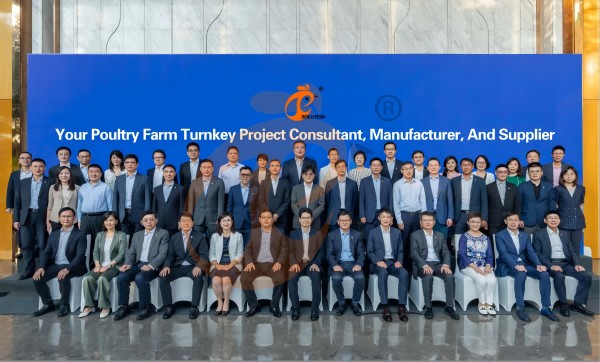
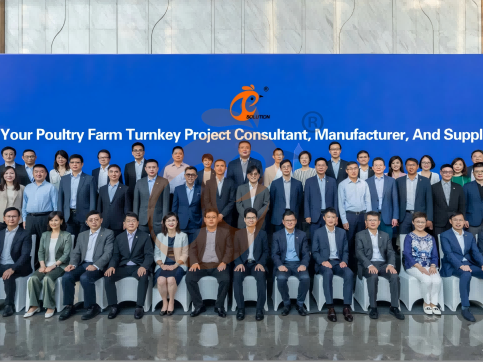
Hong Kong Headquarter Management Team
Hong Kong Headquarter Taiyu Industrial Group CO., LTD
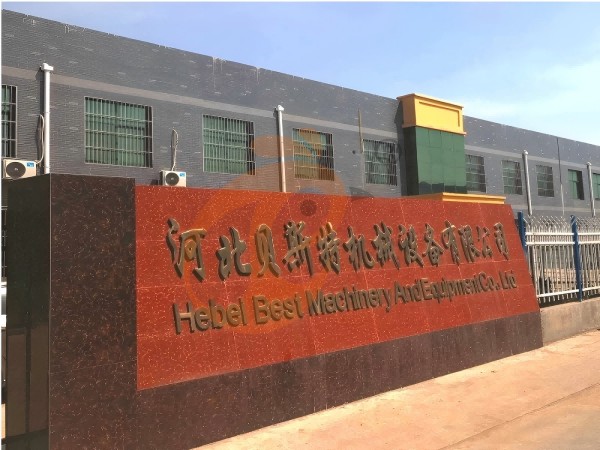
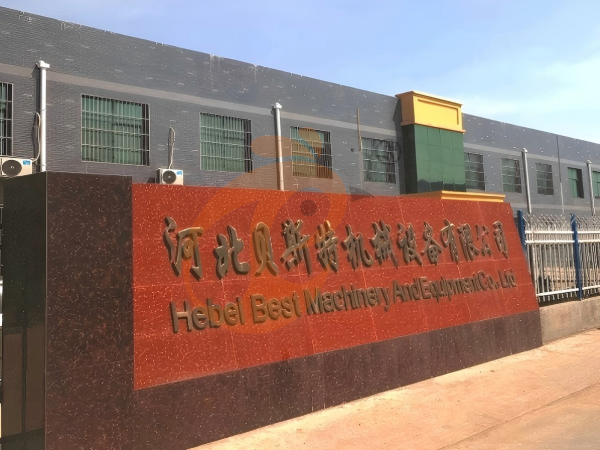
China Hebei Best Machinery And Equipment CO., LTD
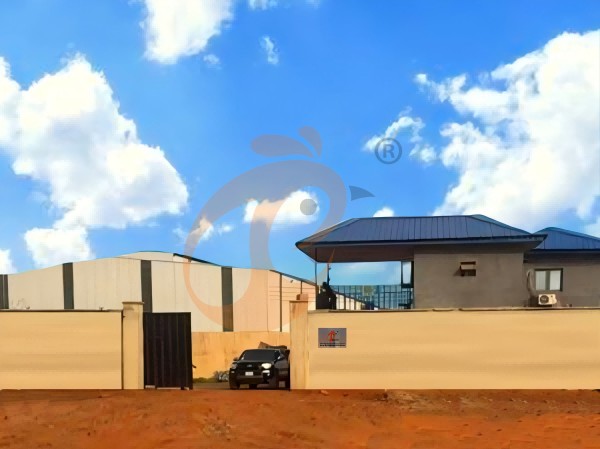
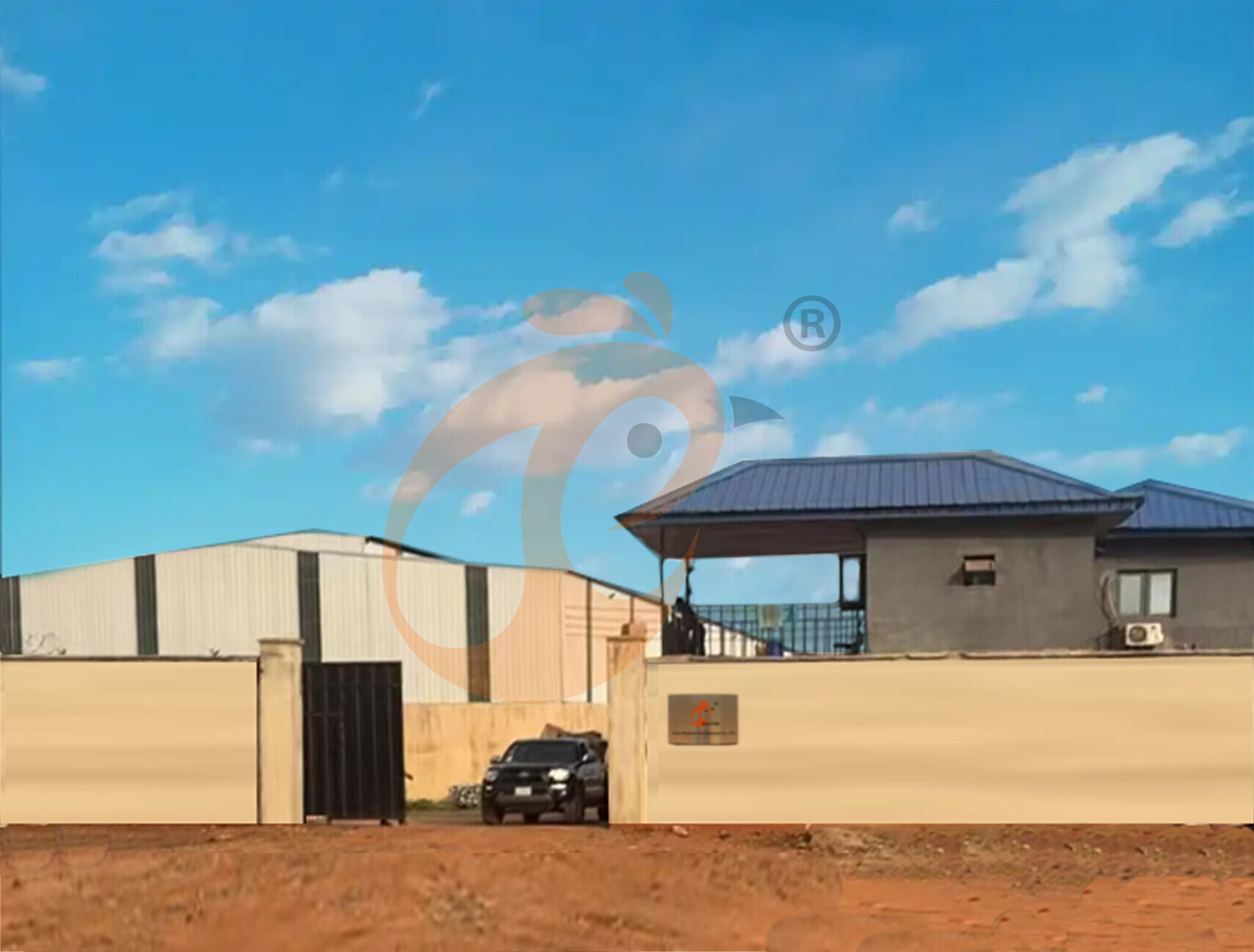
Nigeria Vanke Machinery And Equipment CO., LTD
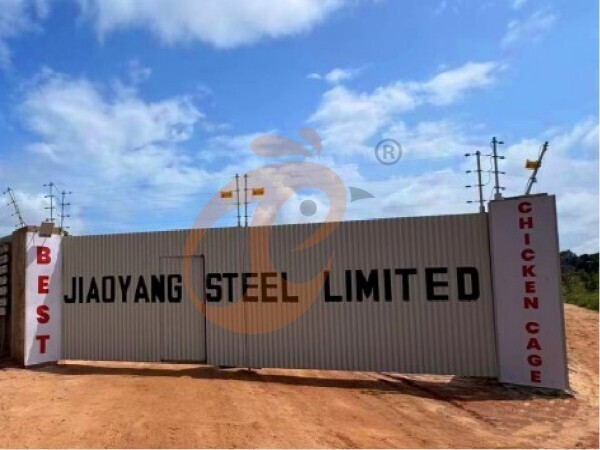
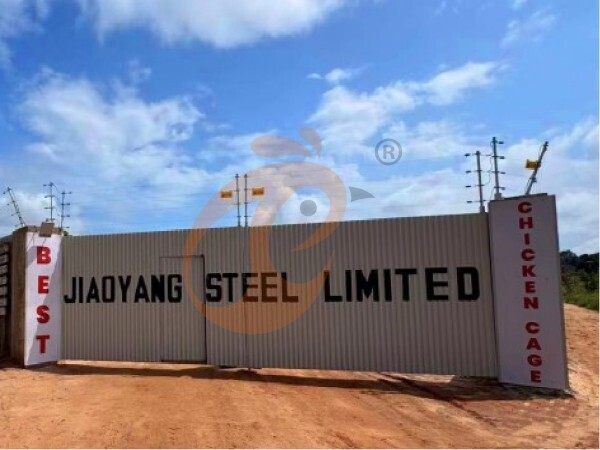
Tanzania Best Machinery And Equipment CO., LTD
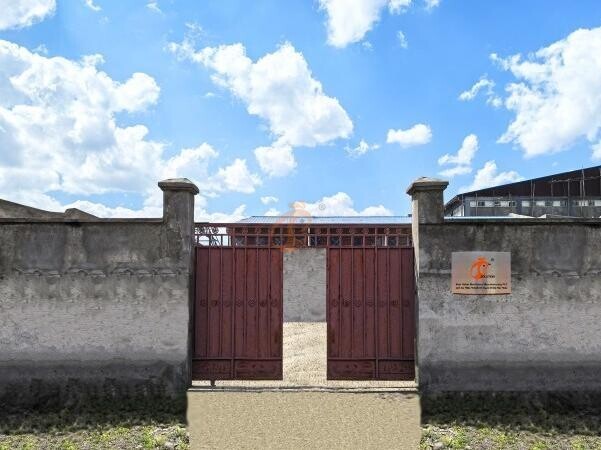
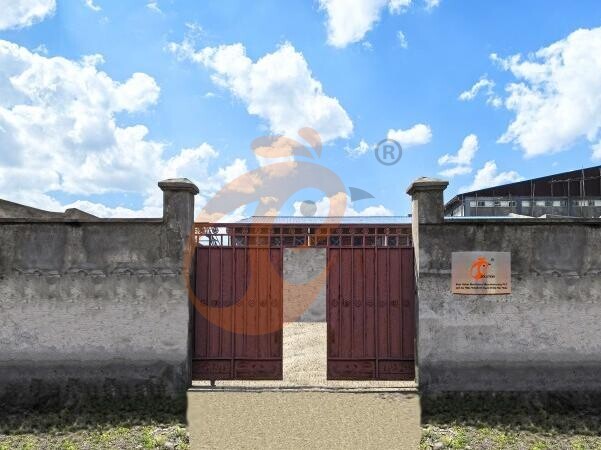
Ethiopia Best Hebei Machinery Manufacturing PLC
Reception /24 WhatsApp NO. : +8618830120193
FAQ
What Pellet Quality Indicators Are Required From Pellet Machine In Poultry Chicken Feed Manufacturing?
Hardness level is controlled at 3–5 kg/cm² for optimal bird consumption efficiency.
Fines content is kept below 8% to ensure uniform feed intake performance.
What Die Specification Standards Are Used In Pellet Machine For Poultry Chicken Feed Production?
Compression ratio ranges from 1:6 to 1:8 to ensure proper pellet density structure.
Die material hardness reaches HRC 50–55 for extended wear resistance under continuous operation.
What Roller System Parameters Are Required In Pellet Machine For Poultry Chicken Feed Processing?
Roller gap is adjusted between 0.1–0.3 mm to control pellet density formation.
Roller lifespan typically reaches 600–900 operating hours under standard feed production conditions.
Message
Products recommended
 HK Headquarter Offers EU-standard Poultry Farm Solutions, Manufacture Poultry Farm Equipment1. Continuous communication with the EU and the US
2. China, Nigeria, Ethiopia, Tanzania branch companies and factories
3. The products’ quality is customized for local poultry farms
4. Poultry cage and poultry farm equipment stock for sale
5. 24 online reception Whatsapp NO. : +8618830120193,contact us to get full informationRead More China Branch Offer Poultry Farm Business Plan, Manufacture Poultry Farm Equipment1. Address: Flat/RM 2416, 24/F, Runxing Building, Youyi Nan Street, Shijiazhuang City, Hebei Province, China
2. Poultry cage and poultry farm equipment factory and stock for sale
3. Customized for local poultry farms
4. Quality and design are based on Euro
5. 24 online reception Whatsapp NO. : +8618830120193Read More Nigeria Branch Offer Poultry Farm Business Plan, Manufacture Poultry Farm Equipment1. Address: After Sinoma Office, 200 Meters Near Danco Filling Station, Lagos/Ibadan Expressway, Lagos State, Nigeria
2. Poultry cage and poultry farm equipment factory and stock for sale
3. Customized for Nigerian poultry farms
4. Quality and design are based on Euro
5. 24 online reception Whatsapp NO. : +8618830120193Read More Ethiopia Branch Offer Poultry Farm Business Plan, Manufacture Poultry Farm Equipment1. Address: Gelan Gura, Akaki-kaliti Sub City, Addis Ababa, Ethiopia
2. Poultry cage and poultry farm equipment stock for sale
3. Customized for Ethiopian poultry farms
4. Quality and design are based on Euro
5. 24 online reception Whatsapp NO. : +8618830120193, contact us to get price listRead More Tanzania Branch Offer Poultry Farm Business Plan, Manufacture Poultry Farm Equipment1. Address: No.8, Sova Road, Msufini, Mlandizi, Kibaha, Pwani, Tanzania
2. Poultry cage and poultry farm equipment factory and stock for sale
3. Customized for Tanzanian poultry farms
4. Quality and design are based on Euro
5. 24 online reception Whatsapp NO. : +8618830120193Read More Fully Automatic H Type Layer Chicken Cage1. 30,000-100,000+ layers/house chooses it, Poultry farmers can achieve an egg production rate of 96-98%
2. A significant improvement over the 85-90% typically seen in manual systems
3. A typical poultry farm can expect a 30-40% reduction in labor costs due to the automation
4. Each feeding line efficiently supplies feed to around 100,000 hens per 30 mins
5. Reception /WhatsApp NO. : +8618830120193Read More Fully Automatic A Type Layer Chicken Cage1. 10,000-50,000 layers/house chooses it
2. Cleaner egg collection reduces breakage by 0.5%
3. Improved hygiene helps reduce mortality rate to <3%
4. 1–2 technicians can handle 15,000–30,000 birds
5. Reception /WhatsApp NO. : +8618830120193Read More Semi Automatic H Type Layer Chicken Cage1. 1,00-20,000 layers/house chooses it
2. Nipple drinkers flow 30–60 ML / min
3. Hot-dip galvanized (typical coating ≥ 275 g/m²)
4. Reduce ammonia by ~ 35–40%
5. Reception /WhatsApp NO. : +8618830120193Read More Semi Automatic A Type Layer Chicken Cage1. 1,00-20,000 layers/house chooses it, no rust for 10 years, no deformation for 15 years
2. Chickens live comfortably, you can raise them with peace of mind
3. Save water, save money—efficiency you can measure
4. Improve environment quality, and increase egg production rate
5. Reception /WhatsApp NO. : +8618830120193Read More
By clicking 'Allow All', you agree to the storage of cookies on your device to enhance site navigation, analyze site usage and assist with our marketing efforts.