






Blog
Turnkey feed mill solutions connect poultry production from raw materials through automated feeding, combining process integration with dependable chicken house equipment.
Feed processing, storage, conveying, and environmental systems work as coordinated units, supporting operations across commercial broiler and layer projects.
Automated chicken house equipment reduces repetitive handling while improving feeding, drinking, ventilation, cooling, heating, and environmental management.
Customized layouts match farm structures, expansion plans, workflow requirements, and maintenance priorities, creating scalable systems with clear coordination.
Project support, engineering documentation, commissioning guidance, and integrated poultry equipment supply create a path toward efficient, controlled, sustainable farm development.
Get professional poultry farm construction guidance, equipment selection solutions, and the latest price lists, whatsApp to +8618830120193, +2348111199996, or click to learn more.
From Feed Production To Farm Performance
Modern poultry farms require more than standalone machines.
They need a coordinated production system connecting raw-material handling, feed processing, storage, conveying, automatic feeding, and chicken house management.
Our feed mill equipment solutions are engineered to connect these stages into one practical workflow.
A properly configured poultry project can combine a 15–30 t/h feed processing capacity with automated chicken house systems, creating a continuous material flow from feed preparation to bird consumption.
By working with one equipment supplier, customers can simplify engineering communication, equipment matching, installation coordination, and technical support.
Data is for reference only.Swipe horizontally to view full table.
One Supplier, One Integrated Solution
A complete poultry project works best when every subsystem is designed around the same production target.
Raw materials → Batching → Crushing → Mixing → Storage → Conveying → Automatic feeding → Chicken house
This structure reduces unnecessary transfer points and helps coordinate equipment dimensions, electrical requirements, and operating sequences.
Our engineering process considers house layout, flock capacity, feed demand, local climate, available labor, and expansion plans.
A broiler project may require a different configuration from a layer operation, while a multi-house farm needs different conveying arrangements from a single-house facility.
The objective is not to install the maximum amount of machinery.
The objective is to build a system in which each component performs a defined production function.
Core Feed Mill Equipment
Data is for reference only.Swipe horizontally to view full table.
Our poultry feed mill equipment can be selected according to the required formula, throughput, raw-material characteristics, and site configuration.
The hammer mill provides controlled particle reduction, while the mixer combines ingredients into a uniform formulation.
A properly engineered material path can also reduce unnecessary handling between processing stages.
For farms handling multiple formulas each day, batching accuracy and equipment sequencing are especially important for maintaining consistent feed production.
Why Chicken House Equipment Matters
Feed production and poultry housing should be considered as one operational system.
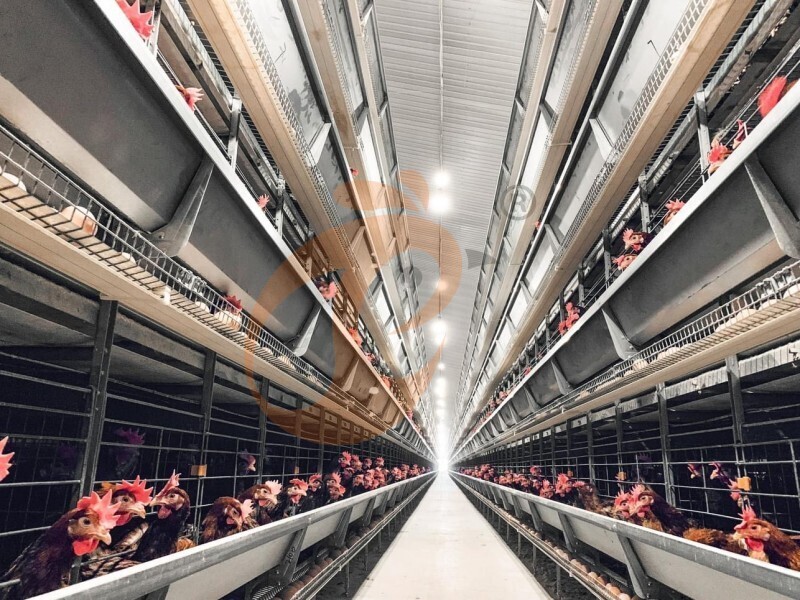
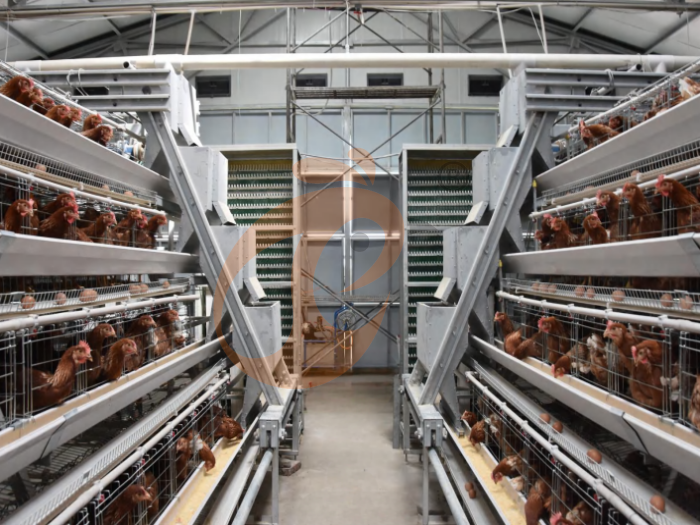
Our chicken house equipment portfolio includes automatic pan feeding systems, nipple drinking lines, ventilation fans, cooling pads, environmental controllers, heating equipment, lighting systems, and manure-management solutions.
The feeding system can be configured with 40–60 birds per pan, while the drinking system can be arranged according to flock type and house design.
These configurations help provide birds with regular access to feed and water while reducing repetitive manual work.
Ventilation and environmental control are equally important.
Automated controllers can coordinate fans, air inlets, cooling, heating, and alarms according to sensor feedback, allowing managers to maintain a more consistent house environment.
Data is for reference only.Swipe horizontally to view full table.
The Cost-Saving Logic
These objectives shape our turnkey approach.
Automatic feeding reduces manual distribution work, while centralized control allows operators to manage multiple routine functions from one interface.
Accurate material handling also helps prevent unnecessary feed movement and handling losses.
A complete system should be evaluated by its operating economics rather than purchase price alone.
For example, a farm operating 20 hours per day can benefit substantially from equipment designed for continuous automated operation.
The value comes from the combined effect of labor reduction, stable production, easier management, and reduced operational interruptions.
Data is for reference only.Swipe horizontally to view full table.
Automation Creates A Better Workflow
Traditional operations often depend on repeated manual activities:
Receive feed → Move materials → Measure → Mix → Transport → Distribute → Inspect
An integrated system changes the workflow:
Receive → Batch → Process → Store → Convey → Feed → Monitor
This structure allows routine operations to become more predictable.
A centralized plc system can coordinate multiple production stages, while operators can monitor equipment status through an industrial control interface.
Our automation solutions can support up to 32 monitored process points within a configured control architecture, providing operators with a clearer overview of production activity without requiring constant physical inspection.
Data is for reference only.Swipe horizontally to view full table.
Complete Chicken House Configuration
Each subsystem has a specific role in flock management.
Automatic pan feeders distribute feed along the house, nipple lines provide controlled water delivery, and ventilation equipment manages air exchange.
Environmental controllers integrate sensor signals with operating equipment.
A system configured with temperature sensors at multiple house zones can respond to spatial differences instead of relying on one measurement point.
The result is a chicken house designed for repeatable management rather than constant manual adjustment.
Installation Without The Complexity
A turnkey project should continue beyond equipment manufacturing.
Farm Consultation
Layout & capacity design
Equipment manufacturing
Delivery coordination
Installation guidance
Commissioning
Technical support
Before production, our team can prepare equipment layouts, connection information, installation drawings, and system configurations according to the project.
For international poultry farms, standardized documentation is particularly valuable.
Equipment identification, cable references, installation dimensions, and operating instructions help local installation teams understand the system and reduce communication problems during commissioning.
Data is for reference only.Swipe horizontally to view full table.
Turnkey Equipment, Practical Results
Choosing poultry equipment is ultimately a production decision.
A successful turnkey feed mill solution connects feed processing, storage, conveying, automatic feeding, and chicken house management into one coordinated operation.
Instead of purchasing unrelated machines, poultry producers receive an engineered system designed around actual farm requirements.
Our equipment solutions focus on practical production needs: reliable feed handling, automated chicken feeding, controlled water supply, ventilation management, environmental monitoring, and scalable farm infrastructure.
For poultry producers planning a new project or upgrading an existing farm, integrated equipment can transform fragmented daily tasks into a coordinated production workflow.
One project. one integrated solution. one reliable poultry equipment partner.
Frequently Asked Questions
Q1: What does a turnkey feed mill solution include?
A1: A turnkey solution can integrate feed processing, batching, mixing, storage, conveying, control, and automatic feeding according to project requirements.
A complete configuration may coordinate several production stages through one control architecture.
Q2: How does chicken house equipment support farm efficiency?
A2: Automatic feeding, drinking, ventilation, cooling, heating, and environmental control reduce repetitive operations and improve process coordination.
For example, automated feeding can operate across multiple house zones without requiring manual feed distribution at every cycle.
Q3: Can feed mill equipment be expanded after installation?
A3: Yes.
Modular feed processing, storage, conveying, and control arrangements can reserve connection points and physical space for future capacity increases.
Expansion planning should be incorporated during the initial engineering stage to avoid unnecessary reconstruction.
Taiyu (HK) Group - One Of China Toppest Turnkey Feed Mill Solutions Manufacturer
- Turnkey feed mill solutions integrated engineering covers feed processing, batching, mixing, storage, conveying, automatic feeding, and control, with equipment configurations aligned to project capacity and poultry production requirements.
- Global factory direct sales direct manufacturing coordination supports equipment customization, production scheduling, technical documentation, international delivery, and project communication from one engineering source.
- Poultry equipment complete poultry equipment packages can combine feed mill systems with automatic feeding, drinking, ventilation, cooling, heating, environmental control, and related chicken house infrastructure.
- Turn-key engineering project execution follows a structured sequence covering site assessment, system design, equipment production, layout coordination, installation guidance, commissioning, and technical support.
- International project supply global farm projects receive coordinated equipment specifications, installation documentation, component identification, and technical assistance for commercial poultry production requirements.
Contact Us To Received Your Customized Poultry Farm Plan
Headquarters And Branchs
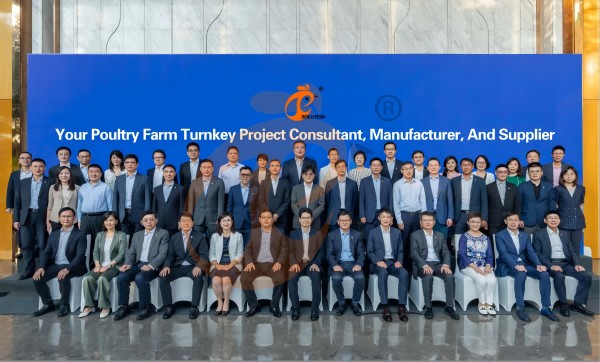
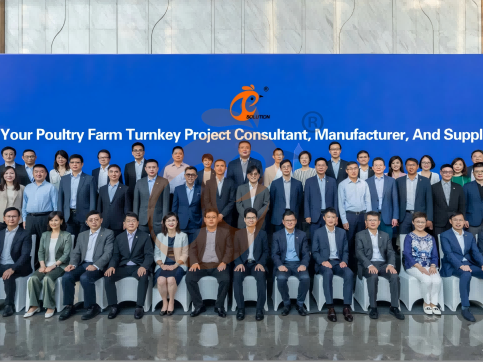
Hong Kong Headquarter Management Team
Hong Kong Headquarter Taiyu Industrial Group CO., LTD
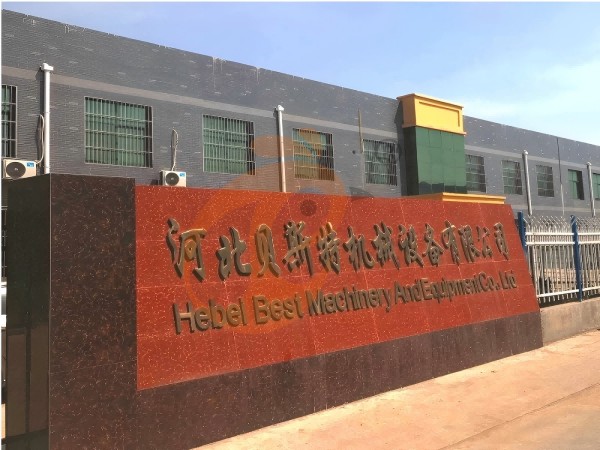
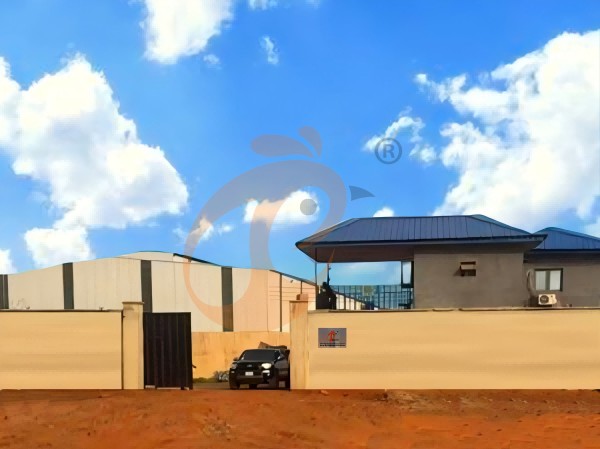
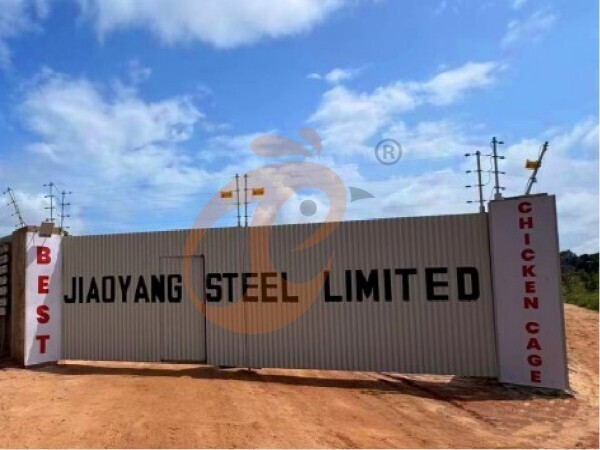
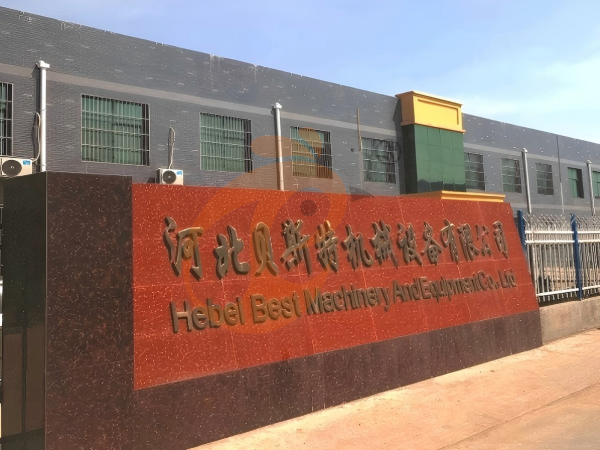
China Hebei Best Machinery And Equipment CO., LTD
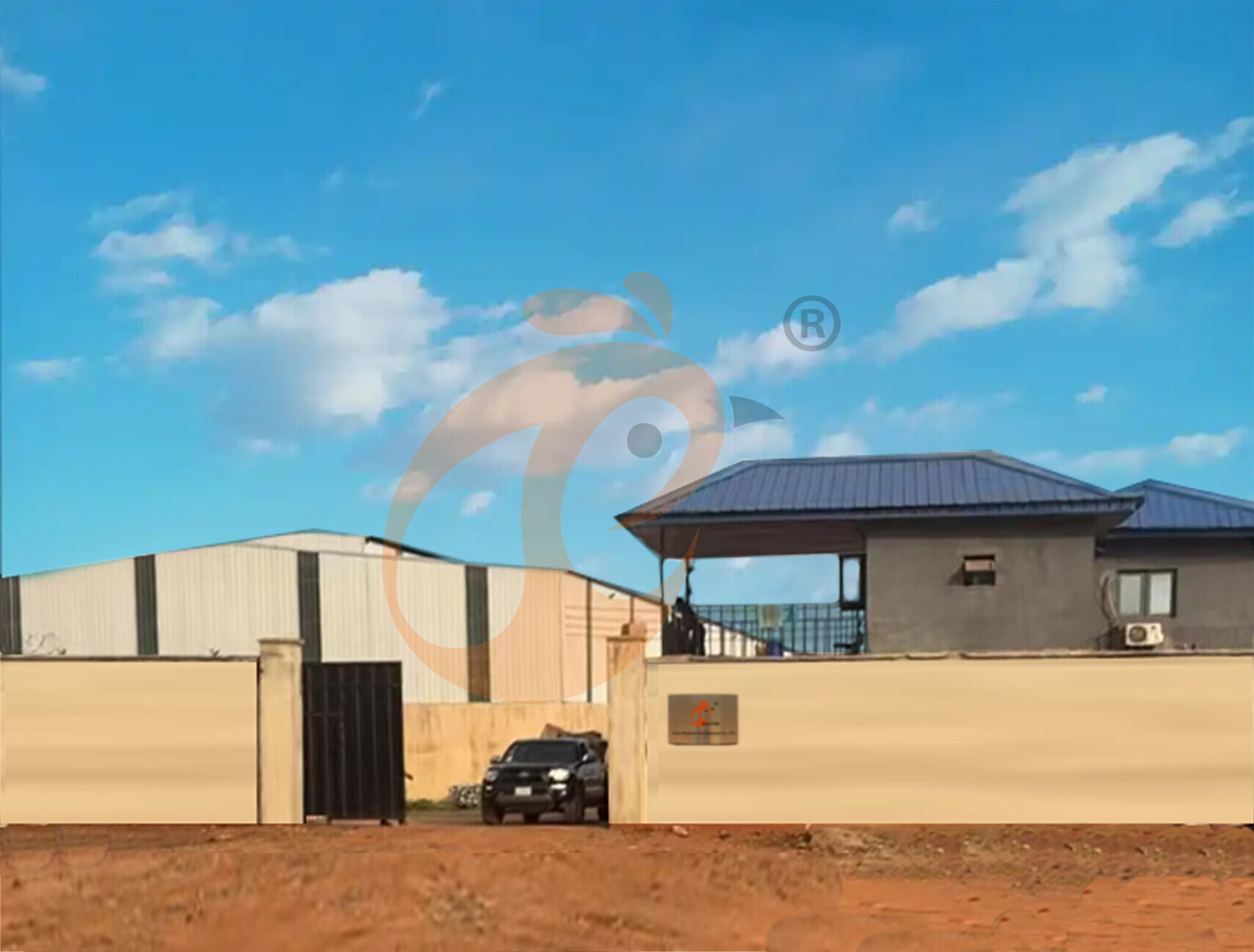
Nigeria Vanke Machinery And Equipment CO., LTD
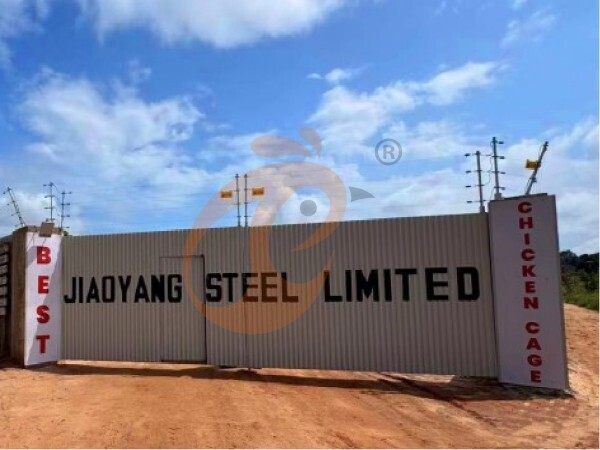
Tanzania Best Machinery And Equipment CO., LTD
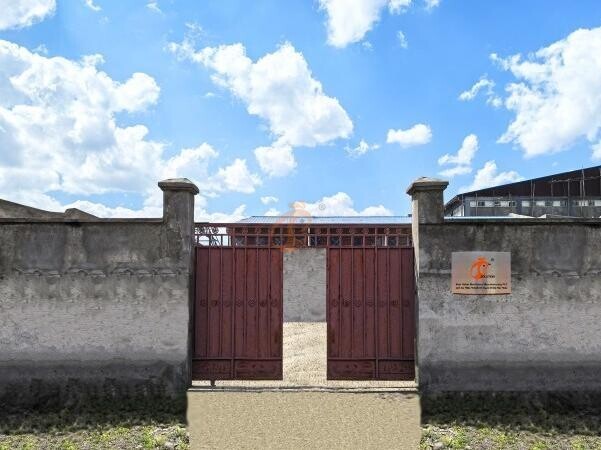
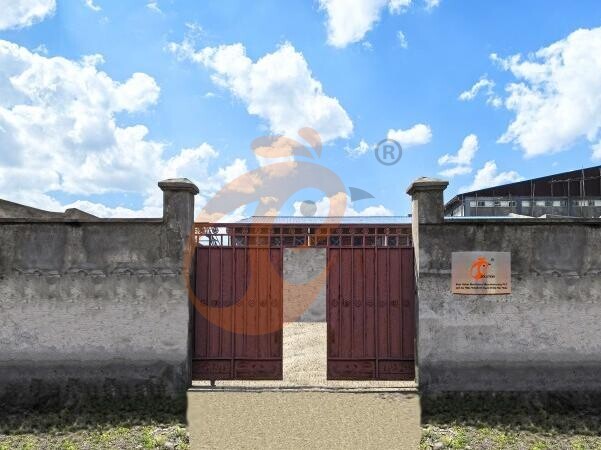
Ethiopia Best Hebei Machinery Manufacturing PLC
Reception /24 WhatsApp NO. : +8618830120193
FAQ
What Are The Main Equipment Components In Feed Mill And Feed Mixer Systems For Poultry Chicken Production?
Hammer mill units operate with rotor speeds of 2800–3600 rpm for efficient grain size reduction.
Twin-shaft mixers achieve batch capacities of 500–2000 kg per cycle for uniform poultry feed blending.
What Dust Control Requirements Are Needed In Feed Mill Operations For Poultry Chicken Farms?
Cyclone separators remove 85%–92% of airborne particles during grinding and conveying processes.
Negative pressure systems maintain airflow velocity between 0.8–1.2 m/s to prevent dust leakage.
What Temperature Parameters Are Used In Feed Mill Processing For Poultry Chicken Feed?
Conditioning temperature reaches 75–85°C to improve pellet durability and pathogen reduction.
Cooling stage reduces pellet temperature to within 5°C of ambient conditions for safe storage.
Message
Products recommended
 HK Headquarter Offers EU-standard Poultry Farm Solutions, Manufacture Poultry Farm Equipment1. Continuous communication with the EU and the US
2. China, Nigeria, Ethiopia, Tanzania branch companies and factories
3. The products’ quality is customized for local poultry farms
4. Poultry cage and poultry farm equipment stock for sale
5. 24 online reception Whatsapp NO. : +8618830120193,contact us to get full informationRead More China Branch Offer Poultry Farm Business Plan, Manufacture Poultry Farm Equipment1. Address: Flat/RM 2416, 24/F, Runxing Building, Youyi Nan Street, Shijiazhuang City, Hebei Province, China
2. Poultry cage and poultry farm equipment factory and stock for sale
3. Customized for local poultry farms
4. Quality and design are based on Euro
5. 24 online reception Whatsapp NO. : +8618830120193Read More Nigeria Branch Offer Poultry Farm Business Plan, Manufacture Poultry Farm Equipment1. Address: After Sinoma Office, 200 Meters Near Danco Filling Station, Lagos/Ibadan Expressway, Lagos State, Nigeria
2. Poultry cage and poultry farm equipment factory and stock for sale
3. Customized for Nigerian poultry farms
4. Quality and design are based on Euro
5. 24 online reception Whatsapp NO. : +8618830120193Read More Ethiopia Branch Offer Poultry Farm Business Plan, Manufacture Poultry Farm Equipment1. Address: Gelan Gura, Akaki-kaliti Sub City, Addis Ababa, Ethiopia
2. Poultry cage and poultry farm equipment stock for sale
3. Customized for Ethiopian poultry farms
4. Quality and design are based on Euro
5. 24 online reception Whatsapp NO. : +8618830120193, contact us to get price listRead More Tanzania Branch Offer Poultry Farm Business Plan, Manufacture Poultry Farm Equipment1. Address: No.8, Sova Road, Msufini, Mlandizi, Kibaha, Pwani, Tanzania
2. Poultry cage and poultry farm equipment factory and stock for sale
3. Customized for Tanzanian poultry farms
4. Quality and design are based on Euro
5. 24 online reception Whatsapp NO. : +8618830120193Read More Fully Automatic H Type Layer Chicken Cage1. 30,000-100,000+ layers/house chooses it, Poultry farmers can achieve an egg production rate of 96-98%
2. A significant improvement over the 85-90% typically seen in manual systems
3. A typical poultry farm can expect a 30-40% reduction in labor costs due to the automation
4. Each feeding line efficiently supplies feed to around 100,000 hens per 30 mins
5. Reception /WhatsApp NO. : +8618830120193Read More Fully Automatic A Type Layer Chicken Cage1. 10,000-50,000 layers/house chooses it
2. Cleaner egg collection reduces breakage by 0.5%
3. Improved hygiene helps reduce mortality rate to <3%
4. 1–2 technicians can handle 15,000–30,000 birds
5. Reception /WhatsApp NO. : +8618830120193Read More Semi Automatic H Type Layer Chicken Cage1. 1,00-20,000 layers/house chooses it
2. Nipple drinkers flow 30–60 ML / min
3. Hot-dip galvanized (typical coating ≥ 275 g/m²)
4. Reduce ammonia by ~ 35–40%
5. Reception /WhatsApp NO. : +8618830120193Read More Semi Automatic A Type Layer Chicken Cage1. 1,00-20,000 layers/house chooses it, no rust for 10 years, no deformation for 15 years
2. Chickens live comfortably, you can raise them with peace of mind
3. Save water, save money—efficiency you can measure
4. Improve environment quality, and increase egg production rate
5. Reception /WhatsApp NO. : +8618830120193Read More
By clicking 'Allow All', you agree to the storage of cookies on your device to enhance site navigation, analyze site usage and assist with our marketing efforts.