







Blog
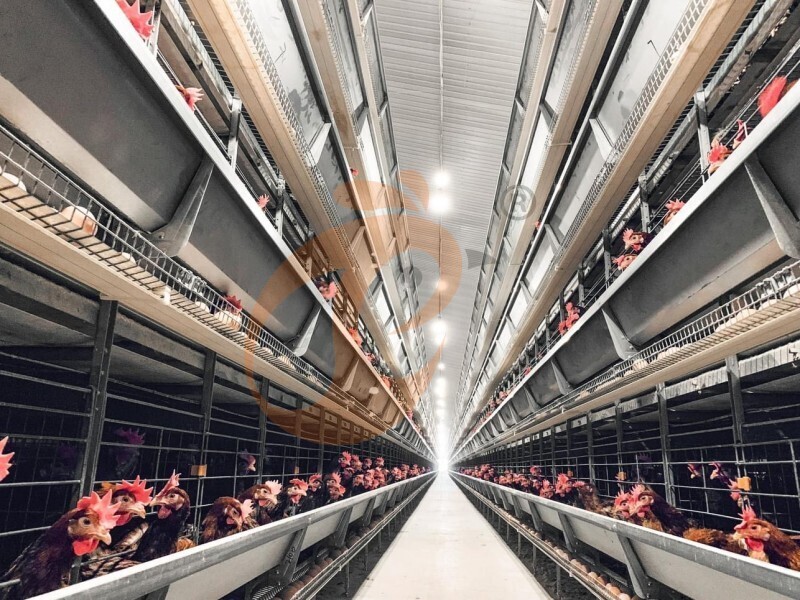
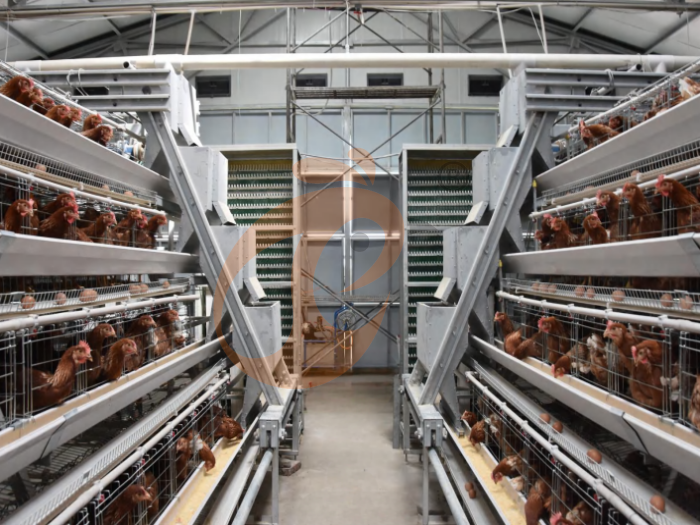
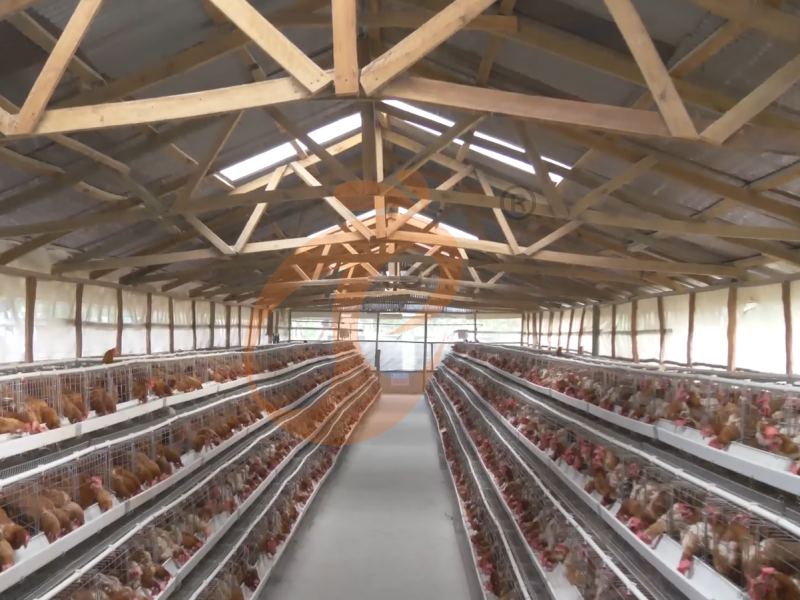
Chicken coop monitoring system integrates temperature sensing module humidity detection gas monitoring airflow regulation and centralized control architecture.
Environmental parameters are continuously captured and transmitted to control unit for poultry house stability optimization.
Real time data acquisition supports livestock environmental regulation and reduces manual inspection workload.
Sensor network architecture enables distributed measurement across different housing zones.
Automated response logic maintains thermal balance moisture control and air quality stability for poultry production efficiency improvement.
Get professional poultry farm construction guidance, equipment selection solutions, and the latest price lists, whatsApp to +8618830120193, +2348111199996, or click to learn more.

Poultry Monitoring System Core Sensor Architecture
A poultry monitoring system is structured as a layered sensing network combining environmental sampling, signal conversion, and control execution logic.
Each module operates within a coordinated data loop to ensure stable microclimate regulation inside the poultry house.
Data is for reference only.Swipe horizontally to view full table.
The sensor architecture above represents the core data acquisition layer of a smart poultry monitoring system, where each parameter is continuously synchronized to maintain stable environmental equilibrium.
Temperature Sensor Deployment Layout
Temperature sensing design focuses on vertical thermal stratification inside poultry houses, where heat accumulation differs significantly between floor level and roof level zones.
Multi-point deployment ensures accurate thermal mapping.
Data is for reference only.Swipe horizontally to view full table.
Thermal monitoring accuracy depends on spatial sensor density and airflow interference reduction, especially in high-density poultry environments with rapid metabolic heat generation.
Humidity Monitoring Distribution Engineering Design
Humidity mapping is designed around airflow vector distribution and evaporation concentration zones, especially near litter surface where moisture accumulation is most dynamic.
Data is for reference only.Swipe horizontally to view full table.
Humidity regulation data supports moisture migration modeling, which is critical for preventing bacterial proliferation in closed poultry production environments.
Ammonia Gas Detection System Configuration
Ammonia monitoring focuses on manure decomposition zones where anaerobic conditions accelerate gas release, requiring localized detection nodes for early warning response.
Data is for reference only.Swipe horizontally to view full table.
Gas detection logic prioritizes early-stage concentration buildup identification before ventilation response is triggered, minimizing respiratory stress exposure.
CO2 Ventilation Control Integration System
CO₂ monitoring is integrated with airflow control actuators to maintain oxygen balance and prevent hypoxic conditions in enclosed poultry housing systems.
Data is for reference only.Swipe horizontally to view full table.
Ventilation response calibration is directly linked to real time gas accumulation curves, ensuring stable respiratory conditions for flock health maintenance.
Central Control Unit Engineering Specification
The central control unit acts as the decision making core, processing multi-sensor inputs and executing actuator commands for environmental stabilization.
Data is for reference only.Swipe horizontally to view full table.
Control logic efficiency depends on processing cycle synchronization between environmental sampling frequency and actuator response timing.
IoT Communication Network System Design
Communication infrastructure defines how environmental data is transmitted across distributed poultry sensor nodes and centralized monitoring platforms.
Data is for reference only.Swipe horizontally to view full table.
Communication topology selection impacts system scalability and determines real-time responsiveness of environmental control loops.
Poultry Sensor Density Engineering Calculation
Sensor density planning is based on livestock capacity distribution and airflow circulation modeling across poultry housing zones.
Data is for reference only.Swipe horizontally to view full table.
Sensor scaling ensures proportional coverage expansion aligned with flock metabolic heat output and ammonia generation rate increases.
Environmental Automation Trigger Logic System
Automation thresholds are configured based on environmental safety boundaries and poultry physiological tolerance ranges to maintain stable production conditions.
Data is for reference only.Swipe horizontally to view full table.
Trigger logic ensures immediate correction response when environmental deviation exceeds predefined biological safety thresholds.
Engineering Analysis of Poultry Environment Control
Poultry metabolic systems are highly sensitive to microclimate variation, where small environmental fluctuations significantly impact feed efficiency and immune response.
Temperature deviation above optimal range reduces nutrient absorption efficiency.
Elevated ammonia concentration increases respiratory tract irritation probability.
Excess humidity accelerates microbial growth on litter surfaces.
Continuous sensor feedback stabilizes internal environmental equilibrium and supports consistent production output.
System Calibration Maintenance Engineering Schedule
Calibration scheduling ensures long-term measurement consistency across multi-sensor poultry monitoring networks operating under high humidity and dust exposure conditions.
Data is for reference only.Swipe horizontally to view full table.
Regular calibration cycles ensure measurement drift correction and maintain long-term system reliability under continuous operational load.
Cost Structure Of Poultry Monitoring System Deployment
System cost distribution is determined by sensor density, communication architecture complexity, and control unit processing capacity.
European union standard reference only.Data is for reference only.Swipe horizontally to view full table.
System cost scaling reflects proportional expansion of sensor coverage density and control network redundancy requirements in industrial poultry environments.
Frequently Asked Questions
Q1: How many sensors required per chicken coop area?
A1: Sensor allocation is calculated based on airflow uniformity and flock density distribution.
Standard engineering design uses one temperature sensor per 80–120 m² and humidity sensor per 100–150 m².
This ensures stable spatial resolution of thermal and moisture gradients across poultry housing zones.
Q2: What is optimal ammonia monitoring threshold in poultry system?
A2: Operational ammonia control threshold is maintained between 20–30 ppm.
When concentration exceeds 25 ppm, ventilation response is triggered.
Gas levels typically return to baseline within 3–8 minutes depending on airflow capacity.
Q3: What is expected lifespan of poultry monitoring sensors?
A3: Industrial sensor modules typically operate 24–36 months under continuous poultry house conditions.
Replacement cycle depends on dust accumulation rate, humidity exposure, and calibration drift performance.
Taiyu (HK) Group - One Of China Biggest Smart System Manufacturer
Chicken coop monitoring system integrates temperature humidity ammonia CO2 sensors for precision poultry farming automation control solution engineering.
Global factory direct supply poultry equipment production line supports large scale livestock environmental monitoring system deployment projects worldwide distribution network.
Poultry cage integrated smart sensor system enables real-time environmental data acquisition and automated ventilation control engineering design structure optimization.
Turn-key poultry engineering solution includes full sensor installation calibration system integration and remote monitoring platform deployment service package support.
Industrial poultry monitoring equipment manufacturing ensures stable supply chain high precision environmental control system for commercial poultry farm expansion projects.
Contact Us To Received Your Customized Poultry Farm Plan
Headquarters And Branchs

Hong Kong Headquarter Management Team
Hong Kong Headquarter Taiyu Industrial Group CO., LTD
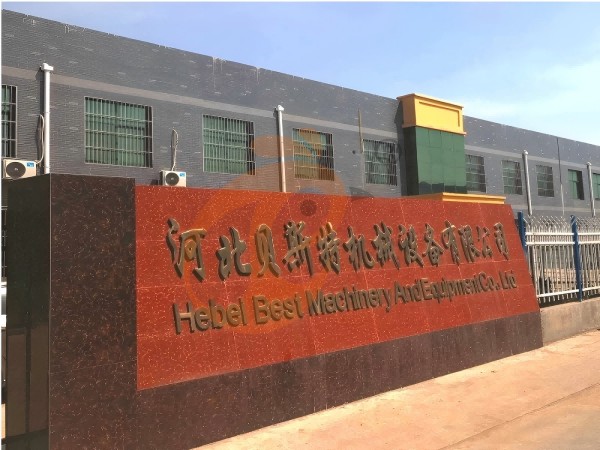
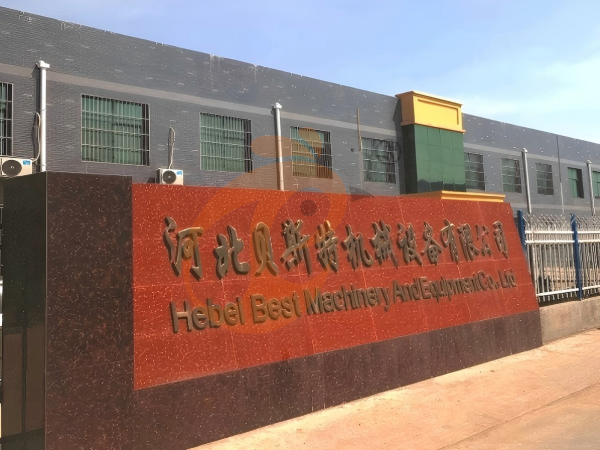
China Hebei Best Machinery And Equipment CO., LTD
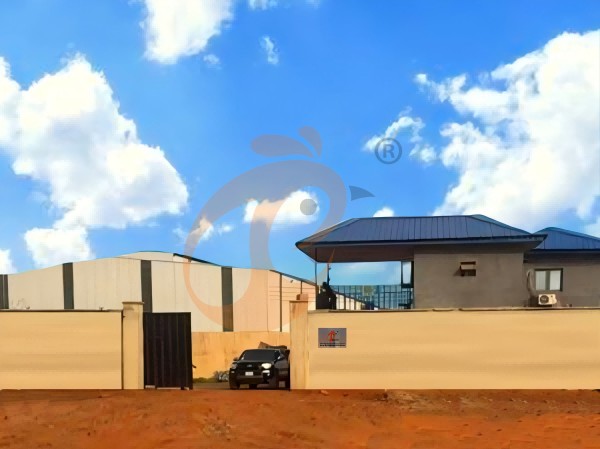
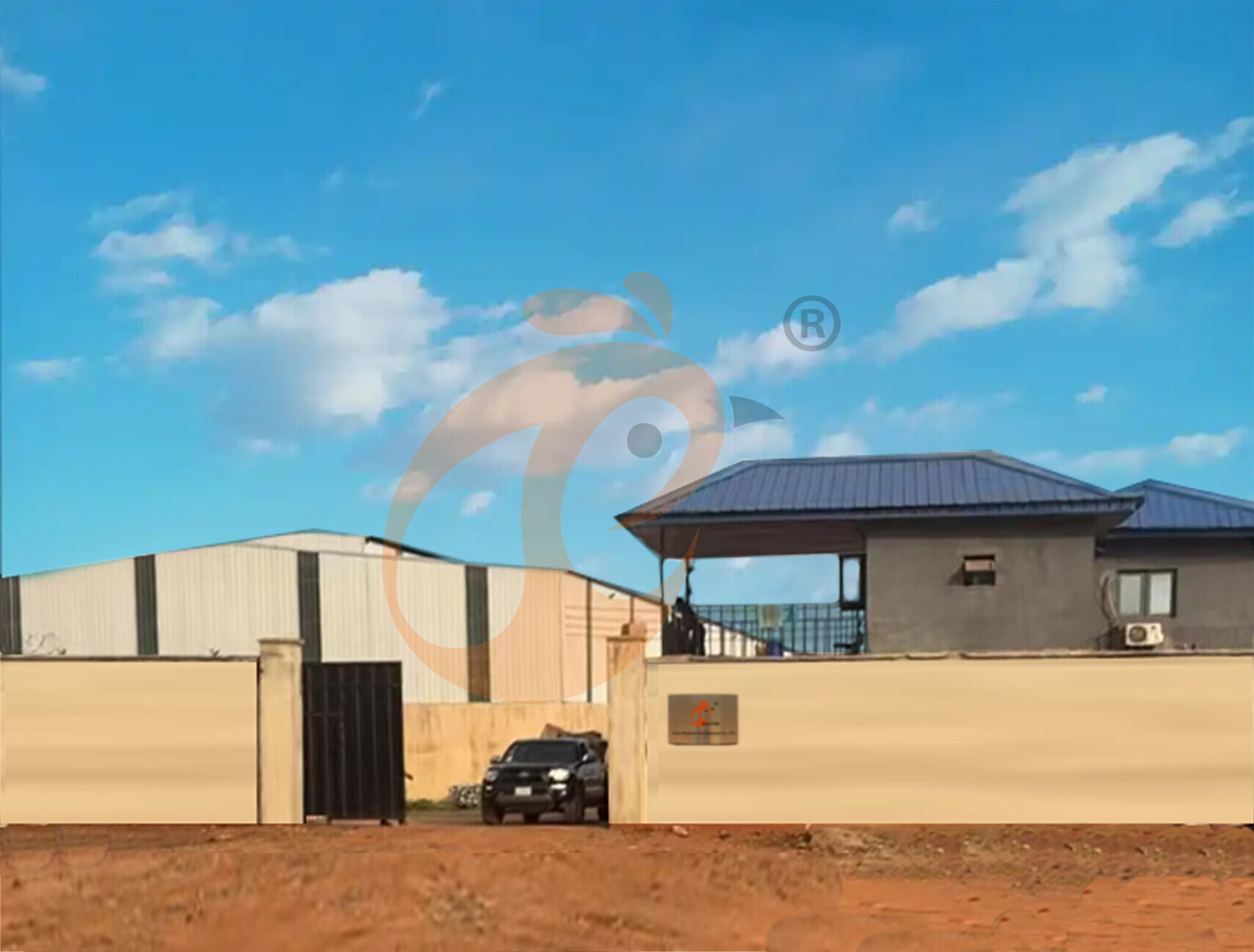
Nigeria Vanke Machinery And Equipment CO., LTD
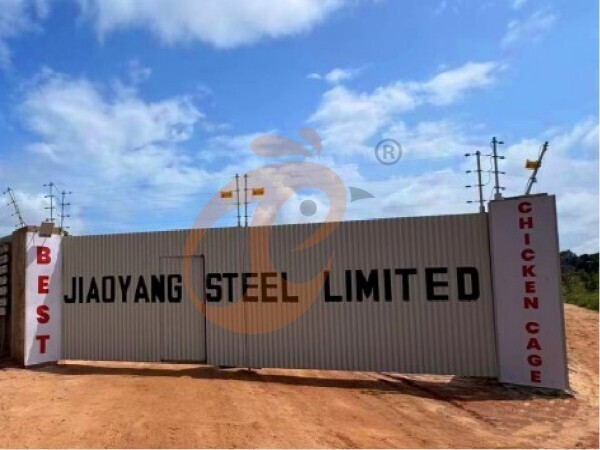
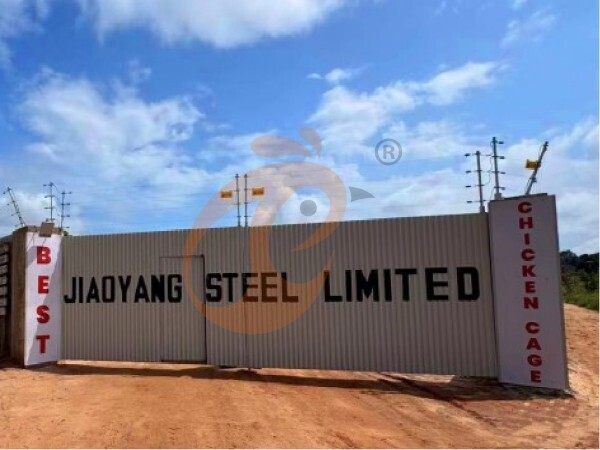
Tanzania Best Machinery And Equipment CO., LTD
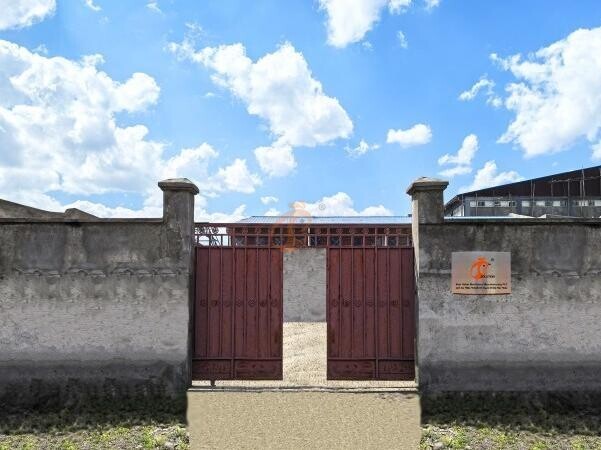
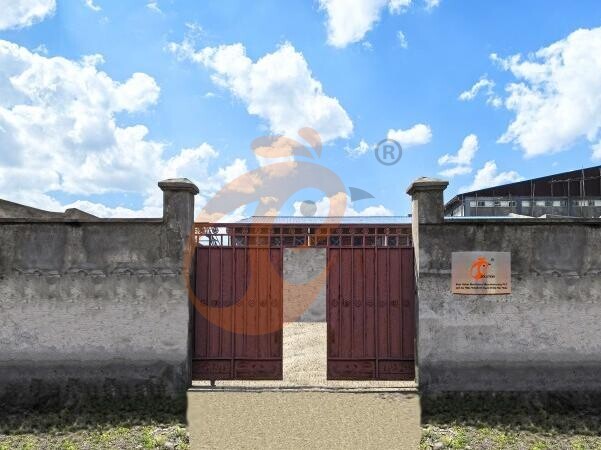
Ethiopia Best Hebei Machinery Manufacturing PLC
Reception /24 WhatsApp NO. : +8618830120193
FAQ
What Are The Control Accuracy Requirements For Poultry Environmental Systems?
Humidity control accuracy within ±5% relative humidity supports consistent litter and air quality management.
Sensor response time below 10 seconds enables rapid system adjustment to environmental fluctuations in poultry housing.
How Does Air Distribution Design Impact Ventilation Efficiency In Poultry Chicken Houses?
Air mixing efficiency improves by 20–35% with ceiling-directed airflow patterns reducing stratification effects.
Proper inlet angle of 25–35 degrees enhances air throw distance up to 8–12 meters without causing drafts.
How Does Ventilation Control Influence Feed Intake In Poultry Chicken Production?
Heat stress conditions above 30°C reduce feed consumption by 15–25%, requiring enhanced ventilation strategies.
Air velocity above 2.5 meters per second improves cooling effect, stabilizing feed intake in high-density broiler systems.
Message
Products recommended
 HK Headquarter Offers EU-standard Poultry Farm Solutions, Manufacture Poultry Farm Equipment1. Continuous communication with the EU and the US
2. China, Nigeria, Ethiopia, Tanzania branch companies and factories
3. The products’ quality is customized for local poultry farms
4. Poultry cage and poultry farm equipment stock for sale
5. 24 online reception Whatsapp NO. : +8618830120193,contact us to get full informationRead More China Branch Offer Poultry Farm Business Plan, Manufacture Poultry Farm Equipment1. Address: Flat/RM 2416, 24/F, Runxing Building, Youyi Nan Street, Shijiazhuang City, Hebei Province, China
2. Poultry cage and poultry farm equipment factory and stock for sale
3. Customized for local poultry farms
4. Quality and design are based on Euro
5. 24 online reception Whatsapp NO. : +8618830120193Read More Nigeria Branch Offer Poultry Farm Business Plan, Manufacture Poultry Farm Equipment1. Address: After Sinoma Office, 200 Meters Near Danco Filling Station, Lagos/Ibadan Expressway, Lagos State, Nigeria
2. Poultry cage and poultry farm equipment factory and stock for sale
3. Customized for Nigerian poultry farms
4. Quality and design are based on Euro
5. 24 online reception Whatsapp NO. : +8618830120193Read More Ethiopia Branch Offer Poultry Farm Business Plan, Manufacture Poultry Farm Equipment1. Address: Gelan Gura, Akaki-kaliti Sub City, Addis Ababa, Ethiopia
2. Poultry cage and poultry farm equipment stock for sale
3. Customized for Ethiopian poultry farms
4. Quality and design are based on Euro
5. 24 online reception Whatsapp NO. : +8618830120193, contact us to get price listRead More Tanzania Branch Offer Poultry Farm Business Plan, Manufacture Poultry Farm Equipment1. Address: No.8, Sova Road, Msufini, Mlandizi, Kibaha, Pwani, Tanzania
2. Poultry cage and poultry farm equipment factory and stock for sale
3. Customized for Tanzanian poultry farms
4. Quality and design are based on Euro
5. 24 online reception Whatsapp NO. : +8618830120193Read More Fully Automatic H Type Layer Chicken Cage1. 30,000-100,000+ layers/house chooses it, Poultry farmers can achieve an egg production rate of 96-98%
2. A significant improvement over the 85-90% typically seen in manual systems
3. A typical poultry farm can expect a 30-40% reduction in labor costs due to the automation
4. Each feeding line efficiently supplies feed to around 100,000 hens per 30 mins
5. Reception /WhatsApp NO. : +8618830120193Read More Fully Automatic A Type Layer Chicken Cage1. 10,000-50,000 layers/house chooses it
2. Cleaner egg collection reduces breakage by 0.5%
3. Improved hygiene helps reduce mortality rate to <3%
4. 1–2 technicians can handle 15,000–30,000 birds
5. Reception /WhatsApp NO. : +8618830120193Read More Semi Automatic H Type Layer Chicken Cage1. 1,00-20,000 layers/house chooses it
2. Nipple drinkers flow 30–60 ML / min
3. Hot-dip galvanized (typical coating ≥ 275 g/m²)
4. Reduce ammonia by ~ 35–40%
5. Reception /WhatsApp NO. : +8618830120193Read More Semi Automatic A Type Layer Chicken Cage1. 1,00-20,000 layers/house chooses it, no rust for 10 years, no deformation for 15 years
2. Chickens live comfortably, you can raise them with peace of mind
3. Save water, save money—efficiency you can measure
4. Improve environment quality, and increase egg production rate
5. Reception /WhatsApp NO. : +8618830120193Read More

By clicking 'Allow All', you agree to the storage of cookies on your device to enhance site navigation, analyze site usage and assist with our marketing efforts.