






Blog
- A type battery cage selection directly influences layer-house capacity, automation planning, operating workflow, and long-term equipment investment for commercial farms worldwide.
H type cage system provides a vertical equipment concept supporting centralized feeding, egg collection, manure handling, and environmental management within coordinated poultry-house engineering.
Commercial A type battery cage projects can target approximately 110–120 g feed consumption per layer daily, supporting practical production calculations and operating budgets.
Modern H type cage system planning also considers water management, ventilation demand, flock uniformity, egg output, maintenance access, and equipment synchronization across multiple production lines.
- Careful comparison of structure, automation, manure handling, feeding, egg collection, installation, and investment helps poultry producers select equipment matching project scale and future expansion requirements.
Get professional poultry farm construction guidance, equipment selection solutions, and the latest price lists, whatsApp to +8618830120193, +2348111199996, or click to learn more.
Start With The Right Cage System
Choosing between an A type battery cage and an H type cage system requires more than comparing purchase price.
Cage dimensions, tier configuration, bird capacity, feeding equipment, egg collection, manure removal, and house design influence the complete production system.
A type battery cage projects commonly support 18–24°c house temperature, while H type cage system projects can be engineered around controlled ventilation and climate-management requirements.
Professional equipment planning should consider flock size, building dimensions, automation requirements, local climate, and future expansion before manufacturing begins.
Seven Differences At A Glance
Data is for reference only.Swipe horizontally to view full table.
The exact specifications should be selected according to breed, cage-management requirements, local regulations, and farm production targets.
A type battery cage and H type cage system should therefore be evaluated as complete production platforms rather than isolated steel structures.
Difference #1: Farm Capacity And Layout
Start with the building drawing
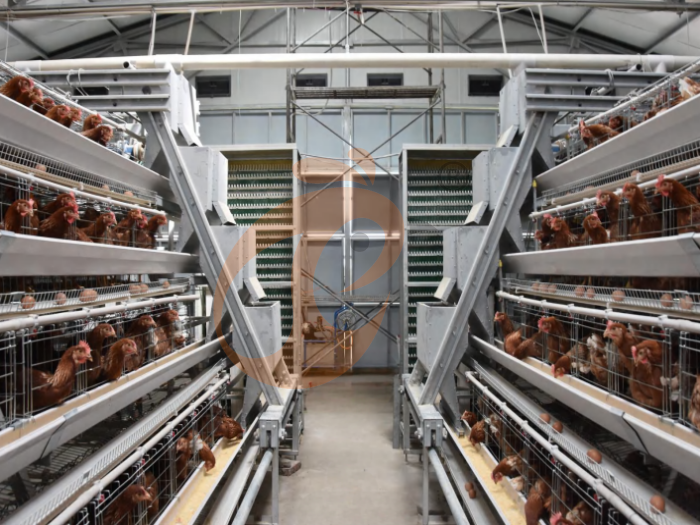
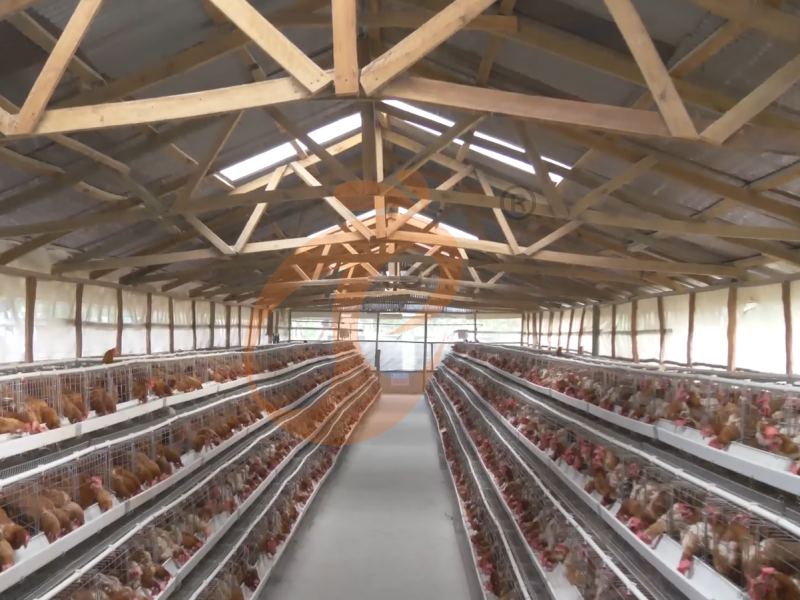
A type battery cage generally distributes birds through an A-shaped frame, while an H type cage system uses vertically arranged tiers.
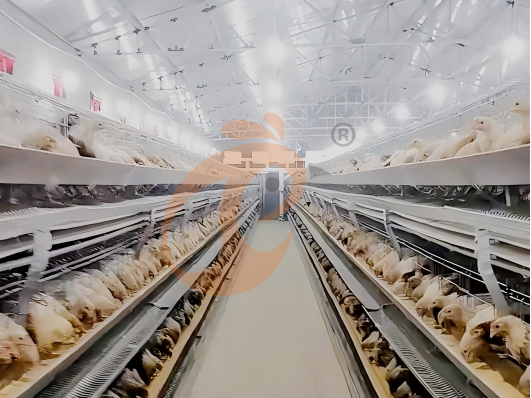
Vertical planning allows equipment height, service access, ventilation pathways, and row arrangement to be coordinated during project engineering.
Commercial layer houses can also be designed around 110–120 g feed consumption per bird per day, helping equipment suppliers calculate feed-storage requirements independently from cage dimensions.
Data is for reference only.Swipe horizontally to view full table.
The layout should be calculated from total cage sections, feed routes, water routes, egg conveyors, manure conveyors, and operator access.
A professional A type battery cage or H type cage system supplier should provide a complete house layout before equipment fabrication.
Difference #2: Automation And Labor
Automation changes the daily workflow
Automation connects feeding, watering, egg collection, manure removal, sensors, and control cabinets into one coordinated production process.
A type battery cage installations can incorporate automated components, while an H type cage system can integrate multiple automated functions across vertically arranged cage levels.
Commercial layer management can also target 90–95% flock uniformity, making consistent equipment operation important for maintaining predictable production performance.
Data is for reference only.Swipe horizontally to view full table.
Motor selection should be calculated from conveyor loading, route length, feed characteristics, and operating frequency.
The A type battery cage and H type cage system can both be integrated with centralized controls when project requirements justify automation.
Difference #3: Manure Management
Treat manure removal as a mechanical process
Manure management affects sanitation, labor organization, and the frequency of equipment-room operations inside commercial layer houses.
A type battery cage can use floor collection, scrapers, or selected belts, while an H type cage system can position belts beneath individual cage levels.
Commercial manure planning should also consider 1–2 manure-removal cycles during peak summer operation, depending on moisture content and farm management procedures.
Data is for reference only.Swipe horizontally to view full table.
The manure-transfer route should be designed together with the collection point, storage facility, and secondary processing equipment.
For an A type battery cage or H type cage system project, conveyor routing should avoid unnecessary bends that can increase mechanical loading and maintenance requirements.
Difference #4: Feeding And Drinking Systems
Match distribution with bird requirements
Feed and water distribution should be engineered according to flock behavior, line arrangement, water quality, and daily consumption.
A type battery cage systems can use galvanized troughs or chain feeders, while H type cage system projects can connect multi-tier feeding lines to centralized feed delivery.
Layer water consumption can reach approximately 1.8–2.2 liters per kilogram of feed, making stable water delivery essential for commercial production planning.
Data is for reference only.Swipe horizontally to view full table.
Feed-line design should consider feed formulation, flock age, daily consumption, and the distance between feed storage and cage rows.
A professional A type battery cage or H type cage system quotation should therefore include feed routing and waterline engineering rather than simply listing automatic feeding and drinking.
Difference #5: Egg Collection Efficiency
Turn egg collection into a continuous process
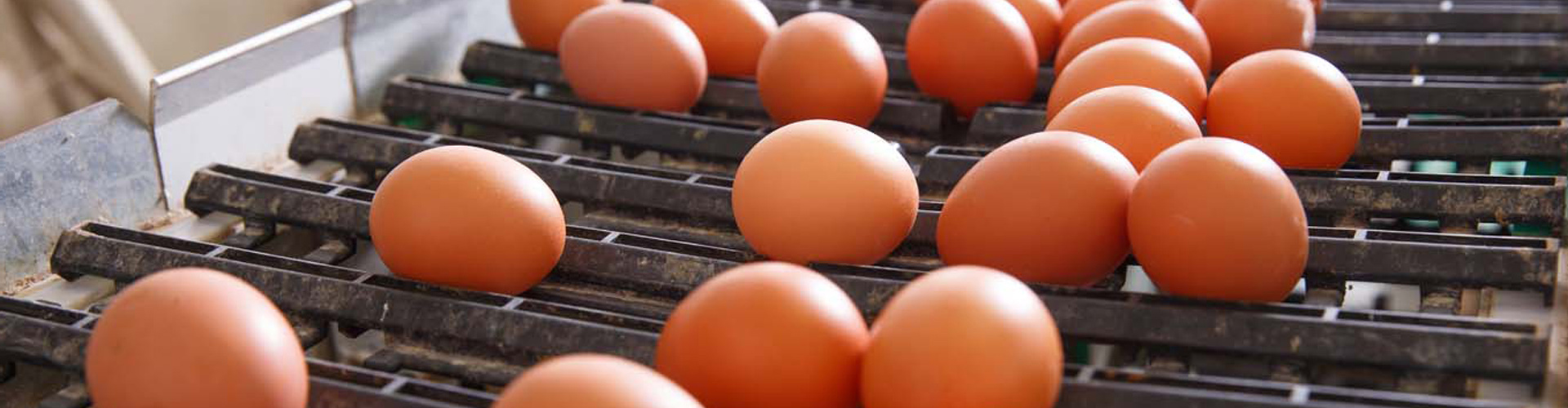
Automatic egg collection transfers eggs from cage floors toward longitudinal conveyors and centralized collection equipment.
A type battery cage systems can incorporate manual or belt collection, while H type cage system projects can connect egg belts across multiple cage tiers.
Commercial egg output can reach approximately 85–95% laying rate during peak production, requiring conveyor capacity to accommodate concentrated collection periods rather than average daily output.
Data is for reference only.Swipe horizontally to view full table.
Egg-handling performance also depends on flock age, shell quality, collection frequency, and conveyor transfer points.
A type battery cage and H type cage system designs should therefore minimize unnecessary transfer distances between cage rows and the egg-processing area.
Difference #6: Installation And Maintenance
Plan maintenance before commissioning
Installation complexity increases when cage levels, conveyors, sensors, electrical controls, and environmental equipment operate as one production system.
A type battery cage projects generally use a straightforward structural arrangement, while H type cage system projects require careful coordination of vertical equipment, service access, and drive components.
Routine inspection can be scheduled every 7–14 days for visible mechanical components, allowing operators to identify belt tracking, loose fasteners, water leakage, and abnormal vibration before failures interrupt production.
Data is for reference only.Swipe horizontally to view full table.
Professional equipment supply should include installation drawings, electrical diagrams, commissioning procedures, spare-parts recommendations, and operating instructions.
For an A type battery cage or H type cage ssystem, maintenance access should be considered before finalizing row spacing and equipment positioning.
Difference #7: Investment And Return
Calculate equipment by function
Equipment investment should be evaluated according to the complete production system rather than cage frames alone.
A type battery cage projects can combine cage structures with selected automation, while H type cage system projects can include integrated feeding, egg collection, manure removal, and environmental equipment.
Commercial investment planning can also use 8–12 years as a preliminary equipment depreciation horizon, with actual accounting treatment determined by local regulations and company policy.
Data is for reference only.Swipe horizontally to view full table.
The figures above are engineering quotation ranges rather than fixed international market prices.
European union standard reference only.
Actual equipment pricing depends on steel specifications, galvanizing, automation configuration, transportation, installation, and project scale.
A professional A type battery cage or H type cage system quotation should separate equipment functions so farm owners can compare complete project costs accurately.
Which Cage System Should You Choose?
A type battery cage fits projects requiring
- 3–5 cage tiers.
- 120–200 birds per cage set.
- 12–14 m house width.
- Manual or semi-automatic egg collection.
- Floor, scraper, or selected manure-belt configurations.
H type cage system fits projects requiring
- 4–16 cage tiers.
- 128–512 birds per cage set.
- 3.3–14.0 m equipment height.
- Automatic egg collection.
- Manure belts beneath cage tiers.
- Centralized feeding and environmental control.
Project selection should be based on complete engineering calculations rather than equipment price alone.
A type battery cage and H type cage system should be evaluated against flock size, building structure, labor organization, ventilation design, and planned automation.
Why Equipment Integration Matters More Than The Cage Alone
Build one production system
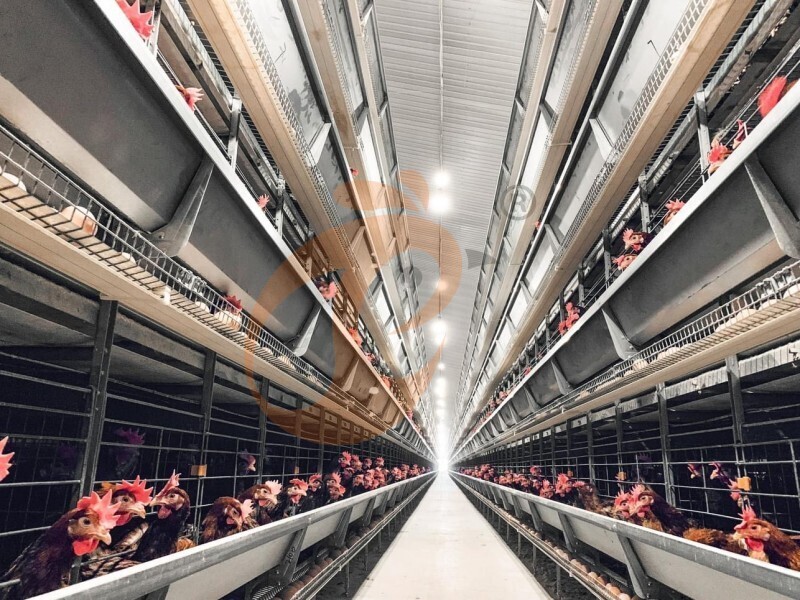
A poultry cage functions as the central mechanical platform connecting feeding, drinking, egg collection, manure removal, ventilation, cooling, lighting, and environmental control.
A type battery cage projects can combine selected systems, while H type cage system projects can integrate multiple automated functions into a coordinated production line.
Complete equipment planning should also consider 12–18 hours of daily lighting operation, ensuring cage equipment and environmental controls operate within a coordinated management schedule.
Technical proposals should include cage layouts, conveyor routes, electrical diagrams, ventilation calculations, waterline plans, equipment specifications, and spare-parts recommendations.
Make The Equipment Decision Based On Your Farm's Future
Think beyond the initial cage purchase
A type battery cage provides a practical configuration for farms requiring conventional multi-tier equipment, while H type cage system equipment supports vertically integrated commercial production.
Project planning should consider 18–24°c target house temperature during normal laying conditions, with ventilation and cooling capacity engineered according to regional climate.
When evaluating poultry equipment manufacturers, request cage layouts, bird-capacity calculations, steel specifications, galvanizing specifications, feeding designs, waterline plans, egg-collection routes, manure-removal layouts, motor schedules, ventilation calculations, electrical requirements, and installation drawings.
For commercial egg production, equipment value comes from the coordinated combination of A type battery cage, H type cage system, automatic feeding, nipple drinking, egg collection, manure removal, ventilation, and environmental control.
Frequently Asked Questions
Q1: What is the main difference between A type battery cage and H type cage system?
A1: A type battery cage uses an A-shaped structural arrangement, while H type cage system equipment uses vertically stacked cage levels.
Commercial selection should consider flock size, building height, automation requirements, and target production workflow.
Q2: Which system is more suitable for automatic egg collection?
A2: H type cage system equipment is generally designed more conveniently for centralized automatic egg collection because multiple cage levels can connect with longitudinal and cross conveyors.
A typical project can engineer egg collection around 5,000–30,000 eggs per hour, depending on configuration.
Q3: How should a poultry farm compare equipment quotations?
A3: Compare cage specifications, steel treatment, feeding systems, drinking systems, egg collection, manure removal, ventilation, control equipment, installation, spare parts, and after-sales engineering.
Comparing only the cage price can hide substantial differences in the complete production-system cost.
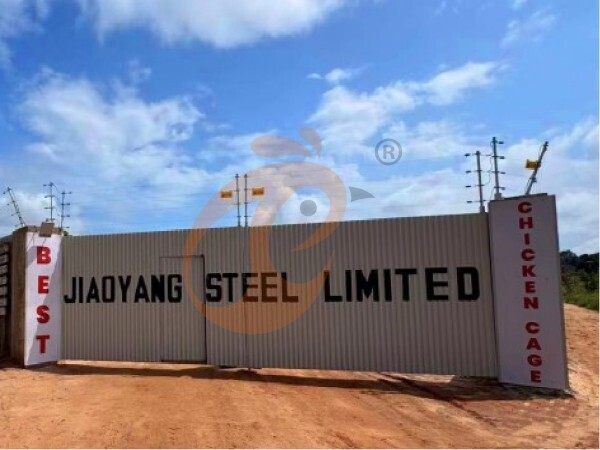
Taiyu (HK) Group - One Of China Toppest A Type Battery Cage Manufacturer
A type battery cage equipment provides multi-tier layer housing with galvanized structural components, integrated feeding options, nipple drinking systems, egg collection configurations, and project-specific manure handling for commercial poultry production.
Global factory direct sales provide cage equipment, automatic feeding systems, drinking systems, egg collection equipment, manure removal equipment, ventilation systems, and environmental controllers directly from an integrated poultry equipment manufacturing source.
Poultry equipment projects are engineered according to flock capacity, house dimensions, climate conditions, electrical requirements, conveyor routes, maintenance access, and equipment synchronization.
Turn-key engineering covers project layout, equipment selection, production, factory testing, installation guidance, commissioning support, operator training, and spare-parts planning for complete layer-house development.
International project support connects equipment manufacturing with technical documentation, installation coordination, replacement components, production-line optimization, and long-term engineering assistance for commercial poultry farms.
Contact Us To Received Your Customized Poultry Farm Plan
Headquarters And Branchs

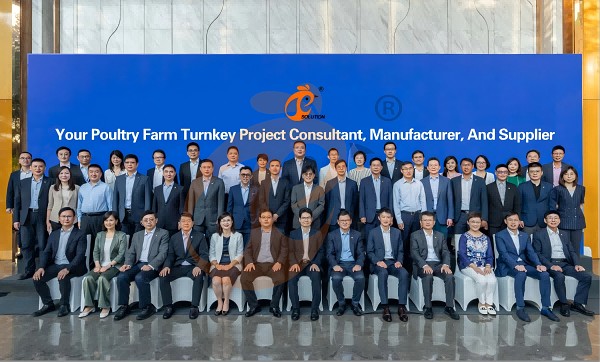
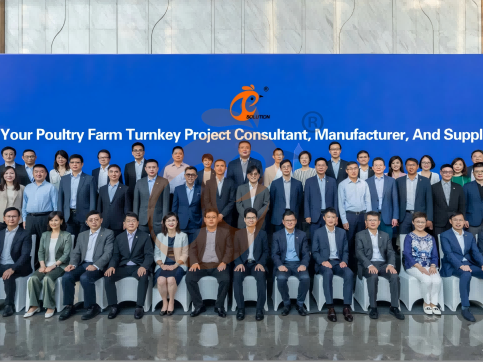
Hong Kong Headquarter Management Team
Hong Kong Headquarter Taiyu Industrial Group CO., LTD
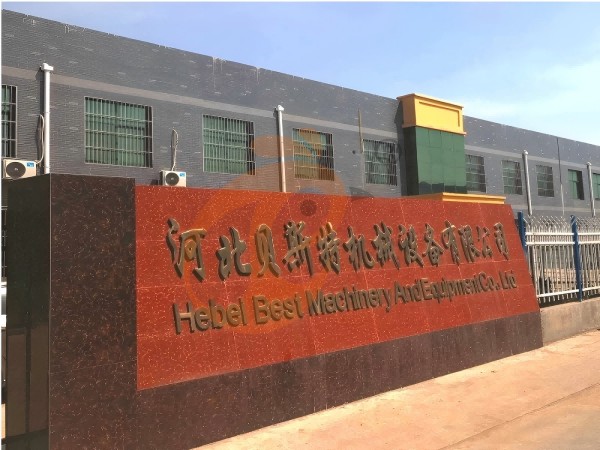
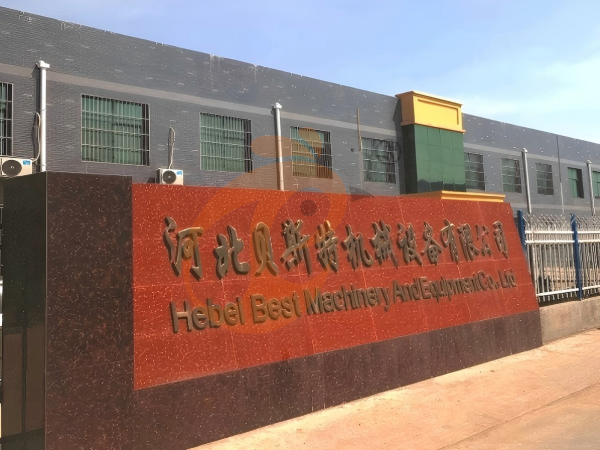
China Hebei Best Machinery And Equipment CO., LTD
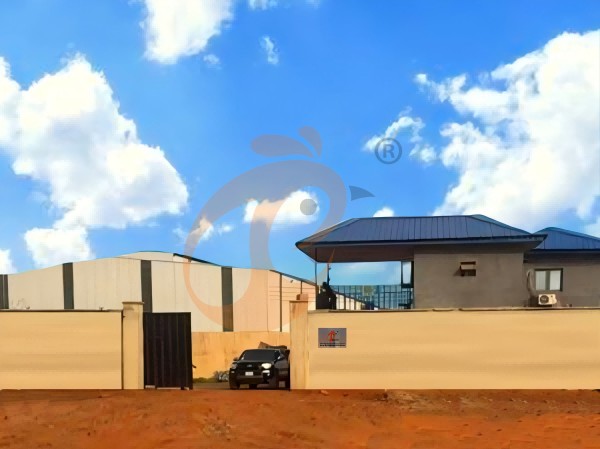
Nigeria Vanke Machinery And Equipment CO., LTD
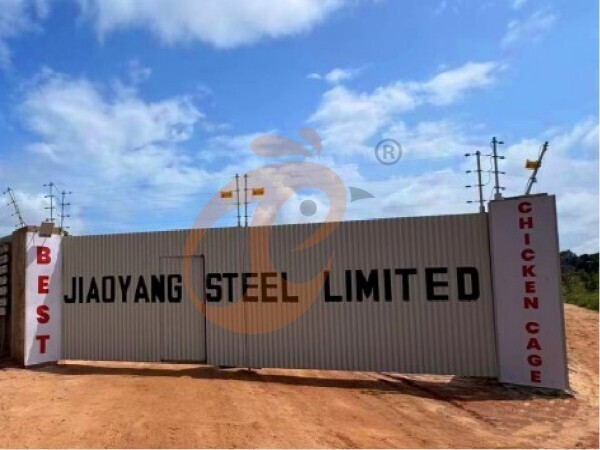
Tanzania Best Machinery And Equipment CO., LTD
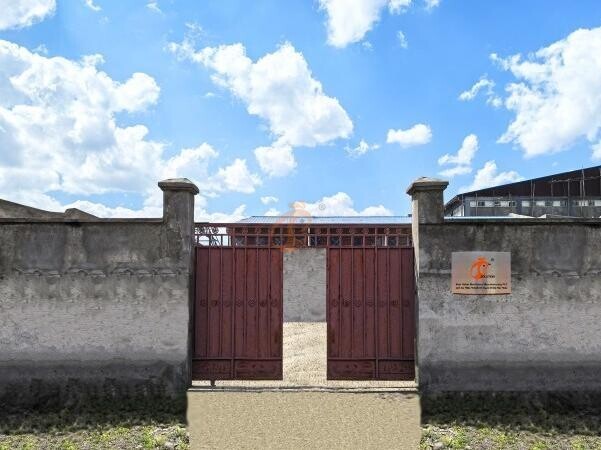
Ethiopia Best Hebei Machinery Manufacturing PLC
Reception /24 WhatsApp NO. : +8618830120193
FAQ
How To Increase Stocking Density Without Reducing Egg Production In A-Type Layer Cage?
Provide 418-500 cm² per bird
Ensure good ventilation
Egg production rate: 90–96%
What Are The Recommended Egg Conveyor Speeds For A-Type Layer Cage Farms?
Reduces egg collision and breakage
Egg breakage rate <1%
Daily egg yield: 900–960 eggs/1,000 birds
Egg production rate: 90–96%
How To Implement Lighting Control In A-Type Poultry Cage Farms?
Even illumination reduces stress
Egg production rate: 90–96%
FCR: 1.9–2.2
Egg breakage rate <1%
- poultry equipment
- poultry farm
- feeding equipment
- poultry cage
- battery cage
- poultry farm
- poultry farm construction
- battery cage manufacturer
- battery cage system
- battery cage installation
- poultry equipment manufacturer
- battery cage
- automatic feeding system
- hen cage
- poultry equipment manufacturers
- Ethiopia
- Nigeria
Message
Products recommended
 HK Headquarter Offers EU-standard Poultry Farm Solutions, Manufacture Poultry Farm Equipment1. Continuous communication with the EU and the US
2. China, Nigeria, Ethiopia, Tanzania branch companies and factories
3. The products’ quality is customized for local poultry farms
4. Poultry cage and poultry farm equipment stock for sale
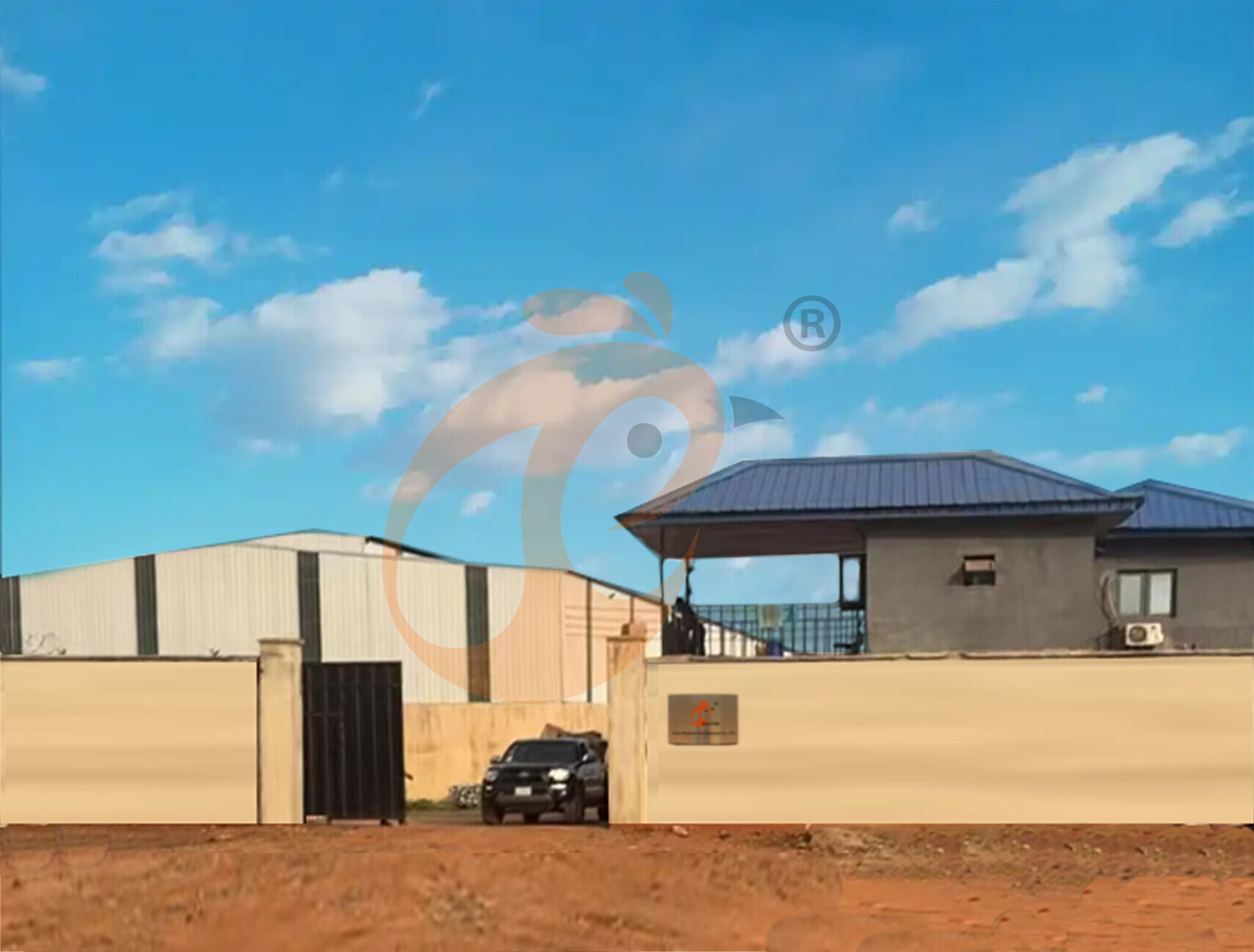
5. 24 online reception Whatsapp NO. : +8618830120193,contact us to get full informationRead More China Branch Offer Poultry Farm Business Plan, Manufacture Poultry Farm Equipment1. Address: Flat/RM 2416, 24/F, Runxing Building, Youyi Nan Street, Shijiazhuang City, Hebei Province, China
2. Poultry cage and poultry farm equipment factory and stock for sale
3. Customized for local poultry farms
4. Quality and design are based on Euro
5. 24 online reception Whatsapp NO. : +8618830120193Read More Nigeria Branch Offer Poultry Farm Business Plan, Manufacture Poultry Farm Equipment1. Address: After Sinoma Office, 200 Meters Near Danco Filling Station, Lagos/Ibadan Expressway, Lagos State, Nigeria
2. Poultry cage and poultry farm equipment factory and stock for sale
3. Customized for Nigerian poultry farms
4. Quality and design are based on Euro
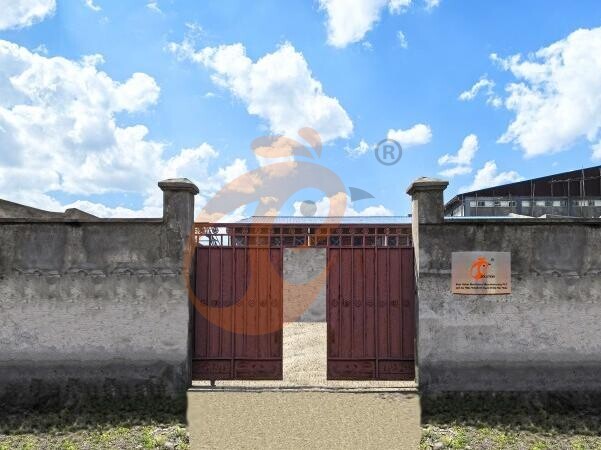
5. 24 online reception Whatsapp NO. : +8618830120193Read More Ethiopia Branch Offer Poultry Farm Business Plan, Manufacture Poultry Farm Equipment1. Address: Gelan Gura, Akaki-kaliti Sub City, Addis Ababa, Ethiopia
2. Poultry cage and poultry farm equipment stock for sale
3. Customized for Ethiopian poultry farms
4. Quality and design are based on Euro
5. 24 online reception Whatsapp NO. : +8618830120193, contact us to get price listRead More Tanzania Branch Offer Poultry Farm Business Plan, Manufacture Poultry Farm Equipment1. Address: No.8, Sova Road, Msufini, Mlandizi, Kibaha, Pwani, Tanzania
2. Poultry cage and poultry farm equipment factory and stock for sale
3. Customized for Tanzanian poultry farms
4. Quality and design are based on Euro
5. 24 online reception Whatsapp NO. : +8618830120193Read More Fully Automatic H Type Layer Chicken Cage1. 30,000-100,000+ layers/house chooses it, Poultry farmers can achieve an egg production rate of 96-98%
2. A significant improvement over the 85-90% typically seen in manual systems
3. A typical poultry farm can expect a 30-40% reduction in labor costs due to the automation
4. Each feeding line efficiently supplies feed to around 100,000 hens per 30 mins
5. Reception /WhatsApp NO. : +8618830120193Read More Fully Automatic A Type Layer Chicken Cage1. 10,000-50,000 layers/house chooses it
2. Cleaner egg collection reduces breakage by 0.5%
3. Improved hygiene helps reduce mortality rate to <3%
4. 1–2 technicians can handle 15,000–30,000 birds
5. Reception /WhatsApp NO. : +8618830120193Read More Semi Automatic H Type Layer Chicken Cage1. 1,00-20,000 layers/house chooses it
2. Nipple drinkers flow 30–60 ML / min
3. Hot-dip galvanized (typical coating ≥ 275 g/m²)
4. Reduce ammonia by ~ 35–40%
5. Reception /WhatsApp NO. : +8618830120193Read More Semi Automatic A Type Layer Chicken Cage1. 1,00-20,000 layers/house chooses it, no rust for 10 years, no deformation for 15 years
2. Chickens live comfortably, you can raise them with peace of mind
3. Save water, save money—efficiency you can measure
4. Improve environment quality, and increase egg production rate
5. Reception /WhatsApp NO. : +8618830120193Read More
By clicking 'Allow All', you agree to the storage of cookies on your device to enhance site navigation, analyze site usage and assist with our marketing efforts.