






Blog
- Deep litter broiler house design connects feeding, drinking, ventilation, cooling, heating, lighting, and automation into one production system.
Automatic broiler feeding systems improve distribution while supporting consistent daily operation across commercial poultry houses.
Broiler house ventilation systems coordinate airflow, cooling, sensors, and controls for measurable environmental management.
Deep litter planning also protects litter quality through accurate water delivery, maintenance access, and equipment positioning.
- Turn-key poultry equipment planning aligns house dimensions, flock capacity, installation requirements, and future expansion with practical engineering decisions.
Get professional poultry farm construction guidance, equipment selection solutions, and the latest price lists, whatsApp to +8618830120193, +2348111199996, or click to learn more.
Design The Broiler House Around The Equipment System
A commercial deep litter broiler house design should begin with equipment integration rather than final-stage installation.
Automatic broiler feeding systems, nipple drinking systems, broiler house ventilation systems, cooling, heating, lighting, and controls require coordinated routes and service access.
A practical reference project can use a 100 m × 15 m × 2.5 m house with 18,000 birds, demonstrating how building geometry influences equipment configuration.
Electrical distribution can use a 3-phase supply, with control components connected through dedicated 220 v circuits for organized operation.
Engineer The Feeding Grid Before Installing The Lines
Data is for reference only.Swipe horizontally to view full table.
A commercial deep litter broiler house design should position feeders for efficient bird access and straightforward maintenance.
An automatic broiler feeding system using a 330–360 mm pan establishes a defined station footprint, while feed conveying can be engineered around the selected auger specification.
Automatic feeding becomes more valuable when hopper, auger, motor, sensors, lines, and pans operate as one coordinated package.
Create A Dedicated Drinking-Water Network
Data is for reference only.Swipe horizontally to view full table.
A reliable deep litter broiler house design treats water distribution as a complete hydraulic network rather than a collection of individual drinkers.
An automatic broiler drinking system can combine stainless-steel nipples, filtration, regulation, and flushing to reduce water-system management complexity.
A 22–25 mm distribution pipe requires compatible connectors and suspension components, while the closed delivery arrangement supports cleaner drinking points.
Match Ventilation Equipment To House Geometry
Data is for reference only.Swipe horizontally to view full table.
A properly engineered deep litter broiler house design calculates ventilation from building geometry, flock load, fan performance, and air-entry configuration.
A broiler house ventilation system using a 50-inch exhaust fan requires compatible inlet capacity and cooling arrangements to maintain engineered airflow.
A complete ventilation package connects exhaust fans, air inlets, cooling pads, sensors, and controls instead of relying on isolated fan installation.
Protect Deep Litter Performance With Equipment Placement
Data is for reference only.Swipe horizontally to view full table.
Deep litter performance in a deep litter broiler house design depends on correct equipment positioning and routine environmental control.
An automatic broiler drinking system can reduce unnecessary water exposure when regulators and nipples are correctly maintained.
A 5–10 cm litter layer also requires accessible inspection routes so operators can identify localized moisture before floor conditions deteriorate.
Integrate Climate Equipment With Automatic Control
Data is for reference only.Swipe horizontally to view full table.
An automated deep litter broiler house design becomes easier to manage when climate equipment shares one control architecture.
A broiler house ventilation system can use variable fan regulation together with sensor feedback for responsive environmental management.
A 10-inch touchscreen controller provides centralized operation, while separate monitoring zones allow operators to identify differences across the house.
Calculate Equipment Quantities From The Actual Flock
Data is for reference only.Swipe horizontally to view full table.
A project-based deep litter broiler house design calculates equipment quantities from actual dimensions and flock requirements.
An automatic broiler feeding system should therefore be quoted according to line length, feeder quantity, conveying requirements, and building arrangement.
A 100 m house length creates different conveying and service requirements from a compact building, making standardized equipment quantities unsuitable for every project.
Keep Maintenance Access Inside The Original Layout
Data is for reference only.Swipe horizontally to view full table.
A service-oriented deep litter broiler house design reserves maintenance routes before equipment installation begins.
An automatic broiler feeding system requires accessible drive assemblies, while a broiler house ventilation system needs practical fan-service clearance.
A 0.8 m service aisle provides a defined working route without forcing operators to dismantle adjacent equipment during routine inspection.
Compare Individual Equipment Purchasing With An Integrated Package
Data is for reference only.Swipe horizontally to view full table.
An integrated deep litter broiler house design reduces compatibility gaps between individual poultry equipment components.
An automatic broiler feeding system combines conveying, distribution, sensing, and control instead of treating each machine as an independent purchase.
A broiler house ventilation system similarly gains engineering value when fan control, air inlets, cooling, and environmental monitoring share one project specification.
Design For Different Production Stages
Data is for reference only.Swipe horizontally to view full table.
A flexible deep litter broiler house design accommodates changing equipment requirements across different production stages.
An automatic broiler feeding system can be adjusted during growth, while a broiler house ventilation system can modify operating conditions according to seasonal requirements.
A 3–4 kw/500 chicks heating reference provides a project starting point, with final selection determined by insulation, climate, and building conditions.
Use Monitoring Data To Improve Equipment Management
Data is for reference only.Swipe horizontally to view full table.
A data-driven deep litter broiler house design gives operators measurable information for equipment adjustment rather than relying only on visual inspection.
An automatic broiler drinking system can be monitored through water consumption trends, while a broiler house ventilation system can be checked through airflow records.
A 24-hour airflow profile can reveal operating differences that may not be visible during a single inspection.
Build The Commercial Solution Around Complete Equipment Integration
Data is for reference only.Swipe horizontally to view full table.
A complete deep litter broiler house design should connect feeding, drinking, ventilation, cooling, heating, lighting, sensing, and control into one engineering package.
An automatic broiler feeding system can be specified with the complete mechanical and electrical interface required for project installation.
A broiler house ventilation system can similarly be engineered around fan performance, inlet arrangement, cooling equipment, and environmental controls.
Frequently Asked Questions
Q1: What equipment is essential for a deep litter broiler house design?
A1: Core equipment normally includes automatic feeding, nipple drinking, exhaust ventilation, cooling, heating, lighting, and environmental control systems.
A commercial installation may use multiple independent sensor zones to support equipment adjustment across different house areas.
Q2: How should feeding and ventilation equipment be positioned?
A2: Feeding lines should maintain accessible service routes, while ventilation equipment should be arranged according to house geometry and airflow calculations.
A 50-inch exhaust fan can provide 18,000–22,000 m³/h, but final fan quantity requires project-specific engineering.
Q3: Why choose integrated poultry equipment instead of individual machines?
A3: Integrated equipment reduces interface conflicts between mechanical, electrical, water, and control systems.
A complete project specification can also reserve future expansion points for additional automation or capacity upgrades.
Taiyu (HK) Group - One Of China Toppest Deep Litter Broiler House Equipment Manufacturer
Deep litter broiler house design integrates automatic feeding, nipple drinking, ventilation, cooling, heating, lighting, and environmental control, with project configurations engineered for commercial houses from 100 m in length and beyond.
Global factory-direct poultry equipment production covers feeding, drinking, ventilation, climate control, and automation, with component specifications coordinated through centralized engineering documentation.
Turn-key engineering combines equipment selection, layout planning, manufacturing, shipment coordination, installation guidance, and commissioning support for complete commercial poultry projects.
Project-based engineering supports different house dimensions, flock capacities, climates, electrical standards, and automation requirements through customized equipment schedules and technical drawings.
Factory manufacturing enables coordinated procurement across multiple equipment categories, reducing supplier interfaces and supporting consistent specifications from initial design through commissioning.
Contact Us To Received Your Customized Poultry Farm Plan
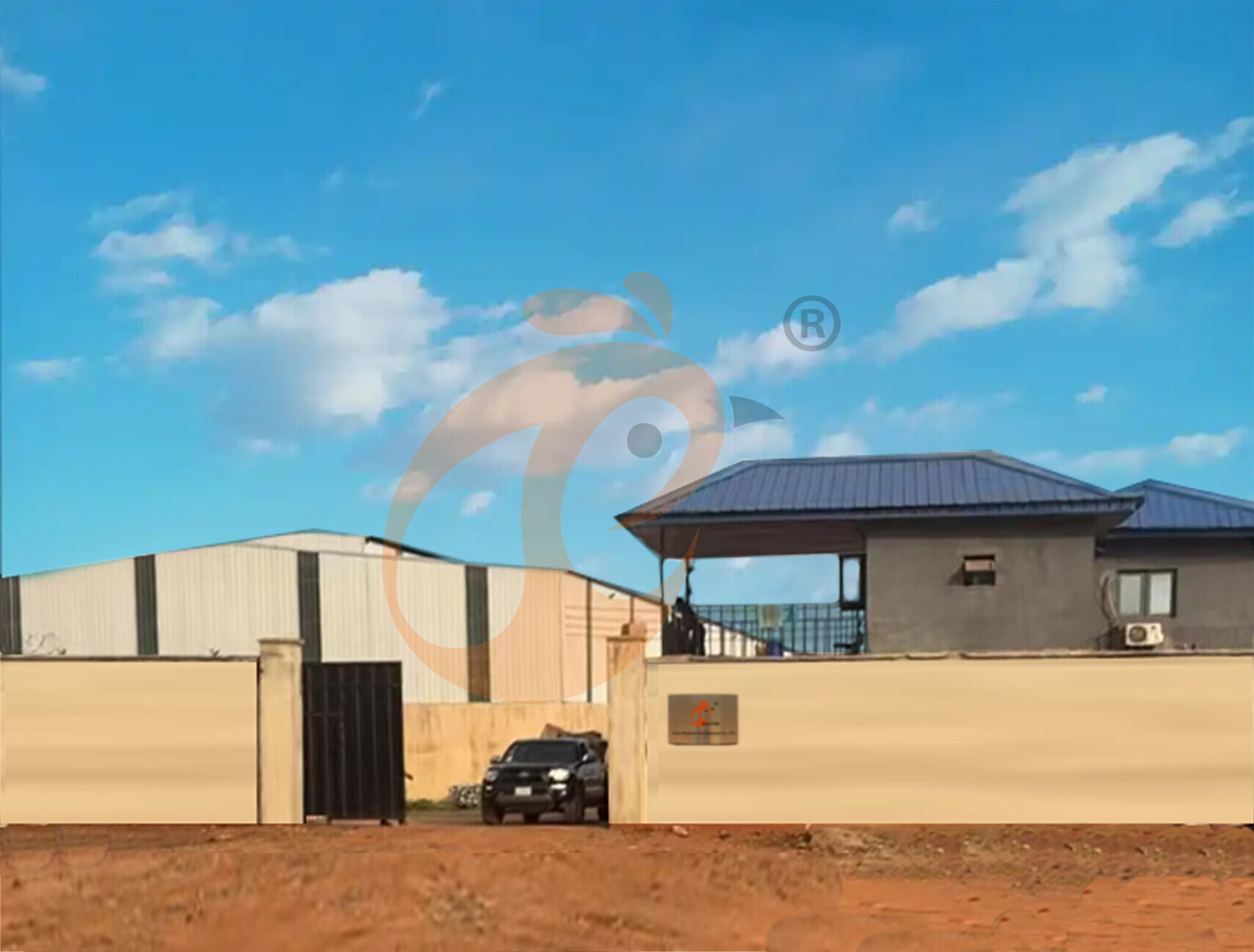
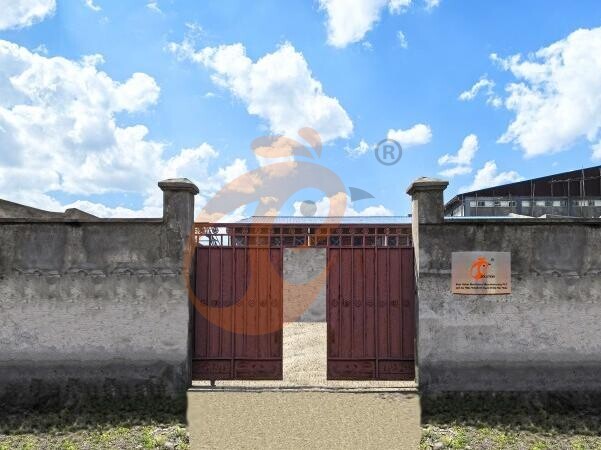
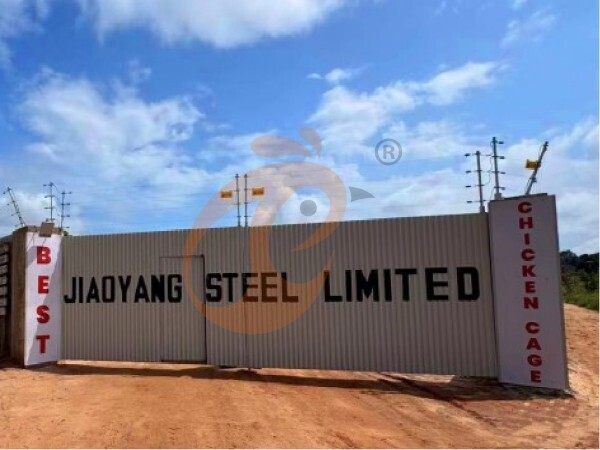
Headquarters And Branchs

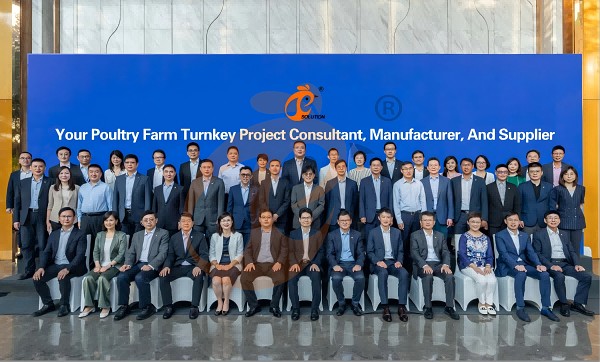
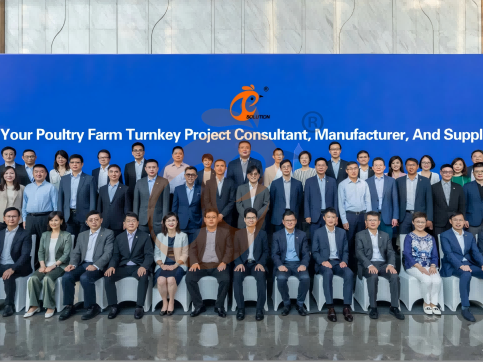
Hong Kong Headquarter Management Team
Hong Kong Headquarter Taiyu Industrial Group CO., LTD
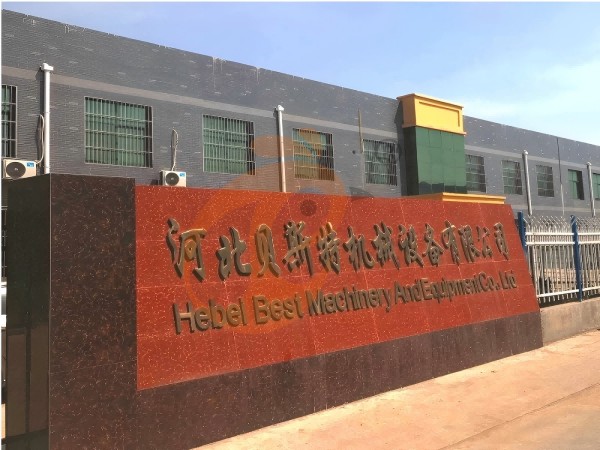
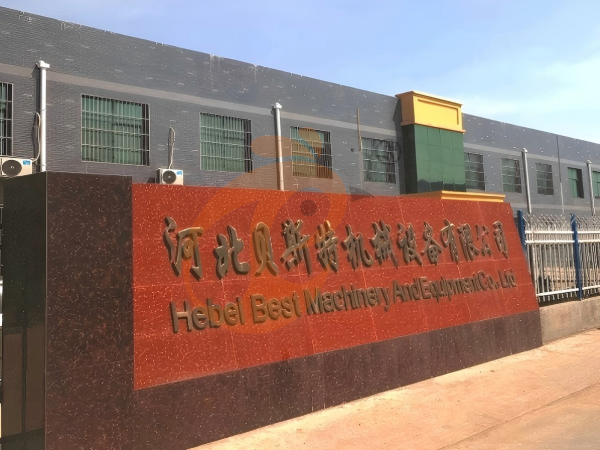
China Hebei Best Machinery And Equipment CO., LTD
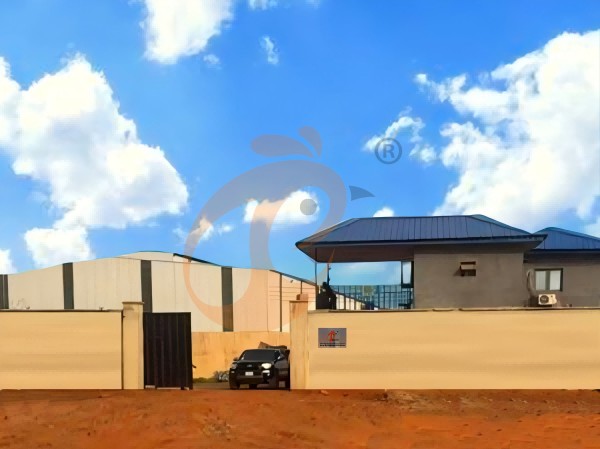
Nigeria Vanke Machinery And Equipment CO., LTD
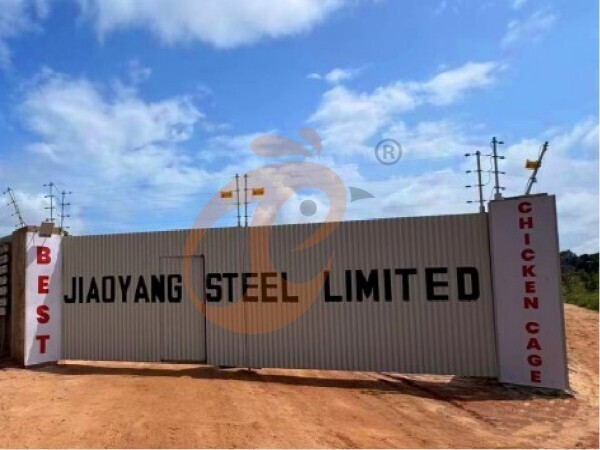
Tanzania Best Machinery And Equipment CO., LTD
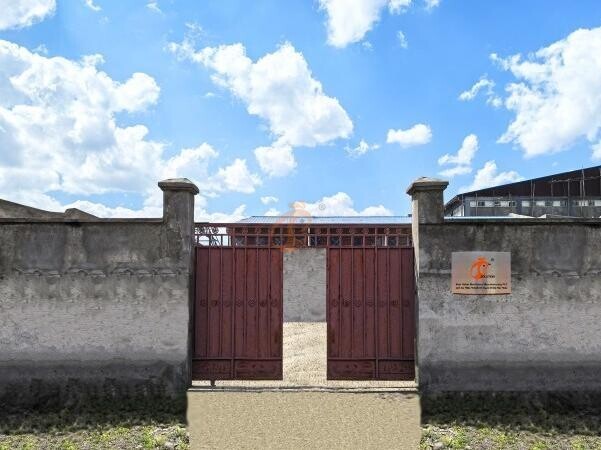
Ethiopia Best Hebei Machinery Manufacturing PLC
Reception /24 WhatsApp NO. : +8618830120193
FAQ
What Are The Growth Performance Benefits In Deep Litter Poultry System?
Feed conversion ratio improves to 1.55–1.78 due to thermal comfort and reduced stress.
Market uniformity rate exceeds 85%–92% within target slaughter weight range.
What Are The Litter Turning And Management Frequency Standards In Deep Litter Poultry System?
Surface leveling is maintained every 3–5 days to prevent compaction zones.
Full litter replacement cycle occurs every 2–3 production batches depending on load intensity.
What Are The Energy Efficiency And Cost Advantages In Deep Litter Poultry System?
Construction cost savings reach 25%–40% compared with fully caged housing systems.
Operational labor demand decreases by 30%–50% through simplified floor-based management.
Message
Products recommended
 HK Headquarter Offers EU-standard Poultry Farm Solutions, Manufacture Poultry Farm Equipment1. Continuous communication with the EU and the US
2. China, Nigeria, Ethiopia, Tanzania branch companies and factories
3. The products’ quality is customized for local poultry farms
4. Poultry cage and poultry farm equipment stock for sale
5. 24 online reception Whatsapp NO. : +8618830120193,contact us to get full informationRead More China Branch Offer Poultry Farm Business Plan, Manufacture Poultry Farm Equipment1. Address: Flat/RM 2416, 24/F, Runxing Building, Youyi Nan Street, Shijiazhuang City, Hebei Province, China
2. Poultry cage and poultry farm equipment factory and stock for sale
3. Customized for local poultry farms
4. Quality and design are based on Euro
5. 24 online reception Whatsapp NO. : +8618830120193Read More Nigeria Branch Offer Poultry Farm Business Plan, Manufacture Poultry Farm Equipment1. Address: After Sinoma Office, 200 Meters Near Danco Filling Station, Lagos/Ibadan Expressway, Lagos State, Nigeria
2. Poultry cage and poultry farm equipment factory and stock for sale
3. Customized for Nigerian poultry farms
4. Quality and design are based on Euro
5. 24 online reception Whatsapp NO. : +8618830120193Read More Ethiopia Branch Offer Poultry Farm Business Plan, Manufacture Poultry Farm Equipment1. Address: Gelan Gura, Akaki-kaliti Sub City, Addis Ababa, Ethiopia
2. Poultry cage and poultry farm equipment stock for sale
3. Customized for Ethiopian poultry farms
4. Quality and design are based on Euro
5. 24 online reception Whatsapp NO. : +8618830120193, contact us to get price listRead More Tanzania Branch Offer Poultry Farm Business Plan, Manufacture Poultry Farm Equipment1. Address: No.8, Sova Road, Msufini, Mlandizi, Kibaha, Pwani, Tanzania
2. Poultry cage and poultry farm equipment factory and stock for sale
3. Customized for Tanzanian poultry farms
4. Quality and design are based on Euro
5. 24 online reception Whatsapp NO. : +8618830120193Read More Fully Automatic H Type Layer Chicken Cage1. 30,000-100,000+ layers/house chooses it, Poultry farmers can achieve an egg production rate of 96-98%
2. A significant improvement over the 85-90% typically seen in manual systems
3. A typical poultry farm can expect a 30-40% reduction in labor costs due to the automation
4. Each feeding line efficiently supplies feed to around 100,000 hens per 30 mins
5. Reception /WhatsApp NO. : +8618830120193Read More Fully Automatic A Type Layer Chicken Cage1. 10,000-50,000 layers/house chooses it
2. Cleaner egg collection reduces breakage by 0.5%
3. Improved hygiene helps reduce mortality rate to <3%
4. 1–2 technicians can handle 15,000–30,000 birds
5. Reception /WhatsApp NO. : +8618830120193Read More Semi Automatic H Type Layer Chicken Cage1. 1,00-20,000 layers/house chooses it
2. Nipple drinkers flow 30–60 ML / min
3. Hot-dip galvanized (typical coating ≥ 275 g/m²)
4. Reduce ammonia by ~ 35–40%
5. Reception /WhatsApp NO. : +8618830120193Read More Semi Automatic A Type Layer Chicken Cage1. 1,00-20,000 layers/house chooses it, no rust for 10 years, no deformation for 15 years
2. Chickens live comfortably, you can raise them with peace of mind
3. Save water, save money—efficiency you can measure
4. Improve environment quality, and increase egg production rate
5. Reception /WhatsApp NO. : +8618830120193Read More
By clicking 'Allow All', you agree to the storage of cookies on your device to enhance site navigation, analyze site usage and assist with our marketing efforts.