






Blog
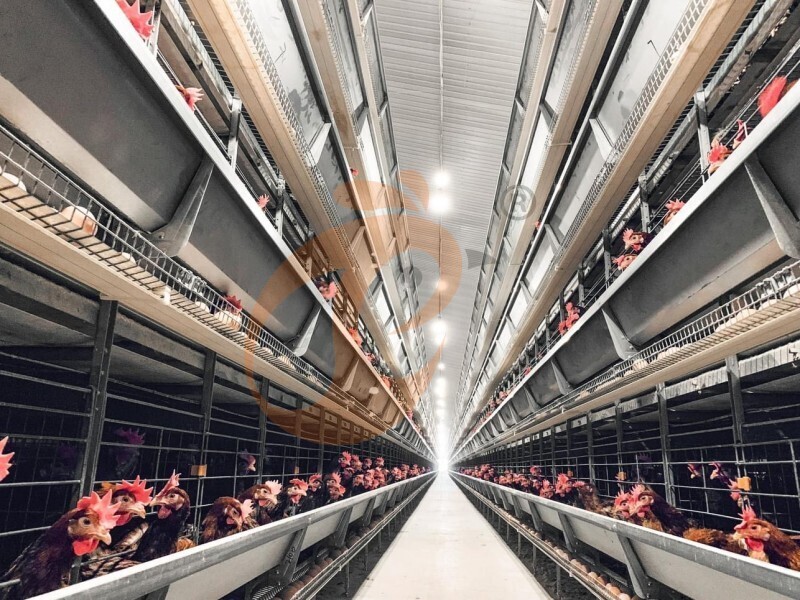
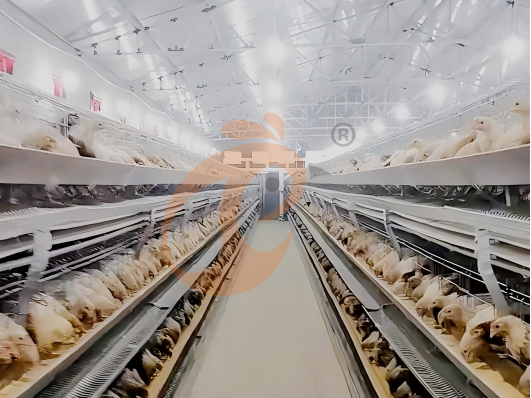
- H type chicken cage systems combine feeding design, cage structure, and production management, with commercial layouts supporting 20,000–30,000 layers and efficient daily operation.
Automatic chicken feeding systems reduce repetitive feed handling while maintaining controlled delivery, making 0.75–1.5 kw drive configurations practical for expanding poultry projects.
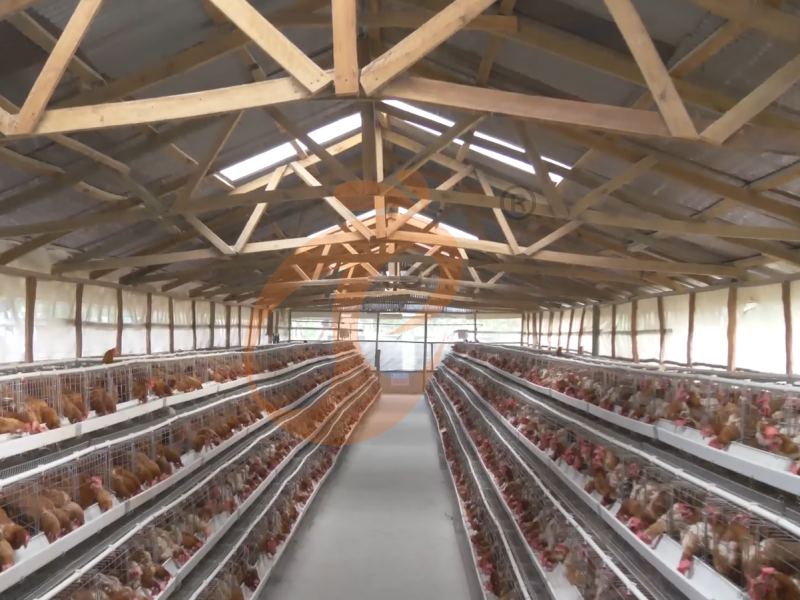
Manual feeding remains suitable for compact houses, especially where operators handle 18–22 kg per trip and direct visual inspection remains valuable.
Layer cage systems gain greater commercial value when feeding integrates with drinking, manure removal, egg collection, and environmental equipment across 3–10 tiers.
- Engineering selection should balance labor, equipment, maintenance, and expansion, while service spaces of 1.5–2.0 m support practical operation around complete H type chicken cage systems.
Get professional poultry farm construction guidance, equipment selection solutions, and the latest price lists, whatsApp to +8618830120193, +2348111199996, or click to learn more
The Real Choice Behind Feeding Equipment
In an H type chicken cage systems project, feeding determines operator movement, equipment coordination, and production workflow, while an H type chicken cage and layer cage system must match flock scale.
Manual feeding depends on worker movement, while an automatic chicken feeding system transfers feed mechanically, making approximately 20,000–30,000 layers a useful planning reference.
Equipment layout also affects expansion, and H type chicken cage systems should reserve approximately 1.5–2.0 m of service space for inspection around feeding and supporting equipment.
Decision checklist
- Choose manual feeding for limited cage rows and short operating routes within an H type chicken cage.
- Choose automatic feeding when multiple tiers require synchronized delivery through an automatic chicken feeding system.
- Consider automatic equipment when feeding connects with drinking, manure removal, egg collection, and environmental control.
Select feeding equipment according to house layout, cage capacity, and future expansion requirements for a complete layer cage system.
Manual Feeding System: Technical Configuration
Data is for reference only.Swipe horizontally to view full table.
Manual feeding has a straightforward structure and suits an H type chicken cage systems installation where operators need direct trough access, particularly with a compact layer cage system.
When workers handle 18–22 kg per trip, feed-loading cycles become easier to estimate for an H type chicken cage, while an automatic chicken feeding system becomes more attractive as routes expand.
Automatic Feeding System: Technical Configuration
Data is for reference only.Swipe horizontally to view full table.
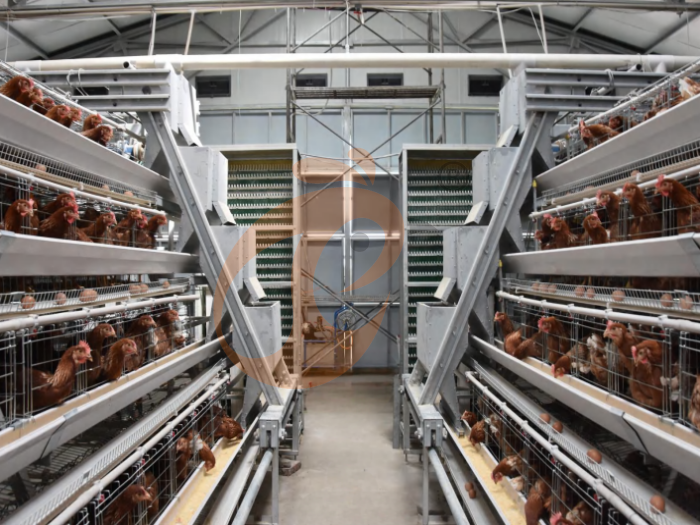
Automatic feeding replaces repeated transportation with mechanical delivery in H type chicken cage systems, while an automatic chicken feeding system can connect centralized storage with each layer cage system.
Electrical planning should match farm infrastructure, with approximately Ip54 cabinet protection and emergency-stop positioning within roughly 10 m of major operating areas for an H type chicken cage.
Follow The Feed: Four Operating Stages
Stage 1 — storage
Bulk feed enters centralized storage before distribution, allowing an H type chicken cage systems project to separate feed storage from bird-level delivery.
Stage 2 — transfer
Mechanical equipment moves feed toward cage rows, while an automatic chicken feeding system maintains a defined route and an H type chicken cage keeps distribution organized.
Stage 3 — distribution
Feed reaches cage troughs through the selected mechanism, reducing repeated manual carrying across a layer cage system.
Stage 4 — inspection
Operators shift toward supervision, checking motor bearing temperatures below 70°c and chain elongation around 2% during routine H type chicken cage Systems maintenance.
Manual Vs Automatic Feeding: Engineering Comparison
Data is for reference only.Swipe horizontally to view full table.
The engineering difference involves labor and machinery, with H type chicken cage systems using either direct handling or automated transfer according to project requirements.
For two feeding rounds daily, annual feeding events reach approximately 730 cycles, making automatic chicken feeding system reliability and layer cage system maintenance increasingly important.
The Labor Equation
A practical calculation
Manual feeding workload
Workers × hours per feeding round × feeding rounds/day
Two operators spending 40 minutes per feeding round across two daily rounds create approximately 2.67 worker-hours/day within an H type chicken cage Systems operation.
Automatic equipment changes the labor structure, while approximately 20–30 minutes of supervision per cycle can replace repeated carrying tasks in an automatic chicken feeding system.
Investment calculation
- Feeding equipment.
- Electrical installation.
- Feed storage connection.
- Spare parts.
- Commissioning.
- Operator training.
- Preventive maintenance.
A complete layer cage system should therefore be evaluated through operating cost, maintenance, and service requirements rather than feeder purchase price alone.
Feed Transportation Technology Comparison
Data is for reference only.Swipe horizontally to view full table.
Chain and auger systems require different engineering considerations within H type chicken cage systems, particularly around feed formulation, route geometry, and equipment access.
For pelletized feed around 3–5 mm particle diameter, an automatic chicken feeding system should be selected to support stable transportation while minimizing unnecessary feed handling in the layer cage system.
Why Integrated H-Type Equipment Matters
Project A — separate procurement
Cages are purchased first, followed by feeding equipment, which can create interface adjustments for an H type chicken cage systems installation.
Project B — integrated engineering
Cages, automatic chicken feeding system, drinking, manure removal, egg collection, and controls are designed together as one layer cage system.
Project B allows cable routing around approximately 25–40 mm conduit diameters and coordinates control-cabinet positioning with operator access.
Integrated engineering therefore treats the H type chicken cage as part of a complete production platform rather than an isolated structure.
H-Type Cage Integration Parameters
Data is for reference only.Swipe horizontally to view full table.
H type chicken cage systems can be configured around building dimensions instead of forcing buildings into fixed equipment layouts.
Customized installations may include approximately 50–80 mm drainage channels and 2–3% floor slopes, supporting sanitation around an H type chicken cage and automatic chicken feeding system.
Maintenance Is Part Of The Feeding System
Daily
Inspect feed flow, vibration, electrical indicators, and accumulation around moving components, with approximately 10–15 minutes allocated per feeding line for routine H type chicken cages systems inspection.
Weekly
Inspect transmission components, fasteners, sensors, and trough connections, while maintenance records support predictable automatic chicken feeding system operation.
Monthly
Review motor performance, electrical terminals, controller alarms, and mechanical alignment, with motor-current variation within ±10% of commissioning values providing a useful diagnostic reference for a layer cage system.
Preventive inspection keeps feeding synchronized with the wider H type chicken cage production process.
Operating Cost Structure
Data is for reference only.Swipe horizontally to view full table.
Operating cost should include electricity, labor, maintenance, spare parts, and depreciation for H type chicken cage systems rather than equipment price alone.
At 3 operating hours daily, an automatic chicken feeding system reaches approximately 1,095 operating hours annually, providing a practical basis for energy calculations.
All monetary calculations should use usd; European union standard reference only applies where European cost or specification comparisons are required.
Equipment Selection Guide
Data is for reference only.Swipe horizontally to view full table.
Manual feeding remains practical for limited-scale H type chicken cage systems, while automatic feeding becomes increasingly suitable as cage rows and production requirements expand.
Projects planning 6–8 production cycles should prioritize durable automatic chicken feeding system configurations and serviceability within the complete layer cage system.
For new H type chicken cage projects, suppliers should evaluate building dimensions, flock capacity, cage tiers, feed formulation, labor, electrical supply, and expansion before selecting equipment.
Frequently Asked Questions
Q1: What feeding method fits an H type chicken cage systems project?
A1: Manual feeding suits compact layouts, while automatic chicken feeding system configurations better support expanding commercial houses with multiple cage rows.
Q2: How much motor power does automatic feeding require?
Typical systems use 0.75–1.5 kw drive motors, with final selection depending on H type chicken cage systems length and feeding architecture.
Q3: Can feeding equipment integrate with other layer equipment?
A3: Yes, an H type chicken cage can integrate feeding with drinking, manure removal, egg collection, and environmental controls within a coordinated layer cage system.
Taiyu (HK) Group - One Of China Toppest H Type Chicken Cage Systems Manufacturer
H type chicken cage systems provide integrated layer housing and feeding architecture, with commercial configurations supporting 3–10 tiers and engineered automatic feeding integration.
Global factory direct sales supply poultry equipment through project-based engineering, component coordination, commissioning support, and technical documentation.
Poultry equipment covers cages, automatic chicken feeding system components, drinking systems, manure removal, egg collection, ventilation, and control equipment.
Turn-key engineering coordinates layout design, equipment production, installation guidance, commissioning, and operational training for complete poultry projects.
International project supply supports farm scenarios requiring scalable layer cage system configurations, centralized feeding, electrical integration, and production-line coordination.
Contact Us To Received Your Customized Poultry Farm Plan
Headquarters And Branchs
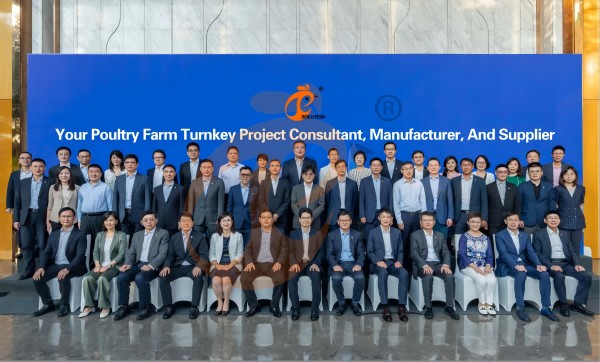
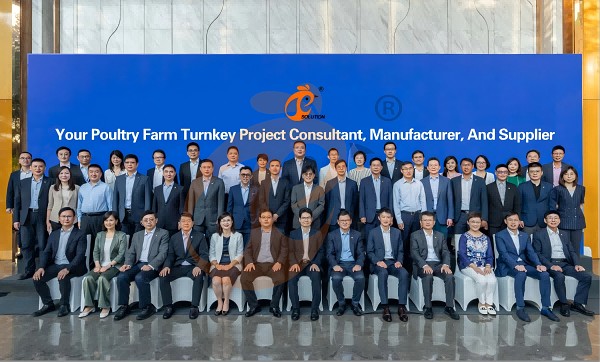
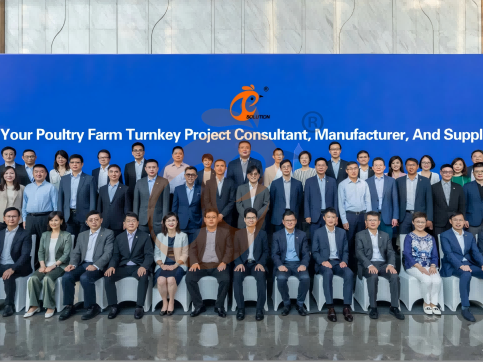
Hong Kong Headquarter Management Team
Hong Kong Headquarter Taiyu Industrial Group CO., LTD
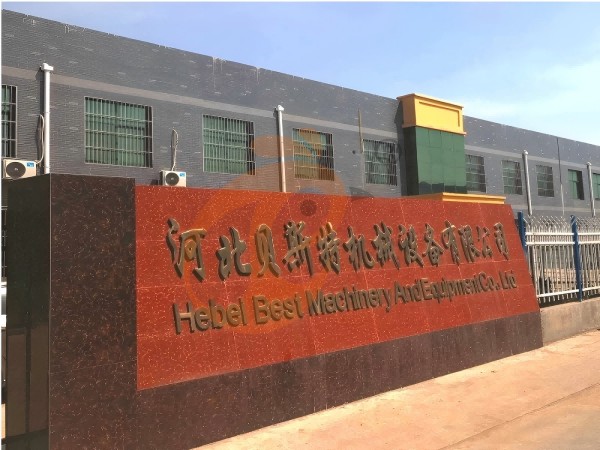
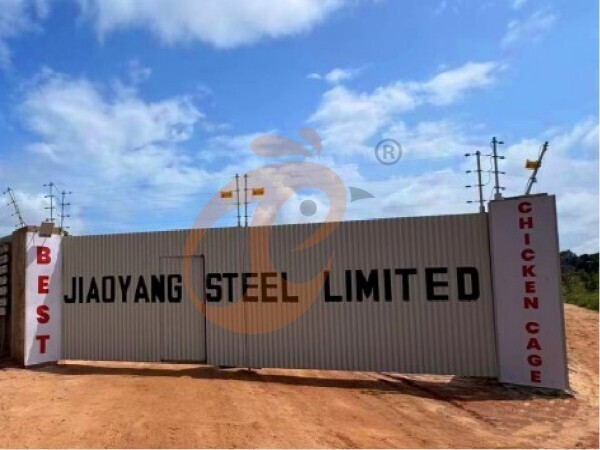
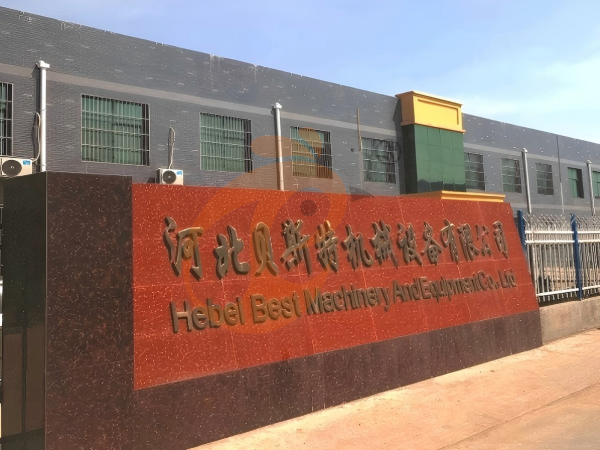
China Hebei Best Machinery And Equipment CO., LTD
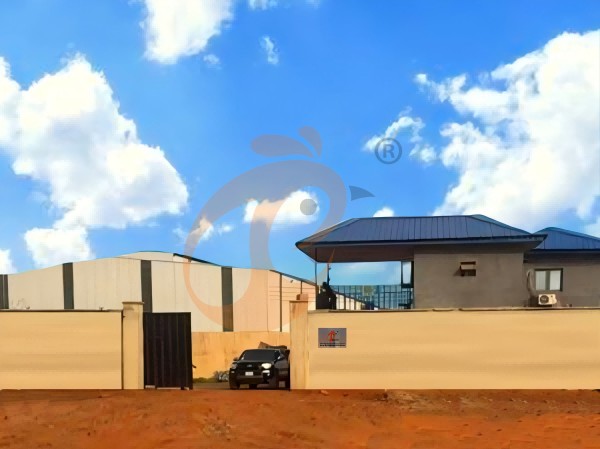
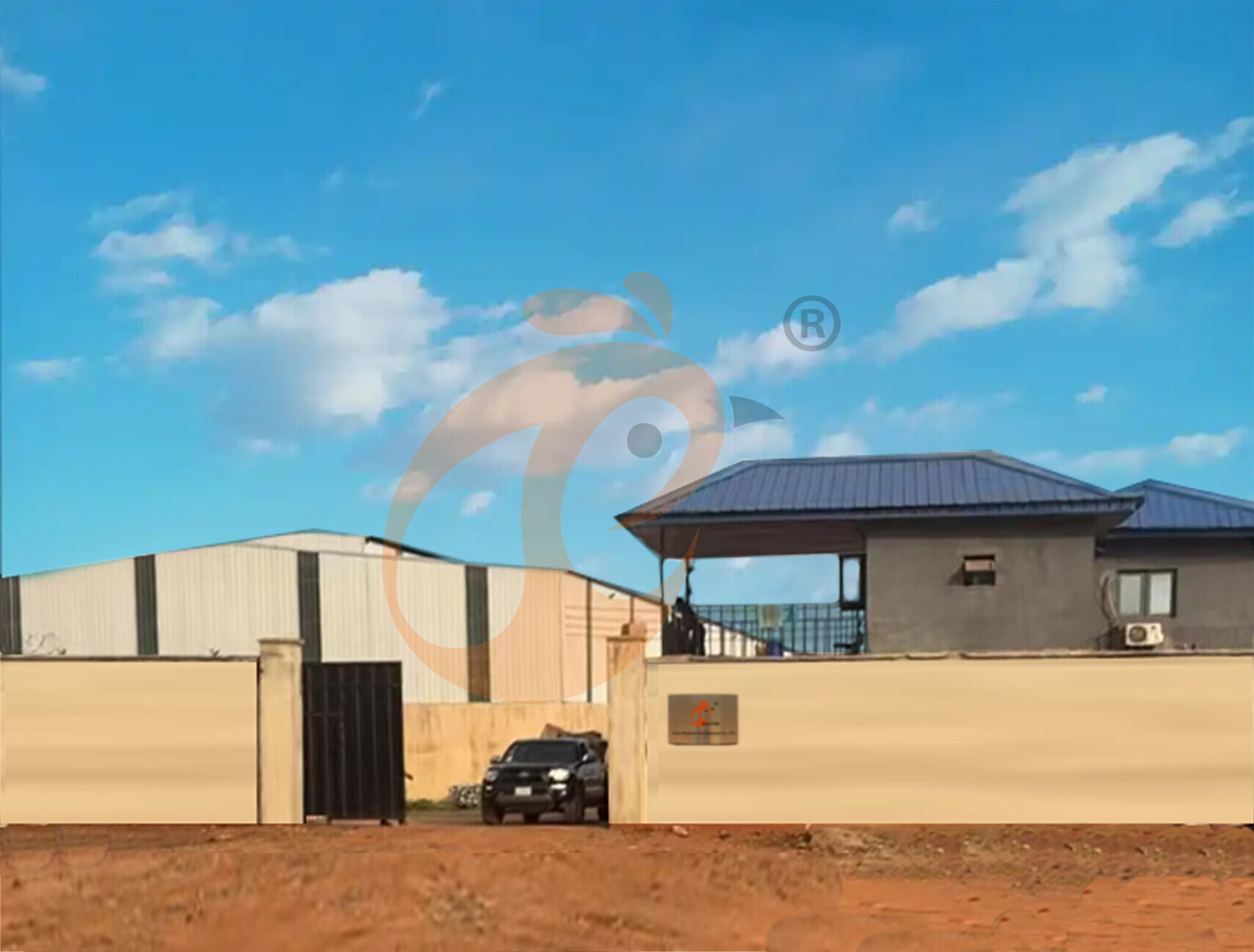
Nigeria Vanke Machinery And Equipment CO., LTD
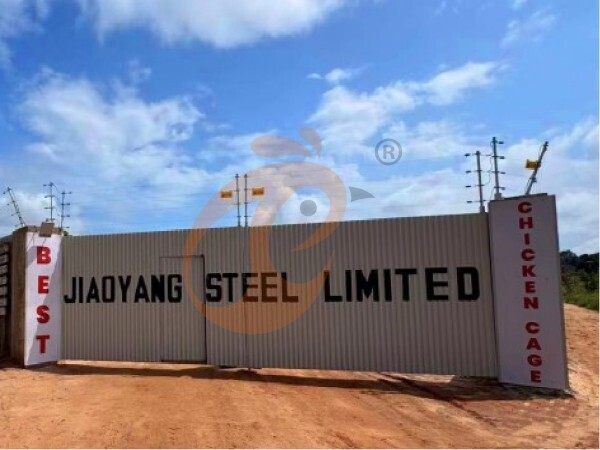
Tanzania Best Machinery And Equipment CO., LTD
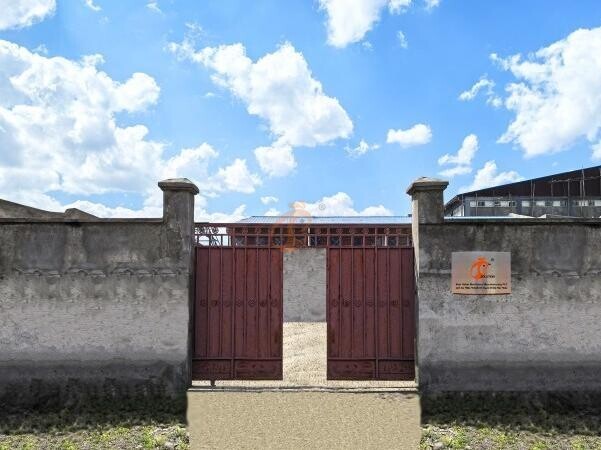
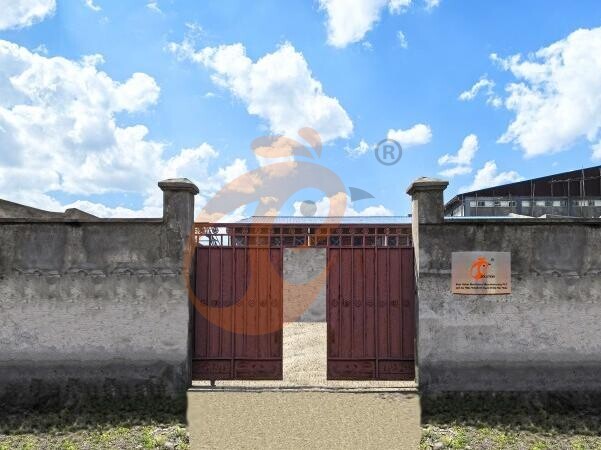
Ethiopia Best Hebei Machinery Manufacturing PLC
Reception /24 WhatsApp NO. : +8618830120193
FAQ
What Are The Recommended Cleaning Frequency For H-Type Layer Cage Equipment?
Flush cages weekly
Disinfect fully monthly
Reduce pathogen accumulation
How To Select The Best H-Type Poultry Cage For High-Density Layer Farm?
Birds per tier: 100–120
Automatic feeding and drinking system
Equipment lifespan: more than 25 years
What Are The Key Layout Considerations For H-Type Chicken Cage House Design?
Ensure good air circulation between tiers
Uniform lighting
Multi-tier layout: 5–7 levels
Farm capacity per house: 30,000 - 100,000+0 birds
- poultry equipment
- chicken cage
- layer cage
- poultry farm
- feeding equipment
- poultry farm
- poultry farm construction
- layer cage system
- automatic feeding system
- layer equipment
- chicken cage system
- chicken cage production
- chicken cage project
- automatic chicken feeding system
- chicken feeding system
- Ethiopia
- Nigeria
Message
Products recommended
 HK Headquarter Offers EU-standard Poultry Farm Solutions, Manufacture Poultry Farm Equipment1. Continuous communication with the EU and the US
2. China, Nigeria, Ethiopia, Tanzania branch companies and factories
3. The products’ quality is customized for local poultry farms
4. Poultry cage and poultry farm equipment stock for sale
5. 24 online reception Whatsapp NO. : +8618830120193,contact us to get full informationRead More China Branch Offer Poultry Farm Business Plan, Manufacture Poultry Farm Equipment1. Address: Flat/RM 2416, 24/F, Runxing Building, Youyi Nan Street, Shijiazhuang City, Hebei Province, China
2. Poultry cage and poultry farm equipment factory and stock for sale
3. Customized for local poultry farms
4. Quality and design are based on Euro
5. 24 online reception Whatsapp NO. : +8618830120193Read More Nigeria Branch Offer Poultry Farm Business Plan, Manufacture Poultry Farm Equipment1. Address: After Sinoma Office, 200 Meters Near Danco Filling Station, Lagos/Ibadan Expressway, Lagos State, Nigeria
2. Poultry cage and poultry farm equipment factory and stock for sale
3. Customized for Nigerian poultry farms
4. Quality and design are based on Euro
5. 24 online reception Whatsapp NO. : +8618830120193Read More Ethiopia Branch Offer Poultry Farm Business Plan, Manufacture Poultry Farm Equipment1. Address: Gelan Gura, Akaki-kaliti Sub City, Addis Ababa, Ethiopia
2. Poultry cage and poultry farm equipment stock for sale
3. Customized for Ethiopian poultry farms
4. Quality and design are based on Euro
5. 24 online reception Whatsapp NO. : +8618830120193, contact us to get price listRead More Tanzania Branch Offer Poultry Farm Business Plan, Manufacture Poultry Farm Equipment1. Address: No.8, Sova Road, Msufini, Mlandizi, Kibaha, Pwani, Tanzania
2. Poultry cage and poultry farm equipment factory and stock for sale
3. Customized for Tanzanian poultry farms
4. Quality and design are based on Euro
5. 24 online reception Whatsapp NO. : +8618830120193Read More Fully Automatic H Type Layer Chicken Cage1. 30,000-100,000+ layers/house chooses it, Poultry farmers can achieve an egg production rate of 96-98%
2. A significant improvement over the 85-90% typically seen in manual systems
3. A typical poultry farm can expect a 30-40% reduction in labor costs due to the automation
4. Each feeding line efficiently supplies feed to around 100,000 hens per 30 mins
5. Reception /WhatsApp NO. : +8618830120193Read More Fully Automatic A Type Layer Chicken Cage1. 10,000-50,000 layers/house chooses it
2. Cleaner egg collection reduces breakage by 0.5%
3. Improved hygiene helps reduce mortality rate to <3%
4. 1–2 technicians can handle 15,000–30,000 birds
5. Reception /WhatsApp NO. : +8618830120193Read More Semi Automatic H Type Layer Chicken Cage1. 1,00-20,000 layers/house chooses it
2. Nipple drinkers flow 30–60 ML / min
3. Hot-dip galvanized (typical coating ≥ 275 g/m²)
4. Reduce ammonia by ~ 35–40%
5. Reception /WhatsApp NO. : +8618830120193Read More Semi Automatic A Type Layer Chicken Cage1. 1,00-20,000 layers/house chooses it, no rust for 10 years, no deformation for 15 years
2. Chickens live comfortably, you can raise them with peace of mind
3. Save water, save money—efficiency you can measure
4. Improve environment quality, and increase egg production rate
5. Reception /WhatsApp NO. : +8618830120193Read More
By clicking 'Allow All', you agree to the storage of cookies on your device to enhance site navigation, analyze site usage and assist with our marketing efforts.