


Blog
Cheap vs heavy-duty chicken cage cost comparison remains central in Ethiopia poultry farming.
This article explains long-term savings of heavy-duty systems versus low-cost cages.
Insights include material durability, operational efficiency, feed cost reduction, and egg production.
It highlights maintenance, spare parts logistics, and downtime impact on profitability.
Also covers manure management and biosecurity improvements for healthier flocks.
Return on investment calculations and 15-year financial projections are discussed.
Provides guidance on Ethiopia-specific conditions, climate, and poultry farm practices.
Concludes with strategic advice for sustainable, long-term poultry business decisions.
Get professional poultry farm construction guidance, equipment selection solutions, and the latest price lists, whatsApp to +8618830120193, click to learn more:

Ethiopia Branch Office And Factory Of Poultry Farm Equipment
The Allure Of Low Entry Cost
In markets like Addis Ababa, Bahir Dar, and Hawassa, the initial price of a basic A-type layer chicken cage set can seem attractive for a farmer starting with a flock of 5,000 birds.
These entry-level units often rely on cold-galvanized steel and simpler welding techniques.
For an entrepreneur operating on a tight budget, the lower upfront investment often cited around Ethiopian Birr 45,000 to Ethiopian Birr 65,000 per set after logistics (European union standard reference only) reduces the initial financial barrier.
However, this initial saving masks significant long-term liabilities.
The economic realities of Ethiopian poultry farming, where feed accounts for 60–70% of production costs, demand a closer look at total cost of ownership.
Data is for reference only.Swipe horizontally to view full table.
Material Science And The Ethiopian Climate
Ethiopia's diverse climate presents a challenge for chicken cage equipment.
In highlands like Holetta or the Rift Valley near Adama, humidity and temperature fluctuations are significant.
Ammonia from manure aggressively corrodes unprotected steel.
Cheap cages use cold galvanization, where a thin zinc layer is applied electrochemically.
Coating often fails within 36 months.
Heavy-duty systems use hot-dip galvanization (HDG), submerging steel in molten zinc at 450°C.
This creates a thicker, metallurgically bonded layer.
Data is for reference only.Swipe horizontally to view full table.
Operational Efficiency In Feed And Water Management
Heavy-duty chicken cage systems integrate with precision automation.
Feed accounts for up to 75% of operational costs in Ethiopia.
Reducing waste is critical.
Manual systems use hand-feeding or basic troughs, causing spillage and selective eating, lowering feed conversion ratio (FCR).
Automated heavy-duty systems deliver uniform feed via trolley or chain, improving FCR and flock health.
Sealed nipple drinkers reduce water waste.
A 5% feed reduction saves significantly on large farms.
Data is for reference only.Swipe horizontally to view full table.
Hidden Costs Of Downtime And Spare Parts
Ethiopian poultry farms face spare part scarcity.
Import via Djibouti adds Ethiopian Birr 12,000–15,000 per chicken cage unit.
Cheap cage failures rusted doors, broken water lines cause downtime and production loss.
Heavy-duty suppliers maintain local parts inventory and provide technician support, minimizing downtime and ensuring peak egg production of 90–96%.
Data is for reference only.Swipe horizontally to view full table.
Manure Management And Biosecurity
In Ethiopia, especially near urban centers like Addis Ababa and Dire Dawa, land for spreading manure is limited.
Traditional deep-pit systems used in cheap chicken cages lead to ammonia accumulation, creating respiratory problems for birds and lowering egg production.
This is particularly problematic in high-density farms where ventilation is already constrained.
Heavy-duty chicken cage systems address this by incorporating automated manure belts or scrapers.
These systems remove droppings daily or weekly, preventing ammonia buildup and reducing pathogen proliferation.
For Ethiopian farms, this also minimizes labor requirements, as manual cleaning is time-consuming and costly.
Additionally, improved waste management supports biosecurity by limiting contact between birds and contaminated manure, reducing the risk of diseases like Newcastle and Salmonella.
The solution aligns with local constraints, protecting flock health, maintaining production efficiency, and supporting sustainable urban poultry operations.
Return On Investment And Financial Projections
Over 15 years, heavy-duty cages show lower cost per bird despite higher upfront investment.
Cheap cages may need replacement after a few years.
Heavy-duty systems with automation improve FCR, reduce mortality, and labor, recouping investment in 16–24 months.
Data is for reference only.Swipe horizontally to view full table.
Frequently Asked Questions
Q1: Is heavy-duty chicken cage suitable for Ethiopia farms?
Yes.
Hot-dip galvanized cages withstand Ethiopian humidity and ammonia.
They reduce maintenance and increase lifespan over cheap cages.
Q2: How does it affect feed efficiency in Ethiopian conditions?
Automated heavy-duty systems improve feed conversion ratio by 10–15%.
Less feed waste reduces operational costs significantly.
Q3: Are spare parts available locally in Ethiopia?
Heavy-duty cages with local assembly hubs provide spare parts.
Technical support minimizes downtime and maintains peak egg production.
Ethiopia Best Hebei Machinery Manufacturing Plc - One Of Ethiopia Largest Chicken Cage Manufacturer
Global factory direct sales ensure consistent poultry farm equipment delivery across Ethiopia.
Provides turn-key engineering solutions for poultry farms with fully integrated chicken cage systems.
Supplies high-quality poultry cages that last decades and improve flock productivity.
Offers installation, maintenance, and after-sales support for efficient farm operations.
Ensures competitive pricing, reliable supply, and professional service for every customer.
Contact Us To Received Your Customized Poultry Farm Plan
Headquarters And Branchs

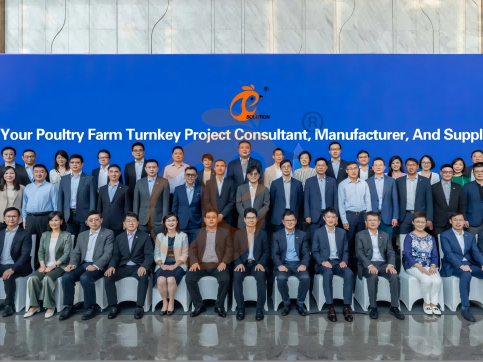
Hong Kong Headquarter Management Team
Hong Kong Headquarter Taiyu Industrial Group CO., LTD
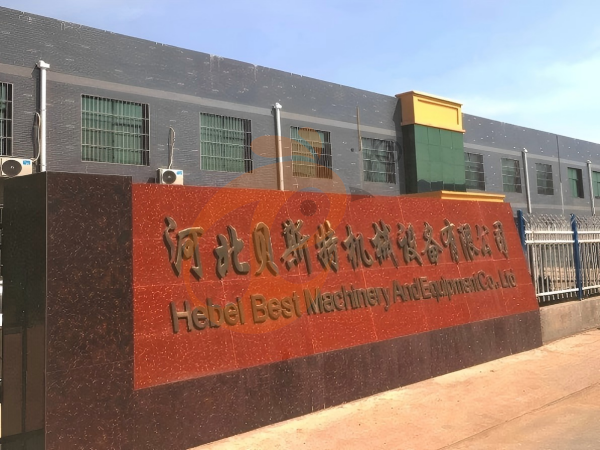
China Hebei Best Machinery And Equipment CO., LTD
Nigeria Vanke Machinery And Equipment CO., LTD
Tanzania Best Machinery And Equipment CO., LTD
Ethiopia Best Hebei Machinery Manufacturing PLC
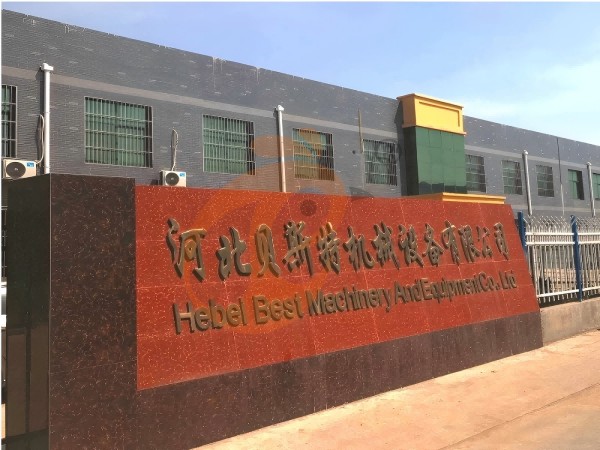
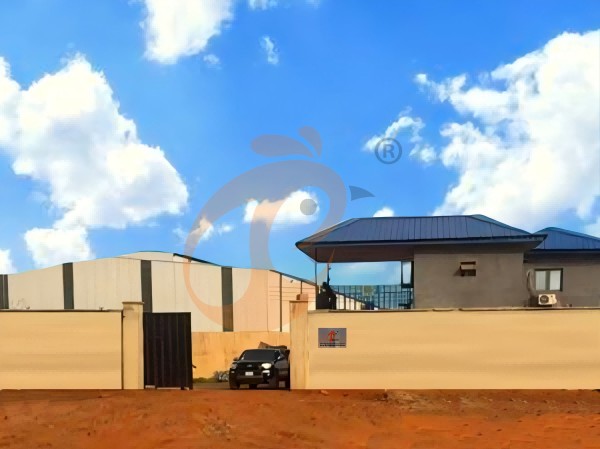
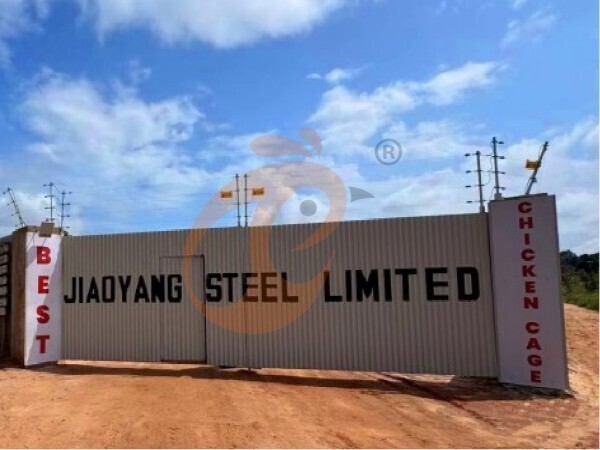
Reception /24 WhatsApp NO. : +8618830120193
FAQ
What Are The Top Recommendations For Egg Quality Management In Battery Cage Systems?
Keep conveyor belts clean to avoid breakage and contamination.
Egg production: 90–98%, breakage rate: 2–3%.
How To Optimize Lighting And Ventilation For Maximum Egg Production In Poultry Cages?
Combine roof exhaust and side-wall intake for ventilation, temperature 18–25℃, humidity 50–70%.
Egg production can reach 90–98%, breakage rate <3%.
How To Implement Advanced Manure Removal Systems In Layer Cage Farms?
Reduces manual labor by 50–70%, maintains house hygiene, and lowers disease risk.
Message
Products recommended
 HK Headquarter Offers EU-standard Poultry Farm Solutions, Manufacture Poultry Farm Equipment1. Continuous communication with the EU and the US
2. China, Nigeria, Ethiopia, Tanzania branch companies and factories
3. The products’ quality is customized for local poultry farms
4. Poultry cage and poultry farm equipment stock for sale
5. 24 online reception Whatsapp NO. : +8618830120193,contact us to get full informationRead More China Branch Offer Poultry Farm Business Plan, Manufacture Poultry Farm Equipment1. Address: Flat/RM 2416, 24/F, Runxing Building, Youyi Nan Street, Shijiazhuang City, Hebei Province, China
2. Poultry cage and poultry farm equipment factory and stock for sale
3. Customized for local poultry farms
4. Quality and design are based on Euro
5. 24 online reception Whatsapp NO. : +8618830120193Read More Nigeria Branch Offer Poultry Farm Business Plan, Manufacture Poultry Farm Equipment1. Address: After Sinoma Office, 200 Meters Near Danco Filling Station, Lagos/Ibadan Expressway, Lagos State, Nigeria
2. Poultry cage and poultry farm equipment factory and stock for sale
3. Customized for Nigerian poultry farms
4. Quality and design are based on Euro
5. 24 online reception Whatsapp NO. : +8618830120193Read More Ethiopia Branch Offer Poultry Farm Business Plan, Manufacture Poultry Farm Equipment1. Address: Gelan Gura, Akaki-kaliti Sub City, Addis Ababa, Ethiopia
2. Poultry cage and poultry farm equipment stock for sale
3. Customized for Ethiopian poultry farms
4. Quality and design are based on Euro
5. 24 online reception Whatsapp NO. : +8618830120193, contact us to get price listRead More Tanzania Branch Offer Poultry Farm Business Plan, Manufacture Poultry Farm Equipment1. Address: No.8, Sova Road, Msufini, Mlandizi, Kibaha, Pwani, Tanzania
2. Poultry cage and poultry farm equipment factory and stock for sale
3. Customized for Tanzanian poultry farms
4. Quality and design are based on Euro
5. 24 online reception Whatsapp NO. : +8618830120193Read More Fully Automatic H Type Layer Chicken Cage1. 30,000-100,000+ layers/house chooses it, Poultry farmers can achieve an egg production rate of 96-98%
2. A significant improvement over the 85-90% typically seen in manual systems
3. A typical poultry farm can expect a 30-40% reduction in labor costs due to the automation
4. Each feeding line efficiently supplies feed to around 100,000 hens per 30 mins
5. Reception /WhatsApp NO. : +8618830120193Read More Fully Automatic A Type Layer Chicken Cage1. 10,000-50,000 layers/house chooses it
2. Cleaner egg collection reduces breakage by 0.5%
3. Improved hygiene helps reduce mortality rate to <3%
4. 1–2 technicians can handle 15,000–30,000 birds
5. Reception /WhatsApp NO. : +8618830120193Read More Semi Automatic H Type Layer Chicken Cage1. 1,00-20,000 layers/house chooses it
2. Nipple drinkers flow 30–60 ML / min
3. Hot-dip galvanized (typical coating ≥ 275 g/m²)
4. Reduce ammonia by ~ 35–40%
5. Reception /WhatsApp NO. : +8618830120193Read More Semi Automatic A Type Layer Chicken Cage1. 1,00-20,000 layers/house chooses it, no rust for 10 years, no deformation for 15 years
2. Chickens live comfortably, you can raise them with peace of mind
3. Save water, save money—efficiency you can measure
4. Improve environment quality, and increase egg production rate
5. Reception /WhatsApp NO. : +8618830120193Read More
By clicking 'Allow All', you agree to the storage of cookies on your device to enhance site navigation, analyze site usage and assist with our marketing efforts.