


Blog
This article examines Ethiopian poultry farming and the factors influencing layer chicken cages cost, offering practical insights for local commercial and smallholder producers.
It provides a structured breakdown of capital, operational and ongoing expenses relevant to Ethiopia's growing poultry demand.
It identifies constraints in feed supply, biosecurity and financing, with actionable mitigation strategies.
Revenue forecasting, return on investment analysis and financing guidance are included for informed investment decisions.
Get professional poultry farm construction guidance, equipment selection solutions, and the latest price lists, whatsApp to +8618830120193, click to learn more:

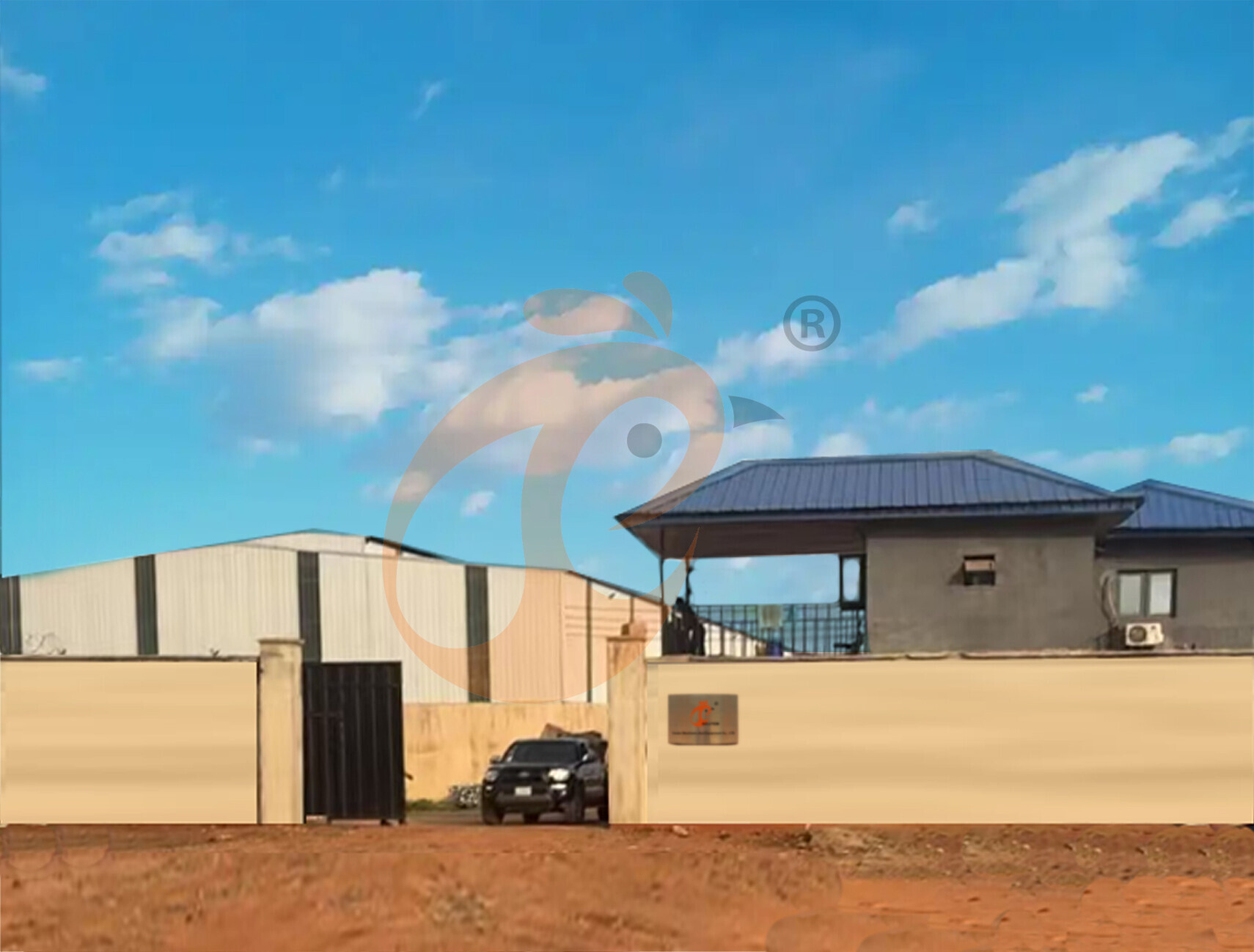
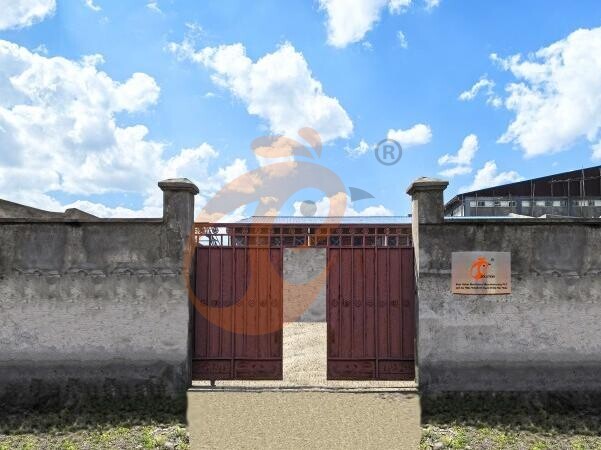
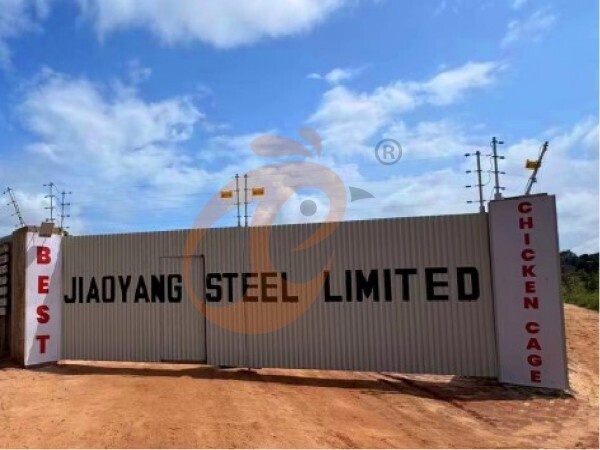
Ethiopia Branch Office And Factory Of Poultry Farm Equipment
Benefits Of Adopting H Type Chicken Cage Systems In Ethiopia
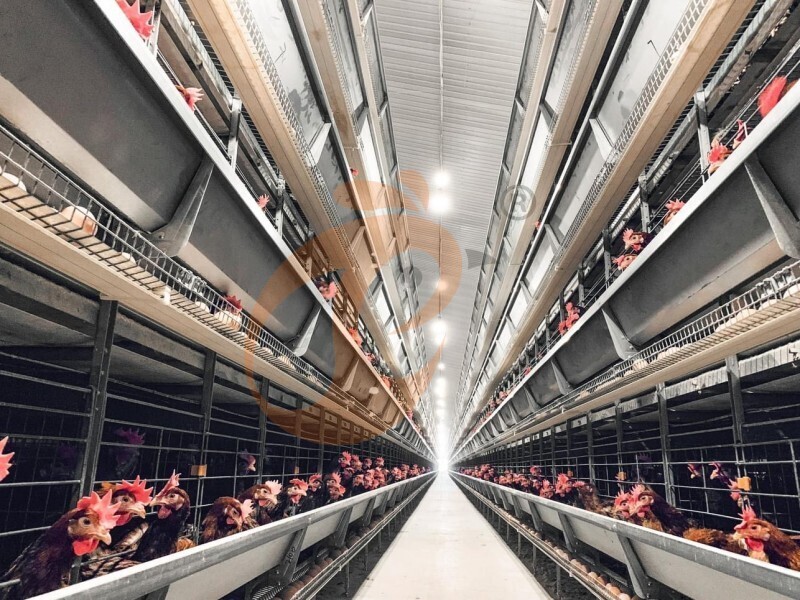
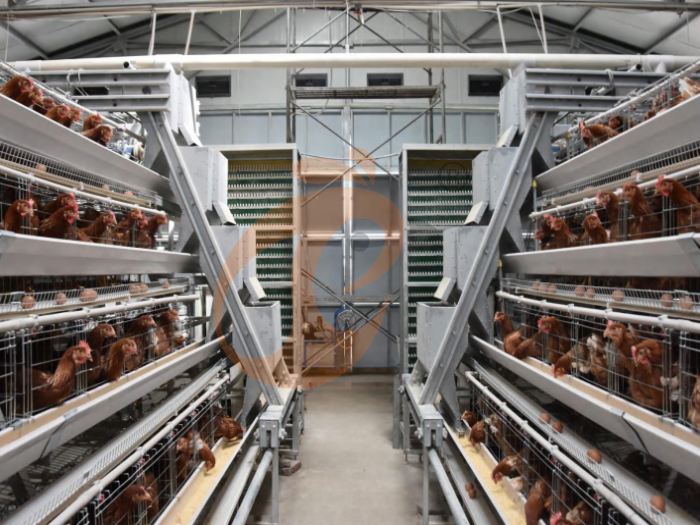
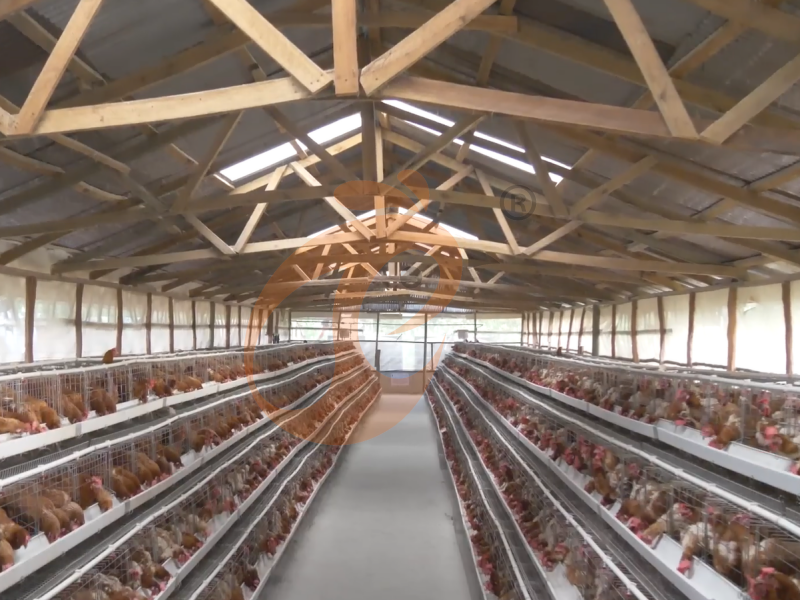
The adoption of H type chicken cage systems in Ethiopia offers a strategic solution to persistent inefficiencies associated with conventional floor housing.
Traditional floor-rearing methods often result in uneven feed intake, high disease exposure, and significant labor requirements, which collectively suppress egg production and increase mortality rates.
Ethiopian poultry farms also face challenges such as fluctuating feed quality, seasonal shortages of clean water, and limited access to timely veterinary interventions, all of which further constrain productivity.
By implementing H type chicken cage systems, farmers can achieve better flock management, controlled feeding, and efficient waste removal, leading to more uniform growth and reduced disease risk.
Additionally, structured cost frameworks allow poultry enterprises to carefully evaluate initial capital outlay, ongoing operational expenses,
and potential revenue gains relative to local market demand and price volatility.
This approach not only enhances egg yield consistency but also improves labor efficiency, biosecurity compliance, and long-term profitability, positioning Ethiopian poultry operations to gradually reach production standards comparable to international benchmarks.
Capital Cost Breakdown
In Ethiopia commercial poultry infrastructure investment typically accounts for 40 – 50 % of total startup expenses, with housing systems dominating this share.
Data is for reference only. Swipe horizontally to view full table.
Careful planning of these capital costs directly affects economic viability, especially in regions with rising land and construction prices.
Land And Site Preparation
In Ethiopia's highlands and lowlands alike, poor site drainage increases disease pressure and structural decay.
Data is for reference only. Swipe horizontally to view full table.
Adequate site preparation supports biosecurity and reduces long‑term structural maintenance.
Chick Procurement And Initial Flock Investment
Commercial layers in Ethiopia are increasingly sourced as improved hybrid strains with higher laying performance.
Data is for reference only. Swipe horizontally to view full table.
Shifting to improved breeds enhances egg output but requires better feed and health inputs to realize potential.
Feed Costs And Nutrition Management
Feed comprises more than 50 % of production expenses in Ethiopian poultry enterprises, especially for commercial layers.
Data is for reference only. Swipe horizontally to view full table.
Optimized formulations balancing local grain and protein inputs can improve conversion and reduce costs.
Labor And Daily Operations
Labor roles in Ethiopia include compliance with biosecurity practices, manual feeding, and routine flock checks, each affecting daily
operational cost.
Data is for reference only. Swipe horizontally to view full table.
Appropriate staffing levels improve productivity, with skilled supervision key for technical systems.
Energy, Water, And Environmental Control
Unreliable grid power in rural Ethiopia makes investment in solar and battery backup systems increasingly cost-effective.
Data is for reference only. Swipe horizontally to view full table.
Implementing renewable systems mitigates production variability from power interruptions.
Biosecurity And Disease Control
High mortality in traditional systems often exceeding 25 % annually is linked to endemic disease, predators, and poor housing.
Data is for reference only. Swipe horizontally to view full table.
Structured biosecurity lowers disease incidence and supports improved survival in cage systems.
Mortality And Replacement Planning
Transitioning flocks to improved breeds also necessitates planned replacement strategies to maintain output.
Data is for reference only. Swipe horizontally to view full table.
Replacement planning ensures consistent production in commercial layer operations.
Expected Production And Revenue Forecast
National egg production in Ethiopia reached hundreds of millions annually, with commercial adoption helping market supply.
Data is for reference only. Swipe horizontally to view full table.
Revenue forecasts should accommodate local egg price variability driven by season, feed costs and market access.
Return On Investment (ROI) Analysis
Ethiopian poultry investors must weigh return on investment against regional market growth, which forecasts expanding demand and rising urban consumption.
Data is for reference only. Swipe horizontally to view full table.
Return on investment assessments guide expansion decisions and highlight key cost reduction areas.
Financing And Microcredit Options
Access to government credit and microfinance enhances affordability of capital-intensive systems for Ethiopian smallholders.
Data is for reference only. Swipe horizontally to view full table.
Blended finance solutions (cooperatives + government schemes) are recommended to mitigate risk.
Frequently Asked Questions
Q1: Is this chicken cage suitable for use in Ethiopia?
A1: Yes.
Improved systems mitigate challenges in traditional production, lower mortality, and support commercial egg output when combined with feed, vet care, and training.
Q2: What are the main cost drivers for this system in Ethiopia?
A2: Feed (often imported ingredients) and utilities top expense lists, with housing and biosecurity infrastructure following; planned sourcing strategies reduce volatility.
Q3: How can Ethiopian farmers improve poultry production outcomes?
A3: Align breed choice to climate, engage in bulk feed procurement, implement structured vaccination, and invest in environmental controls to raise consistency.
Ethiopia Best Hebei Machinery Manufacturing Plc - Most Famous Poultry Cage Supplier
Global factory direct sales provide Ethiopian farms with cost-effective poultry farm equipment solutions.
Our poultry cages are designed for efficiency, durability, and easy integration into African farms.
Turn-key engineering services deliver complete installation, training, and operational support for local poultry projects.
- We provide after-sales service and onsite consultation to ensure smooth farm operation in Ethiopia.
Extensive logistics networks guarantee reliable delivery and timely installation for Ethiopian poultry entrepreneurs.
Contact Us To Received Your Customized Poultry Farm Plan
Headquarters And Branchs

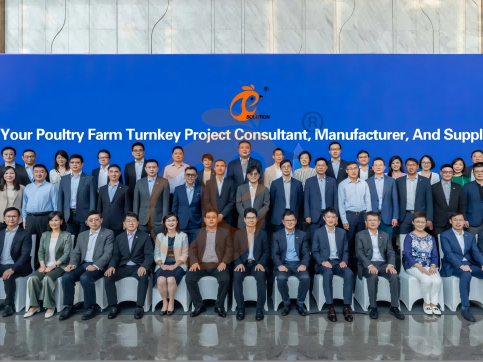
Hong Kong Headquarter Management Team
Hong Kong Headquarter Taiyu Industrial Group CO., LTD
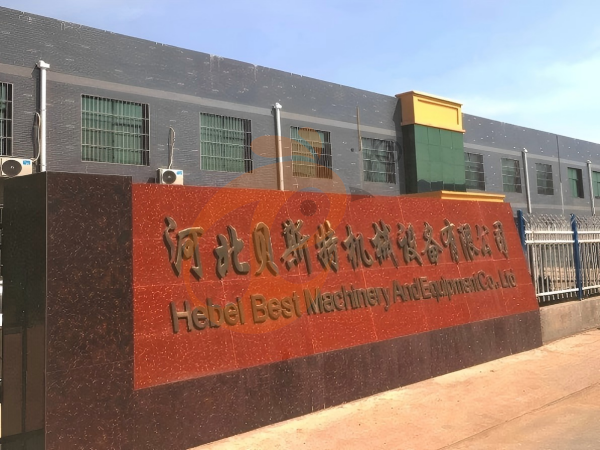
China Hebei Best Machinery And Equipment CO., LTD
Nigeria Vanke Machinery And Equipment CO., LTD
Tanzania Best Machinery And Equipment CO., LTD
Ethiopia Best Hebei Machinery Manufacturing PLC
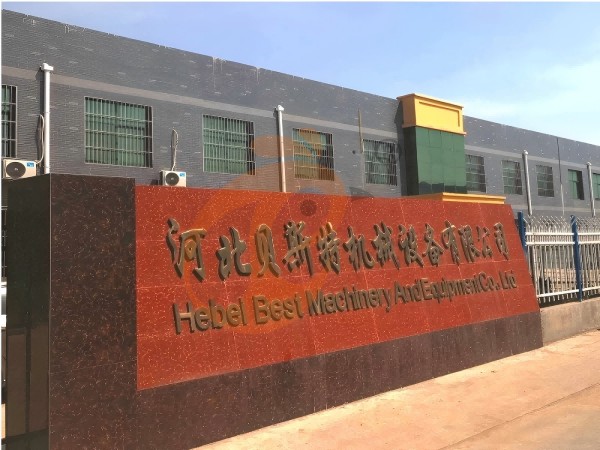
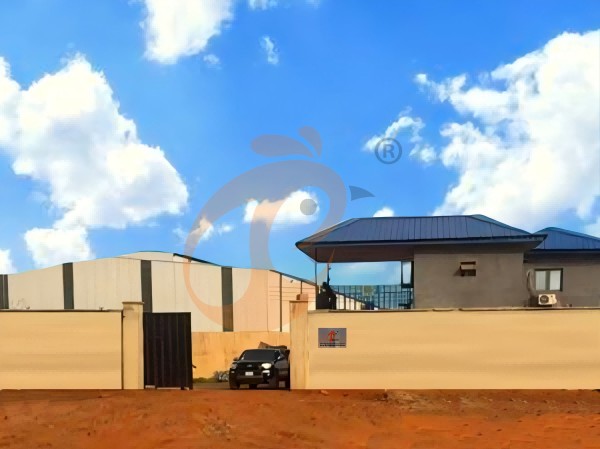
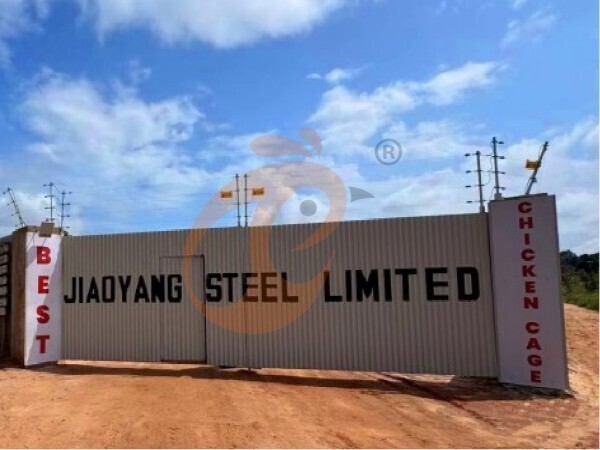

Reception /24 WhatsApp NO. : +8618830120193
FAQ
How To Monitor Egg Quality In H-Type Layer Cage System?
Check shell thickness and weight
Egg production rate: 90-98%
Egg breakage rate <1%
Labor savings: 70-90%
What Are The Best Materials For H-Type Poultry Cage Construction?
Anti-corrosion coating for durability
Equipment lifespan: more than 25 years
Easy to clean and maintain
Egg production rate: 90-98%
How To Improve Air Quality In H-Type Chicken Cage Houses?
Install air filtration systems
Control temperature and humidity at 20–25°C
Mortality rate <3%
Egg production rate: 90-98%
Message
Products recommended
 HK Headquarter Offers EU-standard Poultry Farm Solutions, Manufacture Poultry Farm Equipment1. Continuous communication with the EU and the US
2. China, Nigeria, Ethiopia, Tanzania branch companies and factories
3. The products’ quality is customized for local poultry farms
4. Poultry cage and poultry farm equipment stock for sale
5. 24 online reception Whatsapp NO. : +8618830120193,contact us to get full informationRead More China Branch Offer Poultry Farm Business Plan, Manufacture Poultry Farm Equipment1. Address: Flat/RM 2416, 24/F, Runxing Building, Youyi Nan Street, Shijiazhuang City, Hebei Province, China
2. Poultry cage and poultry farm equipment factory and stock for sale
3. Customized for local poultry farms
4. Quality and design are based on Euro
5. 24 online reception Whatsapp NO. : +8618830120193Read More Nigeria Branch Offer Poultry Farm Business Plan, Manufacture Poultry Farm Equipment1. Address: After Sinoma Office, 200 Meters Near Danco Filling Station, Lagos/Ibadan Expressway, Lagos State, Nigeria
2. Poultry cage and poultry farm equipment factory and stock for sale
3. Customized for Nigerian poultry farms
4. Quality and design are based on Euro
5. 24 online reception Whatsapp NO. : +8618830120193Read More Ethiopia Branch Offer Poultry Farm Business Plan, Manufacture Poultry Farm Equipment1. Address: Gelan Gura, Akaki-kaliti Sub City, Addis Ababa, Ethiopia
2. Poultry cage and poultry farm equipment stock for sale
3. Customized for Ethiopian poultry farms
4. Quality and design are based on Euro
5. 24 online reception Whatsapp NO. : +8618830120193, contact us to get price listRead More Tanzania Branch Offer Poultry Farm Business Plan, Manufacture Poultry Farm Equipment1. Address: No.8, Sova Road, Msufini, Mlandizi, Kibaha, Pwani, Tanzania
2. Poultry cage and poultry farm equipment factory and stock for sale
3. Customized for Tanzanian poultry farms
4. Quality and design are based on Euro
5. 24 online reception Whatsapp NO. : +8618830120193Read More Fully Automatic H Type Layer Chicken Cage1. 30,000-100,000+ layers/house chooses it, Poultry farmers can achieve an egg production rate of 96-98%
2. A significant improvement over the 85-90% typically seen in manual systems
3. A typical poultry farm can expect a 30-40% reduction in labor costs due to the automation
4. Each feeding line efficiently supplies feed to around 100,000 hens per 30 mins
5. Reception /WhatsApp NO. : +8618830120193Read More Fully Automatic A Type Layer Chicken Cage1. 10,000-50,000 layers/house chooses it
2. Cleaner egg collection reduces breakage by 0.5%
3. Improved hygiene helps reduce mortality rate to <3%
4. 1–2 technicians can handle 15,000–30,000 birds
5. Reception /WhatsApp NO. : +8618830120193Read More Semi Automatic H Type Layer Chicken Cage1. 1,00-20,000 layers/house chooses it
2. Nipple drinkers flow 30–60 ML / min
3. Hot-dip galvanized (typical coating ≥ 275 g/m²)
4. Reduce ammonia by ~ 35–40%
5. Reception /WhatsApp NO. : +8618830120193Read More Semi Automatic A Type Layer Chicken Cage1. 1,00-20,000 layers/house chooses it, no rust for 10 years, no deformation for 15 years
2. Chickens live comfortably, you can raise them with peace of mind
3. Save water, save money—efficiency you can measure
4. Improve environment quality, and increase egg production rate
5. Reception /WhatsApp NO. : +8618830120193Read More
By clicking 'Allow All', you agree to the storage of cookies on your device to enhance site navigation, analyze site usage and assist with our marketing efforts.