


Blog
Poultry cage systems Ethiopia cost is central to egg production decisions.
This article compares manual and automatic chicken cage systems for Ethiopia.
Capital investment, labor, and operational costs are analyzed.
Feed efficiency, egg quality, and disease management are discussed.
Infrastructure and electricity needs for automatic systems are explained.
Financing options for Ethiopian producers are provided.
Case studies of local farms implementing chicken cages are included.
Practical solutions to challenges and sustainability considerations are highlighted.
Get professional poultry farm construction guidance, equipment selection solutions, and the latest price lists, whatsApp to +8618830120193, click to learn more:

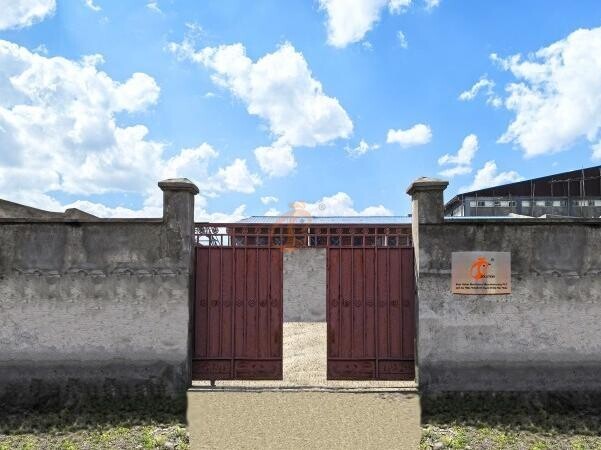
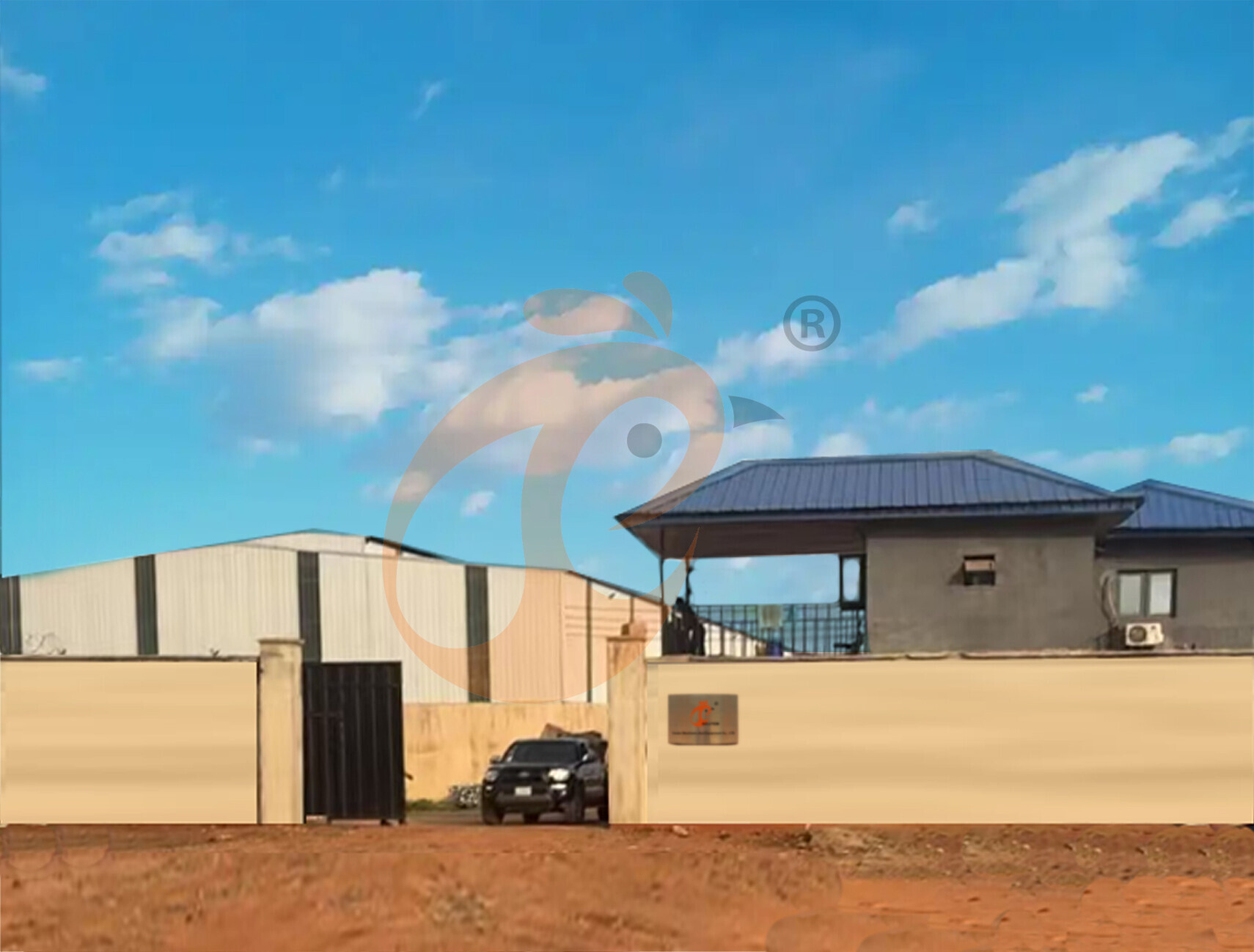
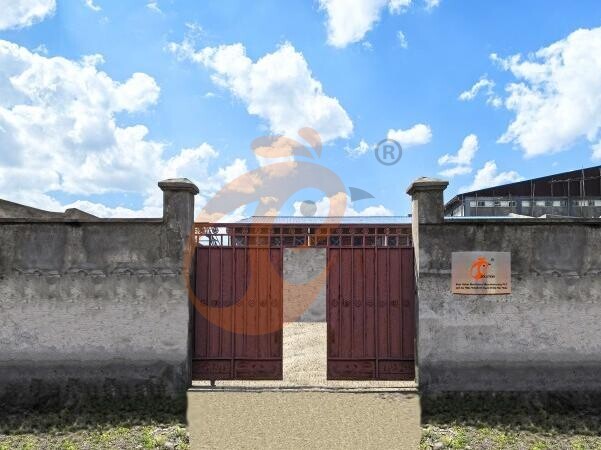
Ethiopia Branch Office And Factory Of Poultry Farm Equipment
Laying Hen Cage Systems: Definitions And Context
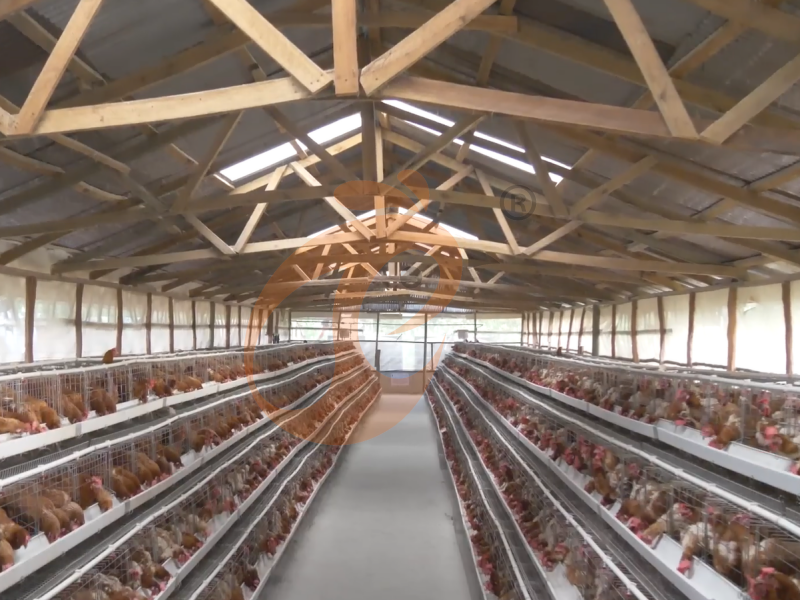
In Ethiopia, chicken cage systems differ from backyard poultry setups.
Manual chicken cages rely on workers for feeding, watering, egg collection, and cleaning.
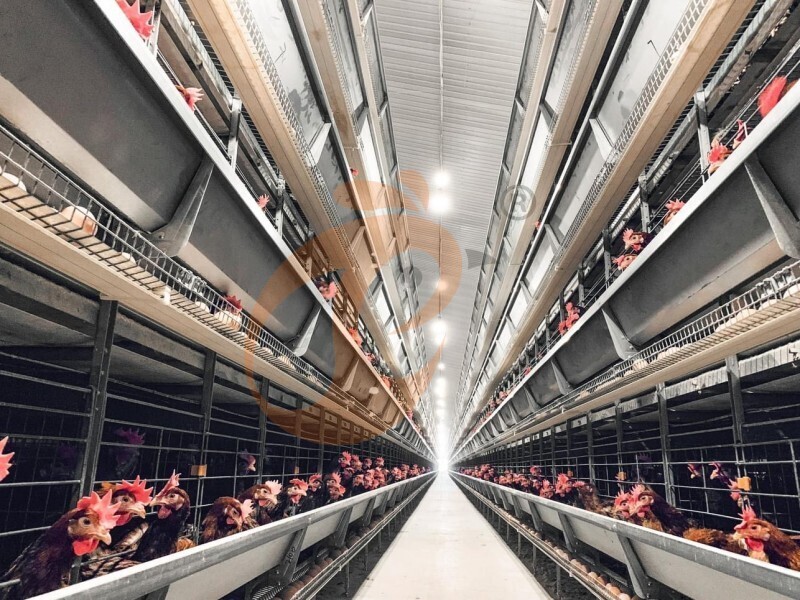
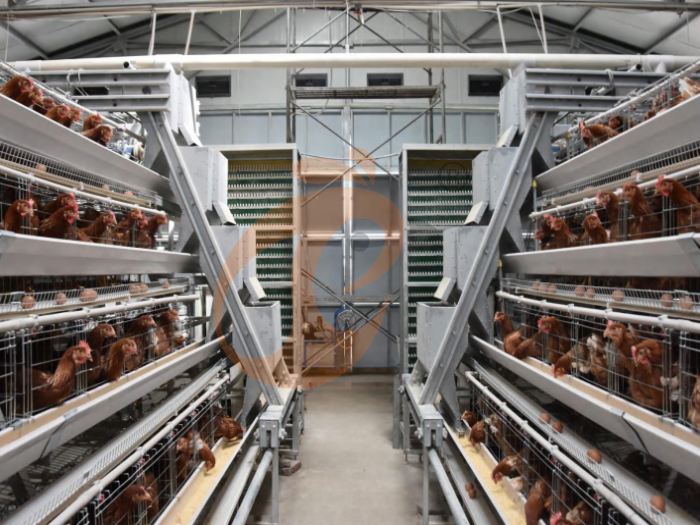
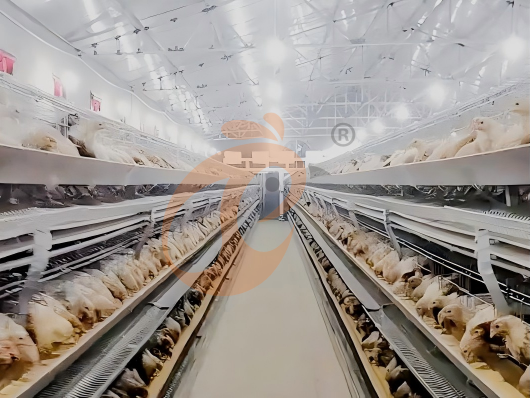
Automatic chicken cages use A-type or H-frame conveyors for feeding, egg transport, and manure removal.
Automation improves labor efficiency and egg quality.
Urban demand in Addis Ababa, Dire Dawa, and Mekelle encourages producers to consider automation.
Poultry cage systems Ethiopia cost is a key factor in planning profitability.
Investment Overview
Capital investment varies widely between manual and automatic systems.
Local fabrication, import duties, and Ethiopian Birr fluctuations affect total costs.
Farms choosing automatic chicken cages must weigh higher upfront cost against long-term efficiency gains.
Data is for reference only. Swipe horizontally to view full table.
This table shows that while automatic systems require higher initial investment, they lay the foundation for long-term efficiency and labor savings in Ethiopian poultry farms.
Labor Cost Impacts
Manual chicken cages need continuous labor for feeding, cleaning, and egg collection.
Automated systems reduce routine labor and free workers for other tasks.
Data is for reference only. Swipe horizontally to view full table.
The data indicates that automation can nearly halve weekly labor hours, which allows Ethiopian farms to reduce costs and improve productivity.
Production Performance
Egg yield and quality are crucial for urban Ethiopian markets.
Automatic chicken cages maintain uniform feed and reduce stress, supporting better production.
Data is for reference only. Swipe horizontally to view full table.
This table demonstrates that automation improves annual egg yield per hen, which is essential for meeting rising urban demand in Ethiopia.
Feed Efficiency And Waste Management
Feed represents the largest recurring cost for Ethiopian poultry farms.
Automatic feeders improve feed conversion ratio (FCR) and minimize spillage, saving costs.
Data is for reference only. Swipe horizontally to view full table.
The table highlights that better feed management in automatic chicken cages directly reduces waste and operational costs.
Infrastructure And Power Requirements
Automatic systems need reliable electricity.
Rural farms may use generators or UPS systems to maintain operations.
Data is for reference only. Swipe horizontally to view full table.
This table emphasizes that electricity planning is critical for automatic systems in rural Ethiopia to ensure continuous egg production.
Egg Quality And Market Premium
Automatic conveyors reduce egg breakage, improving grade and market price.
Data is for reference only. Swipe horizontally to view full table.
The data shows that automation protects egg quality, helping farmers achieve higher revenue from premium urban markets.
Hygiene And Disease Control
Automatic chicken cages reduce manure contact, lowering disease incidence.
Proper hygiene decreases mortality and veterinary costs.
Data is for reference only. Swipe horizontally to view full table.
The table illustrates how automation improves flock health and reduces disease risks for Ethiopian producers.
Cost Amortization Over Time
Over five years, automatic systems offset higher initial costs with savings on labor, feed, and waste management.
Data is for reference only. Swipe horizontally to view full table.
This table highlights that long-term savings from reduced labor and waste partially offset the higher initial investment for automatic chicken cages.
Cash Flow And Financing Challenges
Financing is essential for adopting automatic systems in Ethiopia.
Data is for reference only. Swipe horizontally to view full table.
The table provides financing options to help Ethiopian producers acquire automation with manageable repayment plans.
Recommendations For Ethiopian Producers
Small farms (<1,000 hens) can use manual cages with modular feeders or conveyors.
Medium farms (1,000–5,000 hens) benefit from semi-automatic systems to save labor and reduce breakage.
Large farms (>5,000 hens) should adopt full automation with backup power and trained staff.
Planning feed, labor, and manure management ensures operational stability.
Case Example: Small-Scale Farm In Oromia
A 500-hen farm switched from manual to automatic chicken cages.
Data is for reference only. Swipe horizontally to view full table.
The table shows that automation increased productivity and reduced labor, demonstrating real benefits for Ethiopian small farms.
Frequently Asked Questions
Q1: Are automatic chicken cages suitable for Ethiopian small farms?
A1: Yes, semi-automatic systems with modular upgrades improve efficiency and reduce labor.
Q2: How can Ethiopian farmers manage electricity dependency for automatic systems?
A2: Solar panels, UPS, or generators maintain automatic systems during rural power outages.
Q3: Does automation improve egg quality in Ethiopian markets?
A3: Yes, conveyors reduce breakage and contamination, producing higher-grade eggs for urban markets.
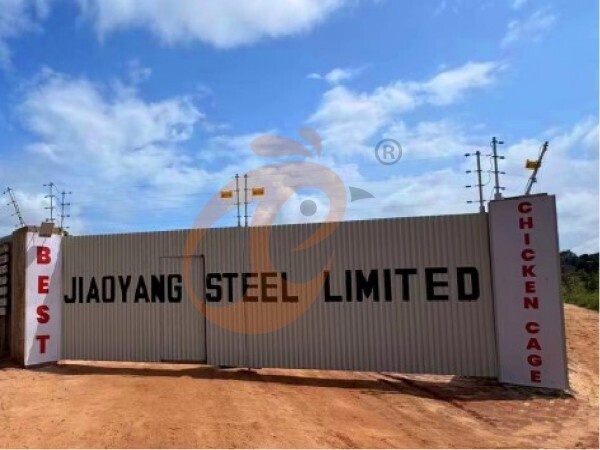
Ethiopia Best Hebei Machinery Manufacturing Plc - One Of Ethiopia Largest Chicken Cage Manufacturer
HB BEST provides global factory direct sales for poultry farm equipment and chicken cages.
Turn-key engineering solutions are delivered with local installation and training support.
The company ensures full maintenance services and spare parts supply for Ethiopia farms.
HB BEST integrates automated feeders and conveyors in A-type and H-frame chicken cages.
They offer customized poultry cage systems for Ethiopian producers seeking efficiency and sustainability.
Contact Us To Received Your Customized Poultry Farm Plan
Headquarters And Branchs

Hong Kong Headquarter Management Team
Hong Kong Headquarter Taiyu Industrial Group CO., LTD
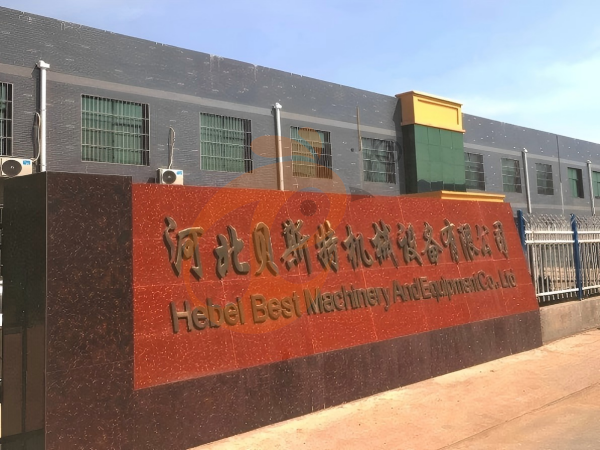
China Hebei Best Machinery And Equipment CO., LTD
Nigeria Vanke Machinery And Equipment CO., LTD
Tanzania Best Machinery And Equipment CO., LTD
Ethiopia Best Hebei Machinery Manufacturing PLC
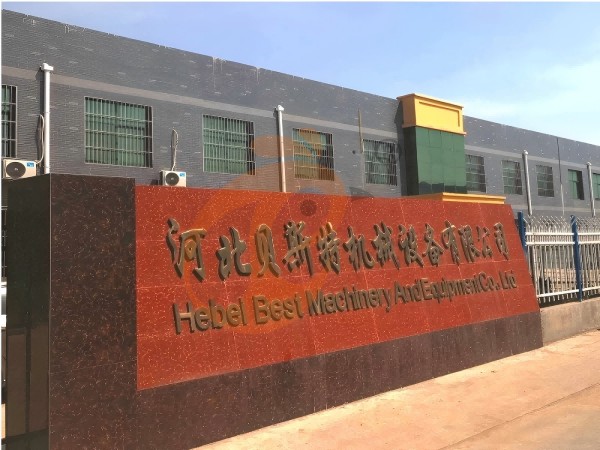
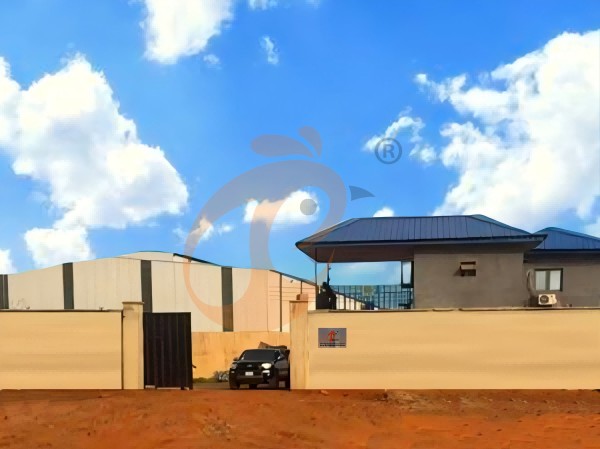
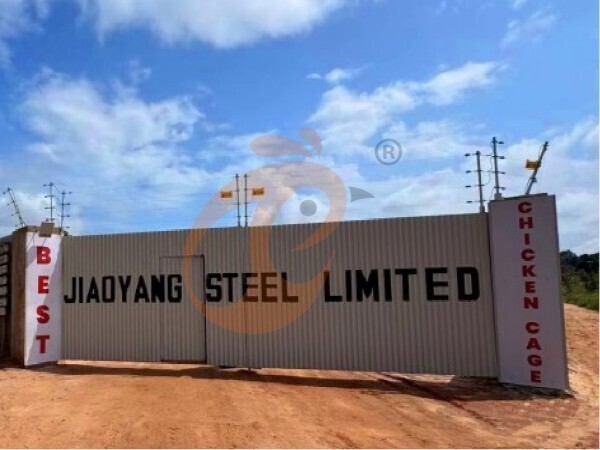
Reception /24 WhatsApp NO. : +8618830120193
FAQ
What Are The Professional Strategies For Optimizing Feed Conversion In Layer Cage Farms?
Zoned feeding reduces competition and waste; FCR maintained at 1.9–2.1.
Combined with lighting and temperature/humidity management, egg production can reach 90–98%.
How To Buy The Top Chicken Cage Supplier For Maximum Farm Efficiency?
Check steel quality, anti-corrosion coating, and durability of egg systems.
Price reference: $10–$18 per bird, ROI payback 24–36 months.
What Are The Ultimate Guidelines For Reducing Stress In Poultry Cage Farms?
Ensure good ventilation, temperature 18–25℃, lighting 16h/day.
Automatic feeding and drinking systems ensure birds access feed and water, reducing stress-induced egg drop.
Message
Products recommended
 HK Headquarter Offers EU-standard Poultry Farm Solutions, Manufacture Poultry Farm Equipment1. Continuous communication with the EU and the US
2. China, Nigeria, Ethiopia, Tanzania branch companies and factories
3. The products’ quality is customized for local poultry farms
4. Poultry cage and poultry farm equipment stock for sale
5. 24 online reception Whatsapp NO. : +8618830120193,contact us to get full informationRead More China Branch Offer Poultry Farm Business Plan, Manufacture Poultry Farm Equipment1. Address: Flat/RM 2416, 24/F, Runxing Building, Youyi Nan Street, Shijiazhuang City, Hebei Province, China
2. Poultry cage and poultry farm equipment factory and stock for sale
3. Customized for local poultry farms
4. Quality and design are based on Euro
5. 24 online reception Whatsapp NO. : +8618830120193Read More Nigeria Branch Offer Poultry Farm Business Plan, Manufacture Poultry Farm Equipment1. Address: After Sinoma Office, 200 Meters Near Danco Filling Station, Lagos/Ibadan Expressway, Lagos State, Nigeria
2. Poultry cage and poultry farm equipment factory and stock for sale
3. Customized for Nigerian poultry farms
4. Quality and design are based on Euro
5. 24 online reception Whatsapp NO. : +8618830120193Read More Ethiopia Branch Offer Poultry Farm Business Plan, Manufacture Poultry Farm Equipment1. Address: Gelan Gura, Akaki-kaliti Sub City, Addis Ababa, Ethiopia
2. Poultry cage and poultry farm equipment stock for sale
3. Customized for Ethiopian poultry farms
4. Quality and design are based on Euro
5. 24 online reception Whatsapp NO. : +8618830120193, contact us to get price listRead More Tanzania Branch Offer Poultry Farm Business Plan, Manufacture Poultry Farm Equipment1. Address: No.8, Sova Road, Msufini, Mlandizi, Kibaha, Pwani, Tanzania
2. Poultry cage and poultry farm equipment factory and stock for sale
3. Customized for Tanzanian poultry farms
4. Quality and design are based on Euro
5. 24 online reception Whatsapp NO. : +8618830120193Read More Fully Automatic H Type Layer Chicken Cage1. 30,000-100,000+ layers/house chooses it, Poultry farmers can achieve an egg production rate of 96-98%
2. A significant improvement over the 85-90% typically seen in manual systems
3. A typical poultry farm can expect a 30-40% reduction in labor costs due to the automation
4. Each feeding line efficiently supplies feed to around 100,000 hens per 30 mins
5. Reception /WhatsApp NO. : +8618830120193Read More Fully Automatic A Type Layer Chicken Cage1. 10,000-50,000 layers/house chooses it
2. Cleaner egg collection reduces breakage by 0.5%
3. Improved hygiene helps reduce mortality rate to <3%
4. 1–2 technicians can handle 15,000–30,000 birds
5. Reception /WhatsApp NO. : +8618830120193Read More Semi Automatic H Type Layer Chicken Cage1. 1,00-20,000 layers/house chooses it
2. Nipple drinkers flow 30–60 ML / min
3. Hot-dip galvanized (typical coating ≥ 275 g/m²)
4. Reduce ammonia by ~ 35–40%
5. Reception /WhatsApp NO. : +8618830120193Read More Semi Automatic A Type Layer Chicken Cage1. 1,00-20,000 layers/house chooses it, no rust for 10 years, no deformation for 15 years
2. Chickens live comfortably, you can raise them with peace of mind
3. Save water, save money—efficiency you can measure
4. Improve environment quality, and increase egg production rate
5. Reception /WhatsApp NO. : +8618830120193Read More
By clicking 'Allow All', you agree to the storage of cookies on your device to enhance site navigation, analyze site usage and assist with our marketing efforts.