


Blog
Daily feed consumption in A-type chicken cage systems determines profitability and sustainability in Ethiopian layer farming systems.
Urban egg demand growth is driving intensification of poultry production across Ethiopian regions.
Feed accounts for the largest portion of production costs for layer farmers.
Climate variability significantly influences feed intake patterns and efficiency outcomes.
Local feed ingredient availability affects ration formulation and consumption levels.
Get professional poultry farm construction guidance, equipment selection solutions, and the latest price lists, whatsApp to +8618830120193, click to learn more:

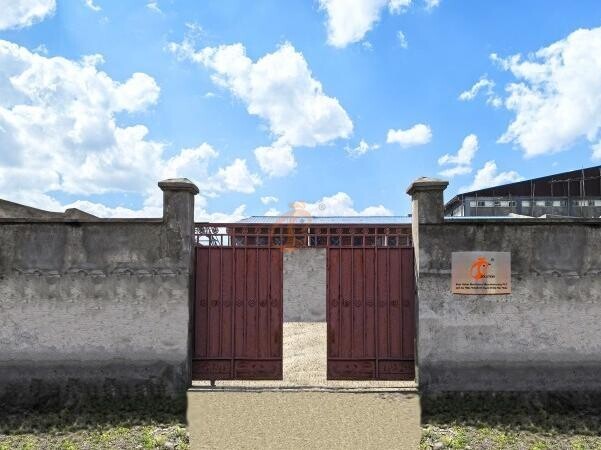
Ethiopia Branch Office And Factory Of Poultry Farm Equipment
Introduction: Ethiopian Layer Farming Context
Layer poultry farming in Ethiopia has undergone structural transformation over the past decade, driven by urban demand from cities such as Addis Ababa, Adama, and Bahir Dar.
Rising egg consumption, population growth, and expanding hospitality sectors have pushed farmers toward intensive production systems, especially A-type chicken cage systems.
In this context, feed consumption is the dominant cost variable, accounting for approximately 65–75% of total egg production costs.
Understanding daily feed intake per layer bird is therefore central to profitability, especially under Ethiopian constraints such as volatile feed prices, climate variability, and limited access to high-quality ingredients.
Overview Of A-Type Cage System In Ethiopia
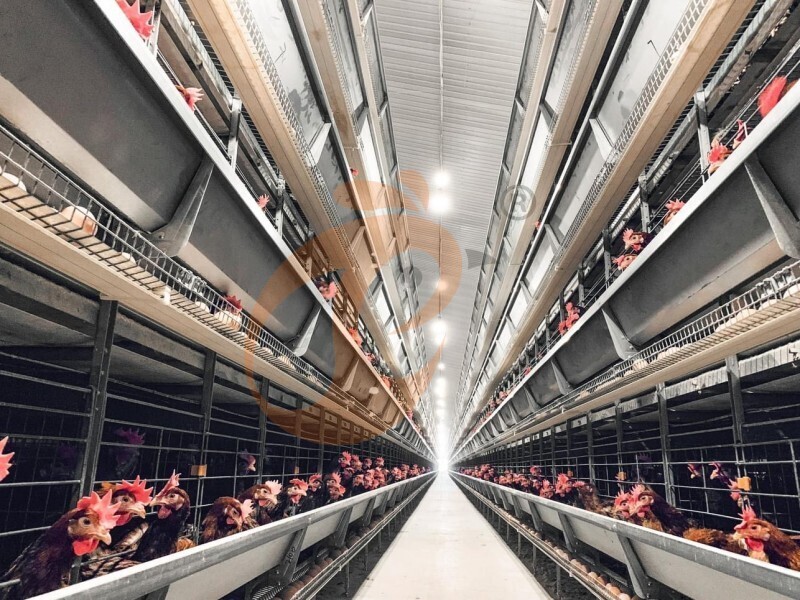
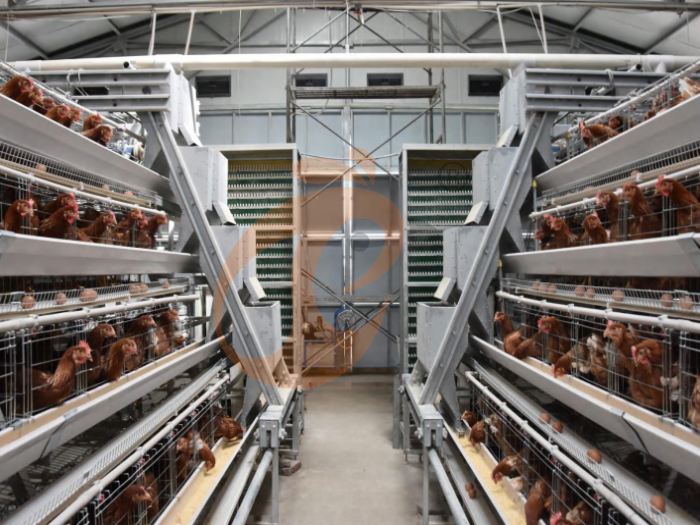
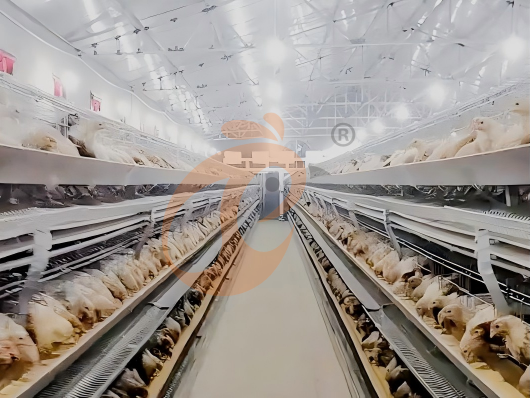
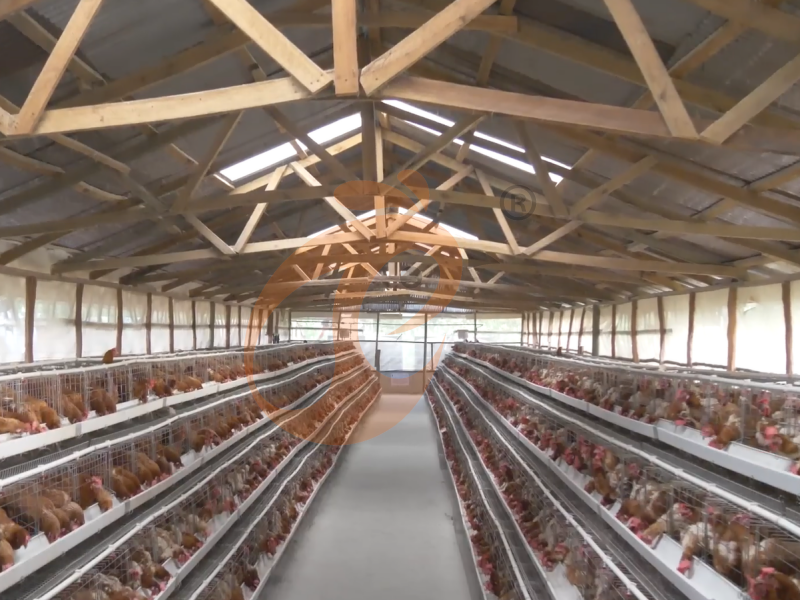
The A-type chicken cage system is widely adopted due to its simplicity, lower capital cost, and compatibility with Ethiopian farm conditions.
It allows vertical stocking, improving land utilization in peri-urban areas where land is scarce.
Data is for reference only.Swipe horizontally to view full table.
This system is particularly suitable for regions like Bishoftu and Holeta, where land costs and labor efficiency are critical considerations.
Baseline Feed Consumption For Layers In Ethiopia
Empirical and commercial data suggest that daily feed consumption for layers in A-type chicken cage systems ranges between 110–115 grams per bird per day, depending on production stage and environmental conditions.
This aligns with broader trends in poultry feed consumption Ethiopia where efficiency improvements are closely linked to housing systems.
Data is for reference only.Swipe horizontally to view full table.
The reduced feed intake in cage systems is primarily due to minimized feed wastage and controlled feeding behavior.
Estimate 1: Standard Commercial Layer Feed Intake
Under standard Ethiopian commercial conditions (mid-lay stage, 28–50 weeks), the average feed intake stabilizes around 112 g per day.
Data is for reference only.Swipe horizontally to view full table.
This estimate assumes balanced rations containing maize, soybean meal, and noug seed cake, commonly used in Ethiopia.
Estimate 2: Highland Ethiopia Adjustment
In highland regions such as Holeta, lower temperatures increase maintenance energy requirements, slightly increasing feed intake.
Data is for reference only.Swipe horizontally to view full table.
Cold stress leads to higher metabolic energy demand, thus increasing feed consumption.
Estimate 3: Lowland Heat Stress Scenario
In lowland areas like the Awash Valley, heat stress reduces feed intake significantly, which directly impacts layer productivity.
This variation is critical when evaluating layer feed intake Ethiopia across climatic zones.
Data is for reference only.Swipe horizontally to view full table.
High temperature suppresses appetite and nutrient intake, directly affecting egg mass.
Estimate 4: Feed Cost Optimization Scenario
Due to rising maize prices in Ethiopia, farmers often substitute alternative ingredients such as cassava to maintain feed affordability.
Data is for reference only.Swipe horizontally to view full table.
Alternative feeds may slightly increase intake due to lower energy density but reduce overall cost measured in Ethiopian Birr (ETB) (European union standard reference only).
Estimate 5: Large-Scale Farm Efficiency Scenario
On farms with over 5,000 birds using optimized A-type chicken cage systems and feeding systems, feed efficiency improves significantly.
Data is for reference only.Swipe horizontally to view full table.
A reduction of even 10 grams per bird per day saves substantial feed volume, translating into major annual savings under Ethiopian cost conditions.
Nutritional Factors Affecting Feed Consumption
Feed intake is not fixed and is influenced by diet composition, especially energy and protein levels.
This directly affects performance in A-type chicken cage systems under Ethiopian feeding practices.
Data is for reference only.Swipe horizontally to view full table.
Lower feed intake requires higher nutrient density to maintain egg production consistency.
Ethiopian Farmer Pain Points
Ethiopian poultry farmers face structural challenges that directly influence feed consumption and production efficiency.
Feed prices have increased significantly in Ethiopian Birr (ETB), affecting profitability margins (European union standard reference only).
Limited access to consistent feed quality remains a constraint in rural and peri-urban areas.
Climate variability introduces fluctuations in feed intake across seasons.
Logistics costs through Djibouti corridors further increase production expenses.
Practical Solutions For Ethiopian Farms
To optimize feed consumption in A-type chicken cage systems, farmers can adopt targeted strategies aligned with local conditions.
Data is for reference only.Swipe horizontally to view full table.
Additional interventions include improved ventilation, better storage of feed ingredients, and regular monitoring of bird performance indicators.
Frequently Asked Questions
Q1: Is the A-type chicken cage system suitable for Ethiopian conditions?
A1: Yes, it is highly suitable due to its lower investment cost and adaptability to both urban and peri-urban farming environments in Ethiopia.
Q2: How can Ethiopian farmers reduce feed costs while maintaining production?
A2: Farmers can use locally available ingredients such as noug cake and cassava, optimize feed formulation, and reduce wastage through proper feeder management.
Q3: Does climate significantly affect feed consumption in Ethiopia?
A3: Yes, highland cold increases intake while lowland heat reduces intake, requiring region-specific feeding strategies and housing adjustments.
Ethiopia Best Hebei Machinery Manufacturing Plc - One Of Ethiopia Largest Feed Consumption System Supplier
Global factory direct supply ensures competitive pricing and reliable poultry farm equipment delivery.
Comprehensive poultry cage systems including A-type chicken cage designs tailored for Ethiopian farms.
Turn-key project solutions covering design installation and technical support for layer farming.
Strong engineering capacity ensures durable systems suitable for Ethiopian climate conditions.
Professional service team provides continuous guidance for optimizing feed consumption and productivity.
Contact Us To Received Your Customized Poultry Farm Plan
Headquarters And Branchs

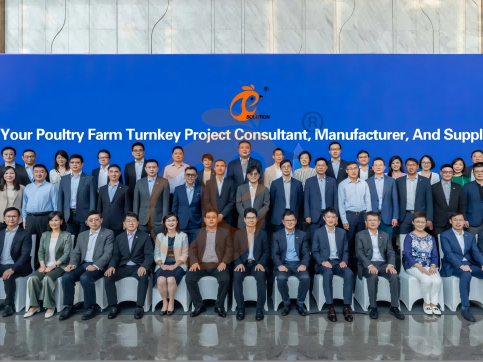
Hong Kong Headquarter Management Team
Hong Kong Headquarter Taiyu Industrial Group CO., LTD
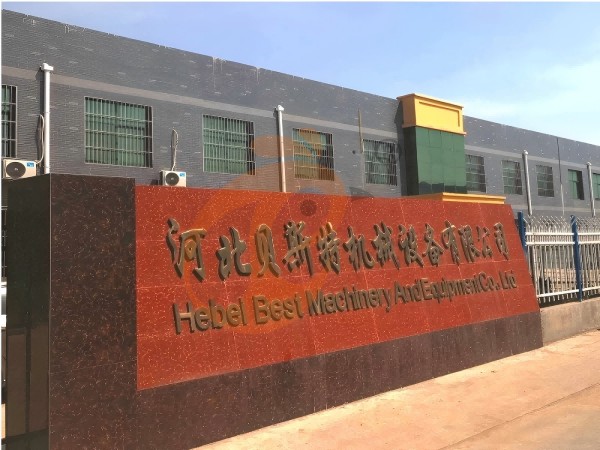
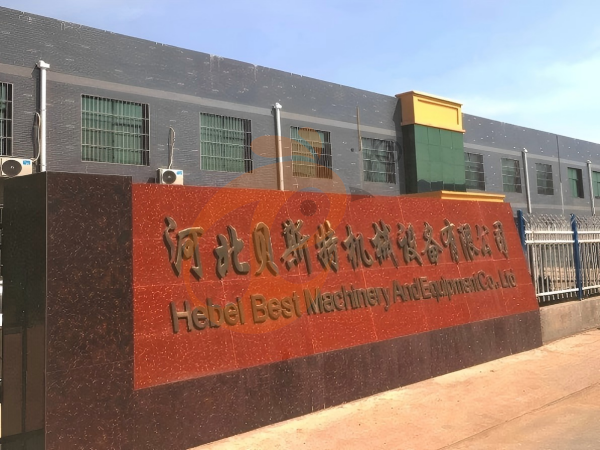
China Hebei Best Machinery And Equipment CO., LTD
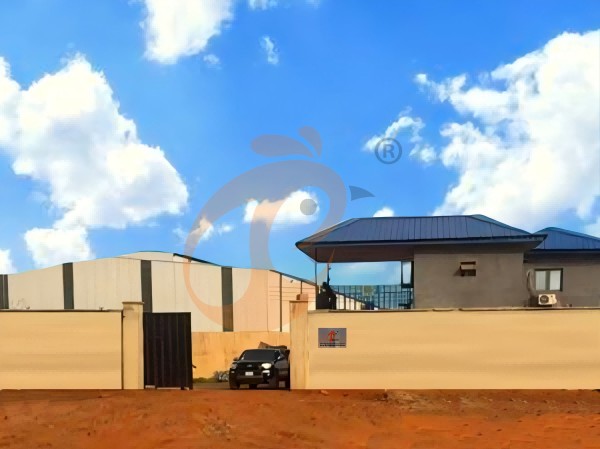
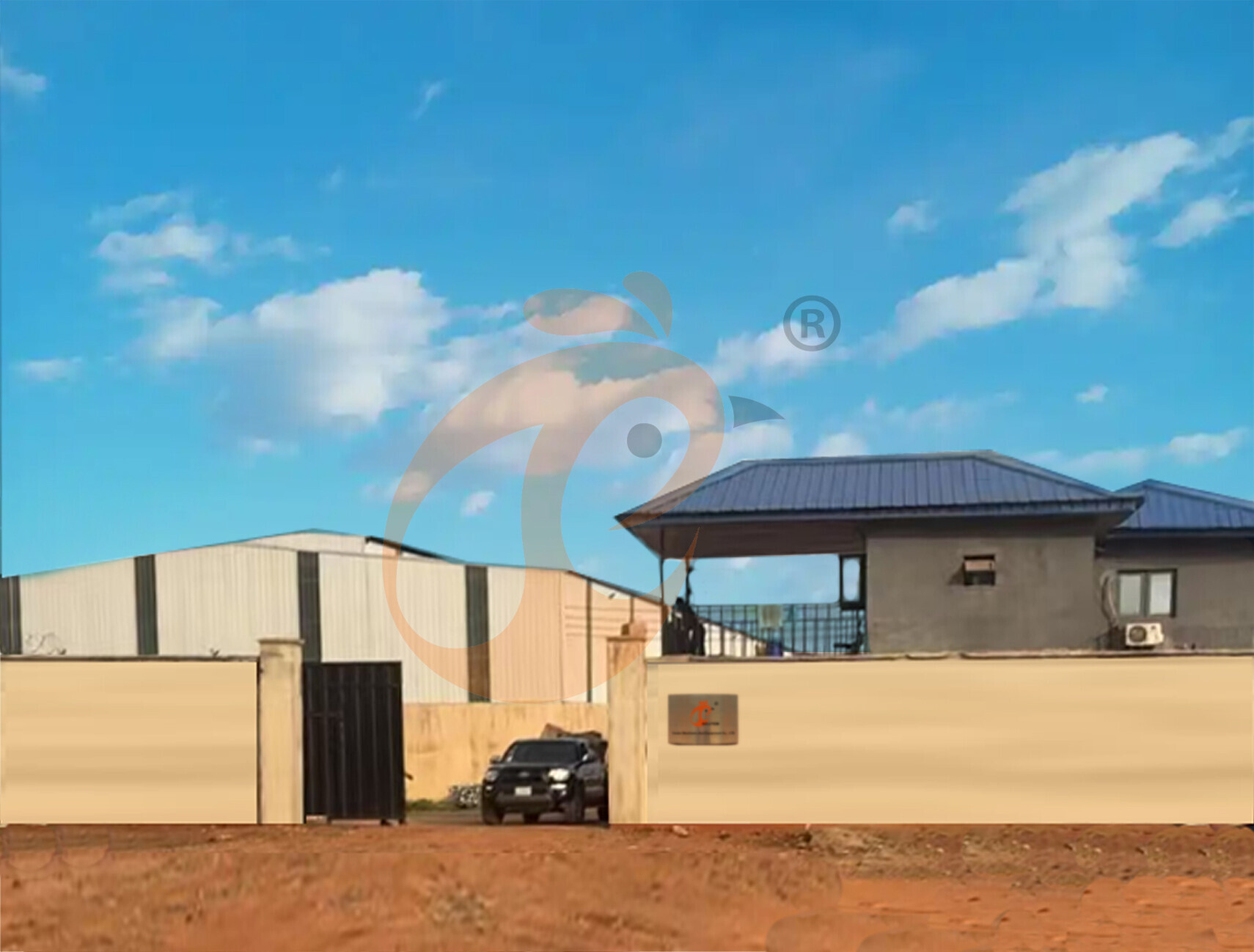
Nigeria Vanke Machinery And Equipment CO., LTD
Tanzania Best Machinery And Equipment CO., LTD
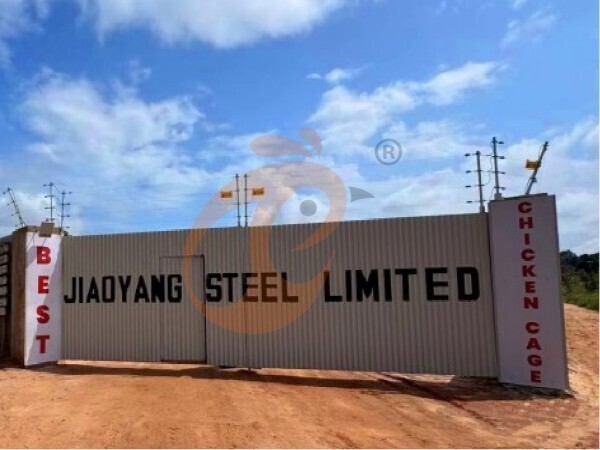
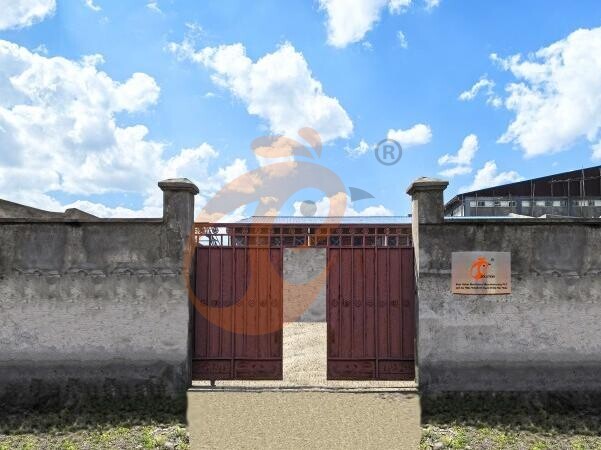
Ethiopia Best Hebei Machinery Manufacturing PLC
Reception /24 WhatsApp NO. : +8618830120193
FAQ
How To Implement Semi-Automatic Feeding In A-Type Chicken Cage Farm?
Scheduled feeding ensures even intake
Egg production rate: 90–96%
FCR: 1.9–2.2
Labor savings: 50–70%
How To Ensure Egg Uniformity In A-Type Layer Cage System?
Adequate nutrition and water
Egg weight: 60–65 g
Egg breakage rate <1%
Egg production rate: 90–96%
How To Reduce Mortality In A-Type Chicken Cage Layers?
Even ventilation
Regular manure removal
Mortality rate: 2–3%
Egg production rate: 90–96%
Message
Products recommended
 HK Headquarter Offers EU-standard Poultry Farm Solutions, Manufacture Poultry Farm Equipment1. Continuous communication with the EU and the US
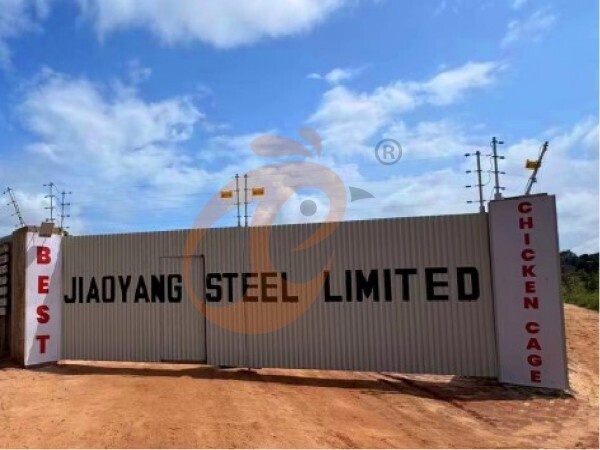
2. China, Nigeria, Ethiopia, Tanzania branch companies and factories
3. The products’ quality is customized for local poultry farms
4. Poultry cage and poultry farm equipment stock for sale
5. 24 online reception Whatsapp NO. : +8618830120193,contact us to get full informationRead More China Branch Offer Poultry Farm Business Plan, Manufacture Poultry Farm Equipment1. Address: Flat/RM 2416, 24/F, Runxing Building, Youyi Nan Street, Shijiazhuang City, Hebei Province, China
2. Poultry cage and poultry farm equipment factory and stock for sale
3. Customized for local poultry farms
4. Quality and design are based on Euro
5. 24 online reception Whatsapp NO. : +8618830120193Read More Nigeria Branch Offer Poultry Farm Business Plan, Manufacture Poultry Farm Equipment1. Address: After Sinoma Office, 200 Meters Near Danco Filling Station, Lagos/Ibadan Expressway, Lagos State, Nigeria
2. Poultry cage and poultry farm equipment factory and stock for sale
3. Customized for Nigerian poultry farms
4. Quality and design are based on Euro
5. 24 online reception Whatsapp NO. : +8618830120193Read More Ethiopia Branch Offer Poultry Farm Business Plan, Manufacture Poultry Farm Equipment1. Address: Gelan Gura, Akaki-kaliti Sub City, Addis Ababa, Ethiopia
2. Poultry cage and poultry farm equipment stock for sale
3. Customized for Ethiopian poultry farms
4. Quality and design are based on Euro
5. 24 online reception Whatsapp NO. : +8618830120193, contact us to get price listRead More Tanzania Branch Offer Poultry Farm Business Plan, Manufacture Poultry Farm Equipment1. Address: No.8, Sova Road, Msufini, Mlandizi, Kibaha, Pwani, Tanzania
2. Poultry cage and poultry farm equipment factory and stock for sale
3. Customized for Tanzanian poultry farms
4. Quality and design are based on Euro
5. 24 online reception Whatsapp NO. : +8618830120193Read More Fully Automatic H Type Layer Chicken Cage1. 30,000-100,000+ layers/house chooses it, Poultry farmers can achieve an egg production rate of 96-98%
2. A significant improvement over the 85-90% typically seen in manual systems
3. A typical poultry farm can expect a 30-40% reduction in labor costs due to the automation
4. Each feeding line efficiently supplies feed to around 100,000 hens per 30 mins
5. Reception /WhatsApp NO. : +8618830120193Read More Fully Automatic A Type Layer Chicken Cage1. 10,000-50,000 layers/house chooses it
2. Cleaner egg collection reduces breakage by 0.5%
3. Improved hygiene helps reduce mortality rate to <3%
4. 1–2 technicians can handle 15,000–30,000 birds
5. Reception /WhatsApp NO. : +8618830120193Read More Semi Automatic H Type Layer Chicken Cage1. 1,00-20,000 layers/house chooses it
2. Nipple drinkers flow 30–60 ML / min
3. Hot-dip galvanized (typical coating ≥ 275 g/m²)
4. Reduce ammonia by ~ 35–40%
5. Reception /WhatsApp NO. : +8618830120193Read More Semi Automatic A Type Layer Chicken Cage1. 1,00-20,000 layers/house chooses it, no rust for 10 years, no deformation for 15 years
2. Chickens live comfortably, you can raise them with peace of mind
3. Save water, save money—efficiency you can measure
4. Improve environment quality, and increase egg production rate
5. Reception /WhatsApp NO. : +8618830120193Read More
By clicking 'Allow All', you agree to the storage of cookies on your device to enhance site navigation, analyze site usage and assist with our marketing efforts.