


Blog
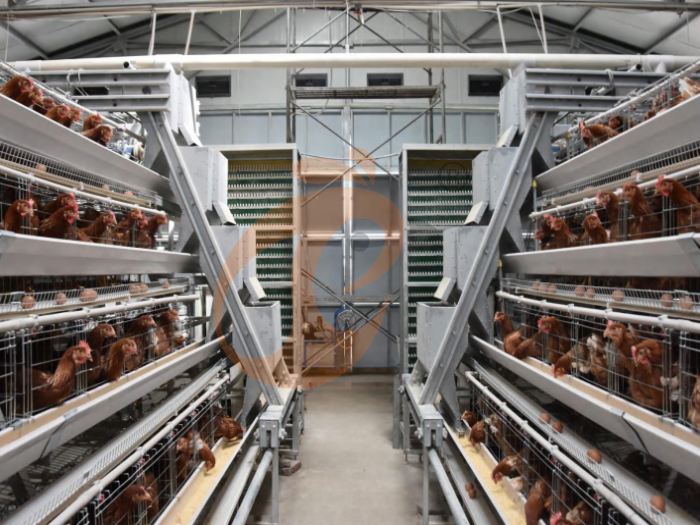
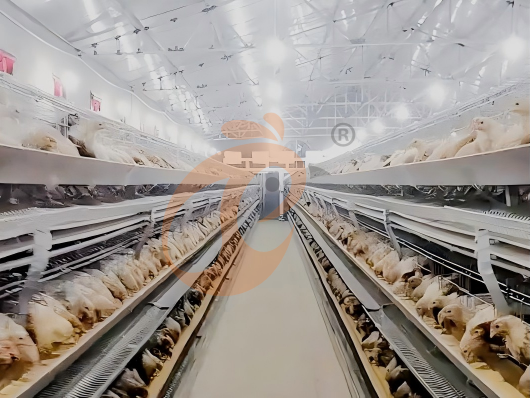
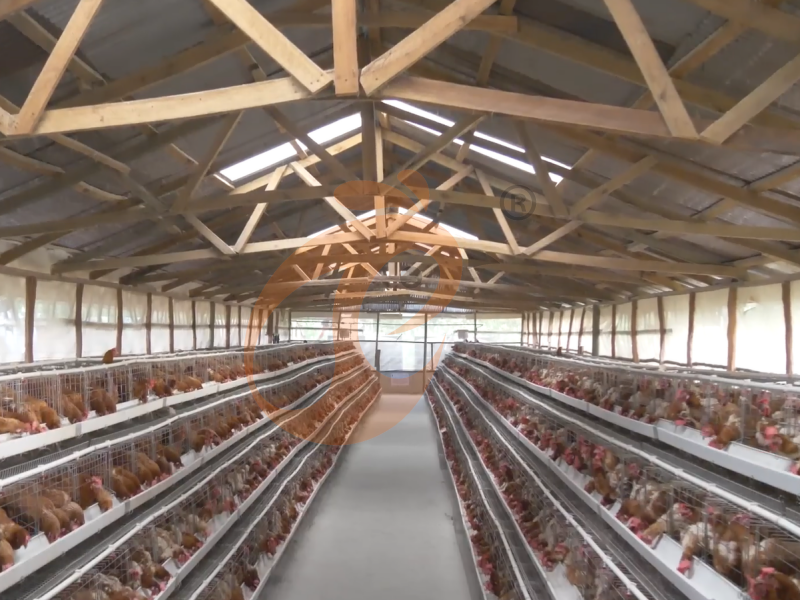
H-type chicken cage maintenance ensures long-lasting layer productivity.
Pre-cleaning and biosecurity prevent Newcastle disease and avian influenza effectively.
Dust management improves egg quality and reduces mechanical wear on egg belts.
Wet cleaning and strategic disinfection protect water lines and prevent bacterial buildup.
Mechanical calibration ensures manure removal efficiency and optimal feed distribution.
Proper lighting and thermal control maintain layer comfort in varying Ethiopian climates.
Pest and parasite management safeguards flock health and reduces economic losses.
Structural integrity checks prevent cage collapse and maximize farm safety.
Get professional poultry farm construction guidance, equipment selection solutions, and the latest price lists, whatsApp to +8618830120193, click to learn more:

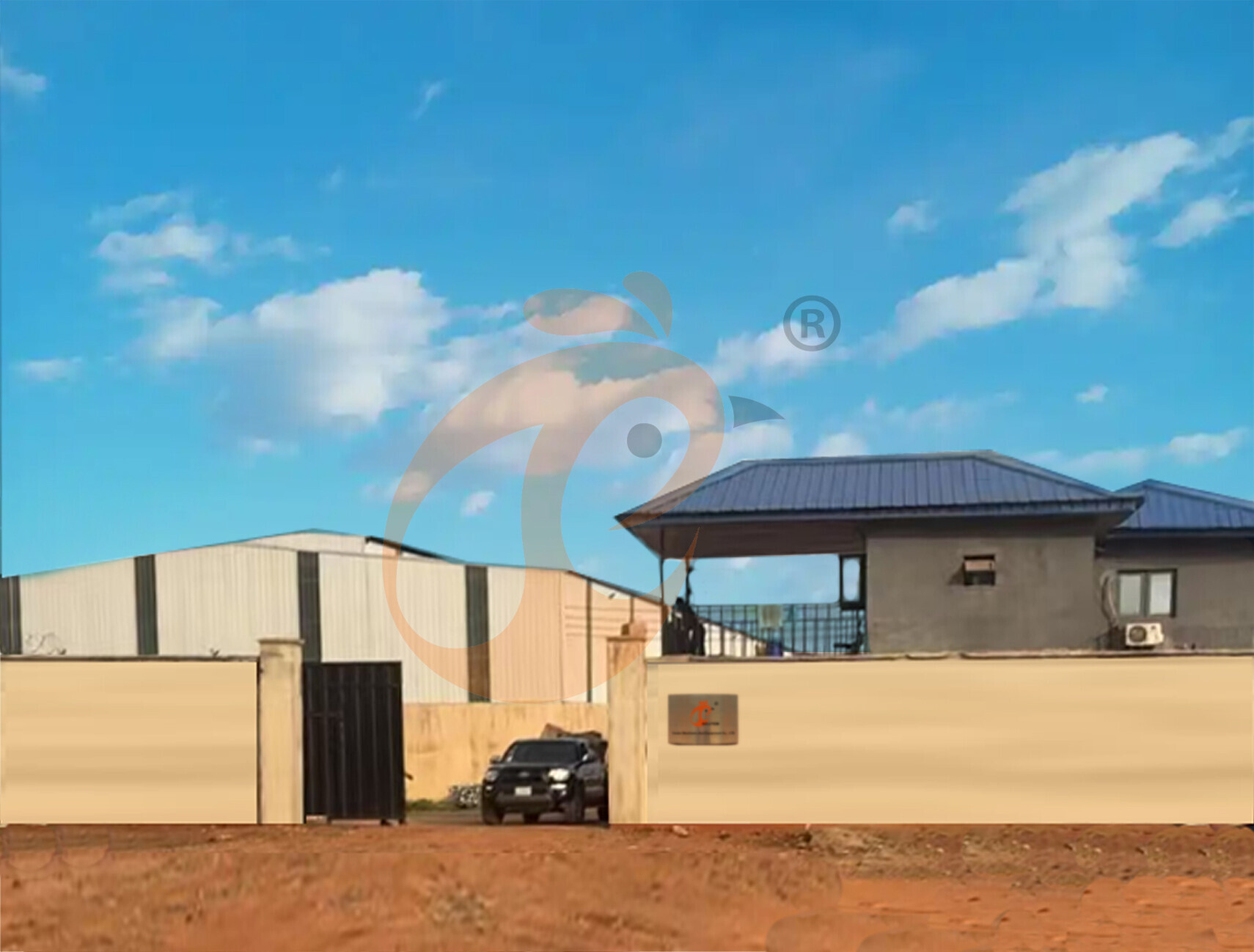
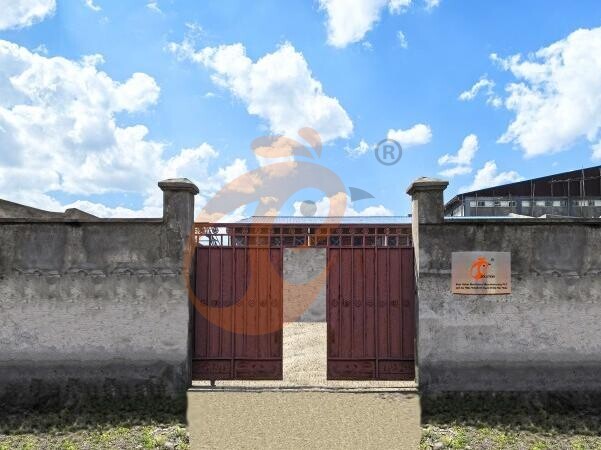
Ethiopia Branch Office And Factory Of Poultry Farm Equipment
Pre-Cleaning And Biosecurity Initialization
The first step in any maintenance cycle begins before water touches the cages.
In Ethiopia, biosecurity protects against Newcastle disease and avian influenza.
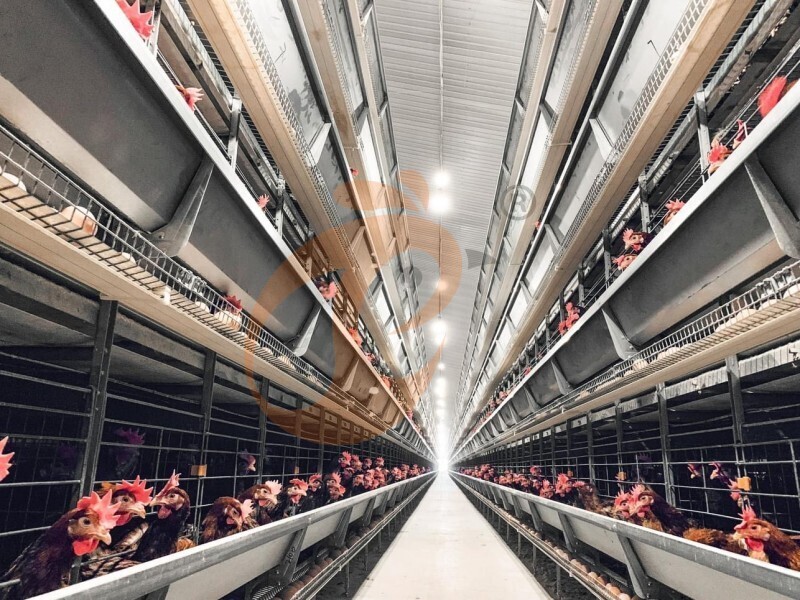
For H-type systems, which house thousands of layers in vertical configuration, the all-in, all-out principle must be strictly observed.
Before cleaning, all organic matter, including feathers and feed dust, must be removed.
This is particularly crucial in regions like Tigray or Amhara, where the dry season (Bega) brings dust that can clog automated H-type parts.
Technical Specifications For H-Type Cage Infrastructure
Data is for reference only. Swipe horizontally to view full table.
Dry Cleaning And Dust Management
Ethiopia's high altitude and volcanic soil create a unique dust profile.
Dust in a layer house carries ammonia and microbes. In H-type systems, dust accumulates on top tiers and inside ventilation ducts.
Farmers should use industrial blowers or brushes to clean cage frames and egg belts.
Neglecting this leads to stained eggs, reducing market value.
Egg belt debris causes mechanical friction, increasing belt breakage during heavy production cycles.
Environmental Control And Airflow Parameters
Data is for reference only. Swipe horizontally to view full table.
Wet Cleaning And Strategic Disinfection
Water is scarce in many Ethiopian regions, particularly the arid East.
High-pressure washing removes manure residues from lower tiers efficiently.
Hard water from boreholes can clog H-type nipple drinking systems.
Flushing lines with acidifier ensures clean water.
After washing, apply broad-spectrum disinfectants stable across Ethiopian temperature ranges.
Nipple Drinking System Maintenance Standards
Data is for reference only. Swipe horizontally to view full table.
Mechanical Calibration And Manure Management
H-type chicken cages are highly automated.
Power surges in Ethiopia require daily maintenance of manure belts and feeding trolleys.
Manure must be removed daily or every two days to prevent ammonia buildup.
Manure can be processed into organic fertilizer for Teff or coffee.
Correct alignment prevents motor overwork, reducing electricity costs.
Manure Belt And Motor Operation Metrics
Data is for reference only. Swipe horizontally to view full table.
Addressing The Ethiopian Feed Challenge
Feed accounts for 70% of production costs.
Automatic trolley systems reduce feed wastage compared to chain feeders.
Level troughs prevent Aflatoxin formation.
Automatic Feeding System Calibration
Data is for reference only. Swipe horizontally to view full table.
Optimizing Egg Quality And Collection
Egg collection points must be clean to prevent breakage.
Correct belt tension prevents bunching and cracking.
Egg Collection And Quality Parameters
Data is for reference only. Swipe horizontally to view full table.
Structural Integrity In The Rift Valley Context
Cages must withstand seismic tremors and heavy vertical load.
Monthly checks of support pillars and bolts are required.
Cold-galvanized sprays prevent rust.
Structural Load And Frame Stability
Data is for reference only. Swipe horizontally to view full table.
Lighting Schedules For The Ethiopian Latitude
Warm-spectrum LED bulbs improve lay rate.
Dust-free bulbs are essential.
Lighting Intensity And Duration For Layers
Data is for reference only. Swipe horizontally to view full table.
Thermal Management During The Kiremt Season
Check side-wall inlets and balanced fans.
Cold drafts reduce egg production.
Thermal Comfort Zones For Ethiopian Layers
Data is for reference only. Swipe horizontally to view full table.
Strategic Pest And Parasite Control
Deep-penetrating acaricides control red mite. Rodents must be controlled.
Maintain clean perimeters and secure electrical panels.
Biosecurity And Pest Control Standards
Data is for reference only. Swipe horizontally to view full table.
Frequently Asked Questions
Q1: Is H-type chicken cage suitable for Ethiopian highland farms?
Yes.
The cage is designed for 4–16 tiers and 30,000–100,000 layers, suitable for highland climates with proper ventilation and thermal management.
Q2: How can Ethiopian farmers maintain egg quality in H-type cages?
Regular dust removal, cleaning egg belts, and adjusting lighting ensures eggs remain 60–65 g with strong shells, even in dry or rainy seasons.
Q3: How does automation reduce labor costs in Ethiopia?
Automated H-type systems save 70–90% labor compared to manual H cages, reduce feed wastage, and improve manure management efficiency.
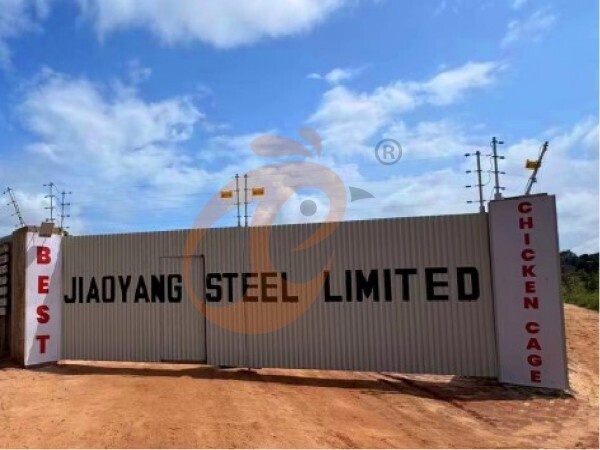
Ethiopia Best Hebei Machinery Manufacturing Plc - One Of Ethiopia Largest Chicken Cage Manufacturer
Global factory direct sales ensure consistent high-quality poultry cage products for Ethiopian farmers.
We provide full turn-key poultry farm equipment solutions including H-type chicken cage installations.
Our poultry cage designs optimize egg production and maintain layer comfort year-round.
All projects are supported with local technical training and maintenance guidance for farms.
HB BEST offers customized solutions for poultry farms with turnkey engineering and installation.
Contact Us To Received Your Customized Poultry Farm Plan
Headquarters And Branchs
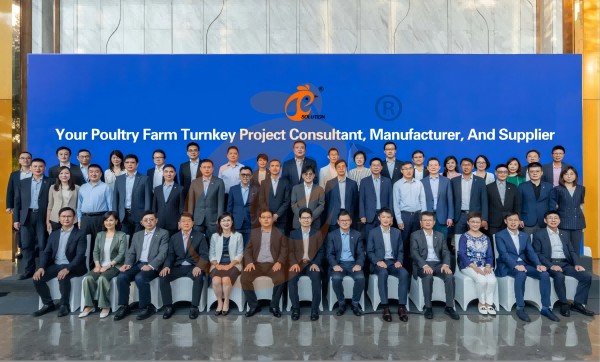
Hong Kong Headquarter Management Team
Hong Kong Headquarter Taiyu Industrial Group CO., LTD
China Hebei Best Machinery And Equipment CO., LTD
Nigeria Vanke Machinery And Equipment CO., LTD
Tanzania Best Machinery And Equipment CO., LTD
Ethiopia Best Hebei Machinery Manufacturing PLC
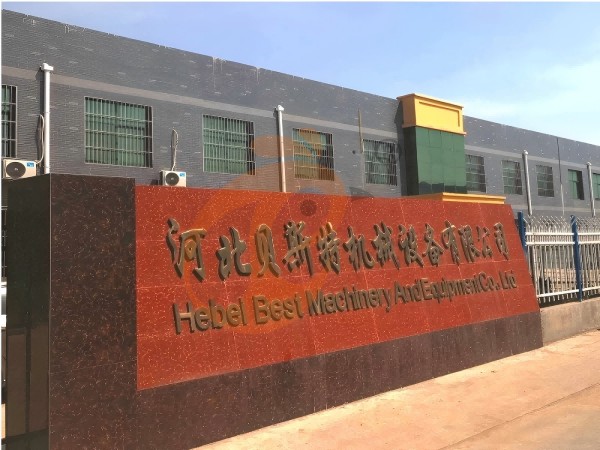
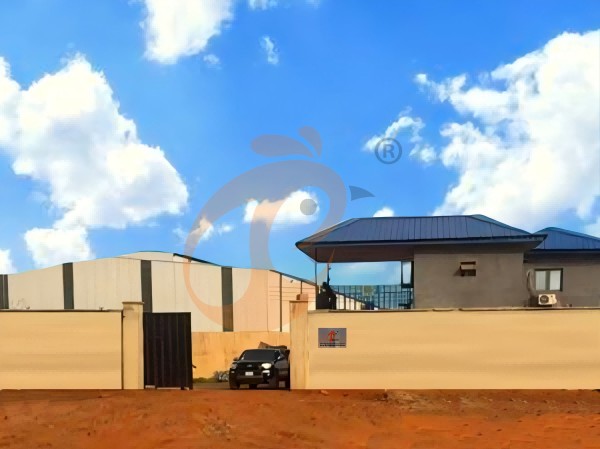
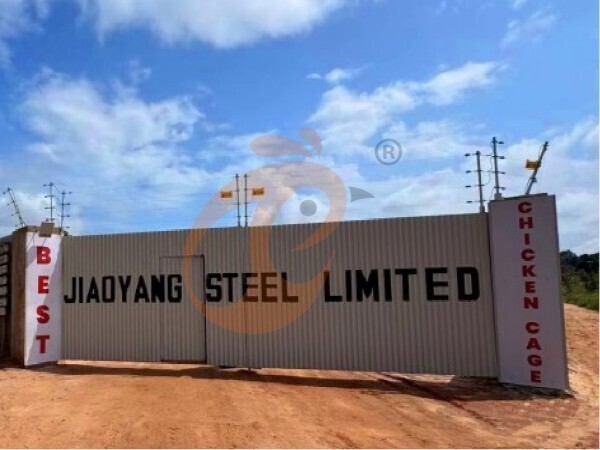
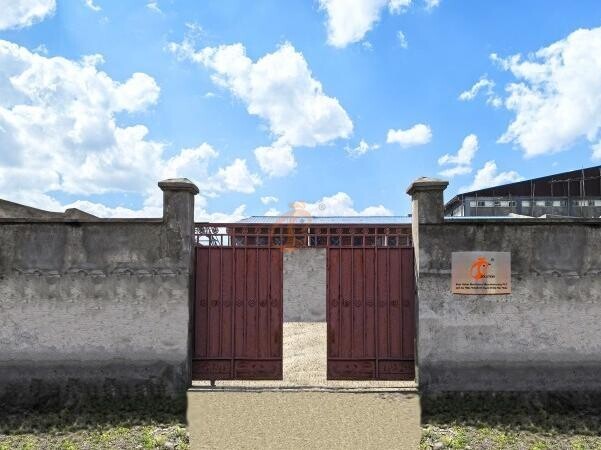
Reception /24 WhatsApp NO. : +8618830120193
FAQ
How To Implement Automated Feeding In H-Type Layer Cage System?
Even feed distribution per tier
Reduces feed waste by 10–15%
FCR optimized to 1.9–2.1
Labor savings: 70-90%
How To Optimize H-Type Chicken Cage Design For Disease Prevention?
Easy-to-clean design reduces bacterial buildup
Automatic manure removal reduces infection sources
Mortality rate: 2–3%
Egg production rate: 90-98%
What Is The Cost Of H-Type Battery Cage For 50,000 Layers?
Total cost for 50,000 birds: $500,000–$900,000
Equipment lifespan: more than 25 years
ROI: ~2–3 years
Labor savings: 70-90%
Message
Products recommended
 HK Headquarter Offers EU-standard Poultry Farm Solutions, Manufacture Poultry Farm Equipment1. Continuous communication with the EU and the US
2. China, Nigeria, Ethiopia, Tanzania branch companies and factories
3. The products’ quality is customized for local poultry farms
4. Poultry cage and poultry farm equipment stock for sale
5. 24 online reception Whatsapp NO. : +8618830120193,contact us to get full informationRead More China Branch Offer Poultry Farm Business Plan, Manufacture Poultry Farm Equipment1. Address: Flat/RM 2416, 24/F, Runxing Building, Youyi Nan Street, Shijiazhuang City, Hebei Province, China
2. Poultry cage and poultry farm equipment factory and stock for sale
3. Customized for local poultry farms
4. Quality and design are based on Euro
5. 24 online reception Whatsapp NO. : +8618830120193Read More Nigeria Branch Offer Poultry Farm Business Plan, Manufacture Poultry Farm Equipment1. Address: After Sinoma Office, 200 Meters Near Danco Filling Station, Lagos/Ibadan Expressway, Lagos State, Nigeria
2. Poultry cage and poultry farm equipment factory and stock for sale
3. Customized for Nigerian poultry farms
4. Quality and design are based on Euro
5. 24 online reception Whatsapp NO. : +8618830120193Read More Ethiopia Branch Offer Poultry Farm Business Plan, Manufacture Poultry Farm Equipment1. Address: Gelan Gura, Akaki-kaliti Sub City, Addis Ababa, Ethiopia
2. Poultry cage and poultry farm equipment stock for sale
3. Customized for Ethiopian poultry farms
4. Quality and design are based on Euro
5. 24 online reception Whatsapp NO. : +8618830120193, contact us to get price listRead More Tanzania Branch Offer Poultry Farm Business Plan, Manufacture Poultry Farm Equipment1. Address: No.8, Sova Road, Msufini, Mlandizi, Kibaha, Pwani, Tanzania
2. Poultry cage and poultry farm equipment factory and stock for sale
3. Customized for Tanzanian poultry farms
4. Quality and design are based on Euro
5. 24 online reception Whatsapp NO. : +8618830120193Read More Fully Automatic H Type Layer Chicken Cage1. 30,000-100,000+ layers/house chooses it, Poultry farmers can achieve an egg production rate of 96-98%
2. A significant improvement over the 85-90% typically seen in manual systems
3. A typical poultry farm can expect a 30-40% reduction in labor costs due to the automation
4. Each feeding line efficiently supplies feed to around 100,000 hens per 30 mins
5. Reception /WhatsApp NO. : +8618830120193Read More Fully Automatic A Type Layer Chicken Cage1. 10,000-50,000 layers/house chooses it
2. Cleaner egg collection reduces breakage by 0.5%
3. Improved hygiene helps reduce mortality rate to <3%
4. 1–2 technicians can handle 15,000–30,000 birds
5. Reception /WhatsApp NO. : +8618830120193Read More Semi Automatic H Type Layer Chicken Cage1. 1,00-20,000 layers/house chooses it
2. Nipple drinkers flow 30–60 ML / min
3. Hot-dip galvanized (typical coating ≥ 275 g/m²)
4. Reduce ammonia by ~ 35–40%
5. Reception /WhatsApp NO. : +8618830120193Read More Semi Automatic A Type Layer Chicken Cage1. 1,00-20,000 layers/house chooses it, no rust for 10 years, no deformation for 15 years
2. Chickens live comfortably, you can raise them with peace of mind
3. Save water, save money—efficiency you can measure
4. Improve environment quality, and increase egg production rate
5. Reception /WhatsApp NO. : +8618830120193Read More
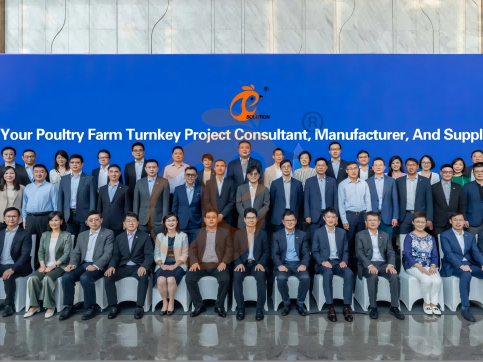
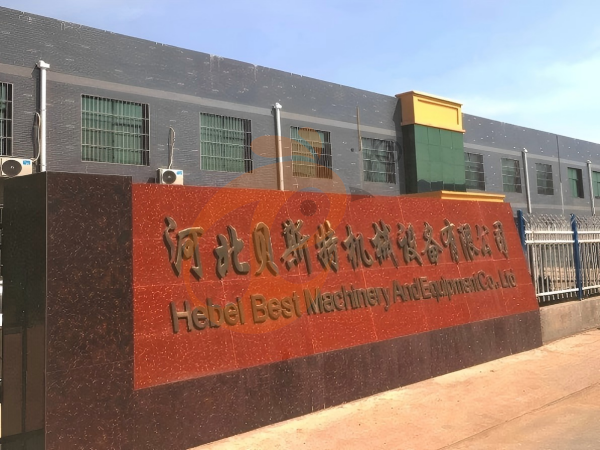
By clicking 'Allow All', you agree to the storage of cookies on your device to enhance site navigation, analyze site usage and assist with our marketing efforts.