


Blog
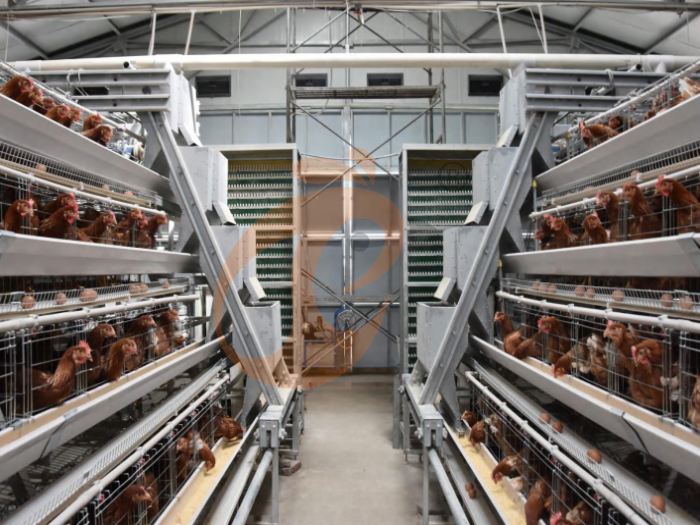
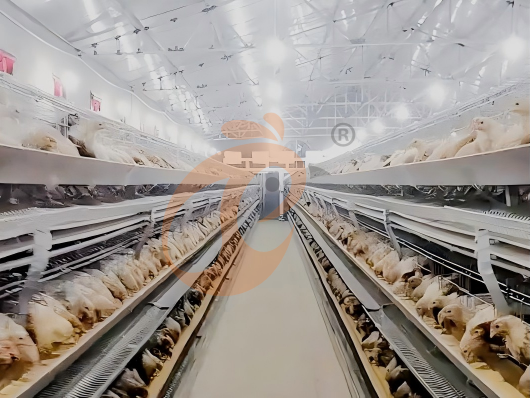
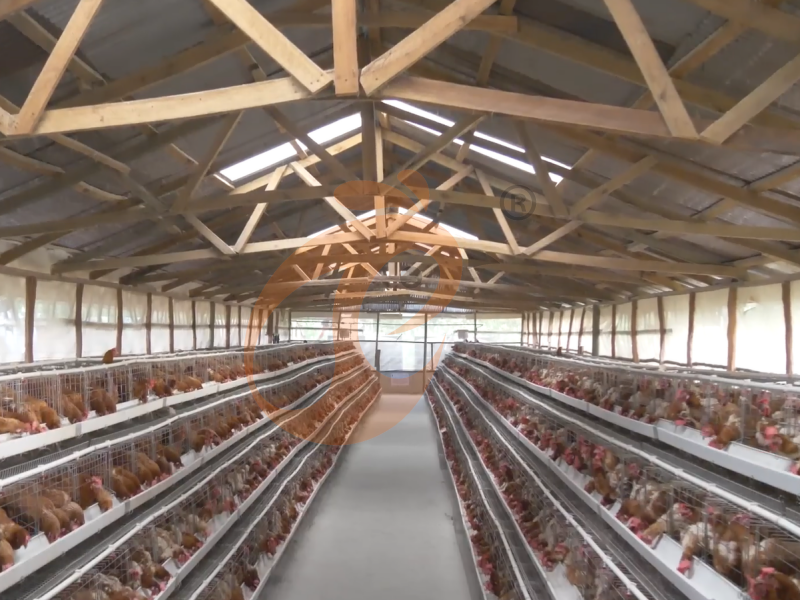
Daily management process for A-type poultry cage system in Ethiopia requires structured routines ensuring flock health and egg productivity.
Poultry farmers in Bishoftu, Modjo, and Addis Ababa outskirts increasingly adopt structured management to improve egg production efficiency.
Consistent feeding, water monitoring, and ventilation management support stable flock performance in commercial layer farms.
Proper egg collection, manure handling, and health inspections help prevent disease spread within chicken cage housing systems.
Daily farm data logging helps poultry managers control feed cost fluctuations measured in Ethiopian Birr (ETB).
Get professional poultry farm construction guidance, equipment selection solutions, and the latest price lists, whatsApp to +8618830120193, click to learn more:

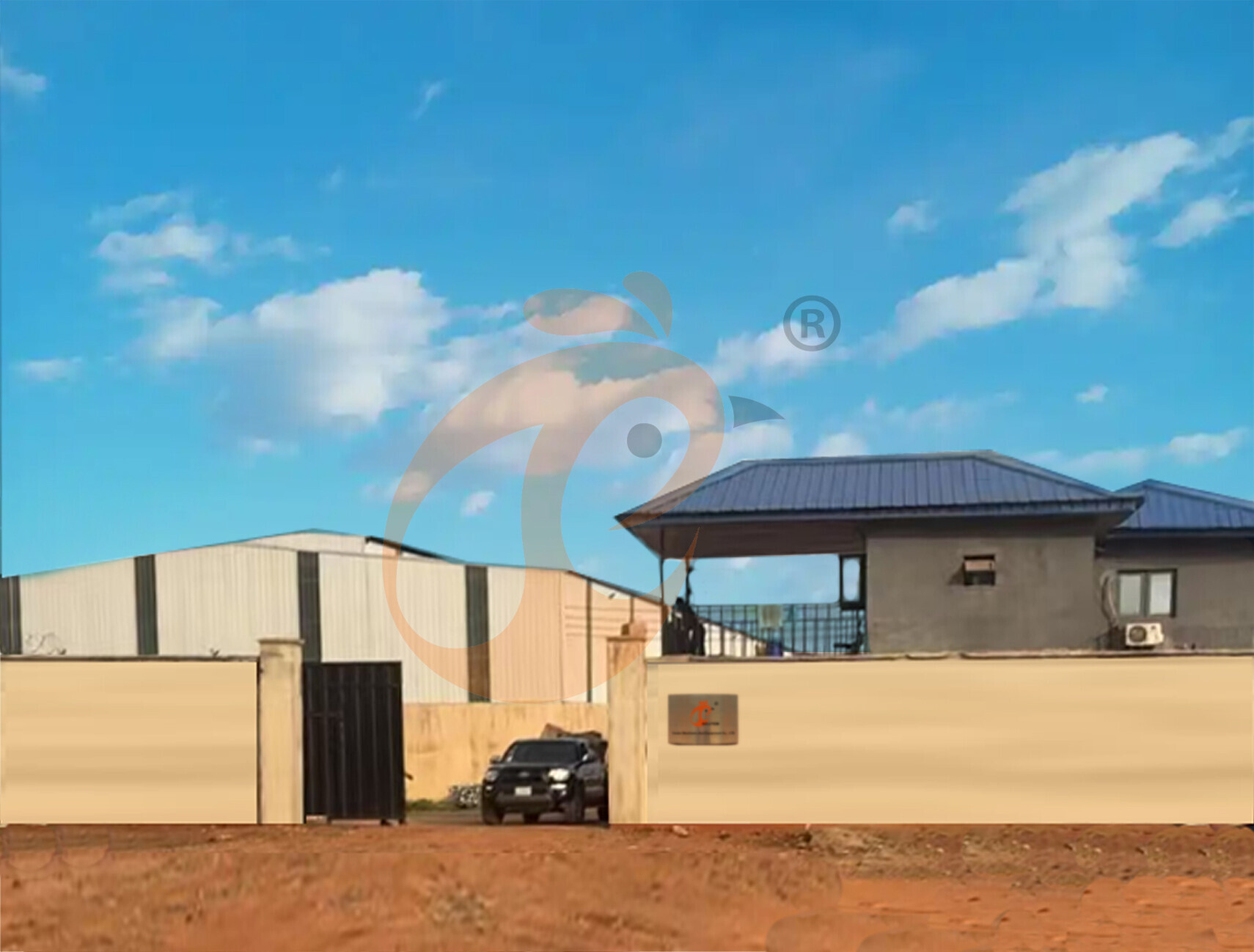
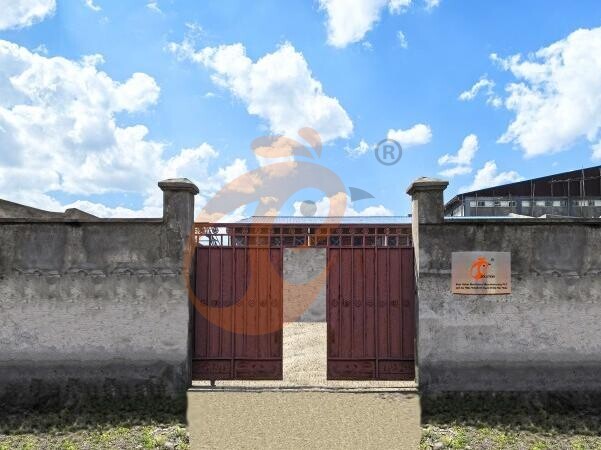
Ethiopia Branch Office And Factory Of Poultry Farm Equipment
Overview Of A-Type Poultry Cage Management In Ethiopia
The poultry industry in Ethiopia, particularly in regions like Bishoftu (Debre Zeit), Modjo, and the outskirts of Addis Ababa, is undergoing a massive transformation.
As the demand for protein grows among the burgeoning urban population, the shift from traditional floor-rearing to A-type poultry cage systems has become the gold standard for efficiency.
For an Ethiopian farmer, the A-type cage is a strategic choice.
Its pyramid-like structure allows for natural ventilation—a critical factor in the temperate but often dusty climate of the highlands—and simplifies manure management.
However, owning the equipment is only half the battle.
The real profit lies in the daily management process for A-type poultry cage system in Ethiopia.
Managing a layer farm in Ethiopia comes with unique hurdles: fluctuating feed quality, high temperatures in the Rift Valley, and the need for strict bio-security.
Below is a comprehensive, 7-step guide to mastering the daily routine for A-type chicken cage systems, tailored specifically to the Ethiopian context.
Strict Bio-Security And Morning Gatekeeper Protocols
In Ethiopia, many poultry farms are clustered together, increasing the risk of cross-contamination.
Disease outbreaks like Newcastle Disease (ND) or Highly Pathogenic Avian Influenza (HPAI) can wipe out a flock in days.
The daily process must begin at the farm gate, long before you touch a cage.
Every morning, staff must undergo a clearance routine.
This includes changing into farm-specific boots and overalls.
Given the dust levels in regions like Adama or Dire Dawa, air filtration is difficult, so the focus remains on physical barriers.
Data is for reference only.Swipe horizontally to view full table.
Precision Feeding Management (Mitigating High Feed Costs)
Feed represents nearly 70–75% of production costs in Ethiopia.
With the scarcity of soy and the price volatility of maize from the Gojjam and Wollega regions, every gram of feed must be converted into egg mass.
In an A-type chicken cage system, feed is usually distributed via a manual trolley or an automated hopper.
The key daily task is leveling.
Layers tend to peck and create hills and valleys in the feed trough.
If not leveled, some birds starve while others overeat, leading to uneven flock uniformity.
Feed price fluctuations can significantly affect layer farm profit margins measured in Ethiopian Birr (ETB).
European union standard reference only.
Data is for reference only.Swipe horizontally to view full table.
The solution for Ethiopia: since local feed quality varies, daily inspection of the feed's physical texture is vital.
If the fines (dusty particles) accumulate at the bottom of the A-type troughs, the birds will miss essential vitamins and minerals usually concentrated in the powder.
Farmers should skip one mid-day top-up to force birds to clean the troughs once a day.
This feeding discipline supports stable layer farm daily management Ethiopia operations in commercial egg farms.
Water Quality And Hydration Monitoring
In the Ethiopian Rift Valley, water is often sourced from deep boreholes and can be hard, containing high levels of calcium and magnesium.
In an A-type chicken cage system, the nipple drinking system is susceptible to mineral clogging and biofilm buildup.
A layer bird will consume roughly twice as much water as feed.
If the water supply stops for even four hours during a hot afternoon in Hawassa, egg production can drop by 10 percent the following week.
Data is for reference only.Swipe horizontally to view full table.
Daily action
check the water pressure at the end of the cage line.
Flush the pipes every morning for five minutes to ensure the water is cool.
Warm water sitting in pipes in a galvanized shed becomes a breeding ground for E. coli bacteria.
Reliable hydration also supports efficient commercial layer cage management Ethiopia practices.
Environmental Control And Ventilation Strategy
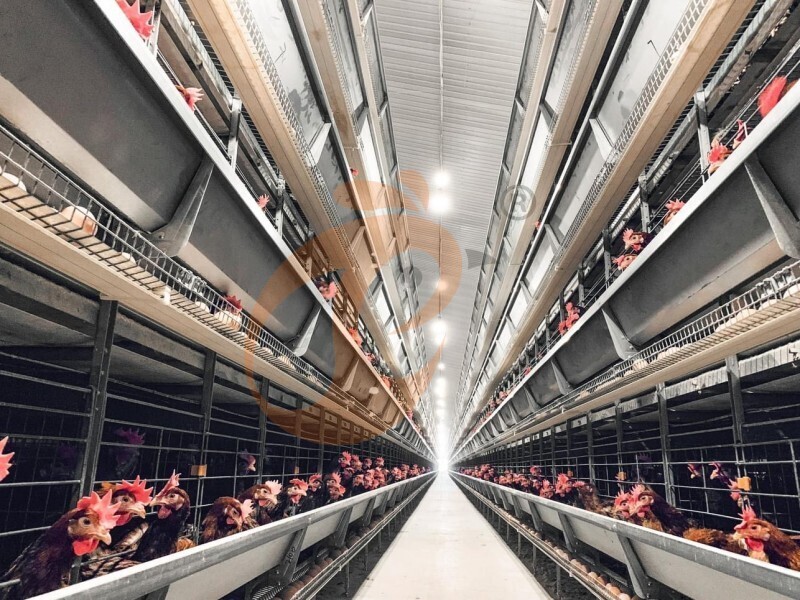
The A-type chicken cage is designed for natural ventilation.
In Ethiopia's highlands, the diurnal temperature range is extreme—hot days and very cold nights.
Managing the side curtains of the poultry house is a 24-hour job.
At 10:00 AM, as the sun hits the corrugated iron roofs, curtains must be lowered to allow the breeze to pass through the A-frame tiers.
By 6:00 PM, as the Bega dry season winds kick in, they must be raised to prevent chilling.
Data is for reference only.Swipe horizontally to view full table.
Egg Collection And Shell Integrity Analysis
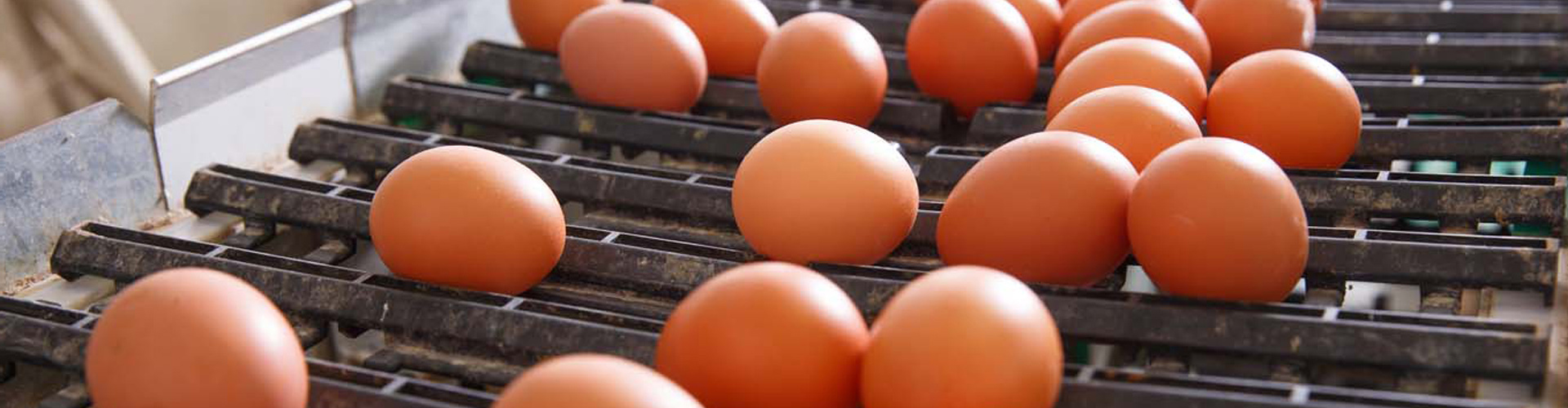
In Ethiopia, eggs are often sold by the unit rather than weight in local markets like Merkato.
The Class A premium is only for clean, unbroken eggs.
A-type chicken cages use a sloped wire floor that allows eggs to roll out to a collection tray.
The Ethiopian pain point is dust and ammonia.
If the egg trays are not wiped daily, the dust settles on the warm egg, creating stained shells that cannot be washed.
Washing removes the protective cuticle and shortens shelf life in Ethiopia's non-refrigerated supply chain.
Data is for reference only.Swipe horizontally to view full table.
Eggs should be collected at least three times a day: 8:00 AM, 11:00 AM, and 2:00 PM.
This reduces the time an egg sits on the tray, decreasing the chance of breakage or pecking.
Health Monitoring And Manure Management
The A shape of the chicken cage allows manure to fall into a pit or onto a belt.
In many Ethiopian farms, manual scraping is used.
Ammonia (NH3) buildup is a major cause of respiratory issues in layers.
Daily management must include a walk-through inspection to identify sick birds.
Look for pale combs, lethargy, or discharge symptoms.
In Ethiopia, chronic respiratory disease (CRD) frequently appears due to dusty environmental conditions.
Data is for reference only.Swipe horizontally to view full table.
Manure strategy
Ethiopia has a large demand for organic fertilizer used for teff and maize farming.
Daily manure removal not only keeps ammonia levels below 20 ppm but also creates a secondary income source valued in Ethiopian Birr (ETB).
European union standard reference only.
Data Logging And Performance Analysis (The Business Intelligence)
You cannot manage what you do not measure.
A successful poultry farm in Ethiopia operates on thin margins.
The daily production sheet is the most important document on the farm.
At the end of every day, usually around 5:00 PM, the farm manager must calculate the hen-day production (HDP).
Data is for reference only.Swipe horizontally to view full table.
If the HDP drops by more than two percent in a single day, it becomes an immediate warning signal.
In Ethiopia, this often indicates water supply problems, feed quality variation, or the beginning of a viral infection challenge.
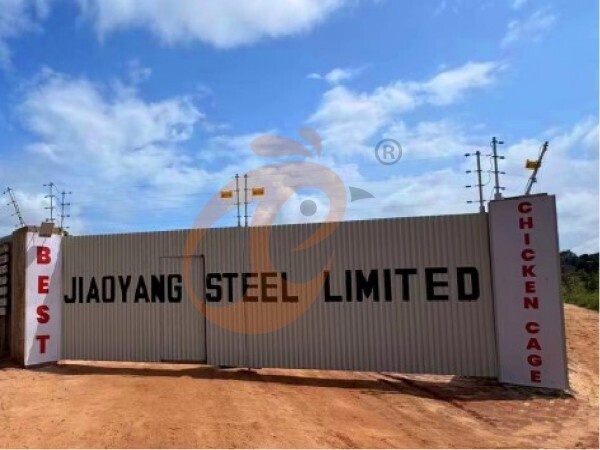
Ethiopia Best Hebei Machinery Manufacturing Plc - One Of Ethiopia Largest Poultry Cage Supplier
Global factory direct supply provides poultry farm equipment solutions for commercial farms worldwide.
Professional production lines manufacture durable poultry cage systems with hot-dip galvanized steel structures supporting 25+ years service life.
Complete poultry farm equipment including feeding systems, drinking systems, ventilation equipment, and manure removal systems.
Engineering teams deliver full Turn-key poultry farm construction projects from design to installation.
Reliable export service supports poultry farmers with technical guidance, logistics coordination, and after-sales service.
Contact Us To Received Your Customized Poultry Farm Plan
Headquarters And Branchs
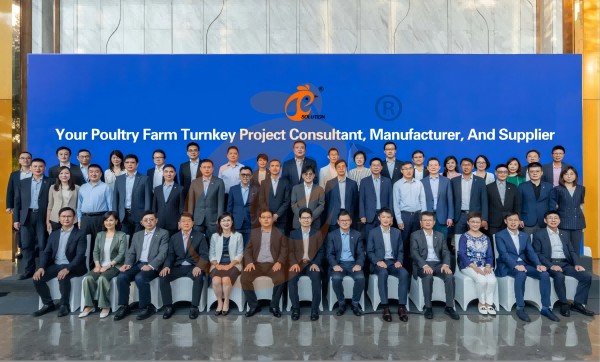
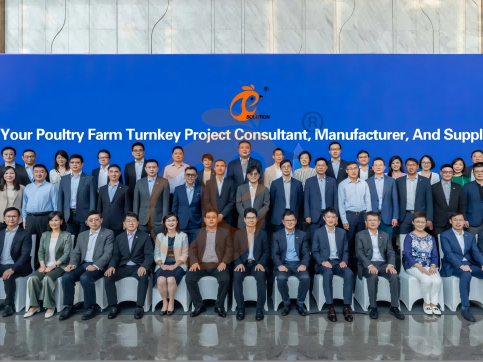
Hong Kong Headquarter Management Team
Hong Kong Headquarter Taiyu Industrial Group CO., LTD
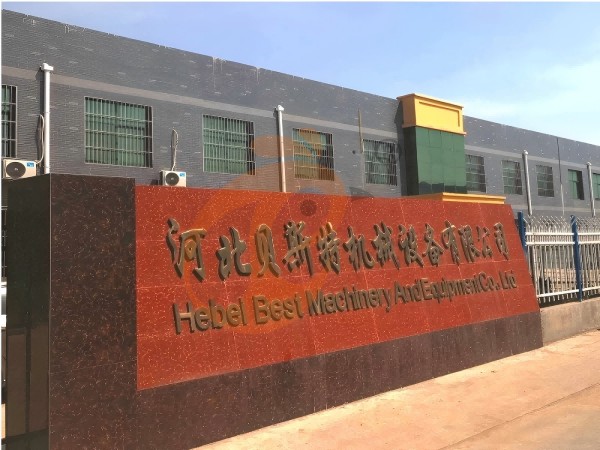
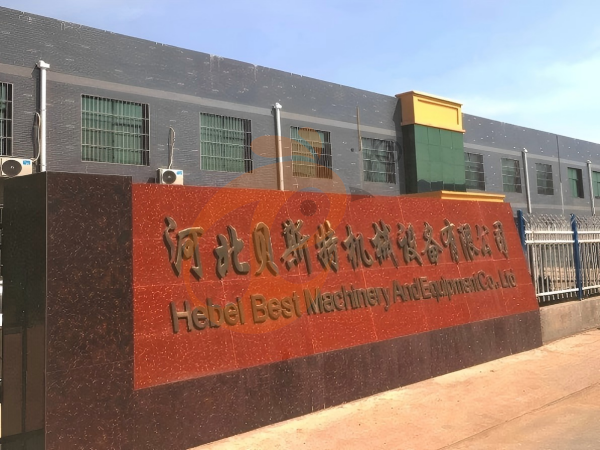
China Hebei Best Machinery And Equipment CO., LTD
Nigeria Vanke Machinery And Equipment CO., LTD
Tanzania Best Machinery And Equipment CO., LTD
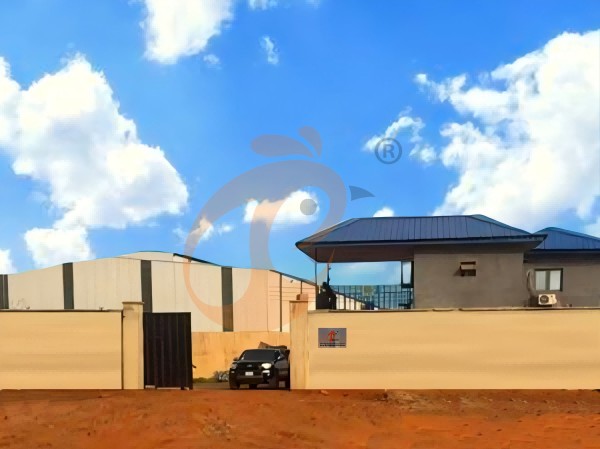
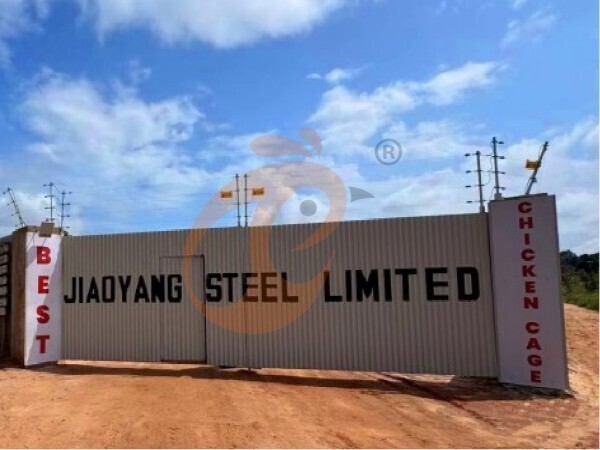
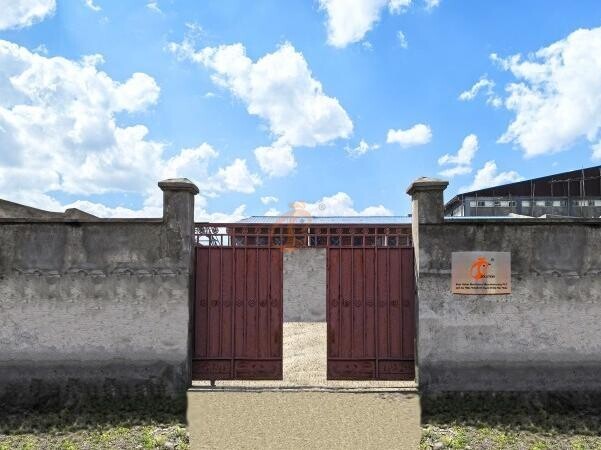
Ethiopia Best Hebei Machinery Manufacturing PLC
Reception /24 WhatsApp NO. : +8618830120193
FAQ
How To Buy The Best A-Type Poultry Cage For High-Quality Egg Production?
Birds per set: 120-200 birds
Suitable for small to medium commercial farms
Egg production rate: 90–96%
FCR: 1.9–2.2
Equipment lifespan: more than 25 years
Labor savings: 50–70%
What Are The Recommended Layouts For A-Type Chicken Cage Farm?
Cage width: 2200–2400 mm, depth: 400 mm
Farm capacity per house: 10,000–50,000 birds
Aisle width: 1.2–1.4 m for easy manual operation
Egg production rate: 90-96%
How To Optimize Feed Conversion Ratio In A-Type Layer Cage System?
Improve ventilation to reduce heat stress
FCR can be reduced to 1.9–2.2
Egg production rate: 90–96%
Feed waste reduced by 5–10%
Message
Products recommended
 HK Headquarter Offers EU-standard Poultry Farm Solutions, Manufacture Poultry Farm Equipment1. Continuous communication with the EU and the US
2. China, Nigeria, Ethiopia, Tanzania branch companies and factories
3. The products’ quality is customized for local poultry farms
4. Poultry cage and poultry farm equipment stock for sale
5. 24 online reception Whatsapp NO. : +8618830120193,contact us to get full informationRead More China Branch Offer Poultry Farm Business Plan, Manufacture Poultry Farm Equipment1. Address: Flat/RM 2416, 24/F, Runxing Building, Youyi Nan Street, Shijiazhuang City, Hebei Province, China
2. Poultry cage and poultry farm equipment factory and stock for sale
3. Customized for local poultry farms
4. Quality and design are based on Euro
5. 24 online reception Whatsapp NO. : +8618830120193Read More Nigeria Branch Offer Poultry Farm Business Plan, Manufacture Poultry Farm Equipment1. Address: After Sinoma Office, 200 Meters Near Danco Filling Station, Lagos/Ibadan Expressway, Lagos State, Nigeria
2. Poultry cage and poultry farm equipment factory and stock for sale
3. Customized for Nigerian poultry farms
4. Quality and design are based on Euro
5. 24 online reception Whatsapp NO. : +8618830120193Read More Ethiopia Branch Offer Poultry Farm Business Plan, Manufacture Poultry Farm Equipment1. Address: Gelan Gura, Akaki-kaliti Sub City, Addis Ababa, Ethiopia
2. Poultry cage and poultry farm equipment stock for sale
3. Customized for Ethiopian poultry farms
4. Quality and design are based on Euro
5. 24 online reception Whatsapp NO. : +8618830120193, contact us to get price listRead More Tanzania Branch Offer Poultry Farm Business Plan, Manufacture Poultry Farm Equipment1. Address: No.8, Sova Road, Msufini, Mlandizi, Kibaha, Pwani, Tanzania
2. Poultry cage and poultry farm equipment factory and stock for sale
3. Customized for Tanzanian poultry farms
4. Quality and design are based on Euro
5. 24 online reception Whatsapp NO. : +8618830120193Read More Fully Automatic H Type Layer Chicken Cage1. 30,000-100,000+ layers/house chooses it, Poultry farmers can achieve an egg production rate of 96-98%
2. A significant improvement over the 85-90% typically seen in manual systems
3. A typical poultry farm can expect a 30-40% reduction in labor costs due to the automation
4. Each feeding line efficiently supplies feed to around 100,000 hens per 30 mins
5. Reception /WhatsApp NO. : +8618830120193Read More Fully Automatic A Type Layer Chicken Cage1. 10,000-50,000 layers/house chooses it
2. Cleaner egg collection reduces breakage by 0.5%
3. Improved hygiene helps reduce mortality rate to <3%
4. 1–2 technicians can handle 15,000–30,000 birds
5. Reception /WhatsApp NO. : +8618830120193Read More Semi Automatic H Type Layer Chicken Cage1. 1,00-20,000 layers/house chooses it
2. Nipple drinkers flow 30–60 ML / min
3. Hot-dip galvanized (typical coating ≥ 275 g/m²)
4. Reduce ammonia by ~ 35–40%
5. Reception /WhatsApp NO. : +8618830120193Read More Semi Automatic A Type Layer Chicken Cage1. 1,00-20,000 layers/house chooses it, no rust for 10 years, no deformation for 15 years
2. Chickens live comfortably, you can raise them with peace of mind
3. Save water, save money—efficiency you can measure
4. Improve environment quality, and increase egg production rate
5. Reception /WhatsApp NO. : +8618830120193Read More
By clicking 'Allow All', you agree to the storage of cookies on your device to enhance site navigation, analyze site usage and assist with our marketing efforts.