


Blog
H-type layer cage systems provide superior efficiency for Ethiopian commercial chicken farms.
These systems help reduce feed conversion rates, enhancing profitability per bird.
Labor requirements are significantly lowered, improving farm operational efficiency.
Egg quality and uniformity are improved, attracting urban market premium prices.
Waste management solutions comply with stricter urban and peri-urban regulations.
Get professional poultry farm construction guidance, equipment selection solutions, and the latest price lists, whatsApp to +8618830120193, click to learn more:

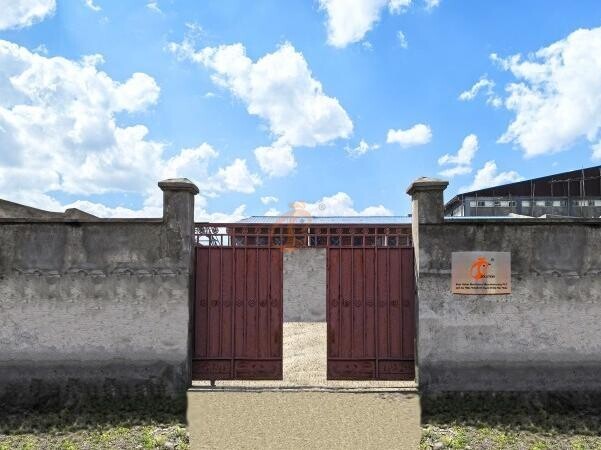
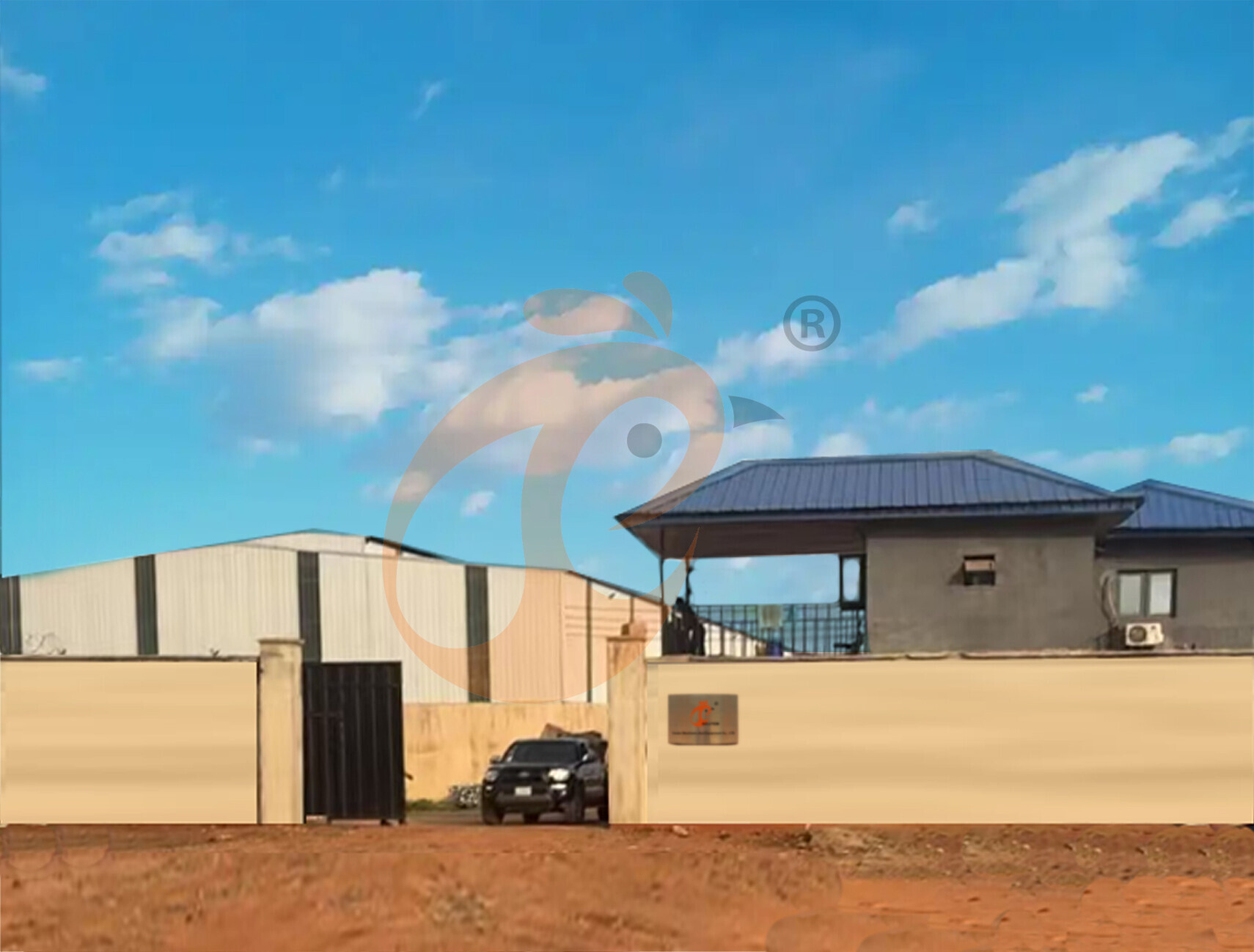
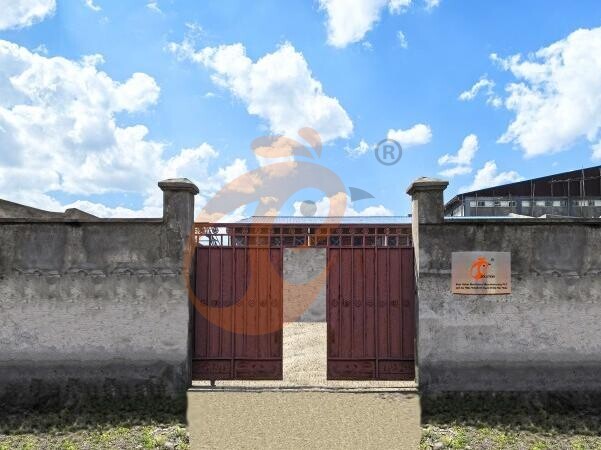
Ethiopia Branch Office And Factory Of Poultry Farm Equipment
Understanding The Ethiopian Commercial Layer Farming Landscape
Commercial layer farming in Ethiopia has evolved significantly over the past decade.
62.2% of farmers still use floor systems, while those adopting cage housing achieve better performance.
Urban population growth and demand for high-quality protein drive the trend toward H-type chicken cage adoption.
Current Production Realities
Ethiopian commercial layer farms operate within constraints.
In Addis Ababa, land scarcity requires vertical integration.
Highland regions like Holeta and Bishoftu face cooler temperatures and manure management challenges.
Lowland regions such as Awash Valley deal with heat stress affecting feed intake and egg production.
Data is for reference only.Swipe horizontally to view full table.
The Commercial Farmer's Pain Points
Feed cost volatility remains a dominant concern.
Disease management challenges are higher in tropical environments.
Labor scarcity and high wages affect productivity. Market demand favors uniform, clean eggs.
Waste management regulations are increasingly strict in urban zones.
H-Type Layer Chicken Cage Systems: Design Principles And Local Applicability
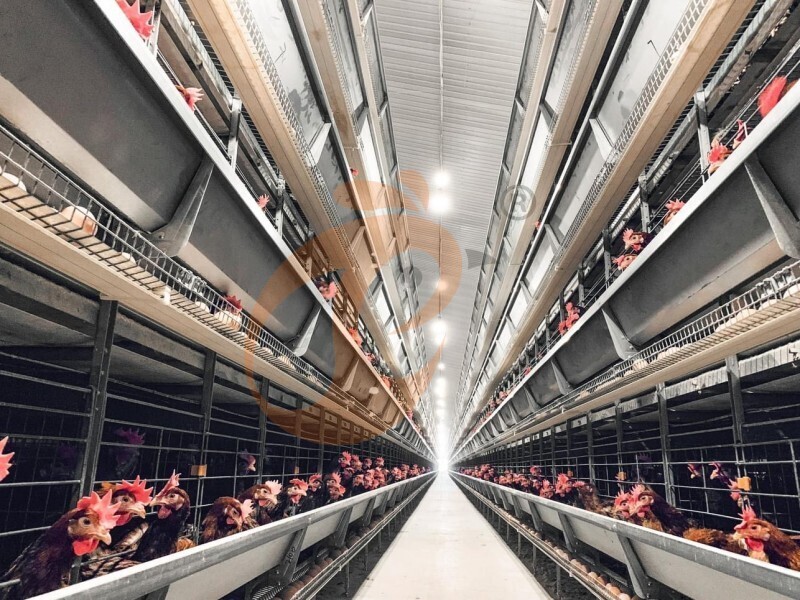
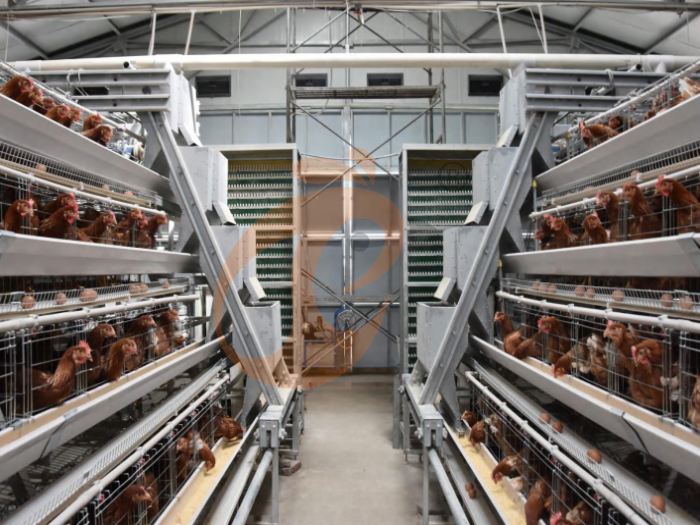
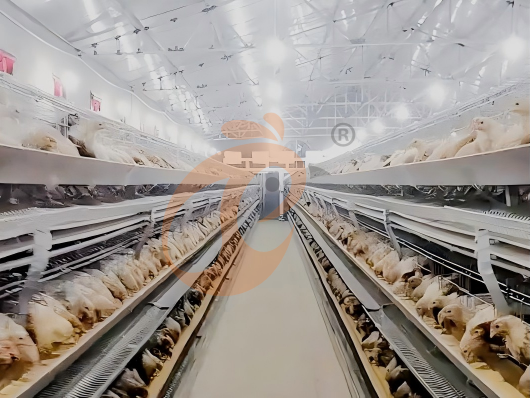
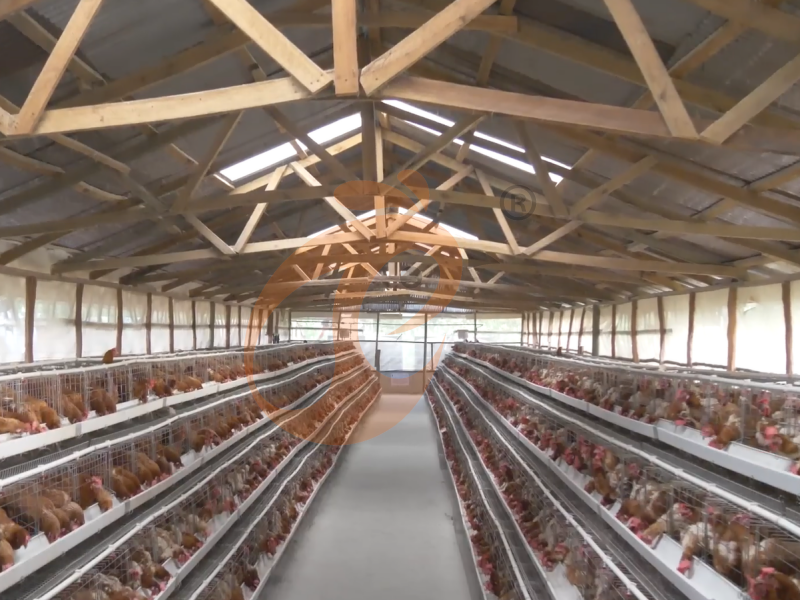
H-type chicken cage systems differ from A-type configurations with vertical columns, centralized aisles, automated manure removal, and environmental control.
They optimize space, airflow, and efficiency.
Structural Characteristics
H-type cages have horizontal support beams forming multi-tier frameworks.
Popular configurations range from three to eight tiers with multiple cells per tier accessible from service corridors.
Data is for reference only.Swipe horizontally to view full table.
Material Durability In Ethiopian Climates
Data is for reference only.Swipe horizontally to view full table.
Comparative Analysis: H-Type Versus Alternatives
H-type cages outperform floor and A-type systems in ventilation, feed conversion, and labor efficiency.
Urban market premiums favor uniform, high-quality eggs.
Ventilation And Thermal Performance
Open vertical columns promote airflow, reducing heat stress and ammonia. Natural convection enhances bird welfare.
Data is for reference only.Swipe horizontally to view full table.
Feed Conversion And Egg Production Metrics
H-type systems improve feed intake efficiency and egg production.
Data is for reference only.Swipe horizontally to view full table.
Labor Efficiency And Automation Potential
Data is for reference only.Swipe horizontally to view full table.
Economic Analysis: Investment And Returns For Ethiopian Farms
Capital Cost Comparison
Data is for reference only.Swipe horizontally to view full table.
Operational Cash Flow Impact
Data is for reference only.Swipe horizontally to view full table.
Break-Even And Sensitivity Analysis
Data is for reference only.Swipe horizontally to view full table.
Implementation Considerations For Ethiopian Farms
Shed Requirements And Modifications
Existing commercial sheds can accommodate H-type systems with modest modifications.
Height for ventilation and row spacing is essential.
Phased Implementation Approach
Phase 1: Install H-type cages in one house and train staff.
Phase 2: Expand adoption and integrate partial automation.
Phase 3: Full conversion with complete automation and environmental control.
Maintenance Requirements
Weekly, monthly, and annual inspections are necessary to ensure performance and longevity.
Case Studies: Ethiopian Commercial Layer Farms
Debre Zeit Commercial Farm (40,000 Birds)
Conversion to H-type 4-tier manual cages increased production and reduced mortality and labor.
Bishoftu Integrated Poultry (120,000 Birds)
Fully automated H-type cages achieved top feed conversion and generated manure revenue.
Frequently Asked Questions
Q1: What are the advantages of H-type layer chicken cages in Ethiopia?
A1: H-type chicken cages improve feed conversion, reduce labor, and enhance egg quality.
Q2: How do H-type systems affect operational costs?
A2: Operational costs decrease due to lower feed, mortality, and labor requirements over time.
Q3: Are H-type systems suitable for small and large commercial farms?
A3: Yes, H-type systems are scalable and adaptable to different Ethiopian farm sizes.
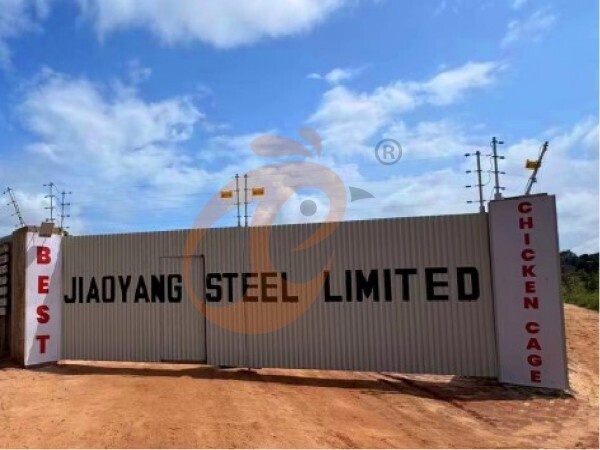
Ethiopia Best Hebei Machinery Manufacturing Plc - One Of Ethiopia Largest H-Type Layer Cage Manufacturer
HB BEST offers global factory direct sales for poultry farm equipment and poultry cage systems.
The company specializes in turnkey poultry farm engineering solutions with professional project support.
HB BEST provides durable H-type layer chicken cages suitable for Ethiopian climates.
Customers benefit from international standard design and full installation guidance.
Turnkey solutions and after-sale service ensure efficient poultry production for commercial farms.
Contact Us To Received Your Customized Poultry Farm Plan
Headquarters And Branchs

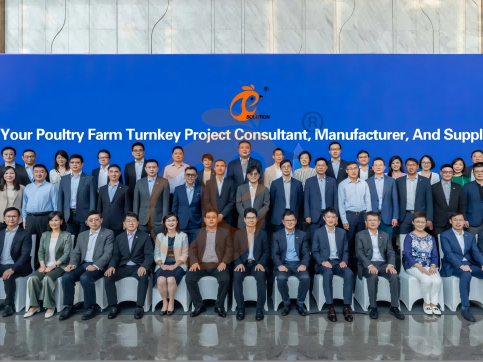
Hong Kong Headquarter Management Team
Hong Kong Headquarter Taiyu Industrial Group CO., LTD
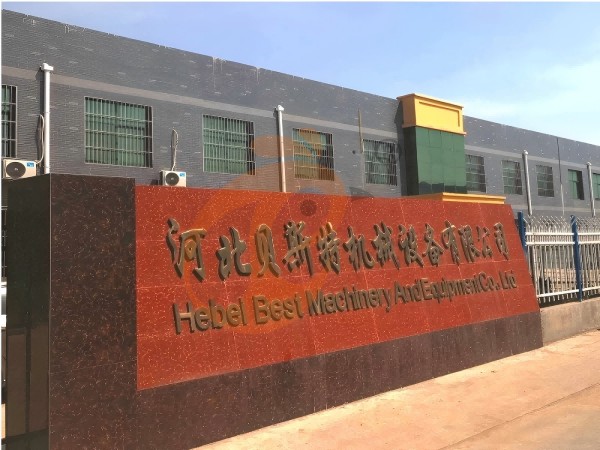
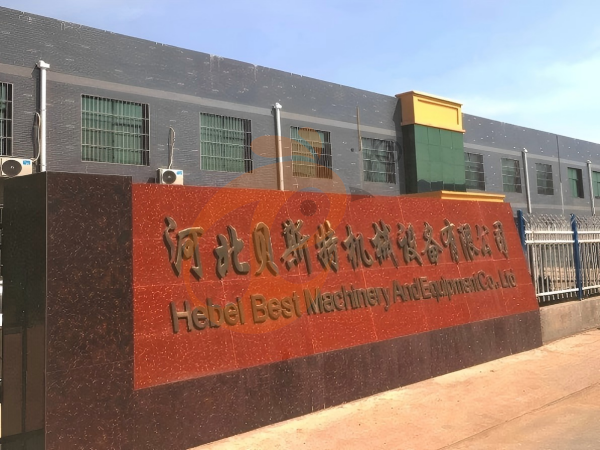
China Hebei Best Machinery And Equipment CO., LTD
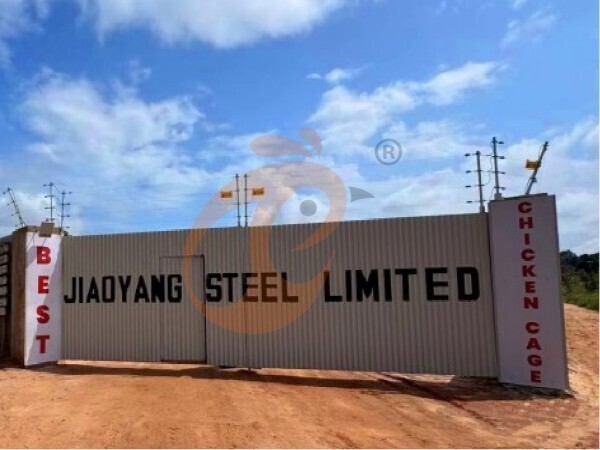
Nigeria Vanke Machinery And Equipment CO., LTD
Tanzania Best Machinery And Equipment CO., LTD
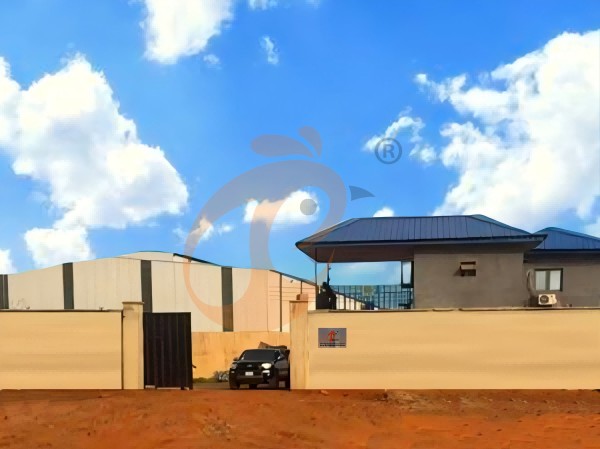
Ethiopia Best Hebei Machinery Manufacturing PLC
Reception /24 WhatsApp NO. : +8618830120193
Message
Products recommended
 HK Headquarter Offers EU-standard Poultry Farm Solutions, Manufacture Poultry Farm Equipment1. Continuous communication with the EU and the US
2. China, Nigeria, Ethiopia, Tanzania branch companies and factories
3. The products’ quality is customized for local poultry farms
4. Poultry cage and poultry farm equipment stock for sale
5. 24 online reception Whatsapp NO. : +8618830120193,contact us to get full informationRead More China Branch Offer Poultry Farm Business Plan, Manufacture Poultry Farm Equipment1. Address: Flat/RM 2416, 24/F, Runxing Building, Youyi Nan Street, Shijiazhuang City, Hebei Province, China
2. Poultry cage and poultry farm equipment factory and stock for sale
3. Customized for local poultry farms
4. Quality and design are based on Euro
5. 24 online reception Whatsapp NO. : +8618830120193Read More Nigeria Branch Offer Poultry Farm Business Plan, Manufacture Poultry Farm Equipment1. Address: After Sinoma Office, 200 Meters Near Danco Filling Station, Lagos/Ibadan Expressway, Lagos State, Nigeria
2. Poultry cage and poultry farm equipment factory and stock for sale
3. Customized for Nigerian poultry farms
4. Quality and design are based on Euro
5. 24 online reception Whatsapp NO. : +8618830120193Read More Ethiopia Branch Offer Poultry Farm Business Plan, Manufacture Poultry Farm Equipment1. Address: Gelan Gura, Akaki-kaliti Sub City, Addis Ababa, Ethiopia
2. Poultry cage and poultry farm equipment stock for sale
3. Customized for Ethiopian poultry farms
4. Quality and design are based on Euro
5. 24 online reception Whatsapp NO. : +8618830120193, contact us to get price listRead More Tanzania Branch Offer Poultry Farm Business Plan, Manufacture Poultry Farm Equipment1. Address: No.8, Sova Road, Msufini, Mlandizi, Kibaha, Pwani, Tanzania
2. Poultry cage and poultry farm equipment factory and stock for sale
3. Customized for Tanzanian poultry farms
4. Quality and design are based on Euro
5. 24 online reception Whatsapp NO. : +8618830120193Read More Fully Automatic H Type Layer Chicken Cage1. 30,000-100,000+ layers/house chooses it, Poultry farmers can achieve an egg production rate of 96-98%
2. A significant improvement over the 85-90% typically seen in manual systems
3. A typical poultry farm can expect a 30-40% reduction in labor costs due to the automation
4. Each feeding line efficiently supplies feed to around 100,000 hens per 30 mins
5. Reception /WhatsApp NO. : +8618830120193Read More Fully Automatic A Type Layer Chicken Cage1. 10,000-50,000 layers/house chooses it
2. Cleaner egg collection reduces breakage by 0.5%
3. Improved hygiene helps reduce mortality rate to <3%
4. 1–2 technicians can handle 15,000–30,000 birds
5. Reception /WhatsApp NO. : +8618830120193Read More Semi Automatic H Type Layer Chicken Cage1. 1,00-20,000 layers/house chooses it
2. Nipple drinkers flow 30–60 ML / min
3. Hot-dip galvanized (typical coating ≥ 275 g/m²)
4. Reduce ammonia by ~ 35–40%
5. Reception /WhatsApp NO. : +8618830120193Read More Semi Automatic A Type Layer Chicken Cage1. 1,00-20,000 layers/house chooses it, no rust for 10 years, no deformation for 15 years
2. Chickens live comfortably, you can raise them with peace of mind
3. Save water, save money—efficiency you can measure
4. Improve environment quality, and increase egg production rate
5. Reception /WhatsApp NO. : +8618830120193Read More
By clicking 'Allow All', you agree to the storage of cookies on your device to enhance site navigation, analyze site usage and assist with our marketing efforts.