


Blog
A type chicken cage for layers In Ethiopia helps farmers improve egg production efficiency in commercial poultry houses.
Ethiopian poultry farmers are shifting from traditional backyard management to structured cage-based production systems.
Proper cage design, feed management, lighting, and disease prevention can increase egg supply for growing urban markets.
Local poultry enterprises are expanding in cities like Addis Ababa and Adama.
Practical farm management solutions help producers stabilize income and reduce operational waste.
Get professional poultry farm construction guidance, equipment selection solutions, and the latest price lists, whatsApp to +8618830120193, click to learn more:

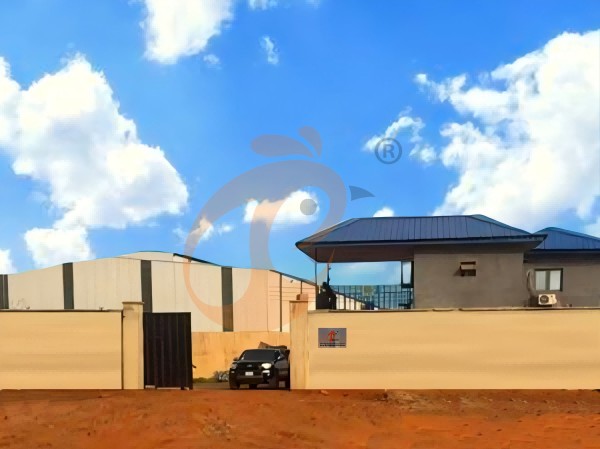
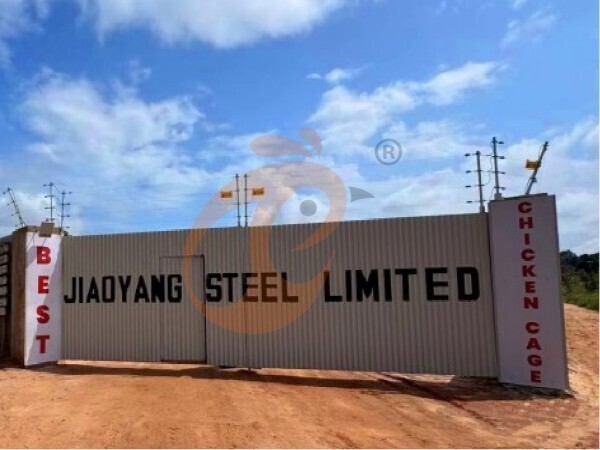
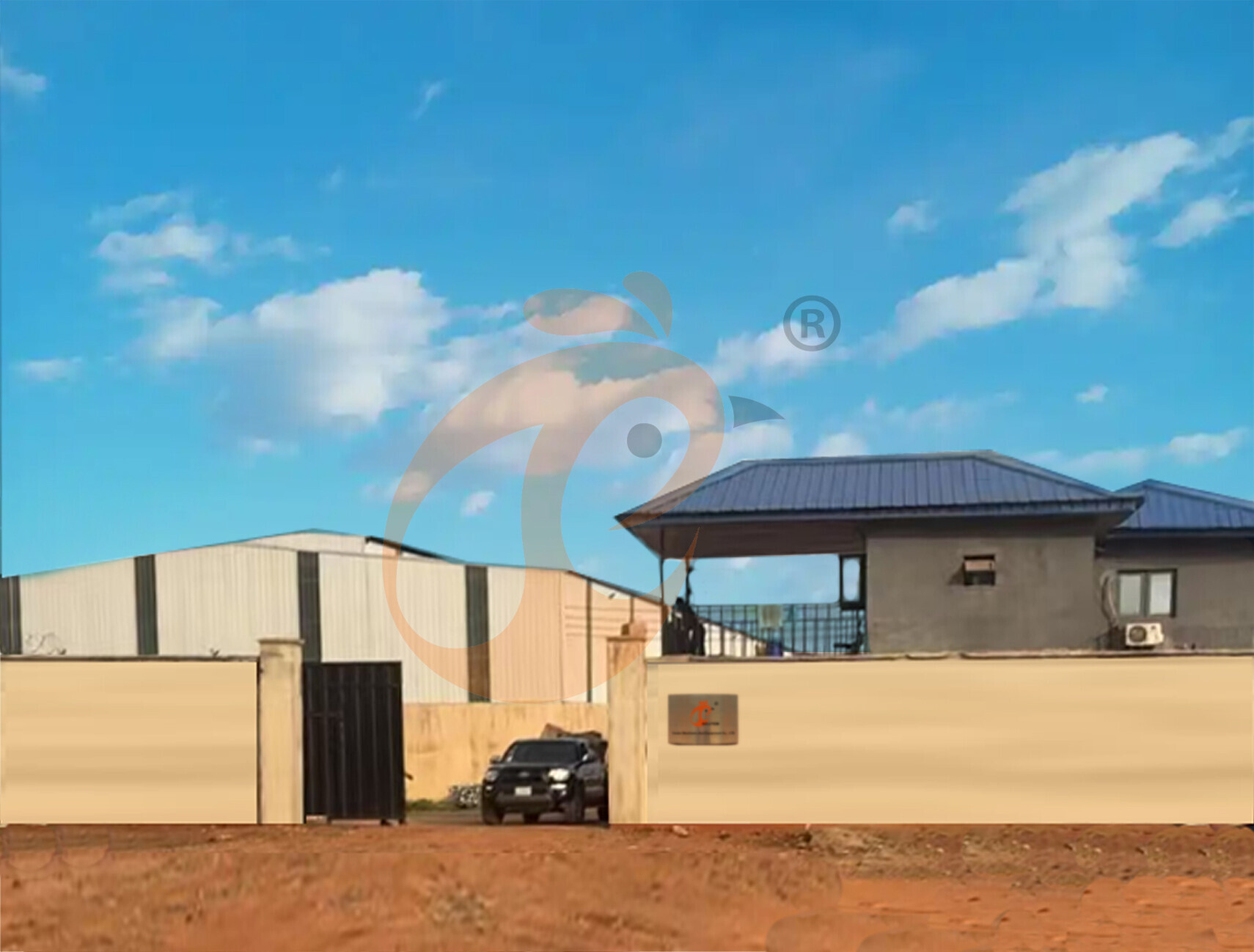
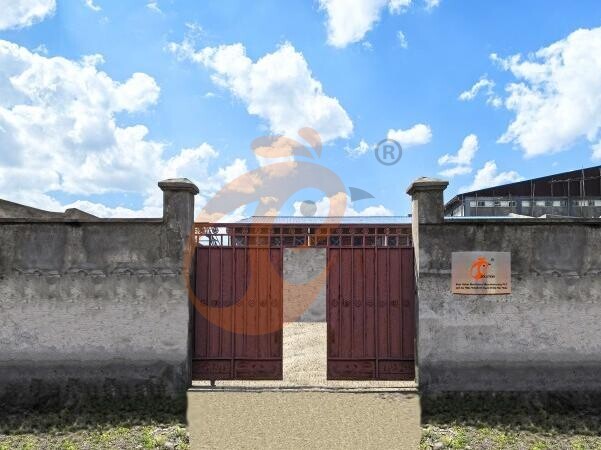
Ethiopia Branch Office And Factory Of Poultry Farm Equipment
Egg Production Development In Ethiopia Poultry Industry
Egg production plays an important role in Ethiopia's livestock economy and household nutrition.
Egg demand is rising steadily in urban markets such as Bahir Dar and Hawassa.
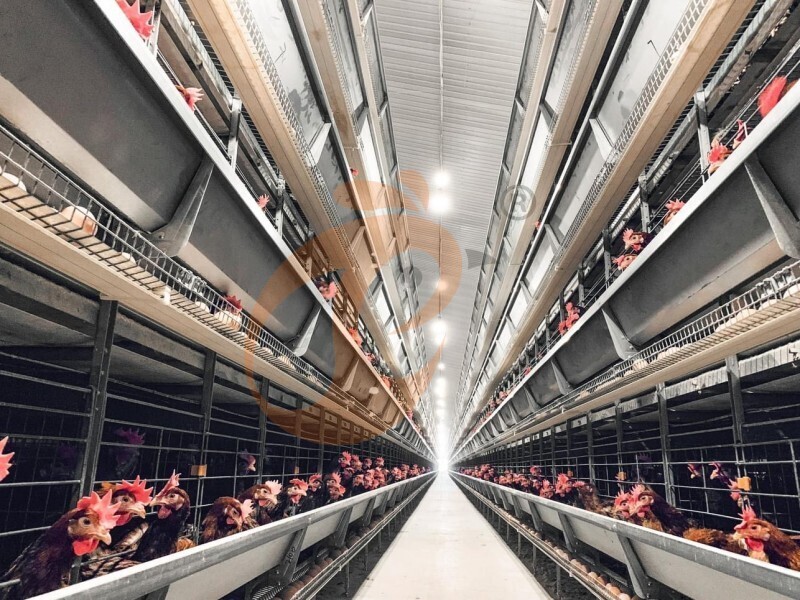
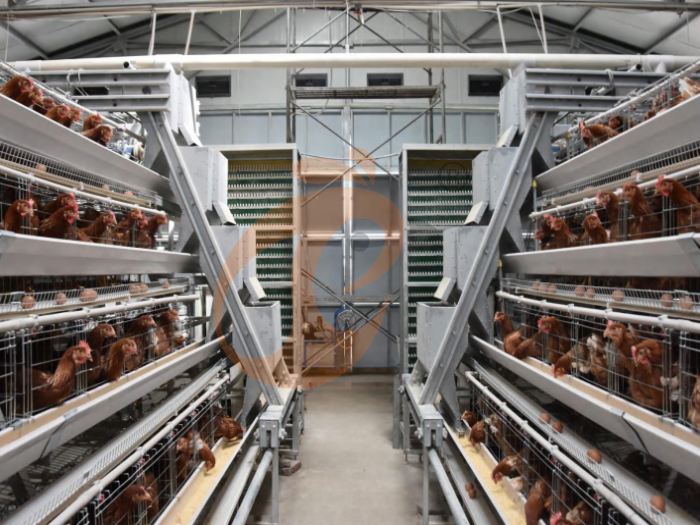
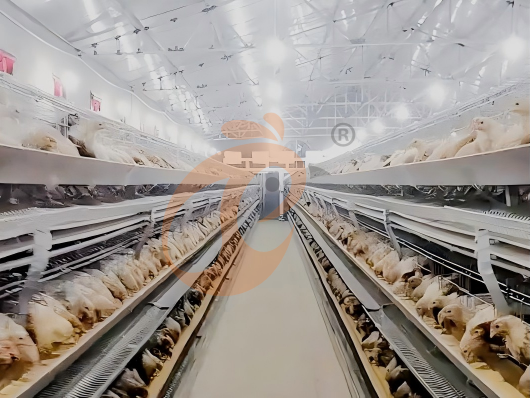
Many poultry farmers are upgrading their facilities by installing A-type layer chicken cage systems.
These cages improve egg collection efficiency, bird management, and space utilization.
However, simply installing cages is not enough to increase productivity.
Farm management practices must also adapt to Ethiopian climate conditions, feed availability, and disease challenges.
The following sections explain practical methods to improve egg production using commercial layer chicken cage systems and layer farming equipment solutions adapted to Ethiopian poultry farms.
Select Suitable A-Type Chicken Cage Structure For Ethiopian Farms
The first step toward improving egg production is choosing a cage structure compatible with local poultry house conditions.
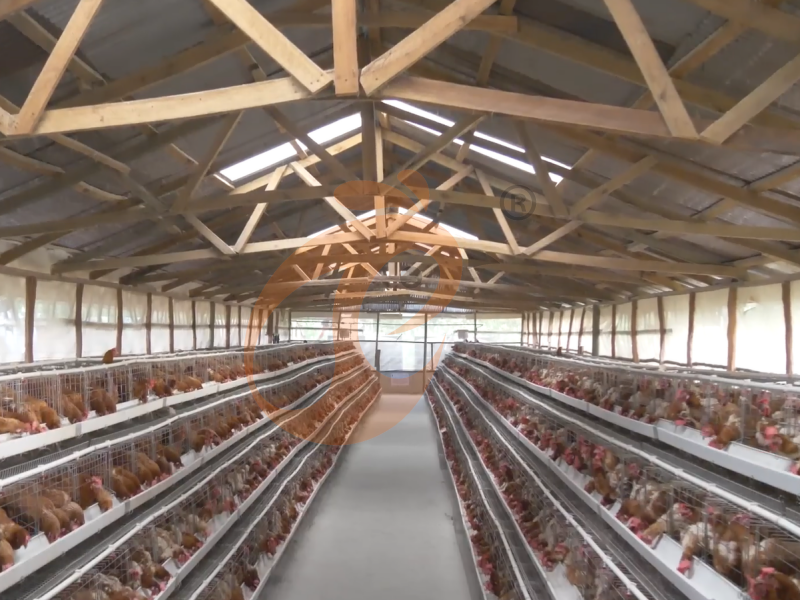
Many Ethiopian farms operate semi-open poultry houses with natural airflow.
A-type chicken cage systems work effectively in these structures because the triangular frame design allows air movement while supporting multi-layer cage rows.
This structure also simplifies egg collection and manure removal.
Hot-dip galvanized steel cages are recommended because they withstand seasonal humidity during Ethiopian rainy seasons.
Data is for reference only.Swipe horizontally to view full table.
These cage parameters help Ethiopian farmers maintain bird comfort and egg safety during collection.
Optimize Stocking Density In Layer Chicken Cage Systems
Stocking density directly affects egg production and flock stability.
Overcrowded cages reduce feeder access and cause bird stress.
Ethiopian commercial farms using commercial layer chicken cage systems often follow controlled stocking guidelines to maintain consistent egg laying cycles.
Data is for reference only.Swipe horizontally to view full table.
Maintaining proper stocking density allows each hen to access feed and water evenly.
This supports consistent egg formation and shell quality.
Improve Feed Efficiency With Local Ethiopian Ingredients
Feed cost represents the largest operational expense in Ethiopian poultry production.
Many farms depend heavily on maize and soybean meal.
Using locally available ingredients such as noug cake and wheat bran helps reduce feed costs while maintaining nutritional balance.
Feed price variations may affect farm operating budgets ranging from 5,000 to 12,000 Ethiopian Birr per ton depending on regional supply.
European union standard reference only.
Data is for reference only.Swipe horizontally to view full table.
Farmers near Dire Dawa often incorporate these ingredients because they are locally available through oilseed processing industries.
Balanced nutrition ensures that hens housed in A-type layer chicken cage systems maintain egg laying cycles.
Strengthen Disease Control Through Cage Hygiene Management
Disease outbreaks remain one of the major challenges affecting poultry farms across Ethiopia.
Viral diseases such as Newcastle Disease and Avian Influenza can significantly affect egg production cycles.
A-type chicken cage systems help reduce disease transmission because birds remain separated from manure accumulation areas.
Regular sanitation and vaccination programs remain essential for maintaining flock health.
Data is for reference only.Swipe horizontally to view full table.
Routine cage cleaning and manure management improve overall poultry house hygiene.
Manage Lighting Programs For Consistent Egg Production
Lighting programs influence egg production cycles in layer chickens.
Layer hens require a controlled lighting schedule to maintain reproductive activity.
In many Ethiopian rural areas electricity supply may fluctuate.
Some farms install solar-powered lighting systems to maintain consistent illumination schedules.
Data is for reference only.Swipe horizontally to view full table.
Proper lighting programs help hens housed in layer farming equipment solutions maintain consistent egg laying cycles throughout the year.
Environmental Management For Cage Layer Farming
Environmental control is important for poultry houses located in different Ethiopian agro-climatic regions.
Highland areas experience cooler night temperatures while lowland regions have warmer daytime conditions.
Ventilation systems help maintain stable poultry house conditions and improve bird comfort.
Data is for reference only.Swipe horizontally to view full table.
Maintaining proper ventilation conditions ensures that cage systems operate efficiently across Ethiopian climate zones.
Economic Benefits Of A-Type Layer Chicken Cage Systems
Transitioning from floor poultry systems to cage production improves operational efficiency.
Many Ethiopian farms invest between 180,000 and 350,000 Ethiopian birr for mid-scale poultry house equipment depending on flock size.
European union standard reference only.
The improved management efficiency allows farmers to increase egg output while maintaining manageable operating costs.
Data is for reference only.Swipe horizontally to view full table.
These operational improvements help Ethiopian farmers supply eggs to expanding urban markets such as Addis Ababa.
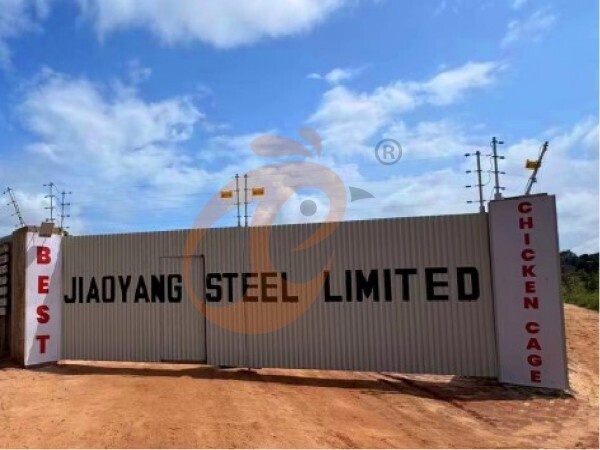
Ethiopia Best Hebei Machinery Manufacturing Plc - One Of Ethiopia Largest Poultry Cage Supplier
Global factory direct supply ensures poultry farm equipment quality stability and consistent production capacity.
The company provides poultry cage systems designed for commercial egg production farms worldwide.
HB BEST offers professional poultry farm equipment including feeding systems, drinking systems, and manure management equipment.
Engineering teams deliver complete Turn-key poultry farm construction solutions for modern egg production facilities.
Technical services include farm planning, equipment installation guidance, and long-term poultry farm equipment support.
Contact Us To Received Your Customized Poultry Farm Plan
Headquarters And Branchs

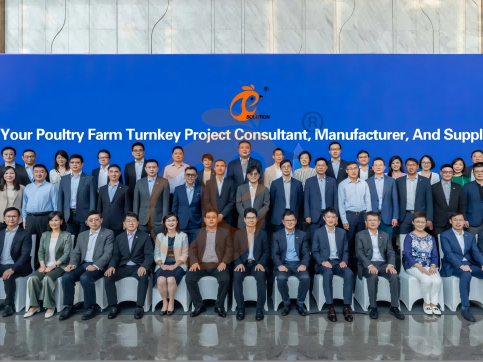
Hong Kong Headquarter Management Team
Hong Kong Headquarter Taiyu Industrial Group CO., LTD
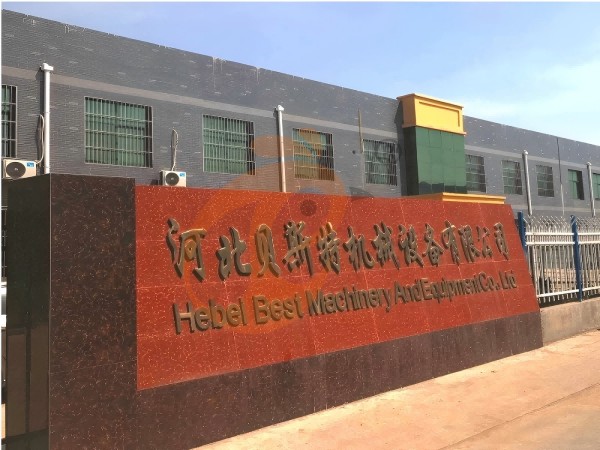
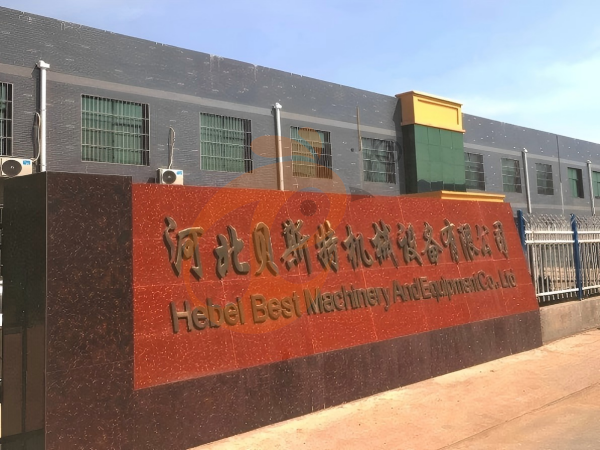
China Hebei Best Machinery And Equipment CO., LTD
Nigeria Vanke Machinery And Equipment CO., LTD
Tanzania Best Machinery And Equipment CO., LTD
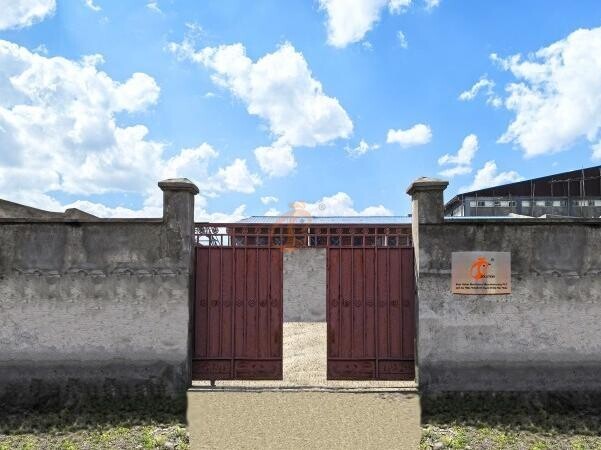
Ethiopia Best Hebei Machinery Manufacturing PLC
Reception /24 WhatsApp NO. : +8618830120193
FAQ
How To Buy The Best A-Type Poultry Cage For High-Quality Egg Production?
Birds per set: 120-200 birds
Suitable for small to medium commercial farms
Egg production rate: 90–96%
FCR: 1.9–2.2
Equipment lifespan: more than 25 years
Labor savings: 50–70%
What Are The Recommended Layouts For A-Type Chicken Cage Farm?
Cage width: 2200–2400 mm, depth: 400 mm
Farm capacity per house: 10,000–50,000 birds
Aisle width: 1.2–1.4 m for easy manual operation
Egg production rate: 90-96%
How To Optimize Feed Conversion Ratio In A-Type Layer Cage System?
Improve ventilation to reduce heat stress
FCR can be reduced to 1.9–2.2
Egg production rate: 90–96%
Feed waste reduced by 5–10%
- chicken cage
- layer cage
- poultry farm
- poultry cage
- poultry farm
- poultry farm equipment
- poultry farm construction
- poultry cage supplier
- chicken cage for layers
- layer farm
- poultry farmer
- poultry house
- chicken cage system
- poultry cage system
- layer chicken cage
- layer farming equipment
- poultry house equipment
- poultry farm construction solutions
- Ethiopia
- Nigeria
Message
Products recommended
 HK Headquarter Offers EU-standard Poultry Farm Solutions, Manufacture Poultry Farm Equipment1. Continuous communication with the EU and the US
2. China, Nigeria, Ethiopia, Tanzania branch companies and factories
3. The products’ quality is customized for local poultry farms
4. Poultry cage and poultry farm equipment stock for sale
5. 24 online reception Whatsapp NO. : +8618830120193,contact us to get full informationRead More China Branch Offer Poultry Farm Business Plan, Manufacture Poultry Farm Equipment1. Address: Flat/RM 2416, 24/F, Runxing Building, Youyi Nan Street, Shijiazhuang City, Hebei Province, China
2. Poultry cage and poultry farm equipment factory and stock for sale
3. Customized for local poultry farms
4. Quality and design are based on Euro
5. 24 online reception Whatsapp NO. : +8618830120193Read More Nigeria Branch Offer Poultry Farm Business Plan, Manufacture Poultry Farm Equipment1. Address: After Sinoma Office, 200 Meters Near Danco Filling Station, Lagos/Ibadan Expressway, Lagos State, Nigeria
2. Poultry cage and poultry farm equipment factory and stock for sale
3. Customized for Nigerian poultry farms
4. Quality and design are based on Euro
5. 24 online reception Whatsapp NO. : +8618830120193Read More Ethiopia Branch Offer Poultry Farm Business Plan, Manufacture Poultry Farm Equipment1. Address: Gelan Gura, Akaki-kaliti Sub City, Addis Ababa, Ethiopia
2. Poultry cage and poultry farm equipment stock for sale
3. Customized for Ethiopian poultry farms
4. Quality and design are based on Euro
5. 24 online reception Whatsapp NO. : +8618830120193, contact us to get price listRead More Tanzania Branch Offer Poultry Farm Business Plan, Manufacture Poultry Farm Equipment1. Address: No.8, Sova Road, Msufini, Mlandizi, Kibaha, Pwani, Tanzania
2. Poultry cage and poultry farm equipment factory and stock for sale
3. Customized for Tanzanian poultry farms
4. Quality and design are based on Euro
5. 24 online reception Whatsapp NO. : +8618830120193Read More Fully Automatic H Type Layer Chicken Cage1. 30,000-100,000+ layers/house chooses it, Poultry farmers can achieve an egg production rate of 96-98%
2. A significant improvement over the 85-90% typically seen in manual systems
3. A typical poultry farm can expect a 30-40% reduction in labor costs due to the automation
4. Each feeding line efficiently supplies feed to around 100,000 hens per 30 mins
5. Reception /WhatsApp NO. : +8618830120193Read More Fully Automatic A Type Layer Chicken Cage1. 10,000-50,000 layers/house chooses it
2. Cleaner egg collection reduces breakage by 0.5%
3. Improved hygiene helps reduce mortality rate to <3%
4. 1–2 technicians can handle 15,000–30,000 birds
5. Reception /WhatsApp NO. : +8618830120193Read More Semi Automatic H Type Layer Chicken Cage1. 1,00-20,000 layers/house chooses it
2. Nipple drinkers flow 30–60 ML / min
3. Hot-dip galvanized (typical coating ≥ 275 g/m²)
4. Reduce ammonia by ~ 35–40%
5. Reception /WhatsApp NO. : +8618830120193Read More Semi Automatic A Type Layer Chicken Cage1. 1,00-20,000 layers/house chooses it, no rust for 10 years, no deformation for 15 years
2. Chickens live comfortably, you can raise them with peace of mind
3. Save water, save money—efficiency you can measure
4. Improve environment quality, and increase egg production rate
5. Reception /WhatsApp NO. : +8618830120193Read More
By clicking 'Allow All', you agree to the storage of cookies on your device to enhance site navigation, analyze site usage and assist with our marketing efforts.